



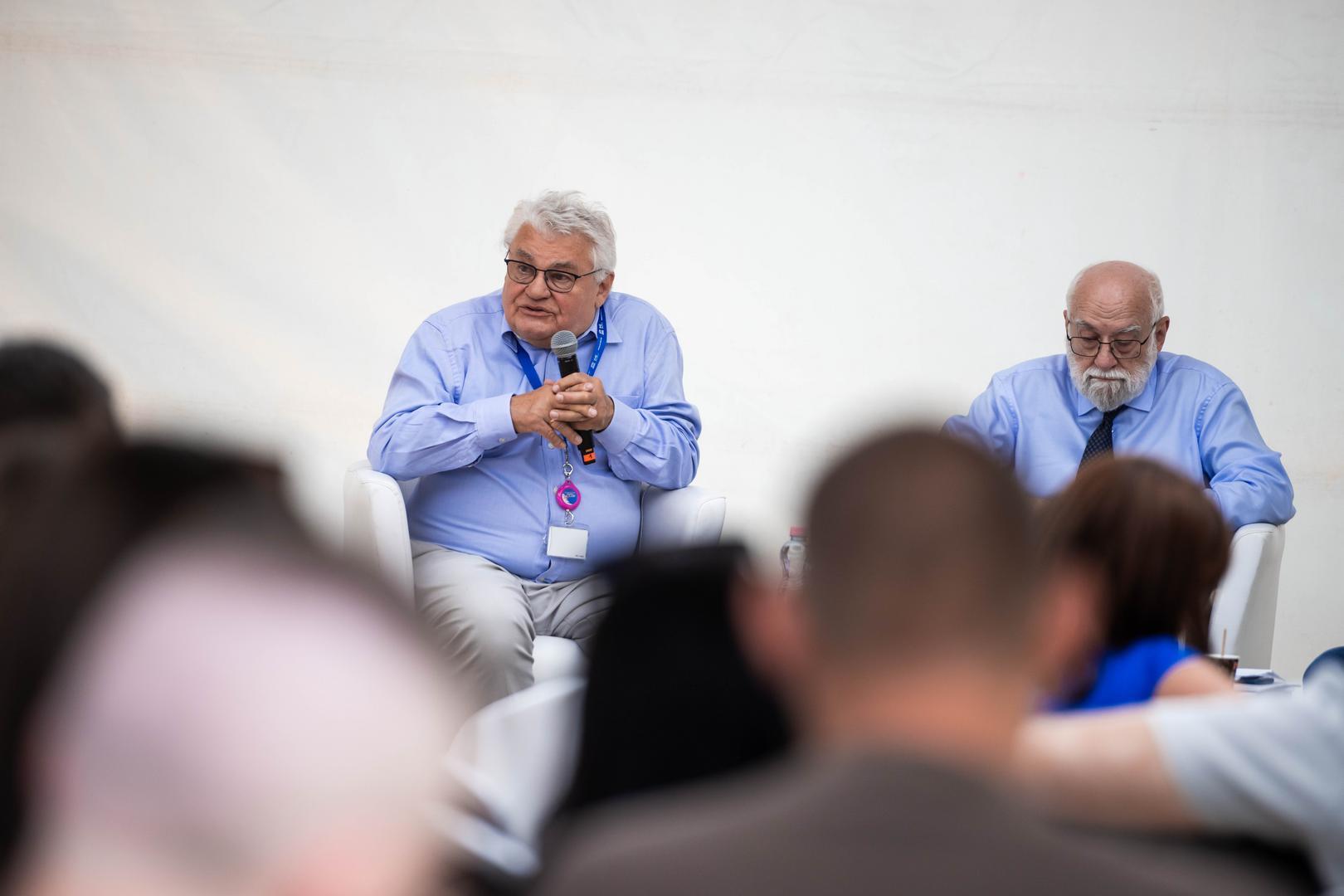

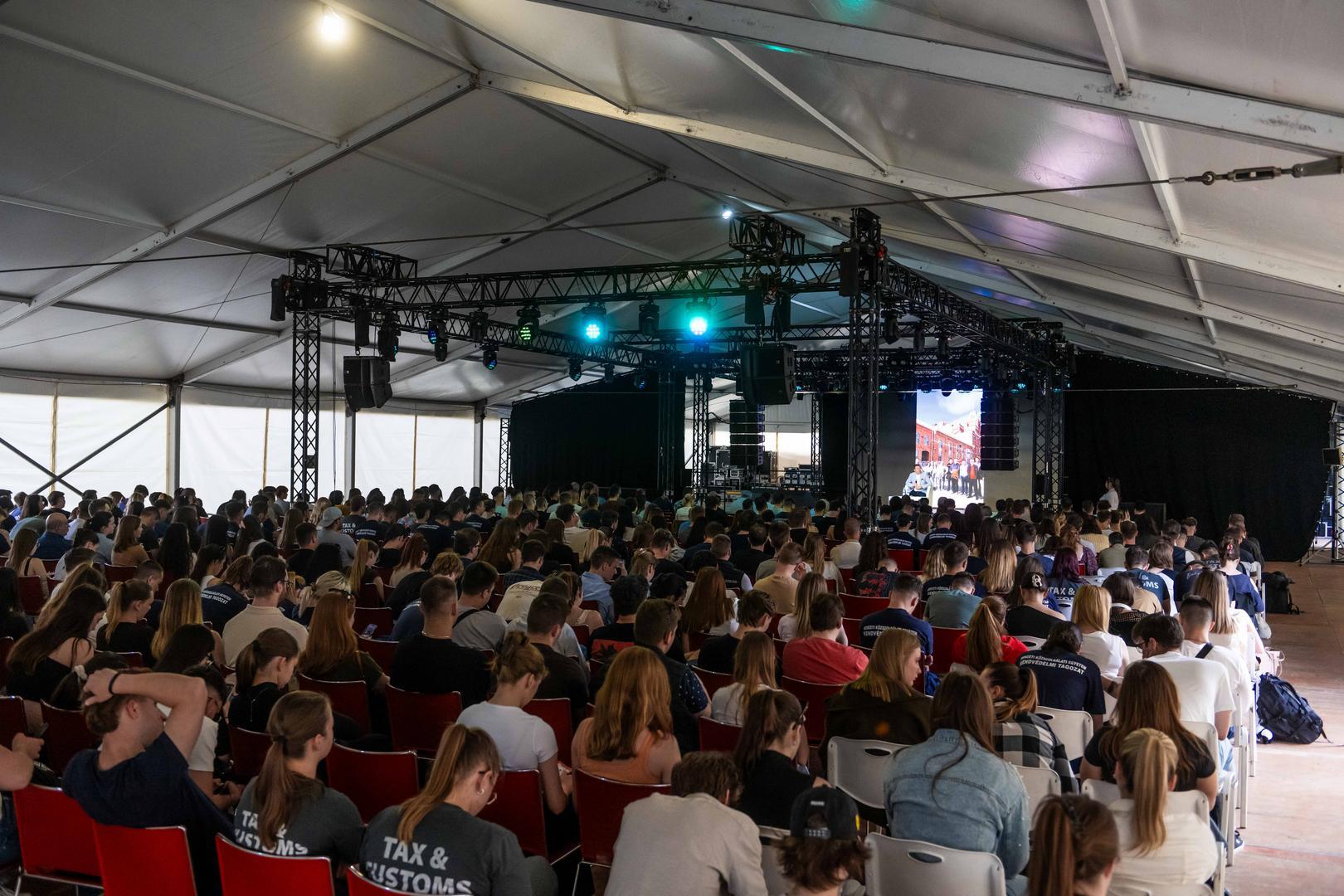
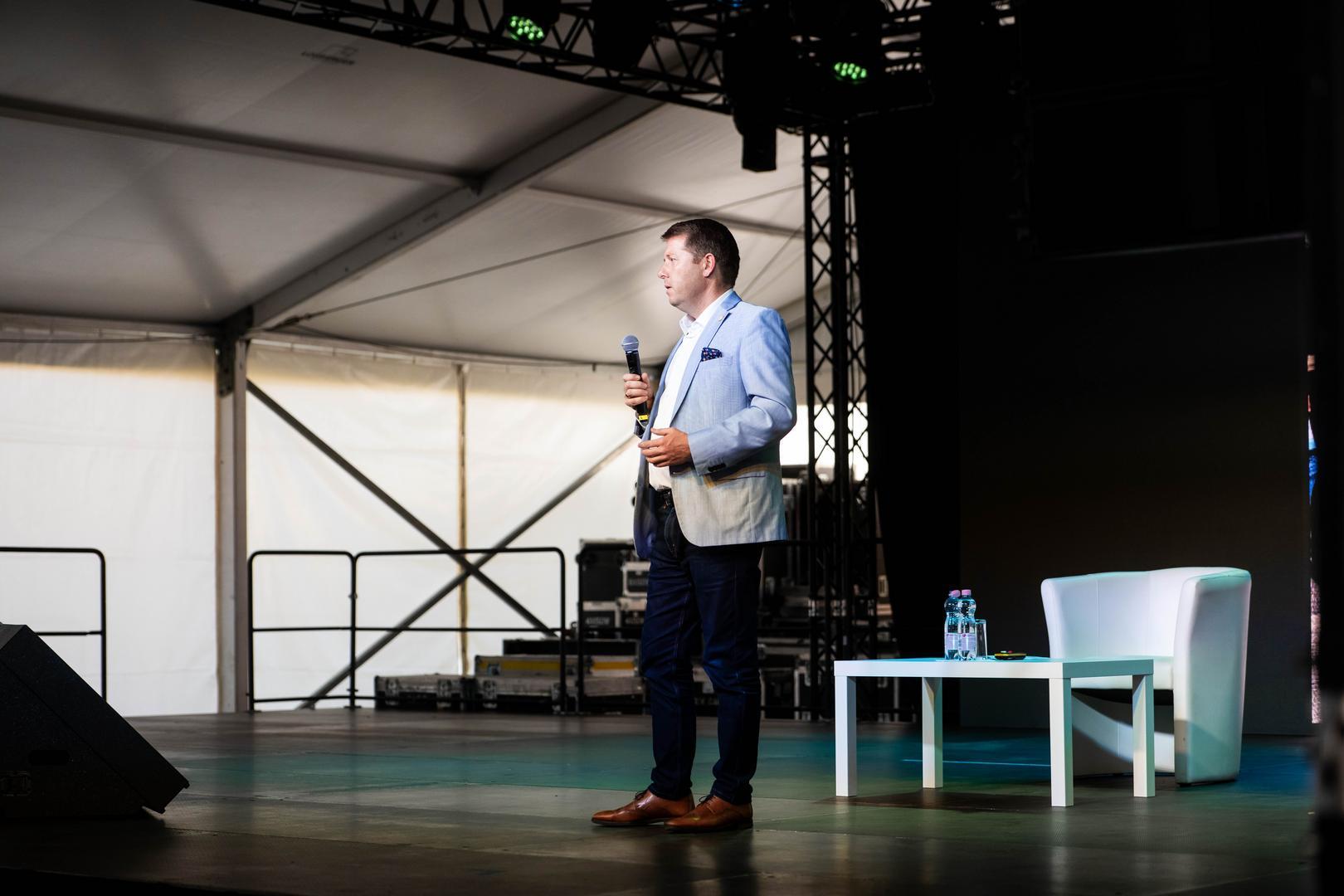

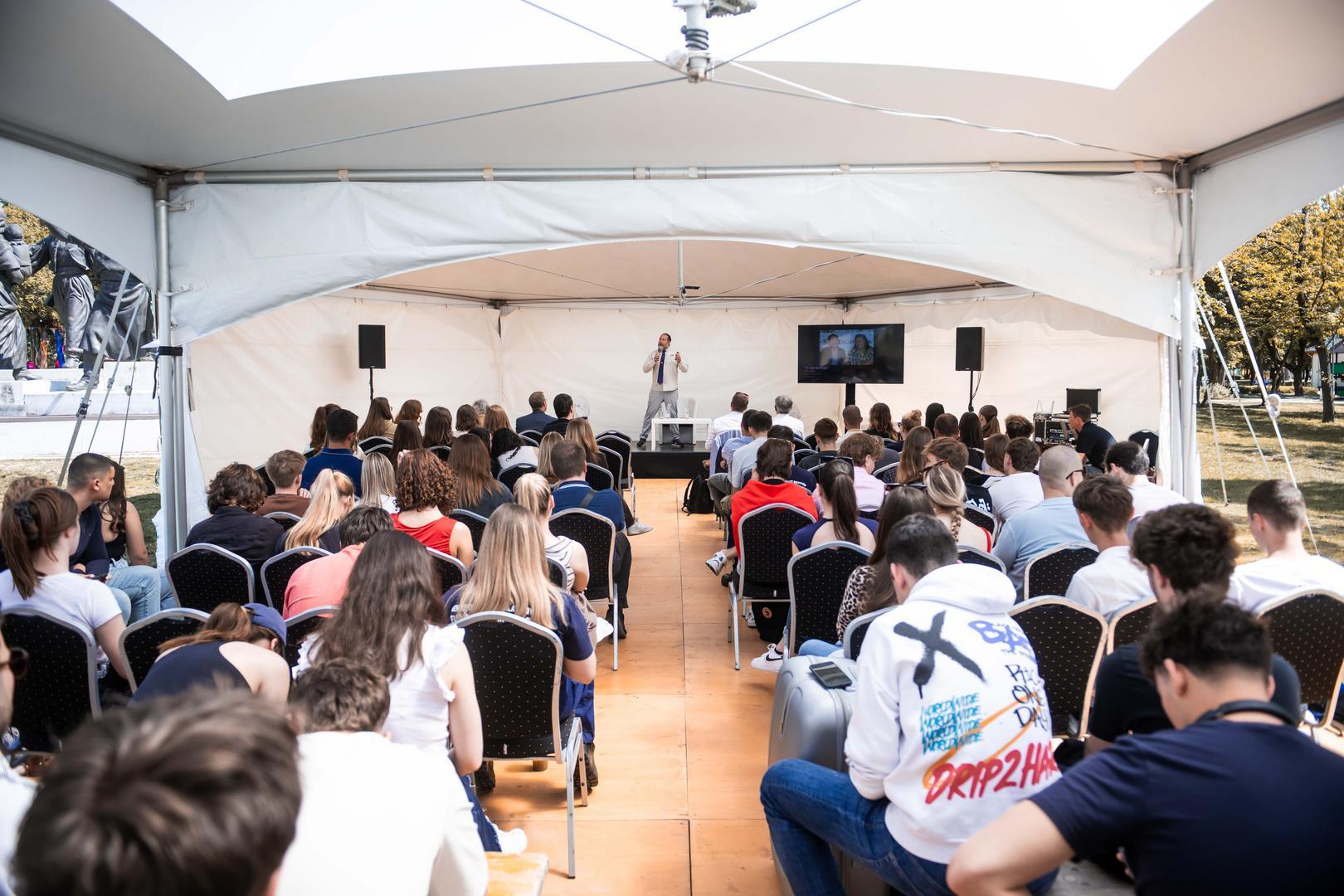




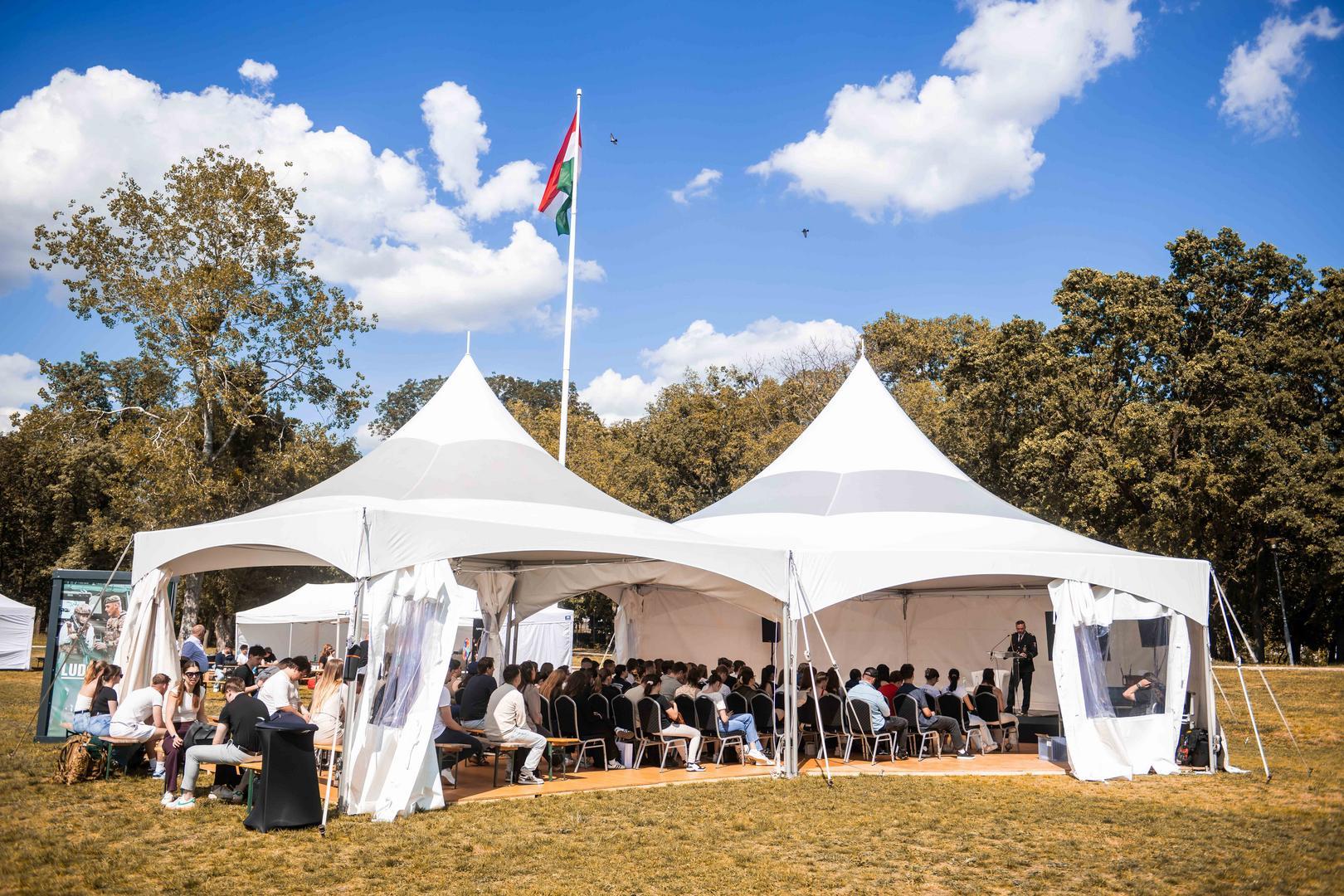












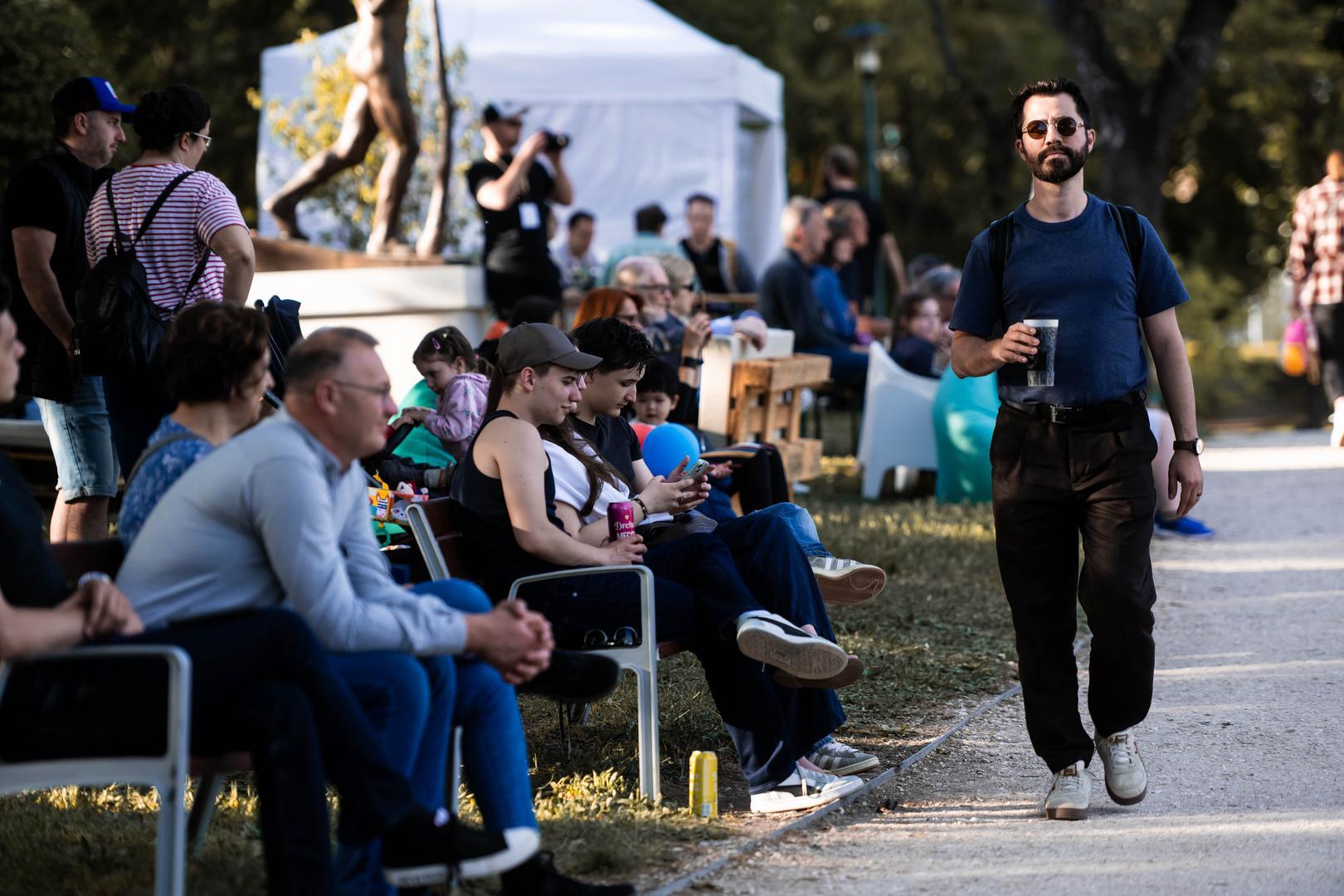

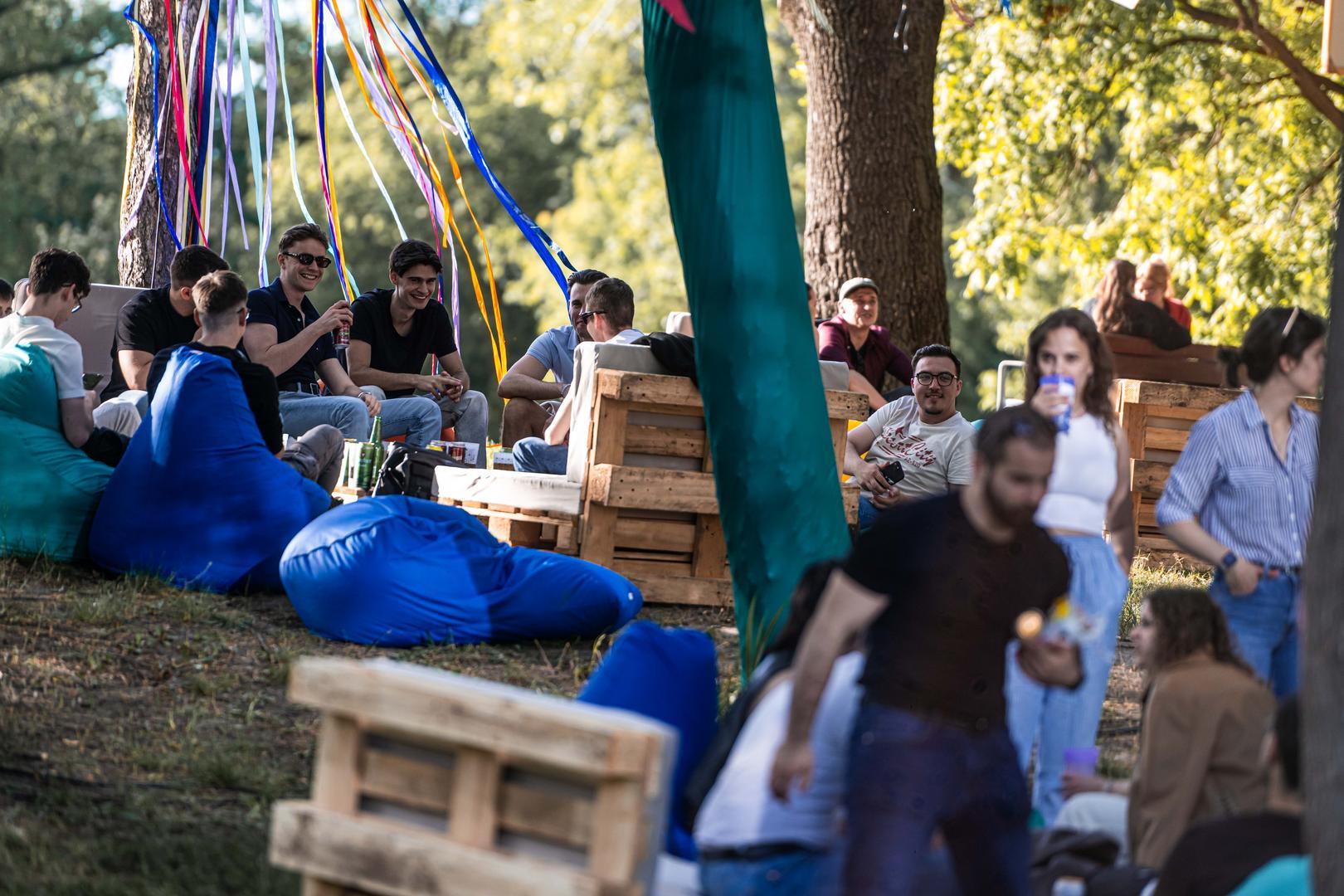

From Chinese experiences in digital governance to the Catholic ethical evaluation of AI in military applications, from the global challenges of water management to questions surrounding the changing world order, the second day of the Ludovika Festival on May 8 featured an exceptionally rich program.
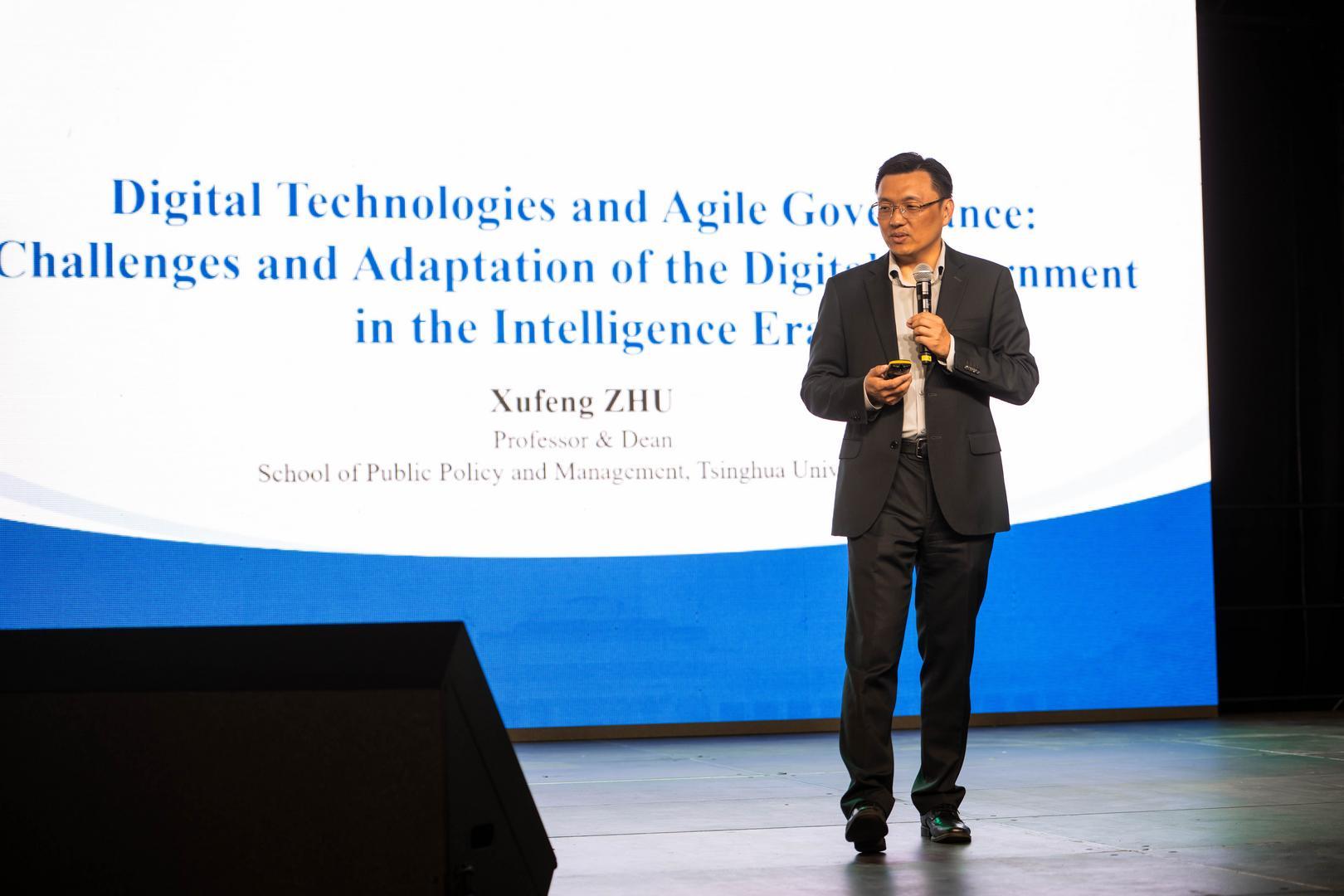
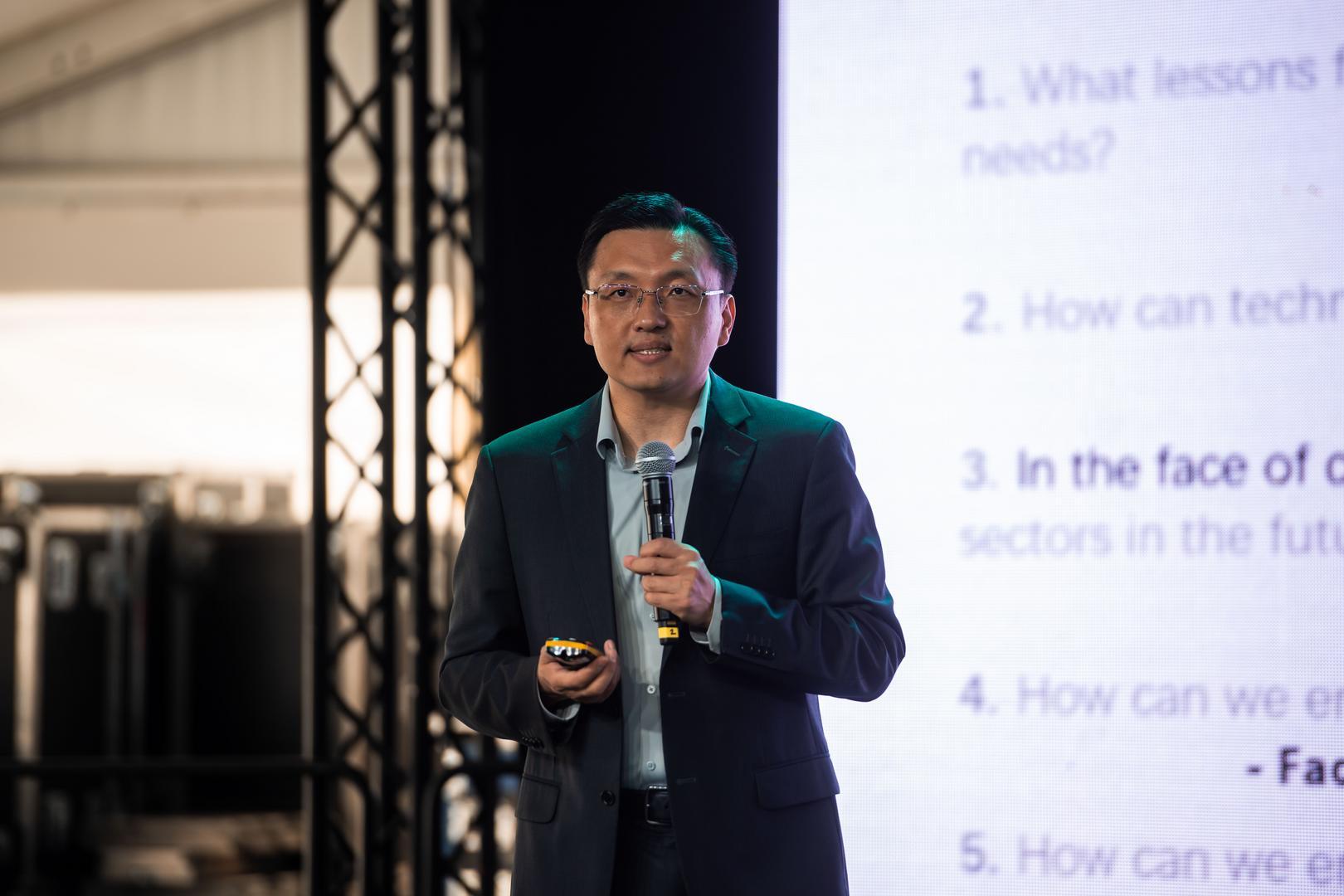
China began developing and organizing digital governance as early as forty years ago, emphasized Xufeng Zhu, dean and professor of the School of Public Policy and Management at Tsinghua University and executive director of the Institute for Sustainable Development Goals, during the opening lecture of the Ludovika Open University titled Digital Technologies and Agile Governance: The Challenges and Adaptation of Digital Government in the Age of Intelligence. The speaker stressed that governance issues arising from technological development are relevant for every country. Addressing climate change, responding rapidly to pandemics, and ensuring that the benefits of scientific and technological breakthroughs truly reach citizens are shared global dilemmas. One of the fundamental tasks of governance, therefore, is to encourage scientific progress while responsibly managing technologies. Xufeng Zhu reviewed the main stages of China’s digital governance development. Following information technology advances initiated forty years ago, the “Golden Projects” of the 1990s strengthened internal governmental efficiency, while after the turn of the millennium the e-government system was established. Today, intelligent governmental solutions based on artificial intelligence, big data, and blockchain technology have come to the forefront. These have transformed online administration, digital payment systems, and smart city development. The lecture also addressed risks. Issues such as data protection, bias in AI-based decisions, the digital divide, and national data sovereignty require new regulatory responses. Although China has adopted several laws in these areas, the speaker argued that technology often advances faster than legislation. Therefore, agile governance is needed—one that can simultaneously support innovation and preserve fundamental social values.
“The opinion of the Holy See still matters today because it remains a significant actor in the international community,” emphasized Lóránd Ujházi, director of the Institute for Religion and Society at the Ludovika University of Public Service’s Eötvös József Research Center, in his lecture The Catholic Ethical Evaluation of the Military Application of Artificial Intelligence. At the center of his presentation were the moral dilemmas raised by technological development, particularly autonomous weapons systems. He outlined the key directions of papal statements, which consistently reject the idea that machine decisions should determine human life. Artificial intelligence is not merely a new tool but a technology permeating warfare itself, raising fundamental questions about human dignity, accountability, and the principles of just war—from data processing and decision-making to targeting. According to the Church’s position, technological progress is acceptable only if human moral responsibility, free will, reason, and accountability remain intact throughout the process.
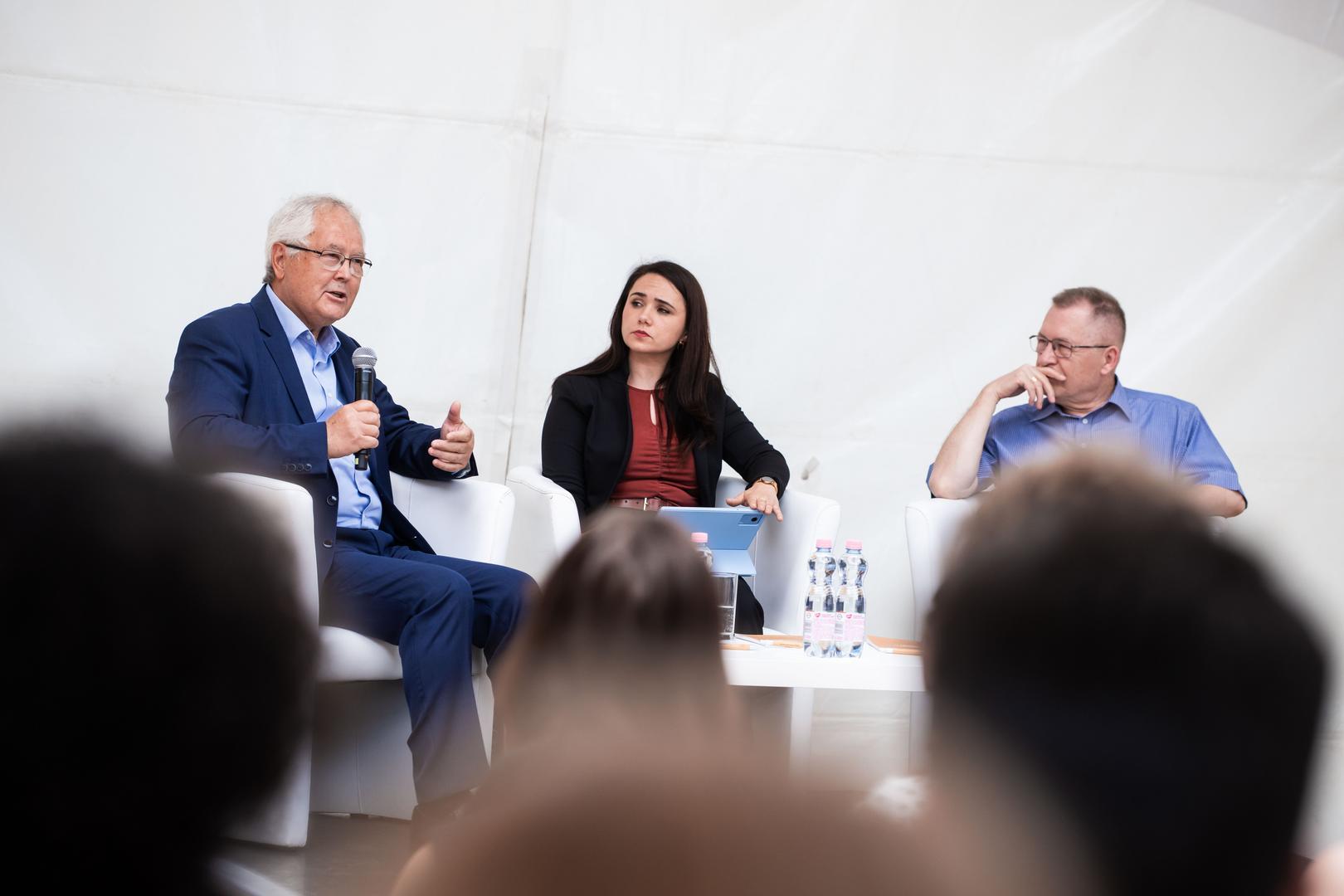
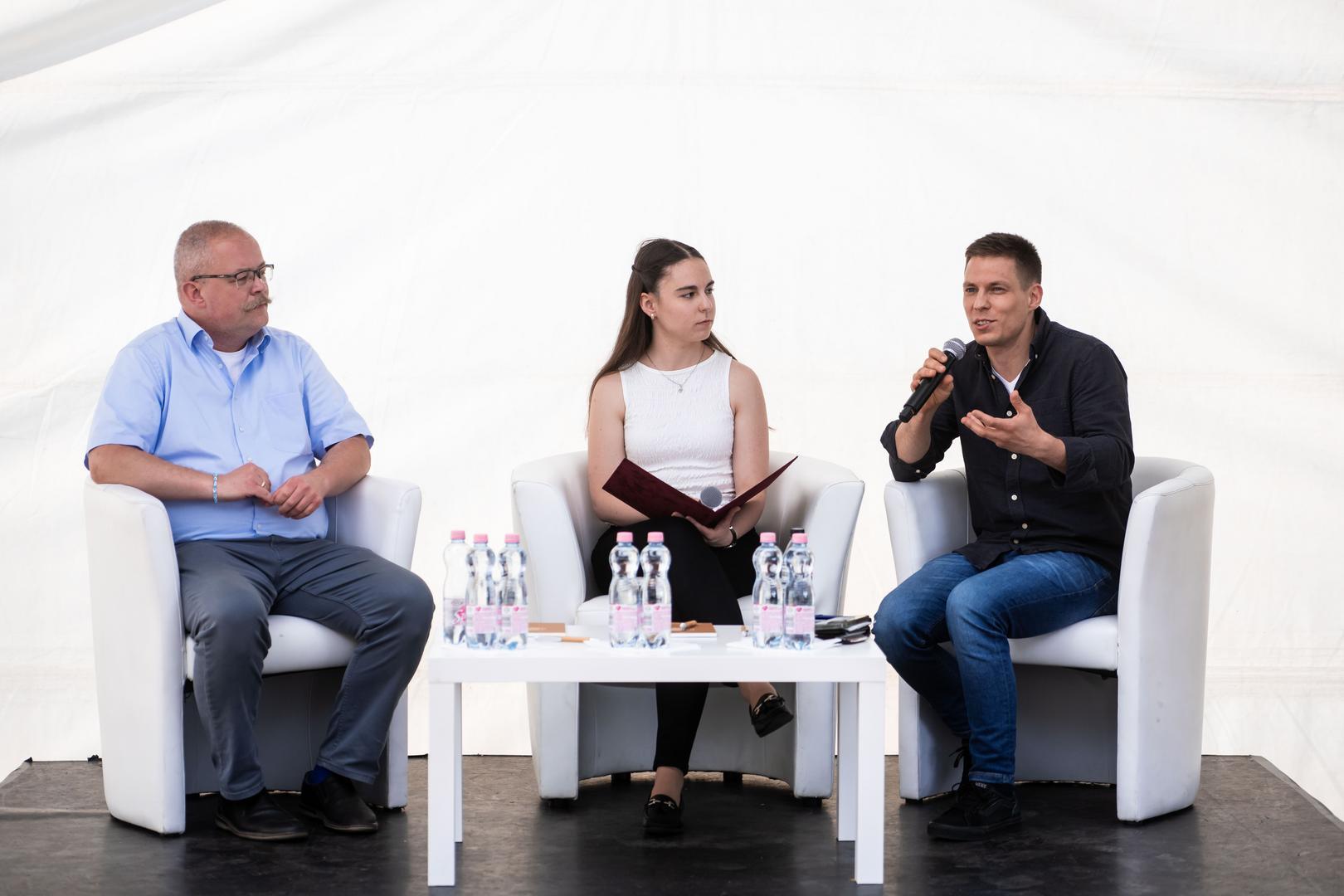
Enikő Szakos, head of the Strategic Development Department of the Faculty of Information Technology and Bionics at Ludovika University, answered questions from student Nikol Hajnal on the topic Cyber School? What Kind of School Do We Want for Our Children by 2030? According to Szakos, the foundations of public education will not fundamentally change by 2030; the essence of education and upbringing will remain human interaction, while AI may effectively complement but not replace it. In her view, AI should be treated as a tool, helping teachers generate assignments, provide personalized explanations, differentiate instruction, plan lessons, and reduce administrative burdens. For students, AI can offer short-term help in completing homework and assignments, but in the long term it may become a disadvantage if they fail to truly acquire knowledge and integrate it into their thinking. By 2030, many young newly graduated teachers will enter the profession who are bolder and more experimental—something actively encouraged by the faculty’s programs—and who will use AI more consciously, significantly improving the education system.
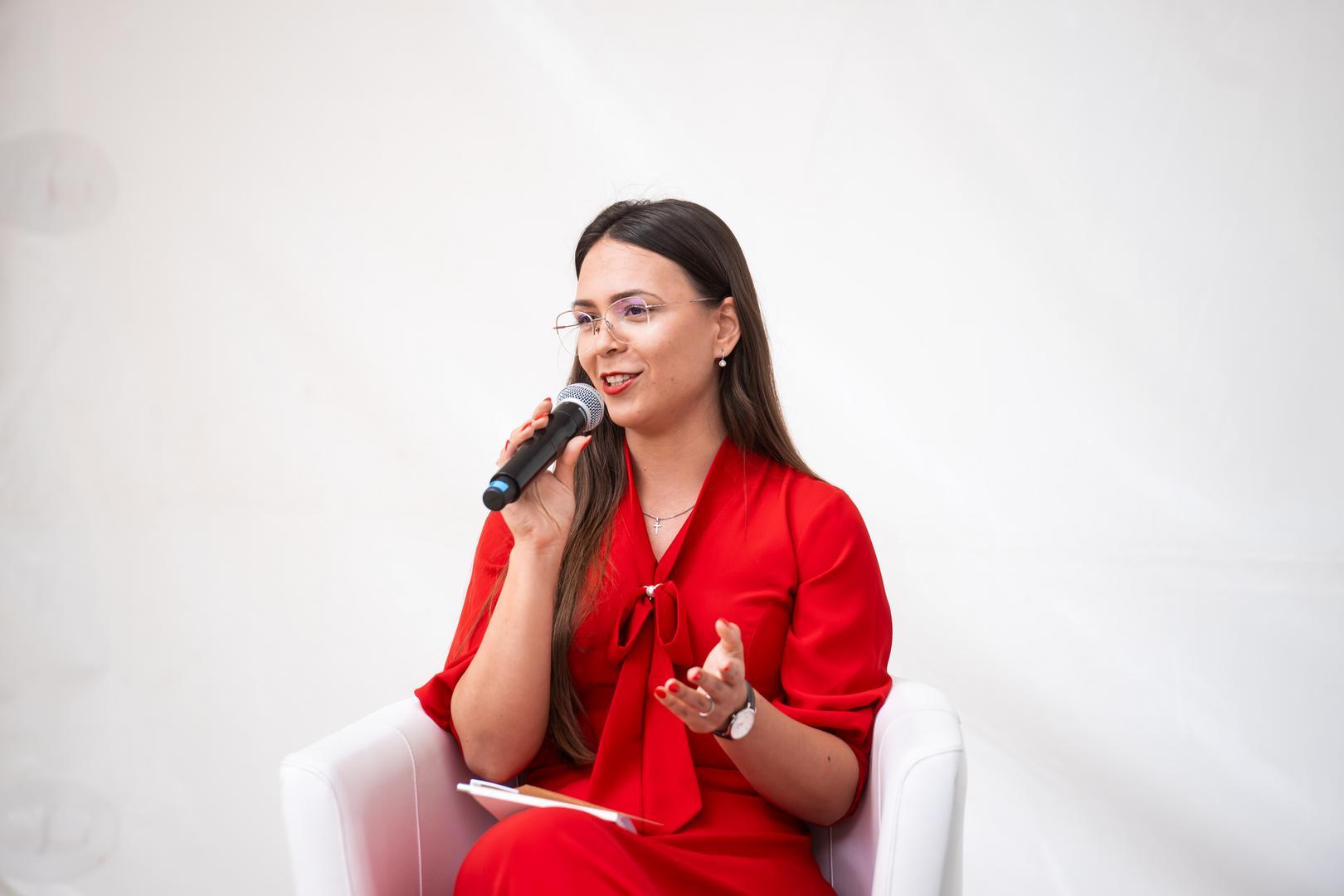
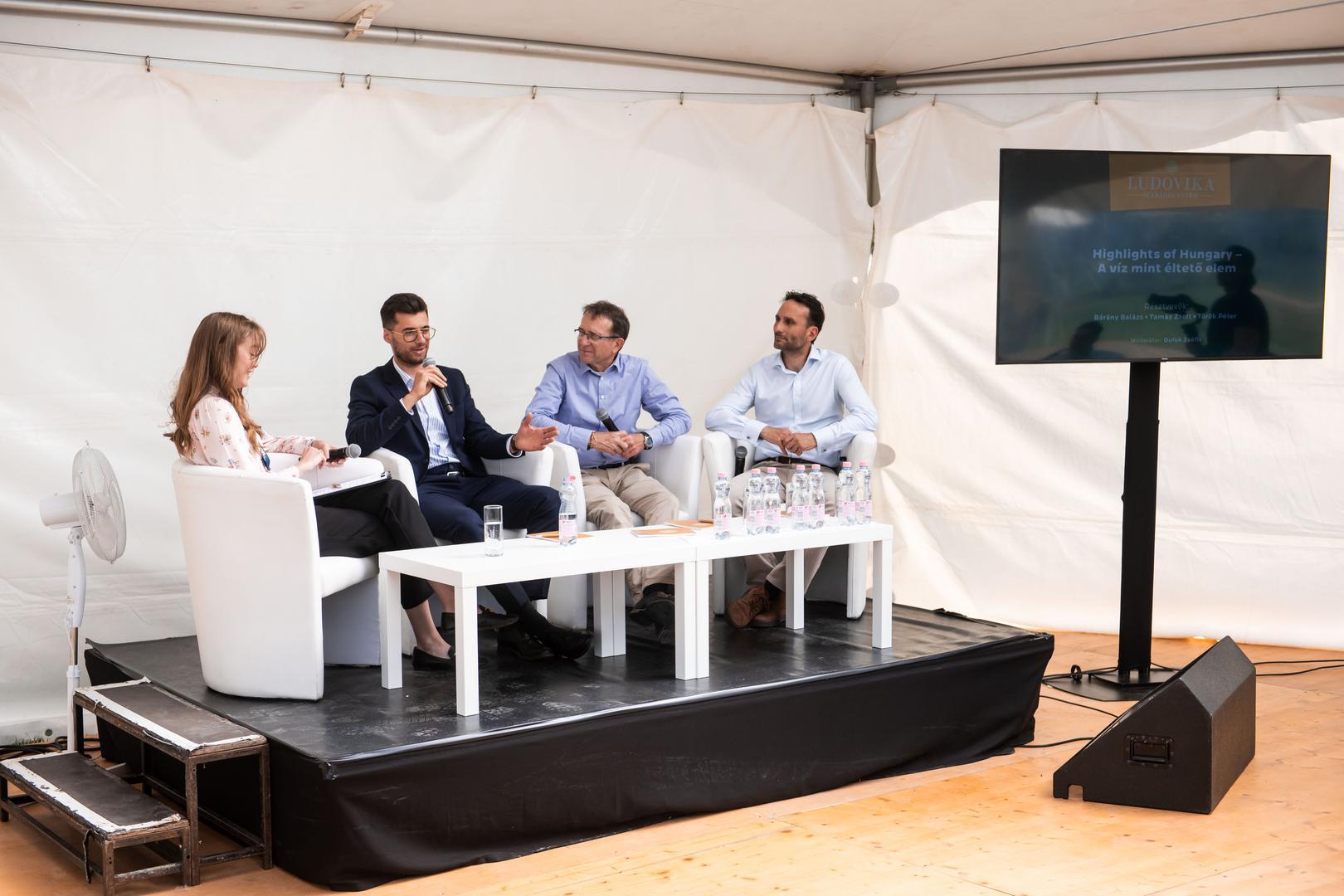
Water, the source of life, was the focus of a panel discussion featuring Zsolt Tamás, race director of the PET Kupa, political scientist Balázs Bárány from the MCC Climate Policy Institute, and limnological history expert Péter Török. The discussion was moderated by Zsófia Dufek, communications campaign manager of Highlights of Hungary. Alongside personal and cultural connections to water and Lake Balaton, the discussion focused on the strategic importance of water and the challenges posed by climate change. According to the speakers, it is now essential not only to preserve the natural value of lakes and rivers, but also to retain water, promote sustainable water management, and jointly combat pollution affecting rivers, such as waste and microplastics.
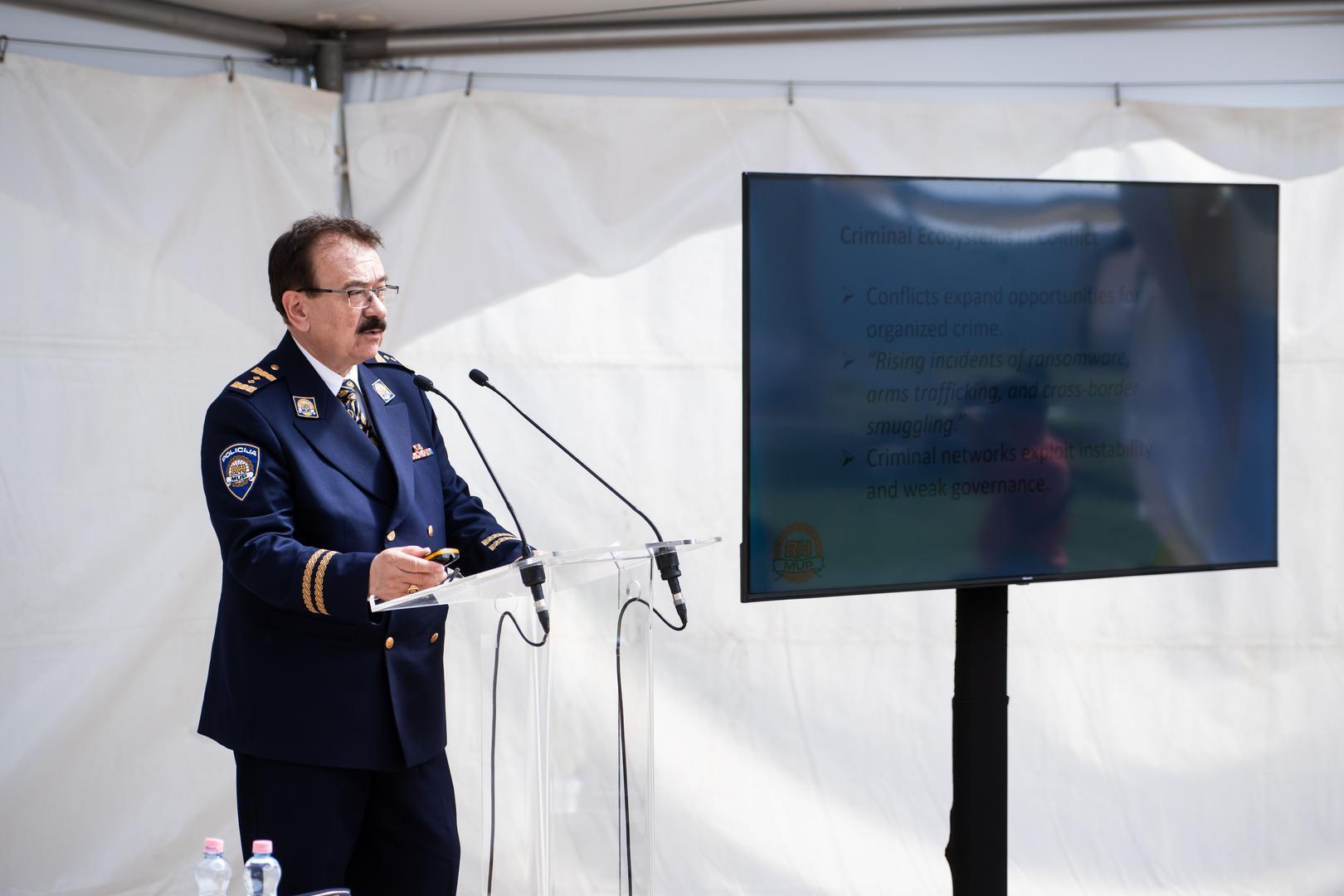
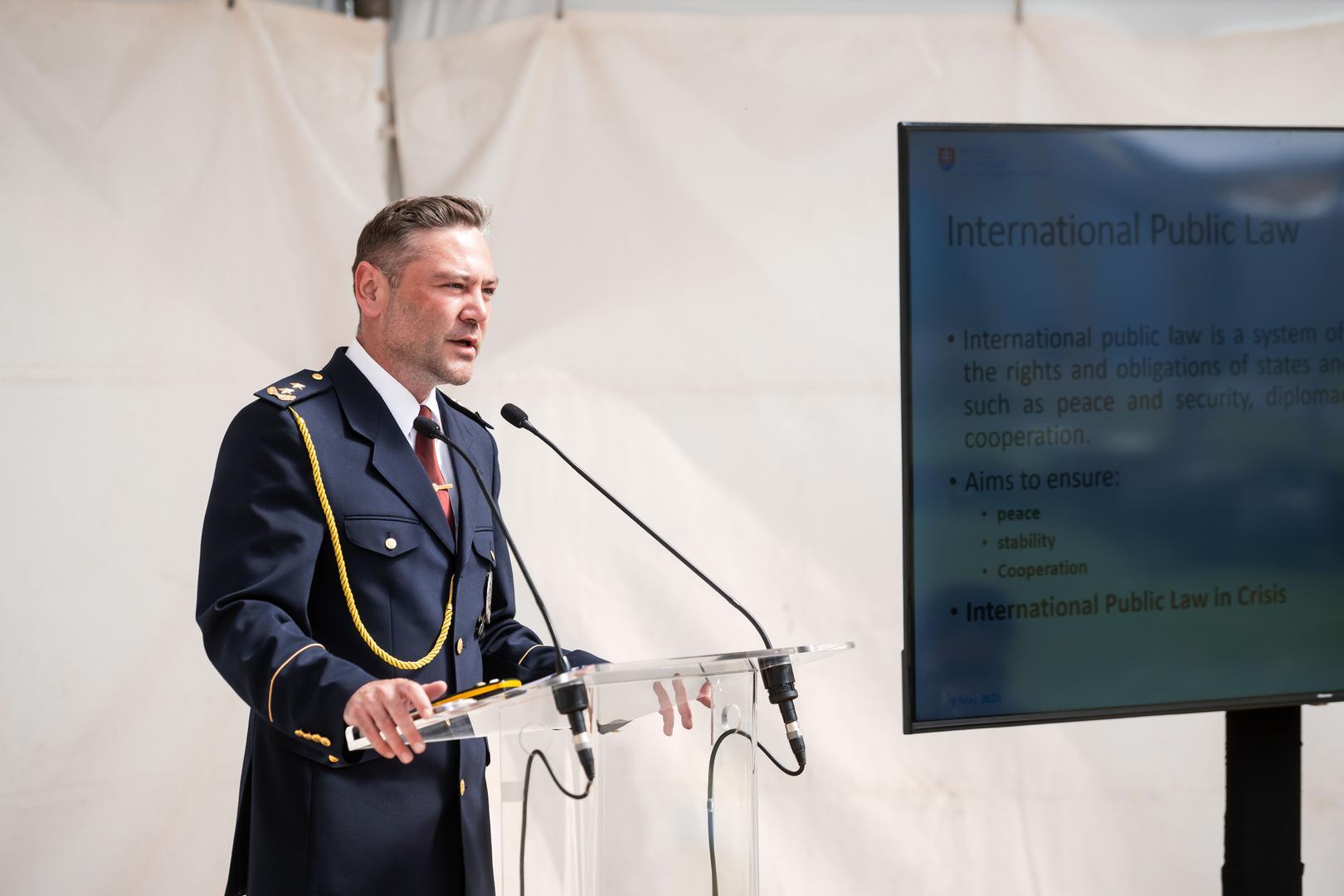
Restoring civil volunteerism and trust in the police are among the most important tasks facing American law enforcement today, said Brigadier General László Christián, professor at Ludovika University and the Metropolitan State University of Denver, during his lecture Where Is U.S. Law Enforcement Heading? A Situation Report from Denver. Sharing experiences gained through a Fulbright Program scholarship, he pointed out that American policing operates within a highly fragmented system where local community expectations, political environments, and social media pressures all shape police work. He highlighted the growing role of complementary policing and civilian volunteers, supported by training programs in the United States. The student-centered operation of MSU Denver, its active and participatory educational methods, and extensive student services provide a strong example of how to train motivated professionals capable of critical thinking. Christián stressed that many of these elements could also be usefully adapted to Hungarian law enforcement and higher education through gradual steps.
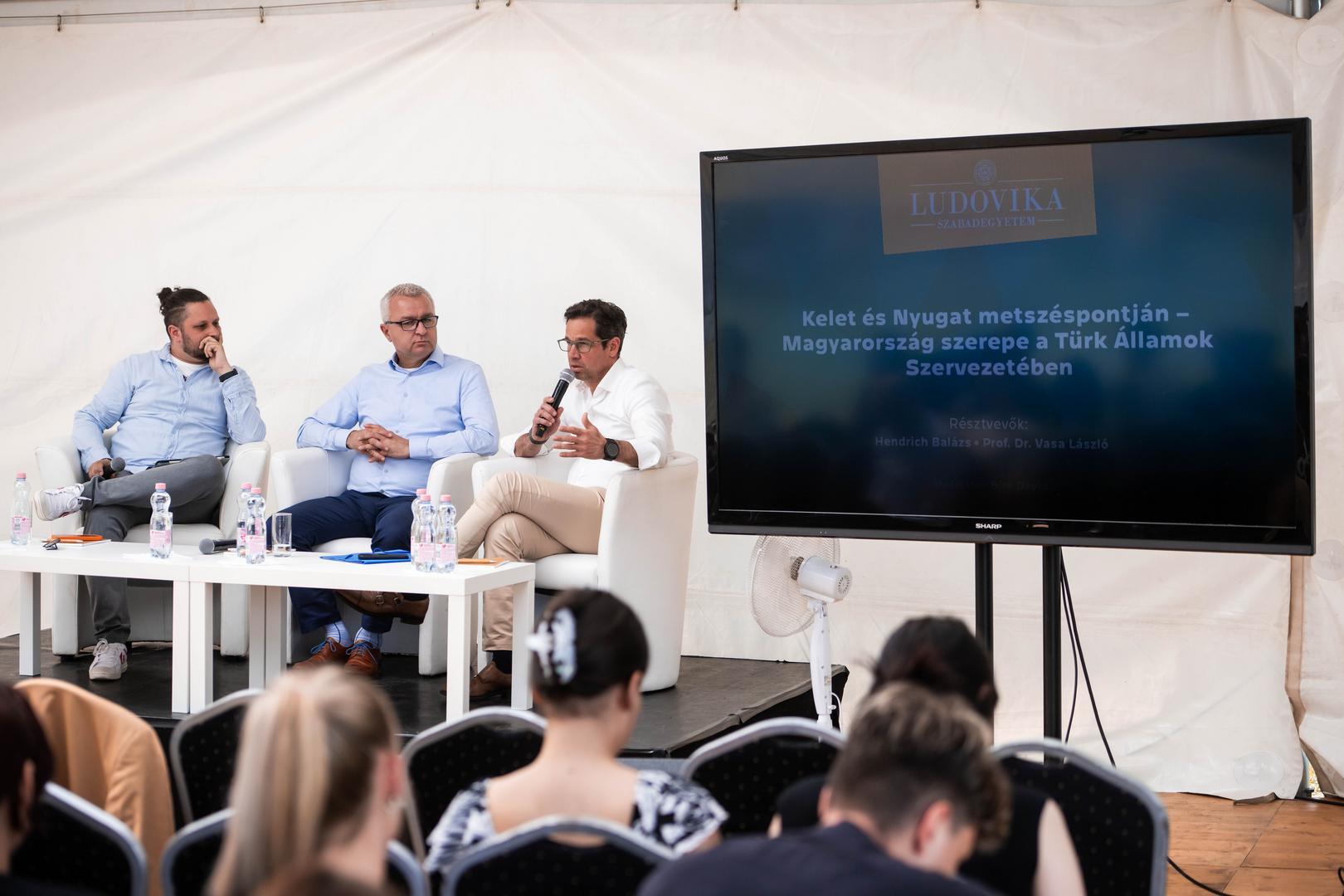
“We must go there ourselves, set aside stereotypes, and experience the Turkic countries firsthand,” was one of the key messages of the lecture At the Intersection of East and West – Hungary’s Role in the Organization of Turkic States. Moderated by Dávid Biró, coordinator of the Turkic Studies Research Workshop at Ludovika University, the discussion featured Ambassador Balázs Hendrich, executive director of the Hungarian Representation Office of the Organization of Turkic States, and László Vasa, head of the Turkic Studies Research Workshop. The discussion highlighted that Hungary’s observer status in the organization has opened new opportunities in economic, educational, and foreign policy terms. Topics included the multipolar world order, the need to diversify export and investment relations, and the advantages of cooperation built on shared cultural foundations. In higher education, emphasis was placed on student and faculty mobility, joint research, and strengthening institutional networks. Projects of the Budapest-based drought research institute and the Turkic Investment Fund already demonstrate that cooperation extends far beyond diplomatic gestures.
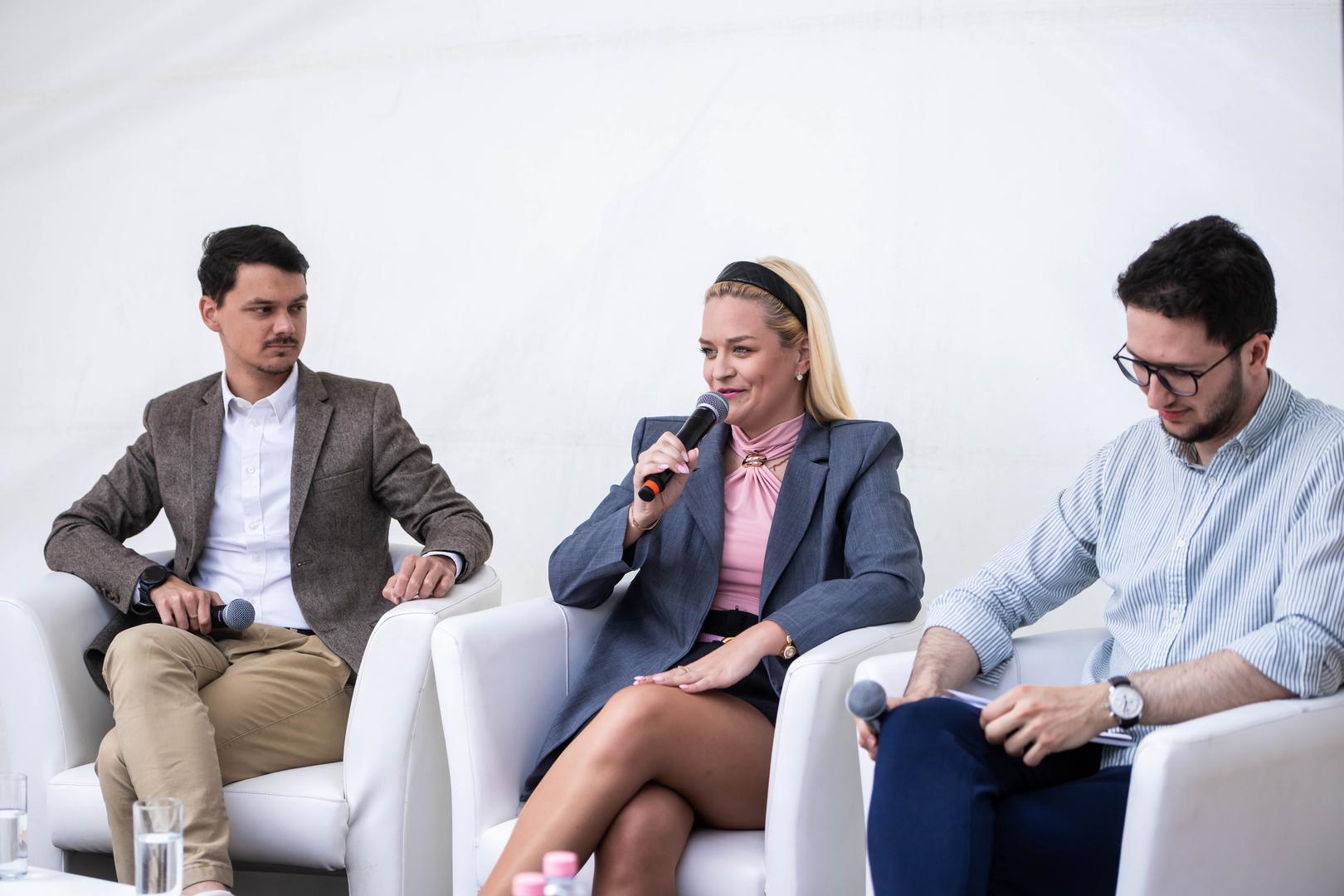
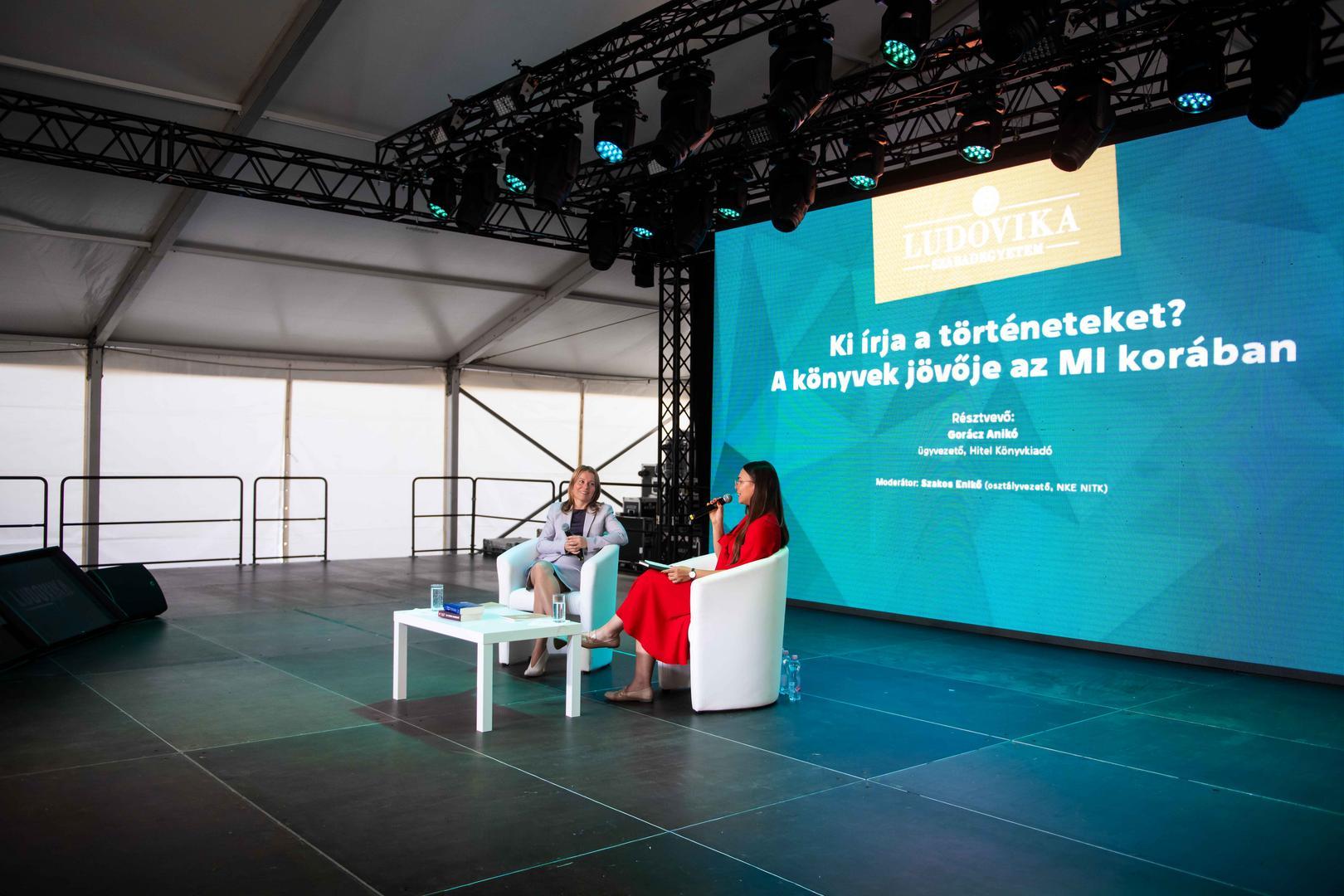
At the panel discussion Who Writes the Stories? The Future of Books in the Age of AI, Anikó Gorácz, managing director of Hitel Publishing House, spoke under the moderation of Enikő Szakos about how storytelling remains a fundamentally human need despite technological change. In her view, hopefully “humans will continue writing for humans.” People have always wanted to tell each other who they are, what they have experienced, and what they may become—not only since the invention of book printing. It is important not to outsource this need entirely to algorithms. At the same time, stories can now be consumed in many ways beyond printed books: as e-books, audiobooks, films, or series. In the attention economy, every platform competes for people’s time, meaning publishers must also adapt to new habits.
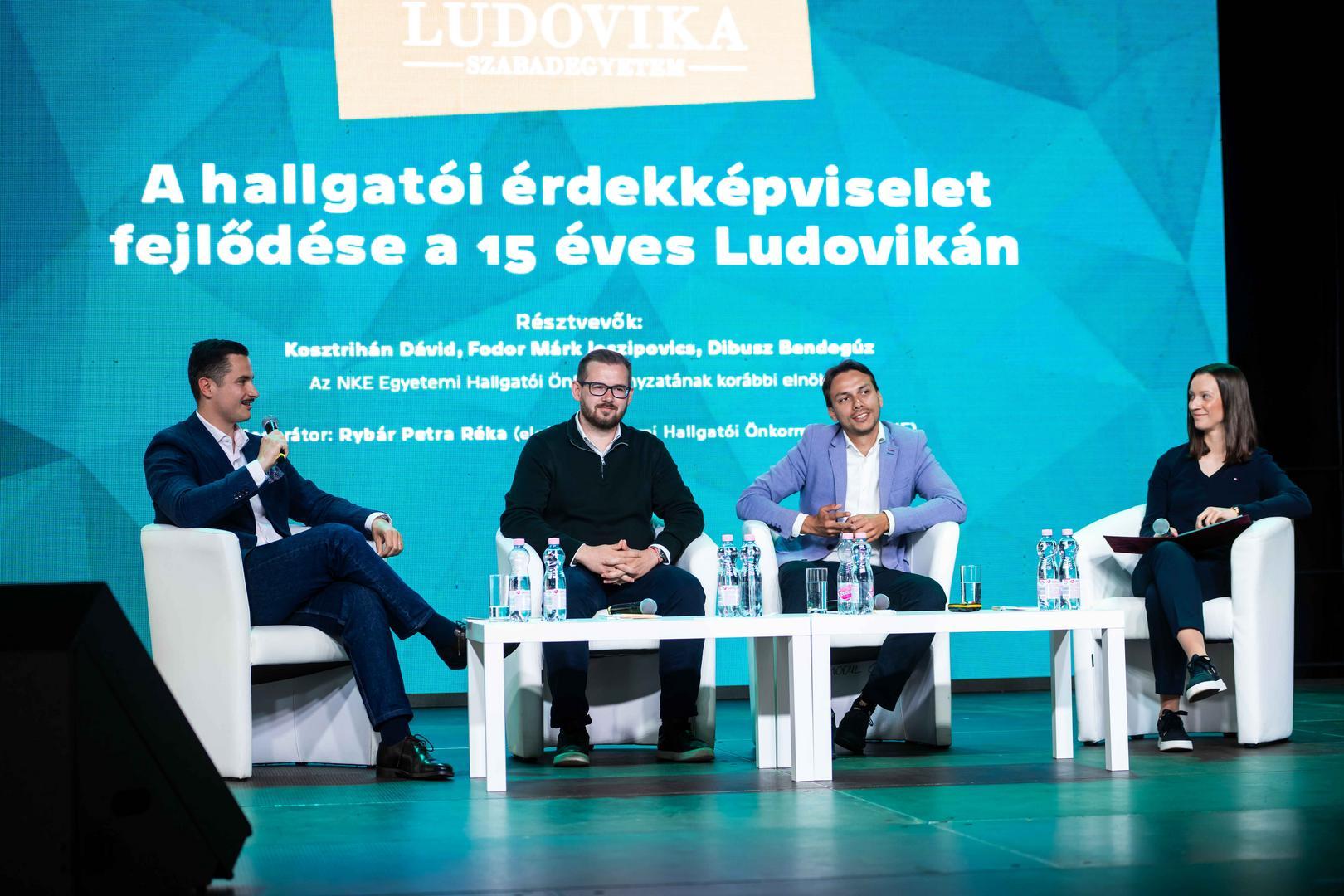
Former presidents of the Student Union of Ludovika University—Dávid Kosztrihán, Bendegúz Dibusz, Márk Joszipovics Fodor, and current president Petra Réka Rybár—recalled how student representation developed over the university’s fifteen-year history. Participants explained that in the mid-2010s the university was characterized by “absolute chaos,” with faculties operating in different buildings while infrastructure and community life were still being built. They emphasized that integration—through common public service modules, new faculties, and the inclusion of the Szolnok campus—played a key role in transforming faculties with different identities into a true university community. According to them, student government work involved both advocacy and practical leadership experience, requiring negotiation, argumentation, and cooperation. The COVID period also featured prominently in the discussion: after the pandemic, student community life and event culture had to be almost completely rebuilt, while student representatives successfully advocated for students in several cases, such as opposing increases in dormitory fees.
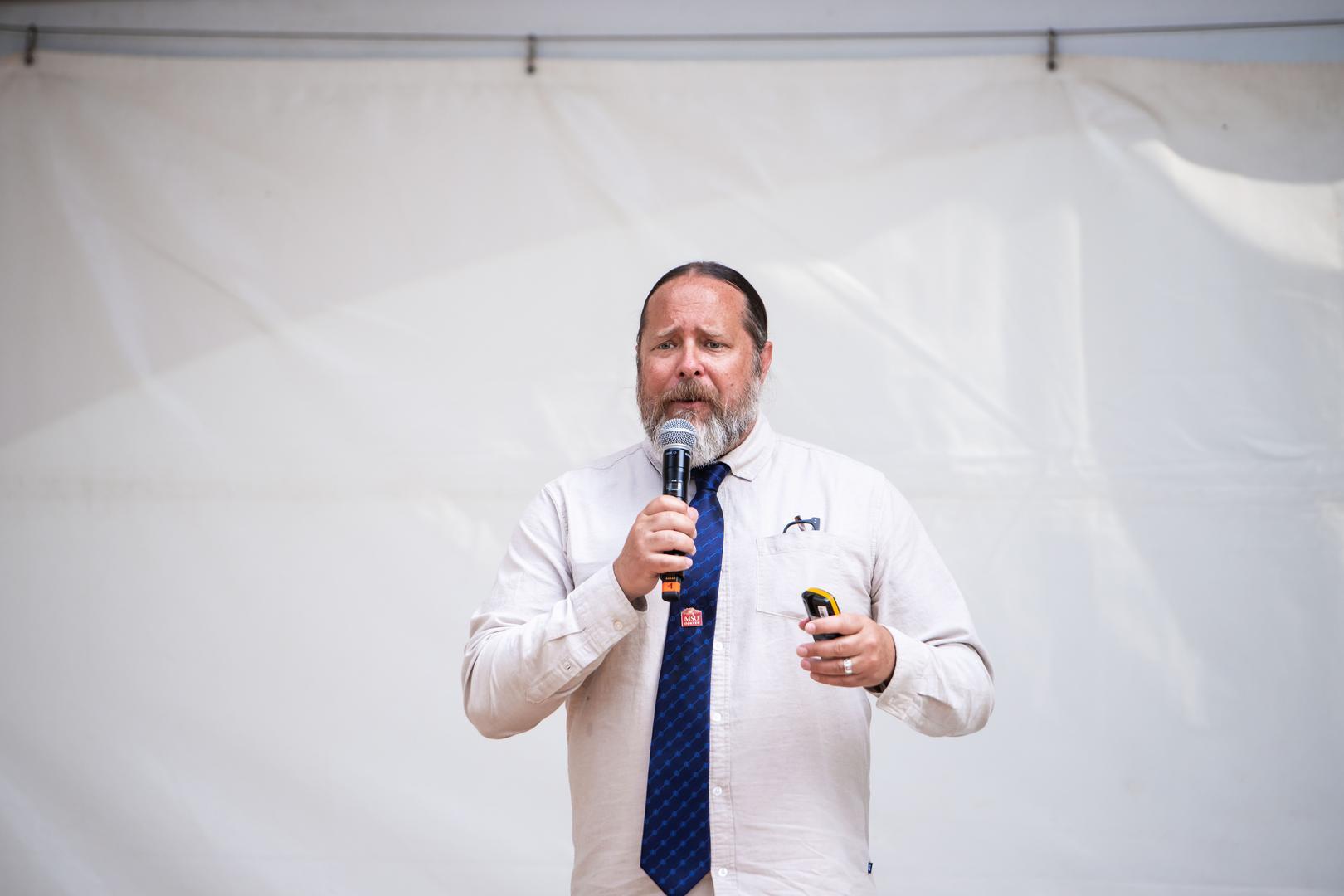
Matt Makley, vice president of the Metropolitan State University of Denver, presented the relationship between Indigenous water perspectives, colonial transformations, and large-scale water infrastructure projects. His main question was what modern society can learn from communities that lived alongside landscapes and water long before colonization and industrial water management. According to Makley, the Euro-American view of water traditionally treated it primarily as a resource to be regulated, distributed, stored, and utilized. In contrast, many Indigenous North American communities interpret water as a living entity possessing consciousness. In these communities, water is considered a relative, a community-organizing force, and a spiritually significant element. A Washoe elder woman told him that when children play in the water speaking their ancestral language, Lake Tahoe “becomes happy.” Ancient communities also possess important historical experiences regarding water scarcity. Former Pueblo settlements demonstrate how the disappearance of water can transform or scatter civilizations. These communities already faced centuries ago what we now describe as climate change and water security crises.
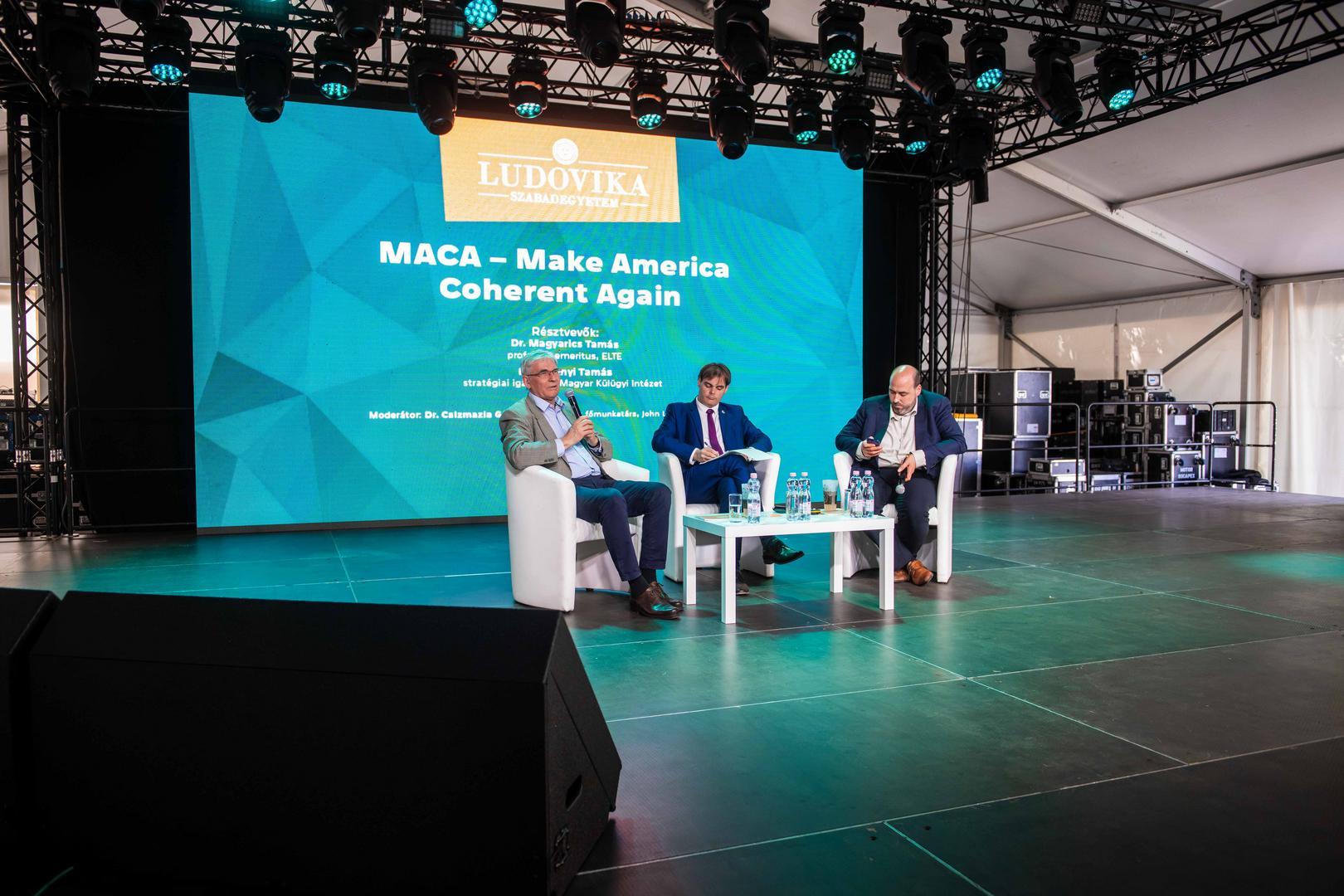
Tamás Baranyi, strategic director of the Hungarian Institute of International Affairs, and Tamás Magyarics, professor emeritus at Eötvös Loránd University, discussed the second Trump administration under the moderation of Gábor Csizmazia, senior research fellow at Ludovika University’s John Lukacs Institute. They argued that Donald Trump began his second administration with a strong domestic mandate, having won the election by an absolute majority. His program focused on strengthening the American economy and avoiding foreign conflicts. According to the experts, Trump’s foreign policy represented a break from previous liberal approaches and a return to prioritizing national interests, similar to the policies of Theodore Roosevelt or Richard Nixon. They noted that the Republican camp remains far from unified: alongside the MAGA movement supporting Trump, traditional Republican, centrist, and elitist factions persist, while former allies such as Steve Bannon and Tucker Carlson have also become more critical of him. Participants believed Trump’s political strength has largely been sustained by perceptions of success and his appeal to the American middle class, though tariff wars and the Iranian conflict may pose serious challenges. In their view, the essence of the “Trump Doctrine” lies in expanding U.S. room for maneuver and increasing the strategic importance of the Western and Pacific regions.
János Kuripla and Fanni Kiss, former members of a college for advanced studies, discussed how such colleges provide professional development, community experiences, and a stable foundation for students. Moderated by Tamás Kovács, former head of the Ostrakon College for Advanced Studies, participants emphasized that the Hungarian “szakkollégium” system is a uniquely Hungarian institution, where self-organized residential communities create exceptional networks and leadership and teamwork skills. They also discussed nationwide cooperation among colleges for advanced studies and the role of Interkoll (Forum for Coordination of Colleges for Advanced Studies), which opens new professional relationships, joint programs, and broader perspectives for students. Debate competitions and conference organization, they noted, provide experiences highly valued in the labor market. Participants advised students to take advantage of every university opportunity and actively build communities.
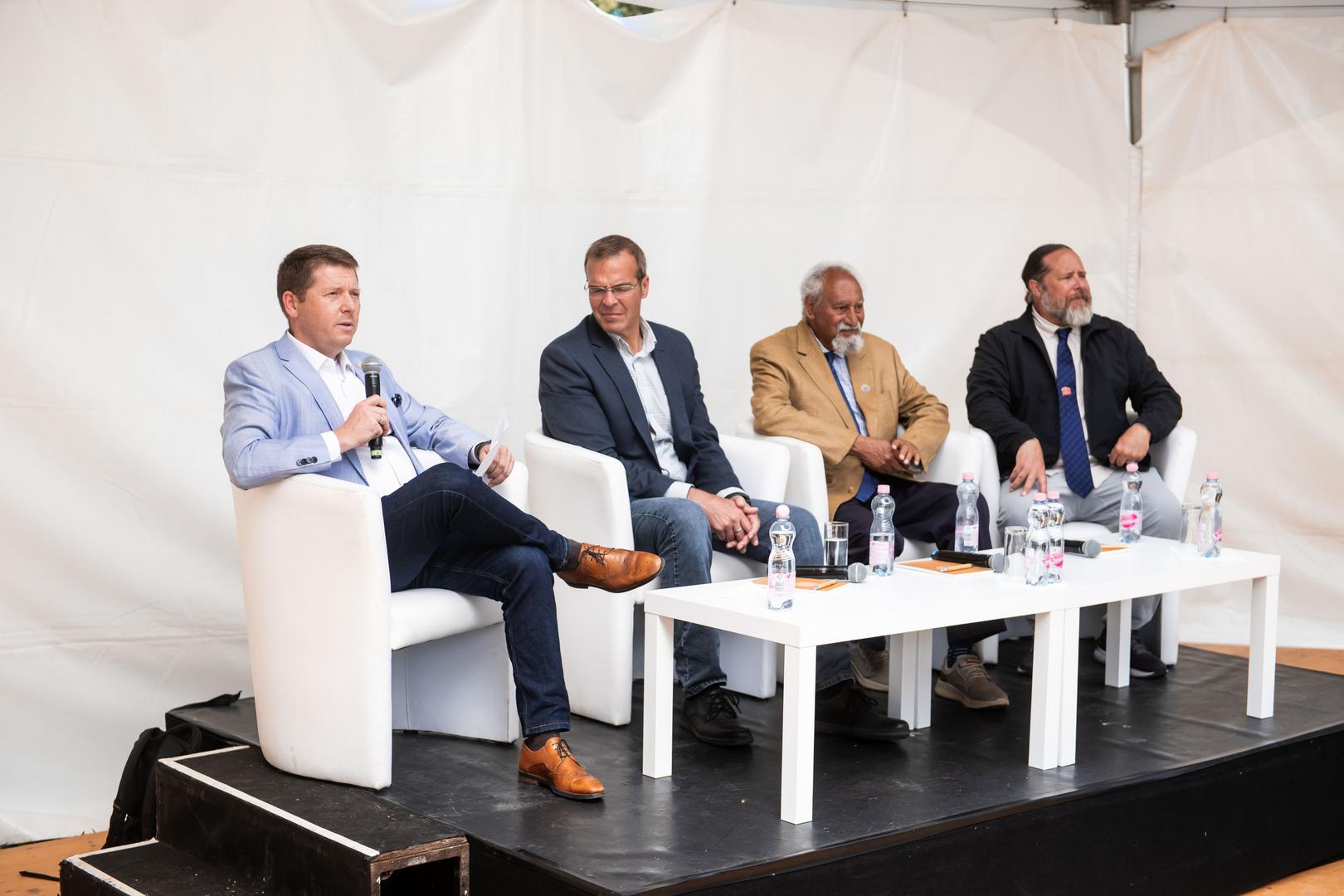
International relations primarily reveal challenges that affect everyone around the world—this was among the conclusions of the lecture Connecting Continents: Hungarian and American Higher Education Dialogue. Moderated by Brigadier General László Christián, the discussion featured Akbarali Thobhani, director of the Office of International Studies at MSU Denver, Robert Preuhs, chair of the university’s Political Science Department, and historian Matthew Makley, vice president for academic affairs. The American guests presented the characteristics, challenges, and opportunities of U.S. higher education, especially emphasizing inclusivity and practice-oriented training. They agreed that student mobility and personal experience are crucial for understanding global problems, whether related to water management, technological development, or geopolitics. They stressed that international partnerships shape participants not only professionally but also personally, turning travel into the classroom of the twenty-first century. As the American guests explained, their experiences at Ludovika—from community events to the historic setting—left a lasting impression on them.
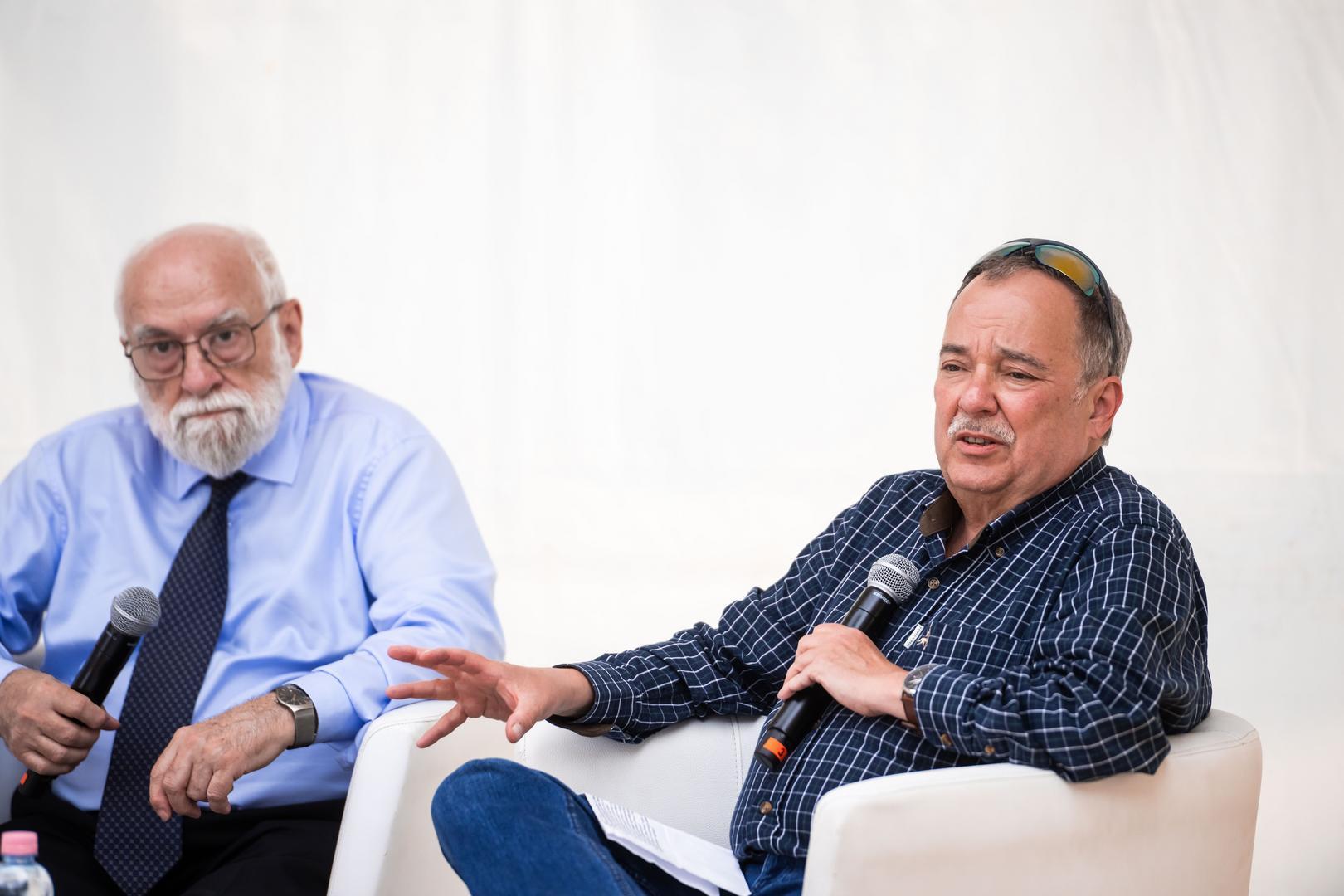
János Bogárdi, research professor at the Faculty of Water Sciences, and András Szöllősi-Nagy, university professor and head of the UNESCO Chair in Water Conflict Management, discussed the management of shared water resources in a joint lecture moderated by Tamás Pálvölgyi, vice dean for international and strategic affairs at the Faculty of Water Sciences. The central theme was that trust is indispensable for cooperation between countries sharing rivers and water basins. Bogárdi pointed out that trust strongly depends on the cultural backgrounds of the countries involved. According to Szöllősi-Nagy, lack of trust is still clearly visible in many shared river basins, especially in Africa and Central Asia, while the situation is far more favorable within the European Union. They emphasized that water should be treated as an opportunity for cooperation—what is known as water diplomacy. Szöllősi-Nagy highlighted that approximately 80 percent of climate change impacts appear through water in some form. The experts agreed that proper water management is an ethical imperative that also becomes a social and political issue. Tamás Pálvölgyi added that everyone can contribute to reducing their ecological footprint through their own lifestyle and consumption habits.
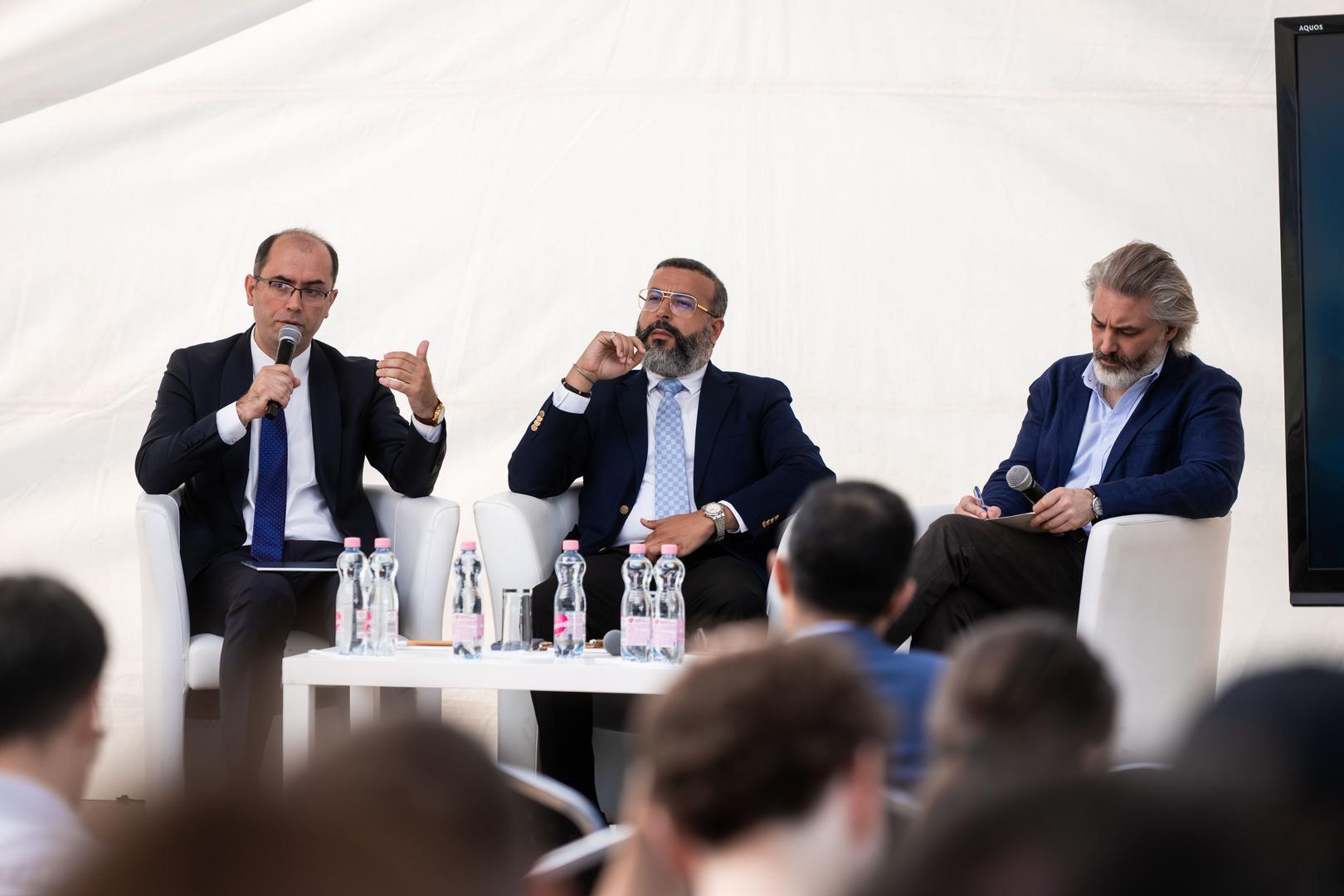
At the panel discussion A World Without a Center, Amine Laghidi, president of the International Mining and Energy Congress and researcher at the Ludovika Public Diplomacy Hub, and Orkhan Yolchuyev, director of CASPIA, examined the transformation of the international order and the role of middle powers. The discussion began from the premise that the world’s previously relatively clear power structure appears to be unraveling. Great-power competition is increasingly leading to open conflicts, while the global system lacks a single universally accepted center. In this uncertain environment, it becomes especially important how middle powers such as Azerbaijan, Morocco, or Hungary navigate the situation.
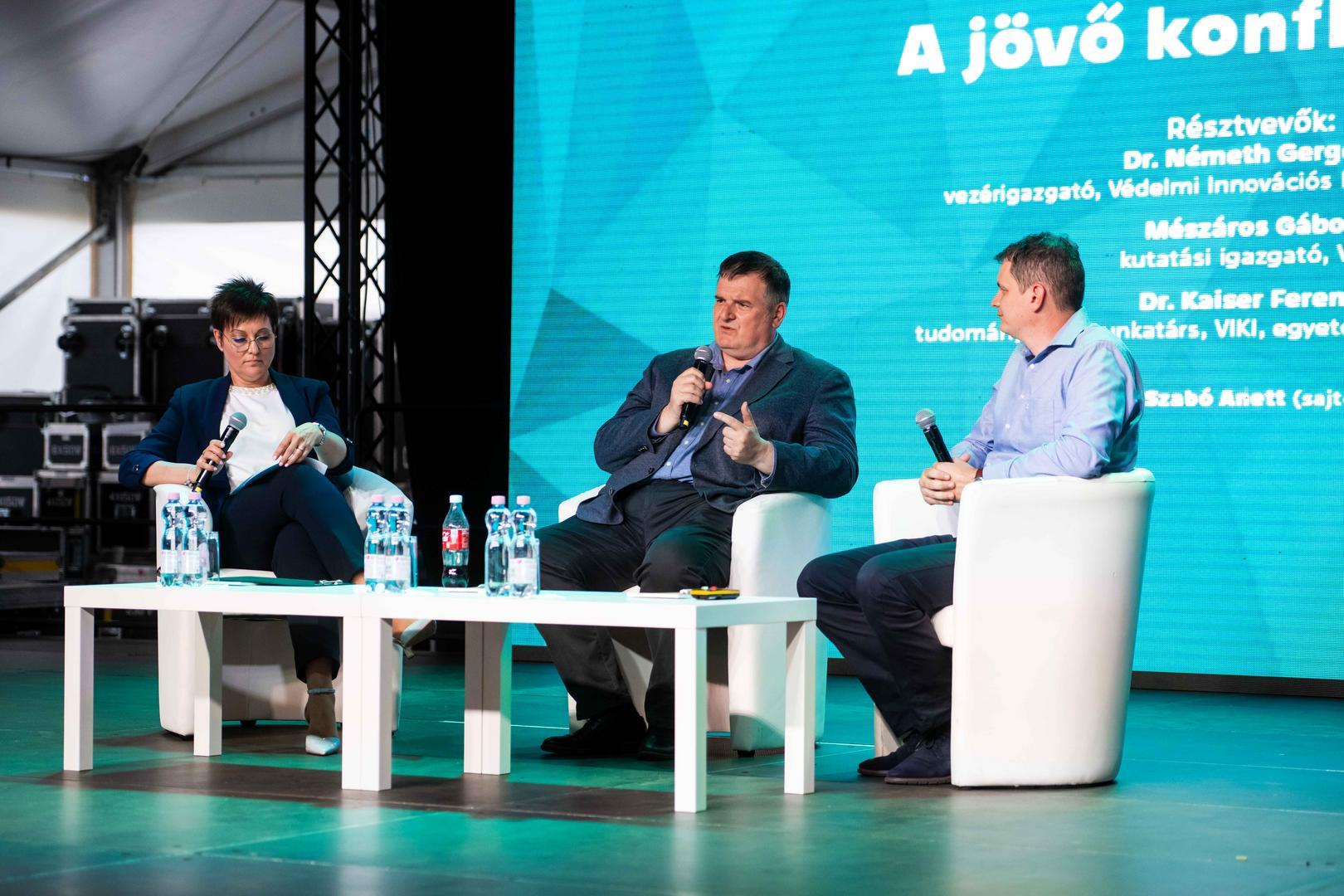
Gábor Mészáros, research director of the Defense Innovation Research Institute, and Ferenc Kaiser, associate professor at Ludovika University and senior research fellow at the institute, analyzed the expected nature of future conflicts, particularly the impact of technological revolutions. Moderated by Anett Szabó, press chief of Ludovika University, Kaiser examined the increasingly close intertwining of traditional and non-traditional forms of warfare, arguing that future conflicts will likely be multilayered, simultaneously unfolding on physical battlefields, in cyberspace, the information sphere, and the economic domain. He noted that a significant problem is that many global powers are led by figures who, due to their age, do not fully understand today’s information and communication world. Mészáros highlighted new forms of great-power competition, the strengthening of hybrid warfare, and the military applications of artificial intelligence, autonomous systems, and quantum technologies. Emphasizing the role of defense innovation and the Hungarian defense industry, he pointed out that Hungarian small and medium-sized enterprises are actively involved in defense development. Increasingly, technologies with short or medium development cycles and relatively limited costs—such as drones—are emerging. Their effective development requires a civilian innovation mindset, creating significant opportunities for Hungarian SMEs. The experts concluded that alongside traditional wars, “gray-zone” operations, cognitive warfare, and new forms of technological dominance will play an increasingly important role in coming years.
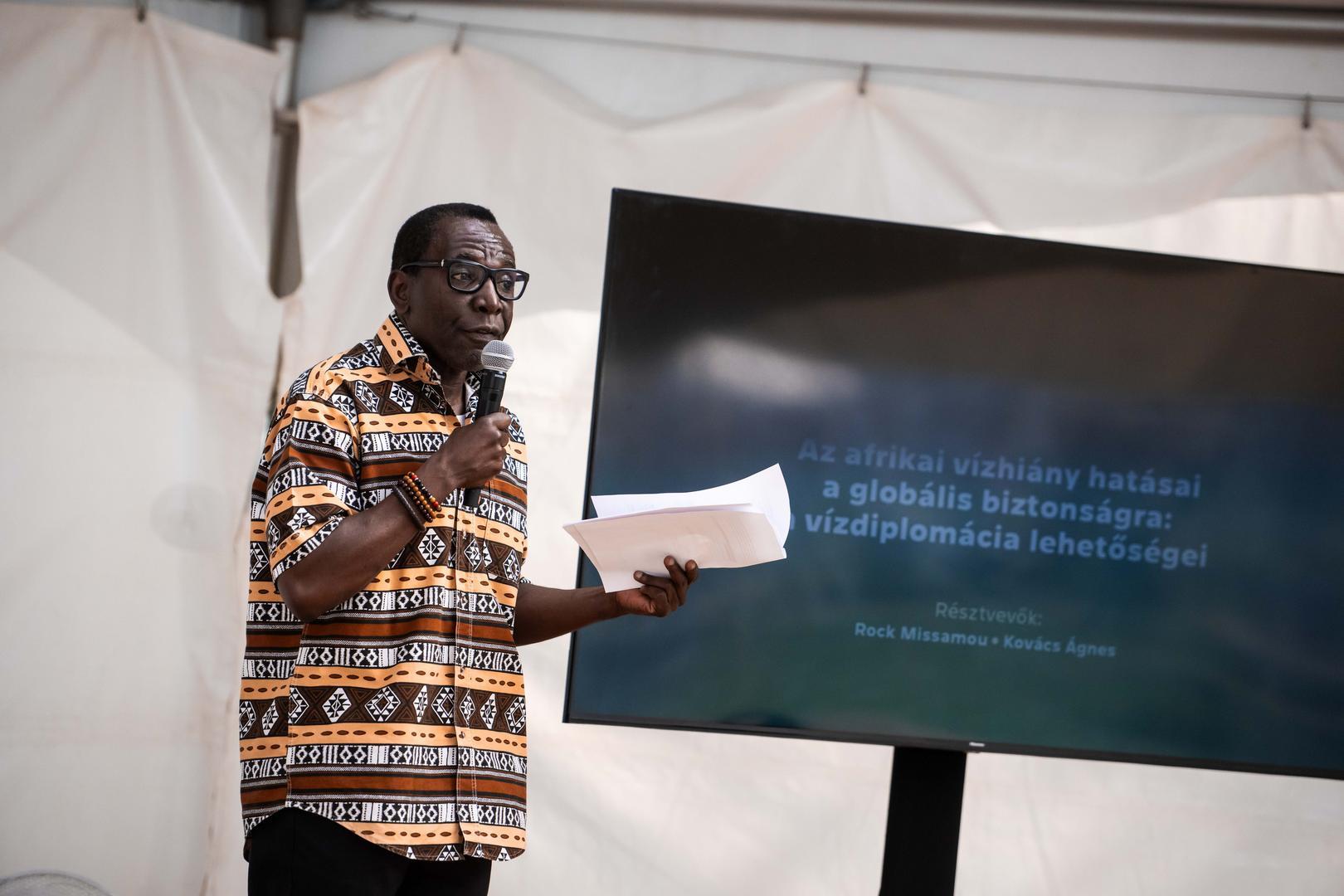
Water scarcity is causing more and more global conflicts, many of which await diplomatic solutions—this was among the topics discussed by Africa expert Rock Missamou and Ágnes Kovács, research fellow at the Department of Water and Environmental Policy of Ludovika University’s Faculty of Water Sciences. Most people view water as a natural resource, but the discussion revealed that it represents much more: power, risk, and opportunity. Africa’s greatest challenge is not primarily the lack of resources but their sustainable and equitable use. The continent simultaneously possesses significant water and energy resources while millions still lack access to safe drinking water and reliable energy supply. The key to long-term development may lie in stable institutions, approaches based on local resources, and strengthening sustainable development models.
The panel discussion The Failure of EU Leadership in the Peacebuilding Process critically examined the European Union’s role, decisions, and peacebuilding possibilities related to the war in Ukraine. Participants included former ambassador and honorary associate professor Sándor Kusai and former ambassador György Varga, who argued that the war in Ukraine cannot simply be interpreted as a Russian-Ukrainian war because the West—including the European Union—is also actively involved through arms deliveries, intelligence sharing, and financial support. They therefore described the conflict as a proxy war. Regarding the EU’s initial reaction, it was noted that European leaders quickly and uniformly condemned Russia, labeling the attack as aggression and launching sanctions policies. According to Kusai, strong political coordination stood behind this unified rhetoric, reinforcing a wartime stance. The discussion suggested that the EU had several opportunities to adjust its policy, including the early Russian-Ukrainian negotiations, the Istanbul process, and the period following the U.S. presidential election. In those moments, however, the EU did not act as a peace initiator but instead became increasingly involved in supporting and financing the conflict.
Text: Mónika Bárdos, Orsolya Jancsó, Zsófia Sallai, Tibor Sarnyai
Photo: Dénes Szilágyi