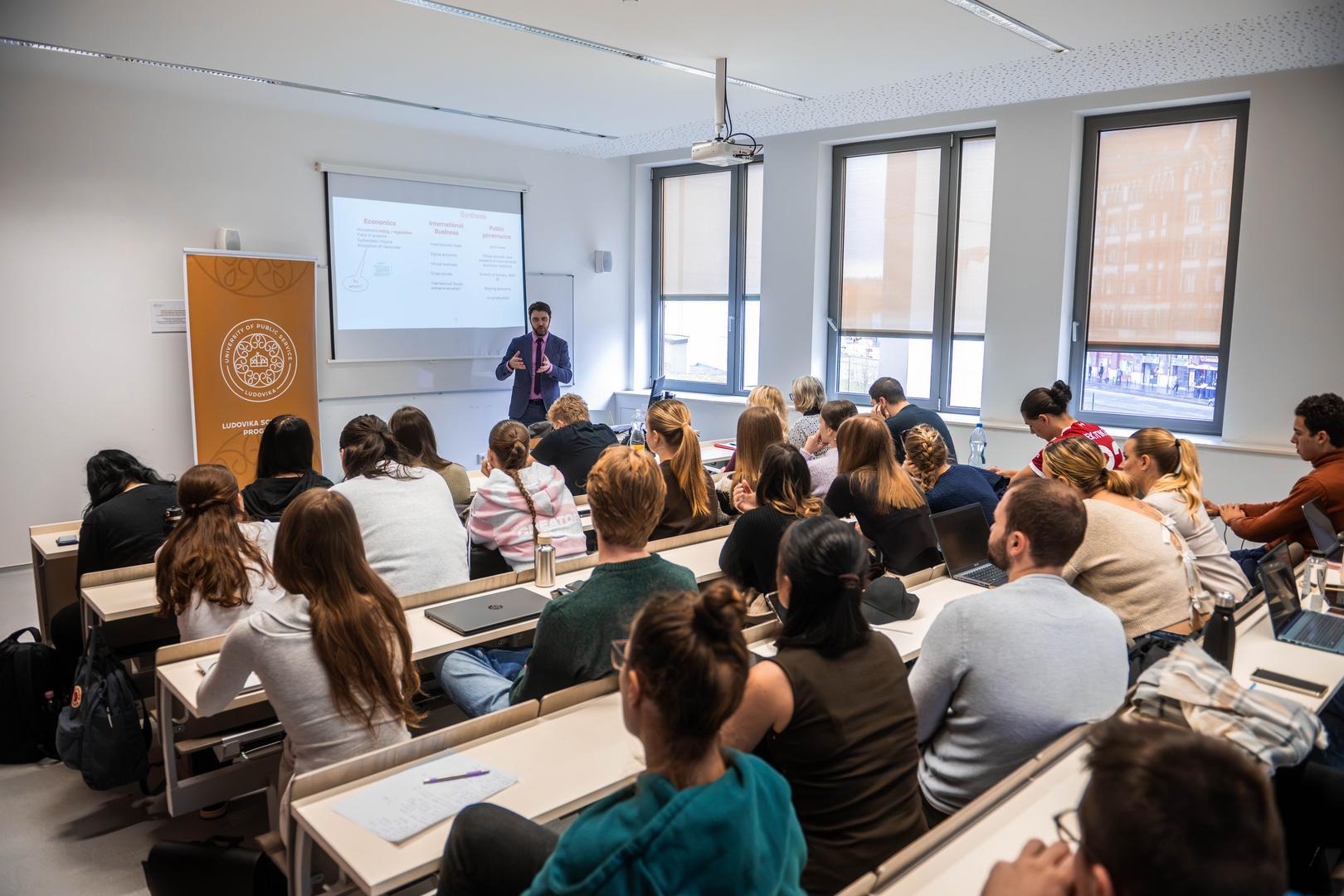
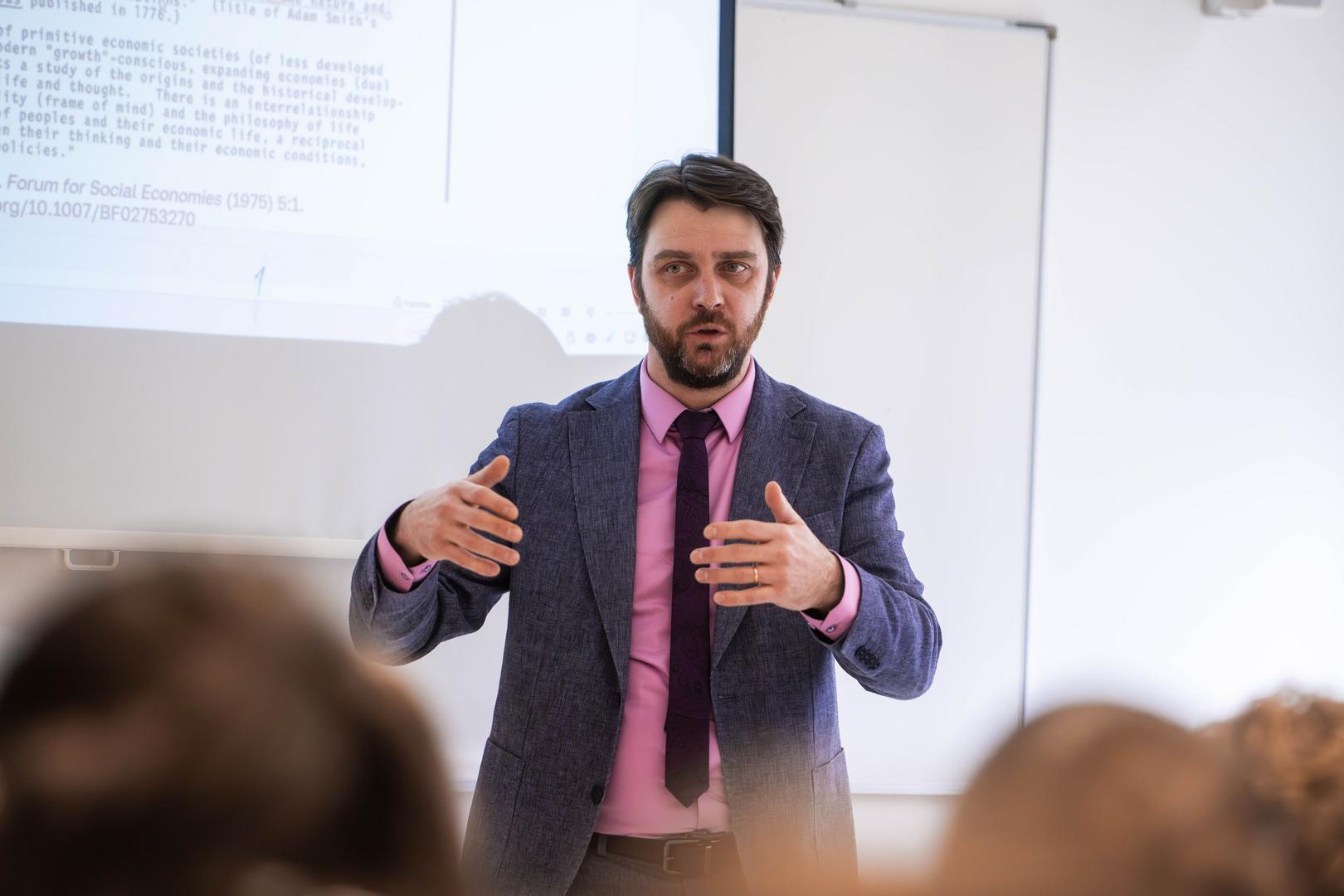
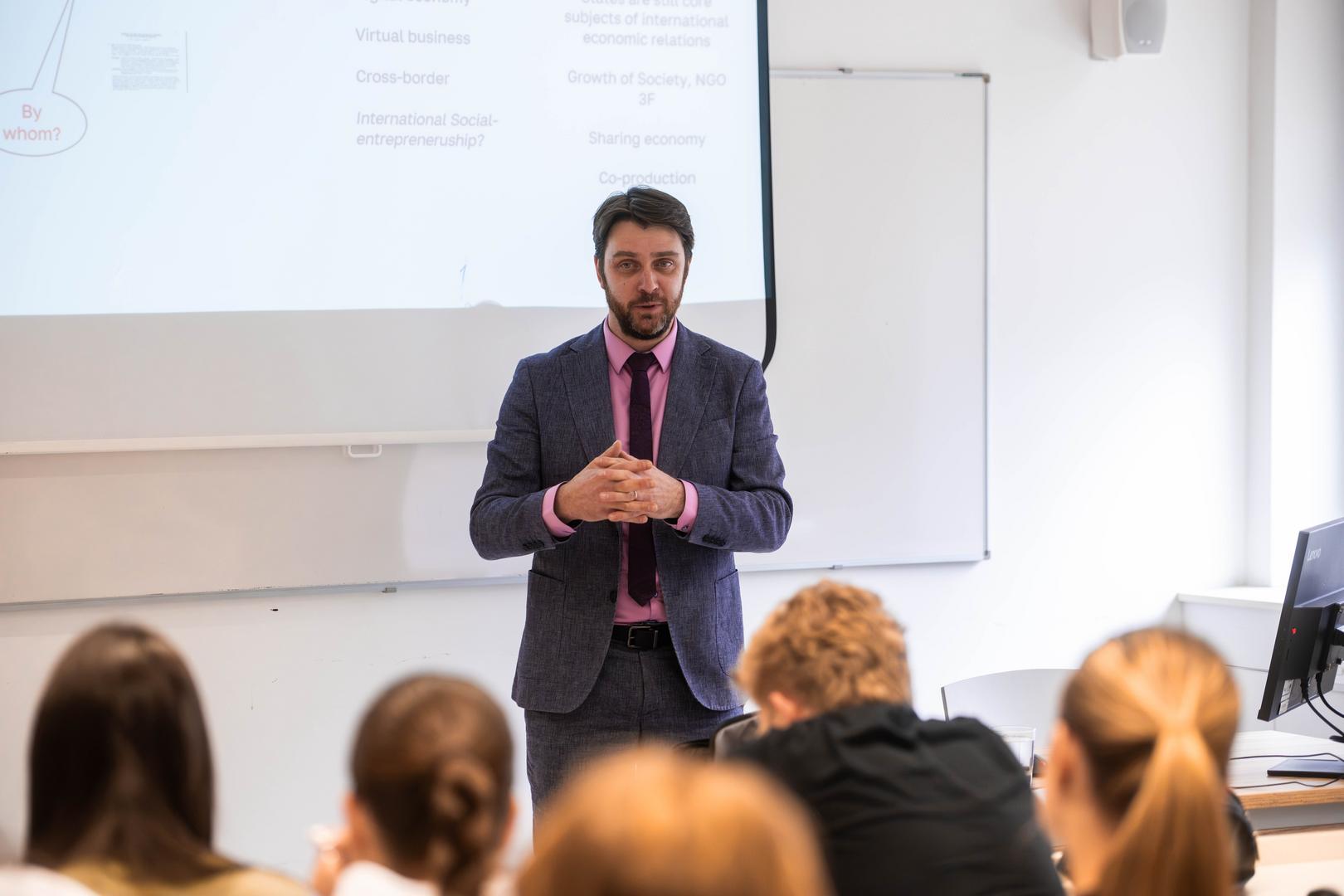
How are new economic and business models reshaping public administration? And how can universities prepare students for the challenges of an ever-changing professional landscape? These questions were at the centre of two engaging academic programmes led by Romans Putans, lecturer at Rīga Stradiņš University, as part of the Ludovika Scholars Programme at the Faculty of Public Governance and International Studies (FPGIS).
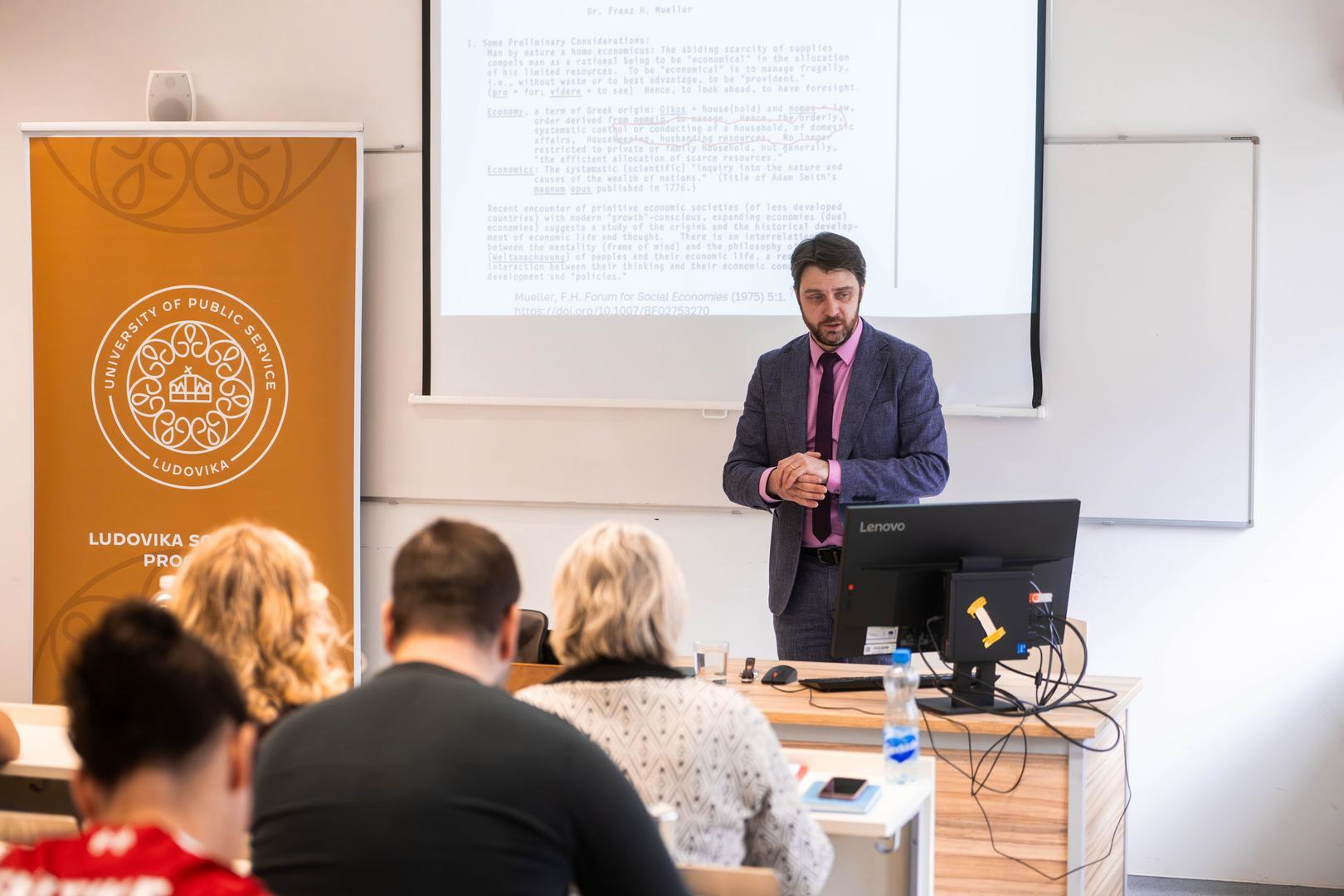
The public lecture focused on emerging economic and business models and the trends likely to shape their future. In his presentation, New Economic and Business Models and their Future Trends, Romans Putans explored how changes in the economic environment influence the functioning of the state, governance practices and the responsibilities of public administration. Drawing on the different stages and paradigms in the development of public administration, he highlighted how the role of the state and the operation of public institutions continue to evolve in response to changing social and economic conditions.
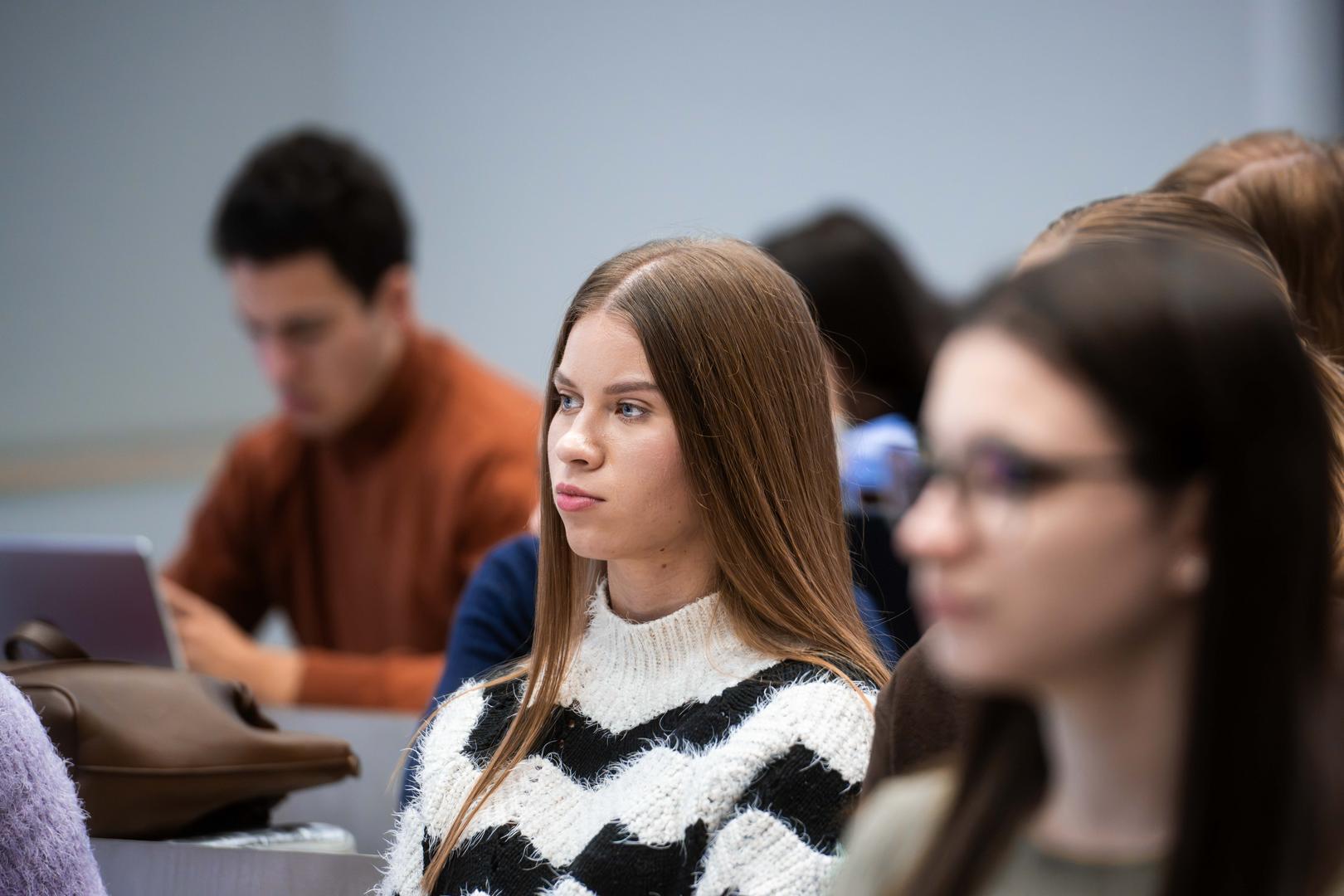
The presentation was highly interactive, giving students plenty of opportunities to share their thoughts, ask questions and take part in the discussion. Practical examples and lively exchanges helped bring theoretical concepts closer to real-world developments, while contributions from students across different academic programmes added a variety of perspectives to the conversation.
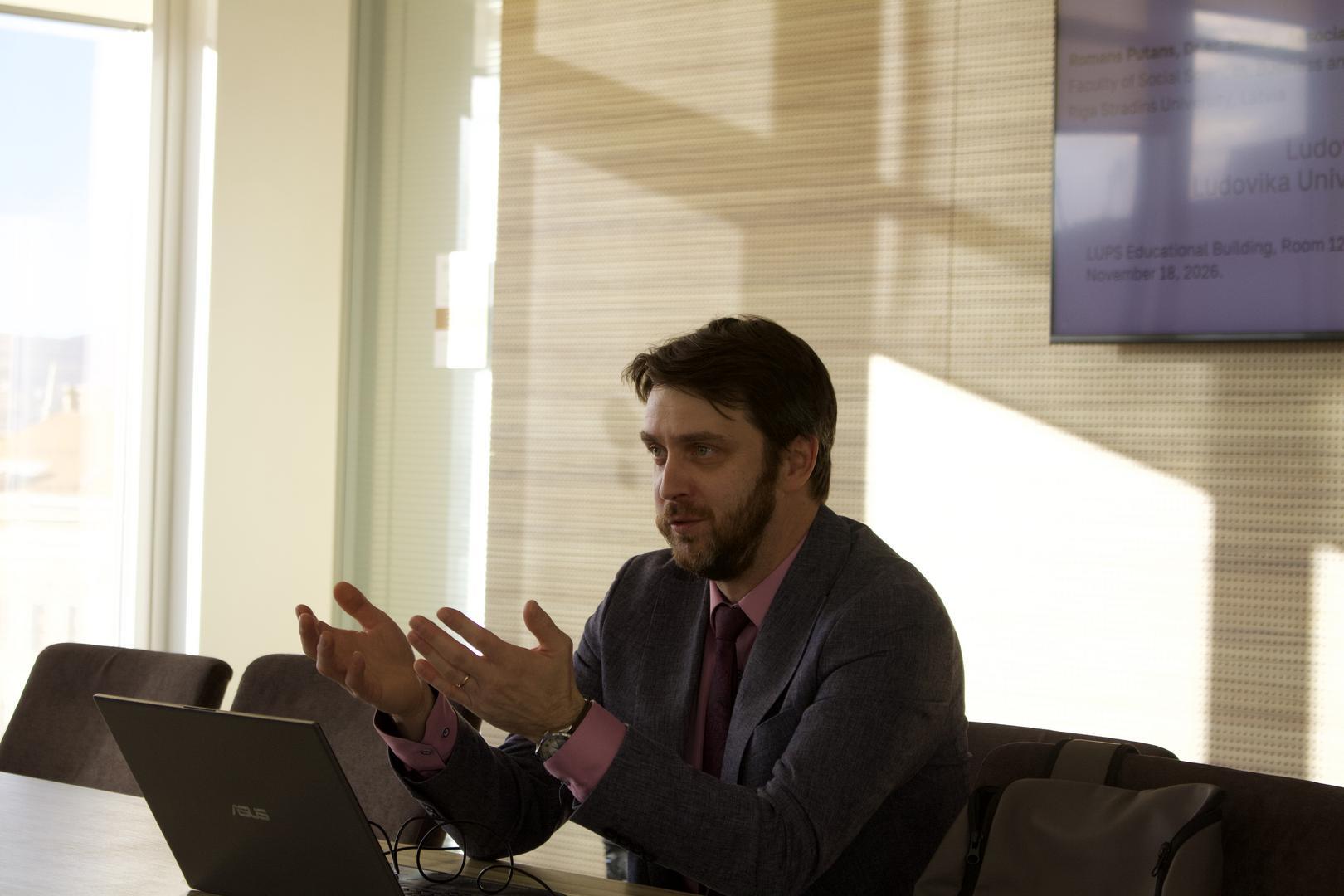
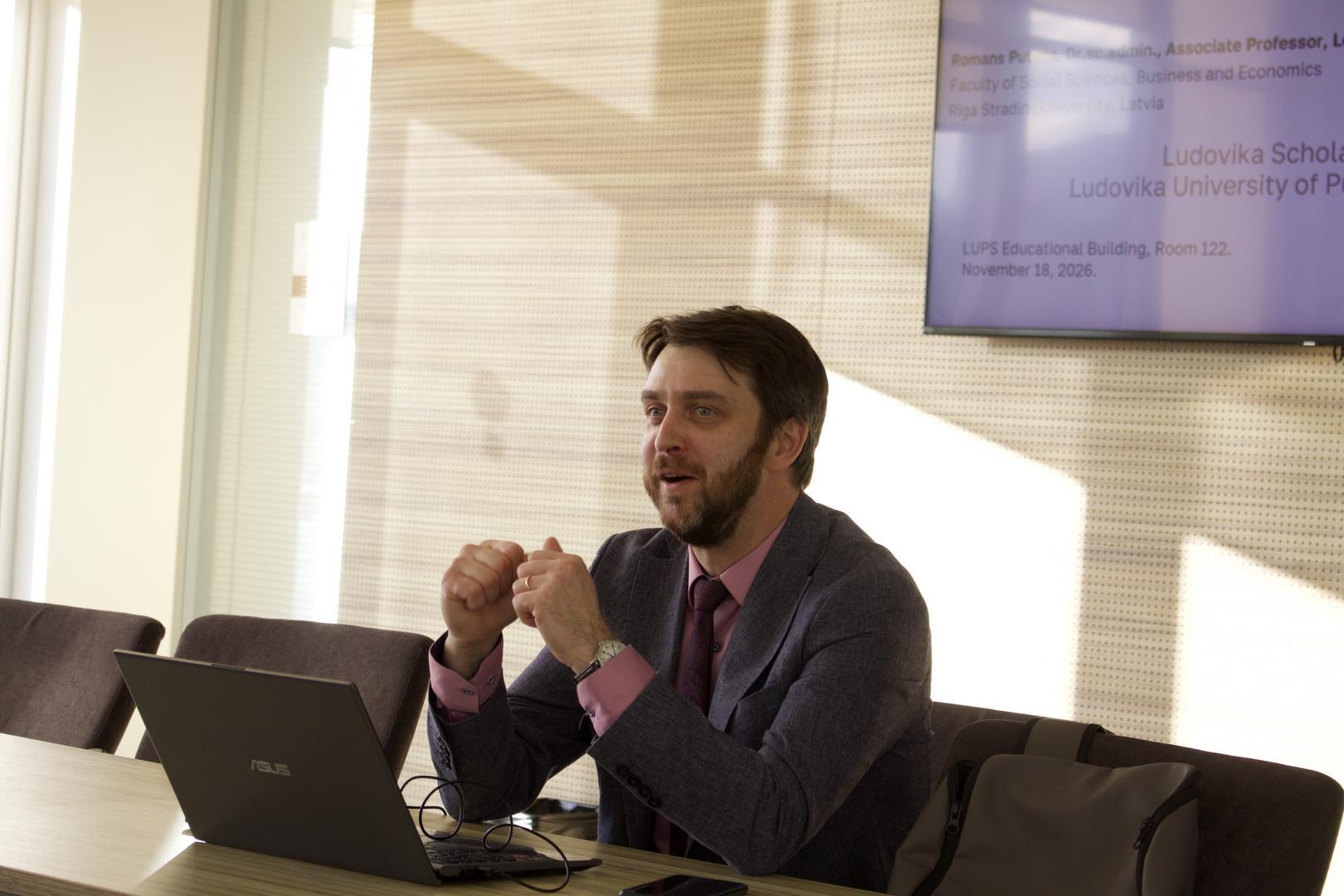
The public lecture was followed by a teaching methodology workshop, which offered an opportunity to exchange professional experience and explore new approaches to higher education. Drawing on his own courses, Romans Putans introduced methods he uses to make the changing world of public administration more accessible and engaging for students. These included classroom debates, study visits and interactive, decision-making exercises supported by digital tools. The workshop also featured an open professional discussion, during which FPGIS colleagues shared their own teaching experiences and good practices. The session provided fresh ideas and inspiration for creative, student-centred teaching, highlighting how interactive methods and digital tools can make learning more engaging and practice-oriented. It also opened up new perspectives on how to bring real-world challenges into the classroom.
Together, the two programmes highlighted an important connection: as economies and public administration continue to change, the way we educate future professionals must evolve as well. The exchange of international academic experience, innovative teaching practices and fresh perspectives made the visit a valuable opportunity for learning and professional dialogue within the Ludovika community.
Text: Csilla Petró and International Office, FPGIS
Photos: Dénes Szilágyi, András Szabó