Colonel Robert Knobloch, a head of department in the Special Operations Unit of the Czech Police, visited the Faculty of Law Enforcement at Ludovika University of Public Service from 15 to 21 November 2026. The visit focused on how the Czech and Hungarian police gather intelligence from human sources and explored opportunities for joint teaching and research.
The Ludovika Scholars Program is the university’s international visiting lecturer initiative. Each guest spends a week at the university, which welcomes lecturers, researchers and experts from Central and Eastern Europe. Guests give public lectures, take part in workshops and consultations, learn about teaching and research at the university, and build ties with colleagues at the host institution.
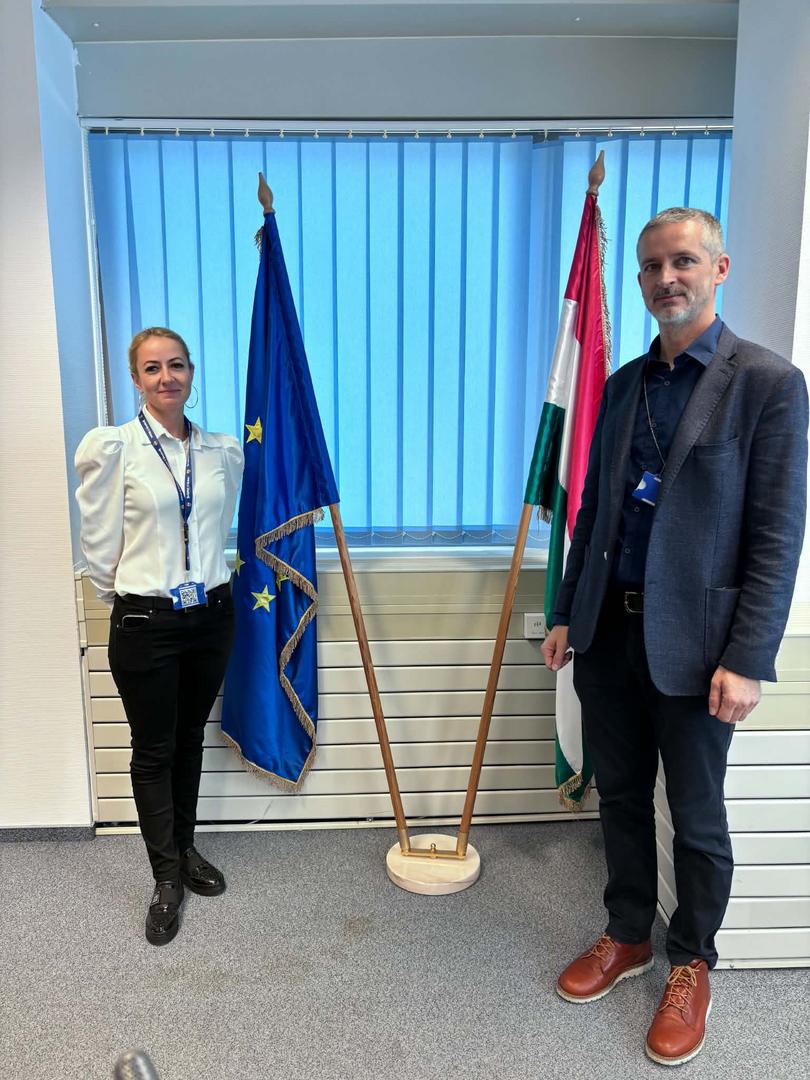
Police Lieutenant Colonel Dr Péter Nyeste, an associate professor in the Faculty’s Department of Criminal Investigation and Economic Protection, organised the week’s programme. On the Ludovika Campus, Colonel Knobloch met Programme Director Éva Sőregi-Vilén and the Rector, Professor Gergely Deli, to discuss the university’s international partnerships. He also paid a courtesy visit to Police Major General Dr Gábor Kovács, Dean of the Faculty of Law Enforcement.
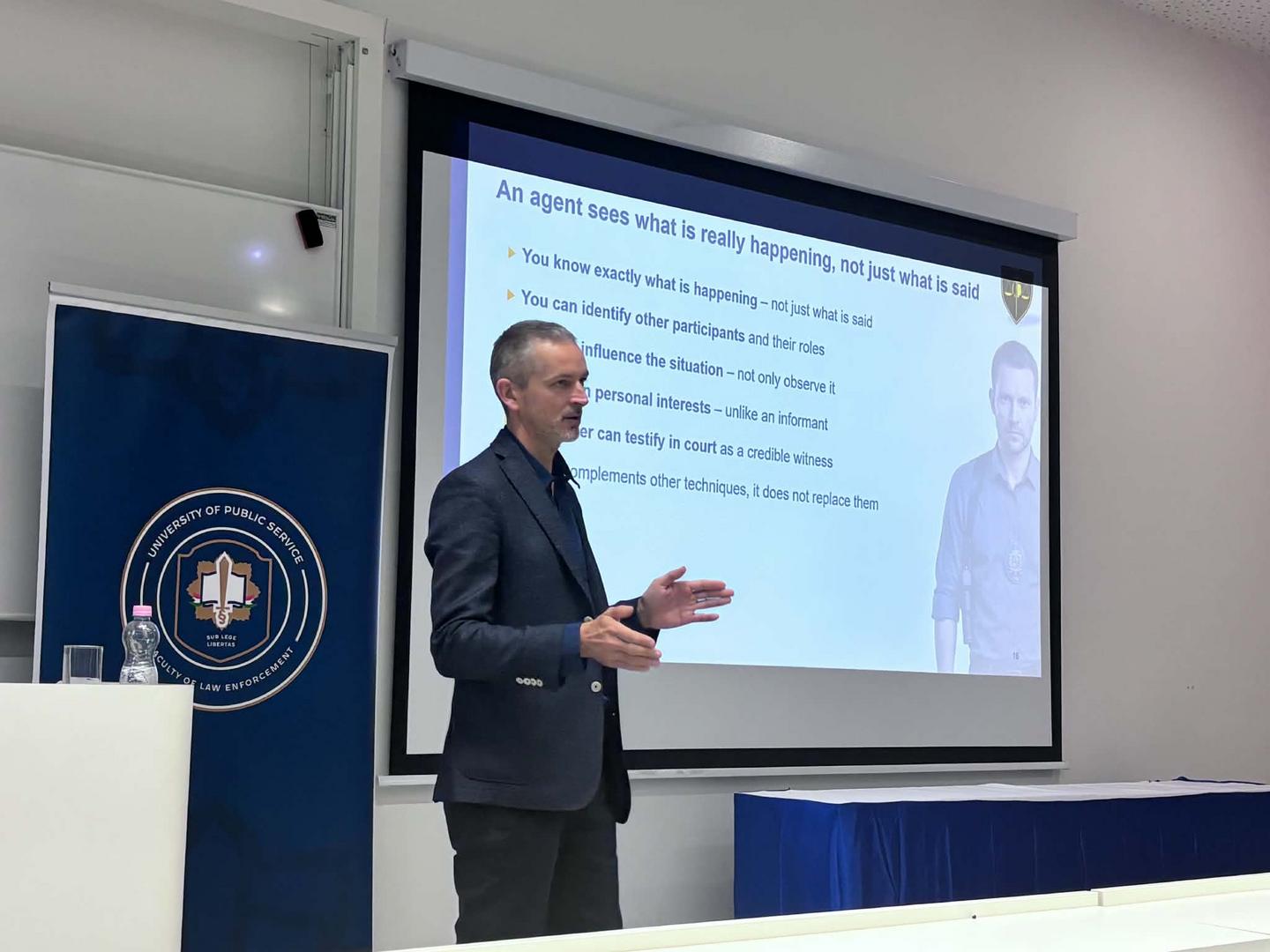
On 17 November, Colonel Knobloch gave a public lecture at the faculty on the institutions and legal framework governing undercover investigations in the Czech Republic. He illustrated how the rules of criminal procedure apply in practice by drawing on several decades of police experience. The audience included fourth-year students specialising in criminal investigation, Erasmus students studying at the Faculty, and lecturers and students from the Faculty of Law Enforcement and other faculties of the university.
The lecture was followed by a roundtable discussion at the Department of Criminal Investigation and Economic Protection. Members of the Department and the National Bureau of Investigation discussed the use of informants, the training of officers who handle human sources, and opportunities for joint research.
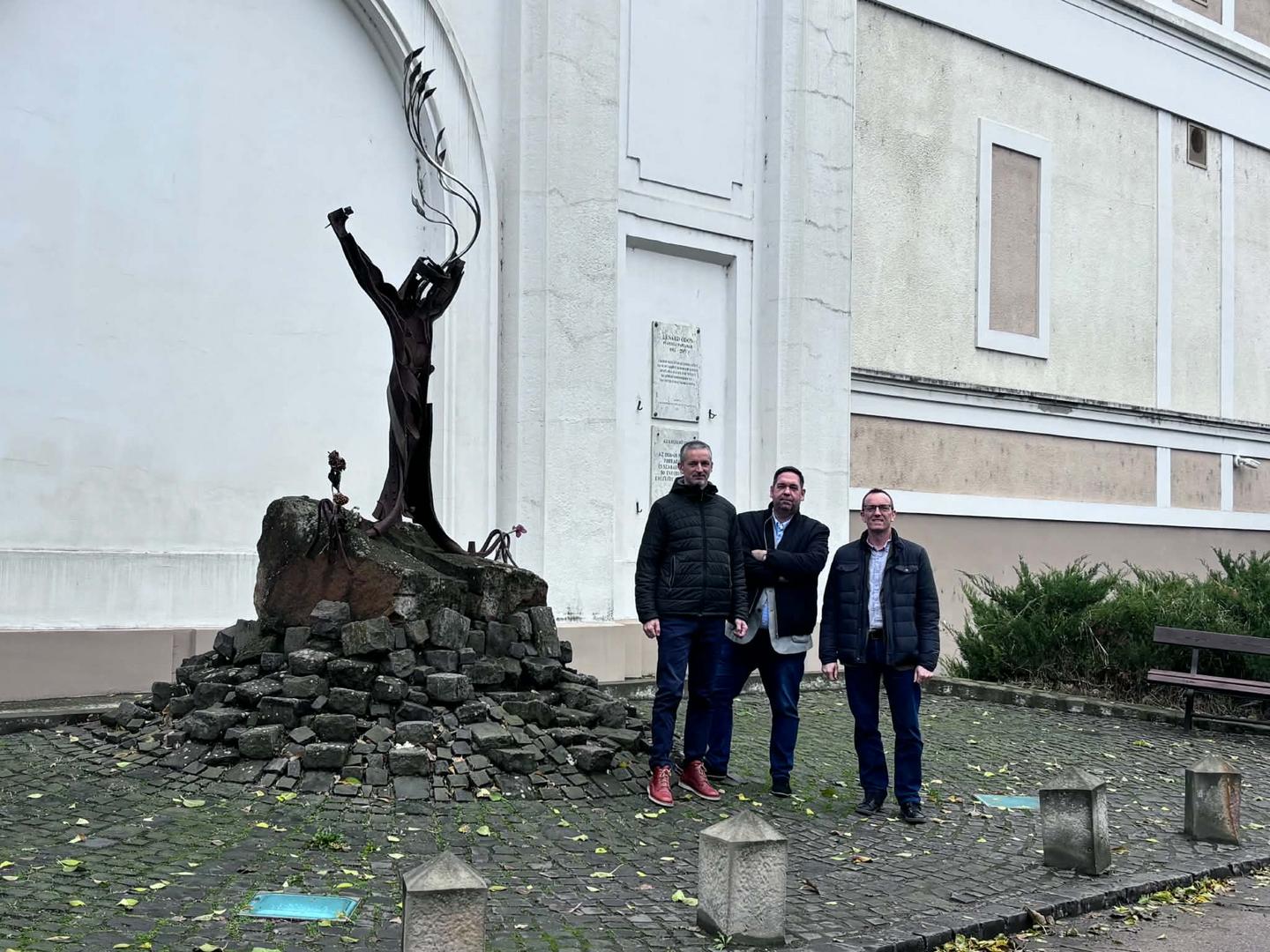
The programme continued with two institutional visits. At the National Bureau of Investigation, Colonel Knobloch learned about the work of the Criminal Intelligence Division. At Vác Prison and Penitentiary, he learned about the institution’s history and operations and discussed the distinctive aspects of gathering intelligence in a prison environment.
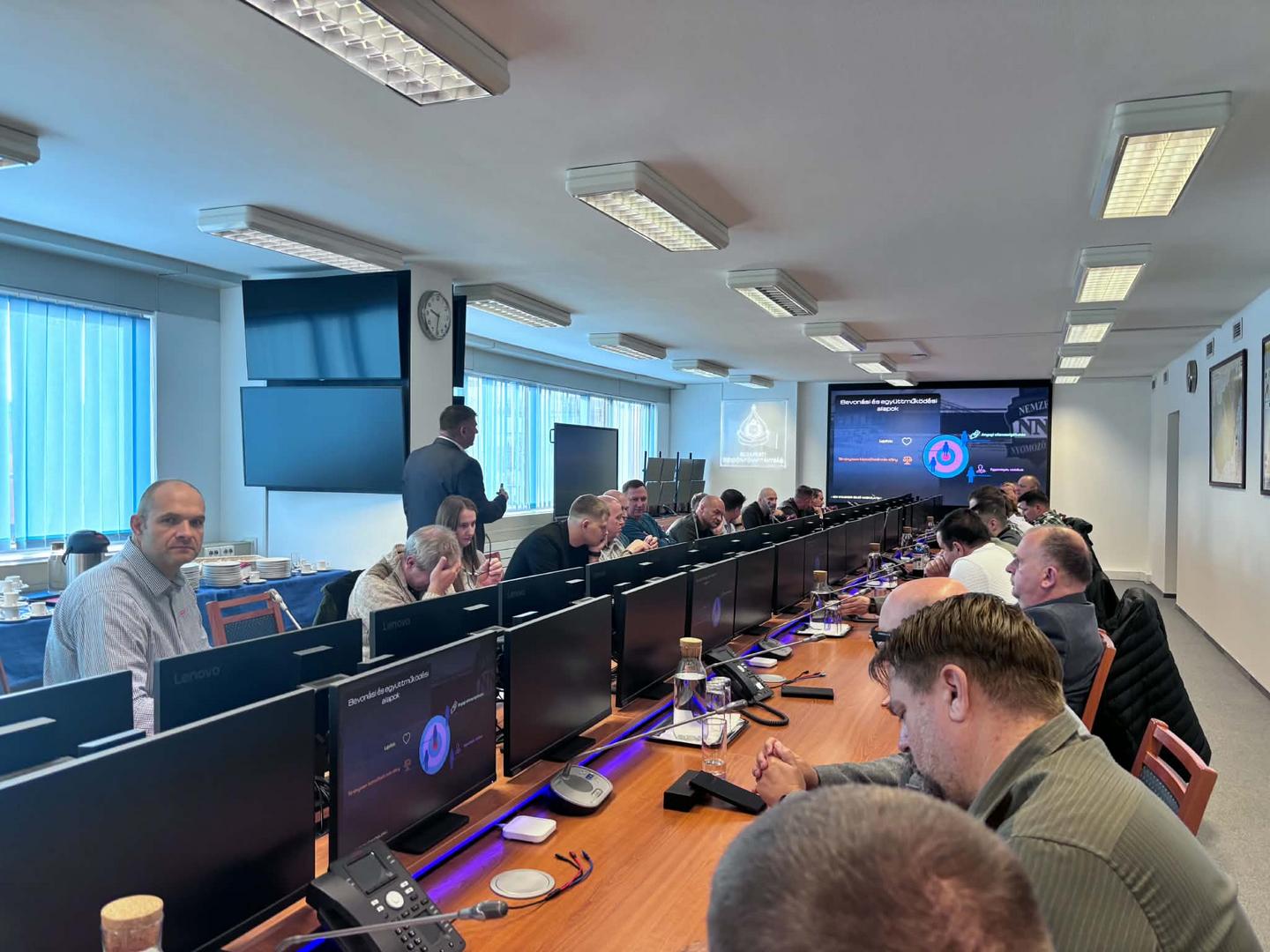
On 20 November, Police Lieutenant Colonel Éva Képli, Head of the Intelligence Division of the General Directorate for Criminal Investigation at the Hungarian National Police Headquarters, and her colleagues organised a workshop at the national police headquarters on Teve Street. They worked with members of the Faculty’s Department of Criminal Investigation and Economic Protection, with support from György Acsai, a specialist language instructor. Nearly forty intelligence officers from across Hungary attended.
Police Lieutenant Colonel Béla Árpás, a master instructor in the Department of Criminal Investigation and Economic Protection, opened the workshop. In his remarks, he stressed the importance of university researchers and law enforcement practitioners working together and sharing their perspectives. He discussed how international experience can inform police practice in Hungary, how research findings can support intelligence work, and how officers’ experience in the field can point researchers towards new questions.
Police Lieutenant Colonel András Kecskés, Head of the Criminal Intelligence Division at the National Bureau of Investigation, then outlined how Hungarian police work with human sources in criminal investigations. Colonel Knobloch traced the development of the Czech Police’s informant-handling system and outlined the reforms launched in 2022. He explained how the Czech Police had drawn on international research to develop the system. He highlighted the importance of a common organisational framework, effective oversight and professional training for both operational officers and managers. He also stressed the need to reduce the administrative burden on staff.
Over the course of the week, students and police professionals gained first-hand insight into the Czech Police’s approach to human intelligence. Czech and Hungarian participants compared their institutions’ practices and discussed opportunities for further joint events, comparative research and publications. Participants unanimously agreed that the week had been a resounding success for the Ludovika Scholars Program.
Text and photos: Béla Árpás, Péter Nyeste