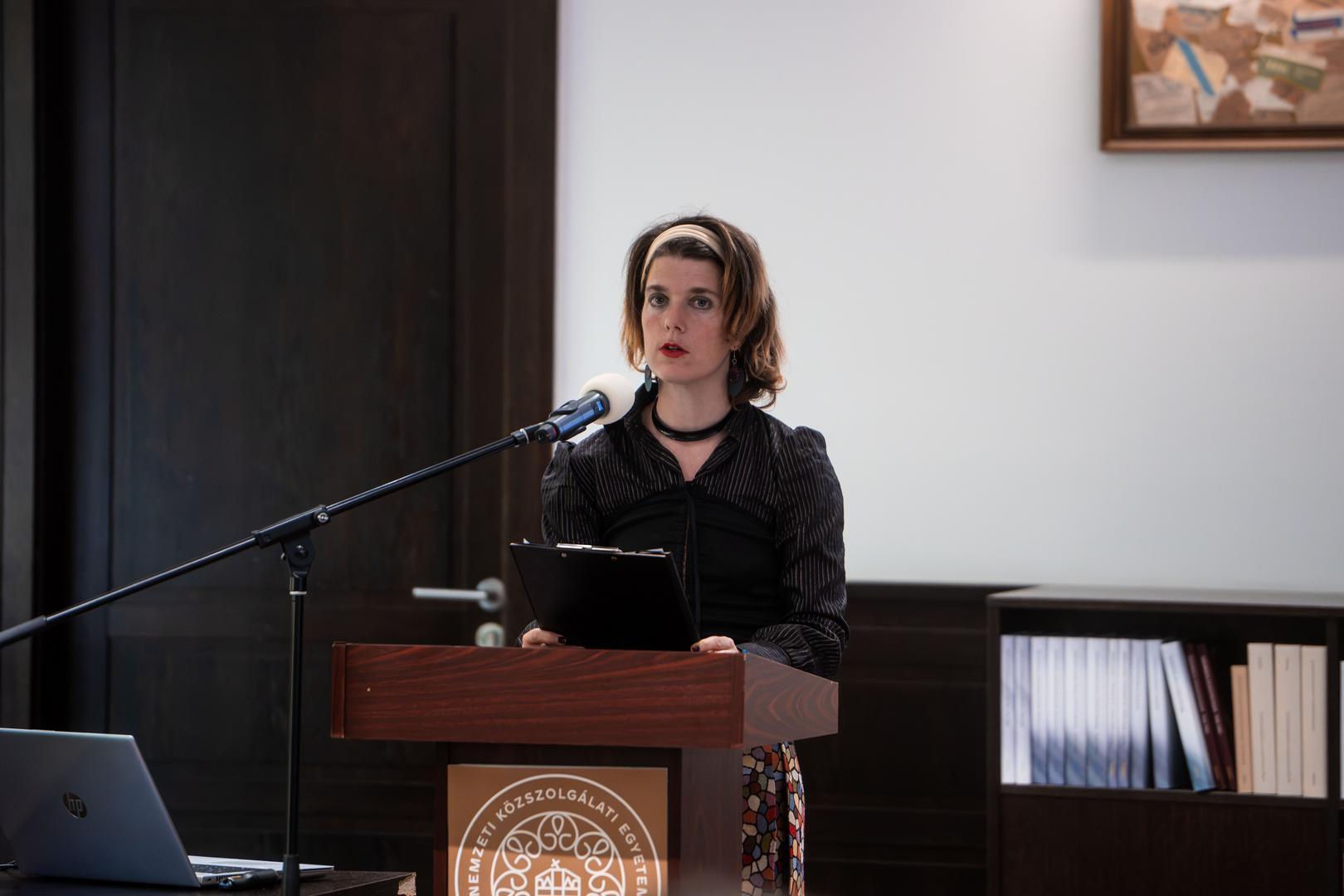
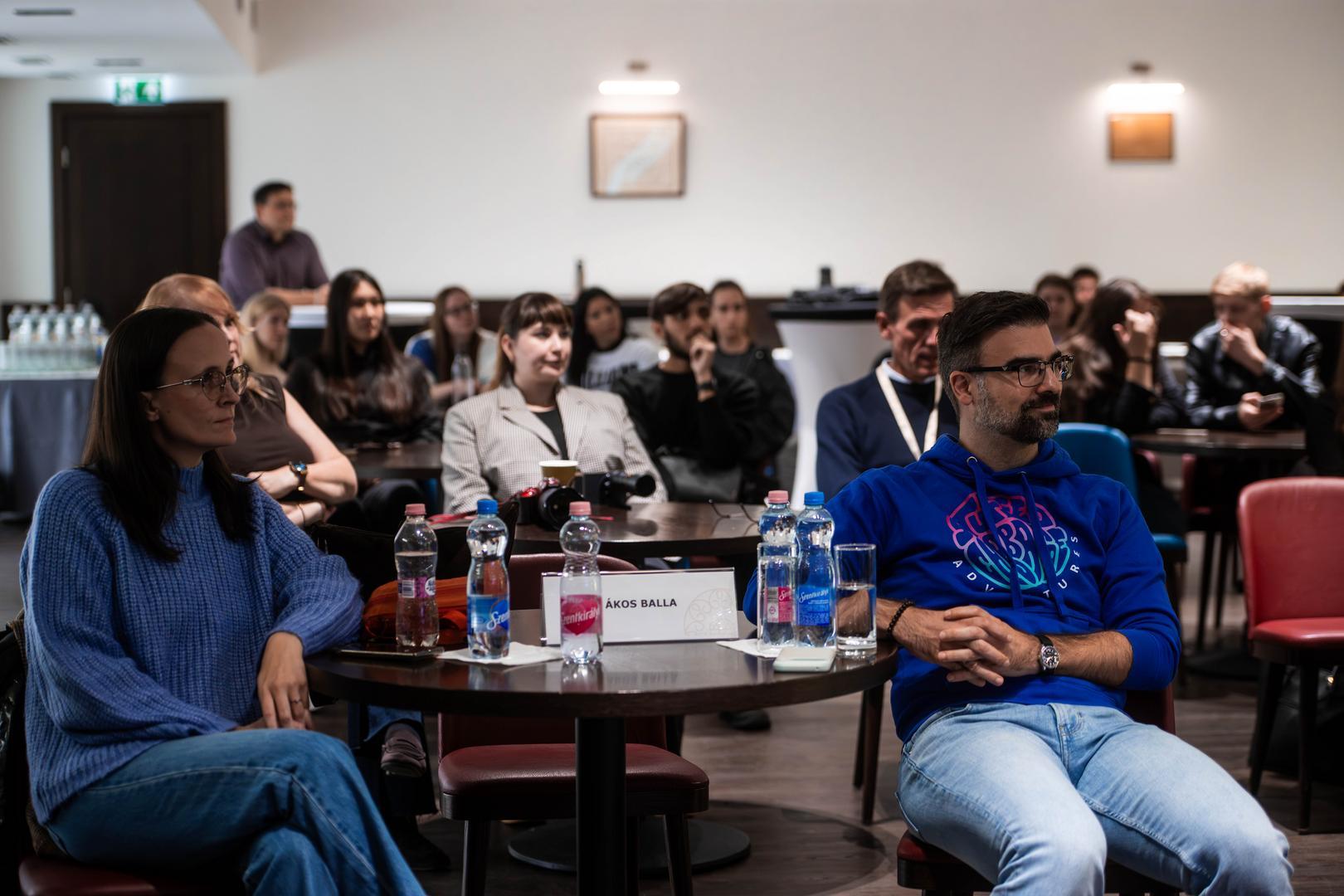
On October 19, 2026, starting at 14:00, an English-language intercultural professional workshop was held, which has become a tradition among Stipendium Hungaricum scholarship students. The event has been organized regularly for years by the Welcome Center Department of the International Office with the aim of facilitating the cultural integration of international students and supporting the strengthening of connections between student communities.
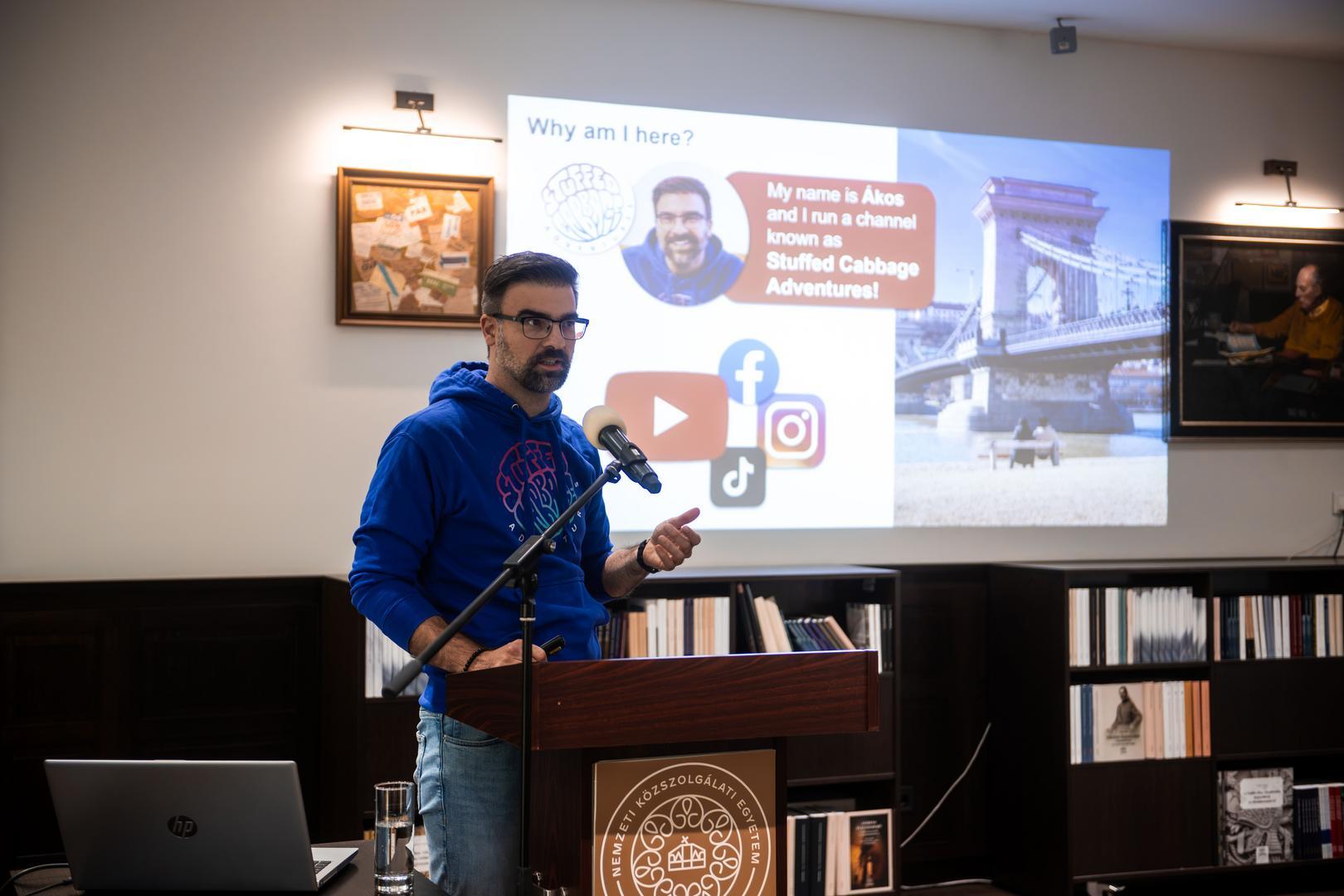
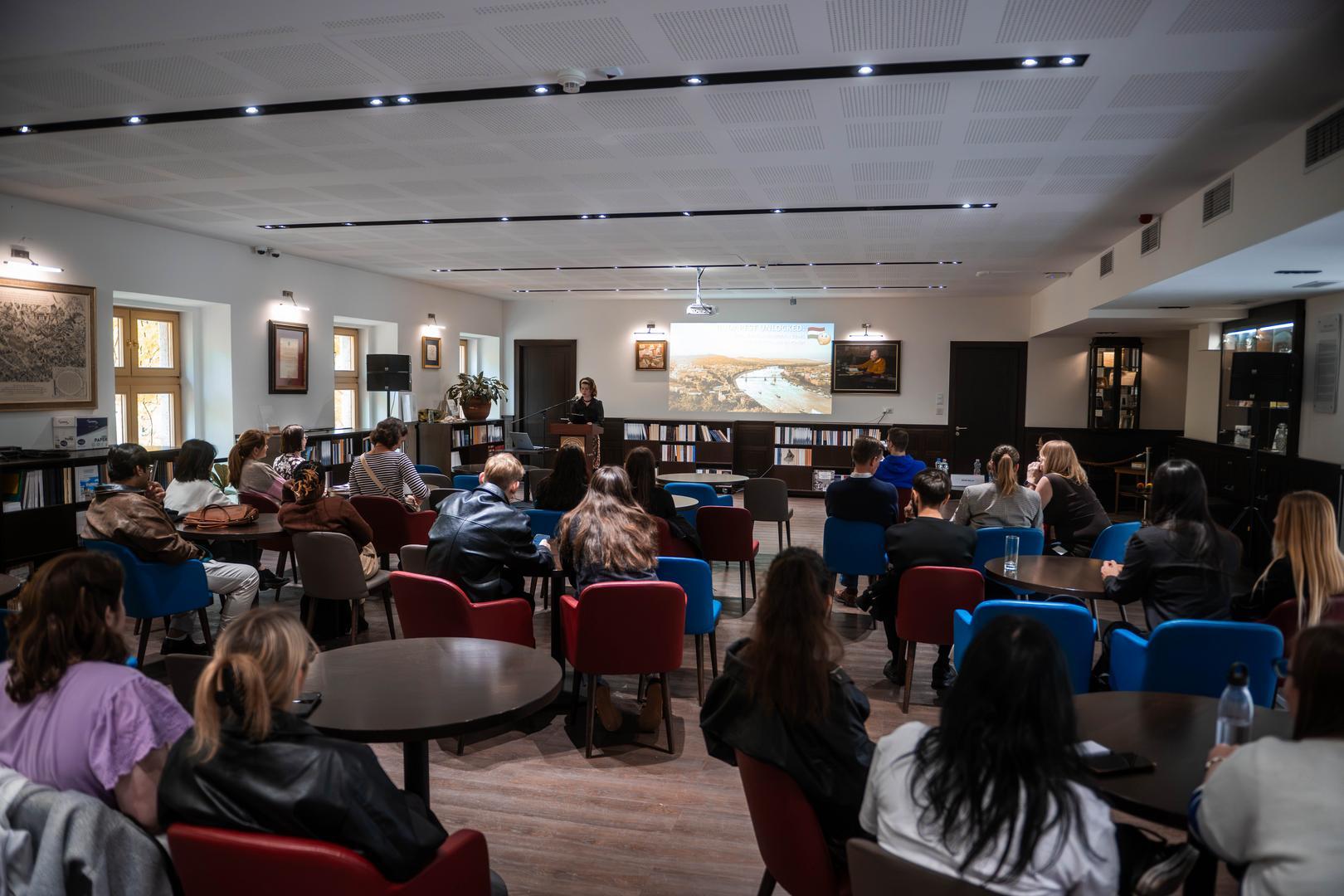
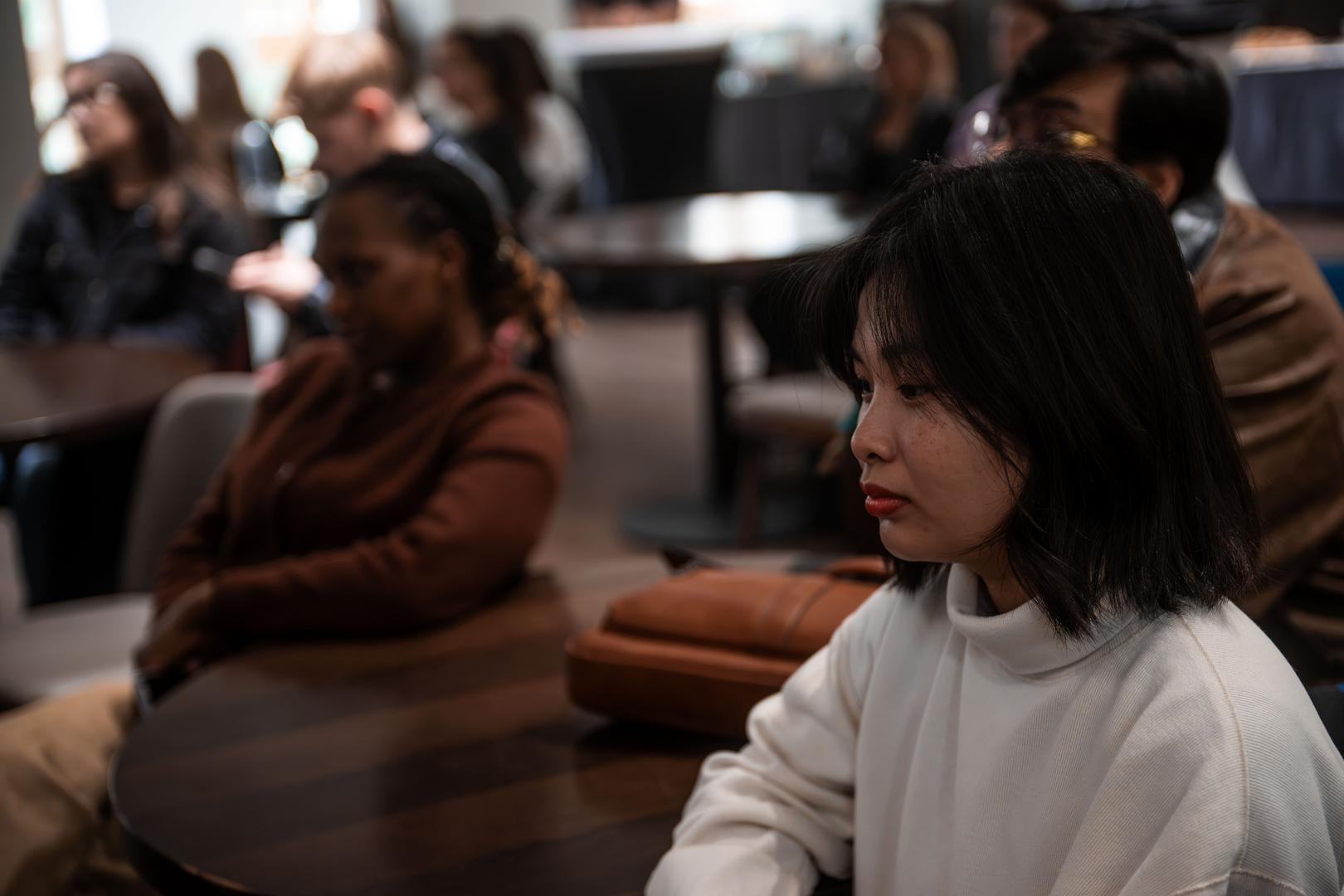
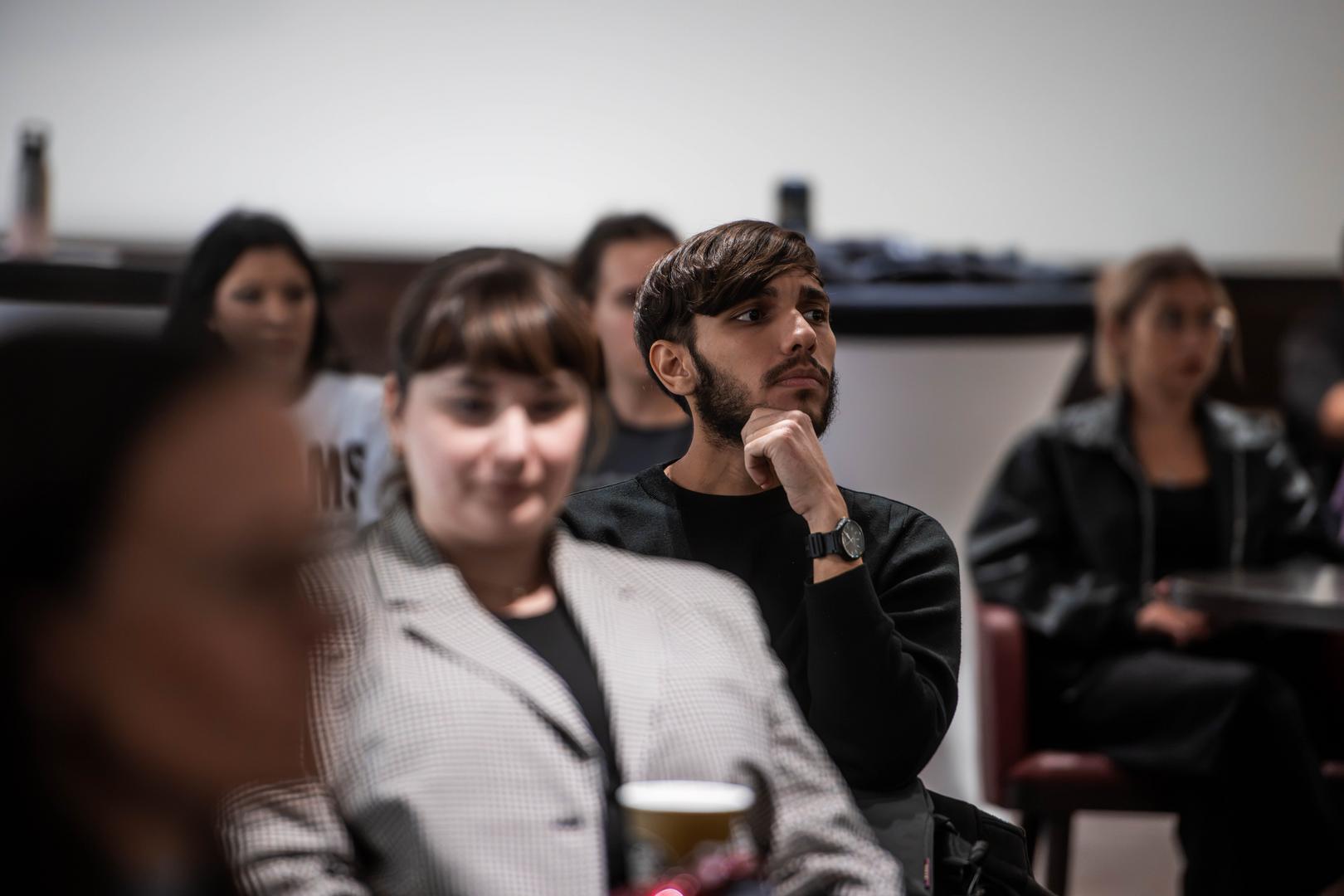
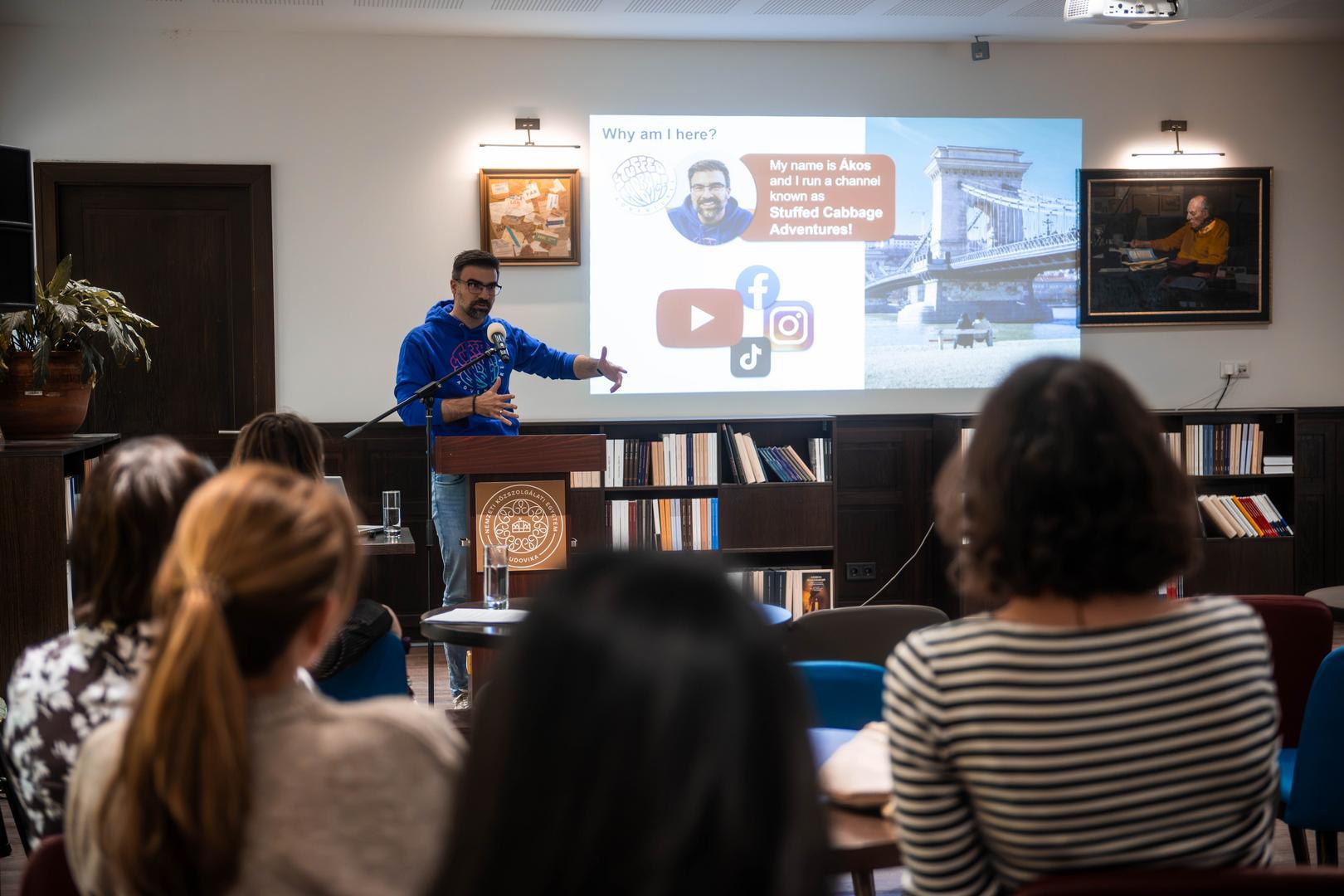
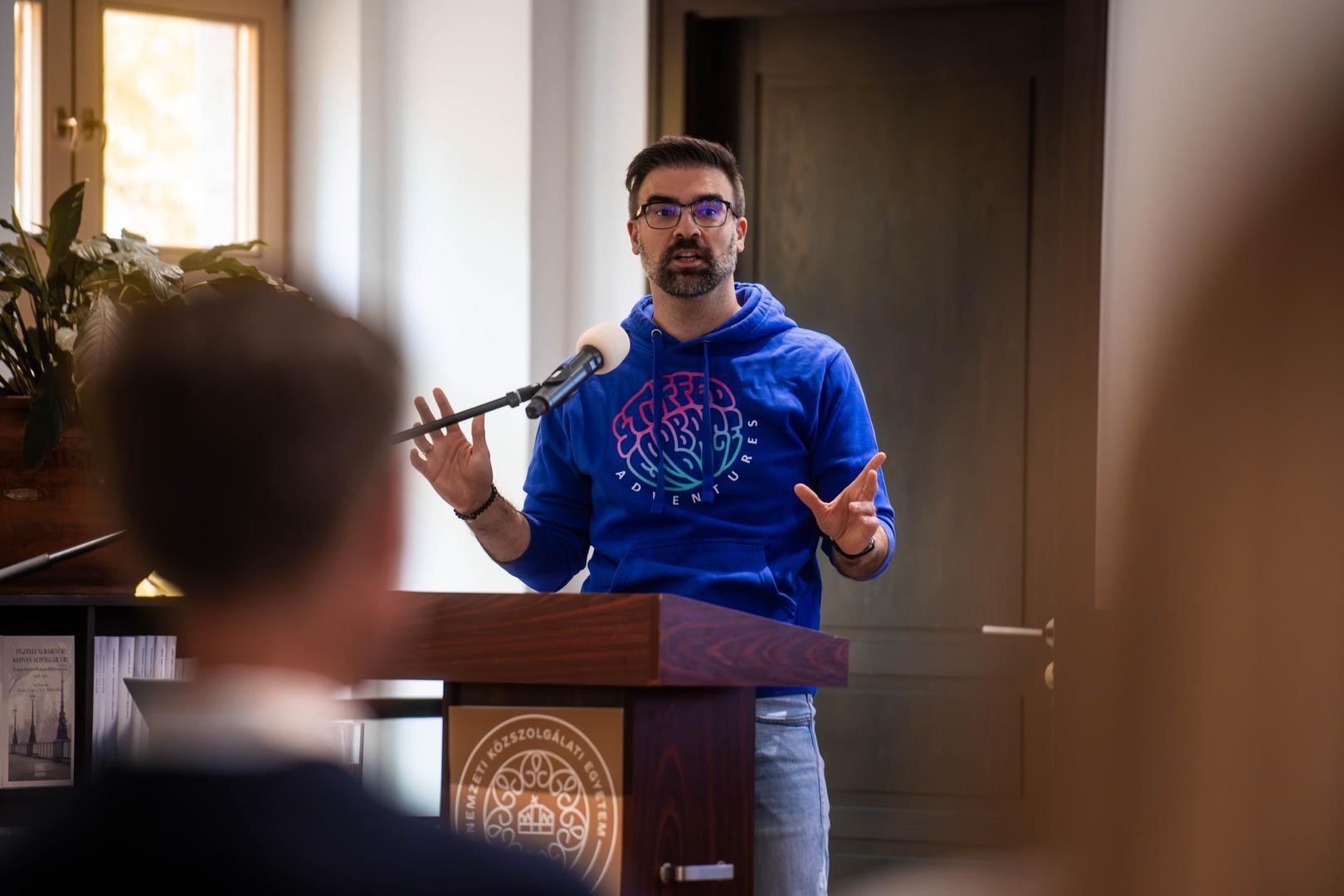
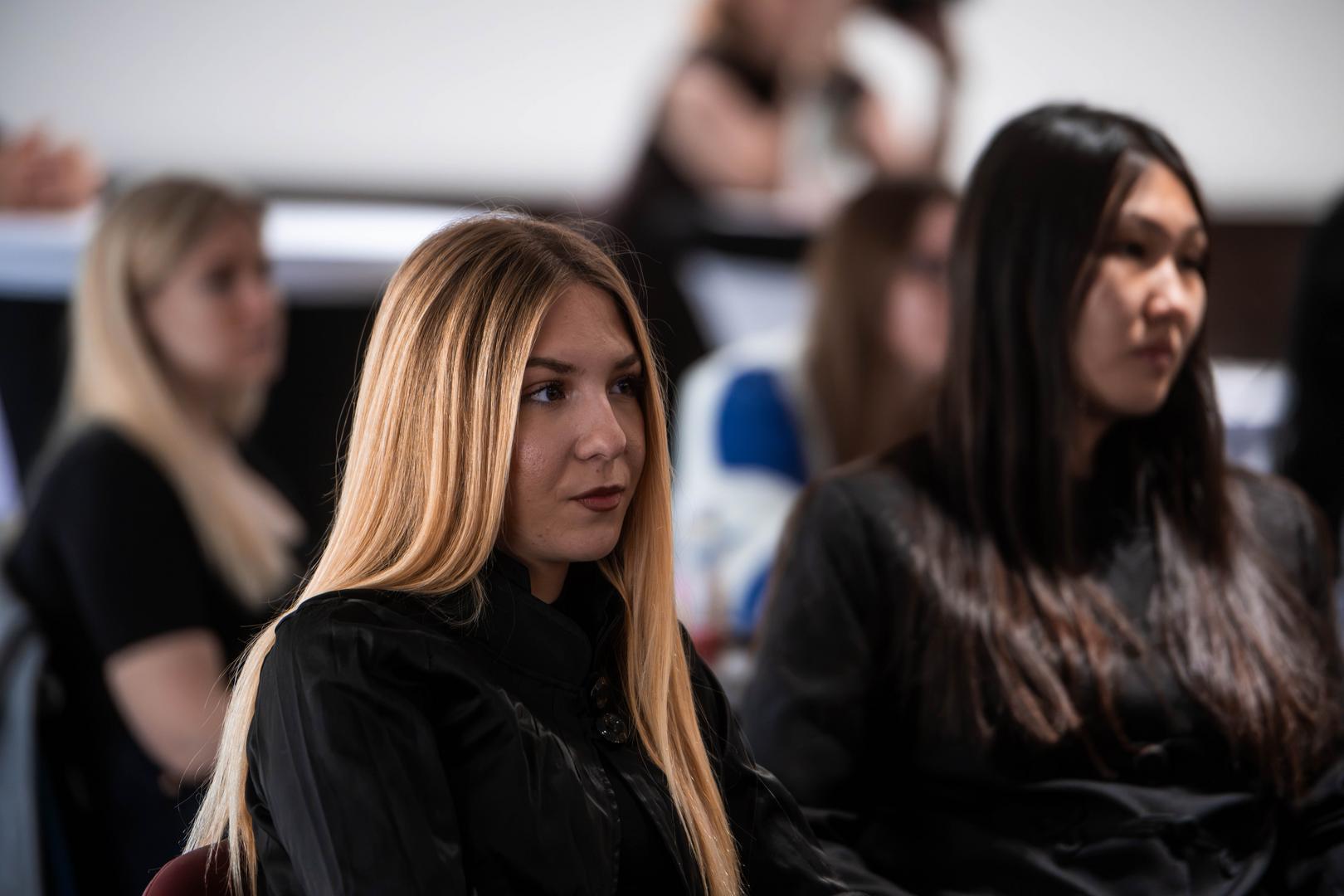
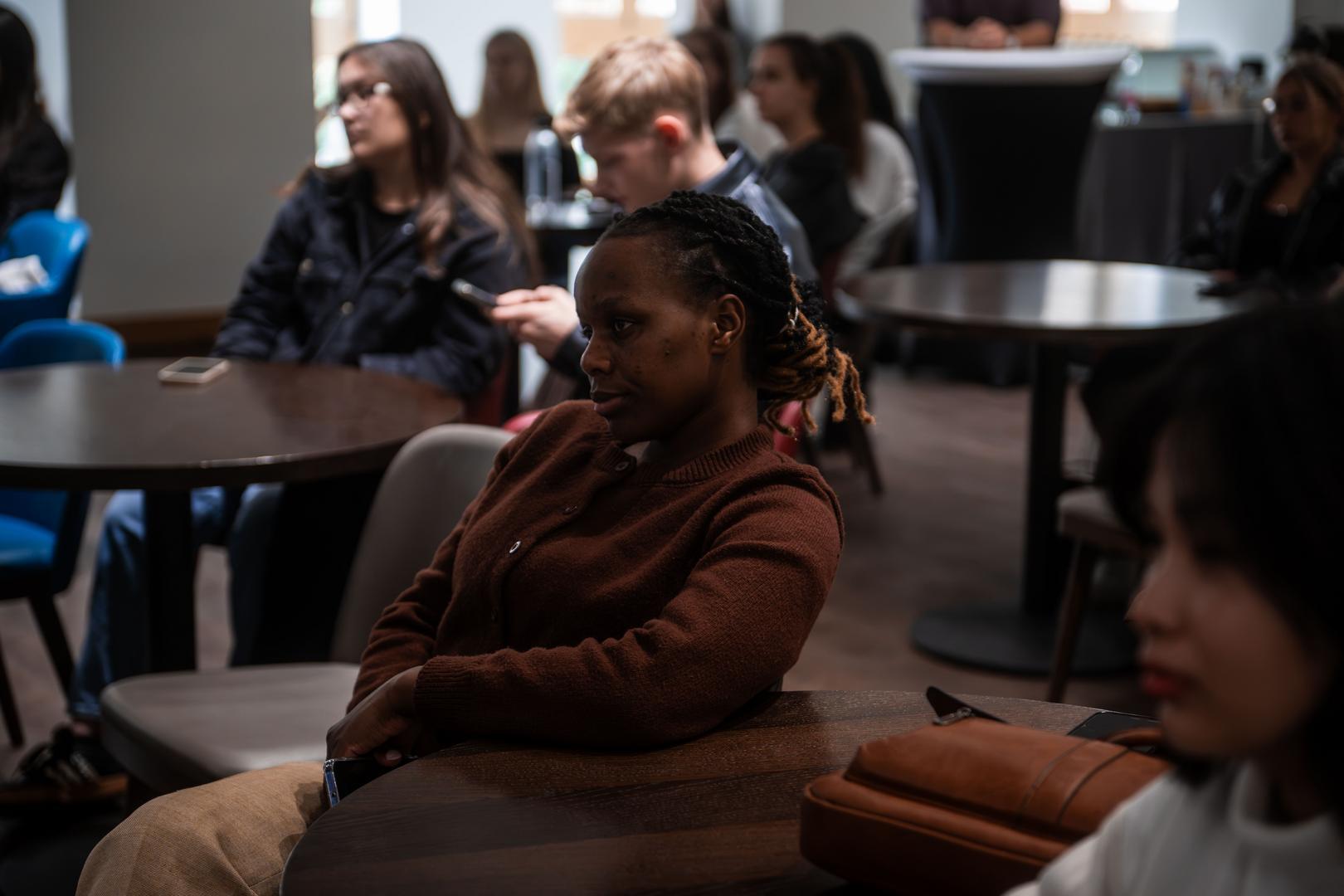
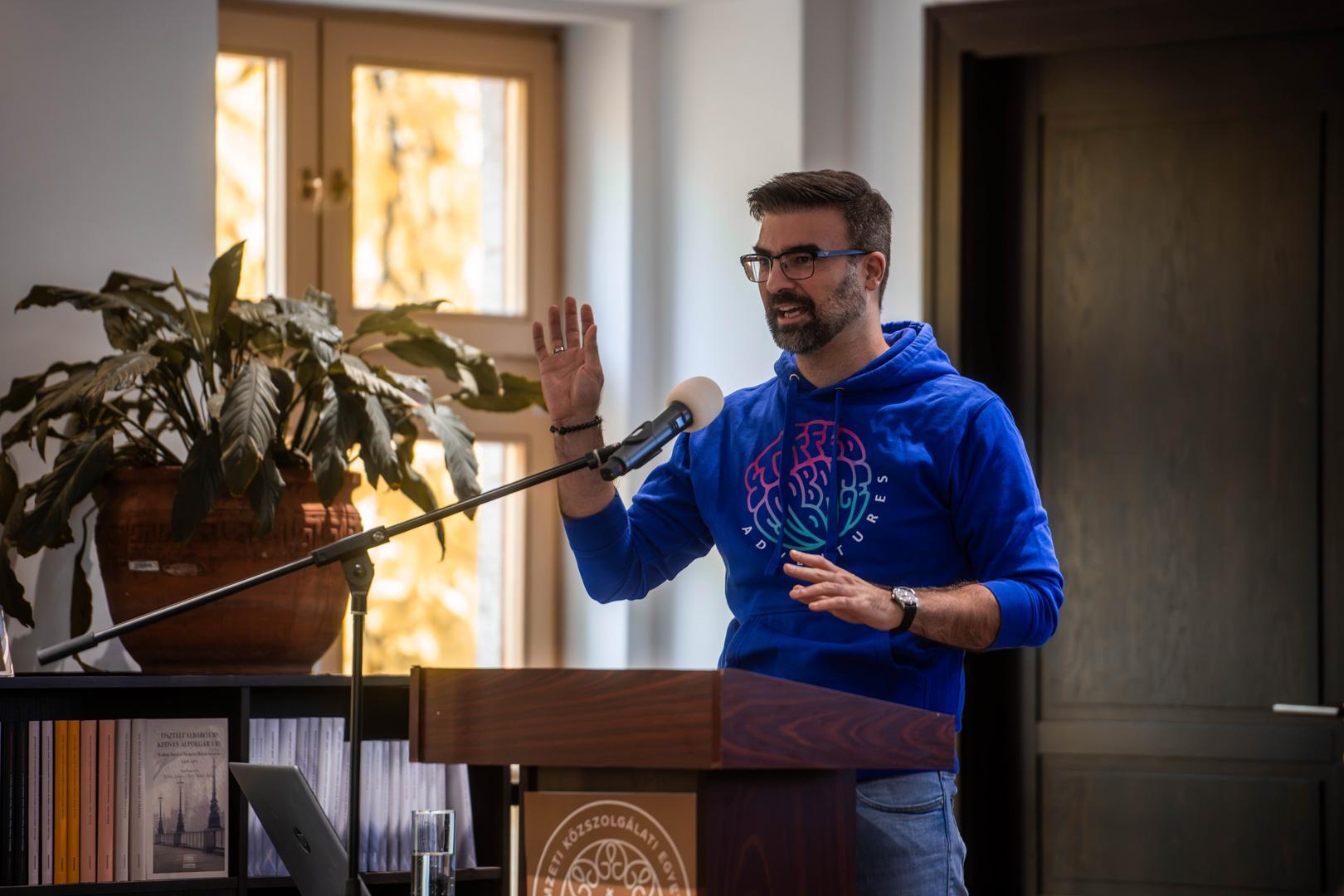
This edition of the program proved to be unconventional in several respects. Differing from previous practice, international students did not present the culture of their countries of origin; instead, as an invited speaker, content creator Ákos Balla, producer of the "Stuffed Cabbage Adventures" blog series, shared his experiences and insights into the peculiarities of Hungarian culture. The John Lukacs Lounge was filled with interested international students and university staff members, who addressed numerous questions to the speaker.
In his presentation, drawing on his own creator name, "Stuffed Cabbage," he highlighted the diversity of Hungarian culture; through the example of stuffed cabbage as a national dish, he illustrated how various cultural and historical influences contributed to the development of Hungary's unique identity. In his historical overview, he touched upon the Mongol invasion, the period of the Ottoman Empire, and the legacy of the Habsburg era, emphasizing the extent to which these eras enriched Hungarian culture, gastronomy, language, and bath culture.
From a practical point of view, the presentation also provided useful advice for the international audience. Topics discussed included Hungarian hospitality customs, the question of tipping, the tradition of clinking / not clinking with beer, the communication and social habits of Hungarians, as well as cultural characteristics associated with pálinka consumption. The speaker also drew attention to practical information concerning tourists and the importance of avoiding potential scams.
As part of the program, the speaker provided a brief overview of Budapest's sights, the mini-statues of sculptor Mihály Kolodko, and Hungary's countryside regions, with special regard to historical university towns and wine-producing regions. He spoke, among other things, about the cultural and tourism values of Szeged, Pécs, Eger, Sopron, Hollókő, and Győr, thereby encouraging the students to get to know thoroughly not only the capital, but the whole of Hungary.
Following the presentation, informal conversation and networking took place within the framework of the SH Meet and Greet event. During the informal discussions, topics of interest included the legal and ethical aspects of documentary filmmaking, as well as the subject of Hungarian gastronomy.
The event contributed to achieving the objectives of the Stipendium Hungaricum Scholarship Programme, particularly facilitating student integration and strengthening the visibility of the program. Similar events will continue to create opportunities in the future for students to build relationships and exchange experiences in an extracurricular environment, as well as to strengthen cooperation between first-year and upper-year, domestic and international students.
The significance of the present occasion was heightened by the fact that university staff members involved in supporting international students were also invited to the program, allowing students to interact in an informal setting with the staff members who provide support in managing their daily academic and administrative affairs.
The intercultural workshops are not merely educational programs, but also community-building and experience-gaining occasions. The next Intercultural Workshop will take place on December 1, 2026, within the framework of which participants can once again familiarize themselves with the cultures, traditions, and values of different countries.