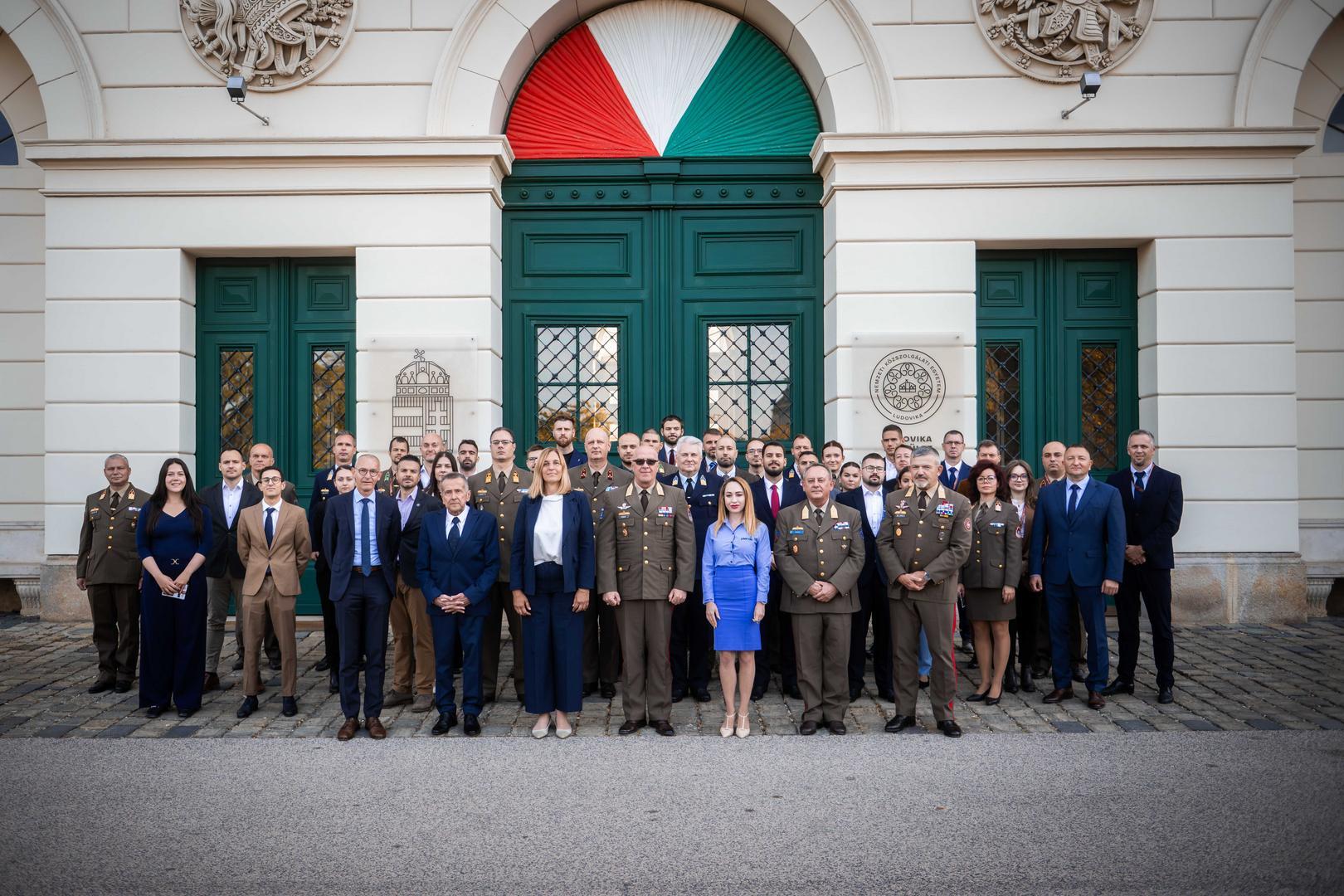
Europe must prepare to take on greater military responsibility for its own defense as the United States continues to withdraw – it was stated at the Common Security and Defence Policy Orientation Course.
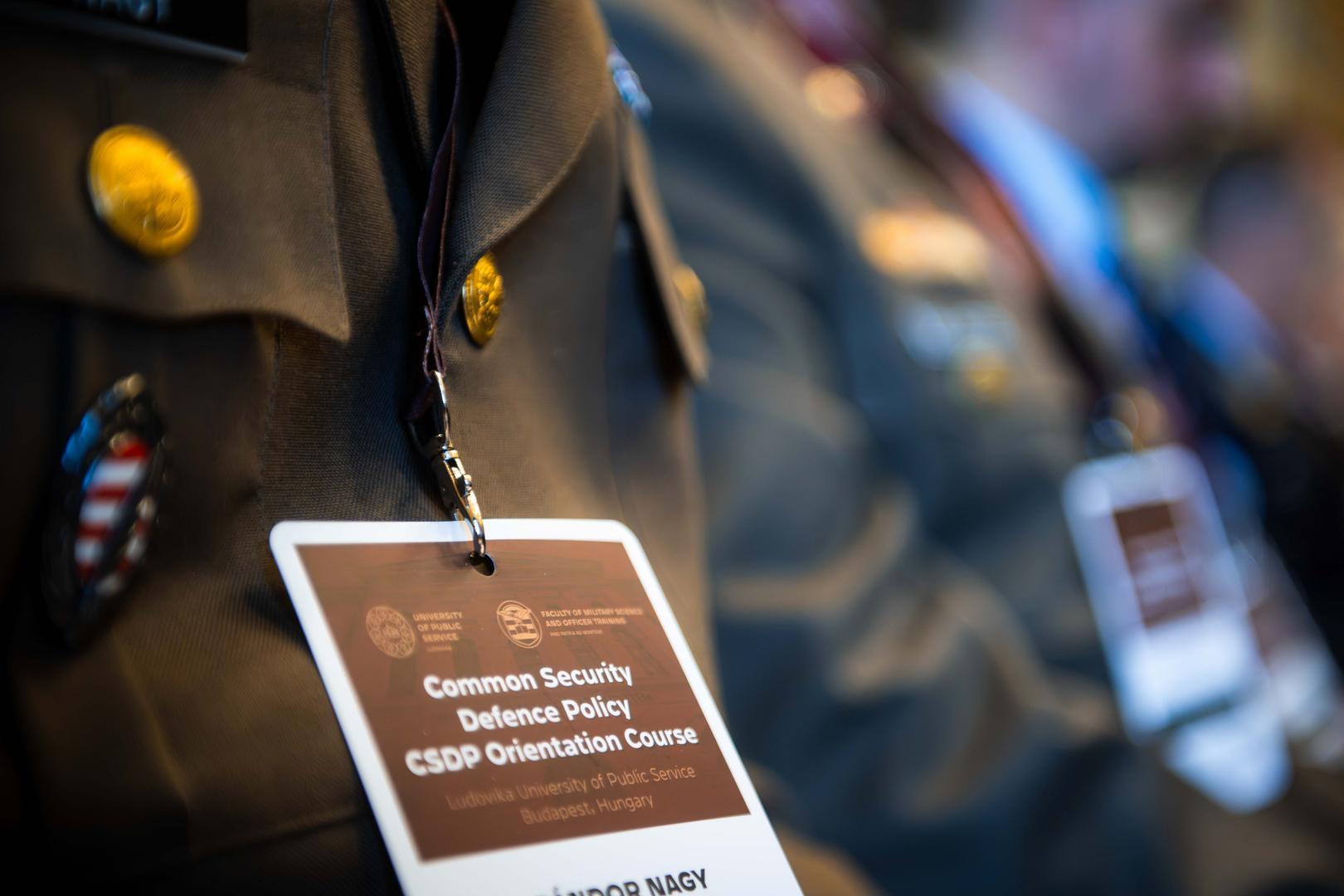
The Faculty of Military Sciences and Officer Training (FMSOT) of the Ludovika University of Public Service (LUPS), in cooperation with the European Security and Defence College (ESDC), is holding the CSDP Orientation Course (Common Security and Defence Policy Orientation Course) between October 5 and 9. The main goal of the course, held on the LUPS FMSOT campus, is to provide comprehensive theoretical and practical knowledge on the functioning of the European Union's Common Security and Defence Policy (CSDP) to the participants, middle and senior managers of member state ministries and EU institutions, military officers, law enforcement personnel, and diplomats.
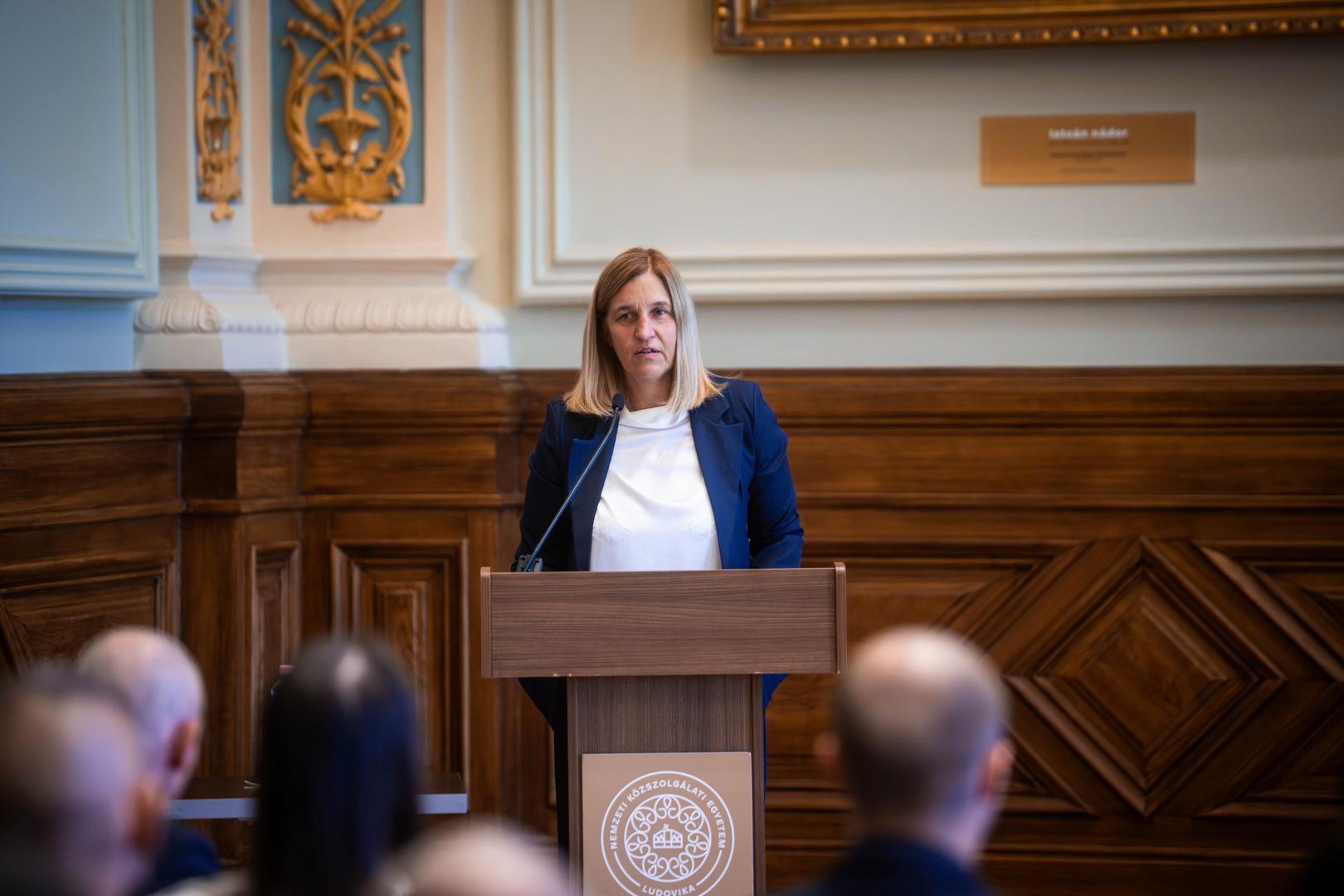
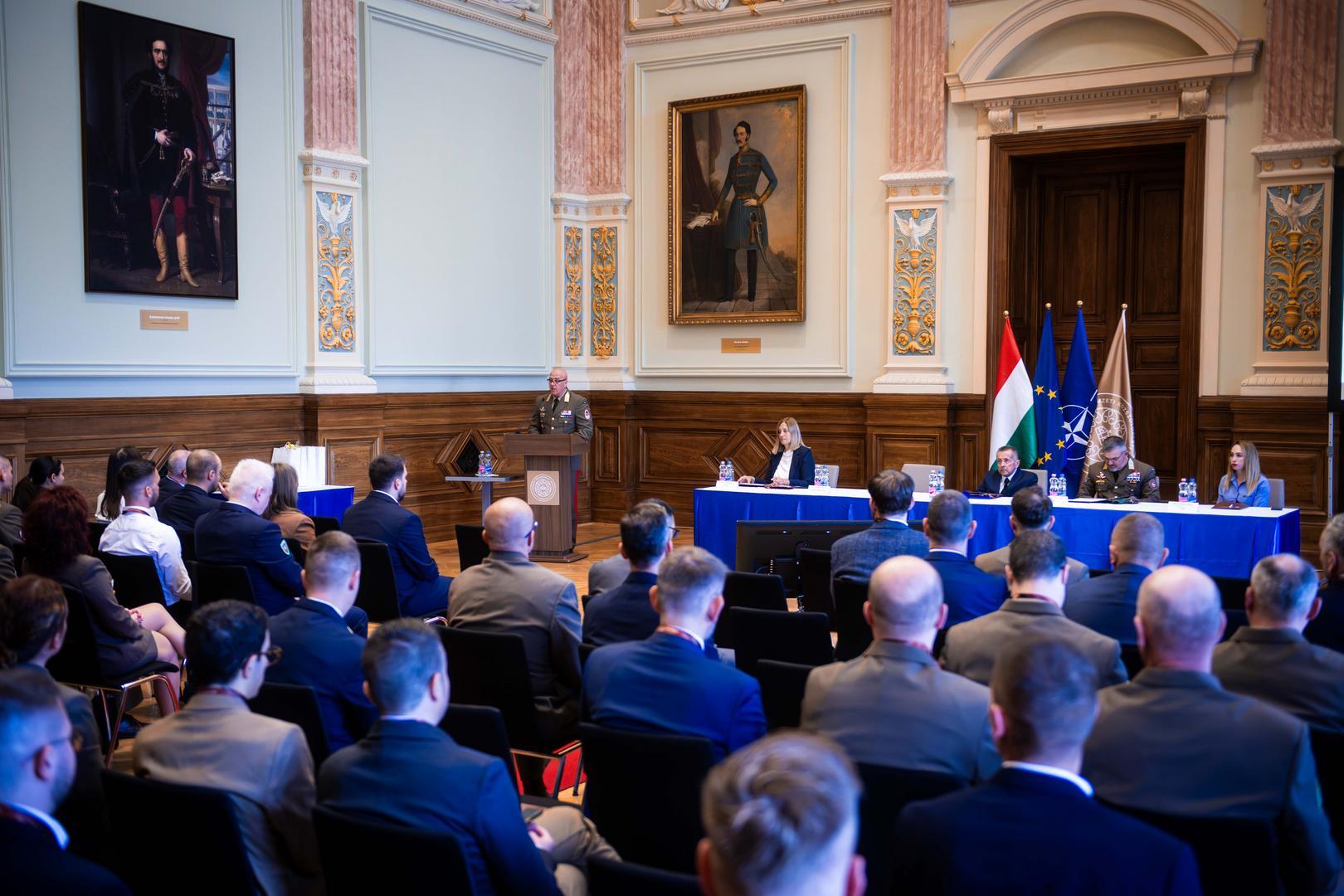
On the opening day held in the Széchenyi Assembly Hall, Anna Molnár, University Professor at the Department of International Security Studies of LUPS FMSOT, welcomed the attendees on behalf of the organizers and, alongside presenting the program, called attention to the timeliness of joint European defense cooperation.
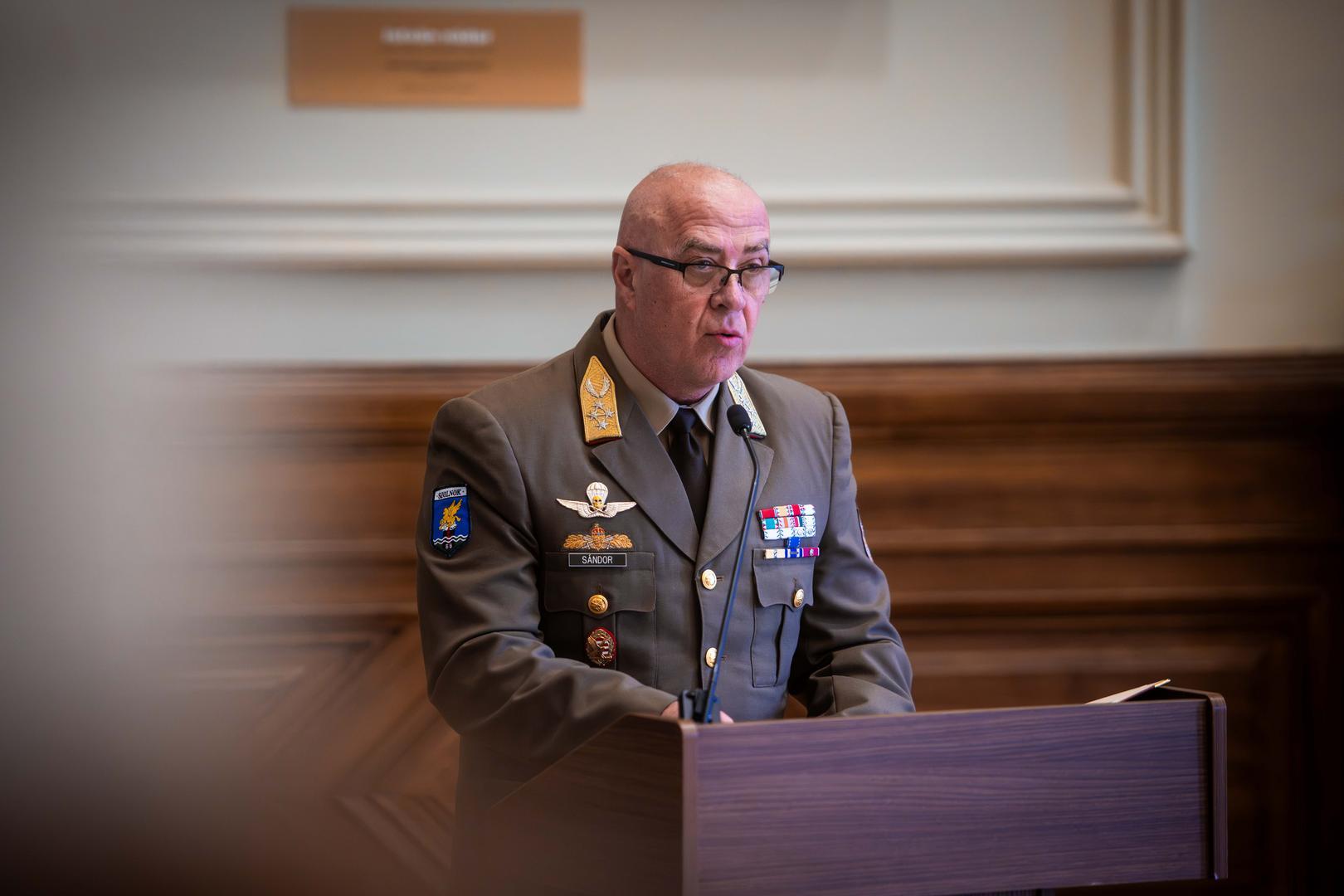
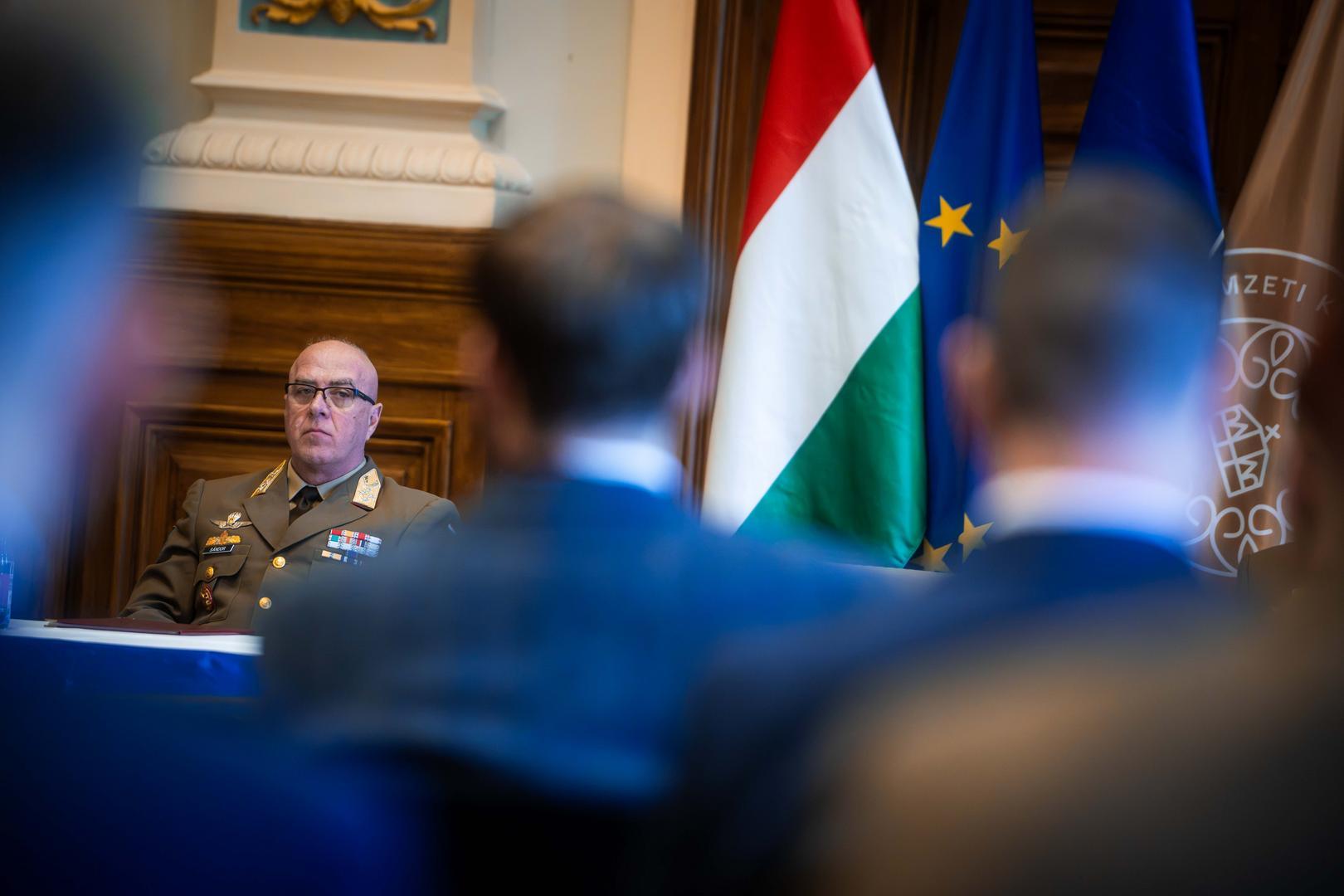
In his welcoming speech, the Chief of the Defence Staff laid down: the European security and defense system faces challenges of a severity unseen since the founding of the EU; a military, strategic competition is taking place with new technologies, and the war in Ukraine has shown that Russia does not respect borders. According to Colonel General Zsolt Sándor, during these years, EU member states are "building a common European defense culture," and its cornerstone remains NATO. As he put it, the development of military capabilities and their coordination with the armed forces of other member states, communication, and close cooperation are strategic interests. "You are the instruments of this, and it largely depends on you whether this succeeds or not," he added. The Chief of the Defence Staff wished strength to the participants for studying the strategic documents of the EU's common security and defense policy, and considered that this five-day training is a great opportunity to share experiences and communicate with one another.
In his opening lecture, Attila Elek Varga stated: the EU is in a period of strategic transition full of uncertainties; since the Russian aggression against Ukraine, the EU has been facing cyberattacks, acts of sabotage, and airspace violations, and building readiness for the protection of critical infrastructure has become an urgent task. The State Secretary for Defence at the Ministry of Defence called attention to the fact that the United States is shifting its focus to the Pacific region; therefore, Europe must take on greater responsibility for ensuring its own defense, while America and NATO will continue to remain key players for Europe's defense and will continue to provide the framework for future European force development.
According to the State Secretary, the development of conventional forces and drone technology, as well as AI-driven military technologies, is taking place in parallel, and the interconnectivity of member states' armies and securing supply routes for technologies and spare parts are also crucial. "The speed of adaptation matters; creating capabilities, as well as the resilience of the economy and the population, are also important factors," he said, adding that effective defense requires three attributes: deterrence capability, defense industrial capabilities, long-term investments, as well as the rapid response capability of the EU defense sector.
At the end of his speech, Attila Elek Varga stated: Hungary is a supporter of transatlantic cooperation and is interested in the parallel reinforcement of the military capabilities of both pillars of the defense alliance, NATO and the EU, and then quoted from the movie Top Gun as the motto of our era: "Time is your greatest enemy."
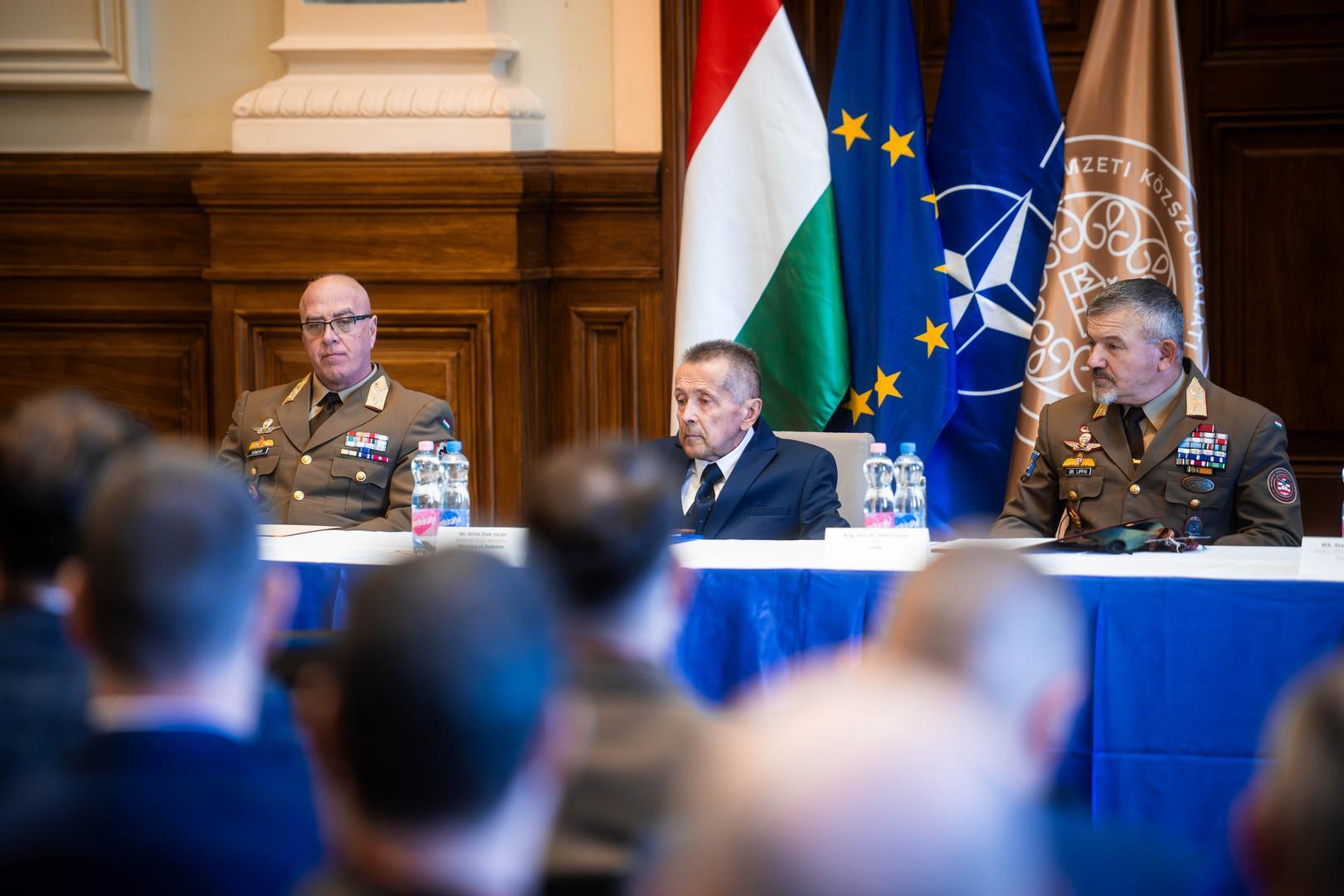
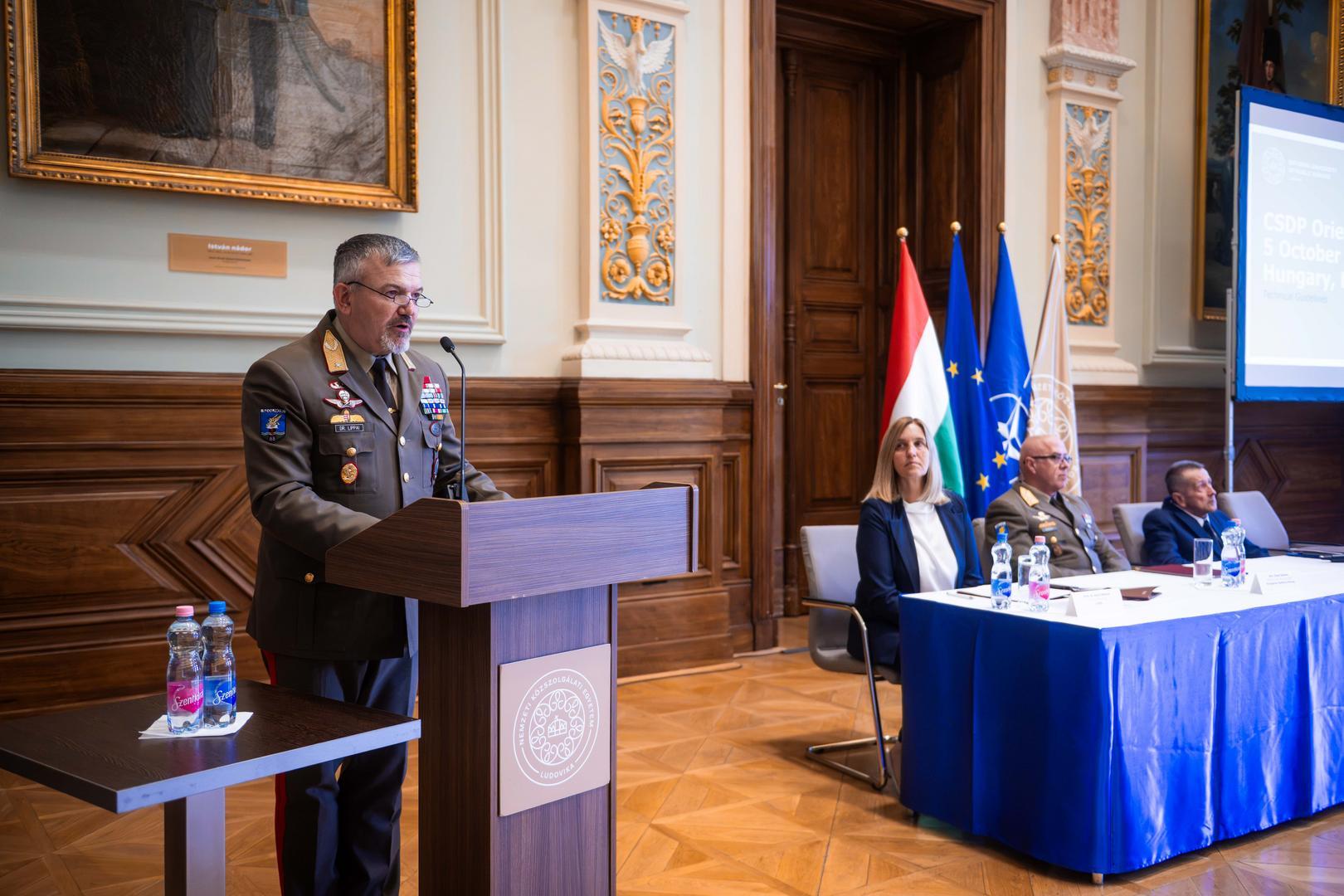
Brigadier General Péter Lippai, Dean of LUPS FMSOT, reminded in his welcoming speech that severe security threats have emerged in the immediate vicinity of the EU in recent decades; therefore, joint action and cooperation have never been more urgent than now. "Unity, flexibility, and strategic vision" are needed for effective action, the Dean stated.
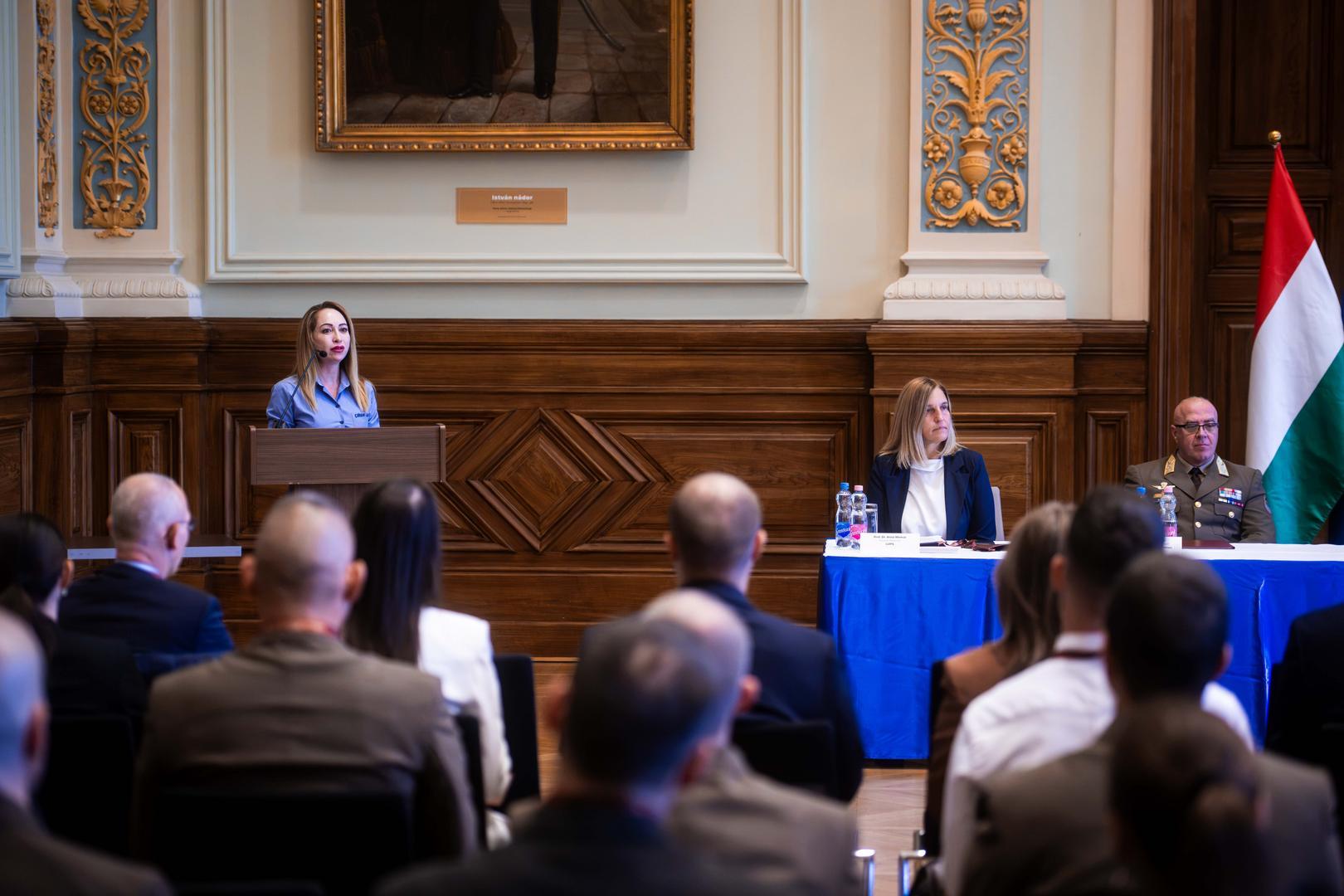
The final speaker of the opening, Stanislava Kraynova, instructor at the ESDC, presented her organization, which has been active for twenty years in the education and training of military leaders; it is a Brussels-based educational network among military academies and universities whose task is to present and explain the common security and defense policy credibly.
The first panel presentation of the opening day was held by the Vice-Dean of the George Marshall Center on the decades-long evolution of the European security policy strategy. Ralf Roloff stated as an introduction: the key to a successful security policy is how quickly a strategy can react to a crisis. The speaker reminded: the EU's first security strategy was drawn up in 2003, followed by the global strategy in 2016, and the creation of the new EU security strategy is currently underway.
According to Ralf Roloff, crises generally give momentum to European integration, as institutional responses to crises bring forth new cooperation. As he said, contemporary conflicts are "polycrises," meaning multi-layered crises, of which power competition is only one layer, and the interaction of multiple crises triggers unpredictable effects, for which previous solution methods are usually no longer suitable.
The responses to security threats emerging after 2001 (terrorism, regional conflicts, failed states, etc.) were deterrence, various security measures, effective multilateral relations, and the strengthening of the common defense policy. The process has phases, and EU defense integration is deepening further: Article 42(7) of the Lisbon Treaty (2009), PESCO (2017), EDF (2021), SAFE (2025), and currently we are at a point where the establishment of a Defence Union is expected to be on the agenda by the 2030s.
The new EU security strategy calculates that the military presence of the United States in Europe will decrease; therefore, the conditions for "European strategic autonomy" must be created, requiring capability development, defense innovation, readiness, making Article 42(7) operational, and presumably there will be a European defense clause (a quasi Article 4 procedure) and a European Security Council as well.
In the second panel presentation, the Deputy Director General and Chief of Staff of the European Union Military Staff (EUMS) gave a lecture titled Crisis Management and the EU, during which he presented the various structures of EU military cooperation. Major General Gábor Horváth stated: the foundation of everything is the founding treaties, the 2009 Lisbon Treaty, then the EU's Common Foreign and Security Policy, within which lies the Common Security and Defence Policy (CSDP). Coordinating this among the 27 member states is not simple, which can involve decision-making by consensus or requiring a qualified majority.
Almost every EU institution has a role in defining defense policy. The European Parliament has a Committee on Foreign Affairs; previously, one of its subcommittees was the Subcommittee on Security and Defence, which became an independent committee last year. Among the directorates-general of the European Commission, there is also a defense unit; operating alongside the European Council is the EU Military Committee (EUMC), which provides advice to the Political and Security Committee – and the military advisory body of the EUMC is the EU Military Staff (EUMS). At the end of his lecture, Gábor Horváth called the audience's attention to the fact that despite the complex cooperation structure, there is an important and clear operational principle: every military crisis management mission requires two Council decisions; one that provides budget coverage for it, and another professional decision that specifically launches the mission.
Text: Tamás Maráczi
Photo: Dénes Szilágyi