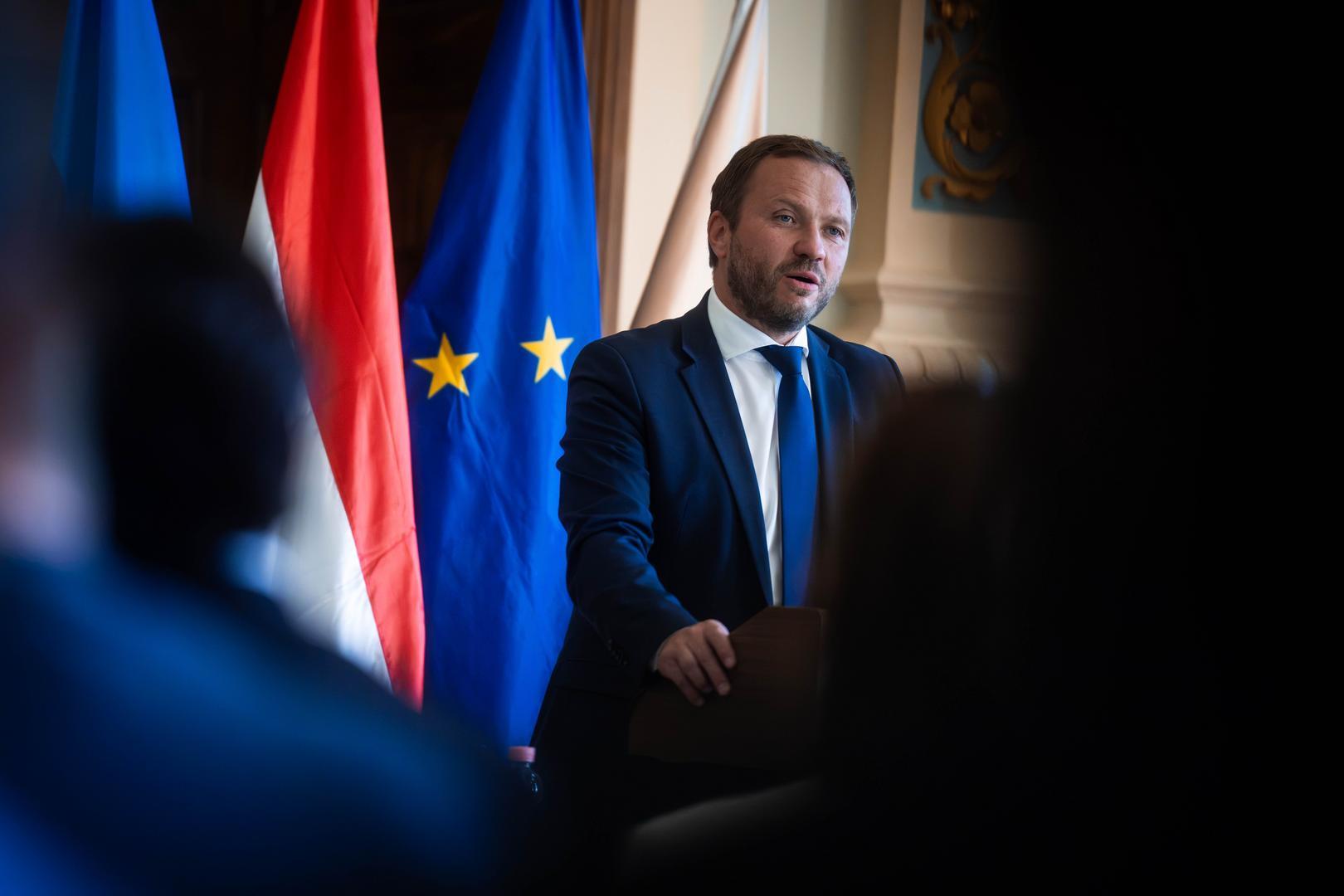
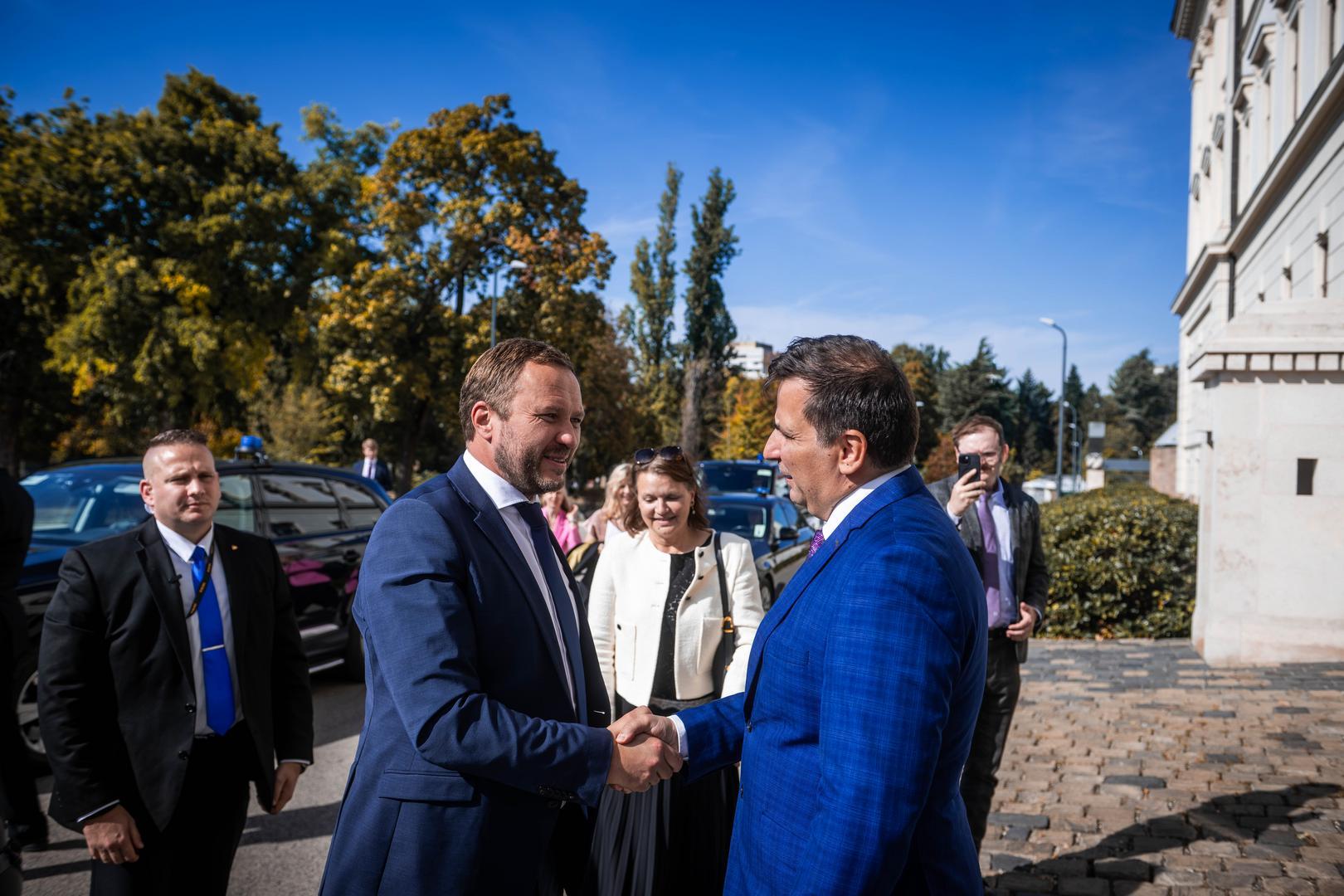
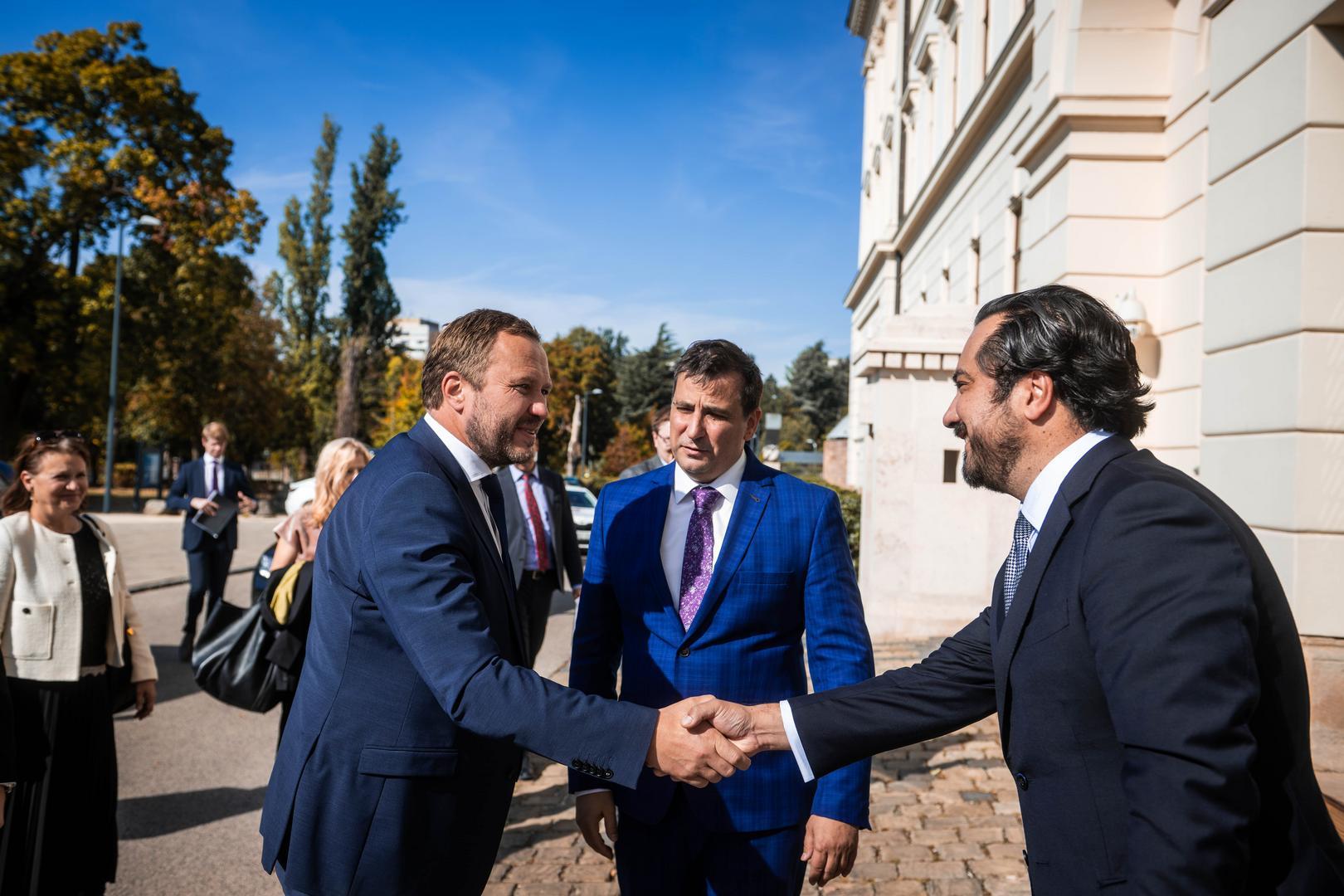
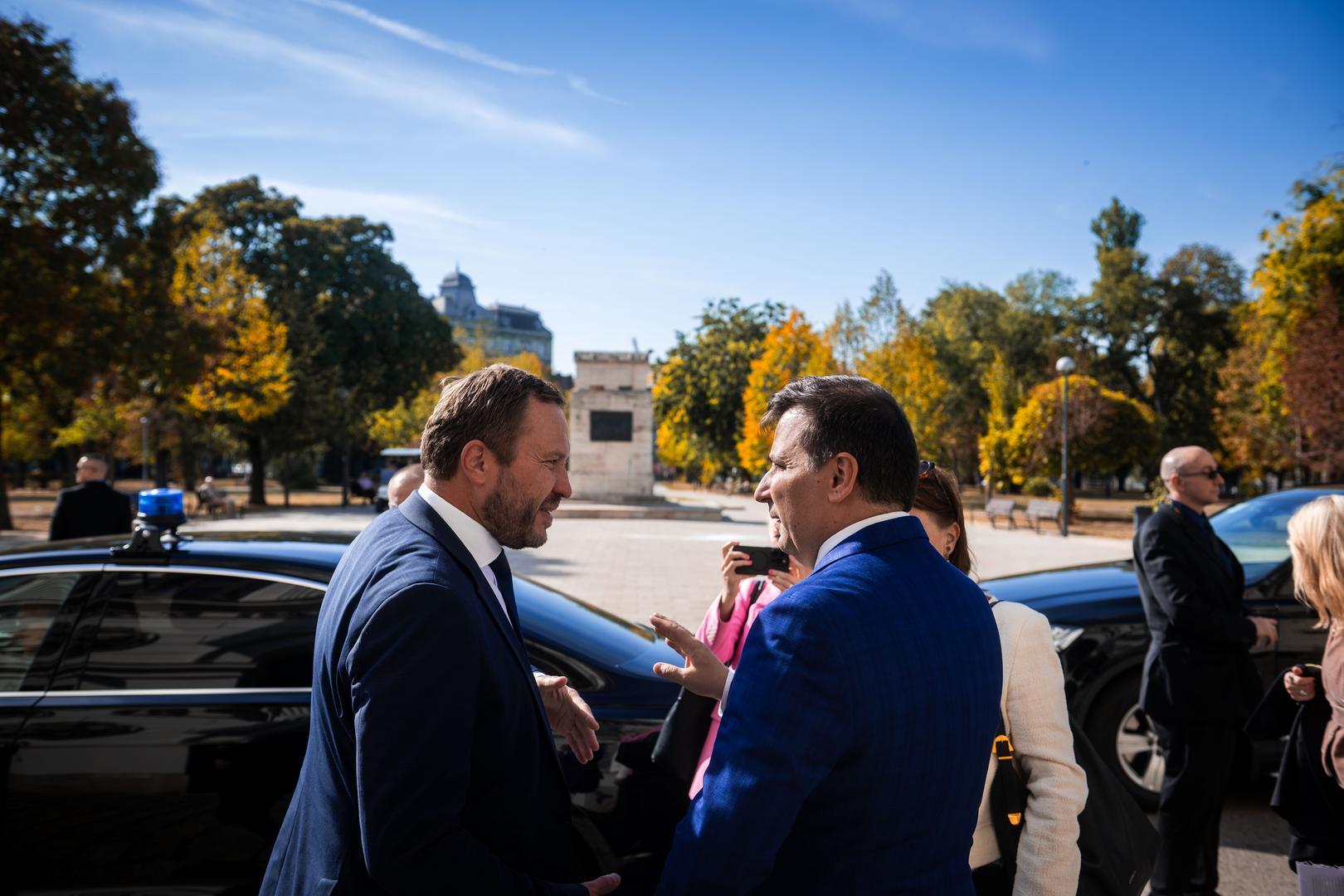
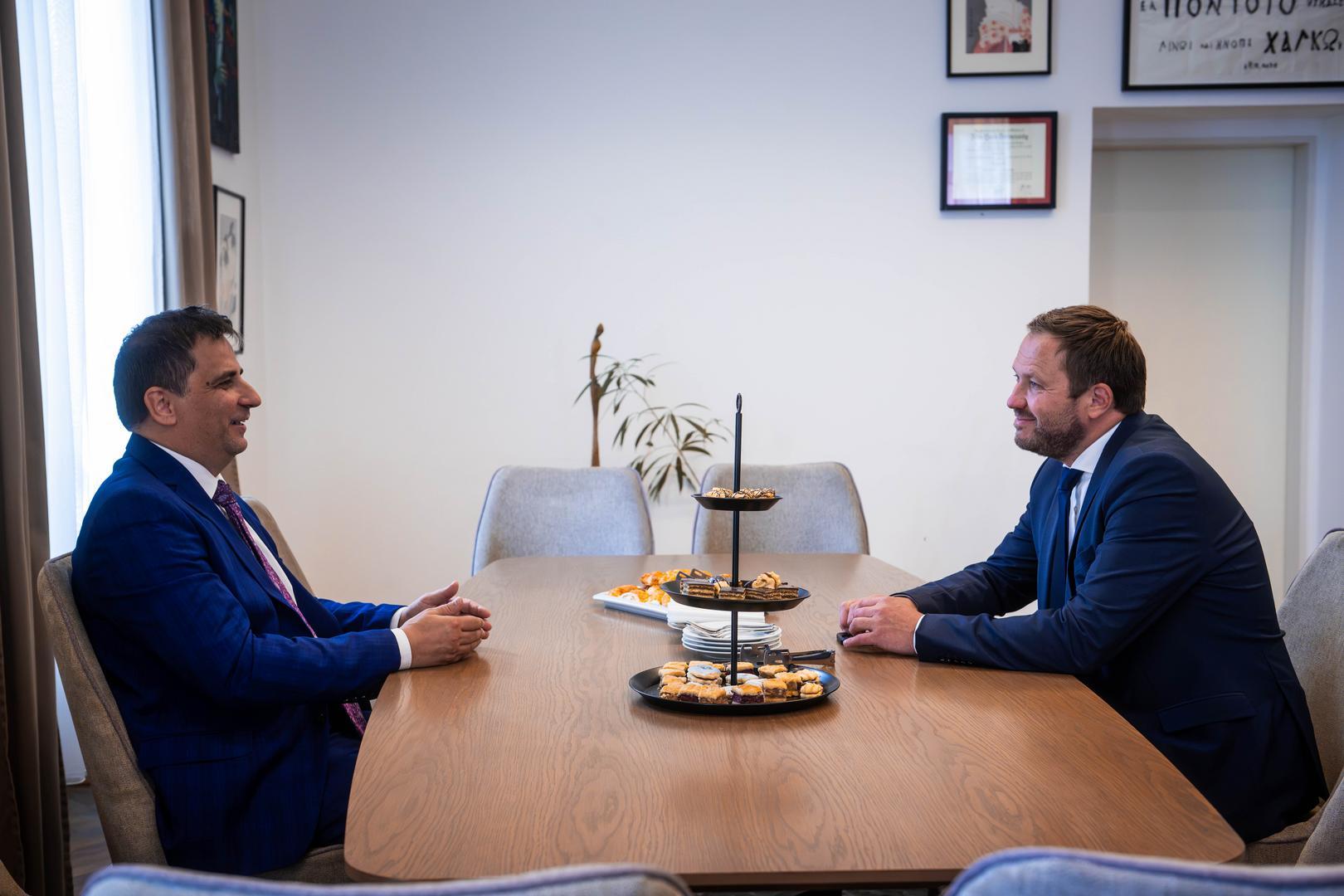
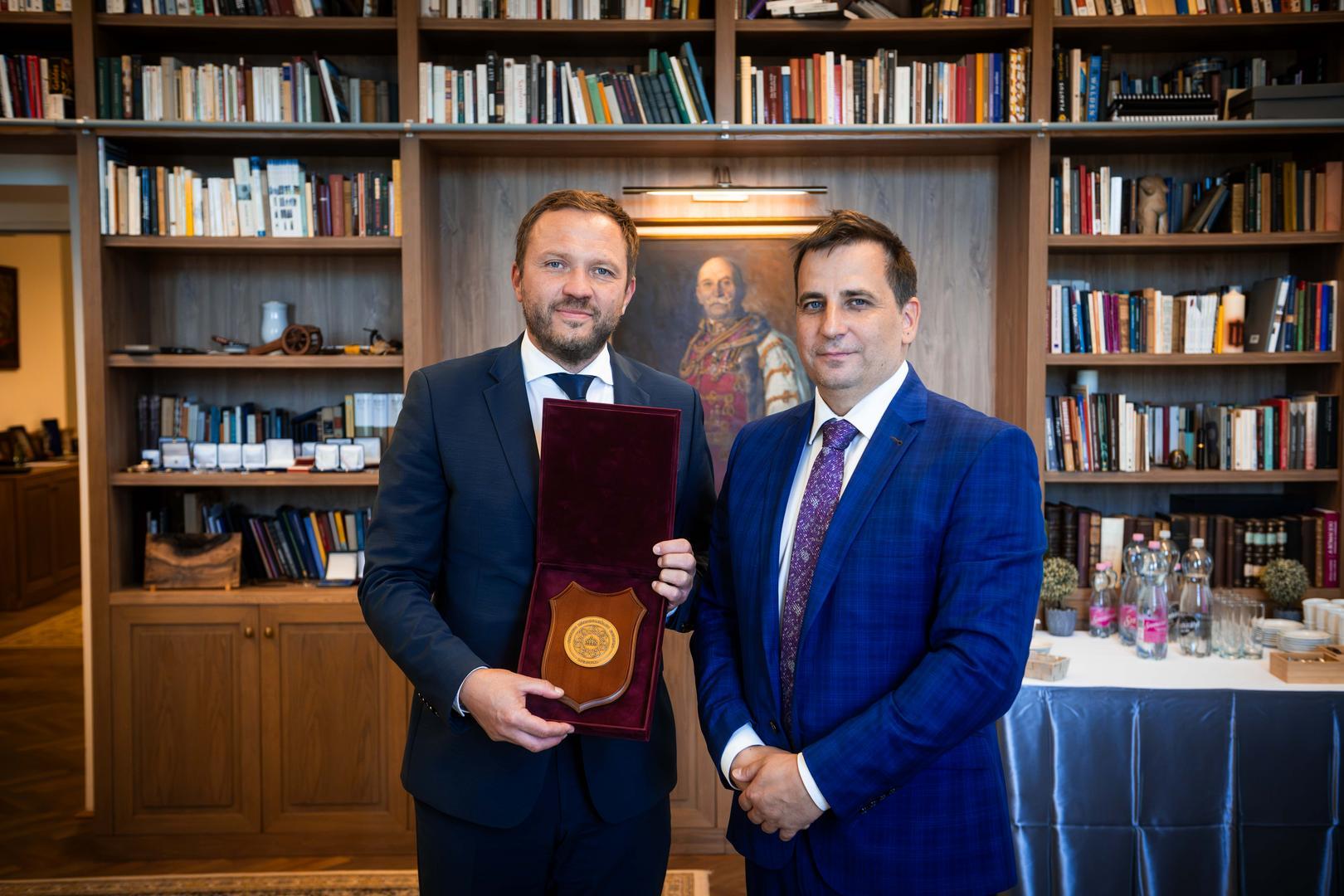
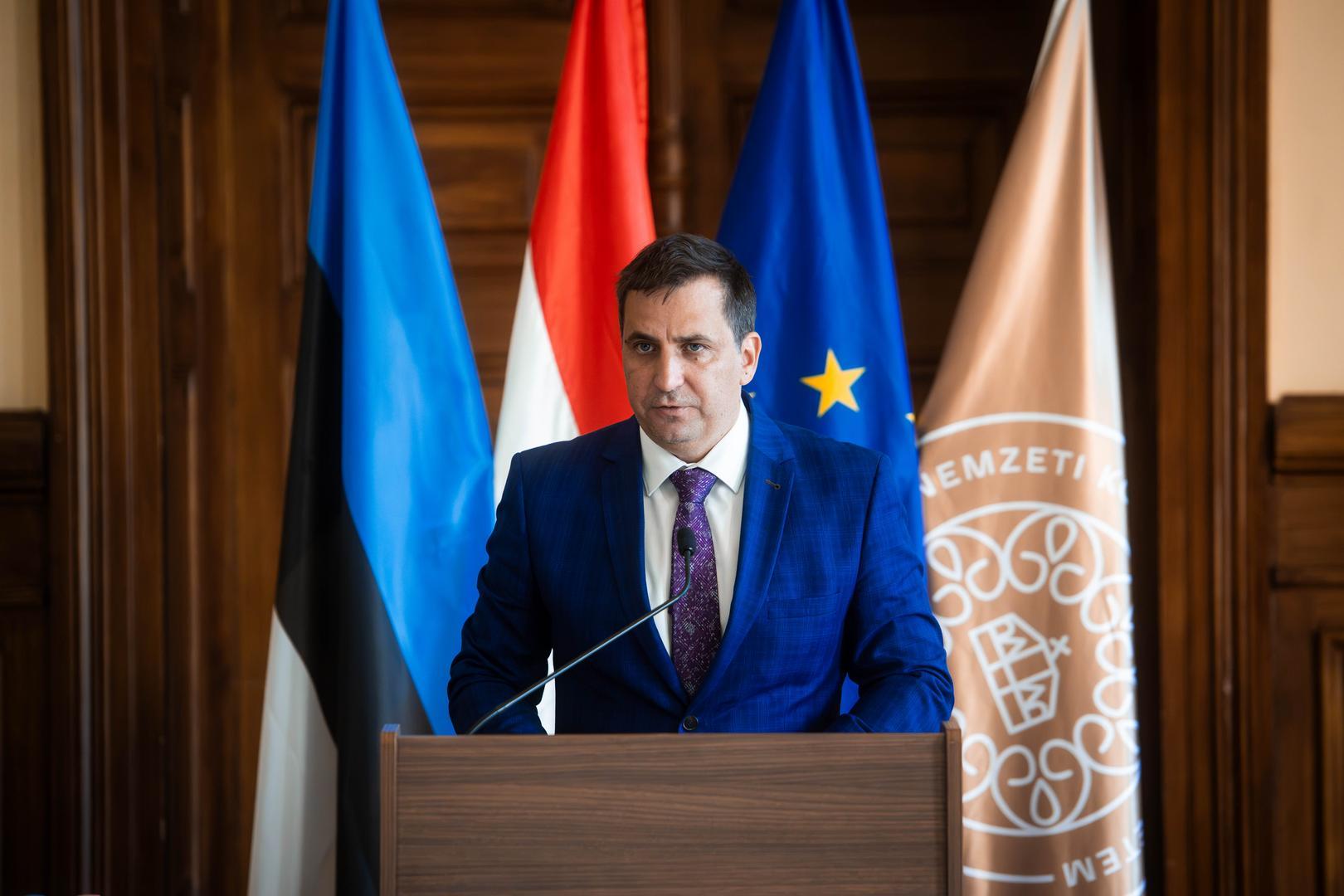
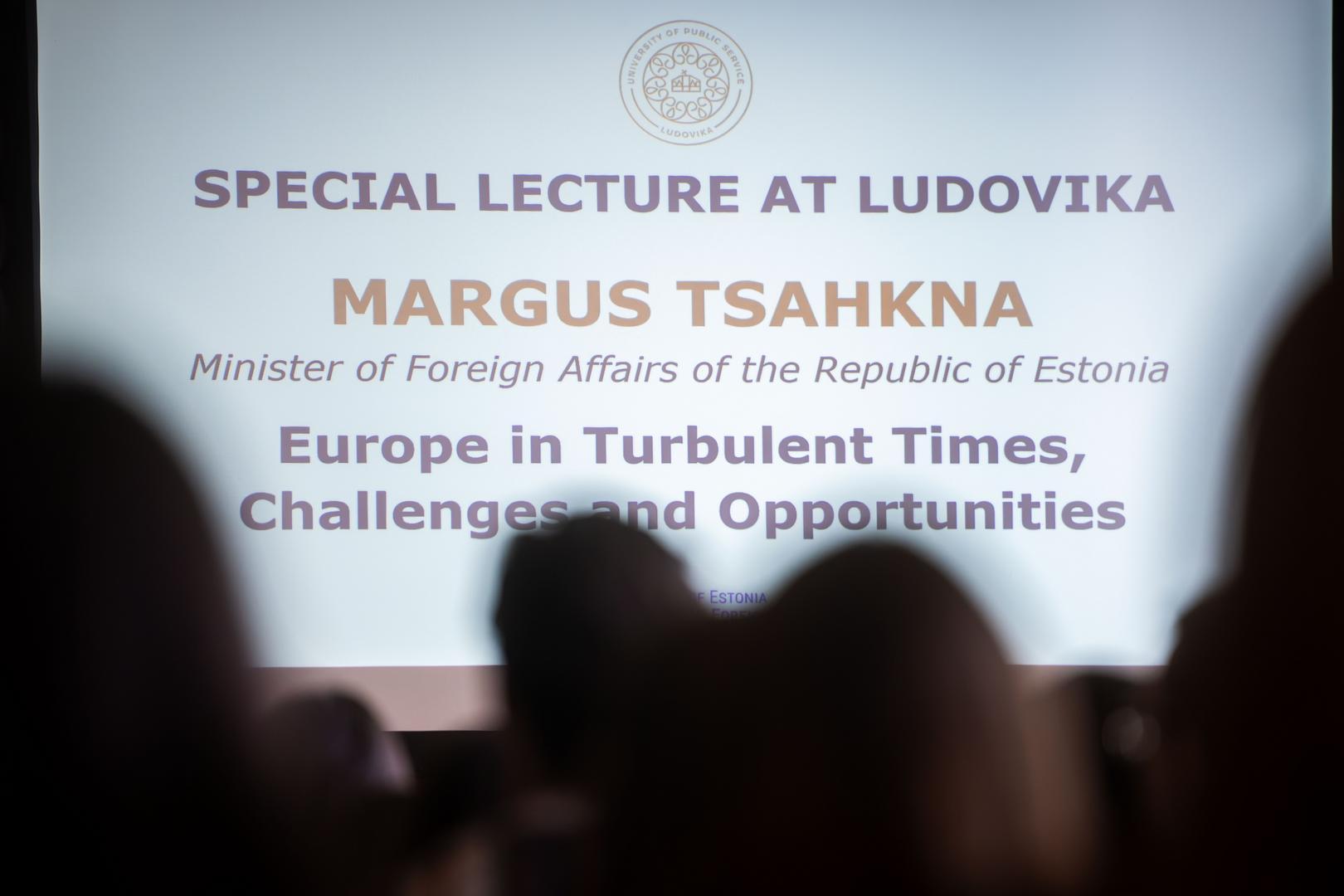
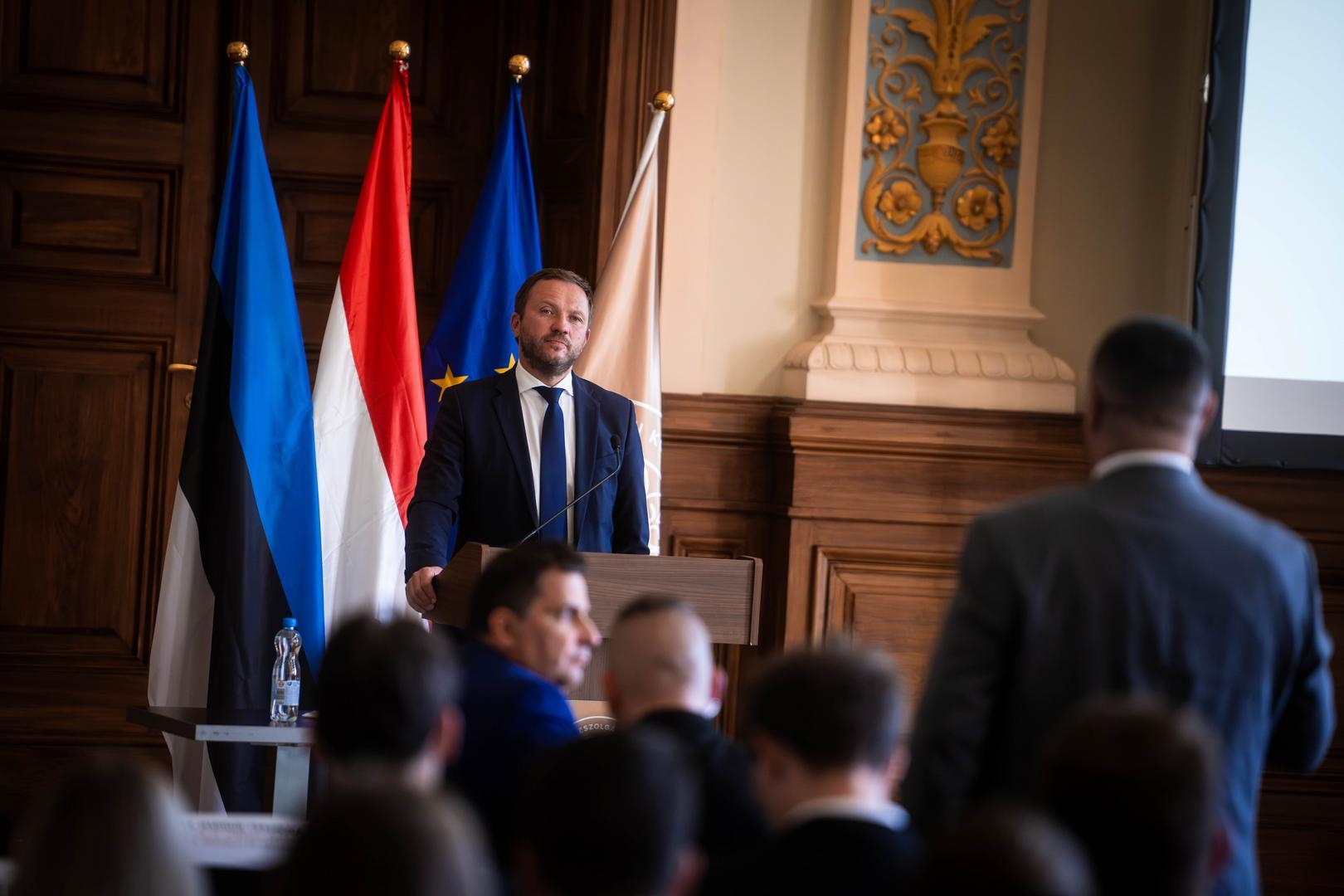
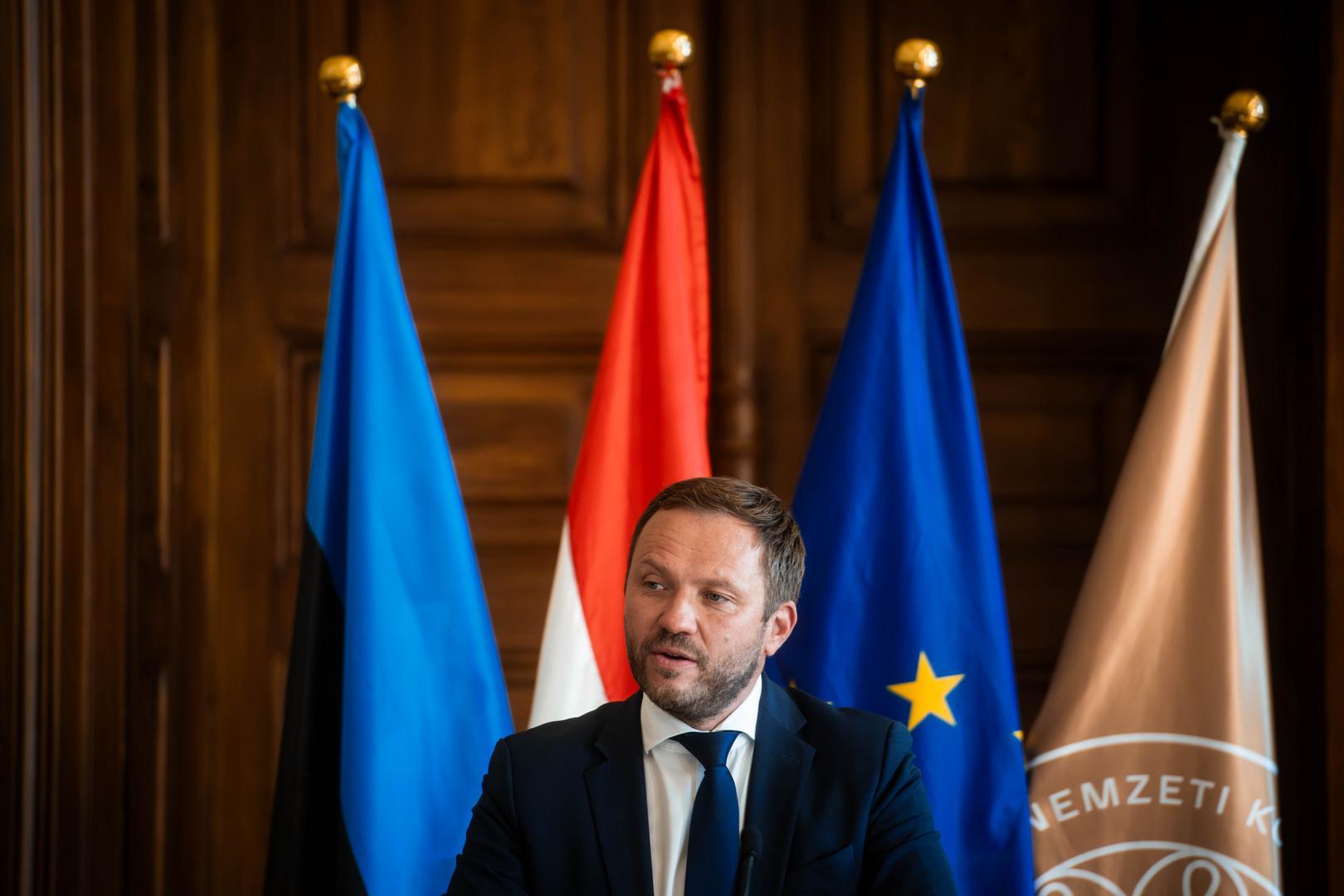
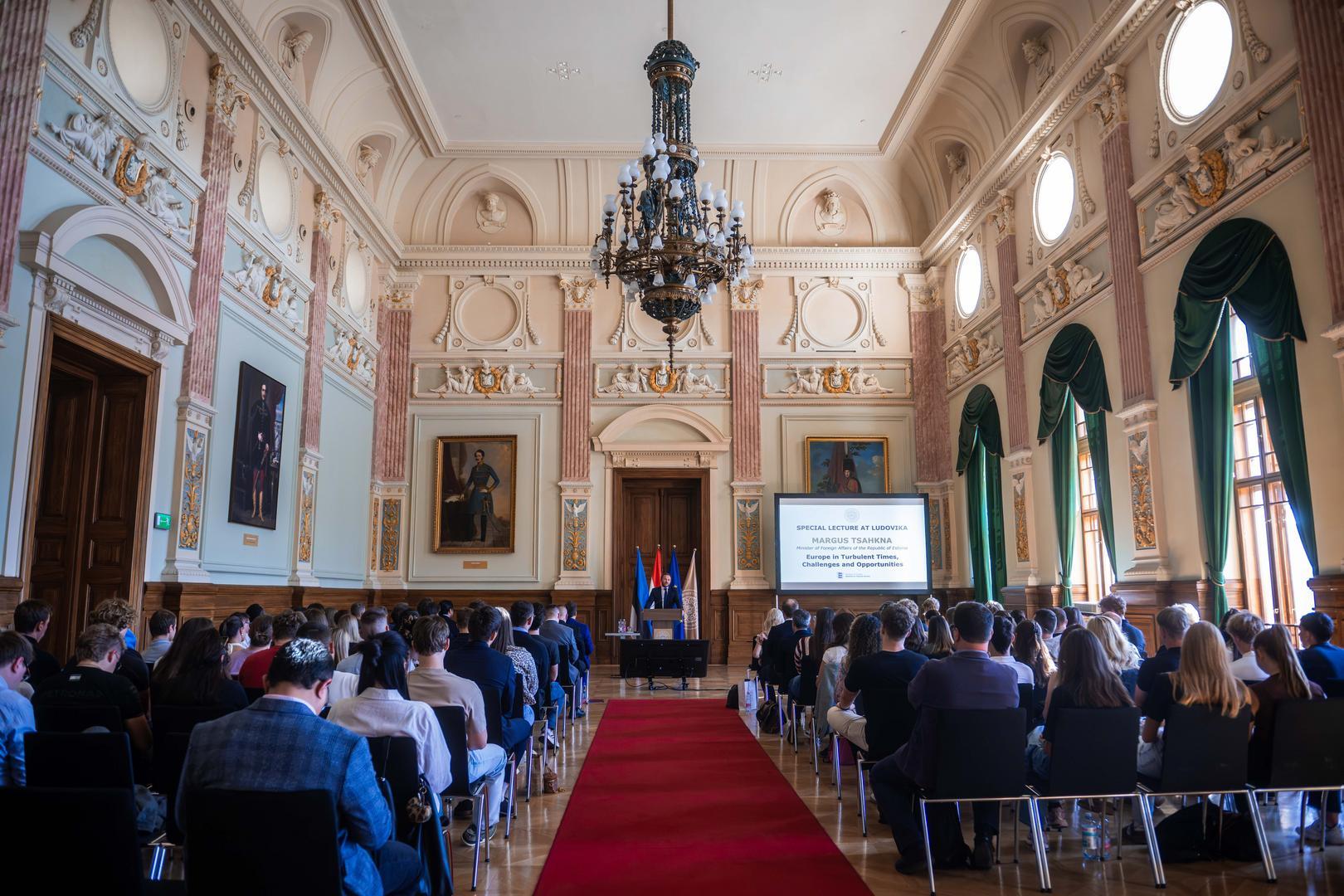
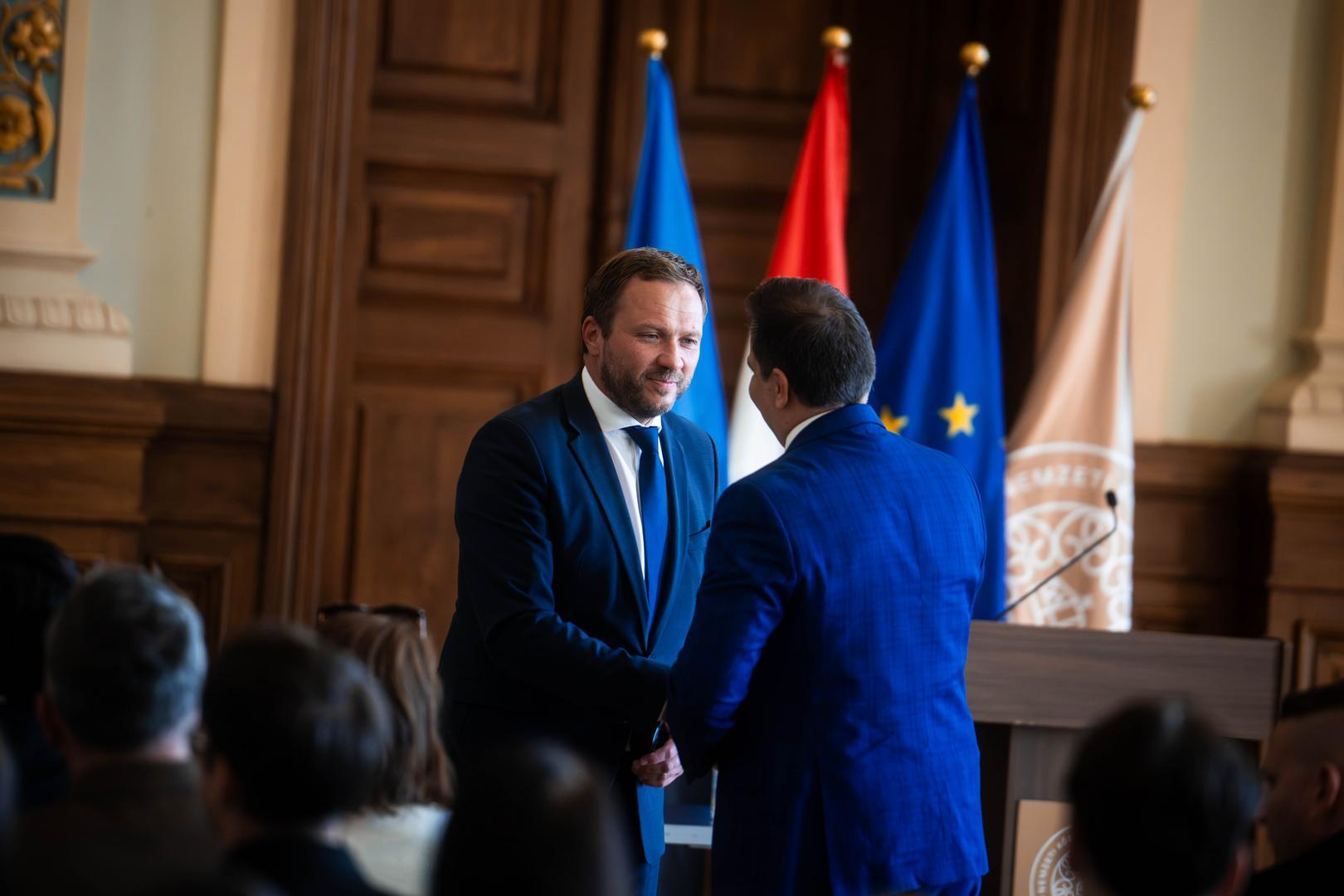
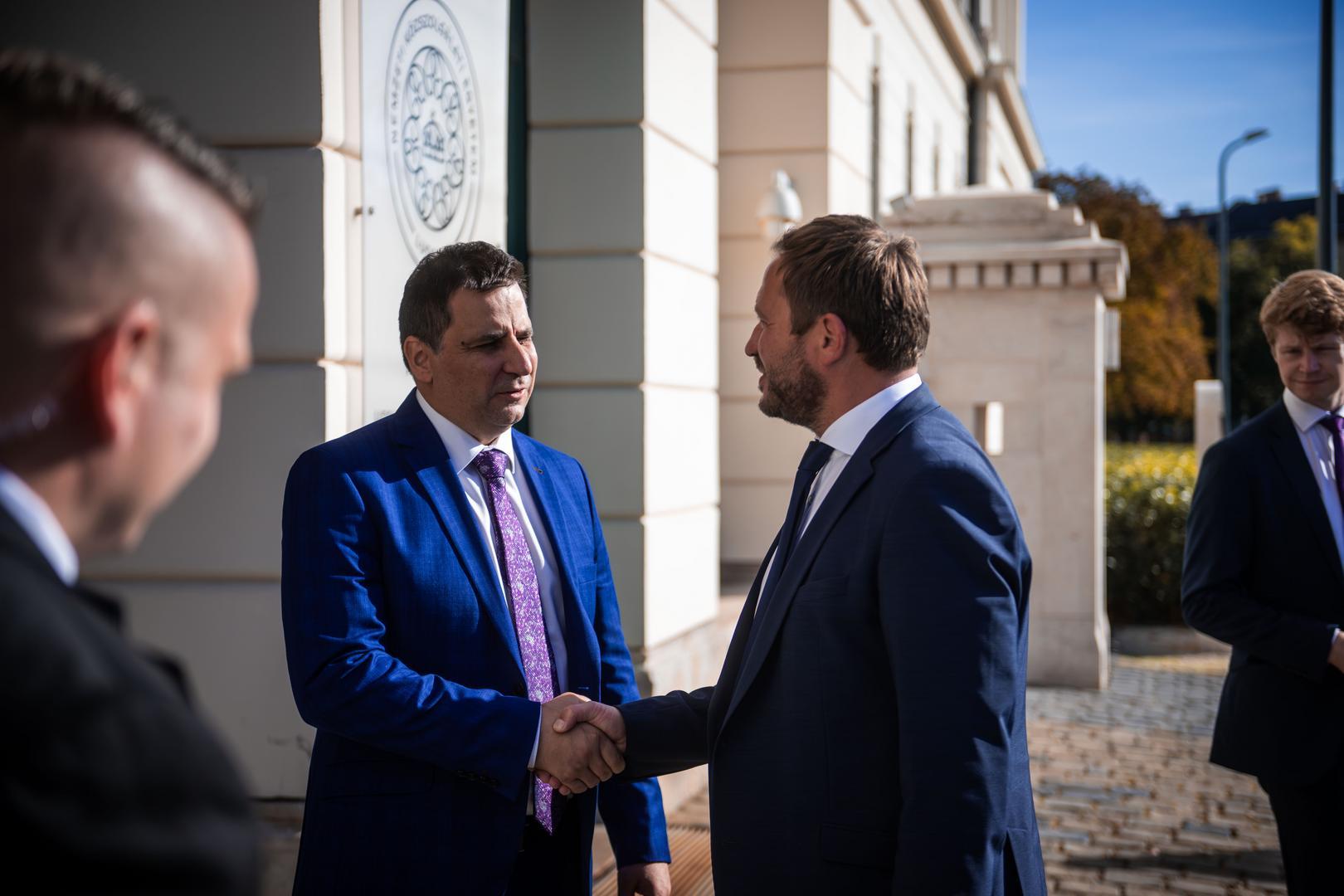
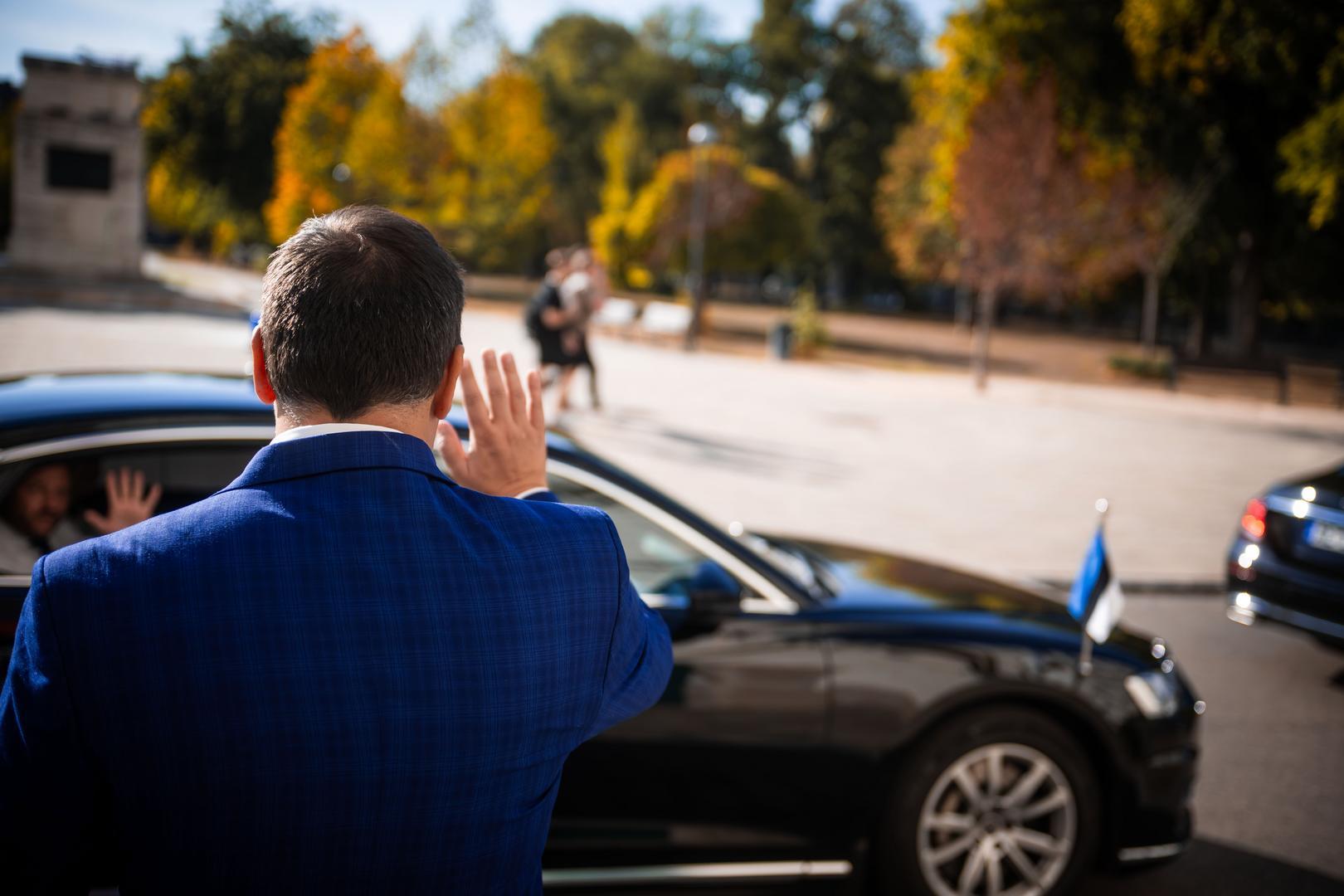
At the invitation of the International Office of Ludovika University of Public Service (LUPS), Estonian Foreign Minister Margus Tsahkna delivered a lecture on October 1 in the university's Széchenyi Assembly Hall.
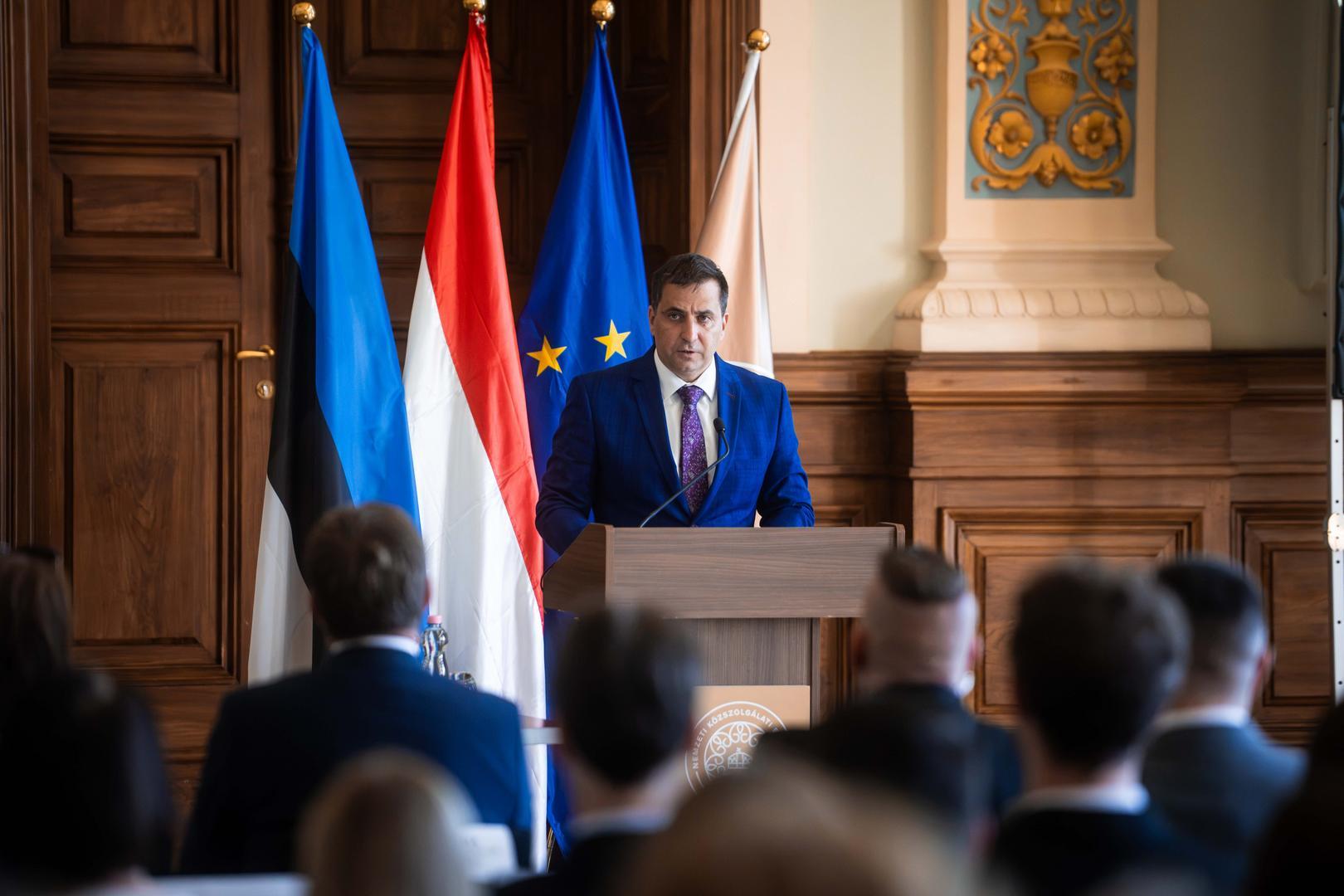
In his welcoming address, Gergely Deli, Rector of LUPS, emphasized that the university strives to combine theoretical and practical knowledge, training its students to become professionals who can utilize their expertise in public service, including diplomacy. "We consider it important for our students to learn directly from diplomats, government leaders, and other professionals active in public life," the Rector highlighted, adding that such meetings provide an opportunity for students to gain insight into the experiences of diplomats and political leaders while allowing the university to further strengthen its international relations. Regarding Estonian-Hungarian relations, Gergely Deli highlighted linguistic and historical ties, as well as both countries' commitment to freedom: as he stated, the linguistic affinity of the two peoples dates back to a shared past, and numerous historical parallels connect the two nations. Among these, he mentioned Tartu, Estonia's second-largest city and university hub.
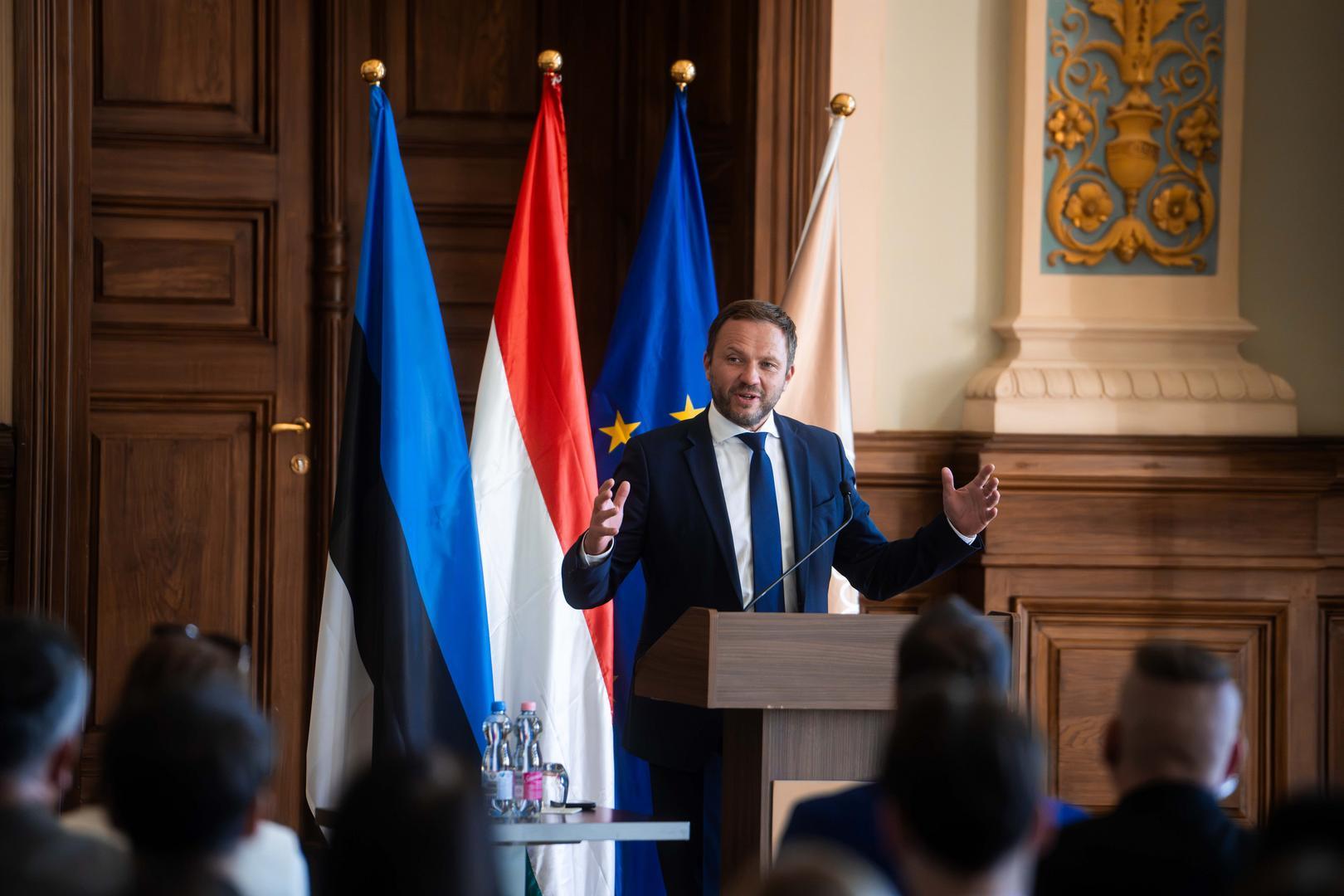
In his lecture titled Europe in Turbulent Times, Challenges and Opportunities, Margus Tsahkna addressed the state of European security, the Russo-Ukrainian war, and the role of NATO. The minister recalled that the 1956 Hungarian Revolution and Freedom Fight resonated strongly in Estonia: "Something happened in 1956 that inspired many Estonians to stand up for freedom," he reminded the audience. According to the Estonian Foreign Minister, following the collapse of the Soviet Union in 1991, one of the best periods in Estonia's history began: as he put it, the country's standard of living improved significantly, while digitalization and new technologies—including artificial intelligence—created new opportunities. "Today, Estonians live under better conditions than ever before," he stated, adding that education and technological development play a key role in the nation's life.
The Foreign Minister then spoke about relations between Russia and Western countries, as well as the situation in Ukraine. He recalled that as early as 2007, attempts were made to draw attention to the risks posed by Russian policy, and later, the 2014 events in Ukraine, the annexation of Crimea, and the war further reinforced these concerns. He believes Europe must define what kind of future it wants. "The most important question is what kind of Europe we want to see in the future and how we can secure a lasting peace," he said, adding that Ukraine's European integration could play a significant role in this.
Furthermore, he stressed that due to the Baltic region's geographical location, rapid reaction capability is particularly crucial: as he noted, the distance between Estonia and the Russian border is relatively short, so in the event of a potential military conflict, a response would need to be extremely swift. However, the minister noted that in recent times they have not observed significant Russian troop movements or military preparations across the border that would indicate preparations for a direct attack. At the same time, alongside the conventional military threat, he drew attention to another danger: the exploitation of societal fear and hybrid attacks. In his view, fear can strengthen support for radical political movements. "Fear of escalation is a weapon that can be turned against us," he stated. Therefore, his speech emphasized the importance of unity within NATO and strategic communication.
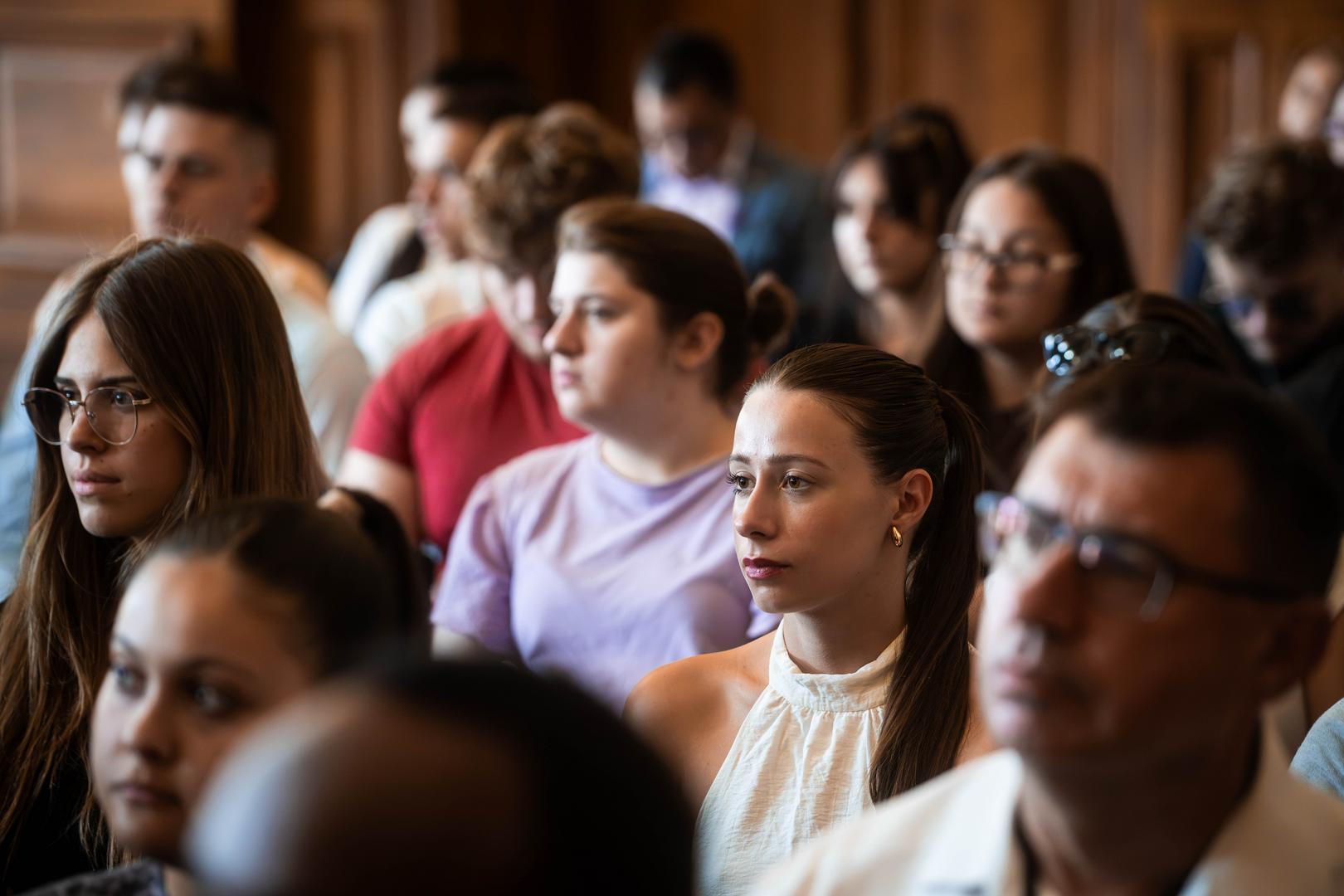
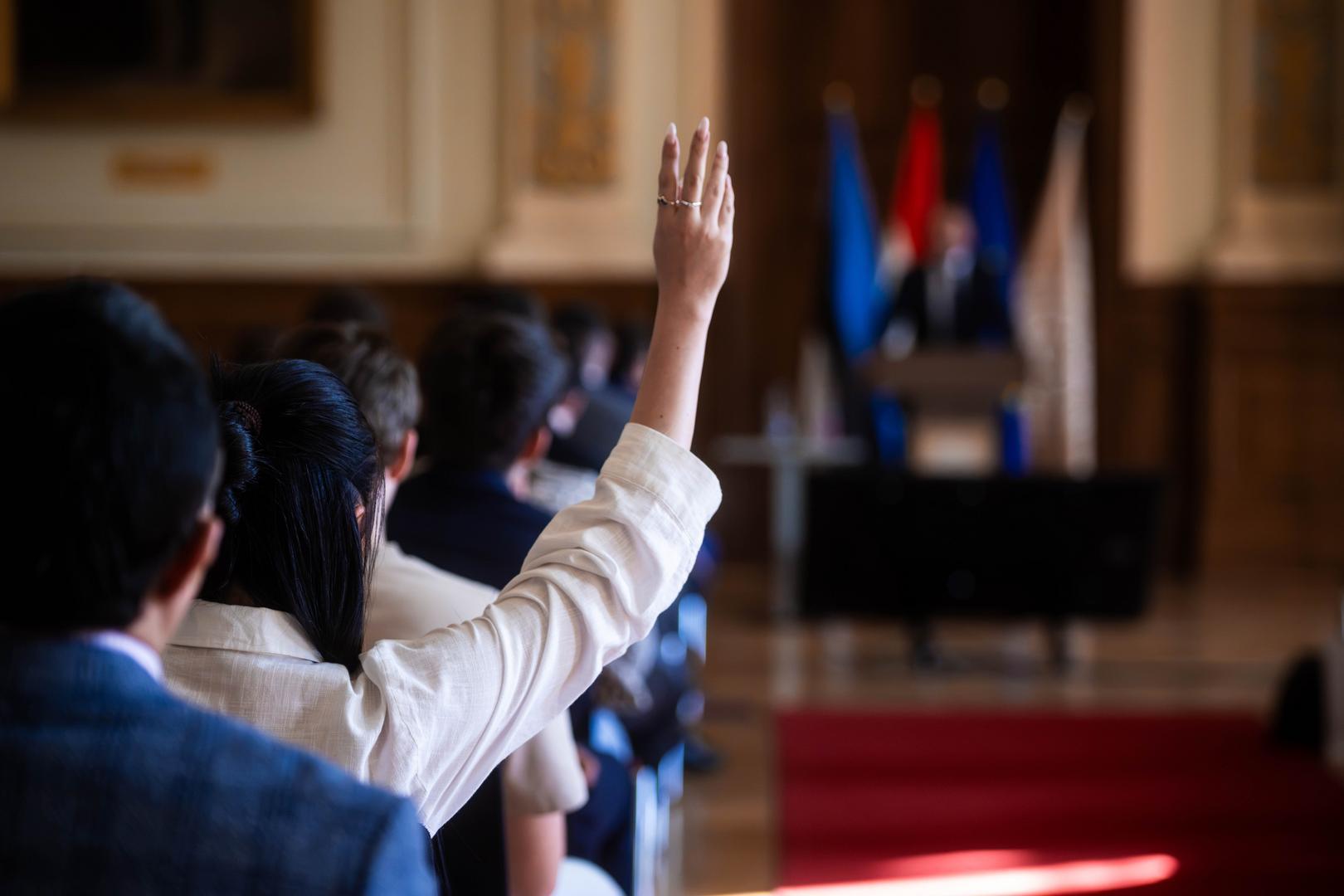
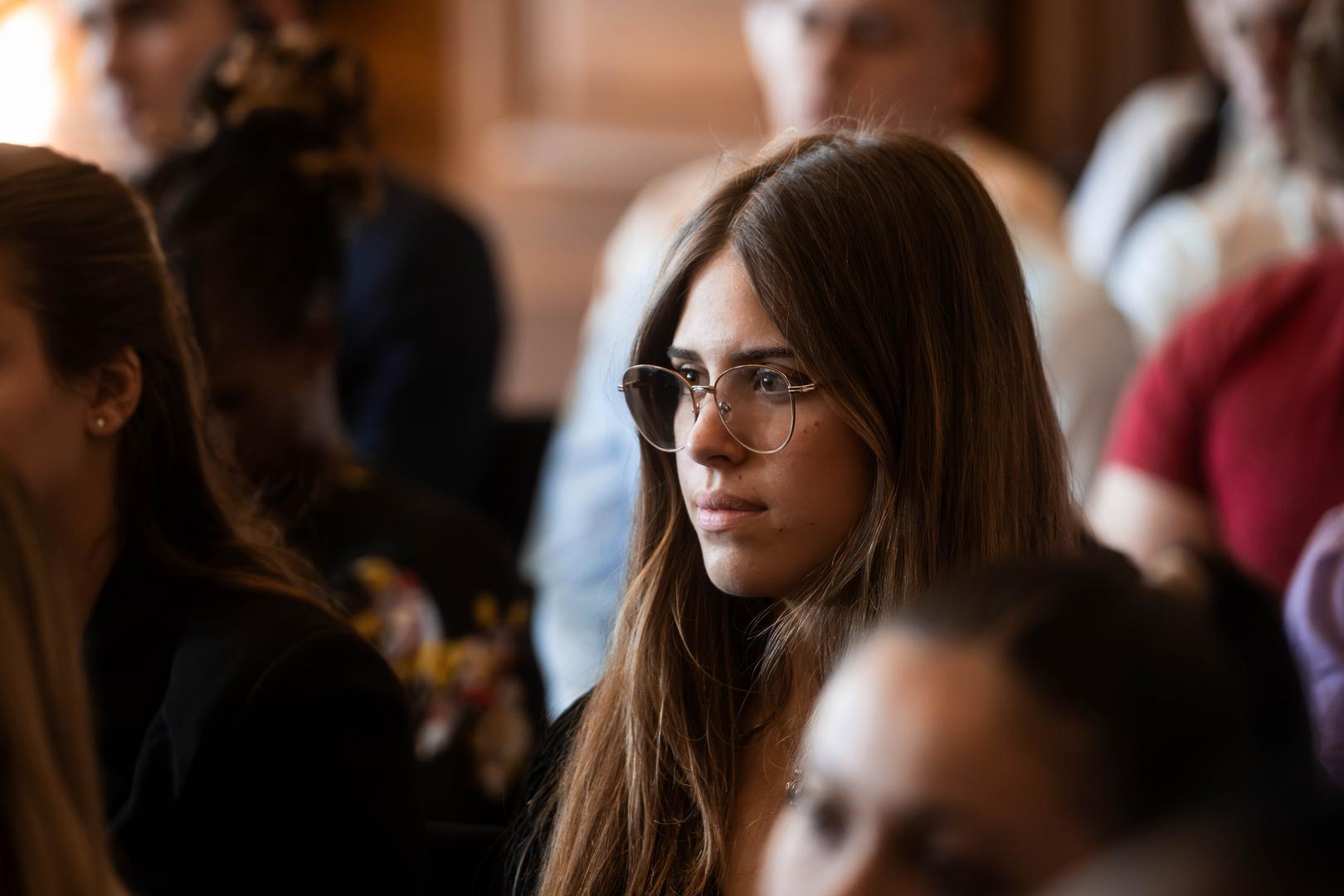
During the event, the audience also had the opportunity to ask questions: the head of ministry spoke, among other topics, about the situation of the Russian minority in Estonia and the increase in defense spending, the latter of which, as he phrased it, Estonians view as a necessary societal decision to preserve independence and security.
Text: Éva Harangozó
Photo: Dénes Szilágyi