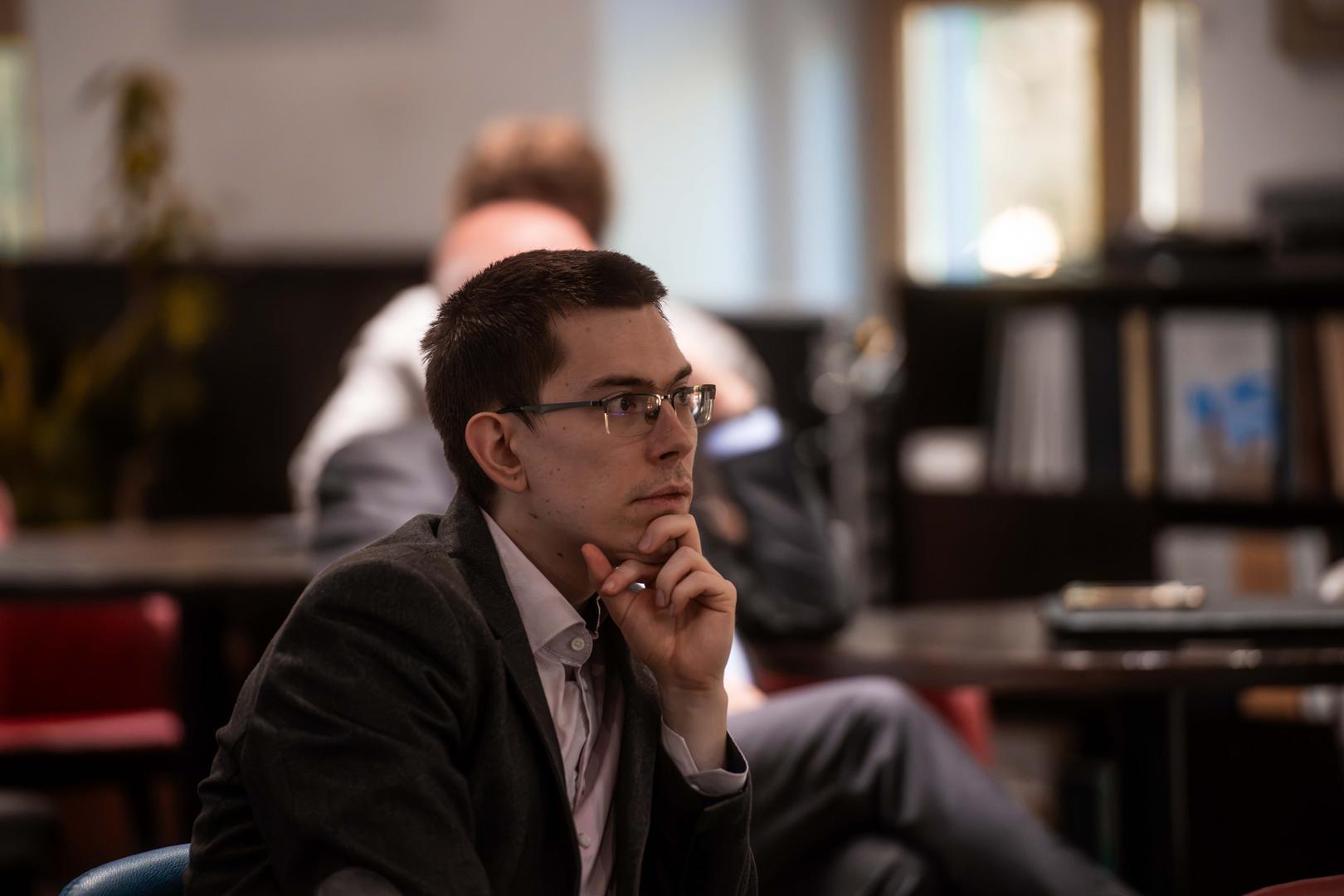
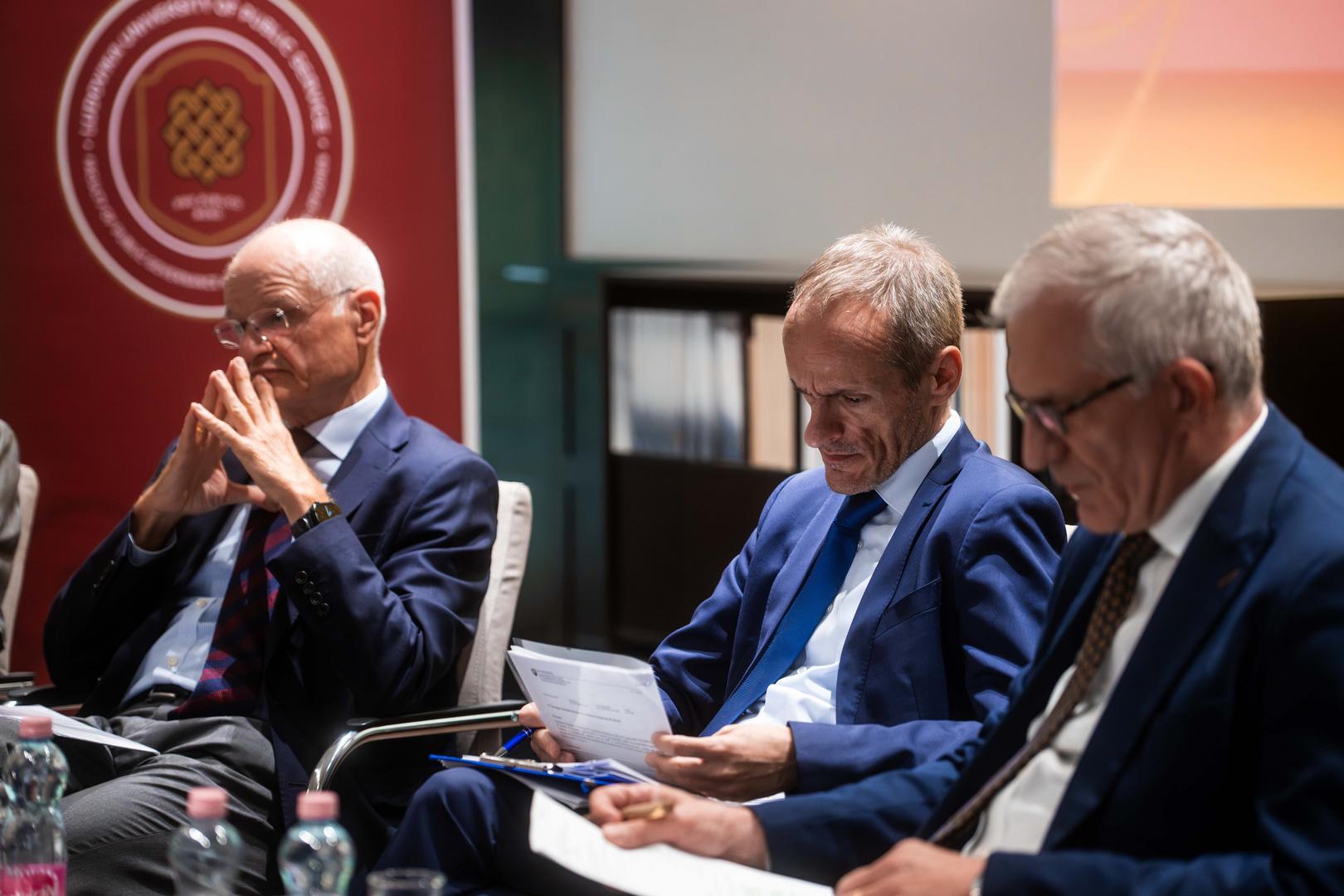
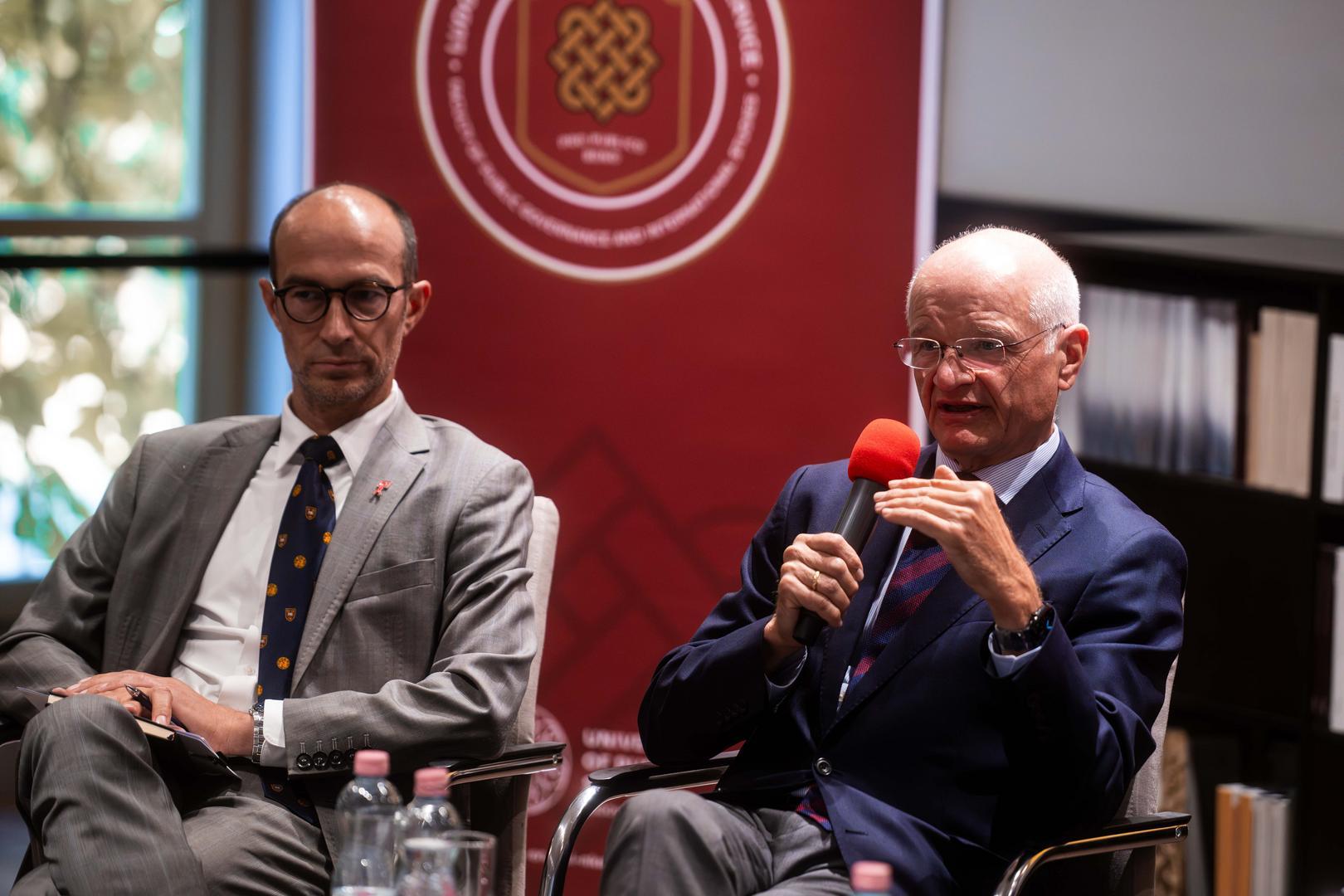
The Department of International Relations and Diplomacy at the Faculty of Public Governance and International Studies of the Ludovika - University of Public Service organised its II. International Relations and Diplomacy Conference under the title "Challenges, Cooperation, and Multilateralism in a Changing Global Order". The event took place at the Ludovika campus from 1 to 3 October.
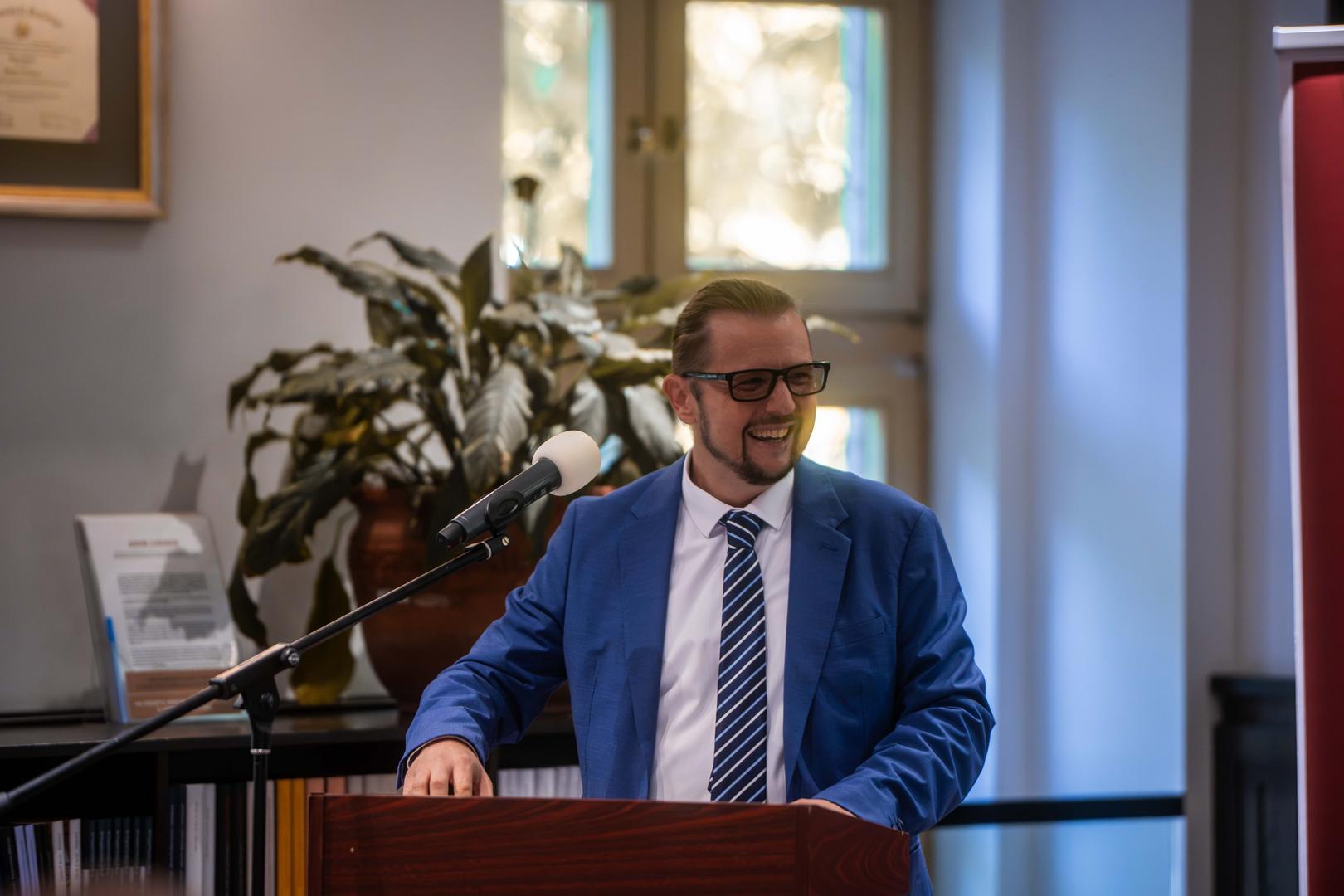
At the opening ceremony on 1 October in the John Lukacs Lounge, Péter Krisztián Zachar, the vice-dean for international affairs at the Faculty, noted that the current world order is undergoing profound change and facing enormous challenges, which gives regional cooperation new strategic significance. Regional security is a highly topical issue, he said, and it is no coincidence that experts from 44 countries across five continents were taking part in the three-day conference in Budapest.
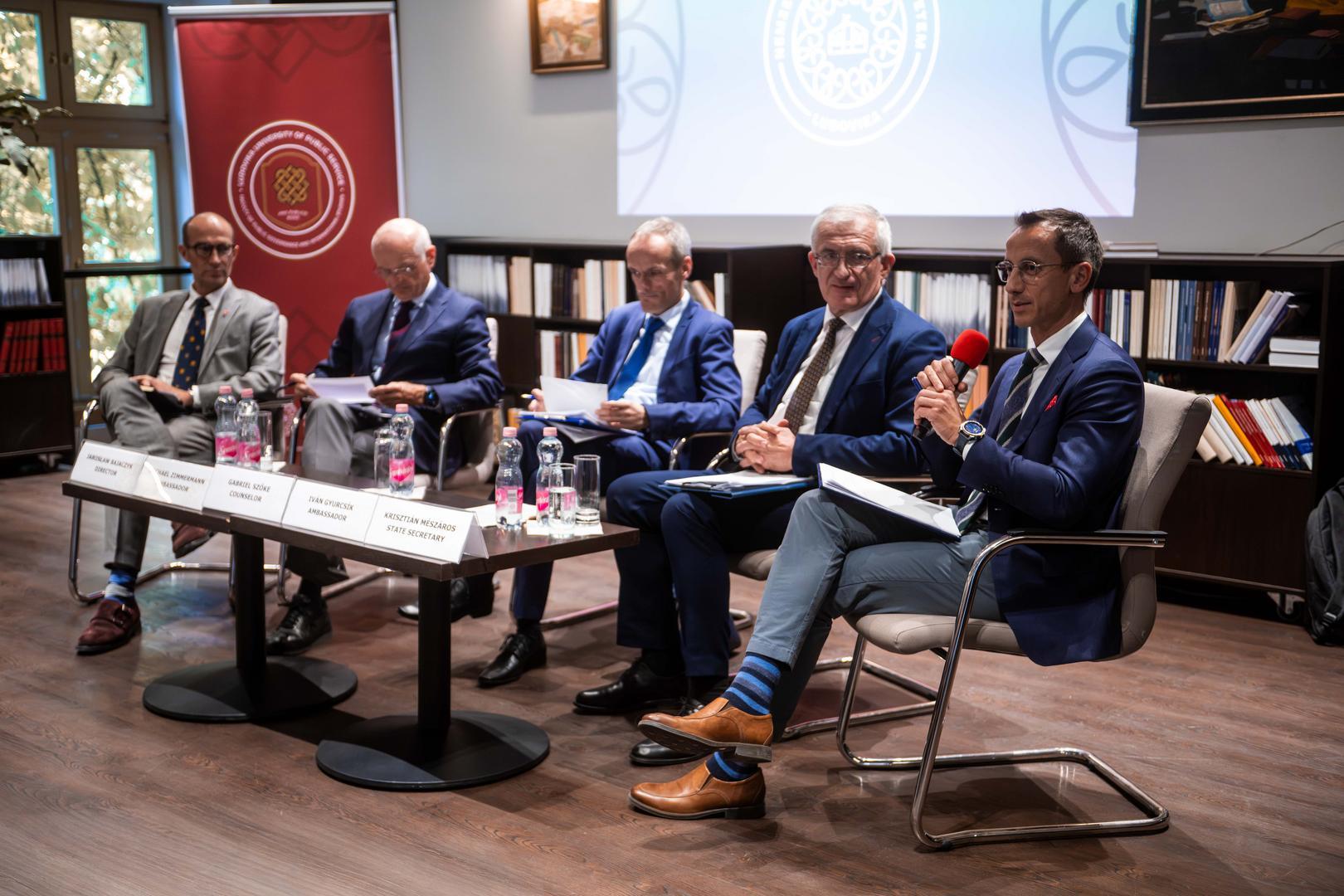
The first panel discussion of the opening day, "Perspectives, Dynamics, and Regional Cooperation. Has the Time Come for V4+? Perspectives from Within and Beyond", focused on the Visegrád Group (V4). The speakers agreed on one key point: regional cooperation must remain flexible in the face of changing circumstances, and the V4 must contribute to Europe while preserving the Central European character of the initiative.
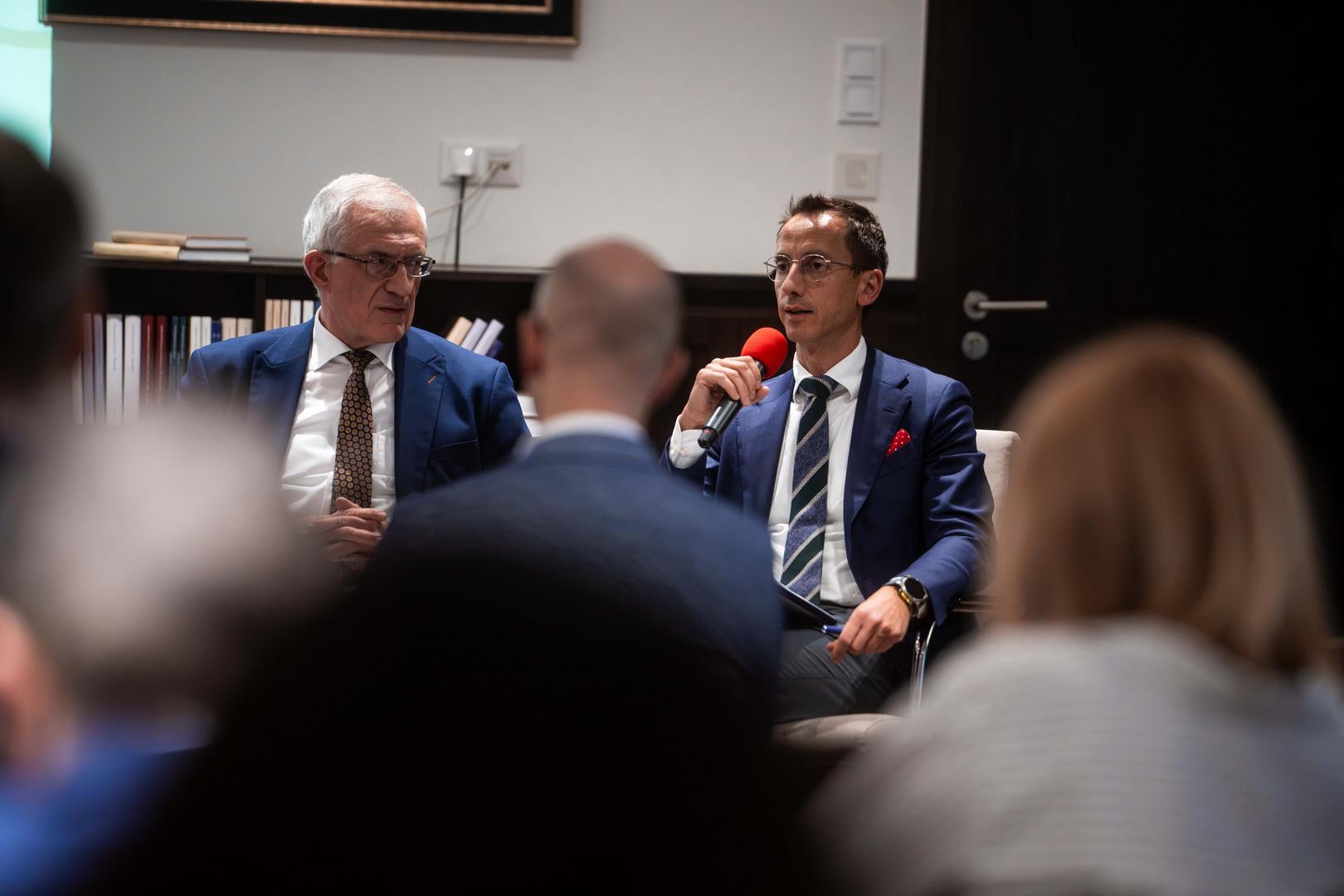
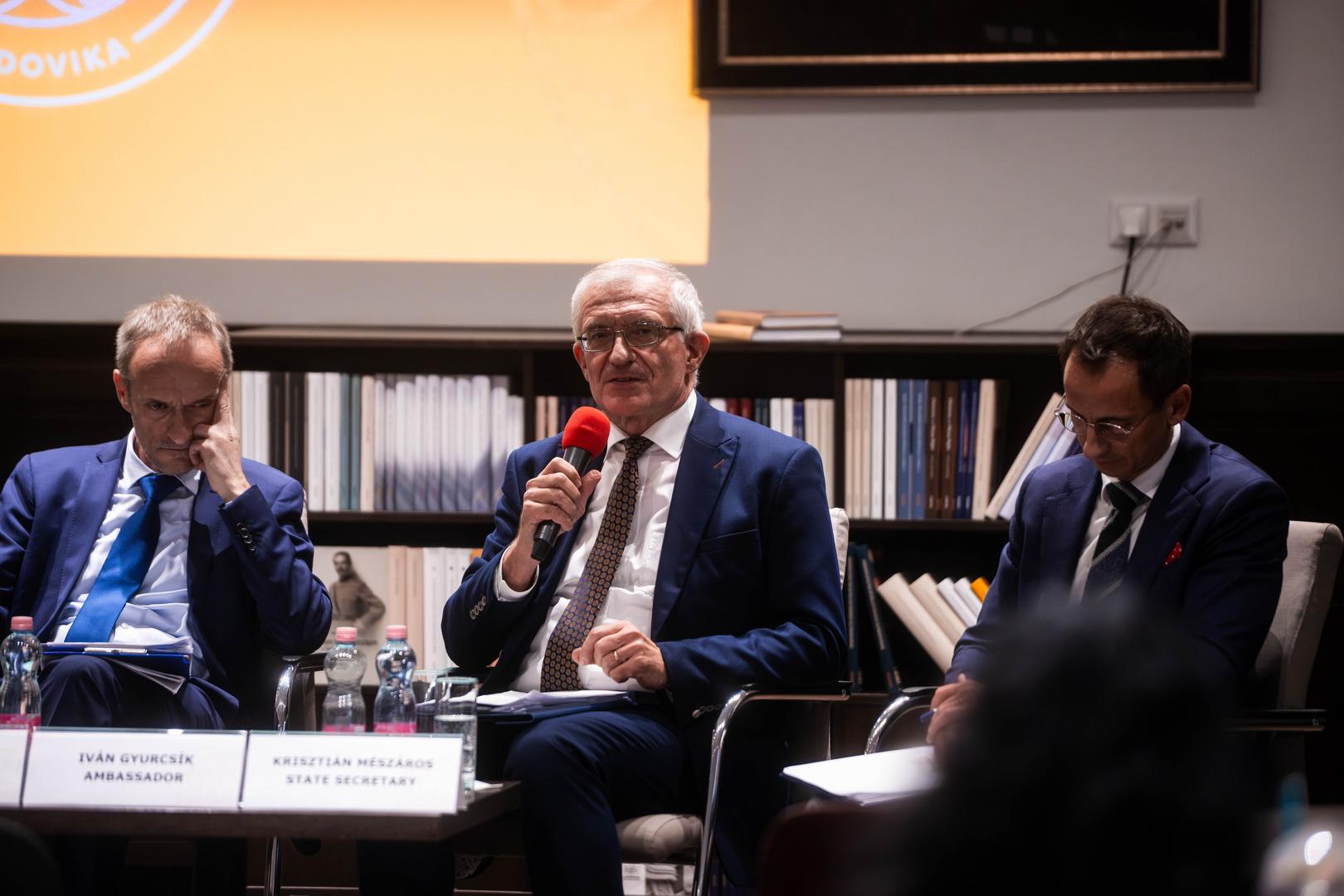
The moderator, Iván Gyurcsík, former Hungarian ambassador and University lecturer in the Department of International Relations and Diplomacy, opened the discussion by observing that, although there are several Central European initiatives, the V4 unites the region's states most effectively. It does so with such flexibility that, despite their different traditions and national interests, the members still find common causes around which to cooperate. He added that this cooperation has gone through several phases. In the period between 2004 and 2014, following EU accession, the priorities were primarily energy, integration, and preparation for the next wave of enlargement. In the post-2014 "period of geopolitical crisis", other areas, such as the protection of strategic infrastructure, came to the fore.
Krisztián Mészáros, State Secretary for Multilateral Affairs at the Ministry of Foreign Affairs, stated that the V4 is Hungary's primary framework for regional cooperation and that the format has evolved significantly since the change of government in April, as shown, for example, by the fact that a prime-ministerial meeting was held almost immediately. In his view, the cooperation works well because the countries of the region face very similar challenges. This coordination naturally extends to Austria, a member of the V4+, which is an important partner not least because many Hungarians work there.
Michael Zimmermann, Austria's former ambassador to Budapest and head of the Department of Diplomacy at Andrássy University, reminded the audience that maintaining good relations with one's neighbours is always the most difficult task for any country. "After 1990, the big issue was cohesion; the Central and Eastern European states had to be integrated into the EU," he said, adding that in his view this has now been successfully achieved. He considered that a major achievement of Central European cooperation would be to cut through Brussels bureaucracy and accelerate decision-making within the EU.
Jarosław Bajaczyk, Director of the Polish Institute in Budapest, added that Central Europe is no longer on the periphery, as significant development has taken place over the past quarter-century. In his view, coordinated cooperation is now very important, and even EU membership cannot replace it. "Strategic flexibility is a priority for Poland," he emphasised, adding that Poland strives to be a pragmatic partner and has an interest in advancing Central European interests.
According to Gabriel Szőke, Counsellor and Head of the Political Section at the Slovak Embassy in Budapest, the countries of Central Europe can take a stronger stance when they act together. Energy is one such area, as neighbouring countries are mutually dependent in their economic operations.
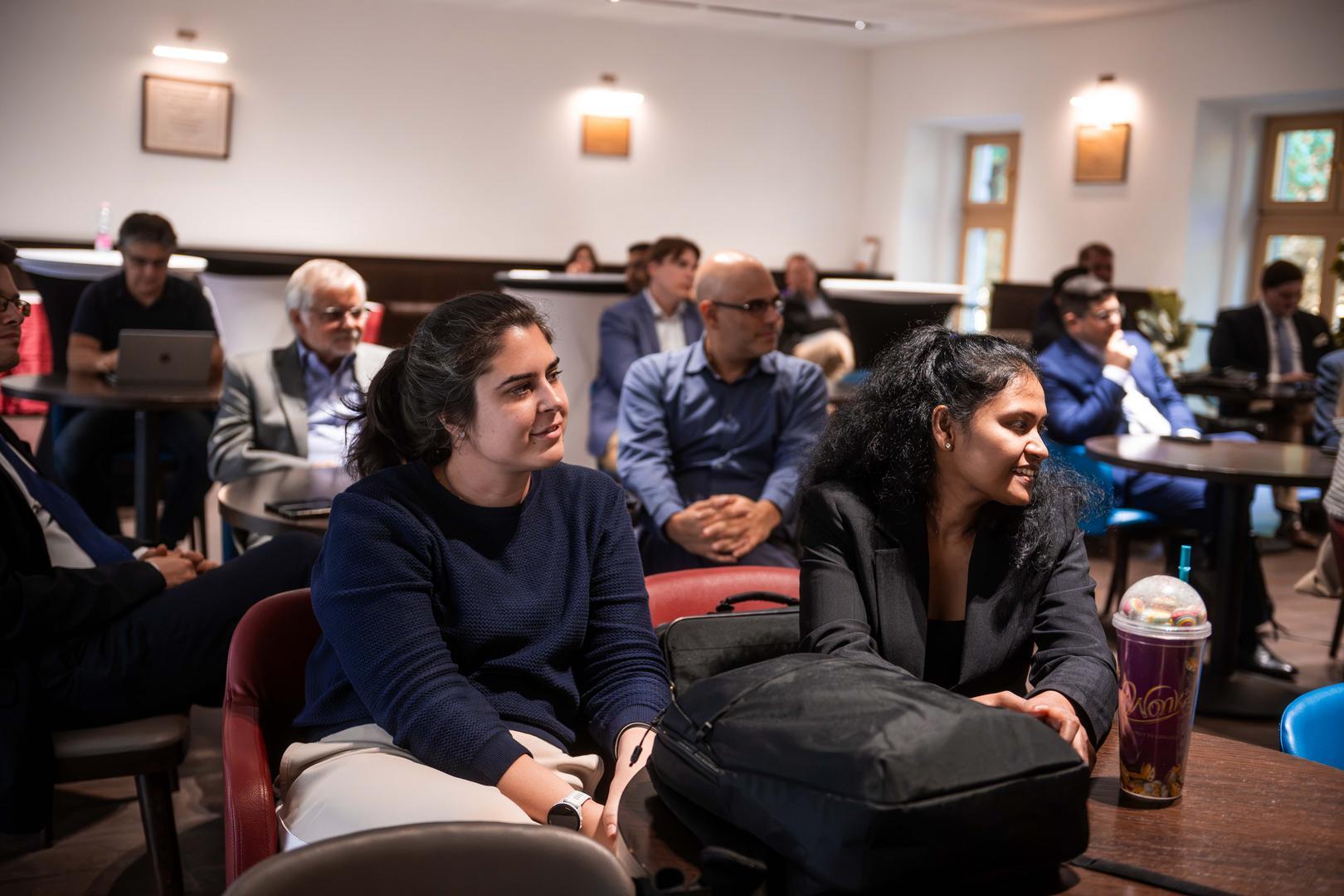
In response to questions from the audience, the participants discussed the financial support provided by the Visegrád Fund, the significance of the Three Seas Initiative, and the challenges posed by infrastructure development, climate change, and the EU's new budget.
Text: Tamás Maráczi
Photos: Dénes Szilágyi