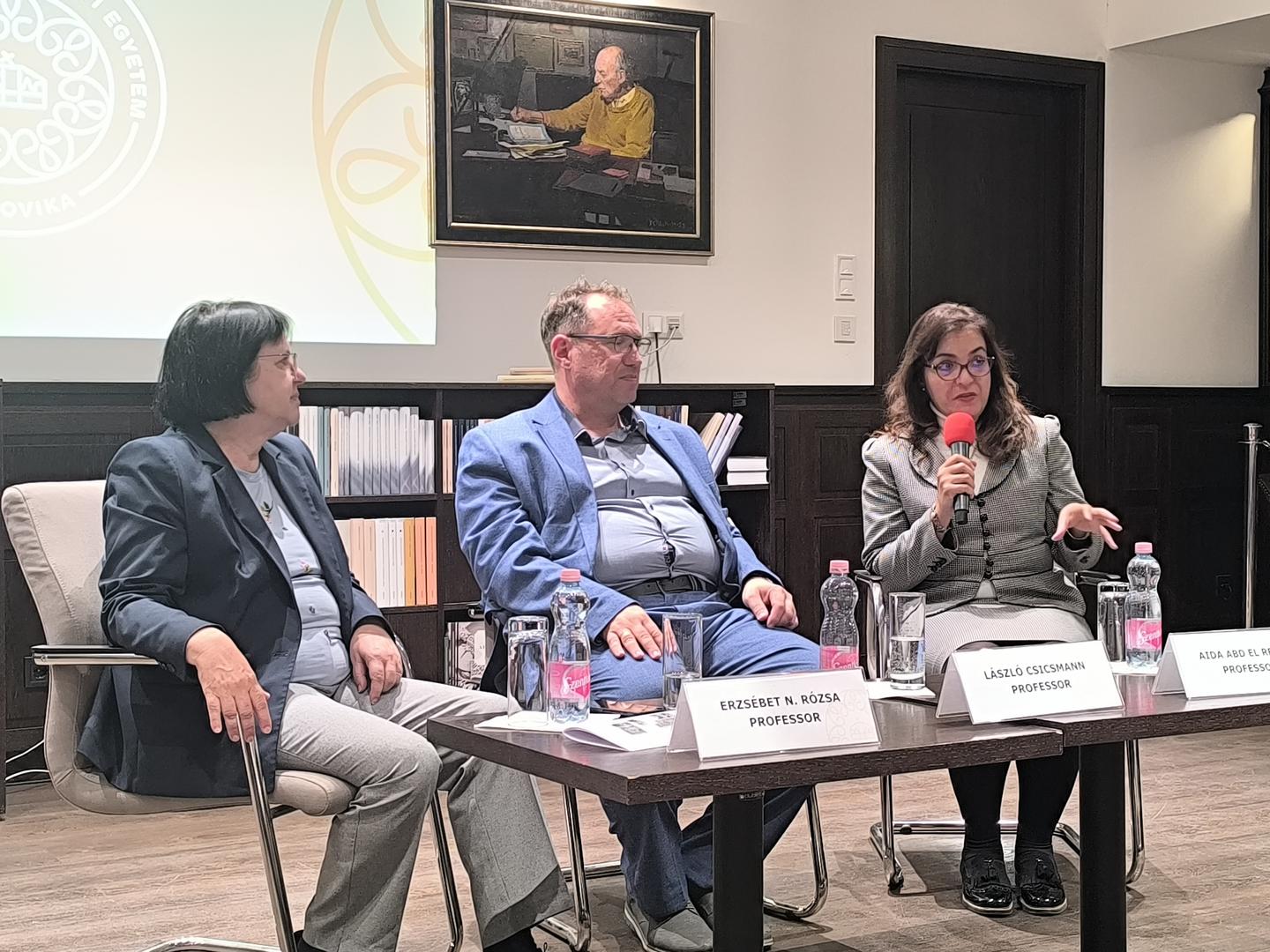
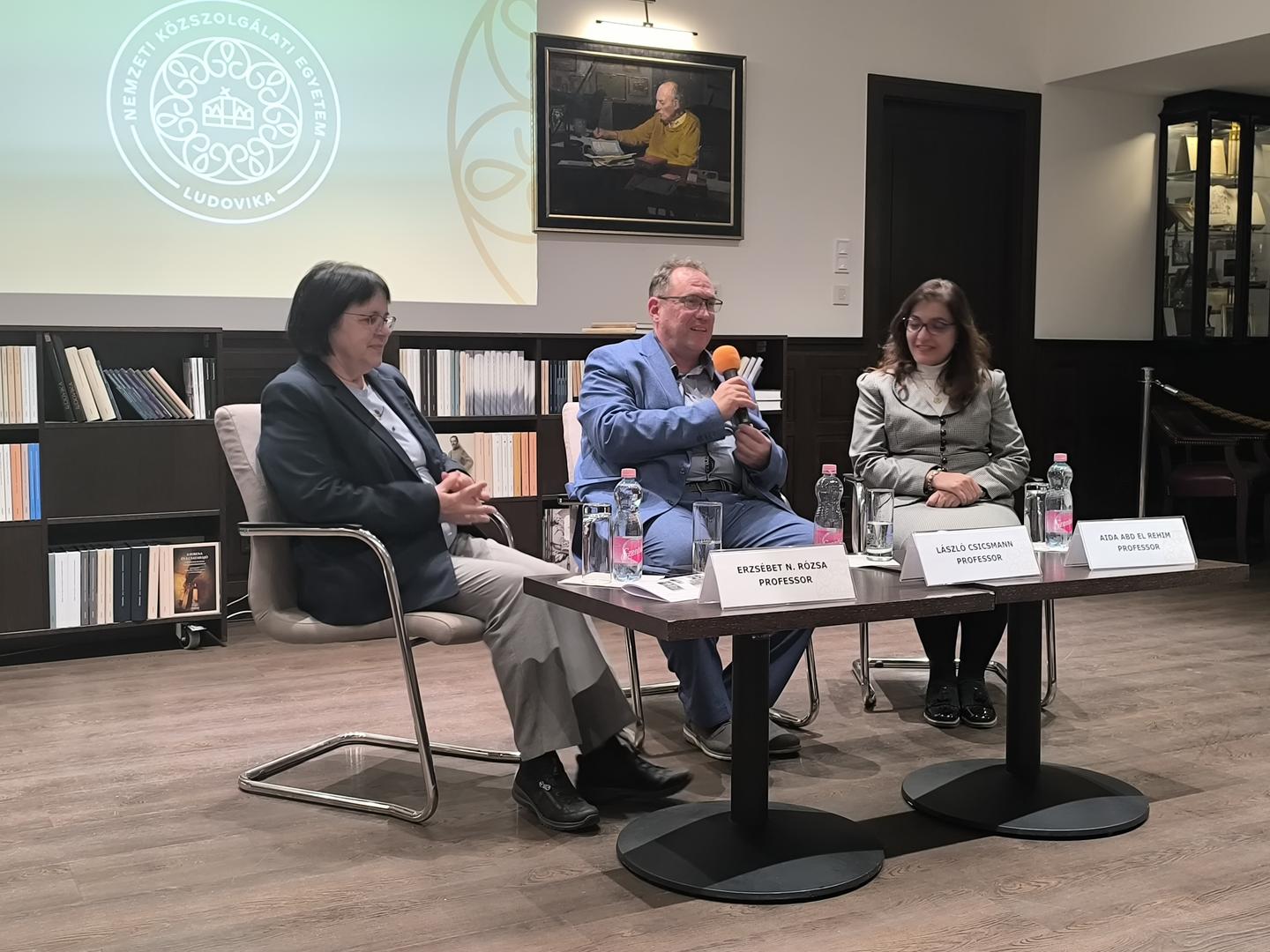
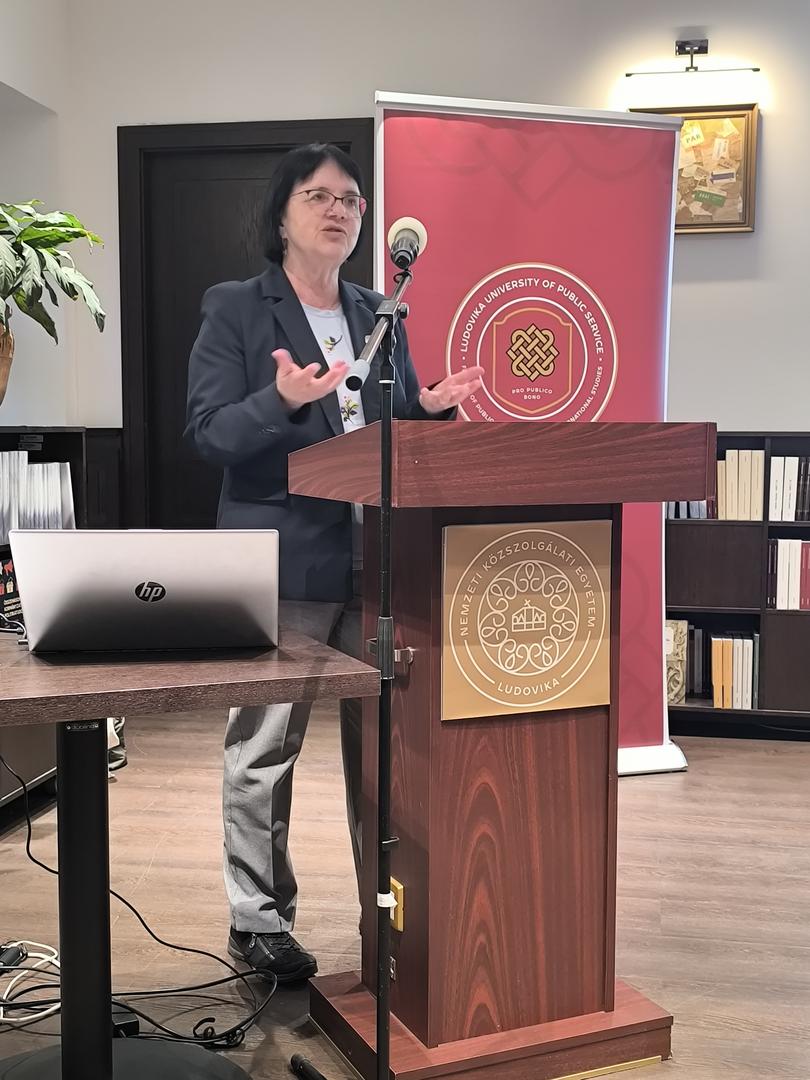
As part of the II. International Relations and Diplomacy Conference, Ludovika hosted an engaging roundtable discussion on the Middle East and Egypt on 1 October 2026 in the John Lukacs Lounge. The discussion focused in particular on whether Egypt can be regarded as a middle power, a key player and an important mediating force in the region.
First, Erzsébet N. Rózsa, professor in the Department of International Relations and Diplomacy, outlined Egypt's unique historical, economic, and geopolitical situation. In her view, Egypt is a middle power and an indispensable factor in the Middle East, having developed a new national identity following the so-called "Arab Spring". It has an economic interest in maintaining the security of the Suez Canal and the Red Sea passage, which is why it views the activities of the Yemeni Houthis with concern. Erzsébet N. Rózsa noted that Egypt began improving its relations with both Iran and Turkey; at the same time Russia is building a nuclear power plant for the country, and China is arriving as a new investor.
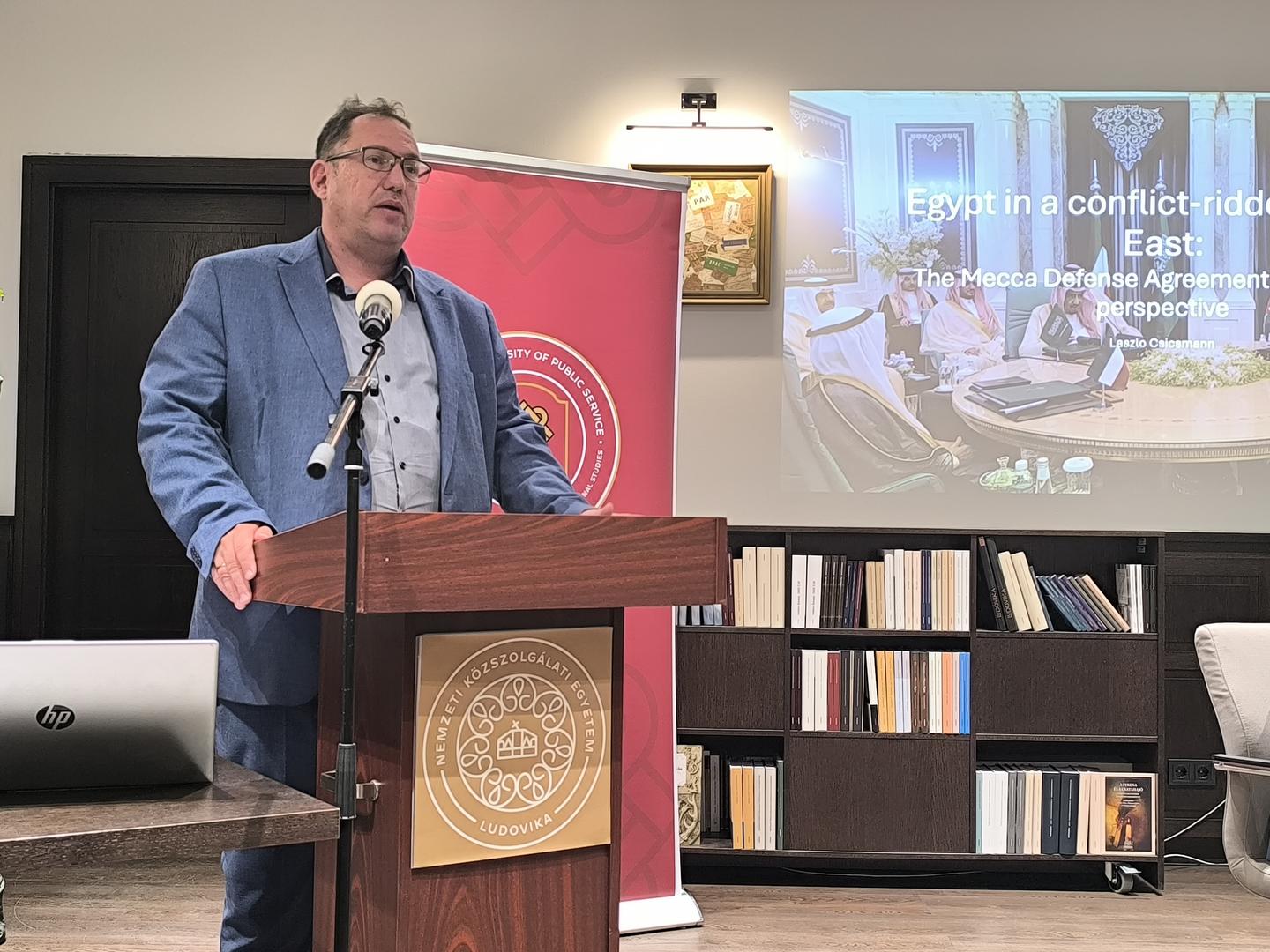
According to László Csicsmann, professor at Corvinus University of Budapest and senior researcher at the Hungarian Institute of International Affairs, Egypt's foreign policy is unique and non-aligned: it traditionally plays a mediating role in regional conflicts and does not align itself with power blocs. This is precisely why it did not join the Mecca Defence Pact signed on 7 August by Pakistan, Saudi Arabia, and Turkey. However, if this alliance proves capable of effectively managing the Houthi conflict, the professor believes Cairo might still decide to join. Of the two major economic projects, China's Belt and Road Initiative and the US-led India–Middle East–Europe Economic Corridor (IMEC), Egypt favours the former, he added, as that route crosses the Suez Canal.
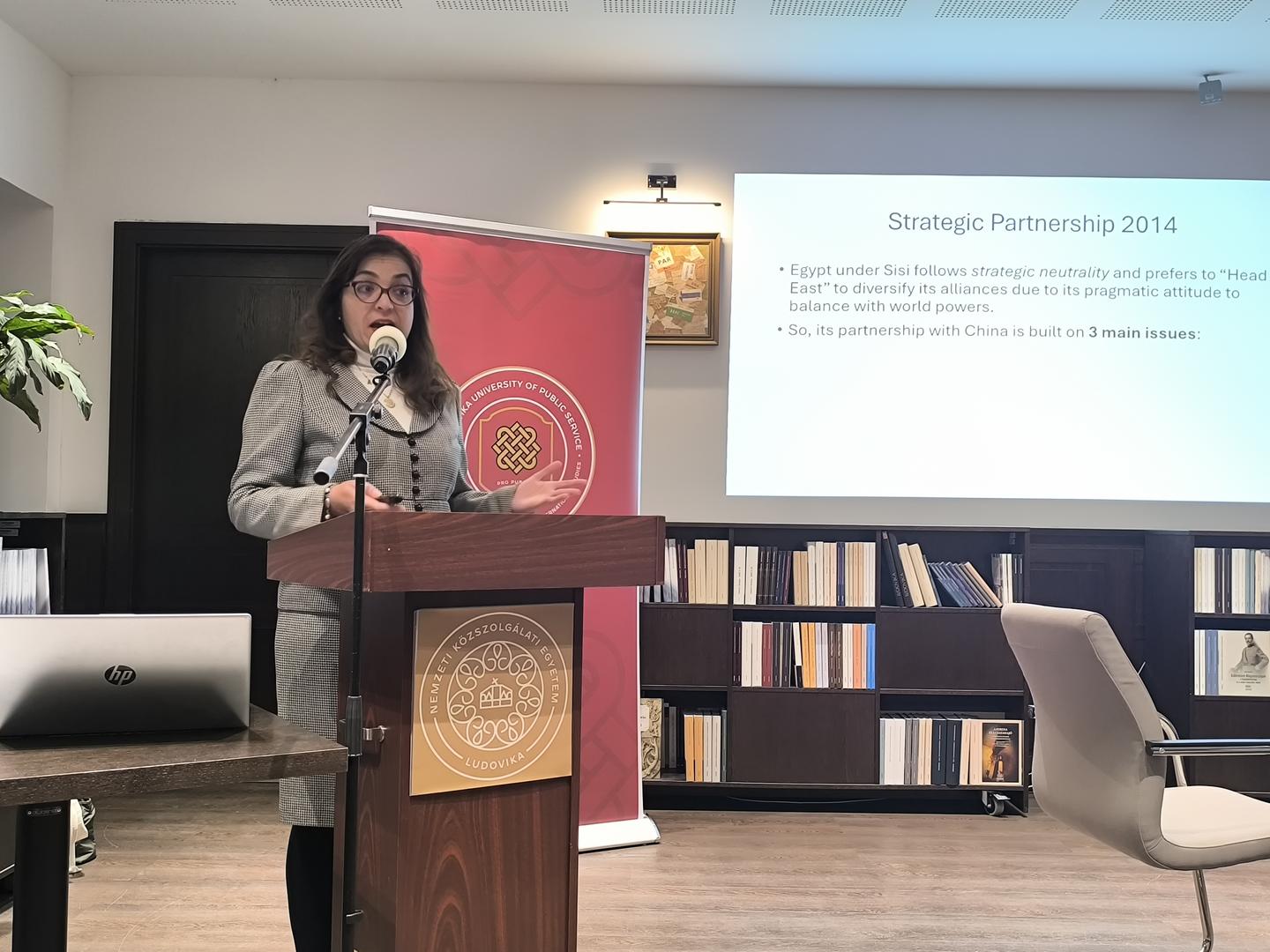
In the closing presentation of the conference's opening day, Aida Abd El Rehim, professor at Galala University in Egypt, spoke about Sino-Egyptian relations. She noted that both countries are heirs to ancient civilisations, share long rivers and long-standing agricultural traditions, and have family-based societies. A strategic partnership has existed between China and Egypt since 2014, resting primarily on the pillars of energy cooperation and trade. For China, Egypt represents a potential market for Chinese products, while for Egypt, the relationship with China promises progress in information technology, logistics, and the development of the Suez Canal. "That said, this is not a balanced relationship; China benefits more from it," the Egyptian researcher added, acknowledging that her country maintains a balance between the United States and China in its strategic partnerships. In this context, she devoted particular attention to Chinese President Xi Jinping's most recent visit to his Egyptian counterpart, President Abdel Fattah El-Sisi, in September 2026, which marked the 70th anniversary of diplomatic relations between China and Egypt. Accompanied by their spouses, the two presidents toured the Grand Egyptian Museum in Giza, and the visit also saw the signing of around 25 cooperation documents and agreements linking Egypt's Vision 2030 to China's Belt and Road Initiative.
Text: Tamás Maráczi
Photos: FPGIS International Division