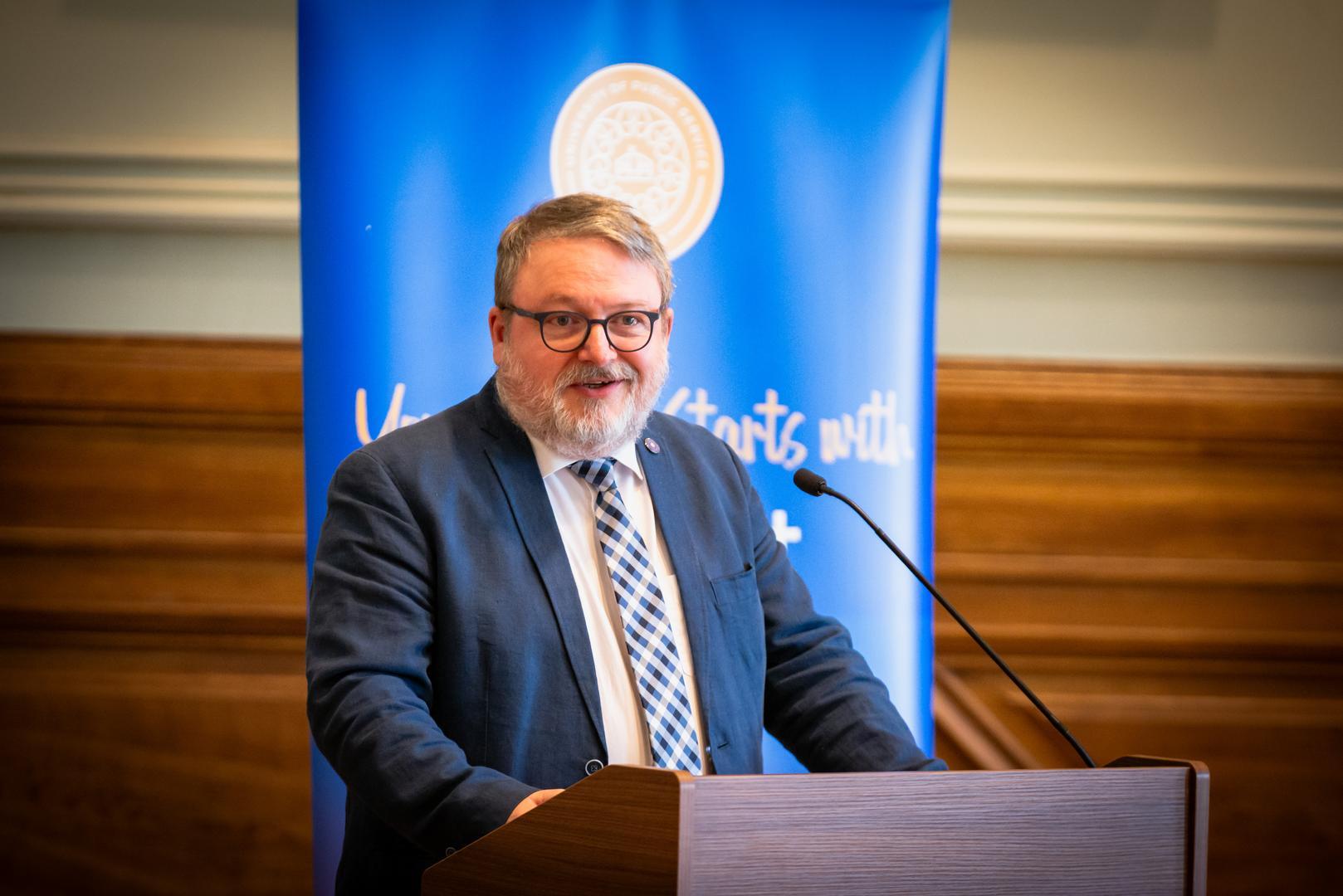
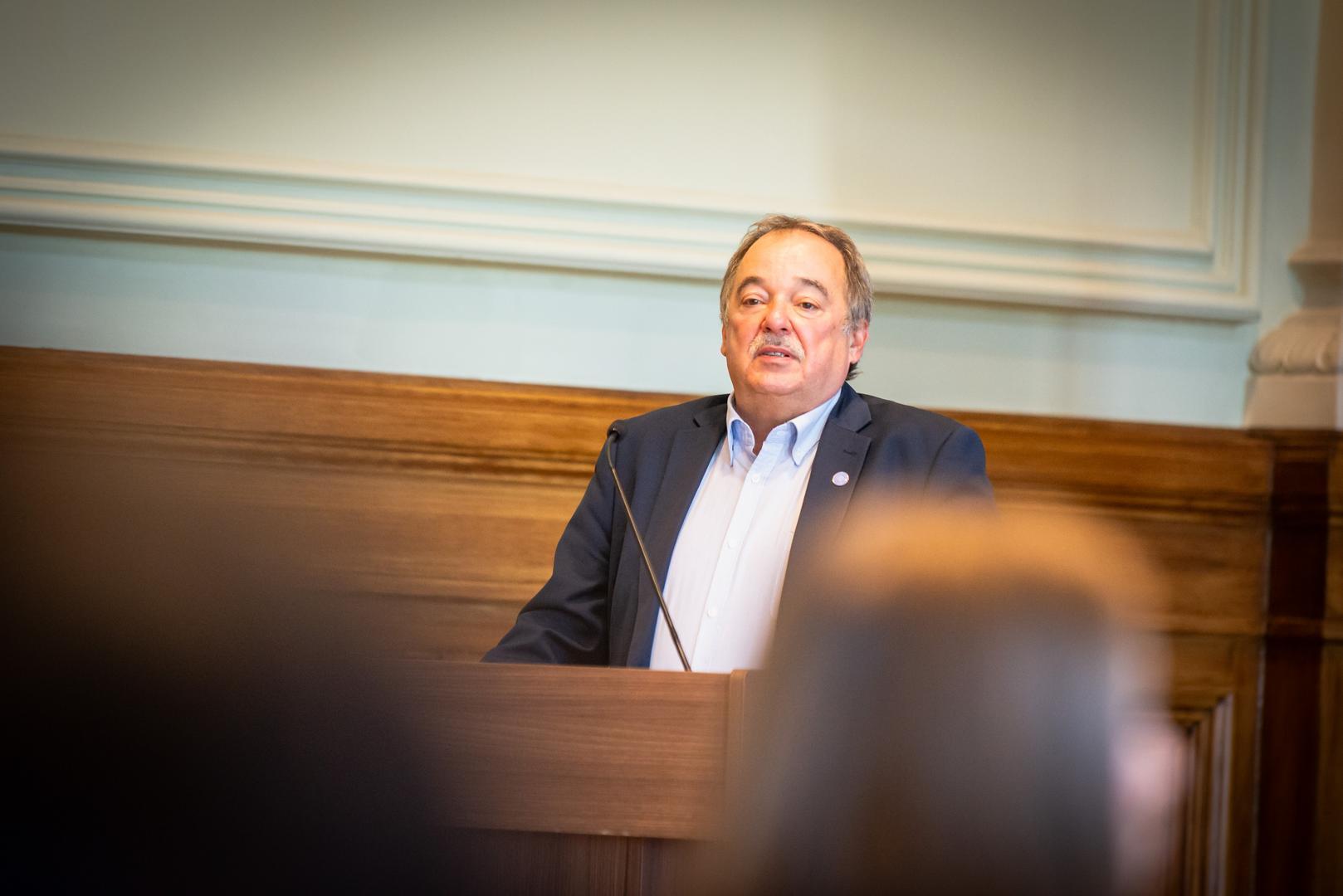
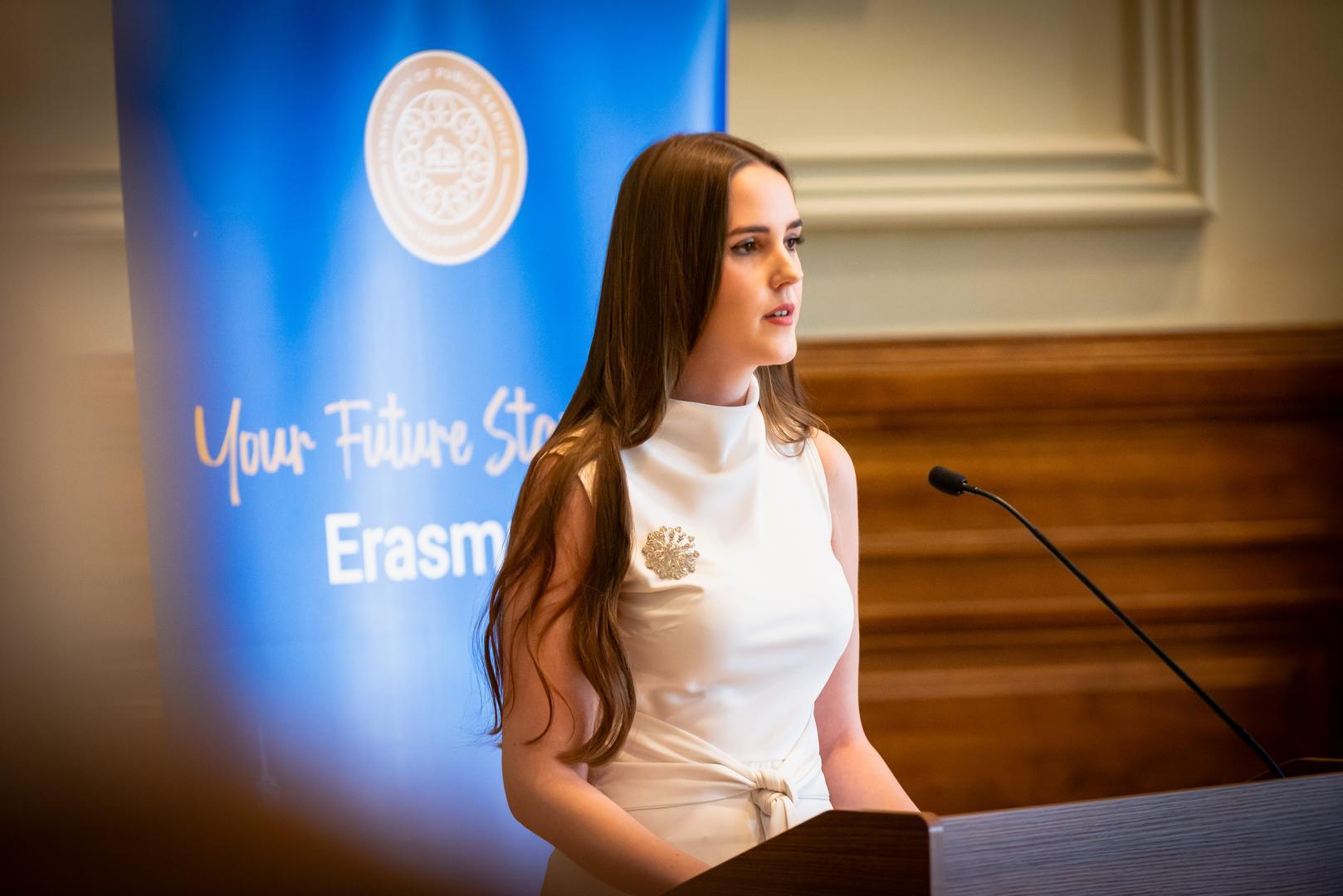
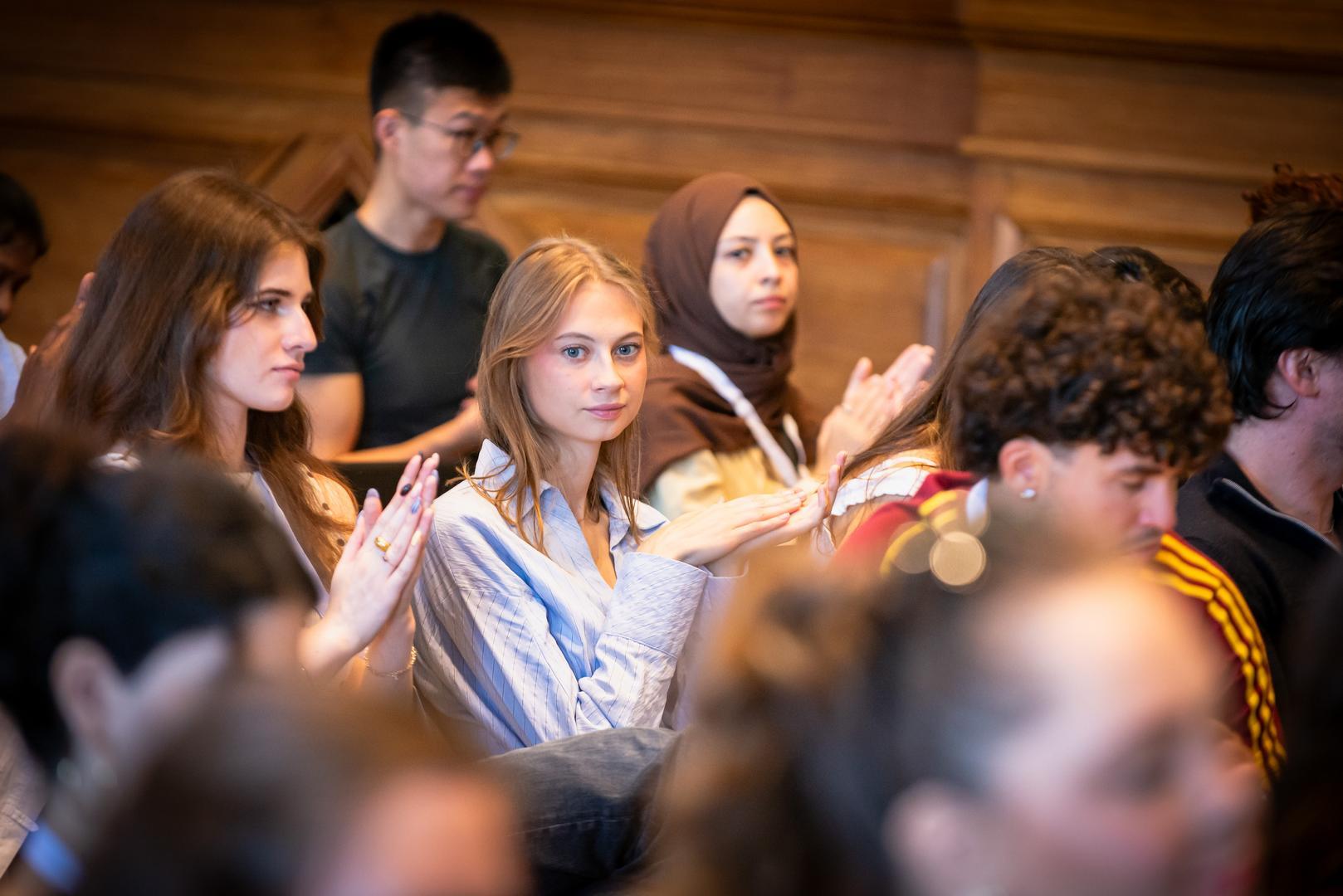
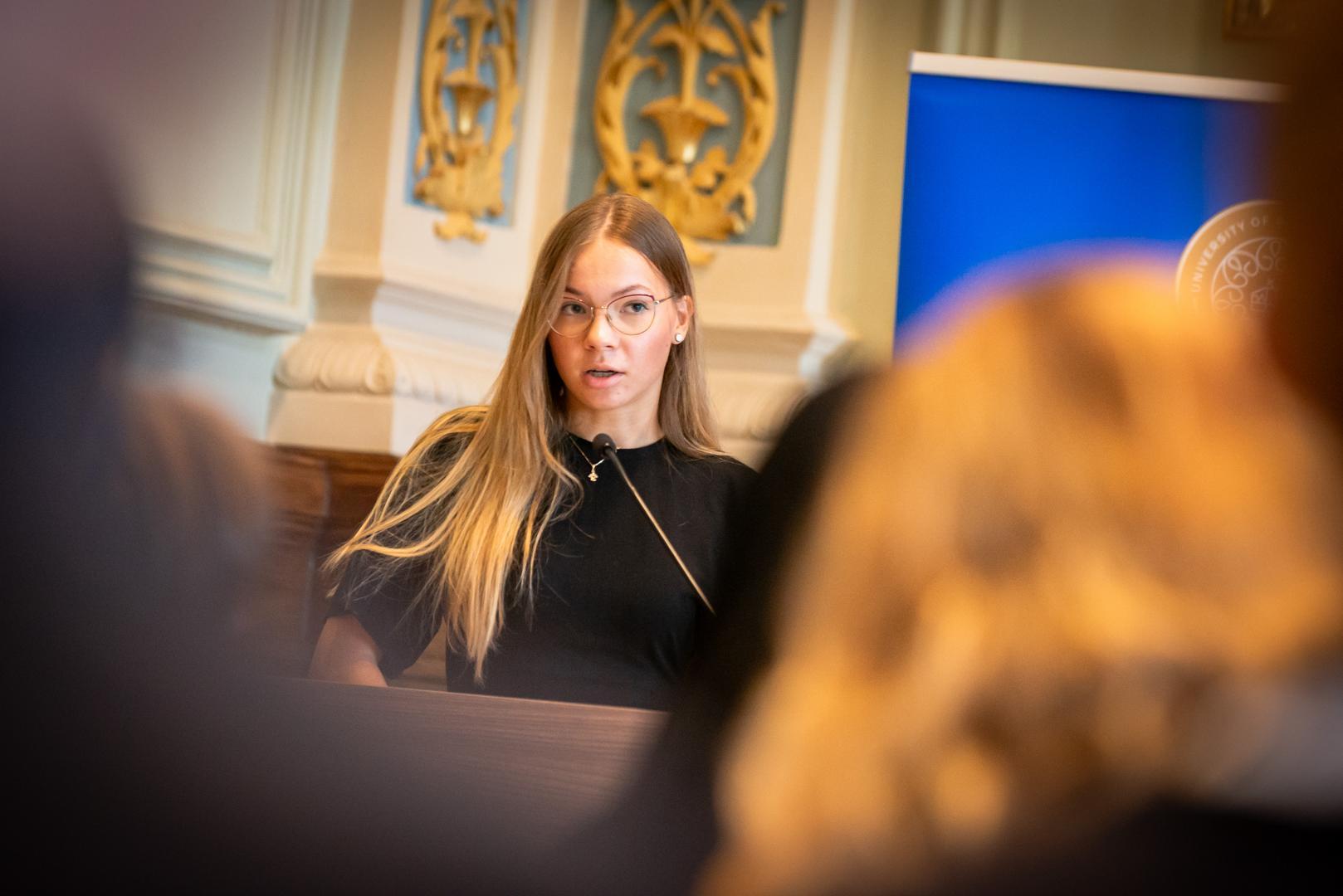
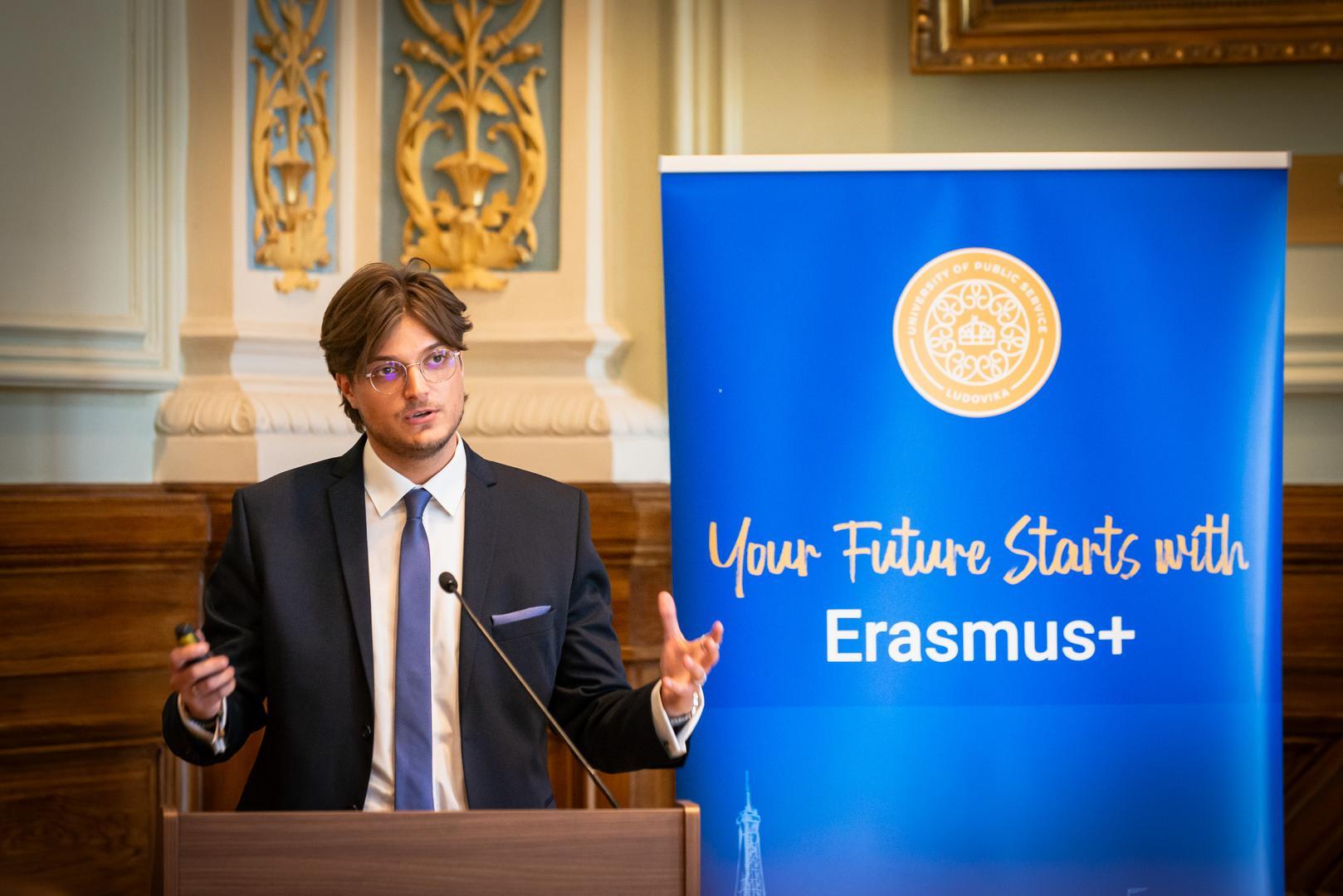
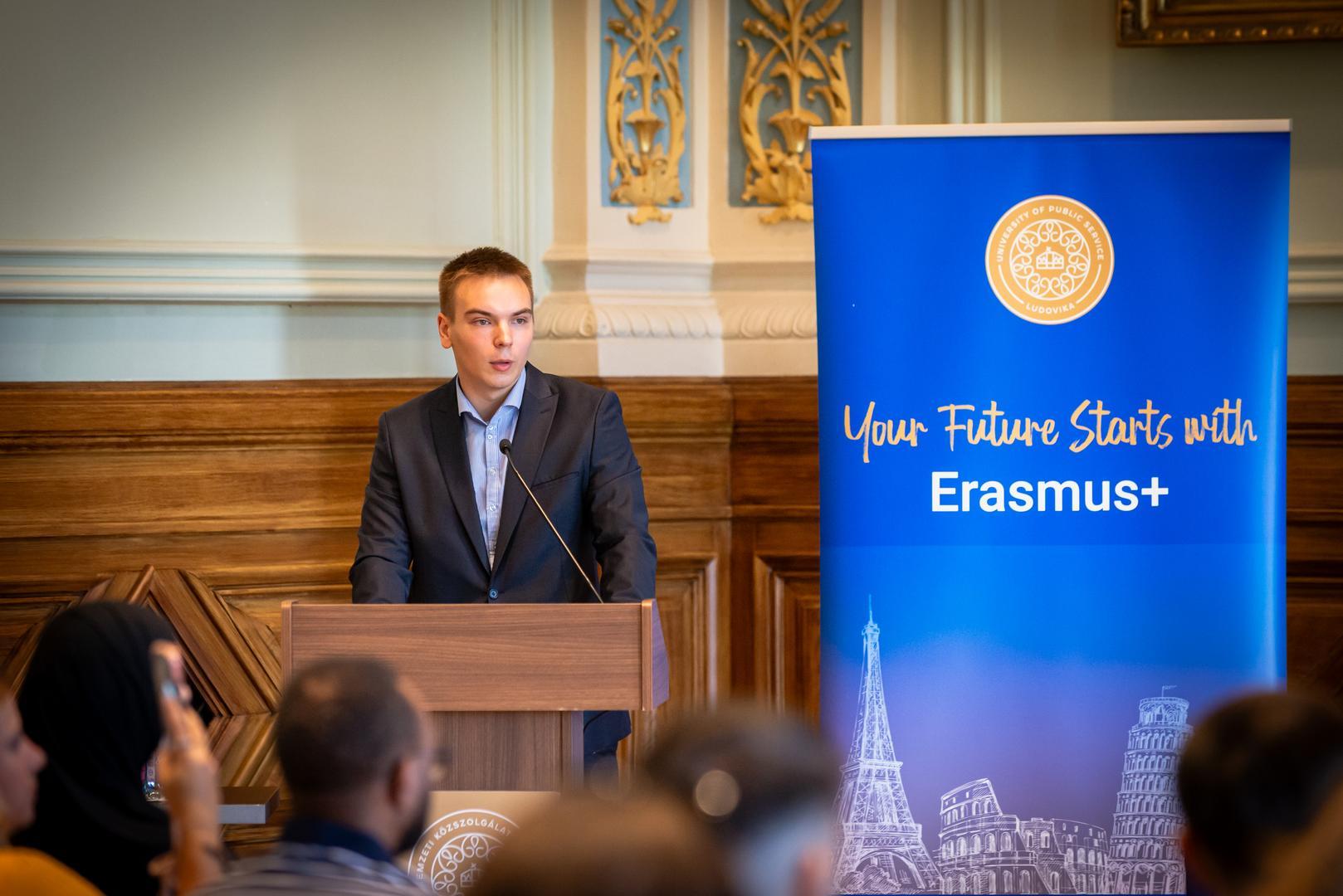
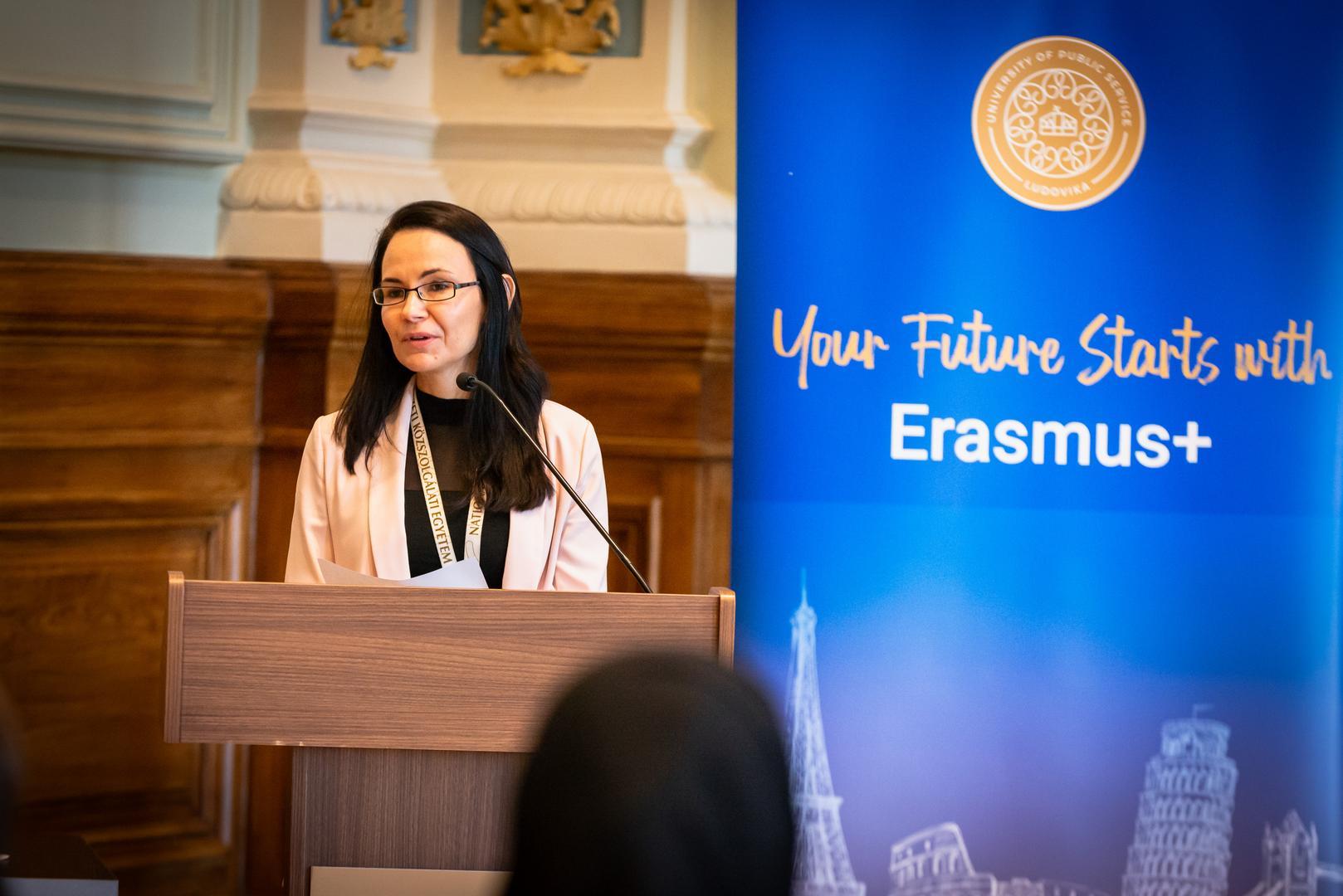
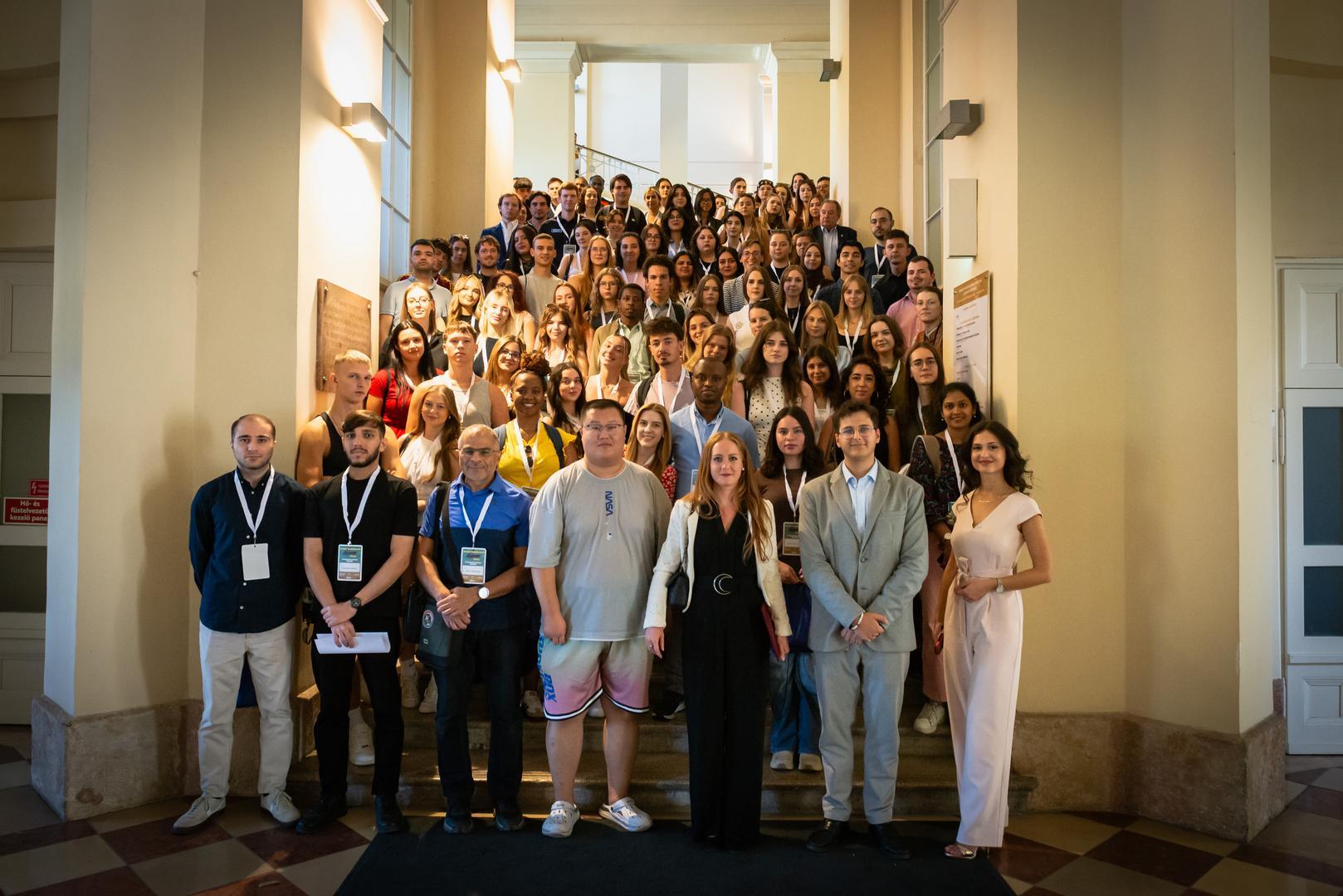
A new academic semester has launched for international students at the Ludovika University of Public Service (LUPS) with faculty presentations and student programs. At the International Welcome Day event held on September 9 in the Assembly Hall of the Ludovika Main Building, foreign students were able to gain insight into the university's academic portfolio and the support systems available to them. The event was moderated by Eszter Mary Price, a staff member of the LUPS International Academic Relations Office.
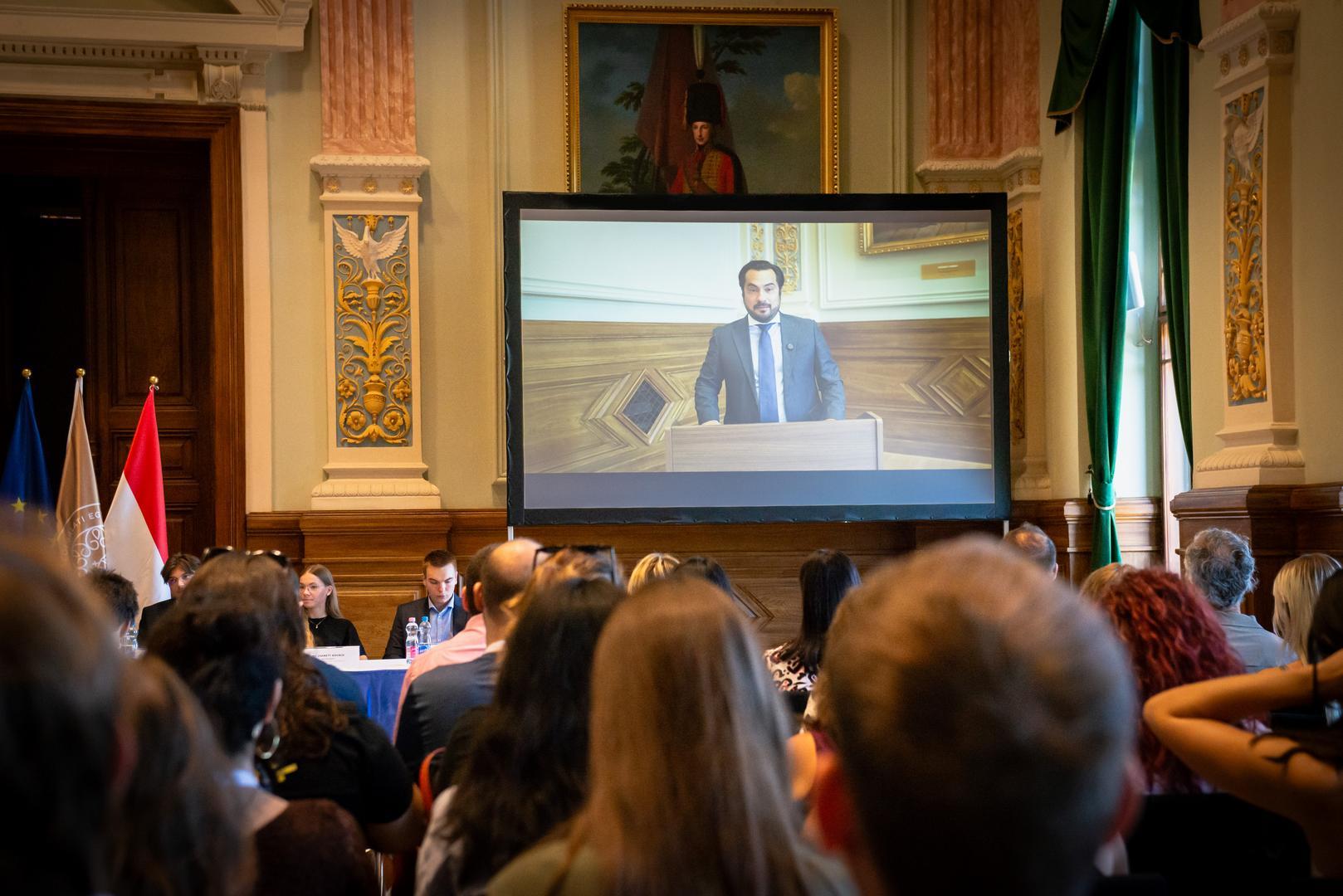
Vice-Rector for International Affairs Pier Paolo Pigozzi welcomed the participants in a video message. He called attention to the unique ethos of LUPS, which is built on an integrated approach to law enforcement, military science, water science, public service, and international studies. Pier Paolo Pigozzi highlighted that students arriving in Hungary can get to know a culture that traditionally acts as a bridge between East and West, different communities and traditions, as well as national identity and openness to international dialogue. "Good governance requires knowledge, but conscience, accountability, and an understanding of the people we serve are also essential," he stated.
The Vice-Rector also pointed out that studying abroad goes far beyond lectures and administrative obligations: "You are not here only to attend lectures, collect credits, or complete a semester abroad. You came to LUPS to get to know a public service university whose mission is to prepare students to consider border security, water management, governance, diplomacy, and education as a shared responsibility," he highlighted.
Pier Paolo Pigozzi stated that this semester 123 Erasmus+ students can begin their studies—including 11 through international credit mobility projects from Kazakhstan, Kenya, the Republic of South Africa, and China—and 38 new students arrived from 23 different countries, such as Sri Lanka, Pakistan, Nigeria, and India. In addition, the Vice-Rector called attention to the Erasmus+ International Staff Week starting on October 12, the Ludovika Scholars Program, as well as the intercultural workshops of the Welcome Center, during the organization of which 12 actively participating students received certificates of recognition at the event.
The structure of the university's International Office and its five-member organizational unit were presented by Martina Jankovics, Head of the International Mobility Department, offering guidance to students on the office's contact details and the coordinators associated with them. Following this, representatives of the faculties outlined their academic portfolios.
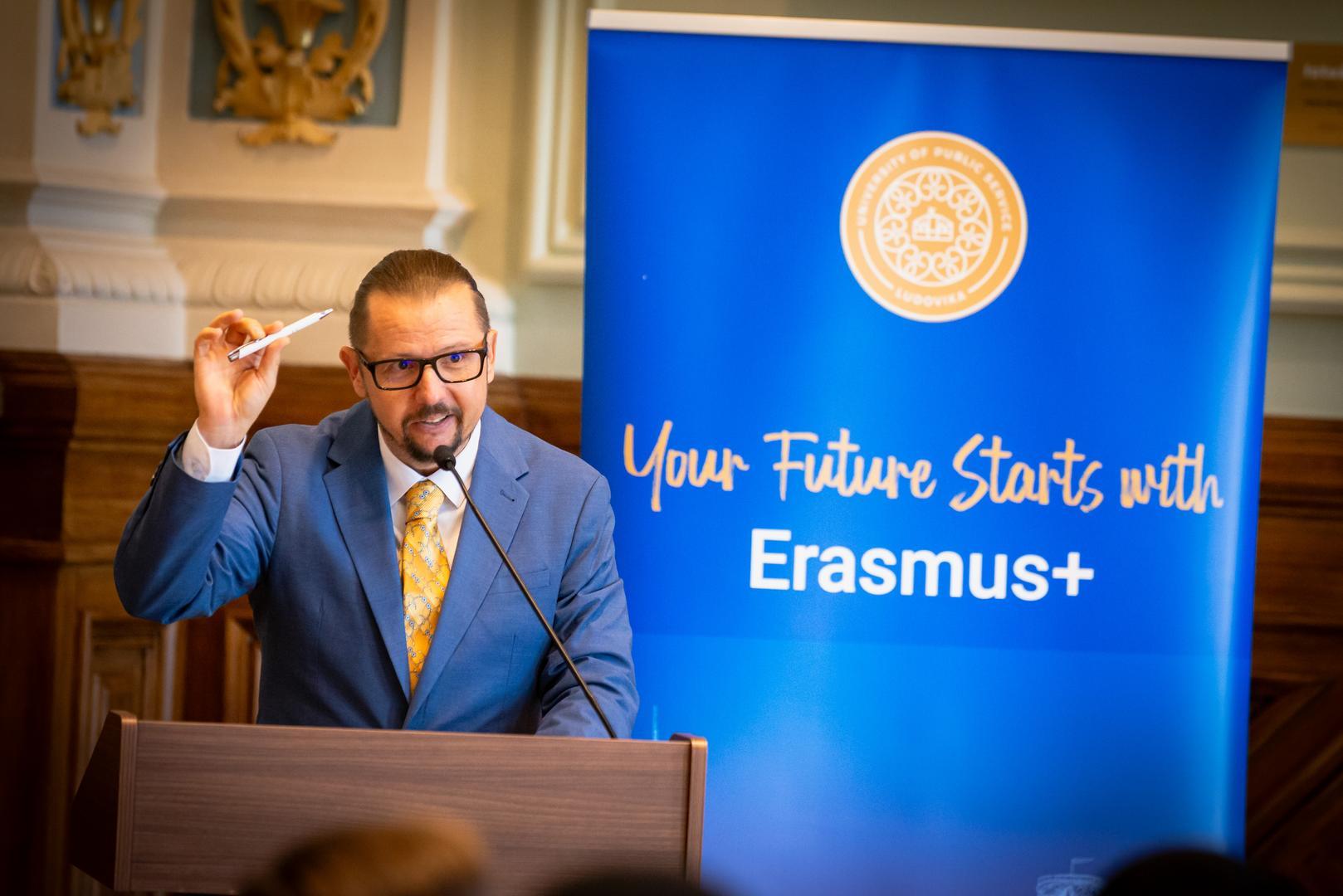
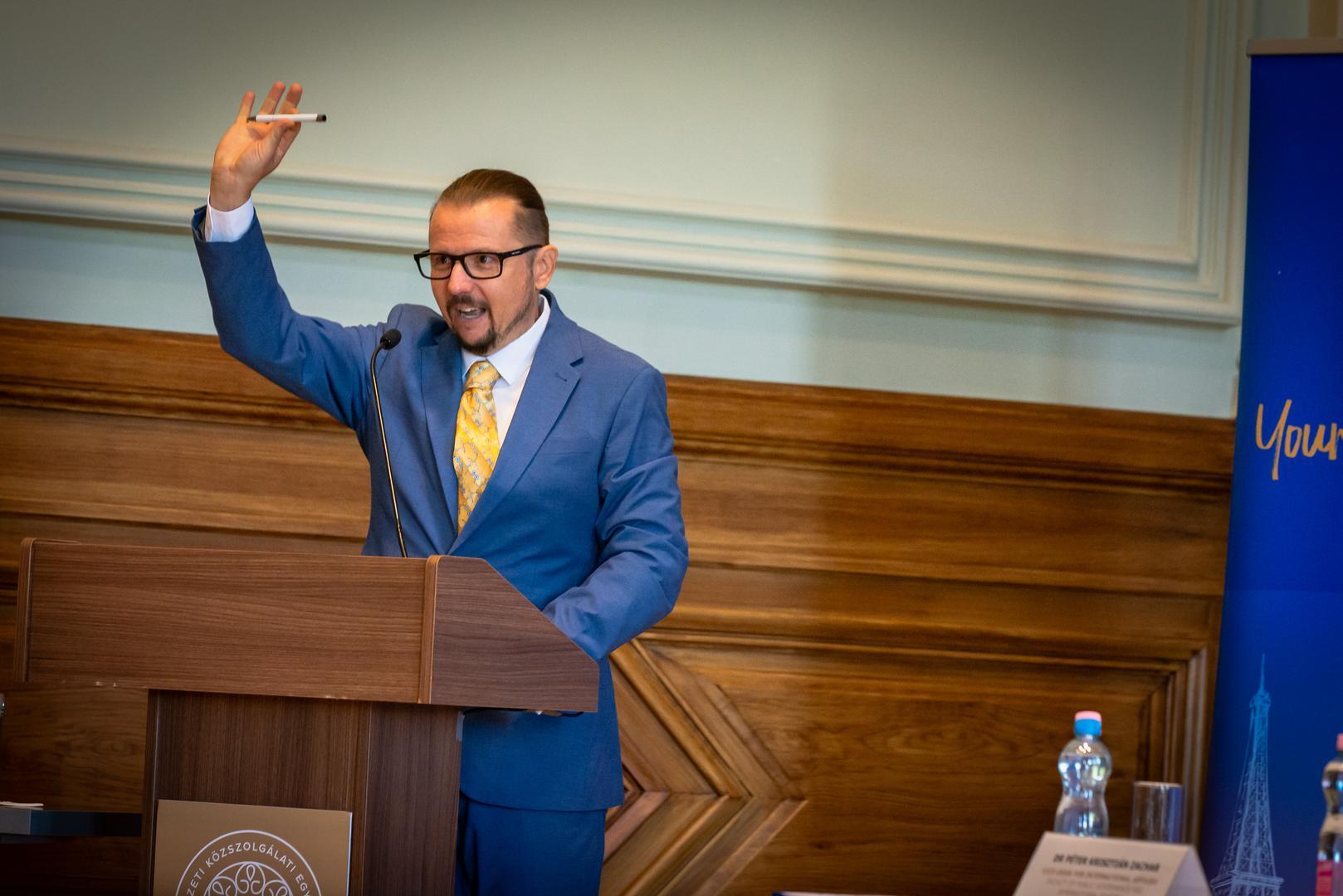
Péter Krisztián Zachar, Vice-Dean for International Affairs of the Faculty of Public Governance and International Studies, illustrated the essence of diplomacy and strategy using a ballpoint pen—a 1938 Hungarian invention by László Bíró—pointing out that the impact of a tool always depends on who holds it in their hand and for what purpose they use it. In his presentation, he also touched upon the legacy of Hungarian-born scientists such as John Harsanyi, John von Neumann, or Leo Szilard, shedding light on the foundations of negotiation techniques, e-governance, and international relations.
The academic offerings of the Faculty of Water Sciences were presented by Tamás Pálvölgyi, Vice-Dean for Strategic and International Affairs—including the English-language Water Diplomacy and Water Policy program—as well as the dormitory facilities of the Baja campus, and the work of the two UNESCO Chairs and the Scientific Students' Association operating at the faculty.
On behalf of the Faculty of Law Enforcement, Zágon Csaba, Head of the Department of Academic and International Affairs, presented its multidisciplinary structure, explaining the color codes of uniforms from the police to disaster management. At the end of his presentation, he invited international students to assist with their language skills in a 20-minute test of an artificial intelligence-based translation software being prepared for police emergency call centers.
Speaking on behalf of the Faculty of Military Sciences and Officer Training, Ágota Somogyi, Head of the FMSOT International Office, discussed combining military traditions with modern education, highlighting pilot training in Szolnok, their wide-ranging international relations, and mentioning that in the 2025–2026 academic year they welcomed 89 international students across various mobility programs.
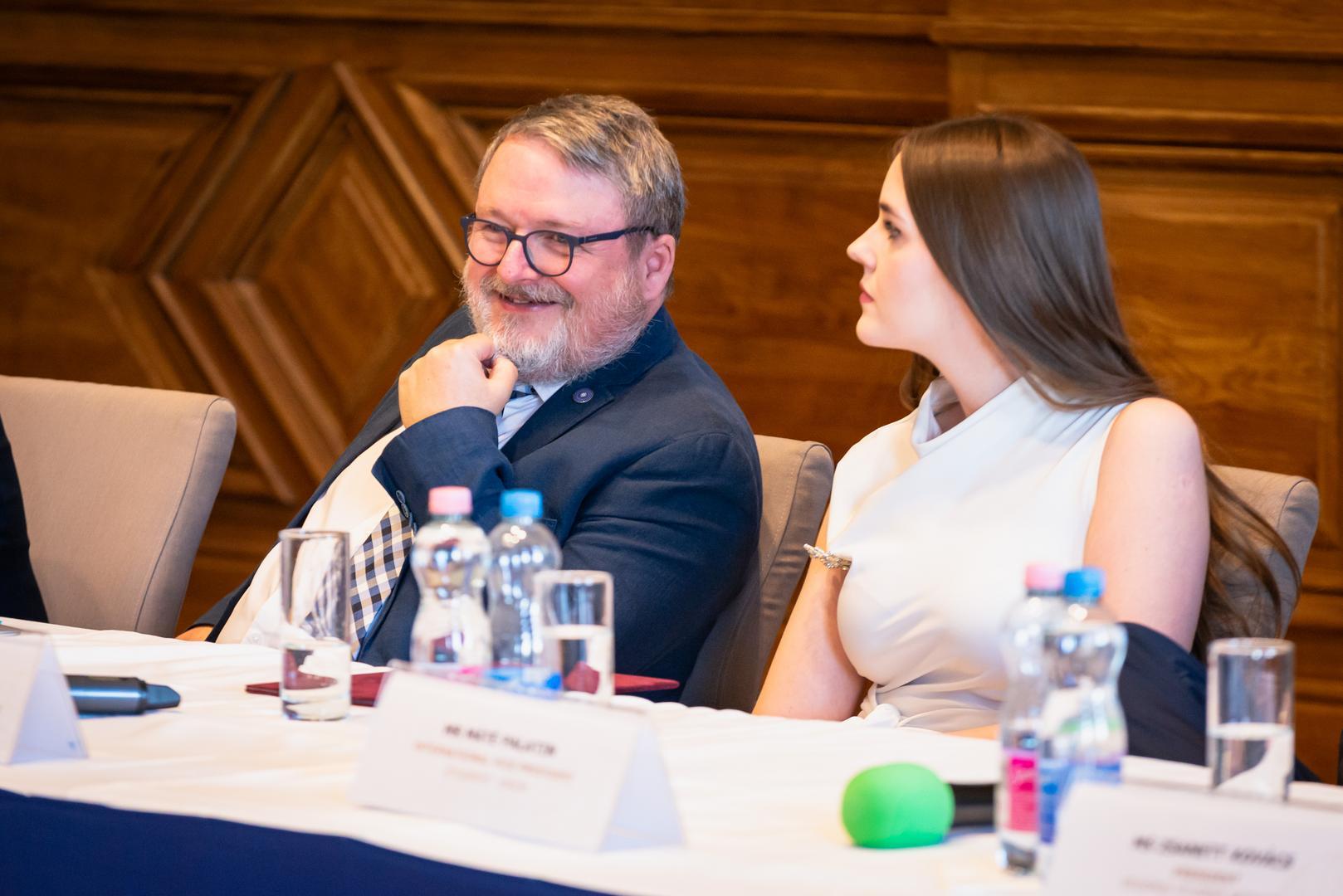
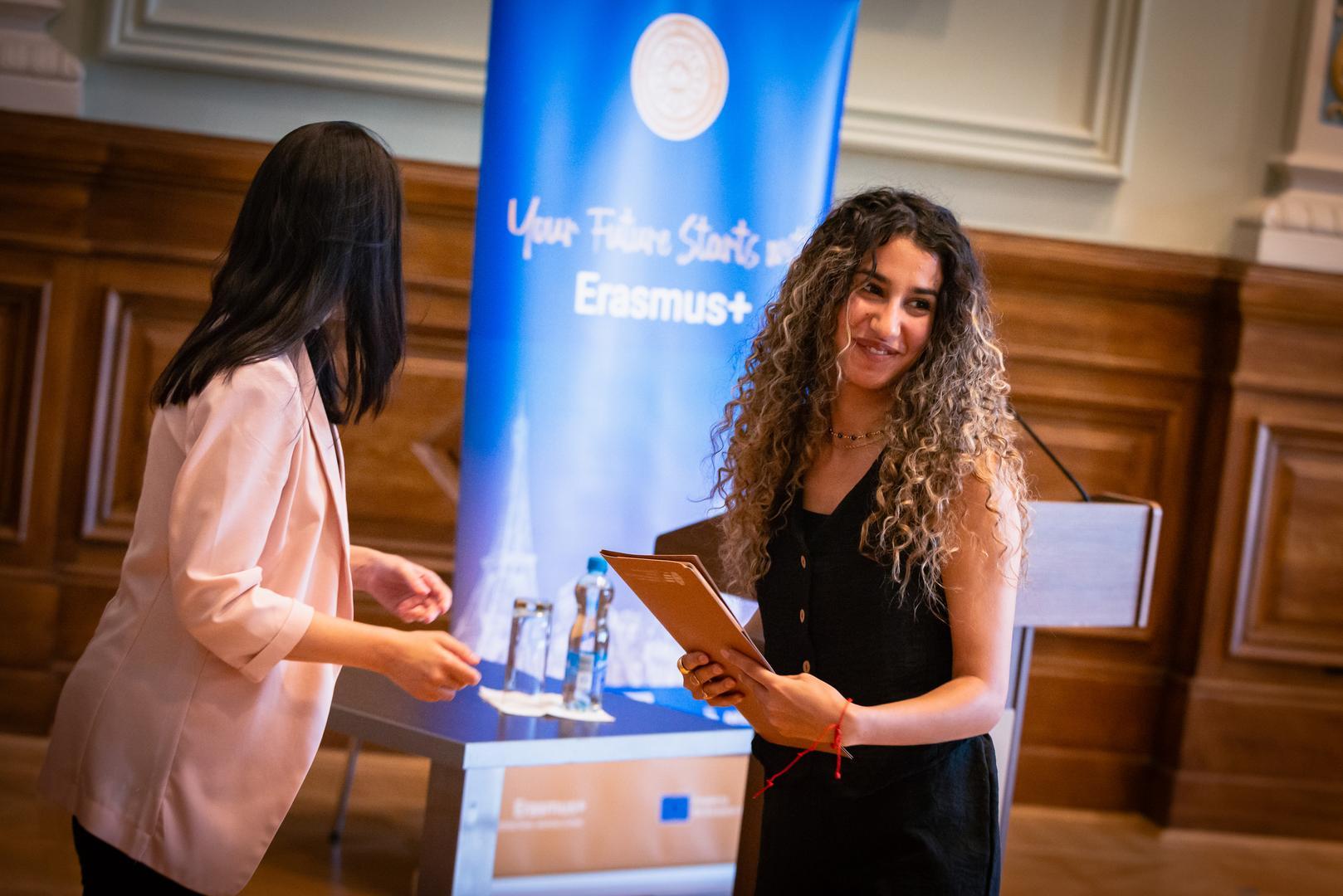
Following the faculty presentations, student support systems and organizations were also addressed. Máté Palatin, Vice-President of the University Student Council, spoke about the integration efforts of the International Committee and the semester's community events. Zsanett Kovács, President of the Erasmus Student Network, detailed the organization's work since 2015, the friendly mentorship system operating with 20 mentors, and cultural programs, while Péter Rakács presented the nationwide presence and integration-assisting role of the Stipendium Hungaricum Mentor Network. The official program concluded with a certificate presentation ceremony coordinated by Éva Dudás, Head of the Ludovika Welcome Center Department, where 12 students received recognition for actively participating in organizing the Welcome Center's intercultural workshops.
Text: Zsófia Sallai
Photo: Márk Benjámin Mészáros