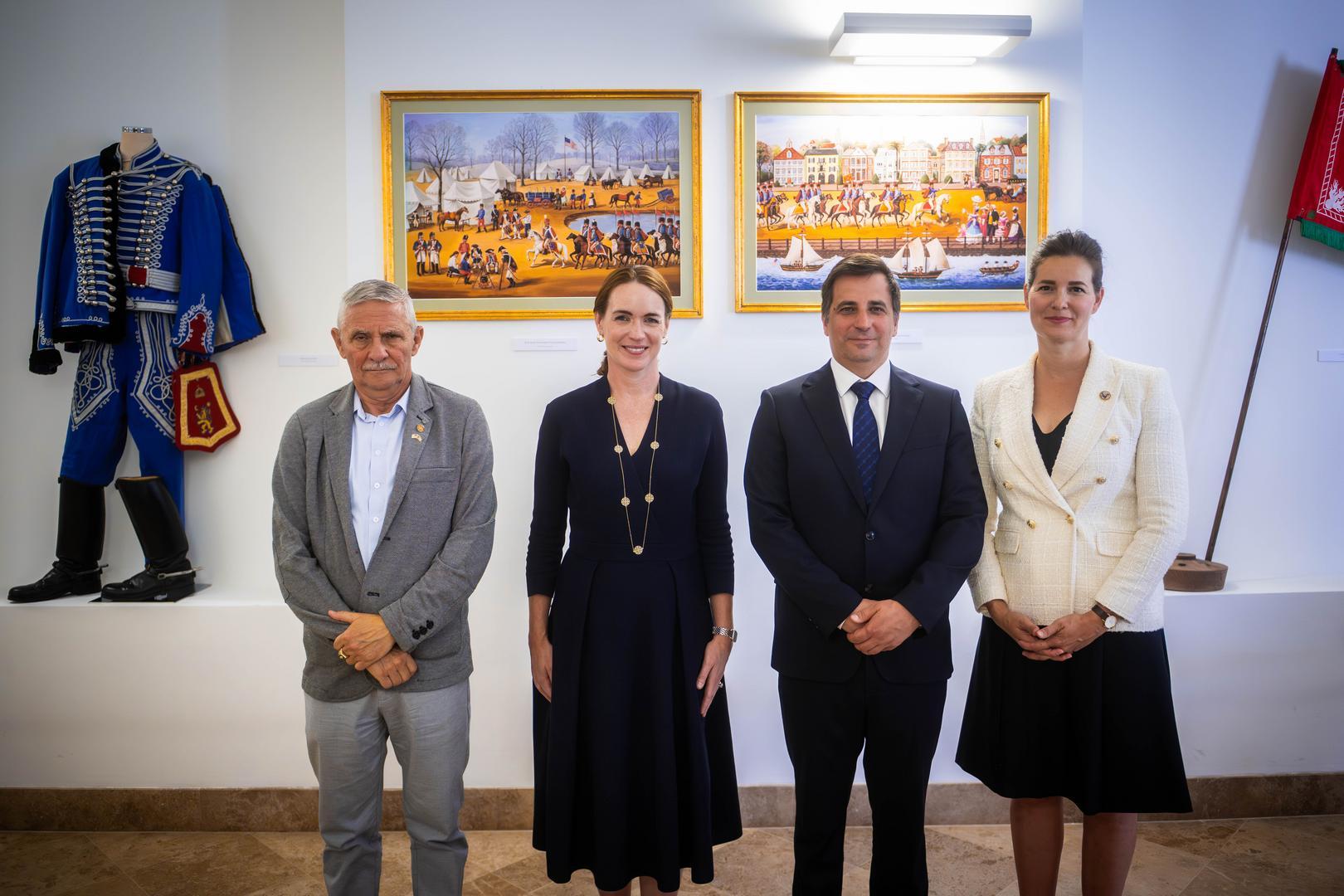
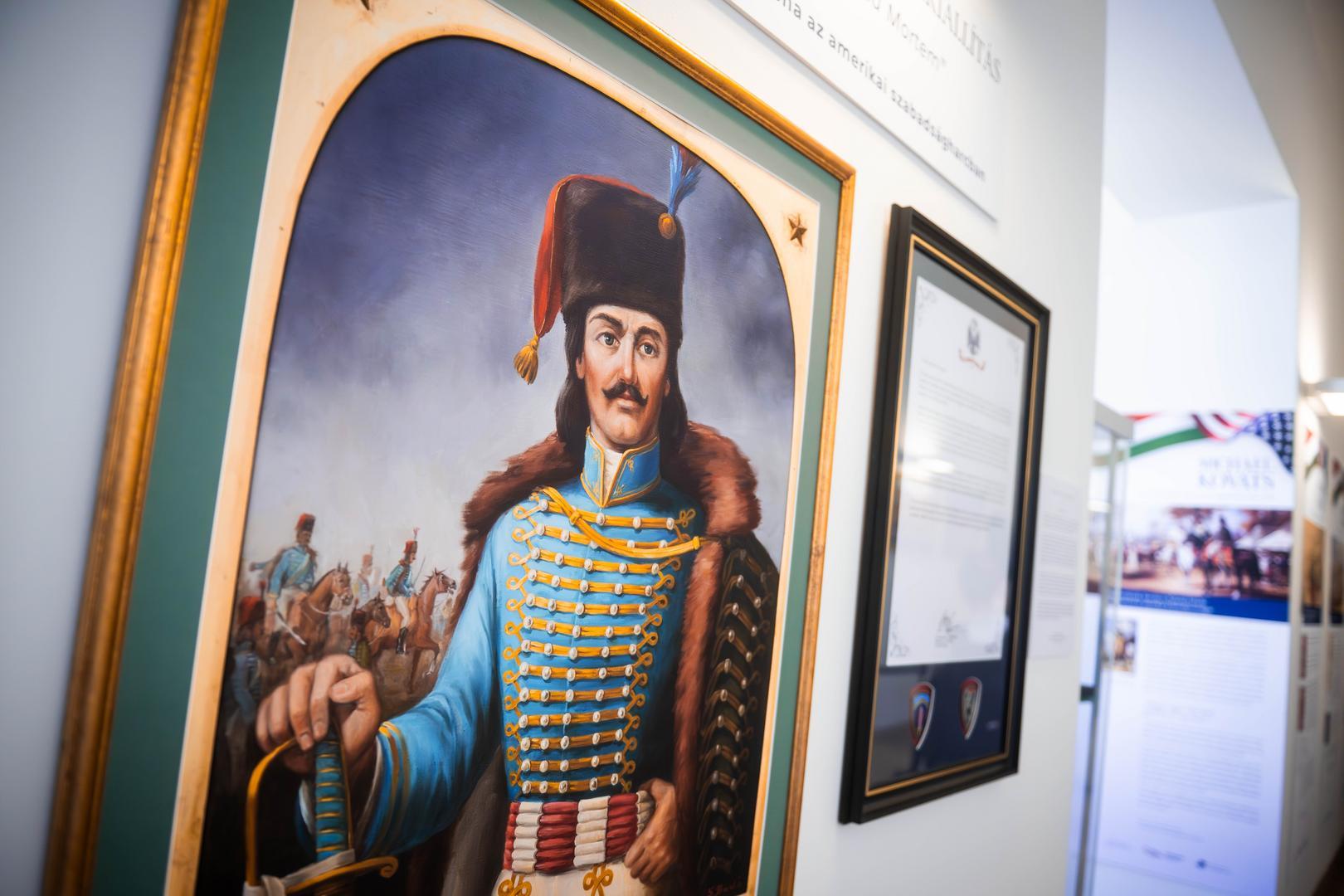
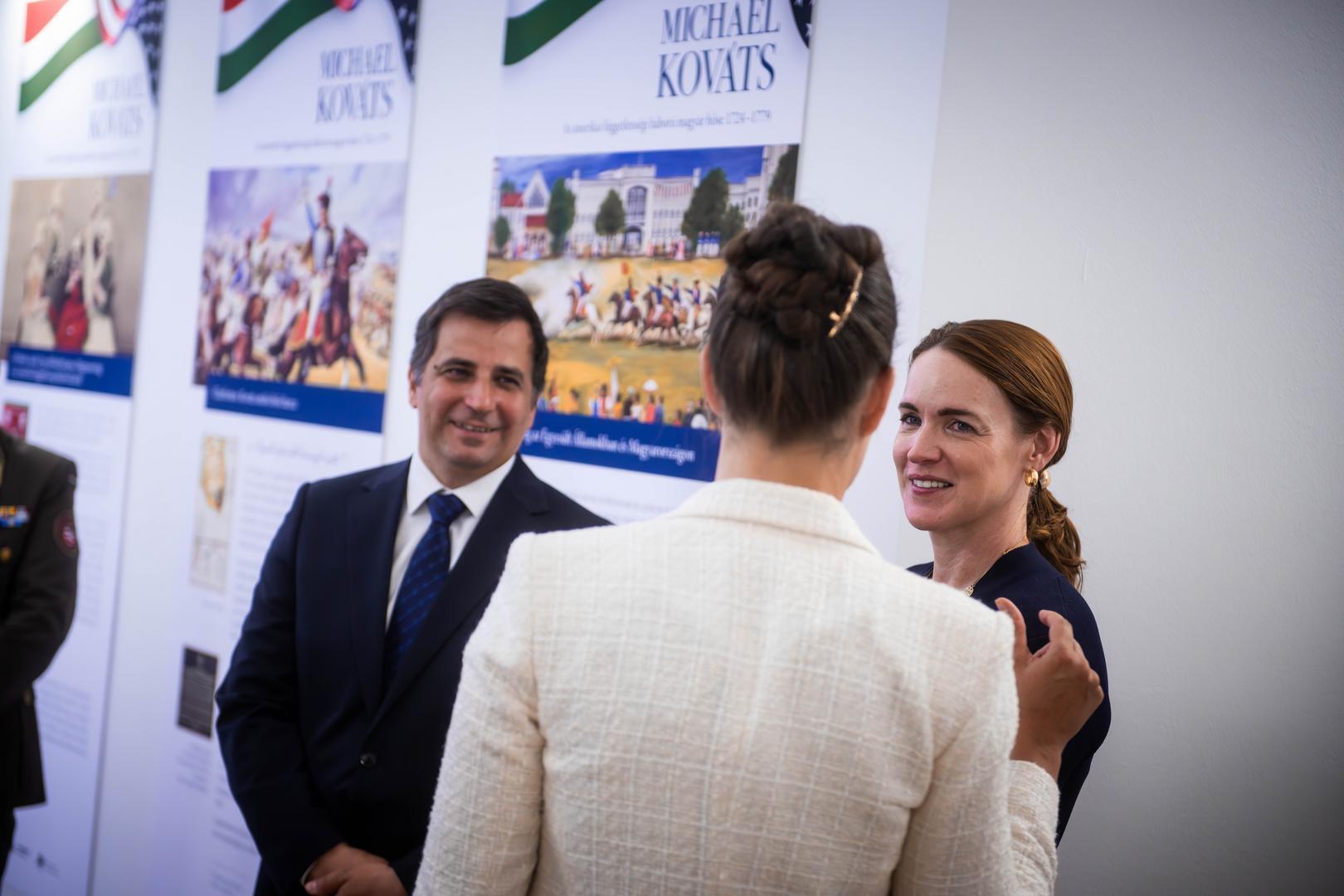
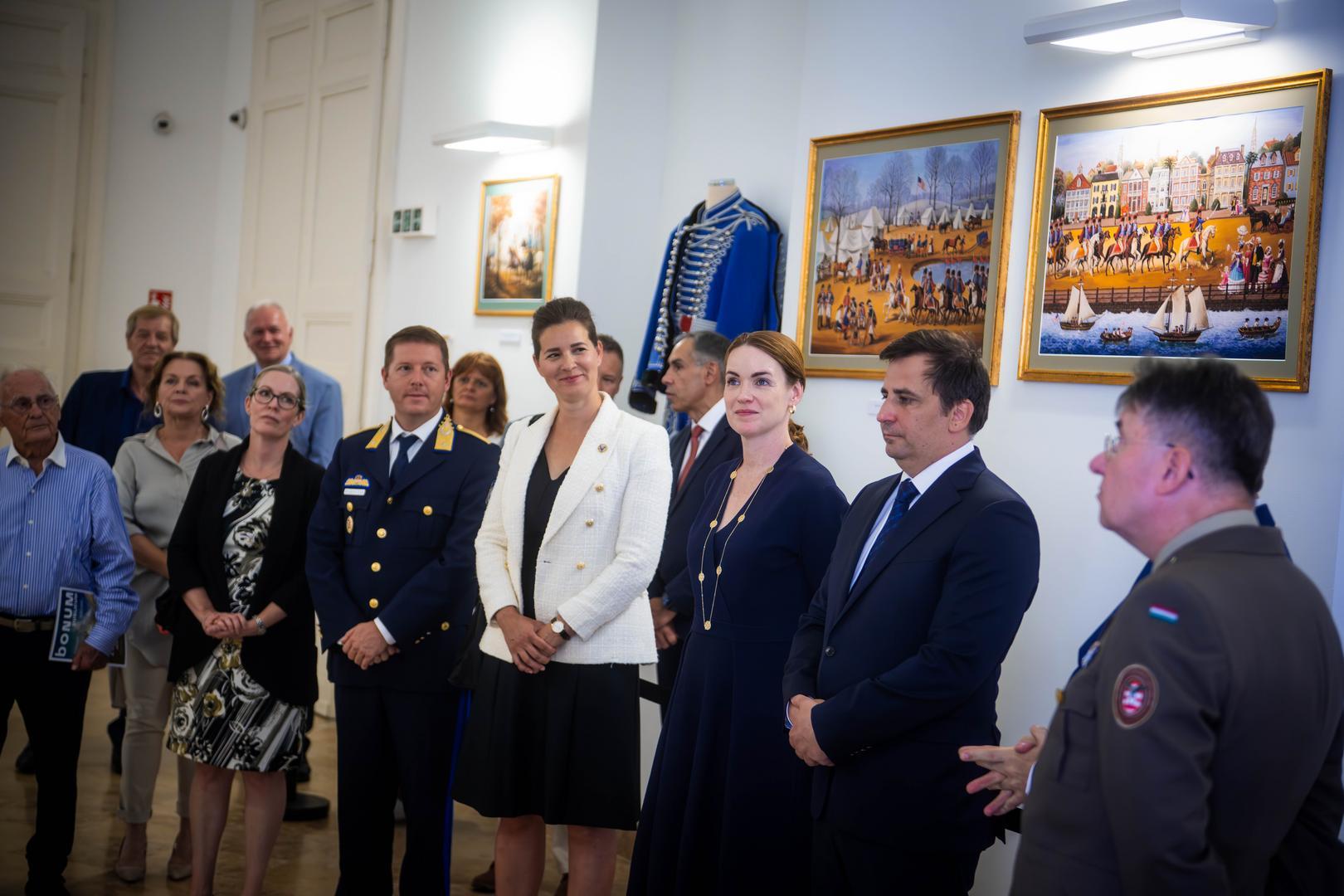
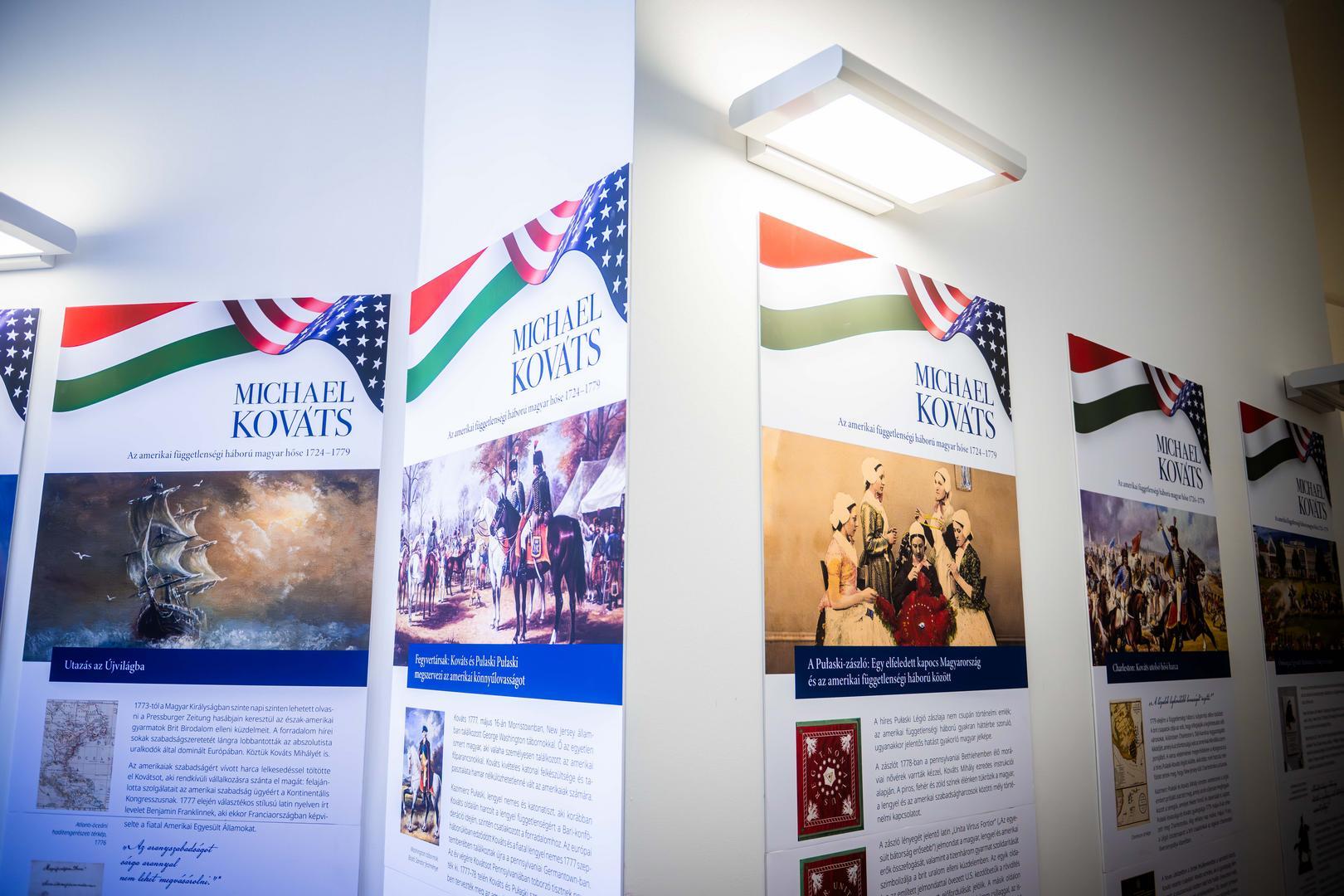
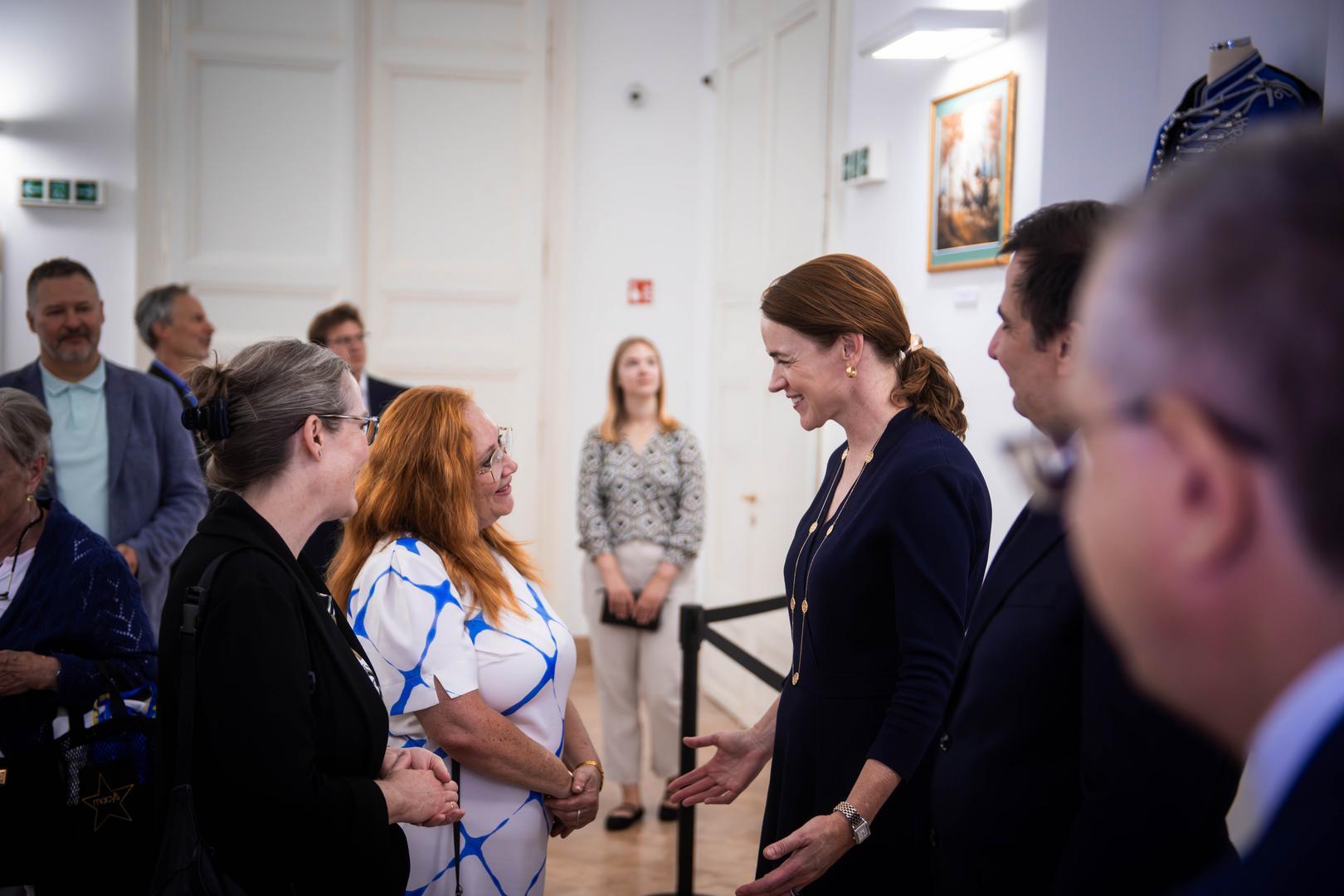
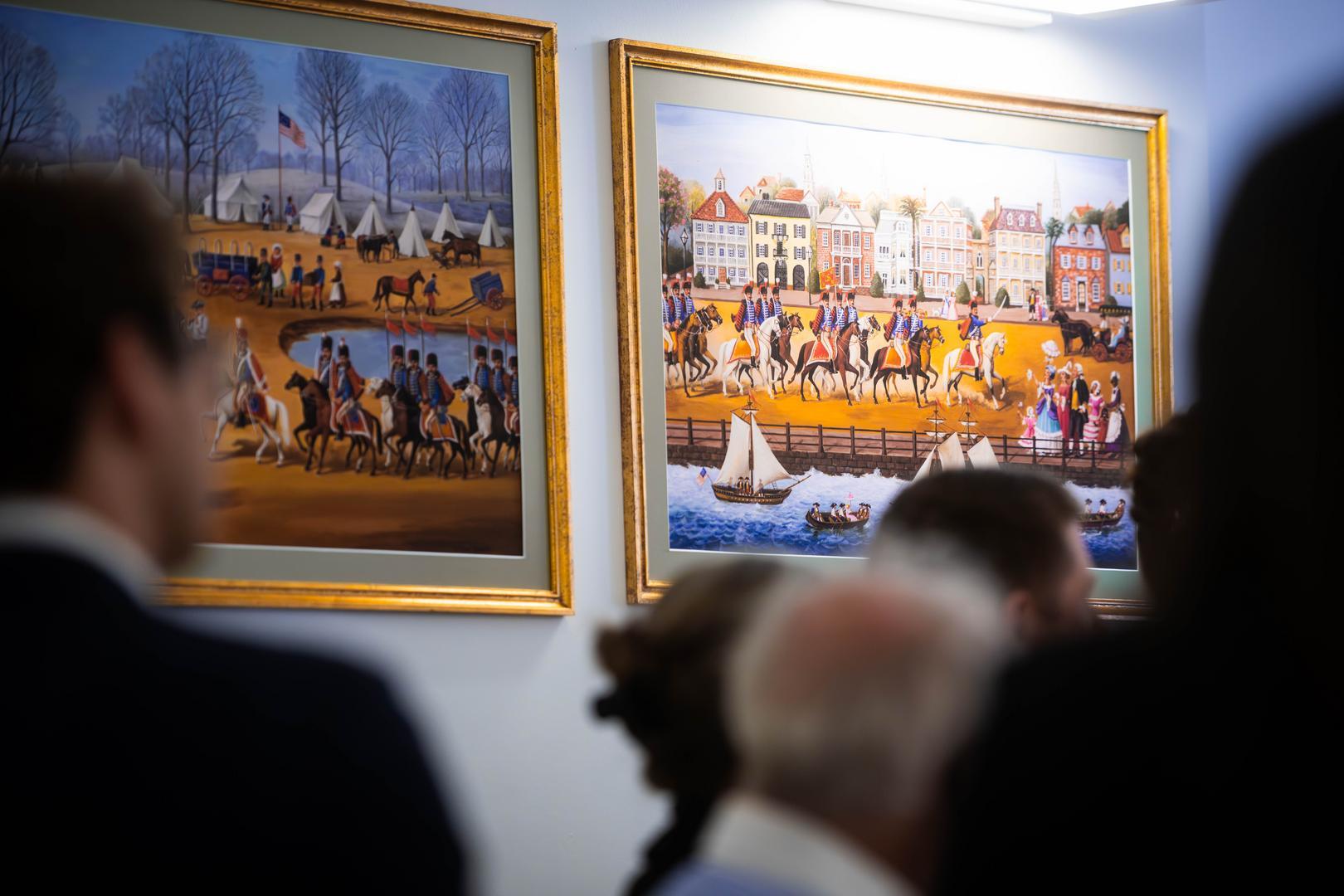
A temporary exhibition presenting the life path and historical legacy of Colonel of the Hussars Mihály Fabriczy Kováts, military commander and one of the founders of the American light cavalry, opened on September 8 on the second floor of the Ludovika Main Building of the Ludovika University of Public Service (LUPS).
The friendship between two nations is woven by individual people through their actions – highlighted Gergely Deli, Rector of LUPS, in his welcoming address. He added that LUPS pays special attention to exploring and sharing our country's past through publications, conferences, debates, or exhibitions. The university's previous exhibitions presented the Zrínyi family, military objects of the 16th century, the history of the battleship Szent István, as well as the life paths of renowned soldiers.
Mihály Fabriczy Kováts fits into this line, having become a hero of multiple countries. After numerous battles, he helped overseas so that a young state, the United States of America, could defend its freedom in an increasingly organized and effective manner. He was willing to sacrifice even his life for this cause. His memory still connects Hungarian and American history today.
The Rector also called attention to the fact that LUPS's mission is to train young people who have chosen the service of the public, the homeland, and the nation as their vocation. Thus, the university supports all initiatives that strengthen this sense of vocation through history and heroic role models. Kováts's life path well exemplifies the values that LUPS also emphasizes: military expertise, international service, personal courage, and commitment to the idea of freedom. Gergely Deli added that he trusts the exhibition will become a meeting point for domestic and international researchers and interested visitors, thus representing lasting value even after the exhibition concludes.
Gratitude goes to everyone who worked so that we can remember the shared hero of the two nations together today – said Caroline Savage, Chargé d'Affaires ad interim of the Embassy of the United States in Budapest, in her greeting. She emphasized that the commemoration is an integral fit for the spirit of LUPS.
Indeed, concepts connected to Kováts's life path are important to the university as well. These are tradition, courage, adaptability, and international cooperation. Through his international connections, together with his Polish comrade-in-arms, General Kazimierz Pułaski, Commander Kováts gave a new home in the USA to the hussar traditions acquired on European battlefields. His motto, Fidelissimus ad mortem, meaning "faithful unto death," well summarizes the system of values in whose service he ultimately sacrificed his life. His story also serves as a reminder that the actions of individual people connect nations and forge friendships.
The ceremony was concluded with a professional guided tour by historian István L. Nagy, researcher at the Military History Institute and Museum of the Ministry of Defence. In addition to the university leadership, participants at the event included Melissa Quartell, Cultural Attaché of the US Embassy in Budapest, and Anna Smith Lacey, Executive Director of the Hungary Foundation.
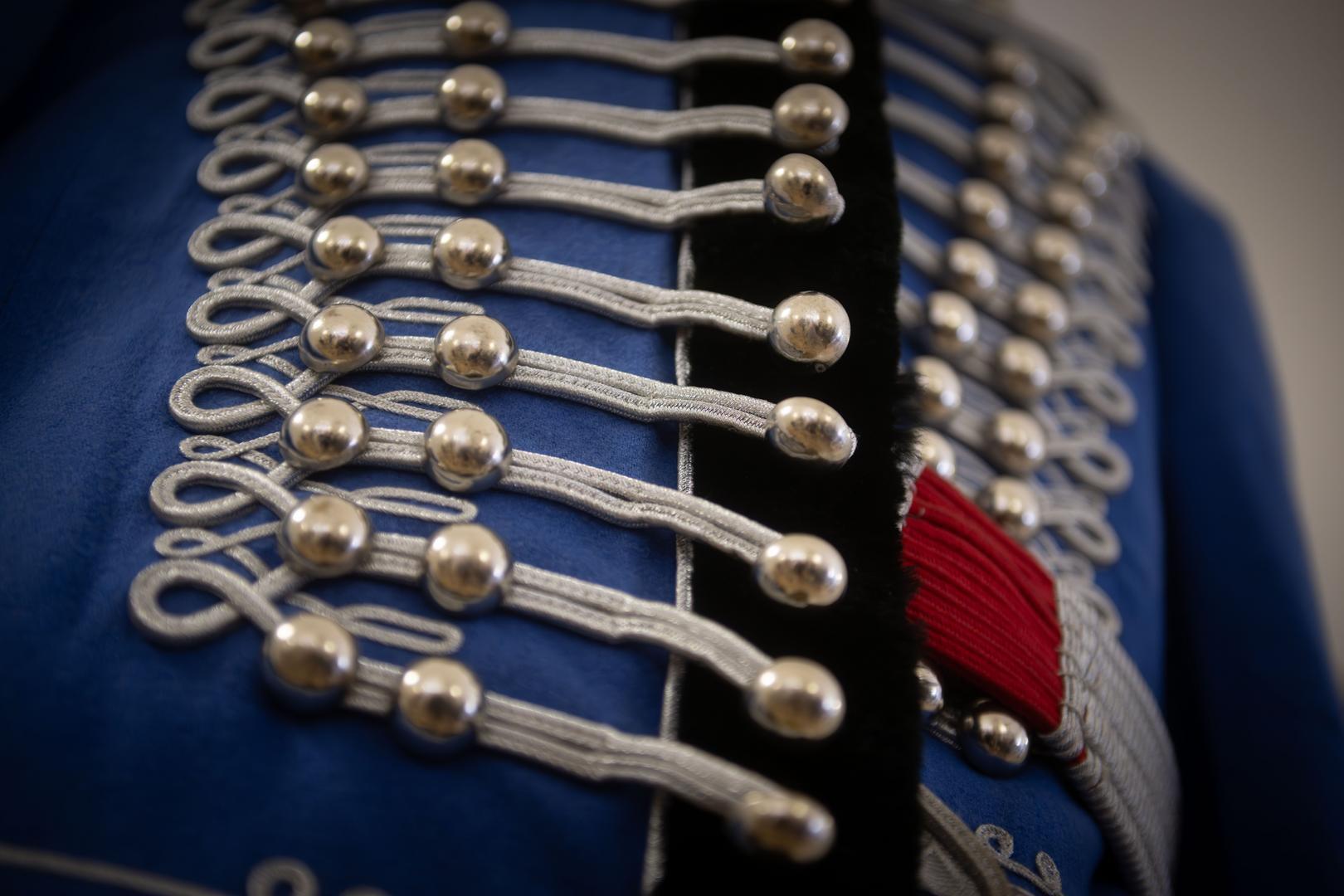
The newly opened exhibition aims to present Mihály Kováts's life path and historical legacy, with special regard to the Hungarian hussar tradition, his role in the formation of the American light cavalry, and his commitment to the idea of freedom. The curator of the exhibition is Major General József Padányi, Head of LUPS's Doctoral School of Military Engineering.
The exhibition can be visited for two months in cooperation with the Hungary Foundation and the Nádasdy Hussar Museum of Sárvár, on the second-floor corridor of the Ludovika Main Building. The initiative serves both to strengthen Hungarian-American educational, scientific, and cultural relations, and to make Mihály Kováts's legacy—which also connects to the values of LUPS—better known.
Mihály Kováts died a heroic death in the Battle of Charleston on May 11, 1779. As one of the founders of the American light cavalry, his life's work evokes both the Hungarian hussar tradition and the ethos of Ludovika officer training, which is defining for the university.
Text: Tibor Sarnyai
Photo: Dénes Szilágyi