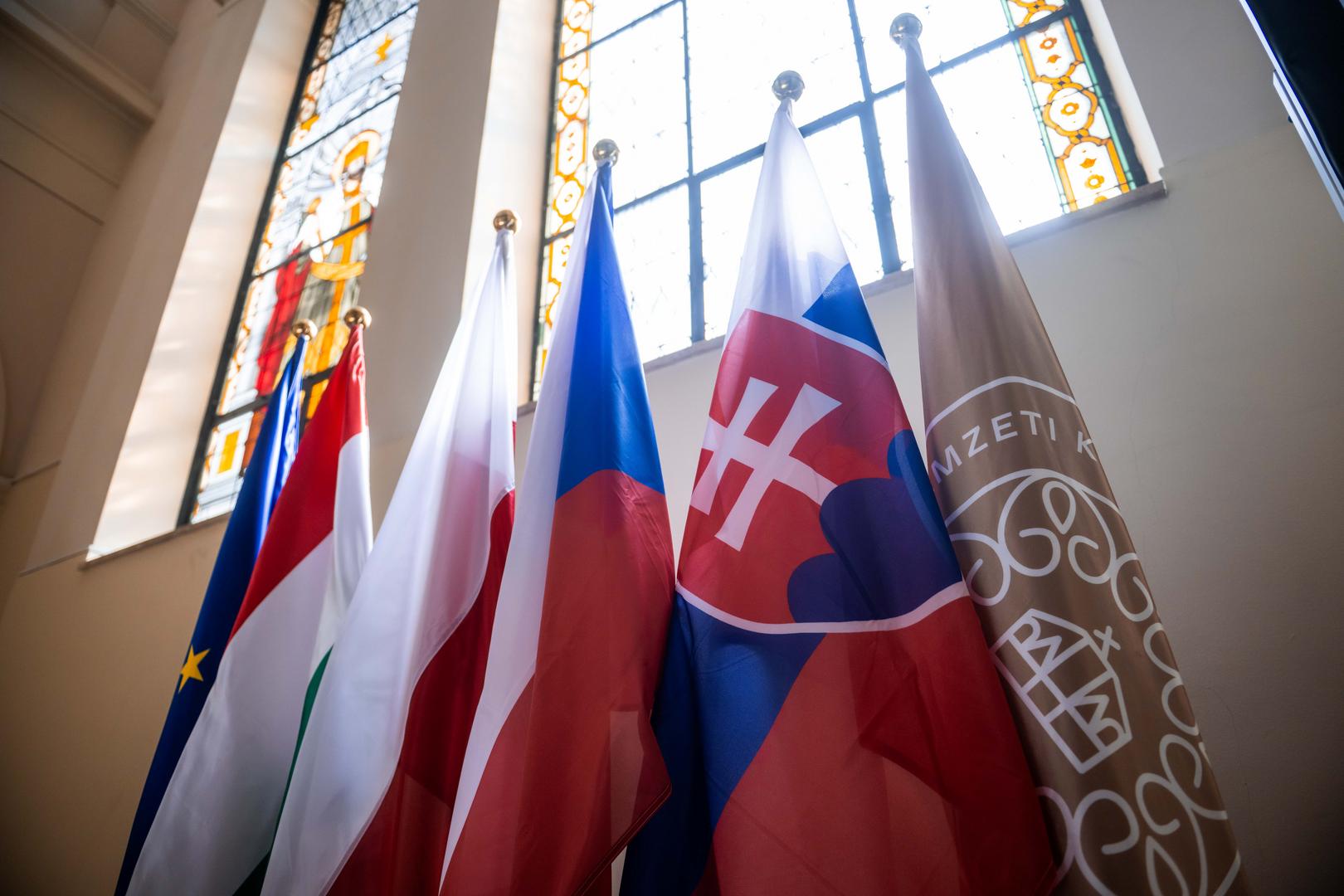
Ludovika University of Public Service has once again hosted the V4 Diplomatic Academy Summer School, an initiative that is gradually becoming a tradition. The programme, held between 29 June and 3 July, is jointly organised by LUPS’s Directorate General for International Affairs, the Academy of Polish Careers, and the Wacław Felczak Foundation. The event serves as a meeting point for emerging leaders from Central Europe, the Visegrád Four countries, and the Turkic region, who are expected to shape political, academic and strategic dialogue in the coming decades.
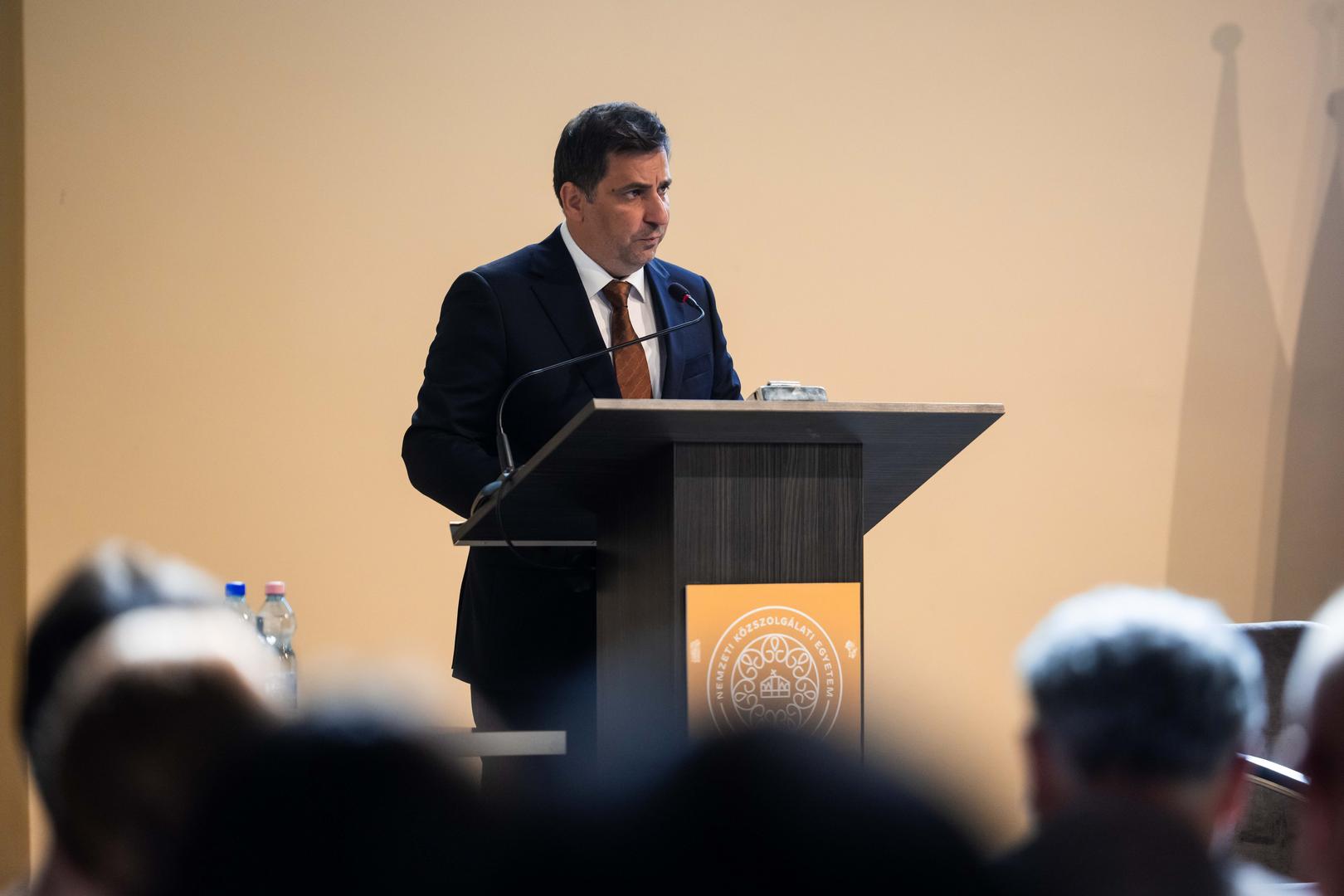
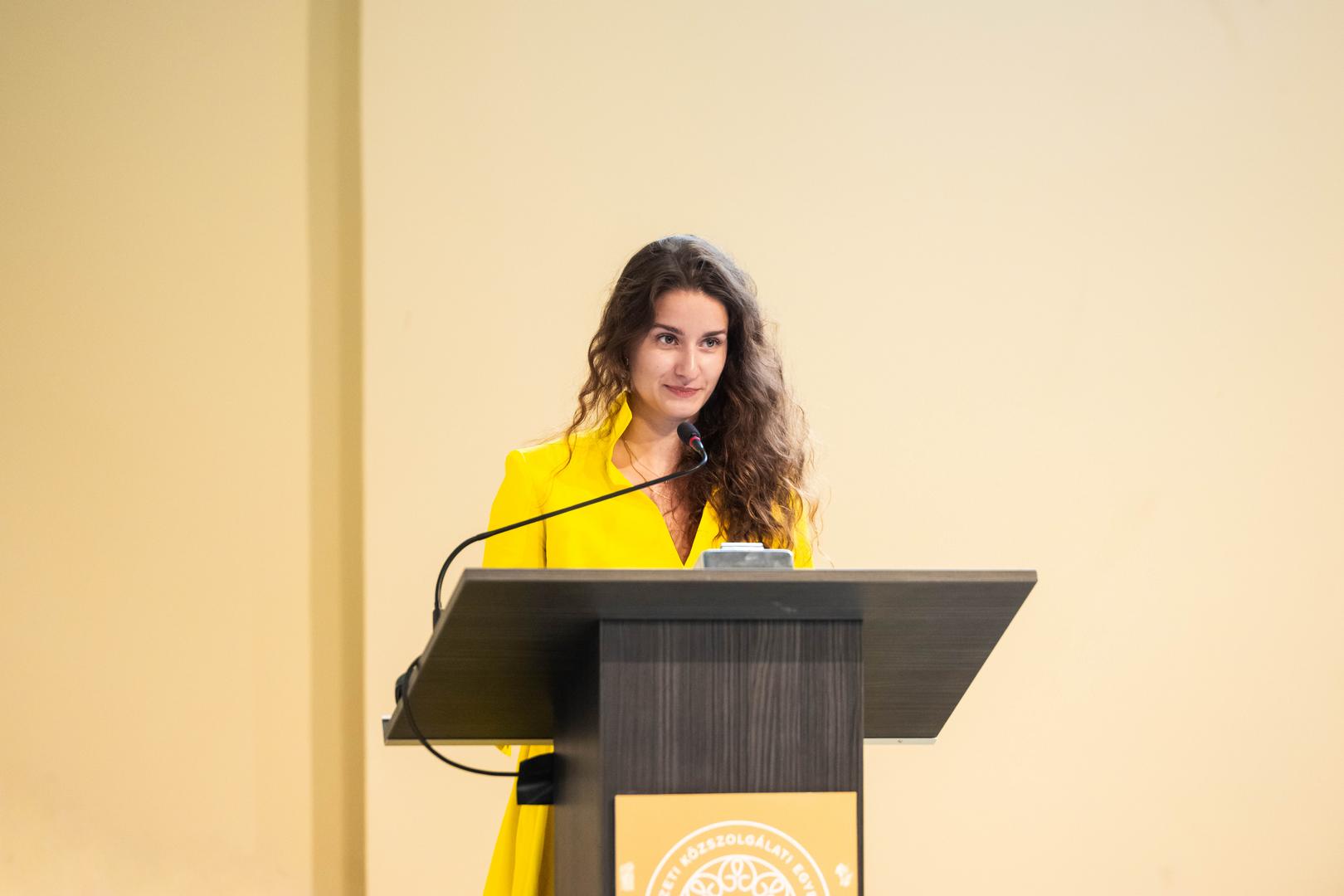
The conference opened on 29 June with a welcome address by Dr. Gergely Deli, Rector of Ludovika University of Public Service. In his remarks, he highlighted the diverse role universities play in international dialogue. He noted that higher education institutions are not only places of education, research and knowledge transfer, but also forums where countries, states and governments can engage in dialogue and build connections across different parts of the world.
The Rector also spoke about the importance of Visegrád cooperation, describing it as an example of institutionalised cooperation among countries that have followed similar historical paths. He recalled that the region has long been a meeting point for trade, languages, cultural exchange and political relations, while today’s cooperation is increasingly shaped by areas such as energy, transport, education and economic development. “The current international environment differs from the logic of previous decades, which is why institutionalised professional cooperation is becoming increasingly important,” the Rector said. He also underlined the role of universities as bridges between different cultures, institutions and ways of thinking. Referring to Ludovika University of Public Service, he stressed that public service education aims to prepare professionals who possess strong expertise in public administration, security and defence, as well as a broad understanding of the world.
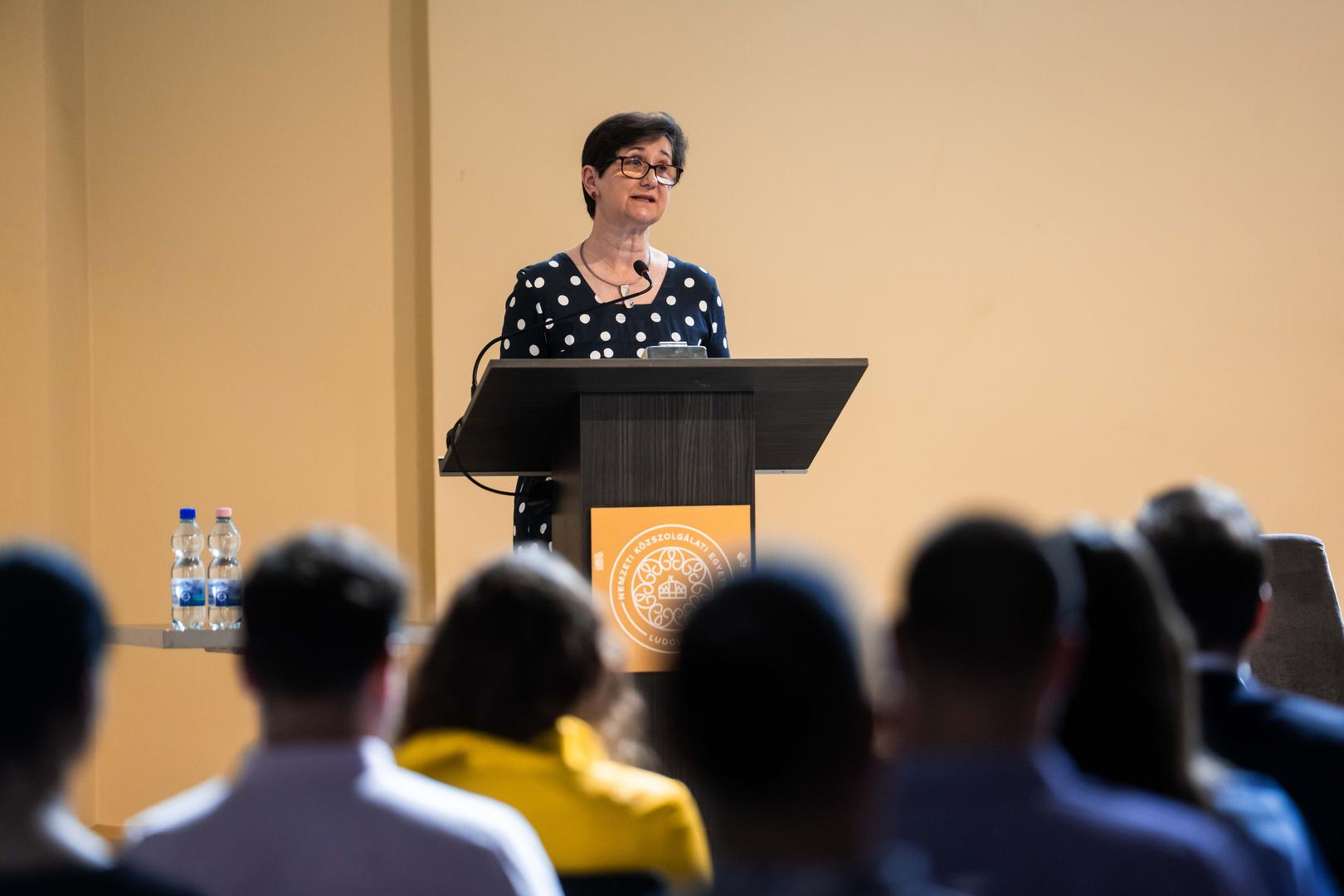
Klára Breuer, State Secretary for Bilateral Relations at the Ministry of Foreign Affairs, welcomed the university’s leadership, lecturers and students, and recalled that the founding document of the V4, the Visegrád Declaration, was signed on 15 February 1991. “The courage and strategic foresight of the signatories laid the foundations of a partnership that continues to strengthen Central Europe’s position in European and international politics,” she said. According to the State Secretary, 35 years after the signing of the declaration, the region’s leaders agree that closer coordination is more important than ever, as constantly changing international challenges can only be addressed through joint action. She added that the V4 countries are working to strengthen economic cooperation in several strategic areas, while remaining committed to the security and stability of the region. This also includes supporting cultural, educational and business exchange programmes. In this context, she described the Diplomatic Academy as part of this broader approach.
Liliana Śmiech, Director General for International Affairs at Ludovika University of Public Service, emphasised the renewed importance of regional cooperation. She underlined that joint thinking and coordinated action have become more important than ever for the countries of Central Europe. “We live in the same neighbourhood and face the same challenges, which makes cooperation particularly timely,” she said. In her remarks, she also addressed current regional and international challenges, noting that during the programme participants would discuss issues such as security, water management, and preserving competitiveness and the future of the European Union.
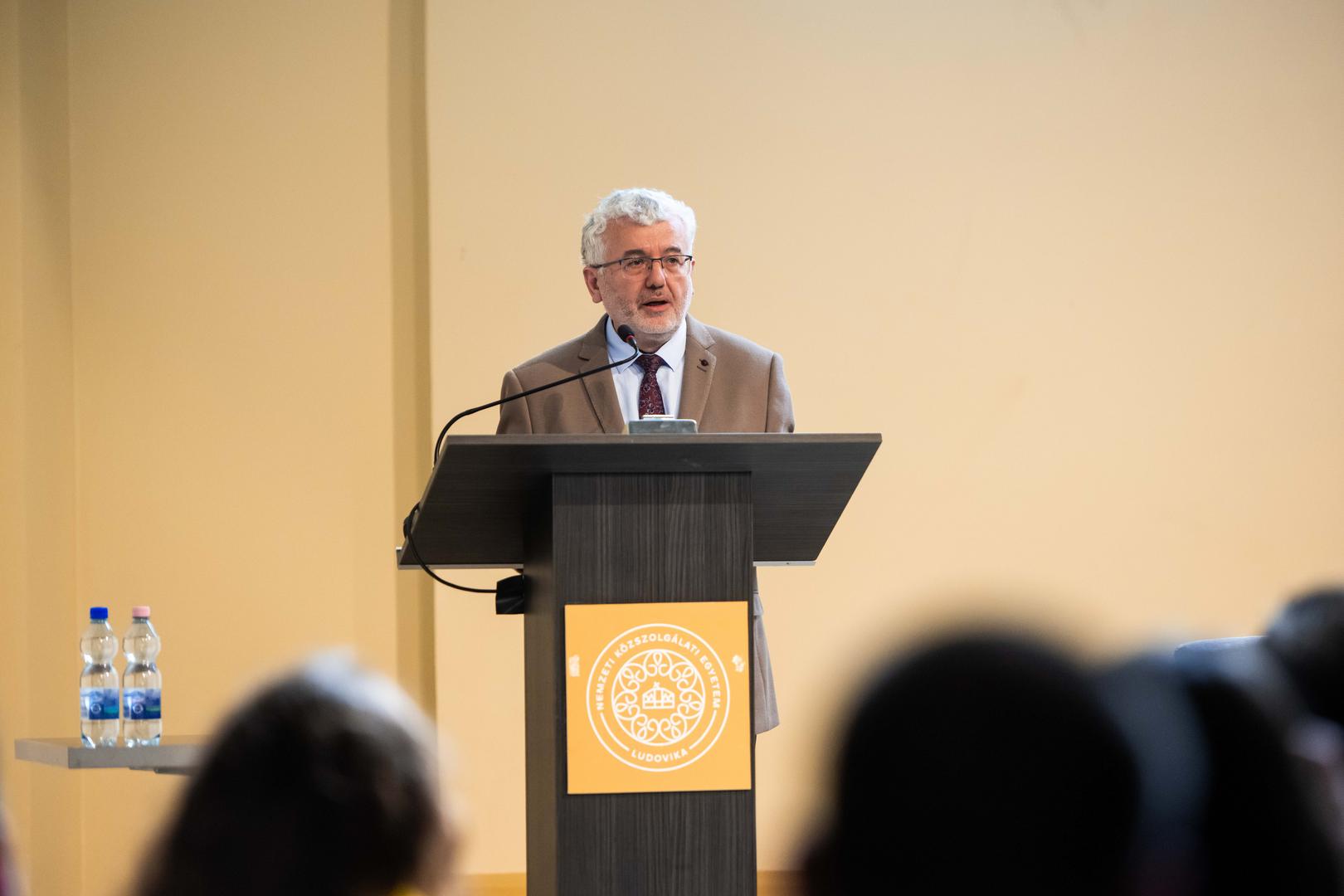
Pál Attila Illés, Director of the Wacław Felczak Foundation, also welcomed the participants at the opening ceremony. He said the event has grown into an initiative that is becoming a tradition and now serves as an important meeting point for young people from Central Europe and future diplomats. He gave a special welcome to the international students and greeted them in Budapest. He also recalled that the Hungarian capital has been one of the region’s most important centres for centuries, where rulers and statesmen have met throughout history. In this way, he underlined Budapest’s historical role in promoting dialogue and cooperation.
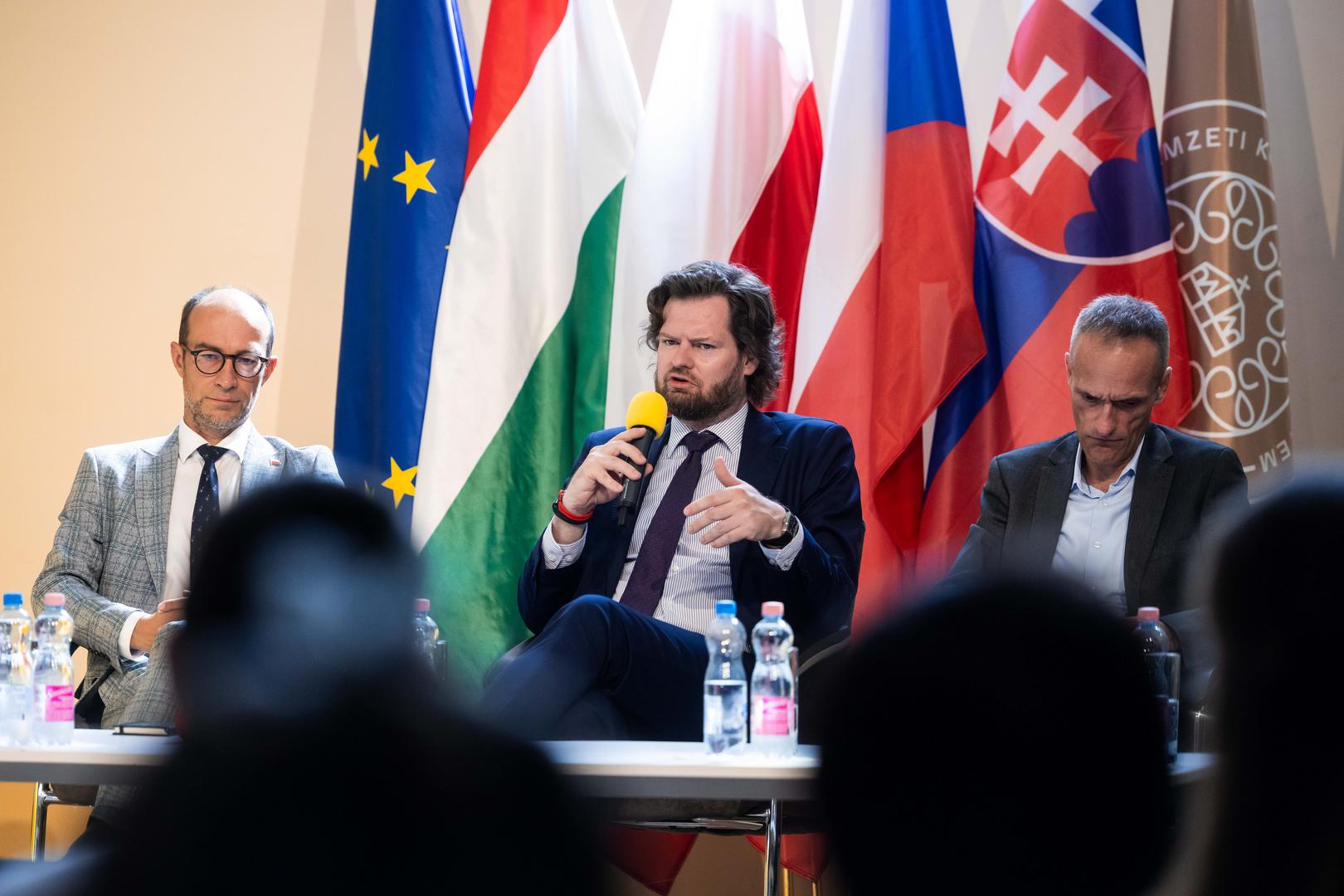
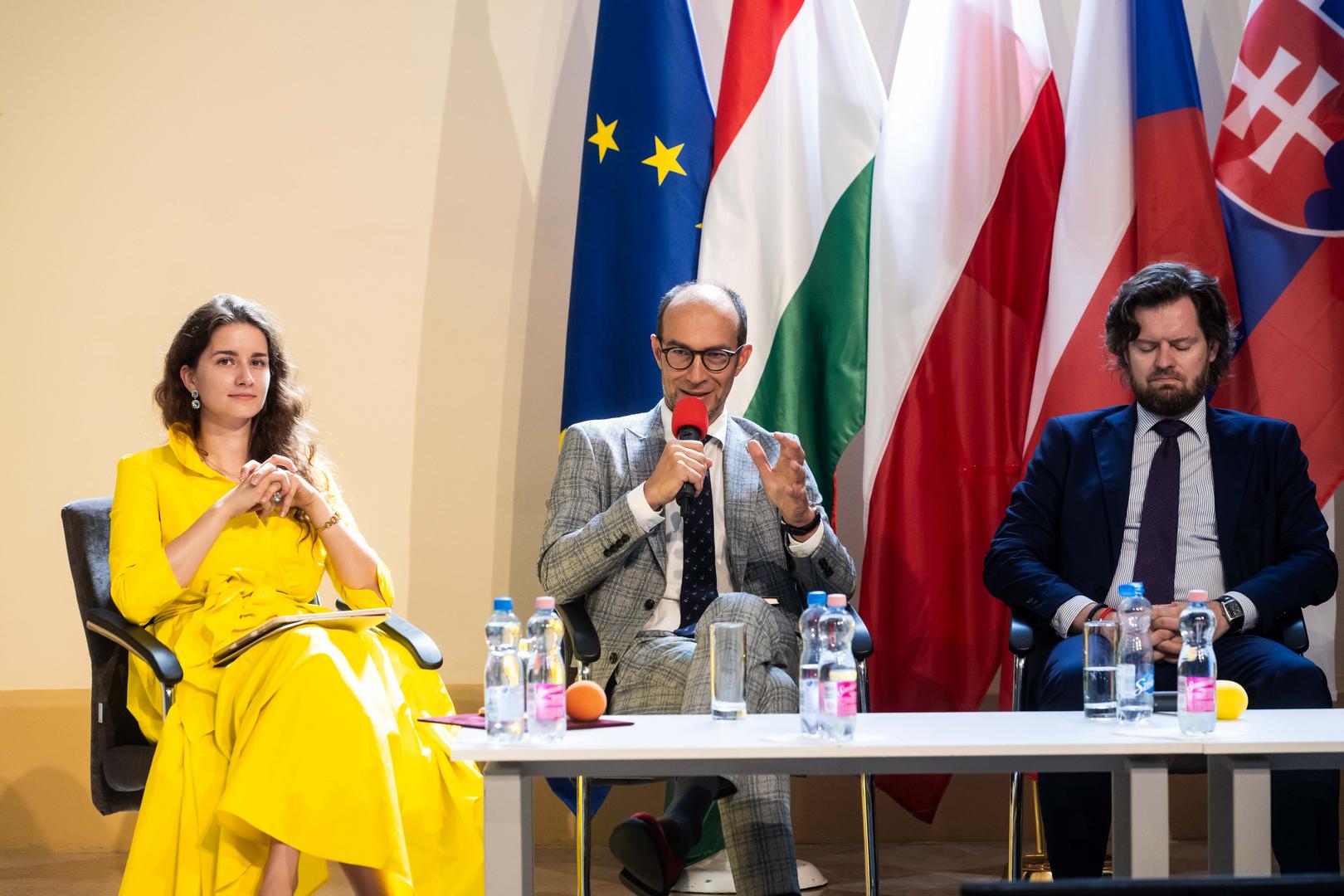
Following the opening remarks, a panel discussion was held under the title “Central Europe Between Alliance Systems: The V4, NATO and Emerging Strategic Partnerships“. The speakers included Jarosław Bajaczyk, Director of the Polish Institute; Tibor Opěla, Counsellor at the Embassy of the Czech Republic in Budapest; Gabriel Szőke, Counsellor and Head of the Political Department at the Embassy of the Slovak Republic in Budapest; and Dr. Péter Krisztián Zachar, Vice-Dean for International Affairs at the Faculty of Public Governance and International Studies of Ludovika University of Public Service. The discussion was moderated by Liliana Śmiech.
The participants highlighted that Central European regional cooperation has gained renewed importance due to the geopolitical challenges of recent years. They agreed that the countries of the region can better represent their shared interests within both the European Union and NATO by coordinating their positions. In their view, joint action is particularly important in EU budget negotiations, cohesion policy, and efforts to support the region’s economic development. Security policy was also a key focus of the discussion. The experts pointed out that since Russia’s war against Ukraine, Central European countries have been facing similar challenges, including hybrid threats, cyberattacks, the protection of energy and transport infrastructure, and the development of defence capabilities. They agreed that coordinated regional action is also essential in these areas.
In the next days, the summer university has continued with a diverse programme of workshops, panel discussions and lectures. Students explored topics such as the challenges of modern journalism, the future of European security policy and the security risks posed by disinformation. The organisers emphasised that the programme, designed for bachelor’s, master’s and doctoral students, offers a forum where future diplomats, decision-makers and opinion-formers can exchange ideas, learn about new perspectives and build professional relationships that reach across national borders and generations.