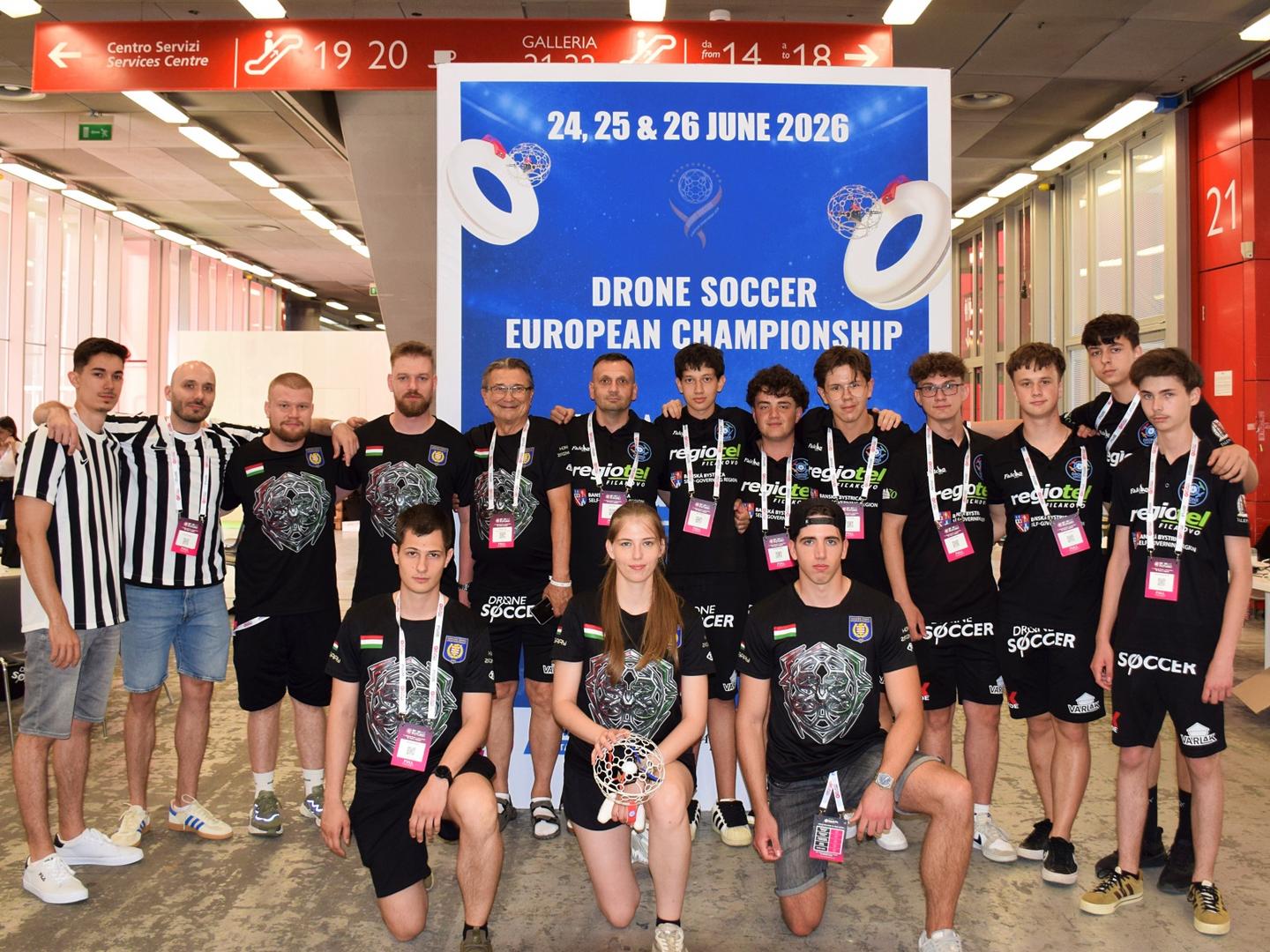
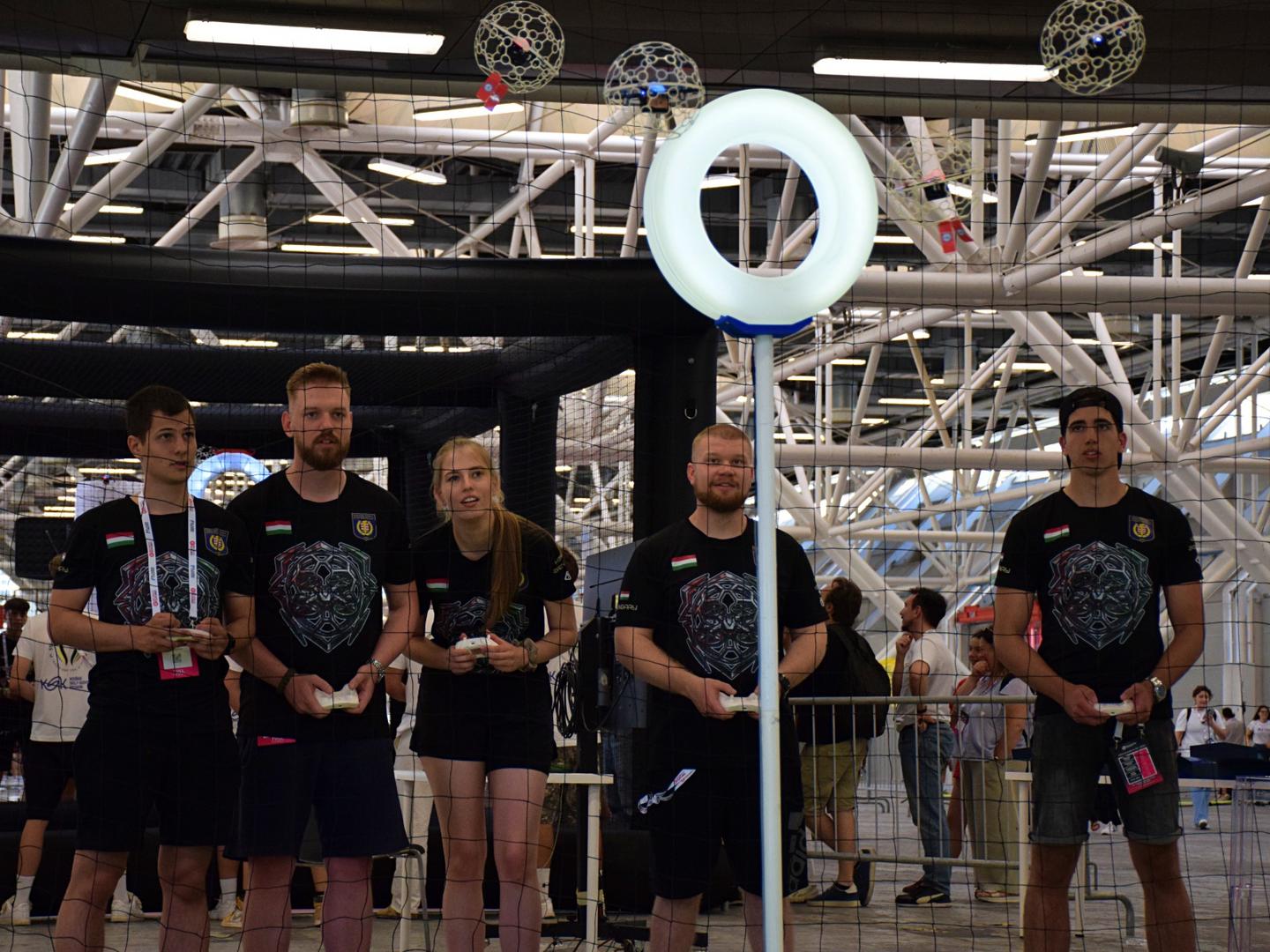
From 24 to 26 June 2026, Bologna, Italy, played host to the inaugural Drone Football European Championship, organised under the auspices of the French member association of the Federation of International Dronesoccer Association (FIDA). The event was held within the framework of the internationally renowned "We Make Future" conference and exhibition, and marked a significant milestone in the development of drone football across the European continent. Teams competed across multiple categories, making the championship one of the most comprehensive drone football gatherings the sport has seen to date.
Three separate competitions were staged by the organisers. The International Drone Soccer Club Challenge brought together nine club teams, the International Drone Soccer School Challenge featured six educational institutions, and the European Drone Soccer Cup saw national teams from four countries compete for continental honours. Entry into the two "challenge" categories was open via application, whilst participation in the European Cup was subject to qualification. The team representing the Ludovika University of Public Service (LUPS) — comprising cadets from the Military Infocommunication undergraduate programme, specialising in Radio-Electronic Reconnaissance and Electronic Warfare — had earned their place by winning the 1st Hungarian Drone Football National Championship. Furthermore, as the team also satisfied the criteria of the remaining two categories — being university cadets and simultaneously members of the Drone Sports Section of the Honvéd Zrínyi Sports Association — Hungary was able to field competitors across all three competitions.
The Hungarian delegation was rounded out by the President of the Hungarian Drone Football Federation and two official Hungarian referees. On the opening day, following the formal ceremony, team managers received a comprehensive briefing on the competition rules. Two South Korean observers were also on hand to assist FIDA's operations. In light of certain gaps in referee experience, the organisers — in consultation with the observers — decided that penalties would not be enforced during the championship, whilst stressing the paramount importance of consistent adherence to the rules. Disputed situations arising during matches were resolved through dialogue, with decisions reached jointly by referees, team managers, and FIDA representatives.
Following the draw, teams began their preparations across two purpose-built arenas. The Hungarian squad was invited to participate in an exhibition match, which provided a valuable opportunity to familiarise themselves with the particular characteristics of the playing surfaces. One arena's metal supporting structure and metal-footed goals subsequently proved problematic for several teams: drone balls became repeatedly lodged within hollow structural elements, resulting in player disqualifications.
The first day of competition was dedicated to the International Drone Soccer School Challenge. Despite battling technical difficulties throughout, the Hungarian team finished the day in second place, recording three victories, one draw, and one defeat — a commendable return under trying circumstances. The round-robin stage of the European Cup continued to present technical challenges: Hungary fell to the French team in a closely contested 2–1 defeat, comfortably overcame the Romanian side, but were edged out by Slovakia. After the official programme concluded for the evening, the Hungarian squad held additional training sessions, during which a new defensive strategy was devised and drilled based on the lessons learned from the day's matches. The adjustments bore fruit almost immediately: on the second day, the technical issues were resolved, the team's collective play came together cohesively, and Hungary went on to win every single match they contested.
In the Club Challenge group stage, the Hungarian team swept all eight of their fixtures to advance to the knockout rounds in first place. In the School Challenge semi-final, they secured a place in the final following a closely fought, high-quality encounter. In the Club Challenge play-offs, Hungary first comprehensively defeated the French side Shadow Vortex, before dispatching the team from Fiľakovo Grammar School with equal authority. On the opposite side of the bracket, FIDA Slovakia 1 progressed to the final. The second day concluded with the European Championship semi-final against France — and it proved to be a performance of the highest order. The Hungarian team netted 22 goals in each of their two winning sets, setting the record for the day and booking their place in the following morning's final.
The third and final day was reserved for the bronze medal matches and grand finals. Hungary's standard of play remained impressively high throughout; however, technical difficulties resurfaced alongside the competitive pressure of the deciders. Against this backdrop, it is all the more to the team's credit that margins remained extraordinarily tight until the very end. Ultimately, the Hungarian squad claimed silver medals in all three finals — an outstanding collective achievement of which everyone associated with LUPS can be immensely proud.
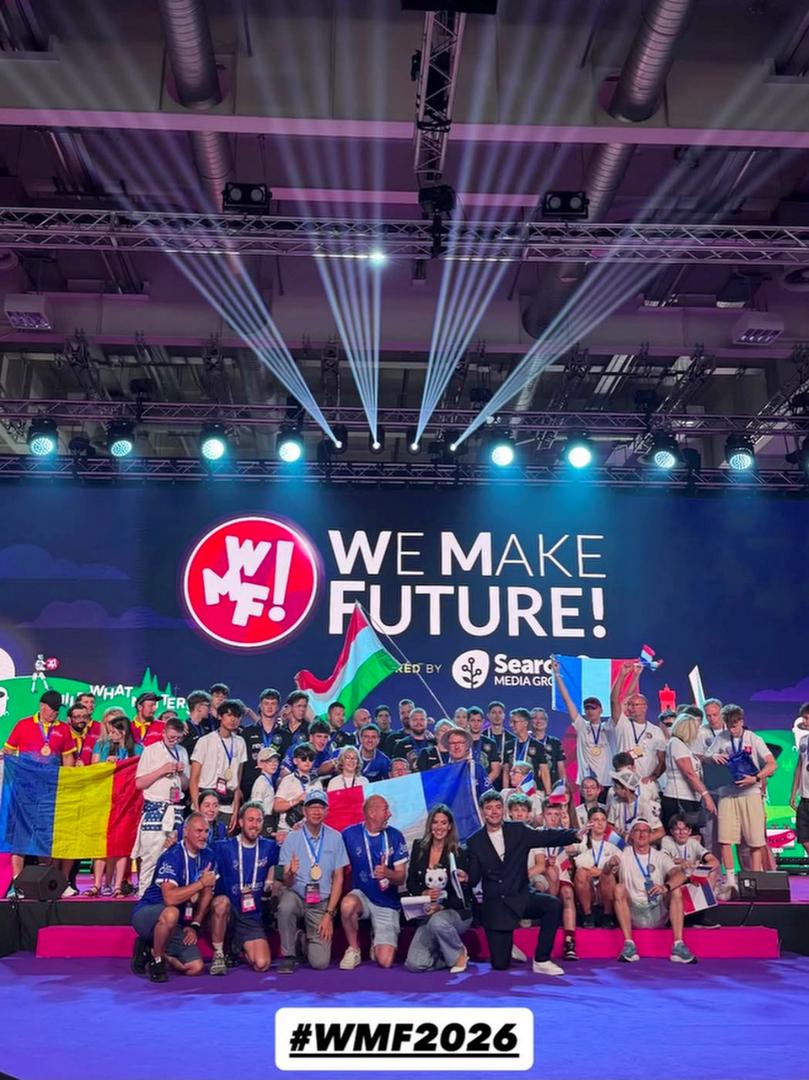
Following the medal ceremonies, participants were also given the opportunity to take to the main stage of the We Make Future event as part of the closing ceremony, offering a fitting and celebratory conclusion to three intensive days of competition.
Beyond the competitive element, the championship served as an invaluable platform for forging professional connections and exchanging expertise. Teams freely shared tactical solutions, manoeuvres, and technical insights with one another in a spirit of genuine camaraderie. The event as a whole was characterised by fair play, mutual respect, and a willingness to collaborate — all of which contributed meaningfully to the ongoing development of drone football across Europe. Based on the positive experiences gathered both in preparation and in competition, there is every reason to believe that the sport will continue to grow in popularity throughout Hungary, ensuring that we remain well-placed to keep pace with its European and global advancement in the years ahead.
The LUPS drone football team's results at the 2026 Drone Football European Championship in Bologna represent not only a sporting triumph, but a testament to the dedication, adaptability, and technical excellence of our cadets. We congratulate the entire team and look forward to following their continued progress.
Text: Colonel Ferenc Petruska, Lieutenant Colonel Annamária Sinkáné Halmi, Lieutenant Colonel Dr. András Németh
Photos: Acting Master Sergeant Benedek Fábián