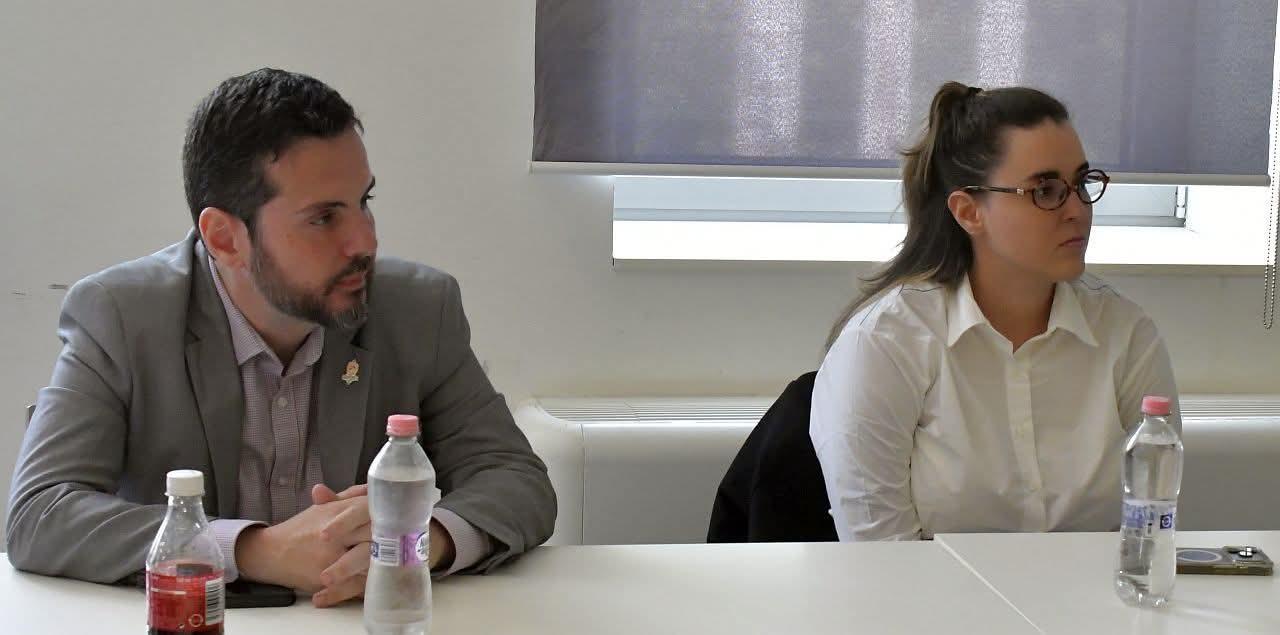
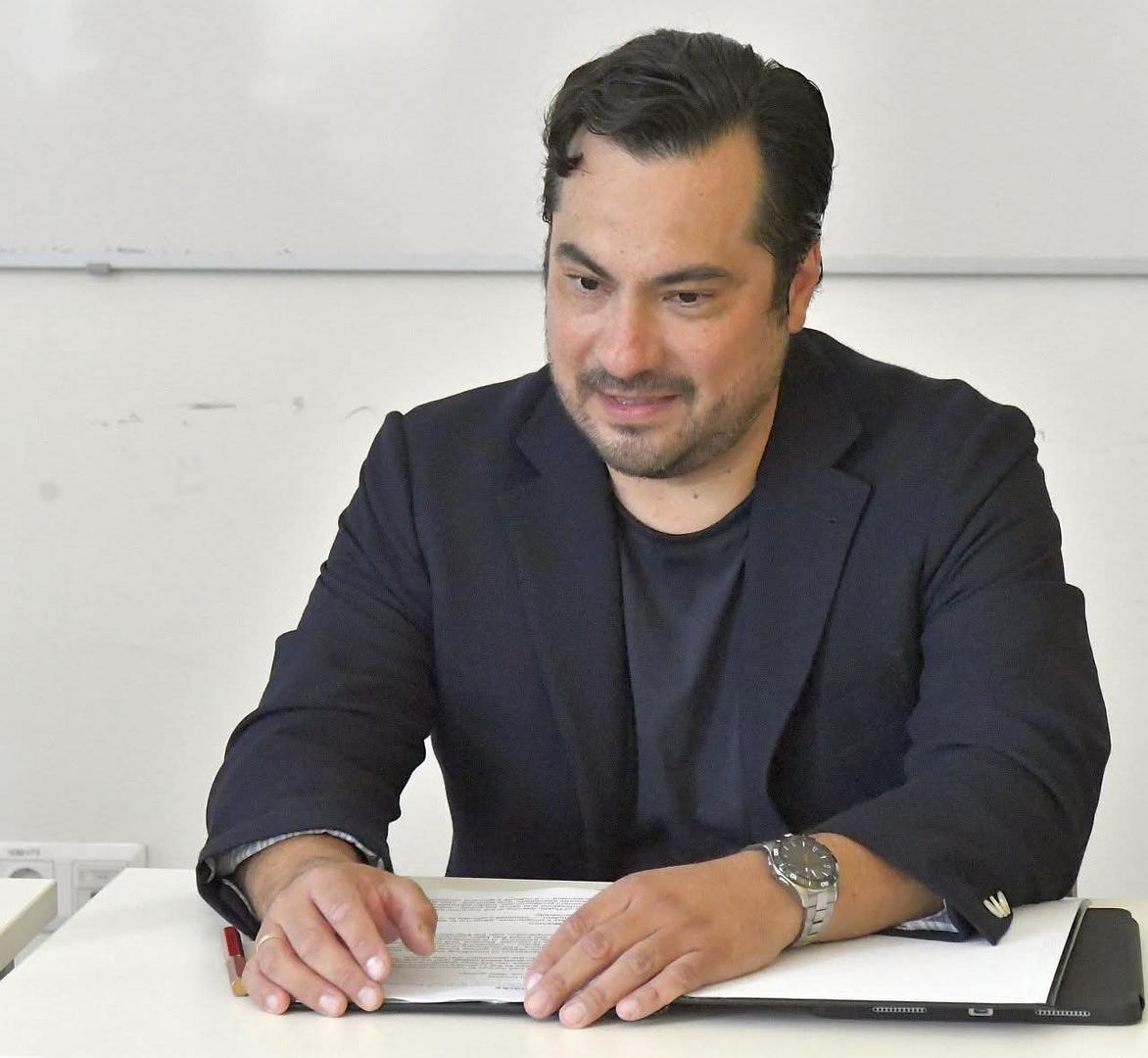
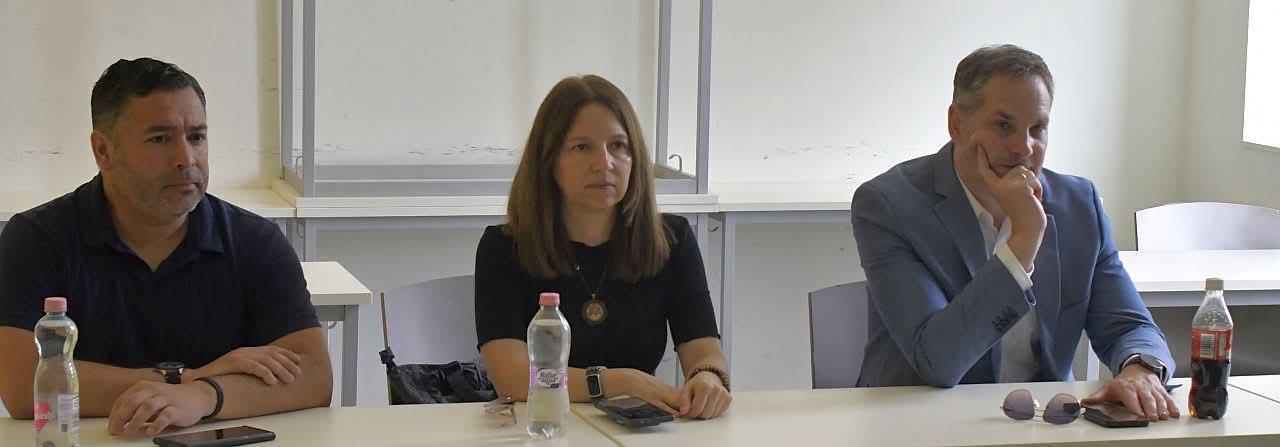
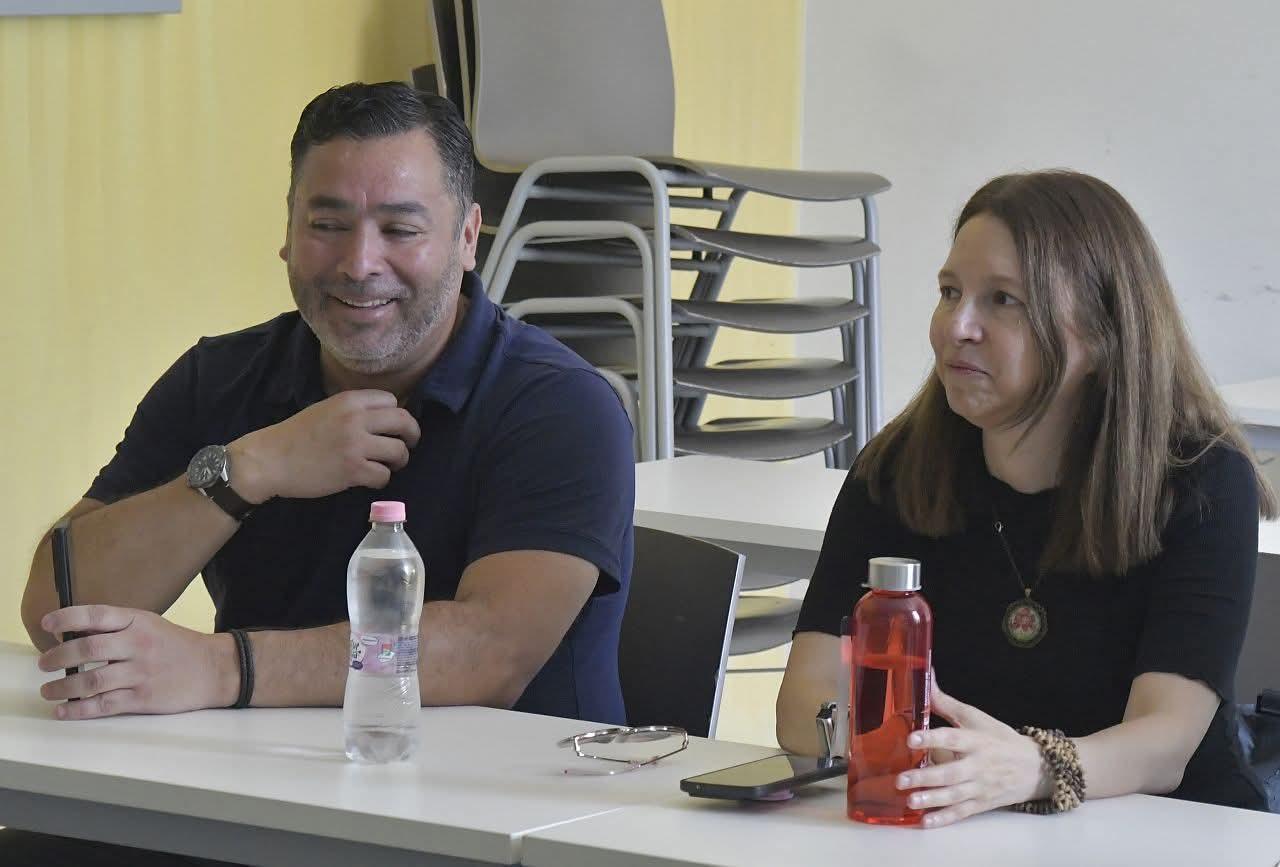
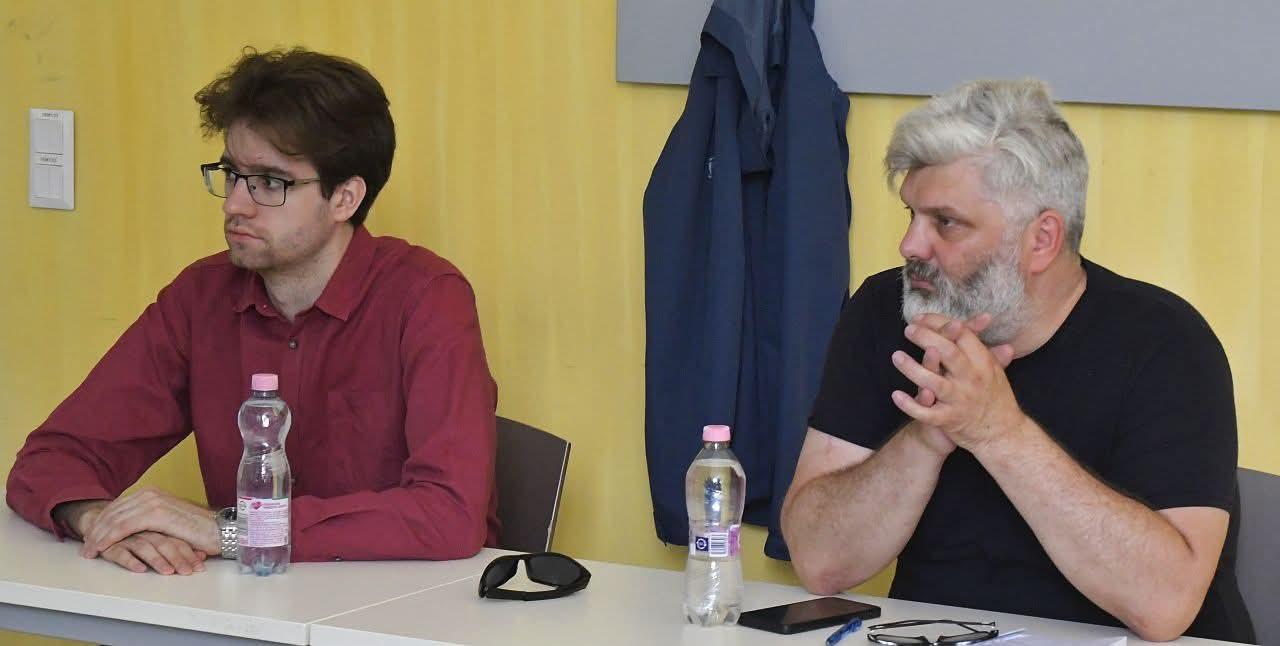
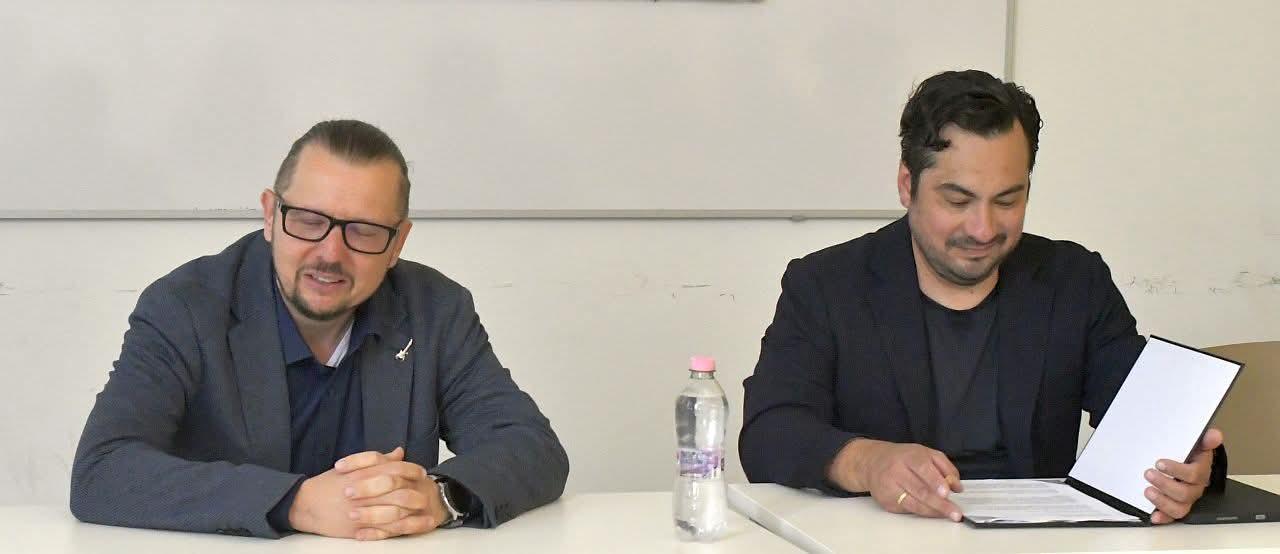
The Faculty of Public Governance and International Studies at Ludovika hosted a professional workshop on a unique and highly topical subject. The event was organized in collaboration with the Institute for Migration Studies and the Meira Mattos Institute of the Brazilian Army Command and General Staff School (ECEME), providing an opportunity for experts to discuss Latin American and European migration experiences, with a particular focus on the military’s role in humanitarian and border control operations.
The discussion was opened by Pier Paolo Pigozzi, Vice Rector for International Affairs at Ludovika, who emphasized in his speech the importance of academic dialogue between Hungary and Brazil. He pointed out that the University of Public Service, as a unique, interdisciplinary institution, serving as a shared intellectual home for military personnel, police officers, public administration professionals, and security policy experts, provides the perfect venue for discussing such complex, global challenges.
The keynote speaker at the workshop was Professor Dr. Gustavo da Frota Simões, head of the ECEME Doctoral Program. He began his presentation with a provocative question: “If a mass migration crisis reaches the border, is the army’s sole task to keep people out—or can soldiers become the primary drivers of a humanitarian mission?”
Brazil’s response to the mass migration from Venezuela was not to close and militarize its borders. Instead, under the leadership of the armed forces, they established a highly structured, state-level humanitarian corridor known worldwide as Operação Acolhida (Operation Welcome). Professor Simões presented the three-pillar logistical model through which the armed forces are successfully managing the crisis. The process begins with border management, during which arrivals are registered, issued with documents, and undergo health screenings and vaccinations. This is followed by the accommodation phase, where, in cooperation with international organizations, basic care is provided to those in need in modern tent and container camps. Finally, as the most innovative element of the program, within the framework of internal integration, refugees are transported on a voluntary basis – with logistical support from the military (via buses and planes) – to the country’s economically more stable inland cities, where civil society organizations and local authorities facilitate integration by providing job opportunities and permanent housing.
Another featured speaker at the event was Luísa Guimarães Vaz, a doctoral candidate of ECEME and in the School of Political Science at the Complutense University of Madrid, who focused on Brazilian and Spanish practices in managing migration. Spain, functioning as an external border of the European Union, manages migration primarily within a national security and border protection (securitized) framework in accordance with strict EU standards, while Brazil strives for a balance between humanitarian aid and national security considerations. In this unique Brazilian model, the military performs logistical and coordination tasks rather than traditional deterrence functions. The comparison also highlighted that differing political and legal definitions of the term “crisis” fundamentally determine the armed forces’ scope for intervention and their actual room for maneuver.
During the roundtable discussion following the presentations, Hungarian and foreign experts drew numerous parallels between European and South American migration patterns and analyzed future scenarios. The conclusion of the workshop was that the issues of migration and border management can no longer be examined solely from the perspective of a single academic discipline or government agency. The Brazilian experiences, though arising from a different geographical and political context, offer extremely valuable theoretical and practical lessons for European representatives in security policy, military science, and migration research as well. International events such as this are crucial for developing policy responses to the most defining global challenges of our time that are grounded in a realistic assessment of the situation and are effective in practice.
Text: FPGIS International Divison
Photos: Tibor Fuisz, András Szabó