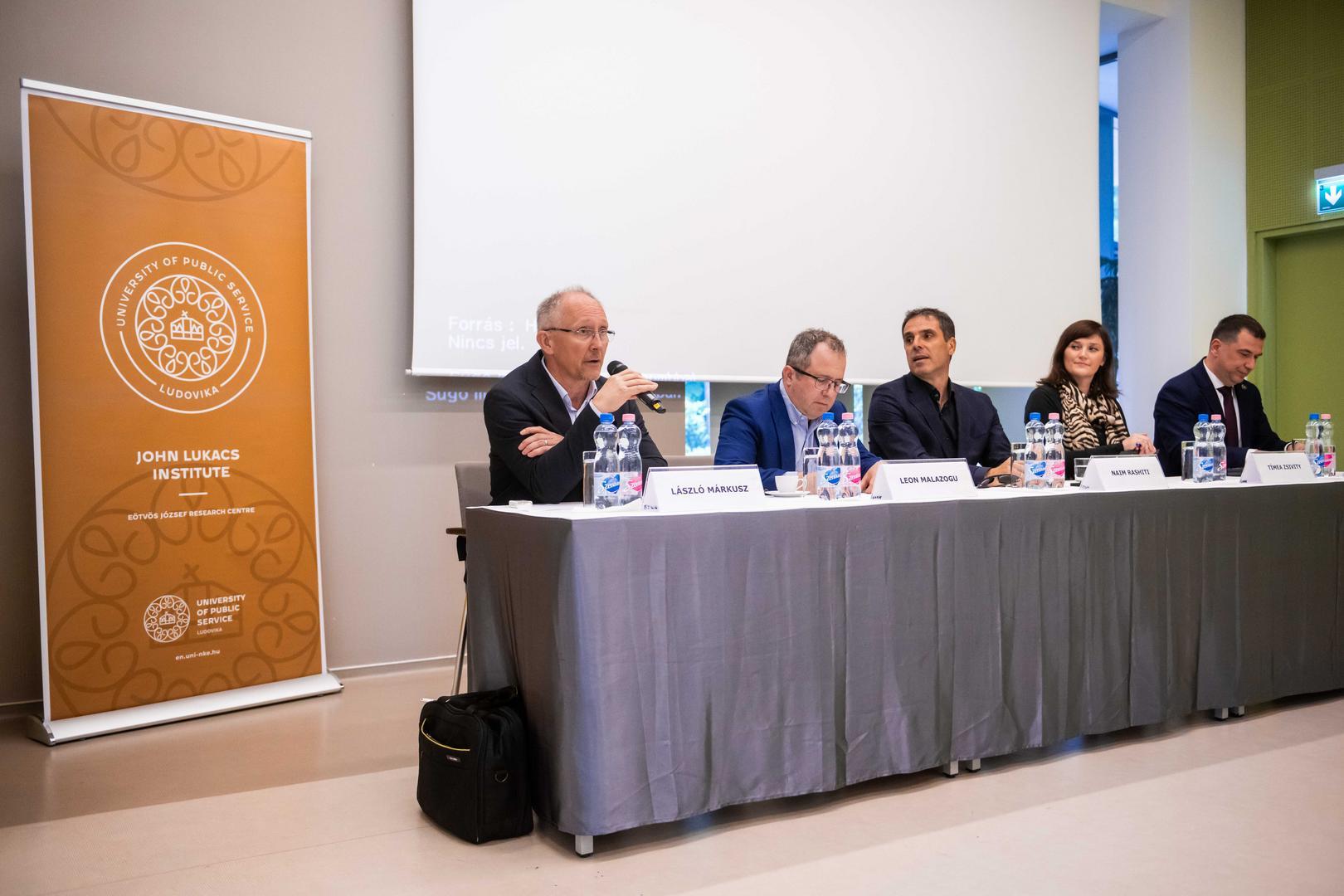
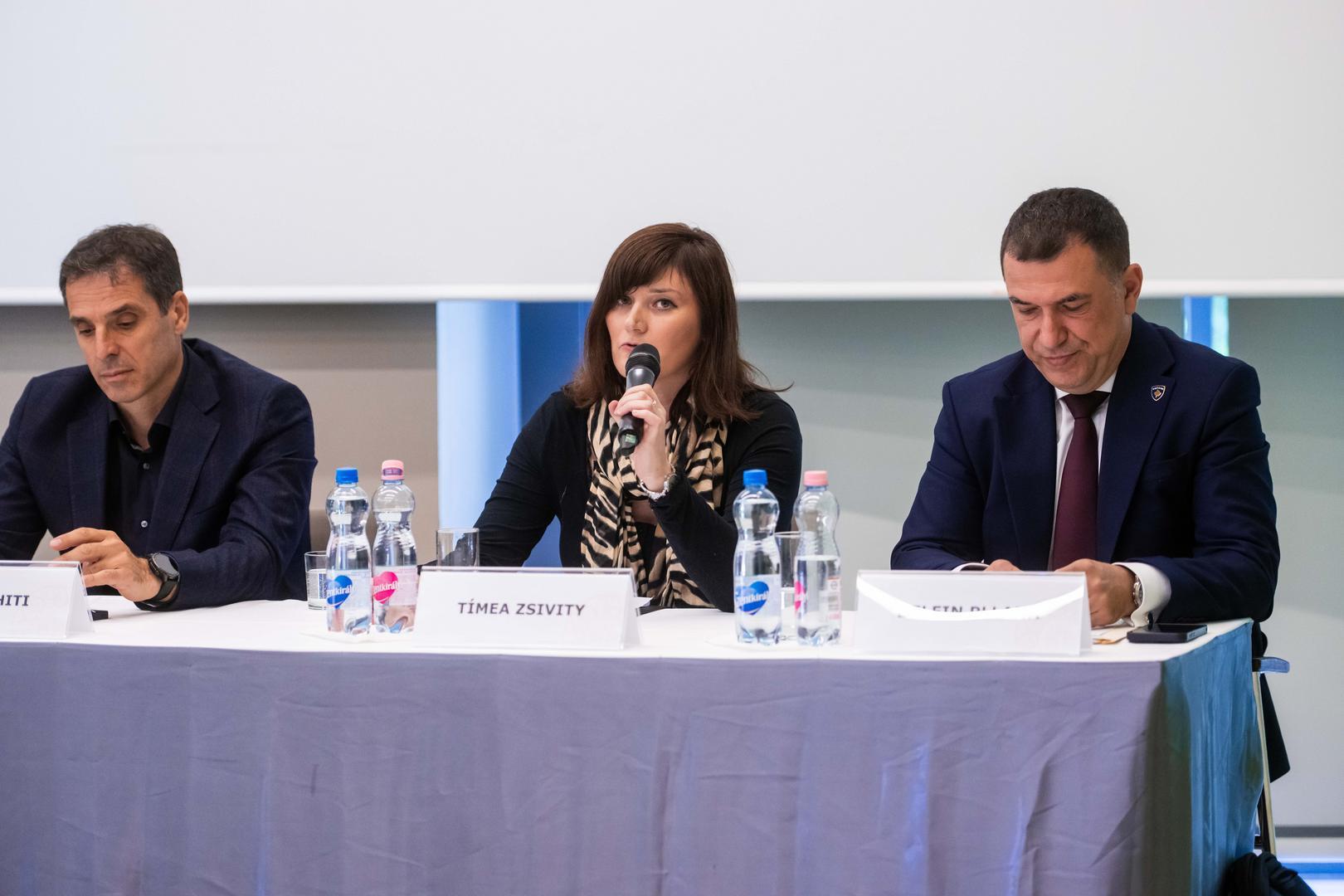
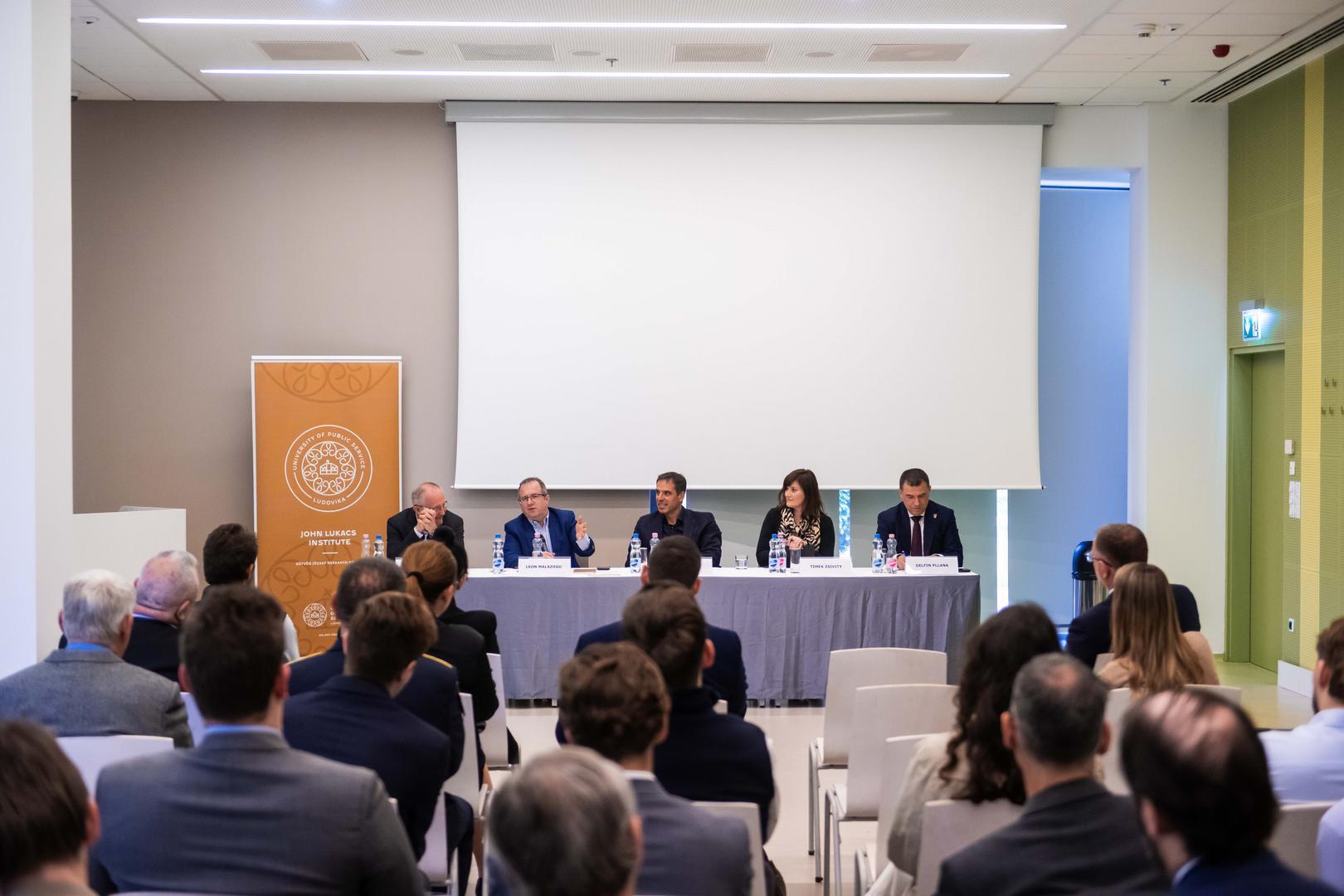
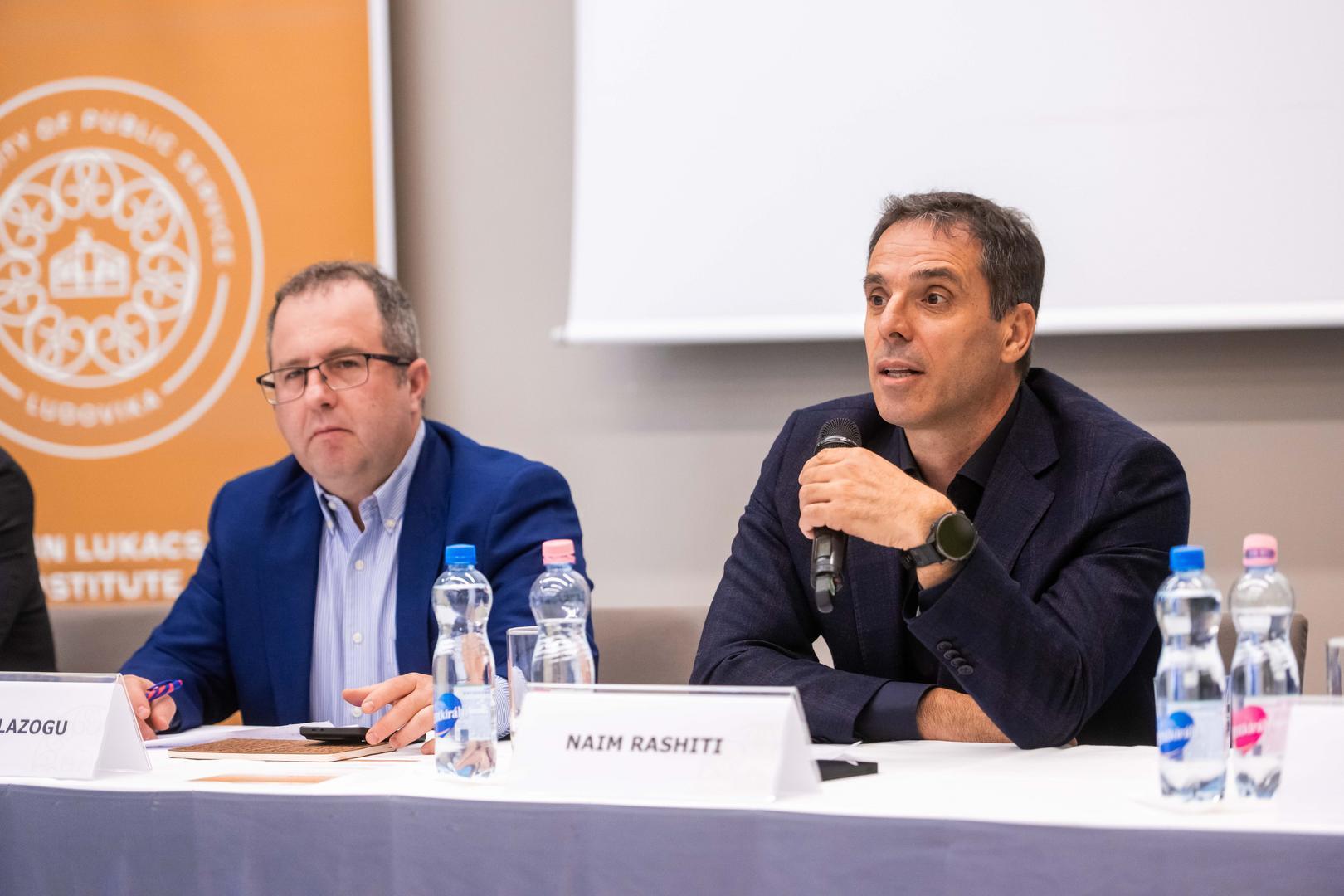
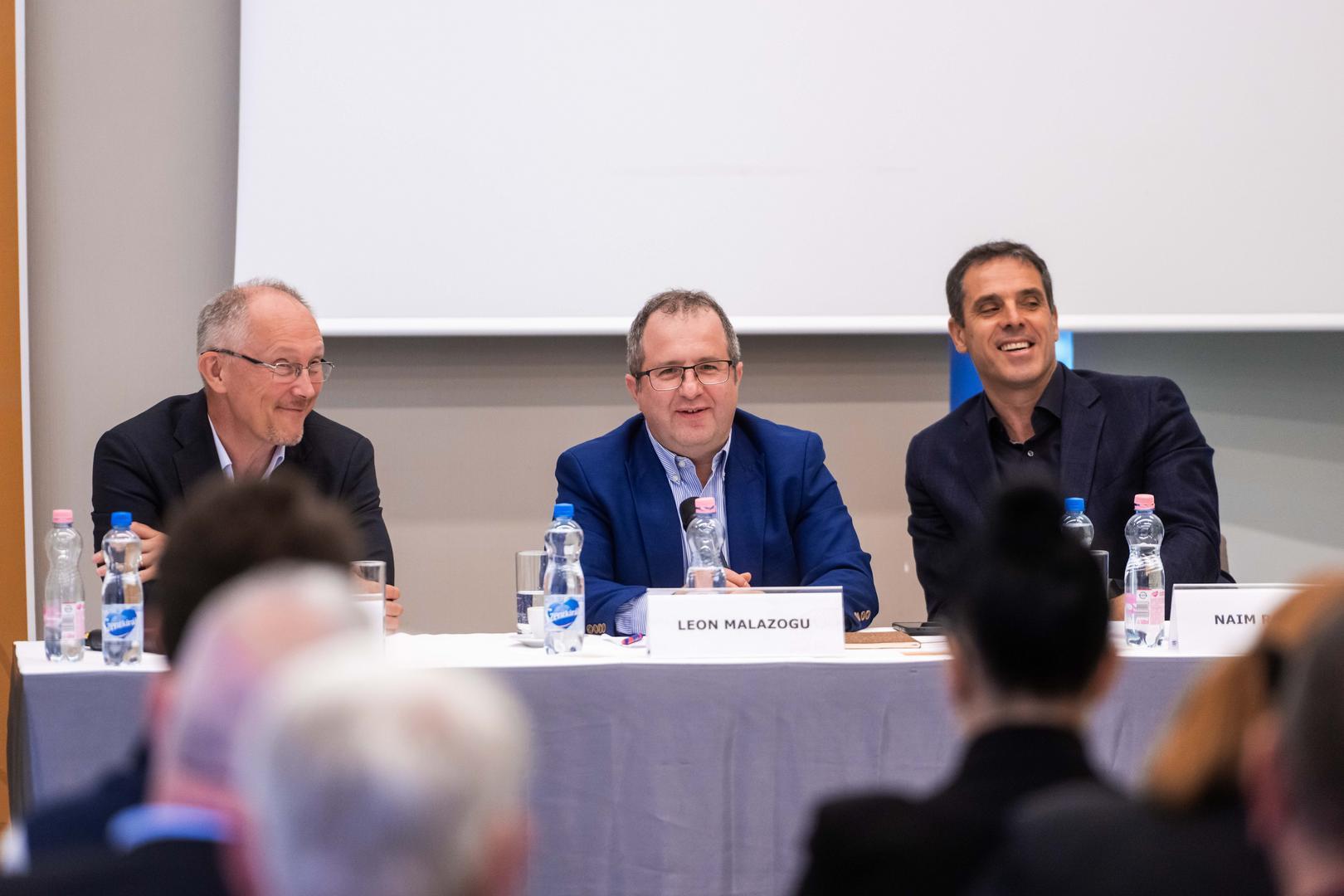
The instability of Kosovo’s political system over the past year and a half, as well as changes in the international environment, were at the center of the Quo vadis Kosovo? conference organized by the John Lukacs Institute of the Eötvös József Research Center at the Ludovika University of Public Service. According to the participants, the country is being forced to confront deeper constitutional and political dilemmas.
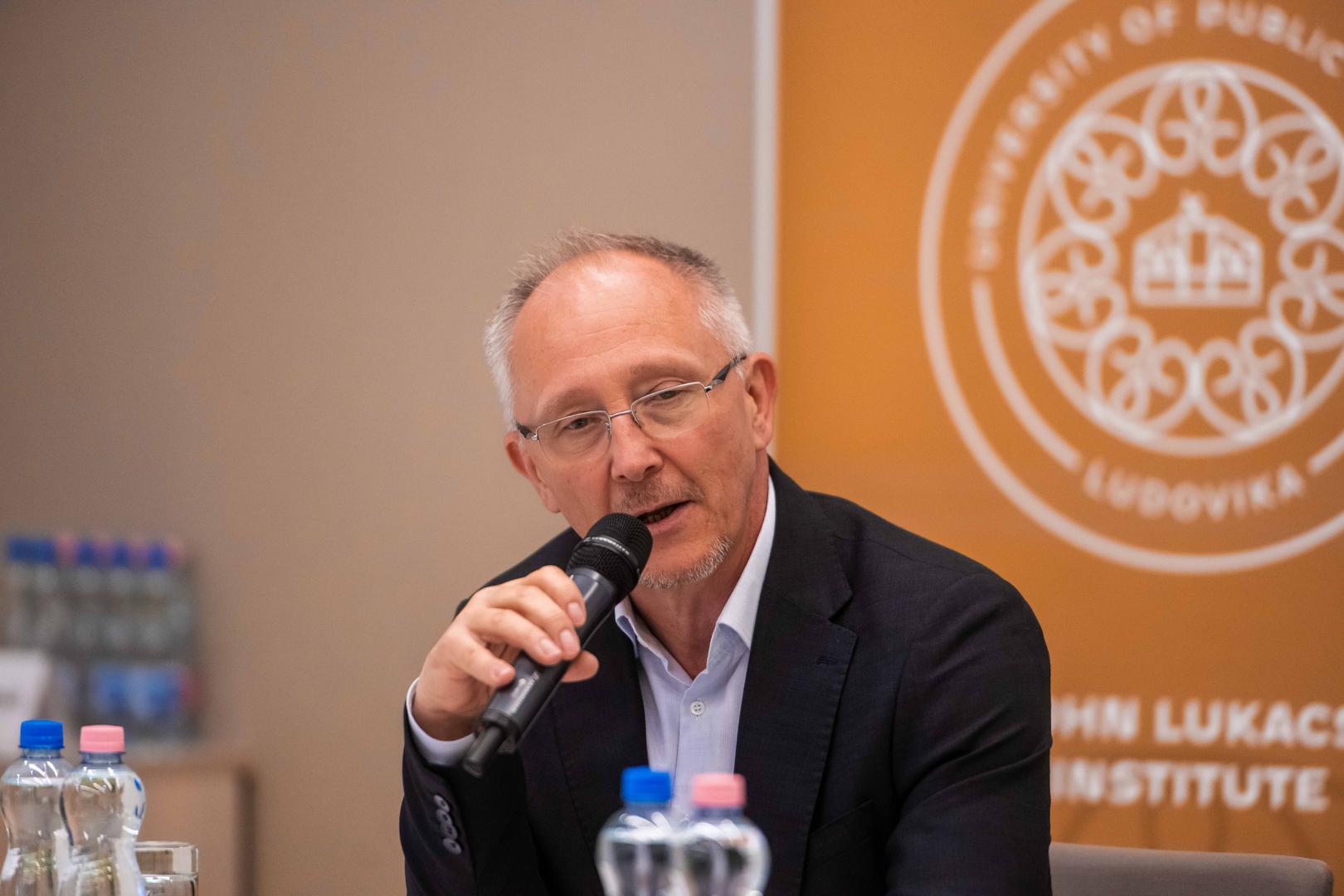
The event was opened by László Márkusz, research fellow at the John Lukacs Institute, who pointed out that Kosovo’s domestic political developments rarely appear in sufficient depth in international discourse, even though the stability of the Western Balkans remains an issue of European significance.
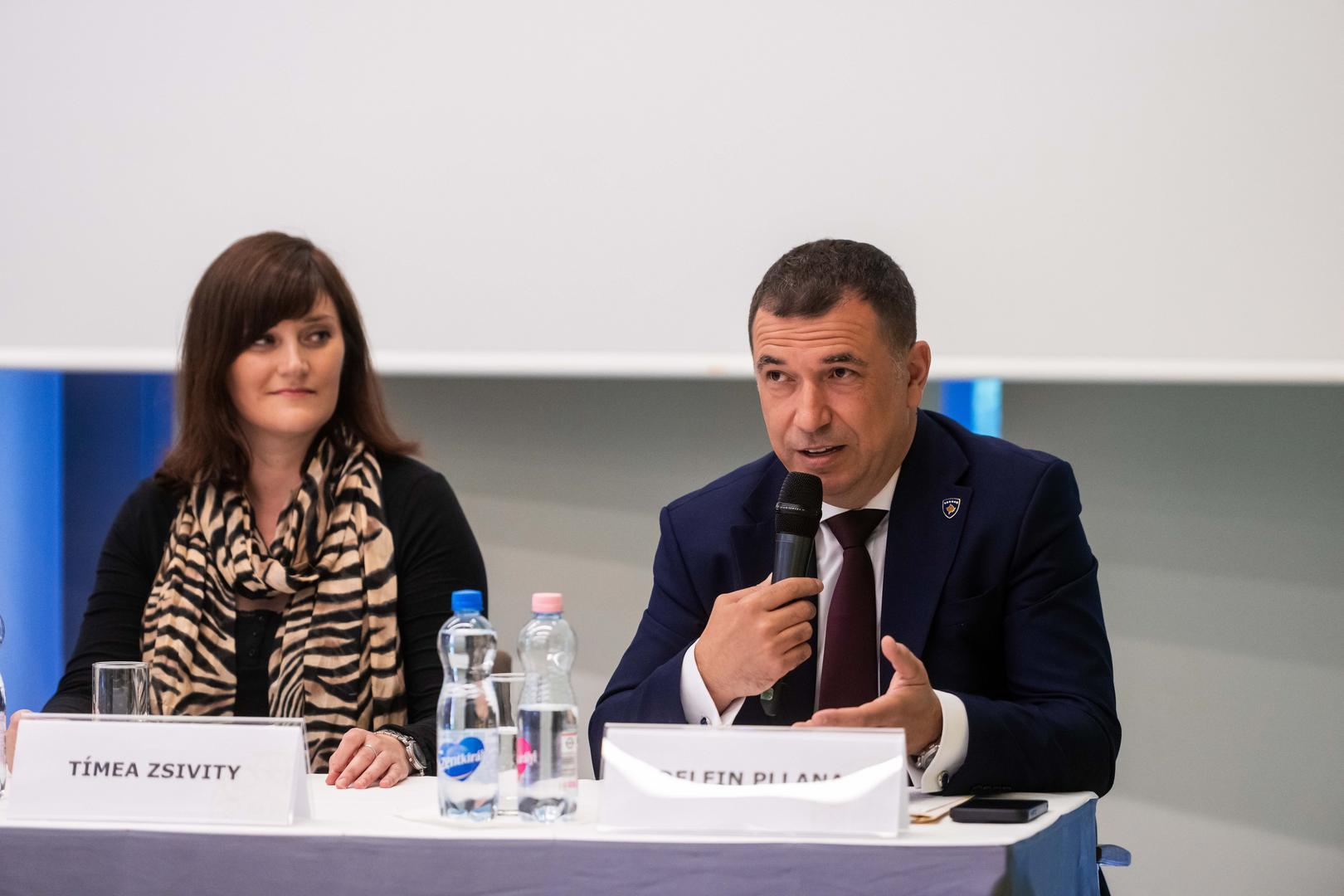
The starting point of the first panel discussion, titled Kosovo in the Trap of Elections, was the fact that Kosovo is once again facing parliamentary elections within a short period of time. According to the participants, understanding the current situation requires looking back as far as the 2021 elections. Delfin Pllana, Kosovo’s ambassador to Budapest, emphasized that Kosovo’s political system had long been built around post-war political elites connected either to the Kosovo Liberation Army or to the era of peaceful resistance. In contrast, the 2021 victory emerged as a system-critical movement that based its politics on anti-corruption efforts and institutional reforms.
One particular feature of Kosovo’s electoral system is that twenty seats in the 120-member parliament are reserved for minority communities, ten of which belong to the Serbian community. The entire country constitutes a single electoral district, and voters can cast ballots in an open-list system. The system is built around the necessity of compromise: obtaining a parliamentary majority alone is not sufficient for stable governance, since the election of the president requires broader parliamentary support. This is precisely what led to the current political deadlock after parliament failed to reach agreement on the issue of the presidential election.
This raised the question of whether the constitutional system itself causes political crises. According to Naim Rashiti, head of the Balkans Policy Research Group, Kosovo’s current political functioning is fundamentally shaped by the fact that the country’s institutional system was created in a post-war environment under strong international supervision. Kosovo’s constitutional system is modern and based on strong checks and balances, yet many political actors have never truly felt ownership of it. The original goal of the system was to prevent the re-emergence of ethnic and political conflict, which is why power-sharing and ethnic representation were given prominent roles. However, according to Rashiti, over time more and more political actors have come to view this structure as an obstacle.
Kosovo’s current problems partly stem from the fact that the political system still operates according to post-conflict logic, while society and political generations have changed. The previous political elite used the compromise- and power-sharing-based model to maintain its own positions, while some of the new political actors seek precisely to dismantle this system. The challenge is how to preserve constitutional balance while ensuring functional governance in a highly polarized political environment.
Leon Malazogu, political analyst and former Kosovo ambassador to Tokyo, also pointed out that within Kosovo’s political system the necessity of compromise has gradually acquired negative connotations. Coalition bargaining and constant political negotiations have become associated, in the eyes of many voters, with clientelism and corruption. At the same time, Malazogu stressed that the current deadlock is caused not merely by personal conflicts, but by the post-war institutional framework itself.
Regarding anti-corruption efforts, Tímea Zsivity, researcher at the Europe Strategy Research Institute of the Ludovika University of Public Service, stated that combating corruption is one of the fundamental conditions for stability and security. Referring to the European Commission’s 2025 report, she highlighted that Kosovo had shown progress in several areas — for example, the number of final convictions in high-level corruption cases had increased — although serious institutional problems still remain.
The second panel was titled Kosovo in the International Arena. During the discussion, several participants emphasized that the EU-mediated dialogue launched in 2011 had originally been created to resolve practical issues such as documents, license plates, diplomas, and border crossings, but over time the process became increasingly political in significance. The 2013 Brussels Agreement was still considered a breakthrough because it enabled the strengthening of Kosovo’s institutions and the integration of northern Serbian communities. However, political trust gradually eroded in the years that followed.
Lili Dorottya Mikó, doctoral student at the Ludovika University of Public Service, pointed out that the dialogue has by now largely deteriorated into crisis management. The European Union has not clearly defined what the final goal of the negotiations should be. For Kosovo, normalization would in the long term mean international recognition and full international integration, whereas Serbia does not necessarily link this concept to state recognition. According to Mikó, the two sides begin from entirely different political and historical narratives: Belgrade emphasizes territorial integrity and international law, while Pristina places emphasis on democratic legitimacy and state sovereignty.
Dragisa Mijacic, representative of the Serbian civil organization Chapter 35, stated that for Belgrade the dialogue is primarily part of the political process connected to European integration. For Serbia, the launch of EU accession negotiations was the main motivation for compromise, but the slowdown of EU enlargement momentum has significantly reduced willingness to cooperate. He argued that as a result of the migration crisis, Brexit, and then the war in Ukraine, the European Union has lost much of its earlier credibility in the region, while the prospect of accession appears increasingly distant. Mijacic emphasized that there is still no major political or social actor in Serbia openly supporting recognition of Kosovo’s independence.
In contrast, Leon Malazogu identified uncertainty as the core problem of the process, while Naim Rashiti referred to the loss of social support for the dialogue. The EU-mediated process failed to build genuine trust between the parties, and by now disappointment with European integration has grown stronger both in Kosovo and Serbia.
The participants agreed that no quick solution is visible in the short term. Dialogue remains necessary for the stability of the region, but developments in recent years have shown that deeper political and social conflicts cannot be resolved through technical agreements alone. Several speakers emphasized that, for the future of the Western Balkans, it would be crucial for the European Union to once again become an active and creative actor in the region.
Text: Orsolya Jancsó
Photo: Dénes Szilágyi