
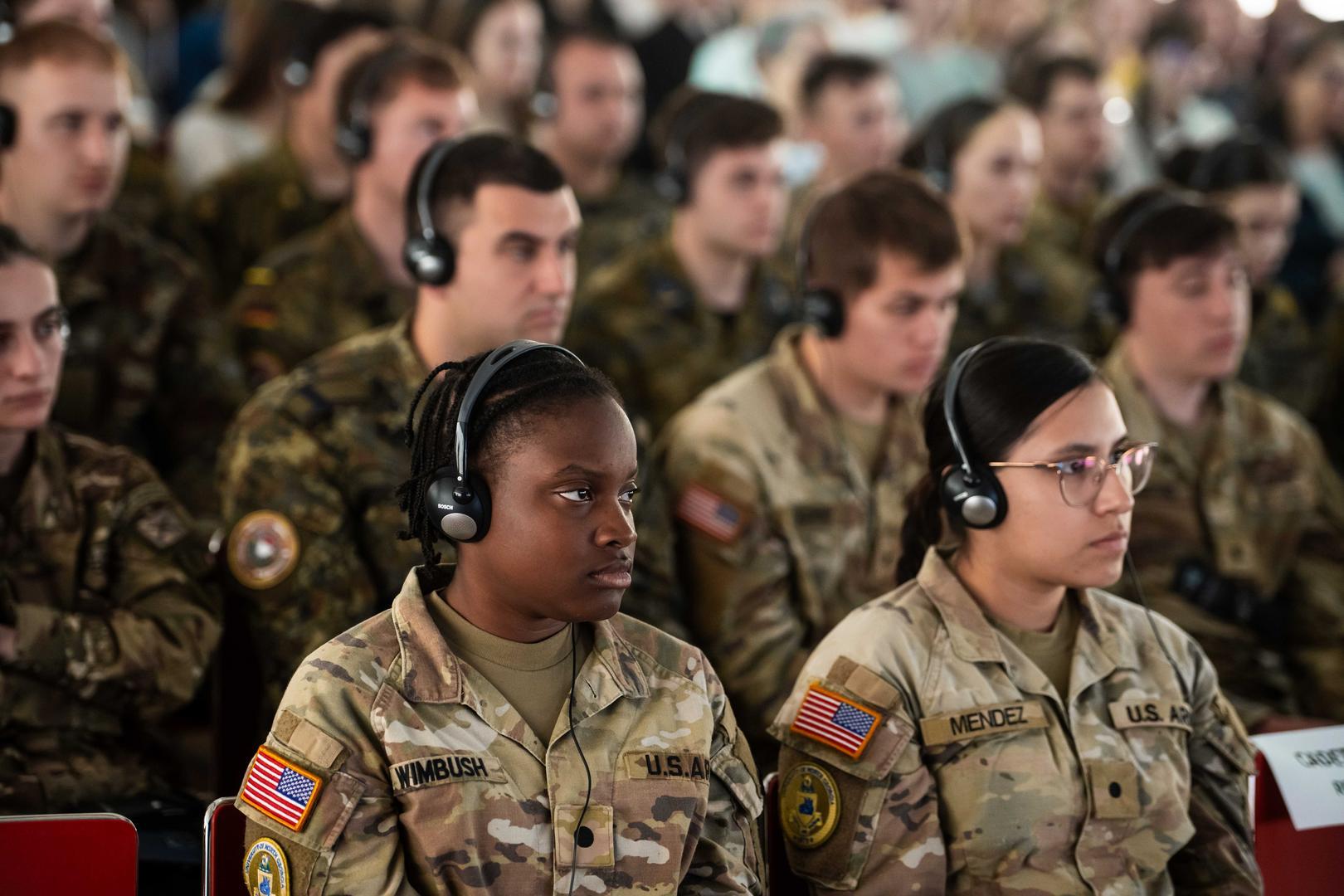

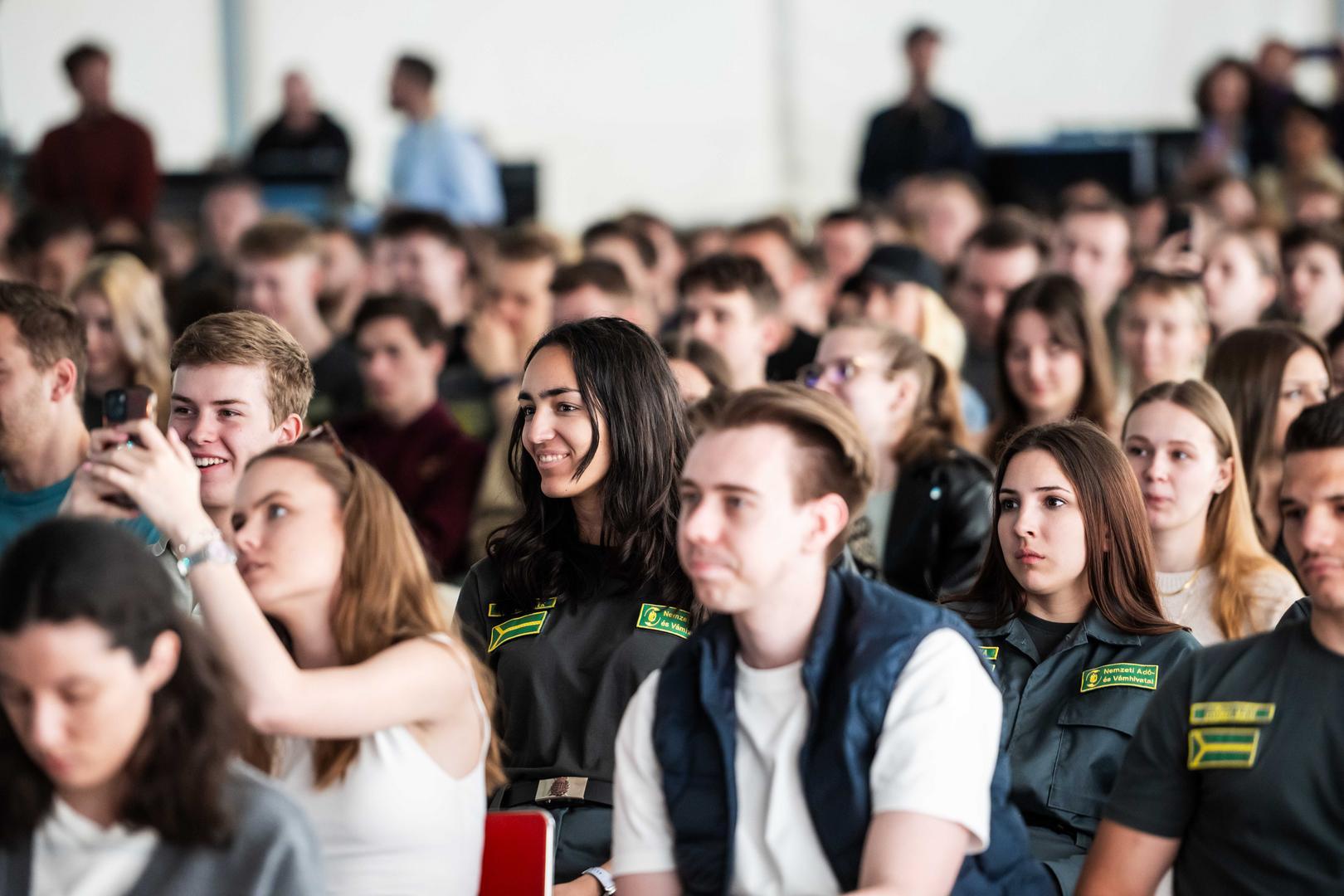
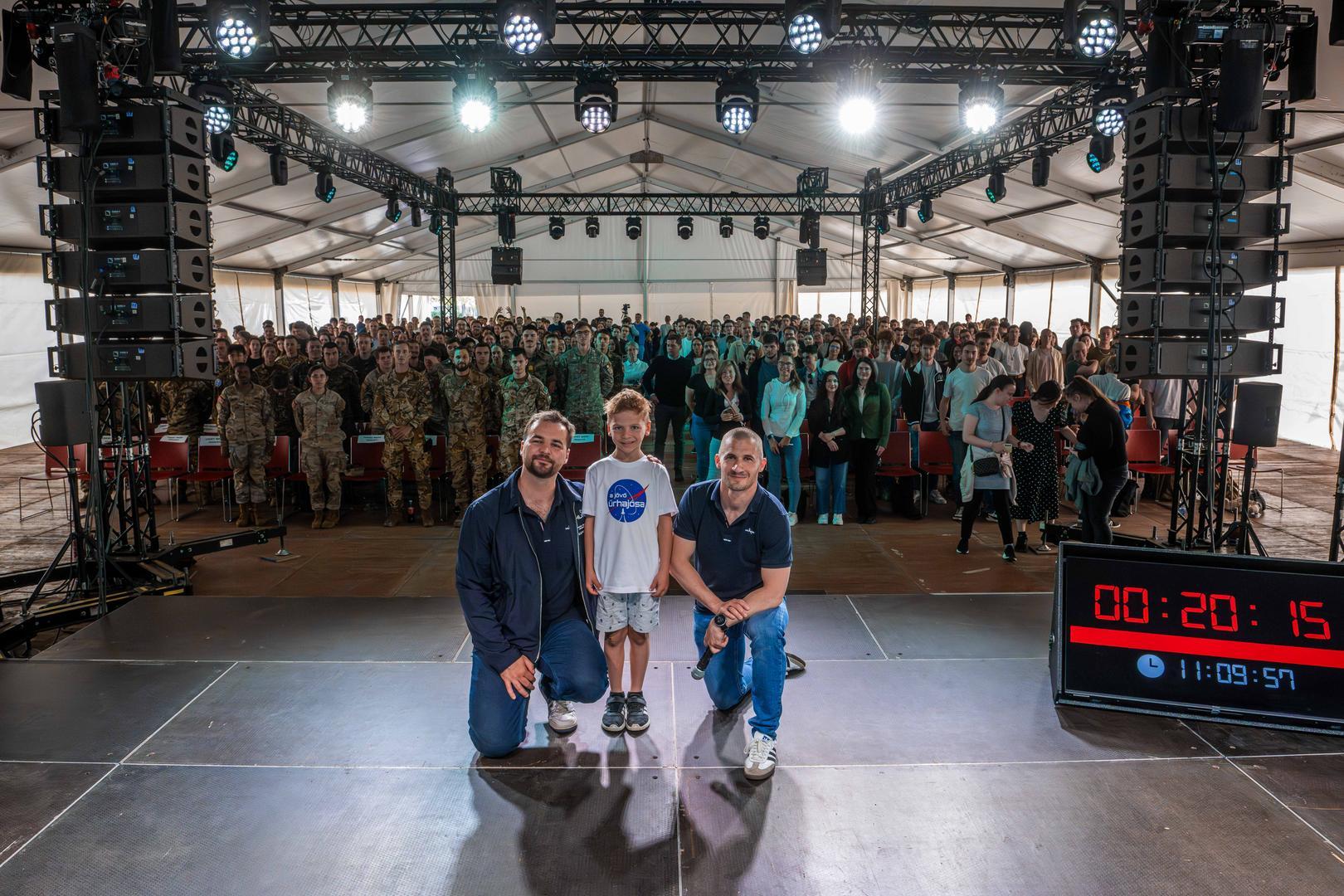
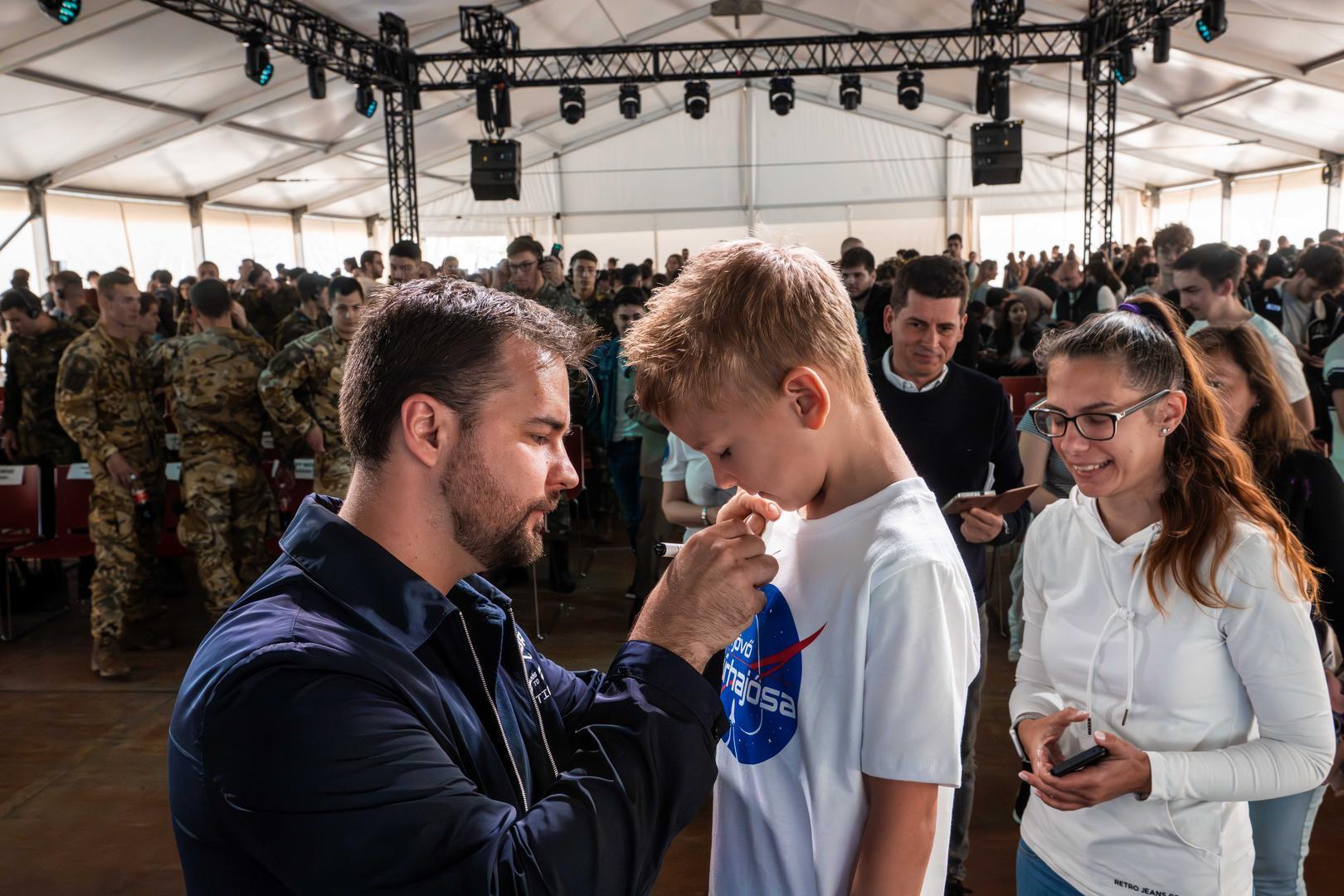

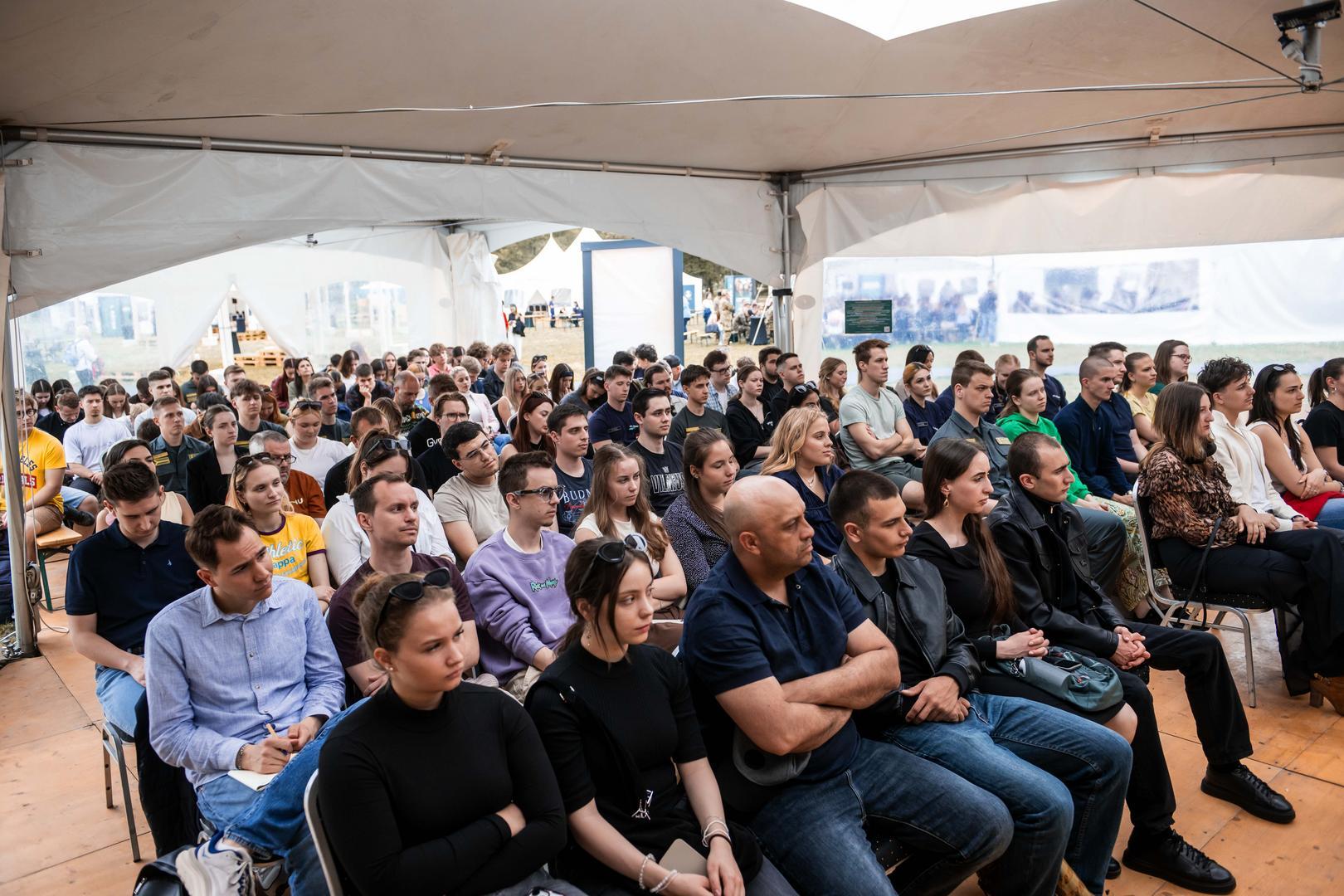

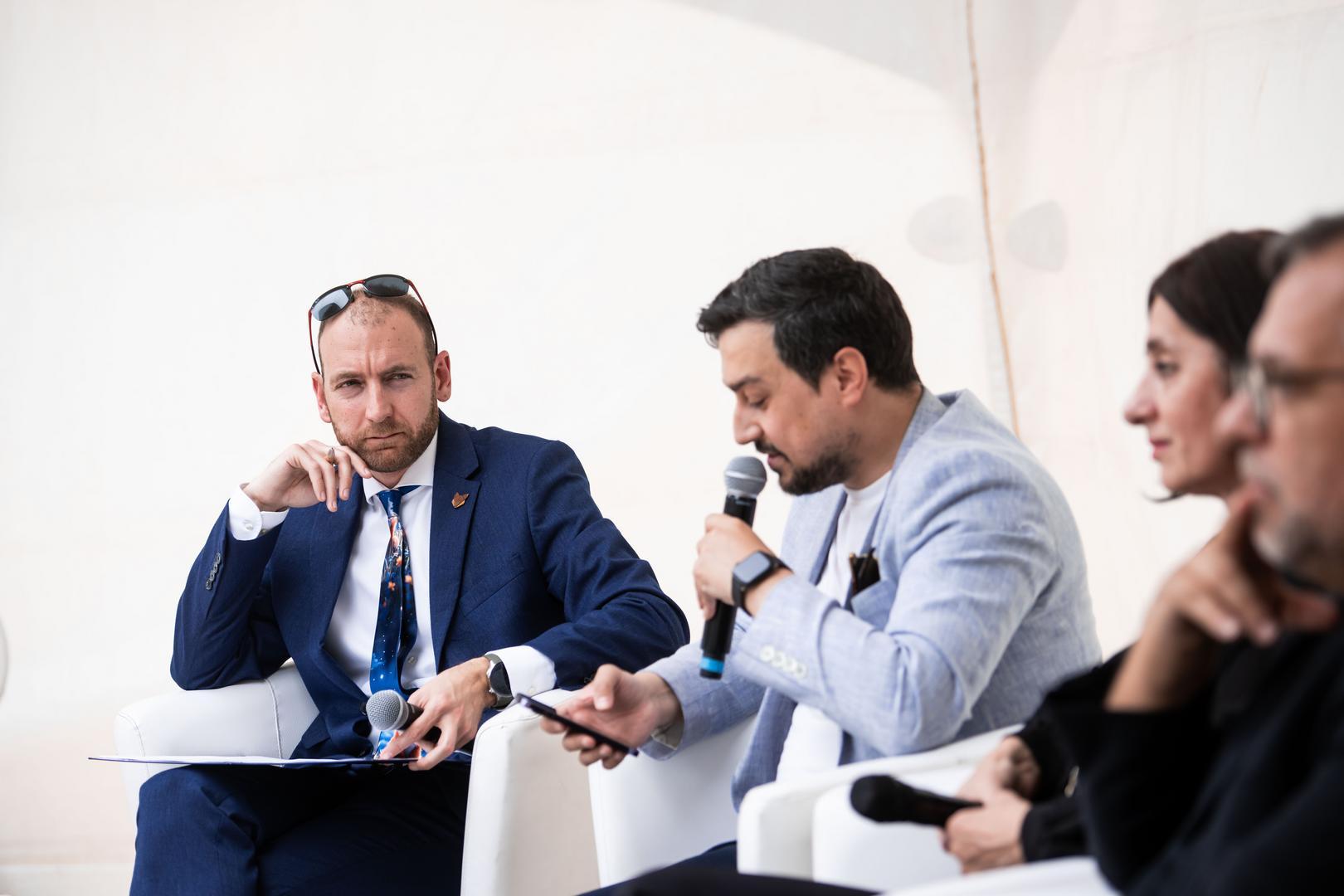
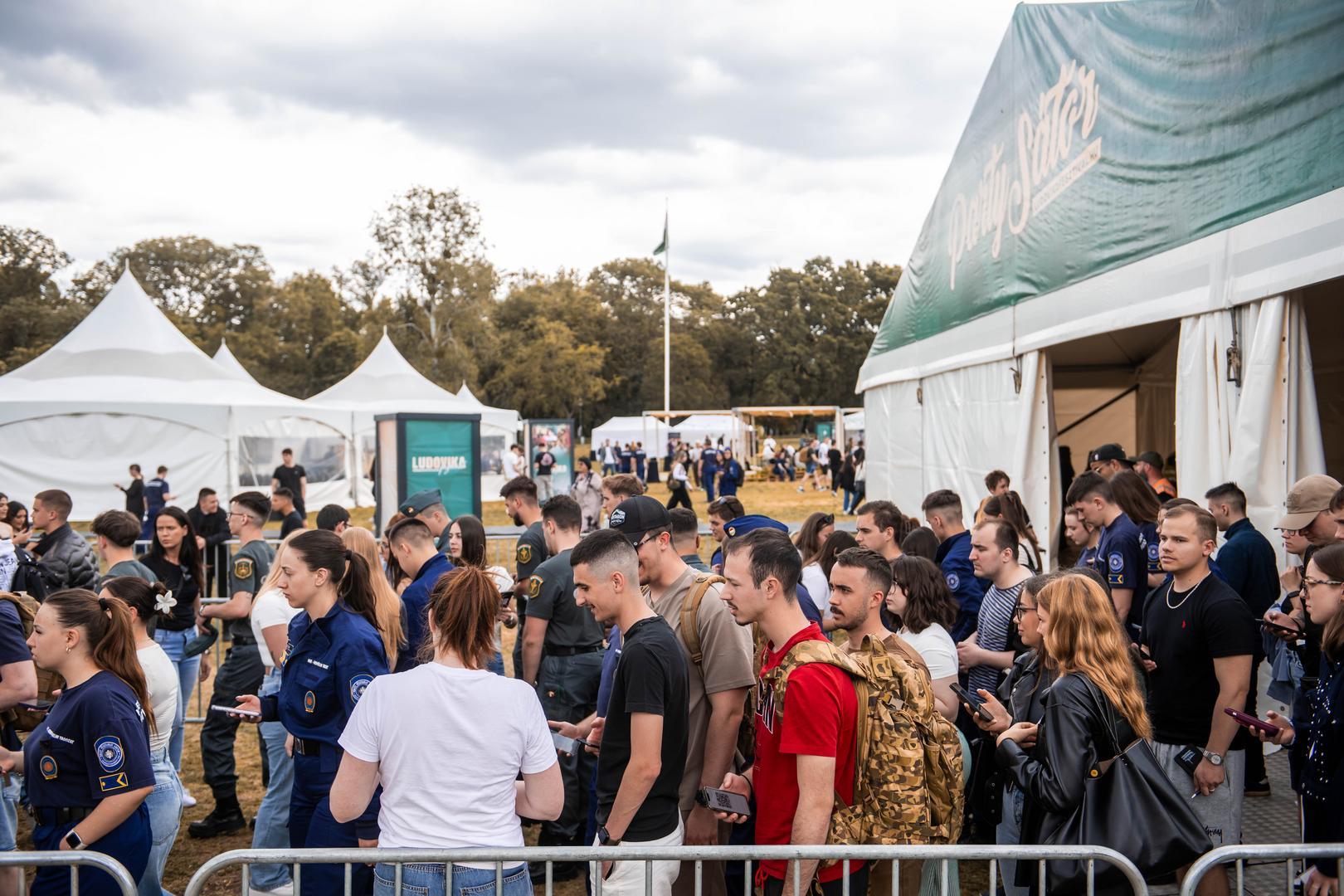

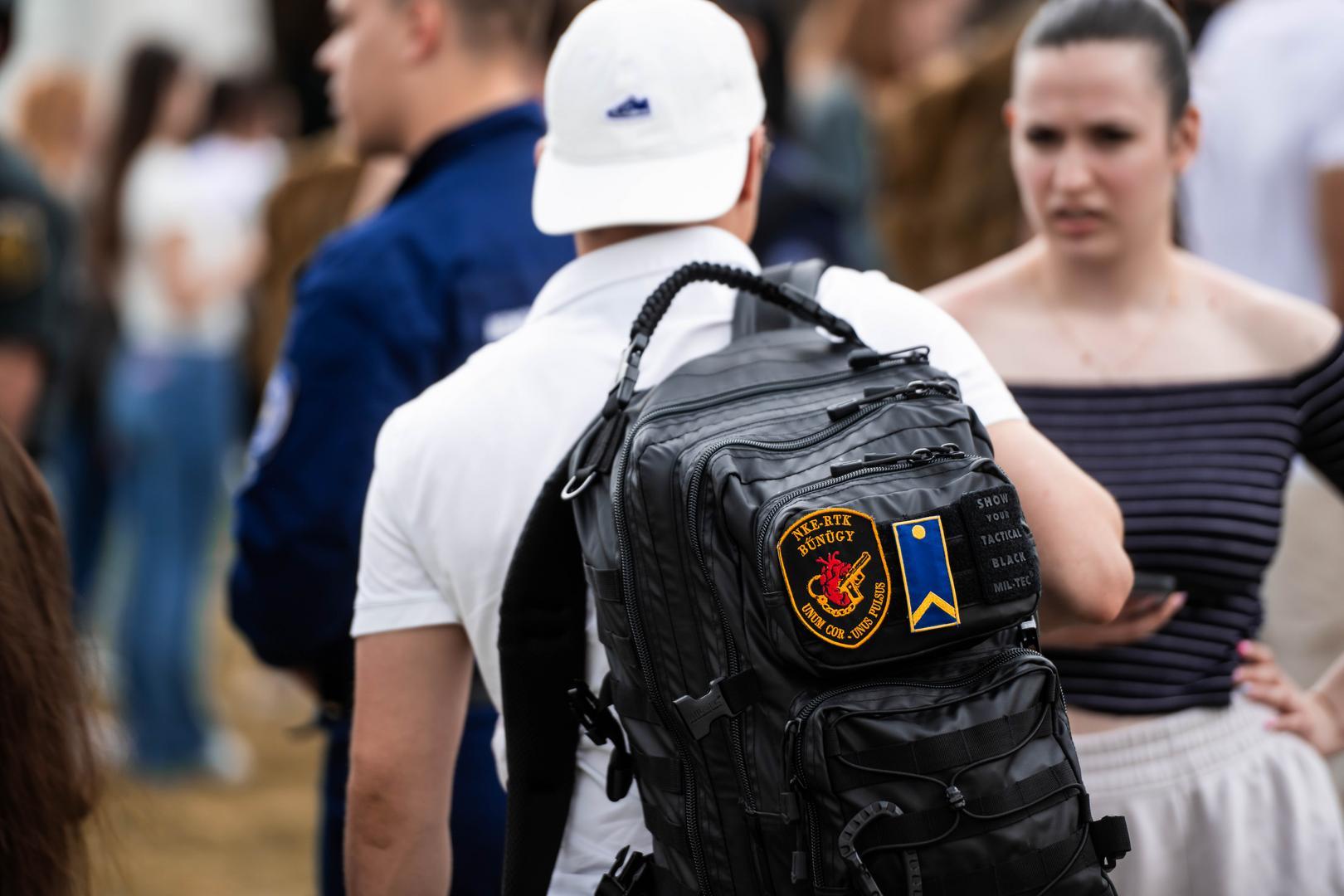
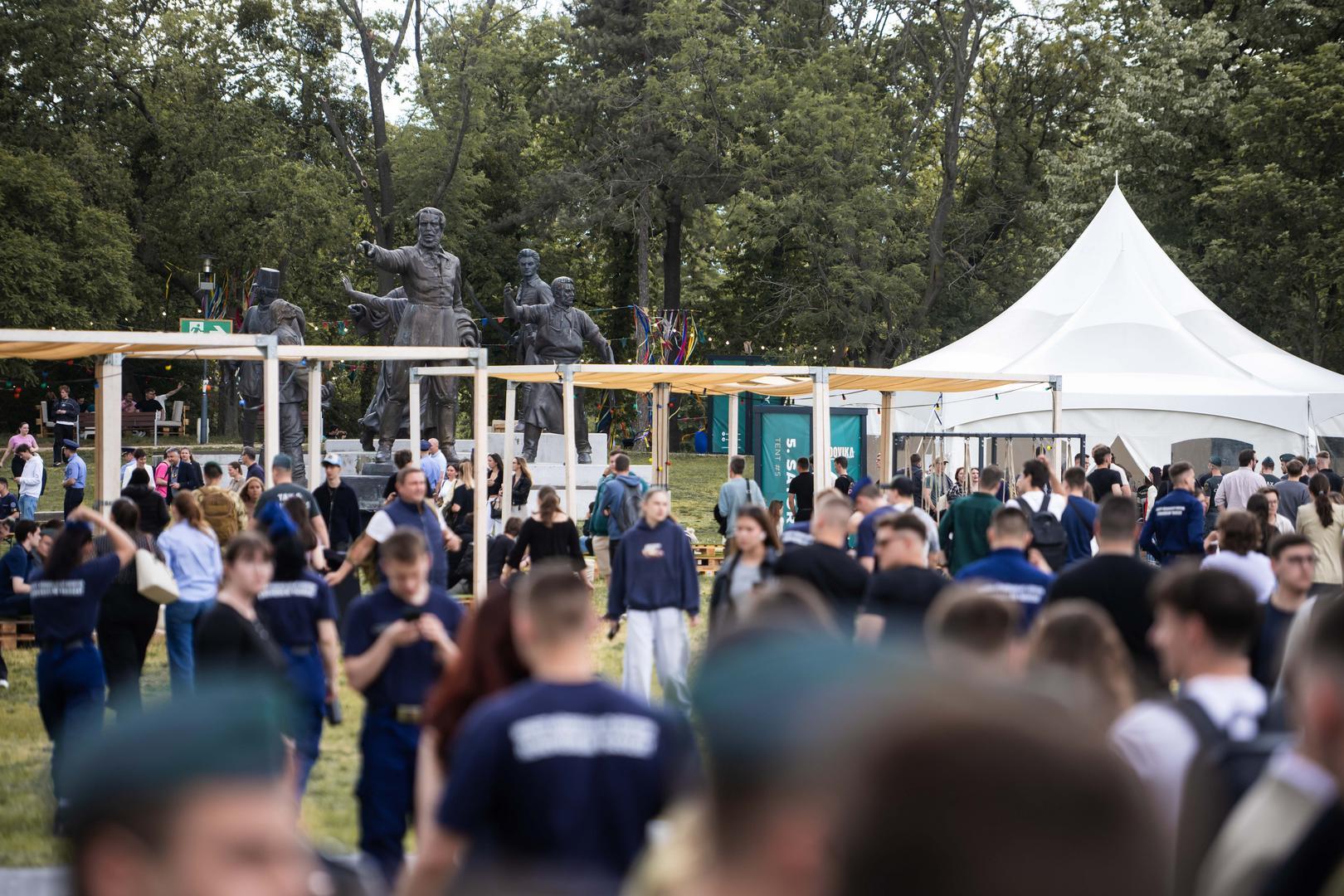
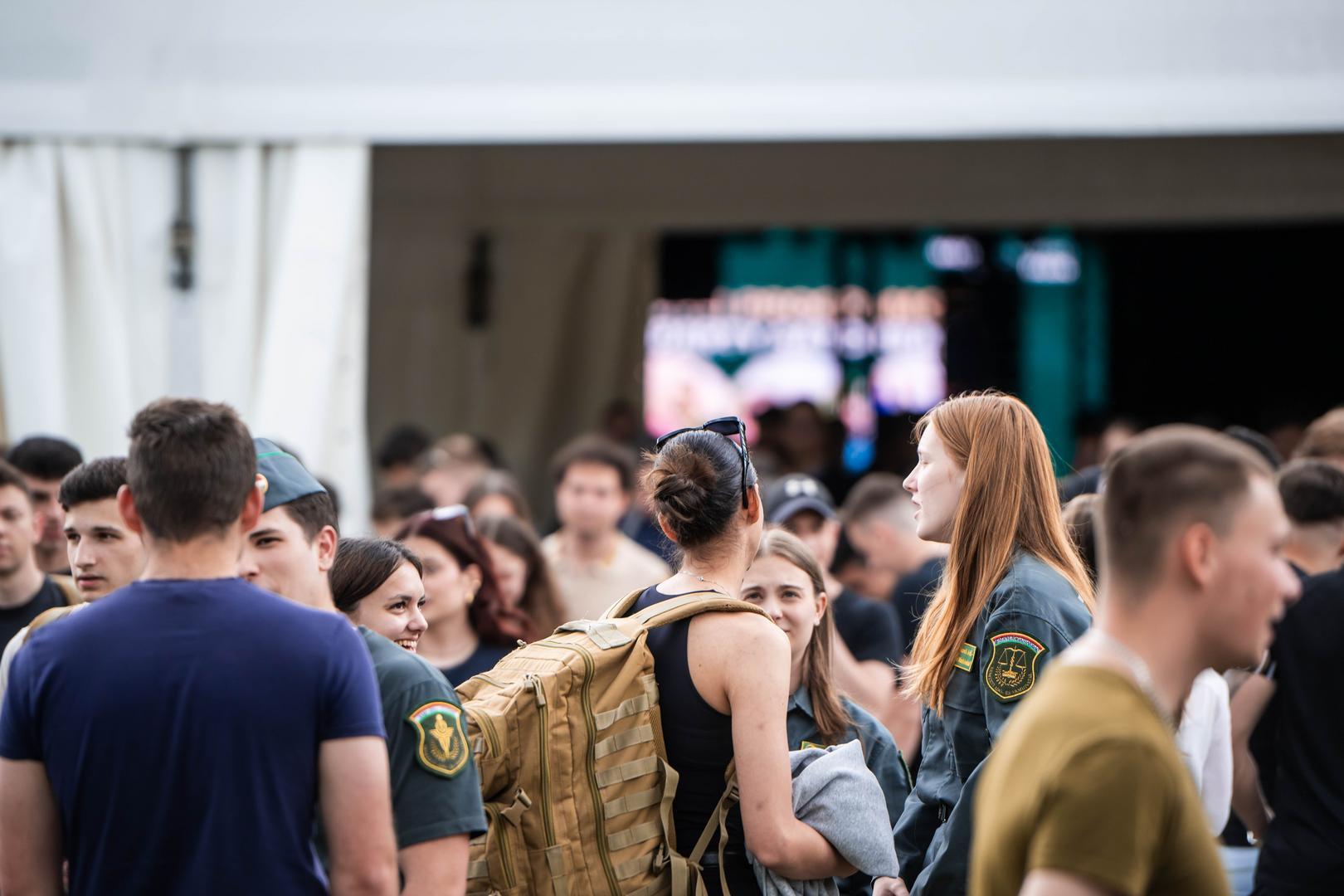
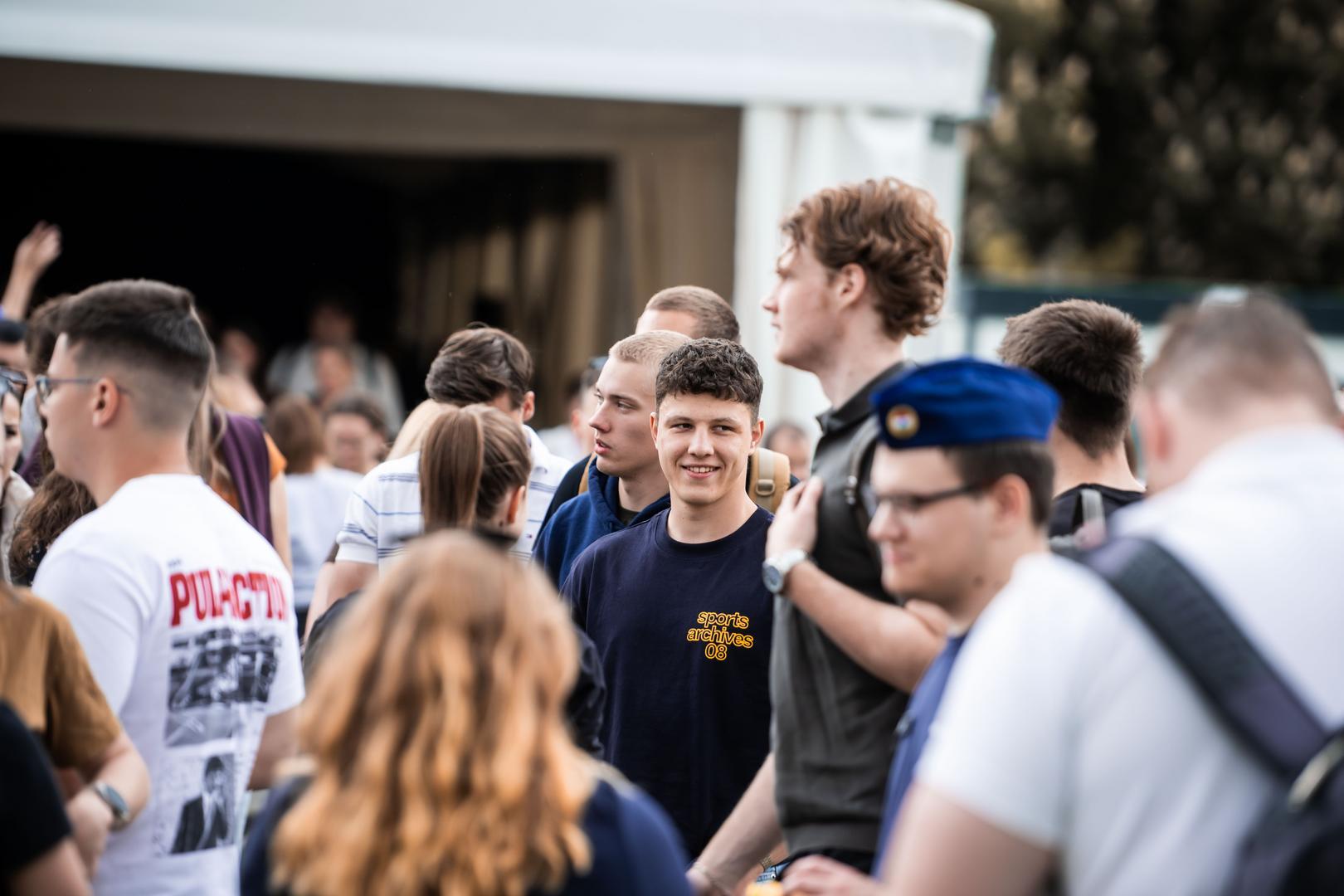
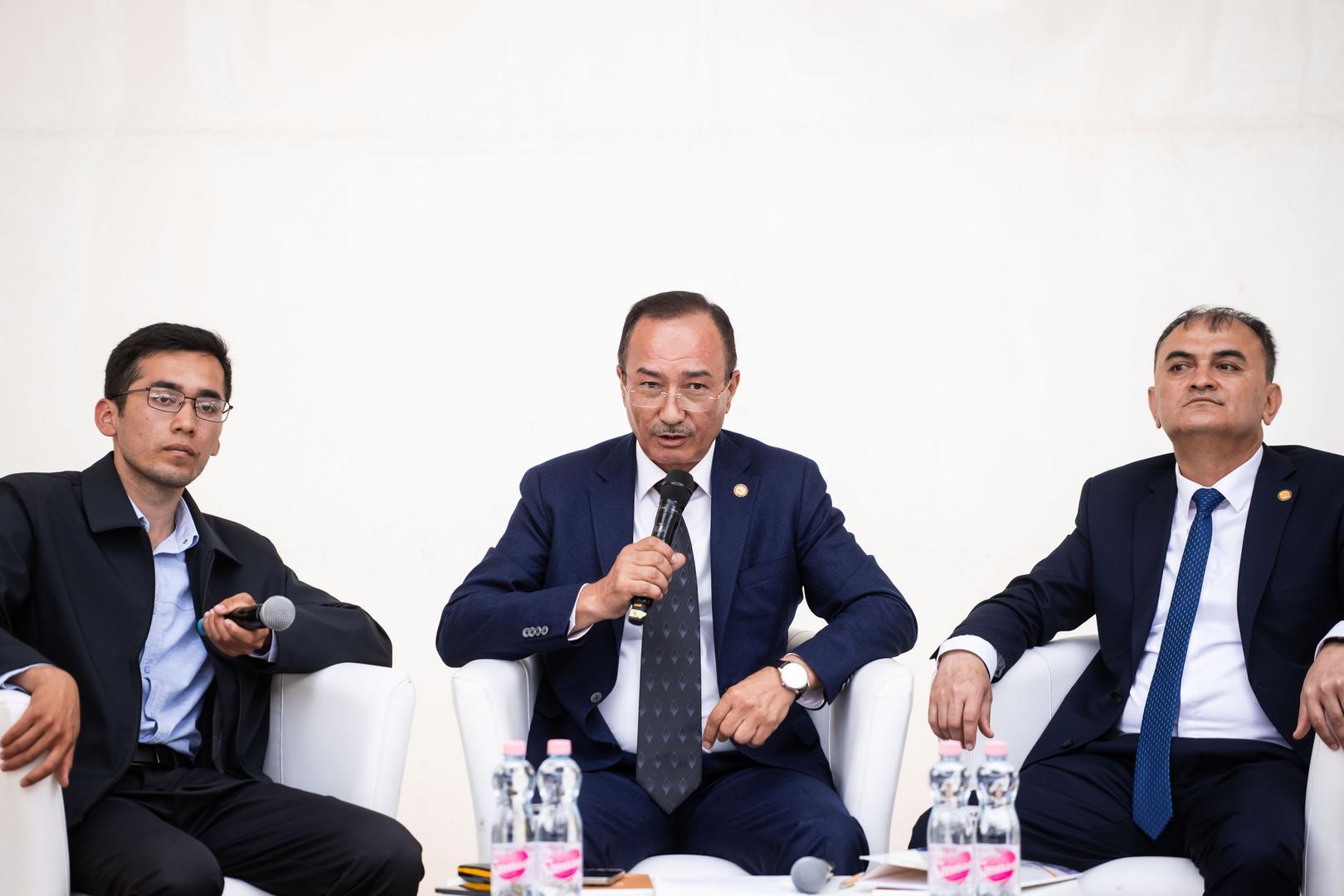


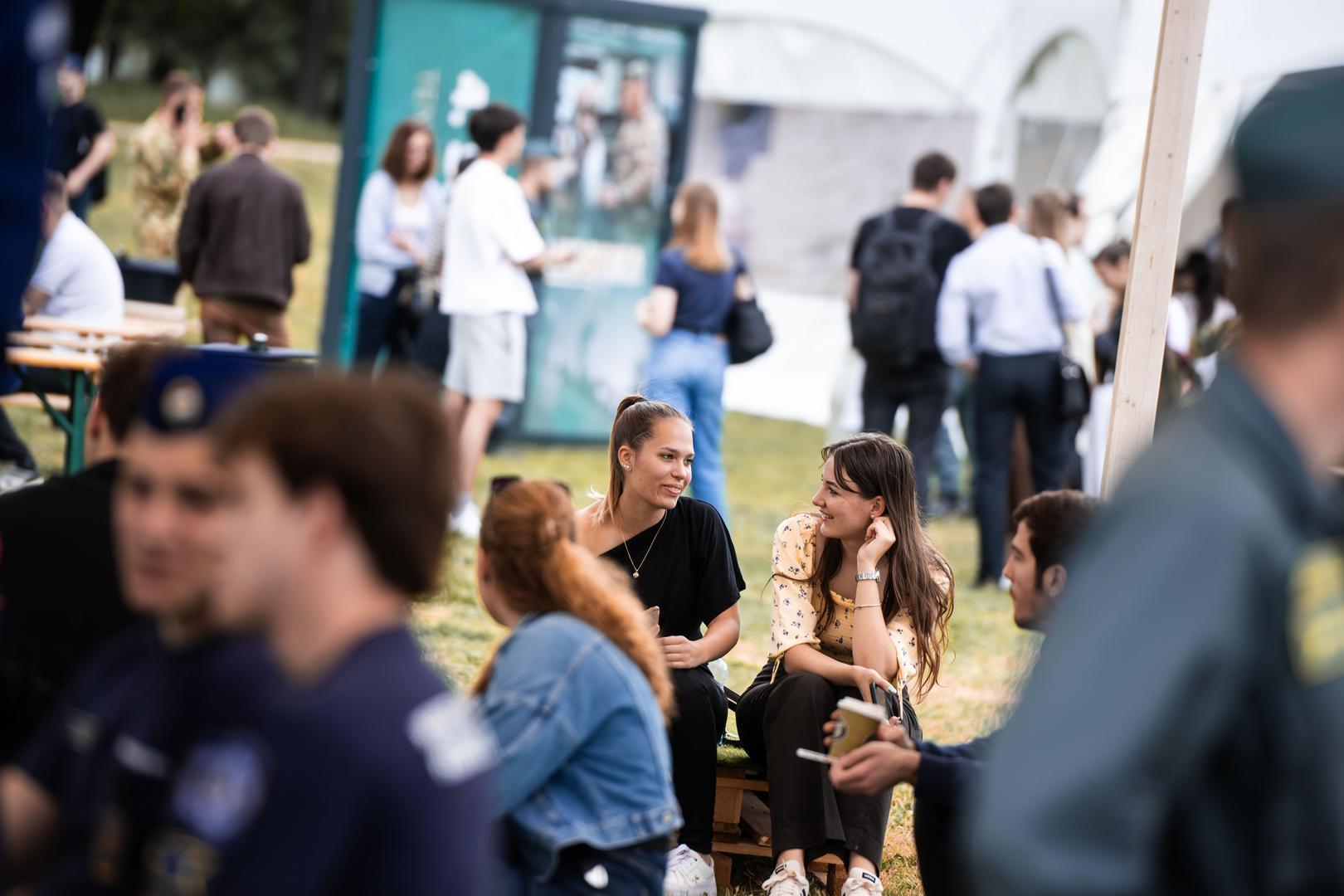


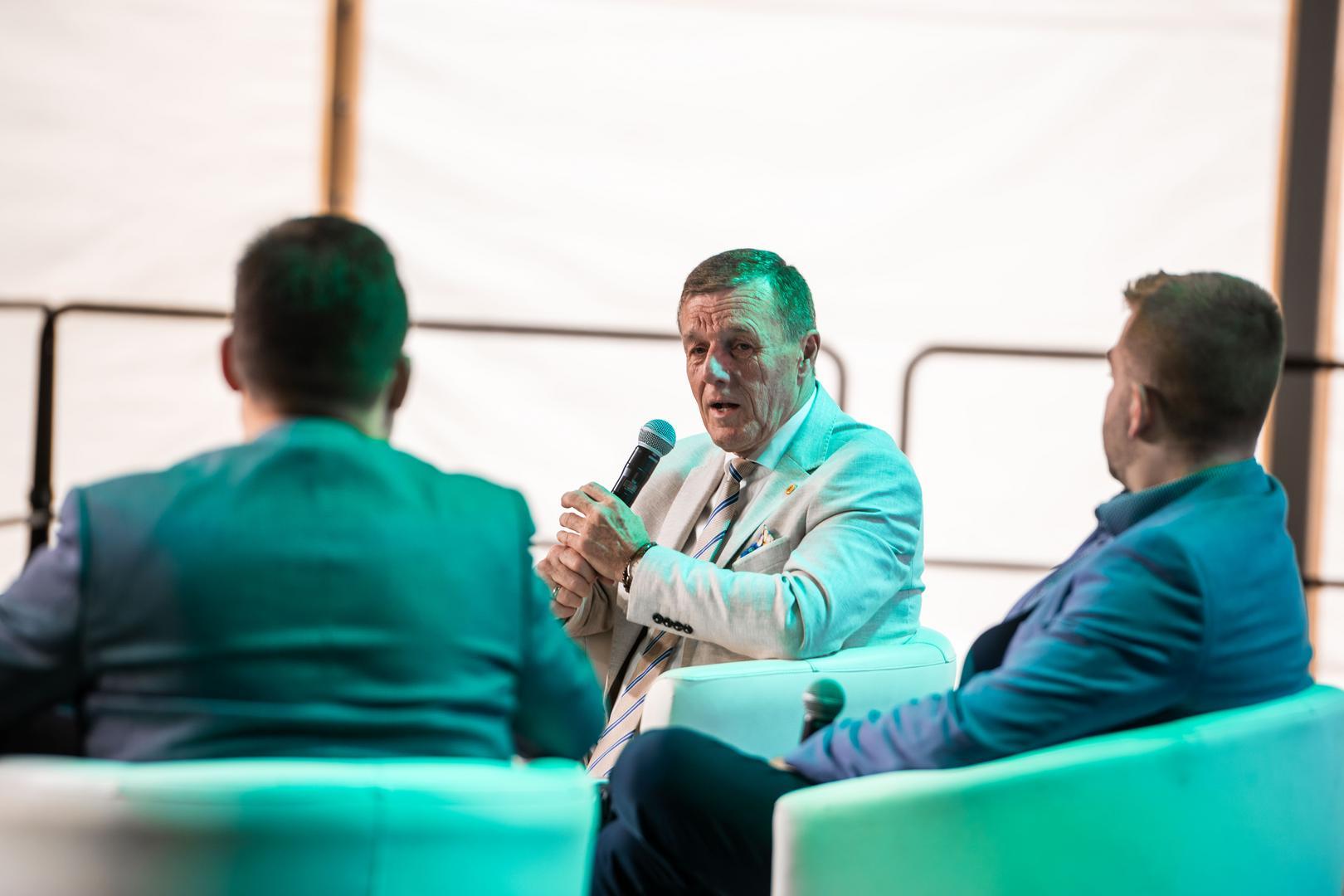
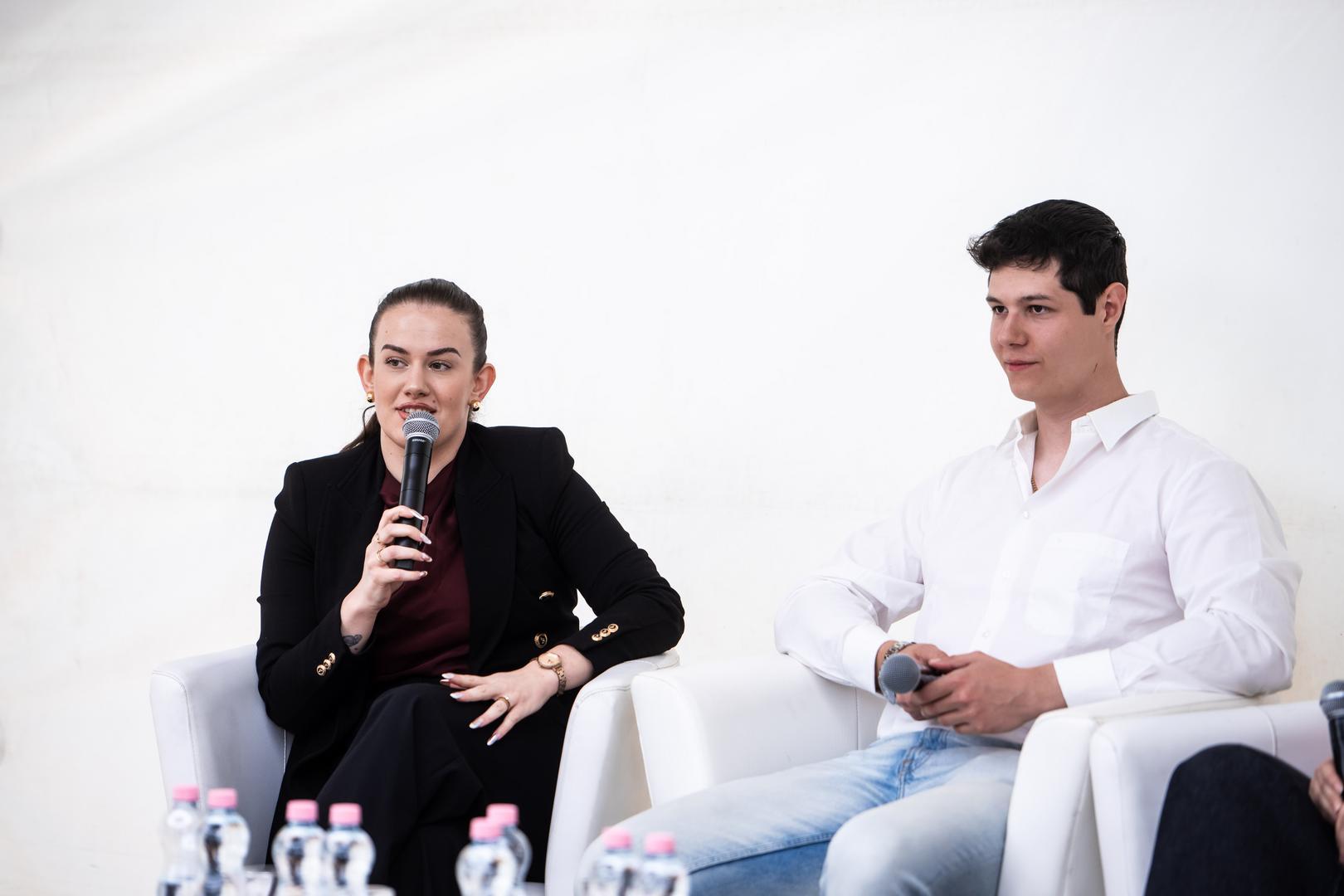
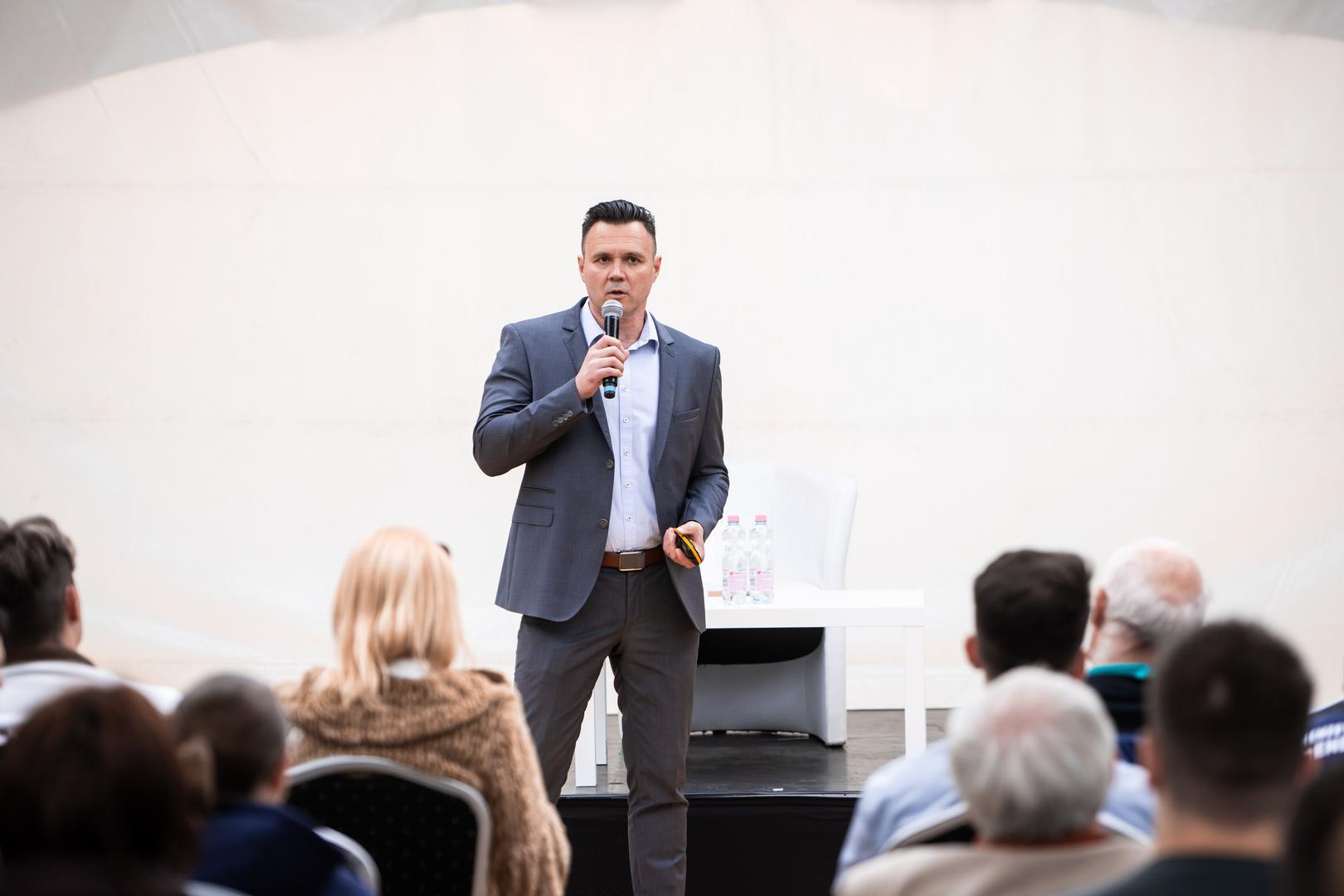

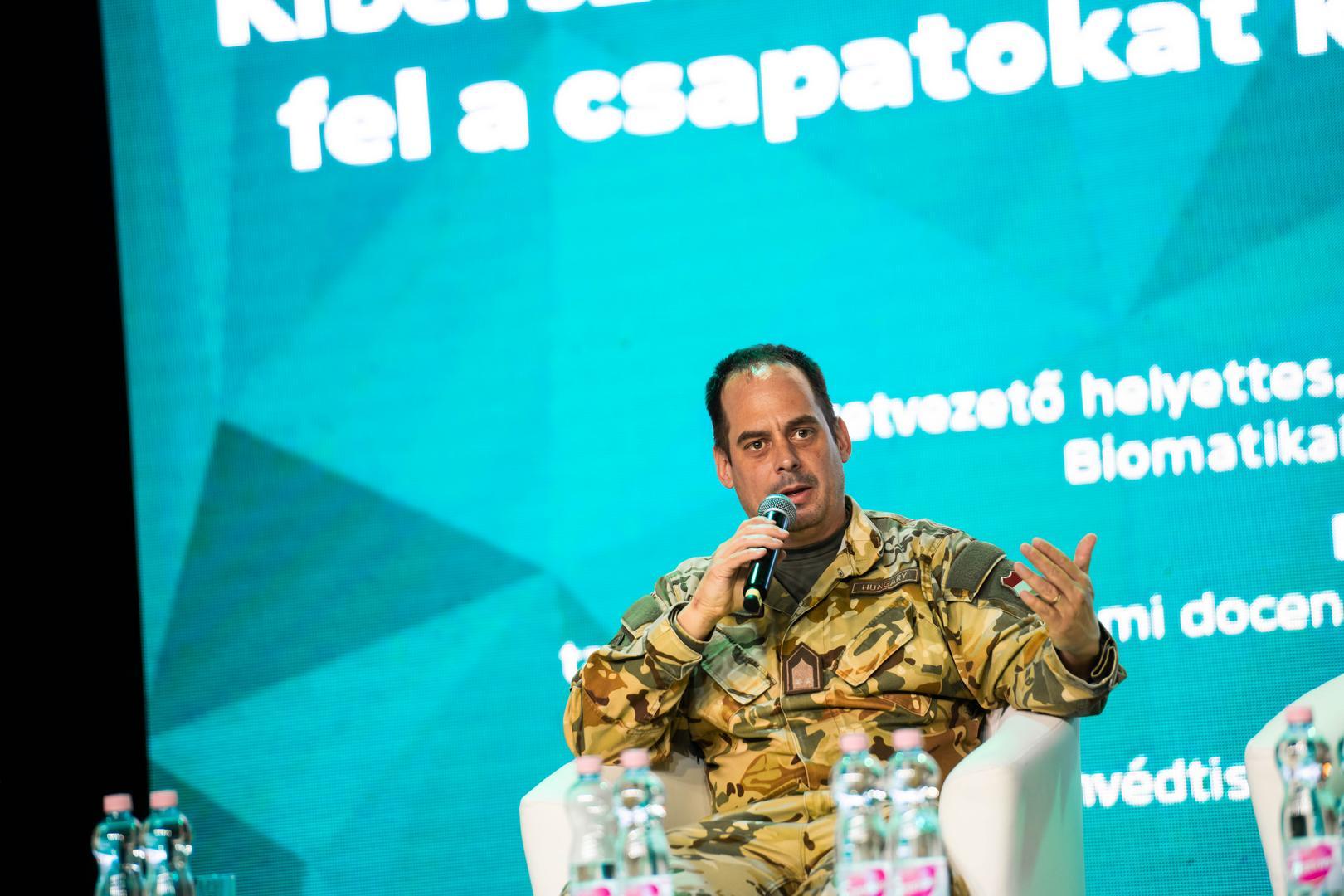
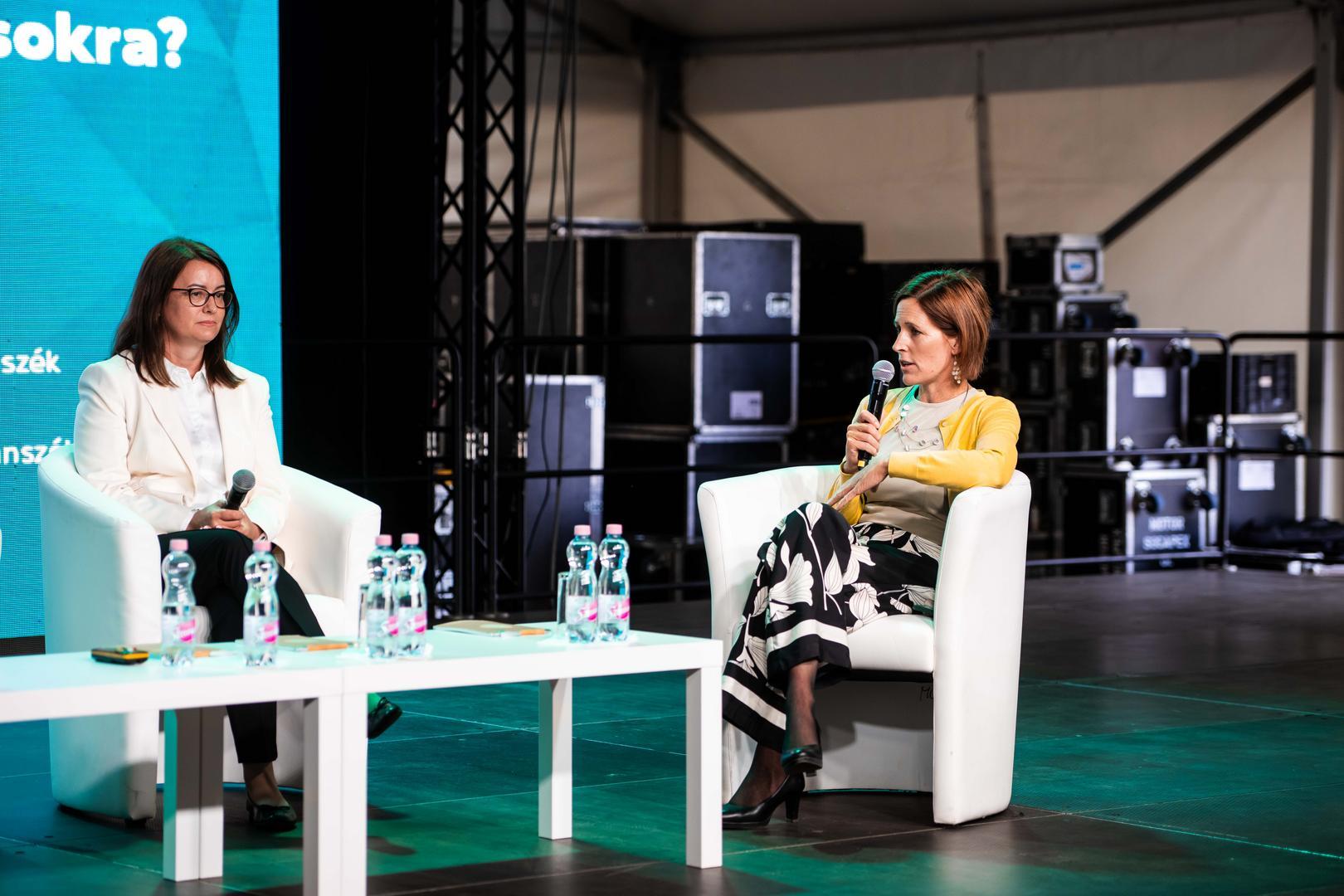
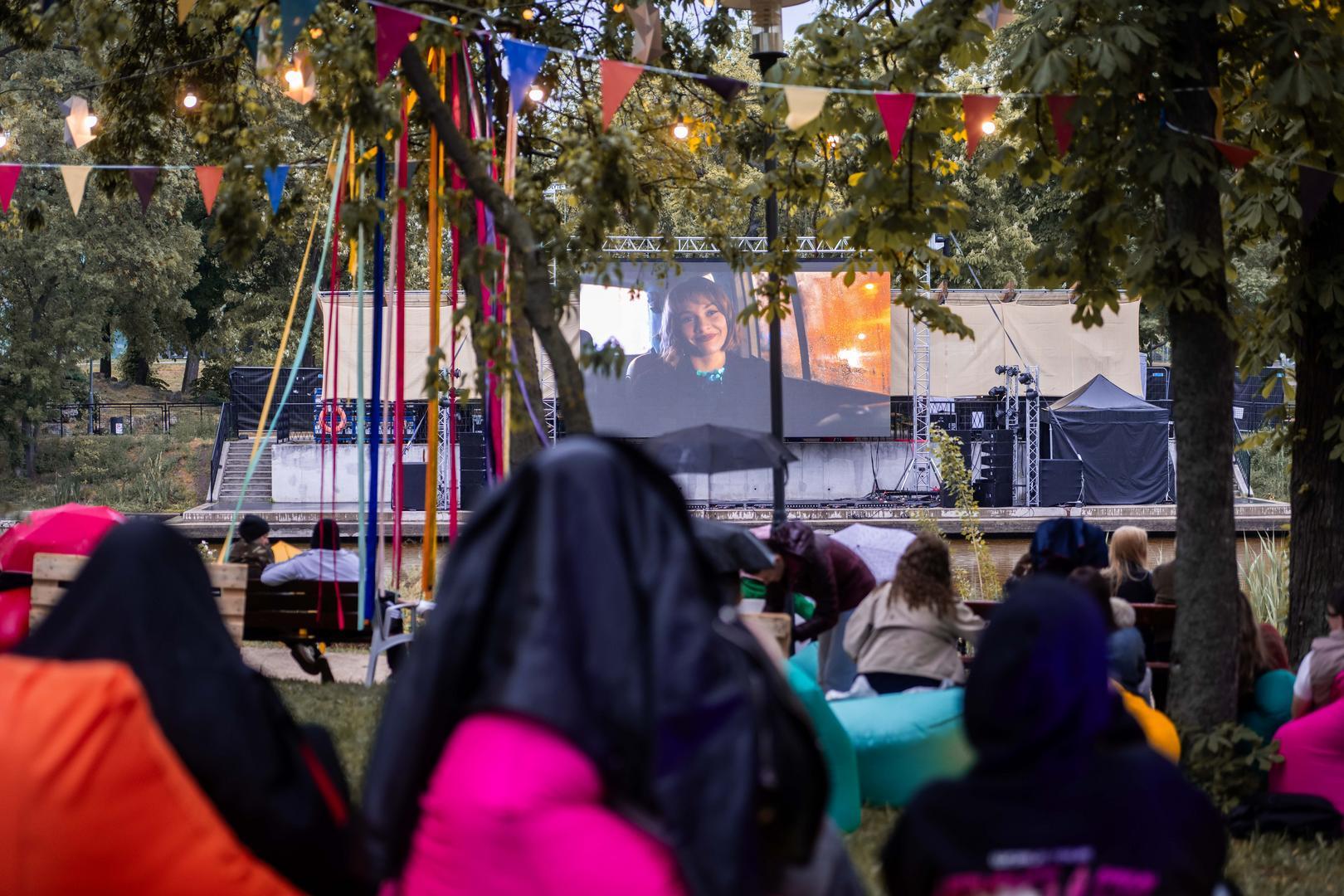

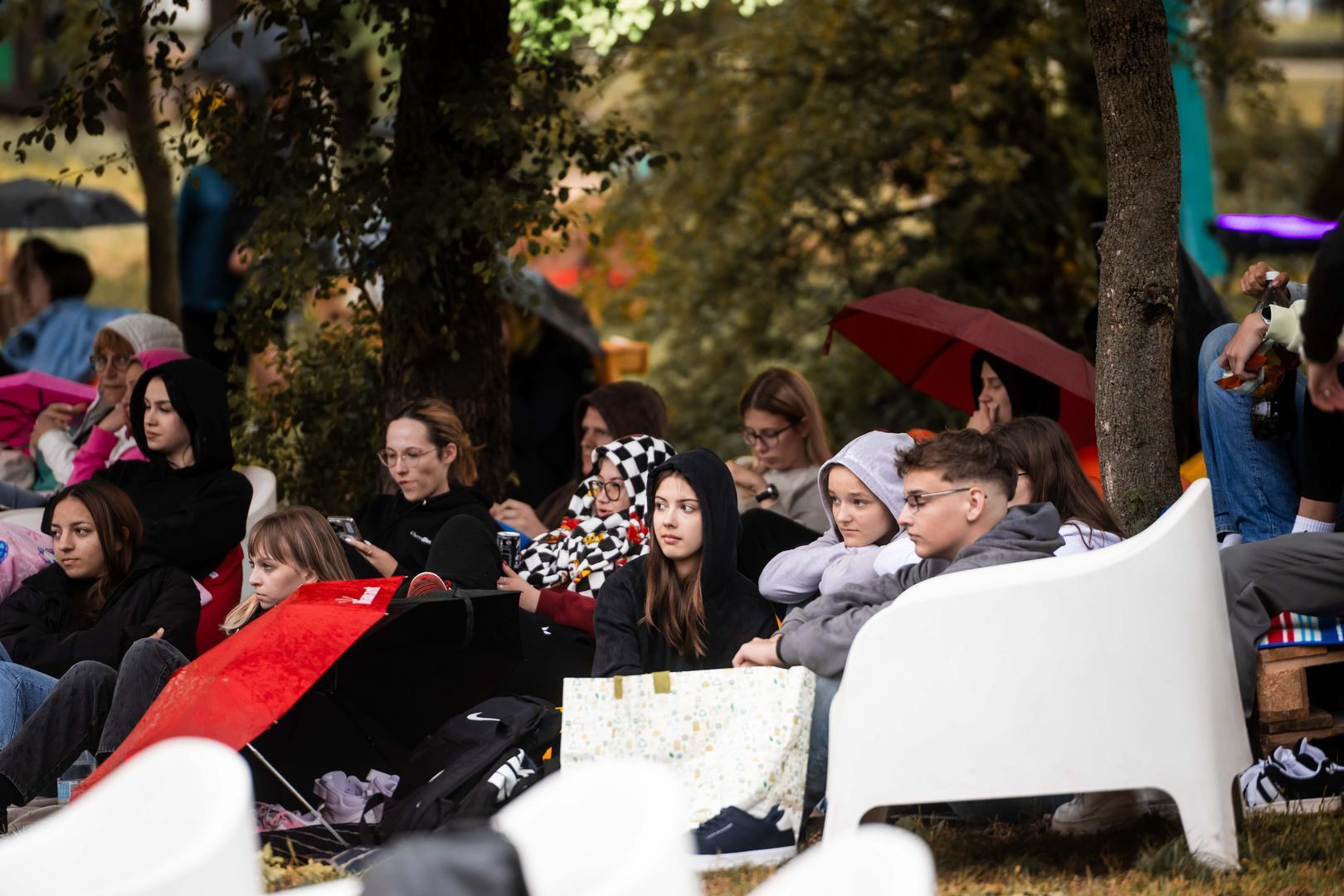

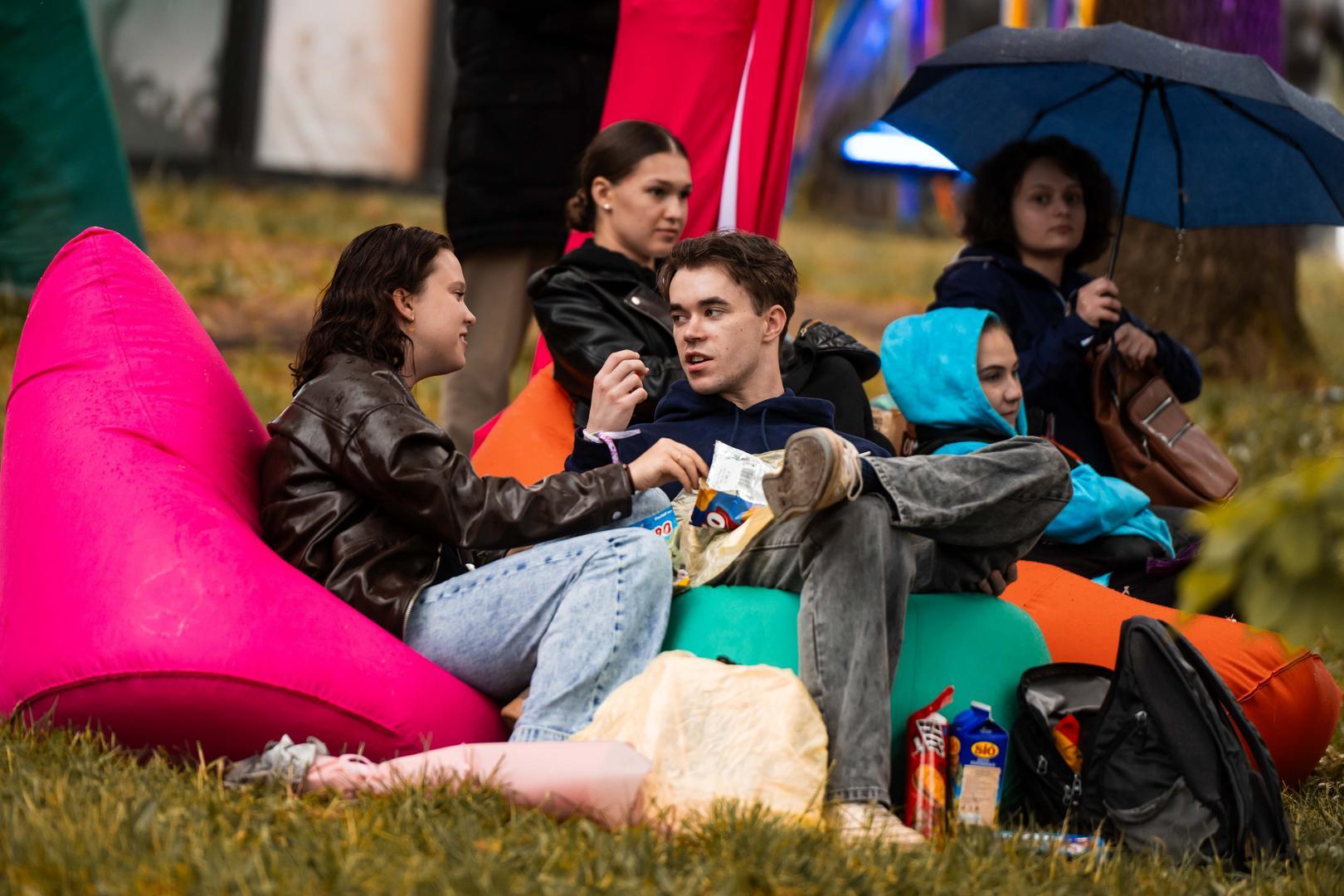
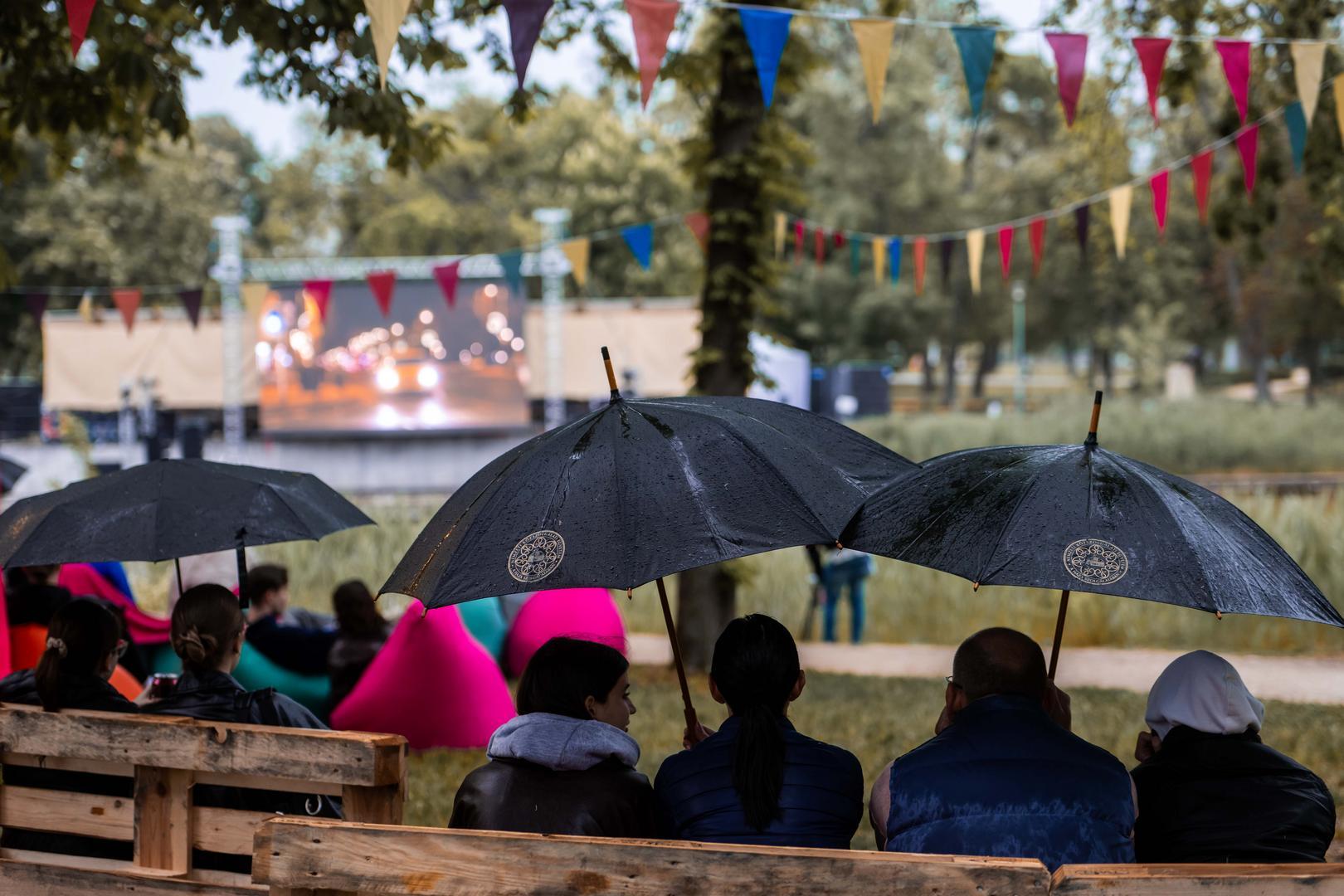

The Ludovika Festival kicked off on 7th of May, at the Ludovika University of Public Service. The free festival was set until the 9th of May and featured unique integration between professional-level activities and festival entertainment. In addition to talks on security policy, geopolitics, and technology at the Ludovika Open University by famous Hungarian and foreign experts, visitors could also enjoy musical concerts, outdoor movie screenings, family entertainment programs, and military exhibitions.
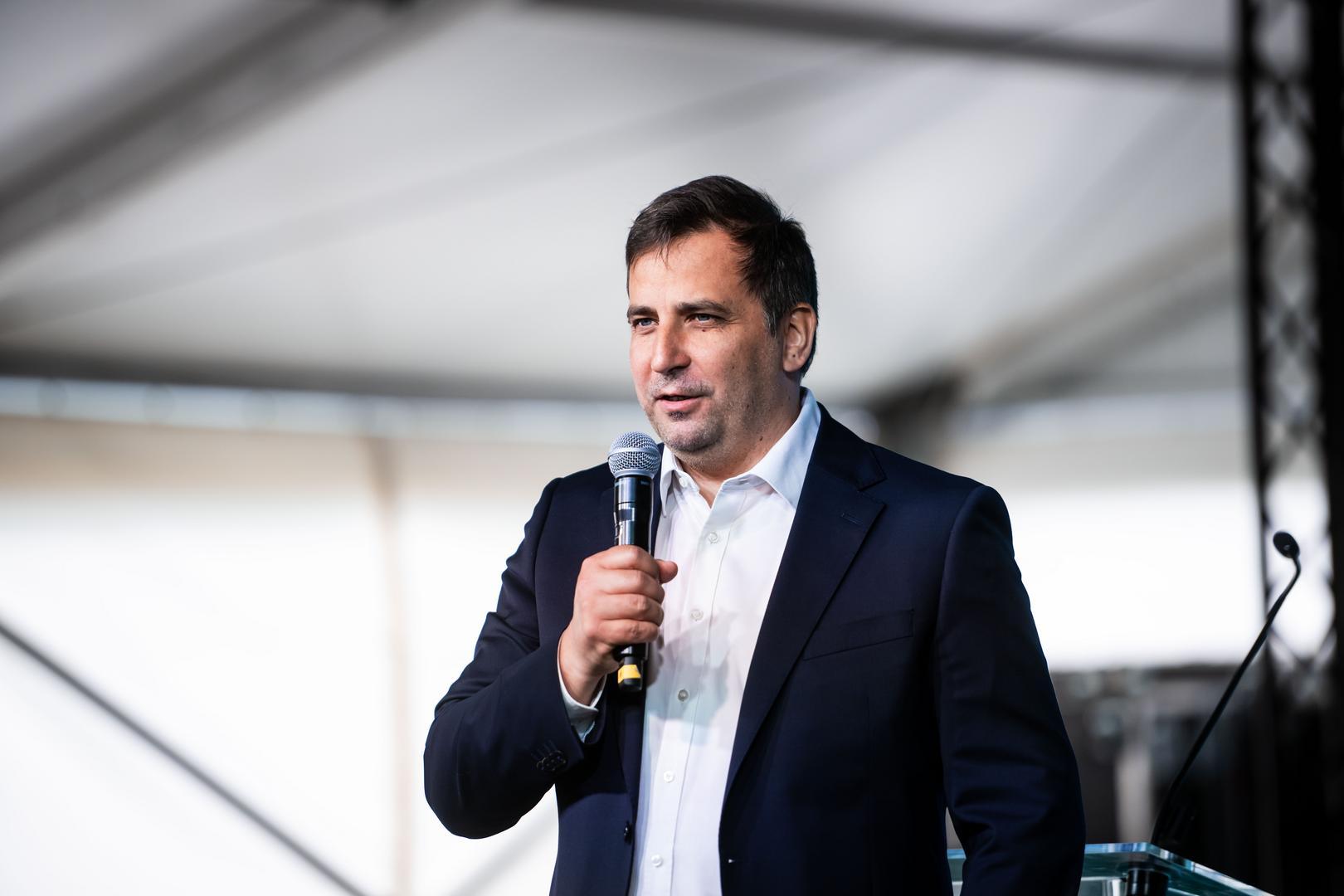
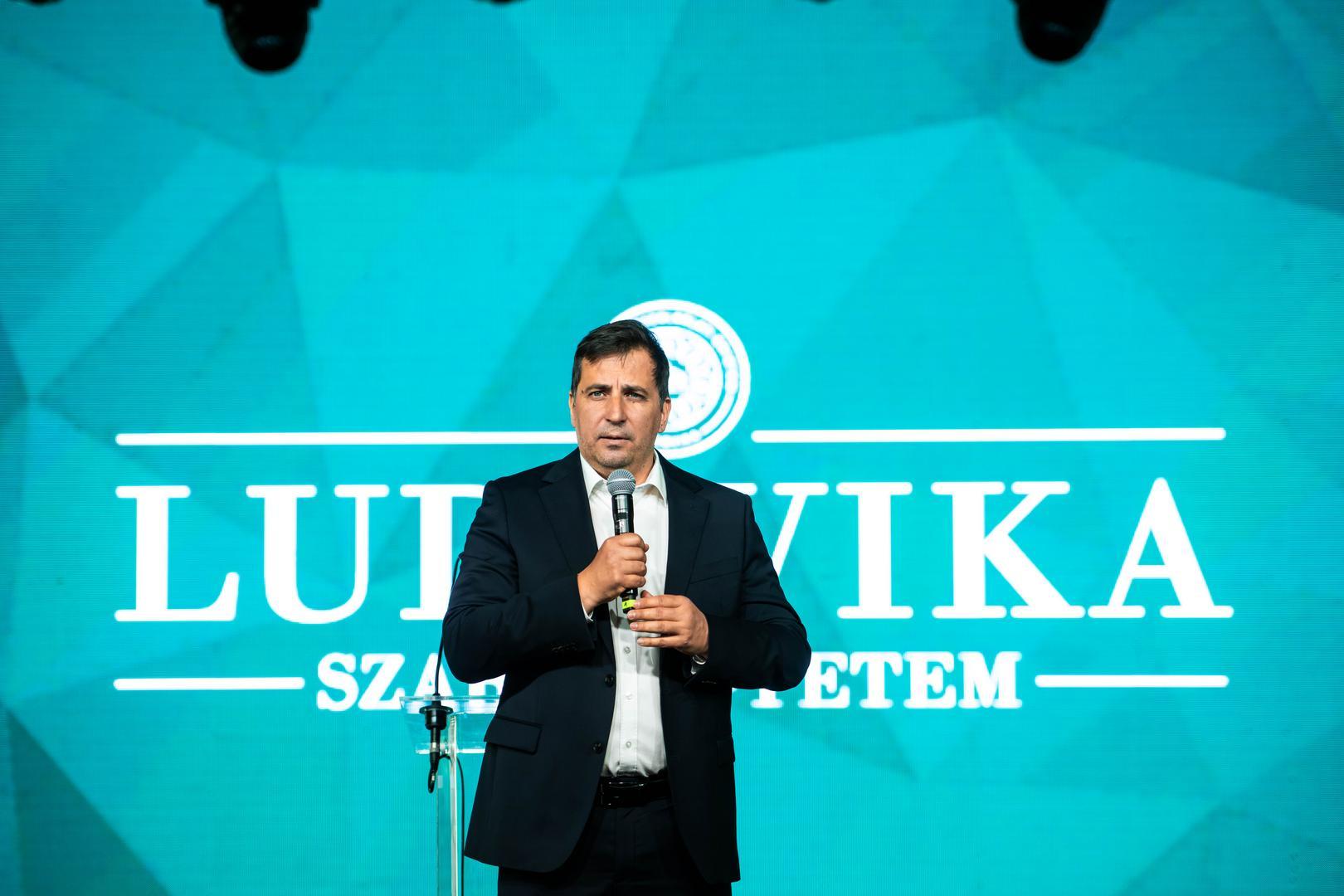
In his inaugural address at the festival, Gergely Deli, rector of the Ludovika University of Public Service, emphasized the importance of the Ludovika Festival as a common celebration of scientific achievements, military proficiency and patriotism. Citing lines from Metamorphoses, he mentioned how humans are the only creatures that have the ability to both look down at the ground and up into the sky. He believes that this symbolizes the essence of the festival.
He told two tales related to outer space. He noted that in languages derived from Latin, the crescent “C” shape of the Moon stands for crescit, which means growing, although it is at the fading stage of its cycle, whereas the shape of the letter “D” suggests decline despite the fact that the Moon is growing in size. However, the abbreviations of Hungarian words used to describe the Moon’s phases correctly express its actual state. Regarding the exhibition “The Martians,” he reminded us of the old joke about Hungarians’ outstanding scientists being so exceptional that they probably had arrived on Earth from Mars.
Deli stressed that the Ludovika Festival was the festival of looking up to the sky; in other words, the festival celebrating people’s capacity to aim at goals far beyond the realm of everyday reality.
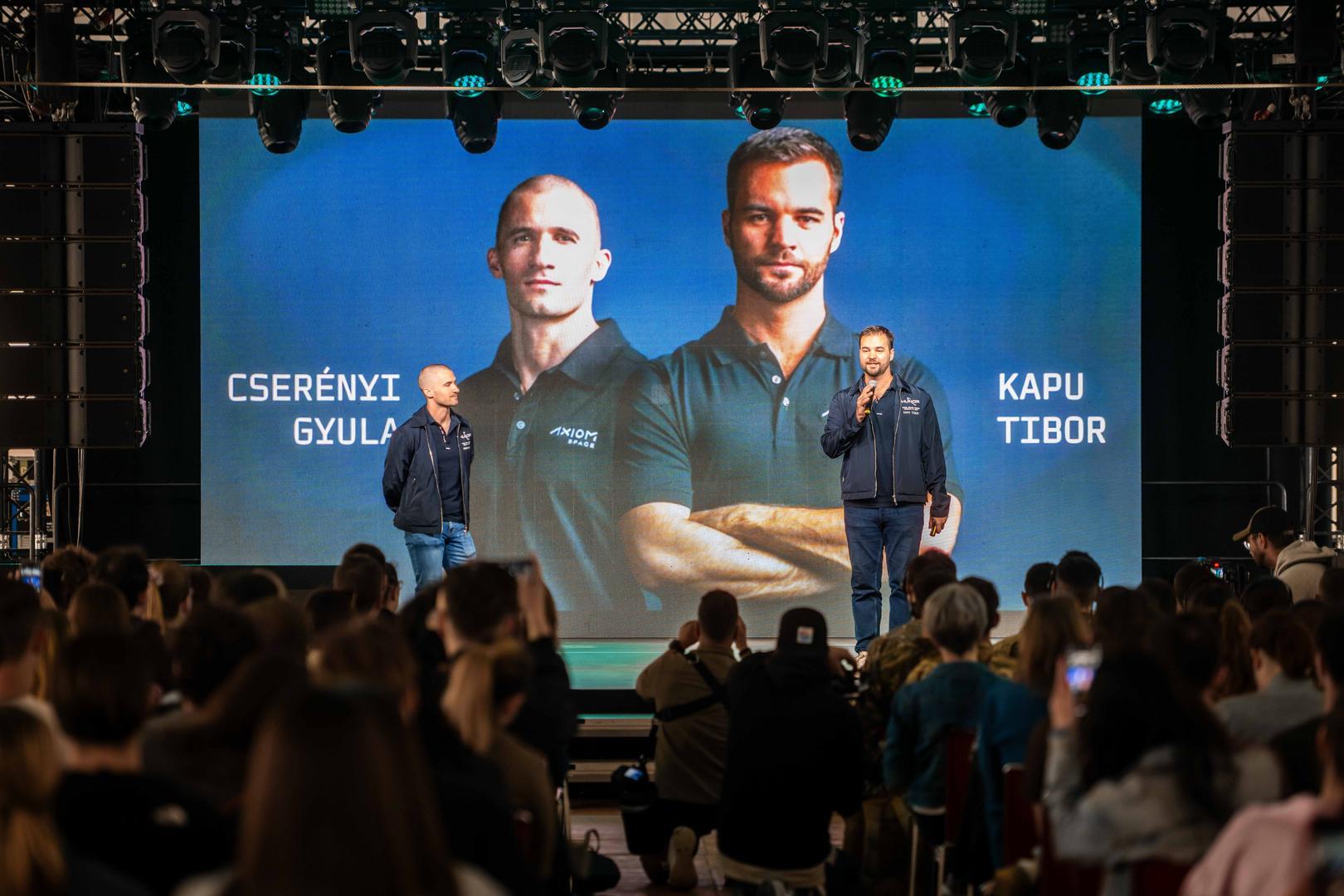
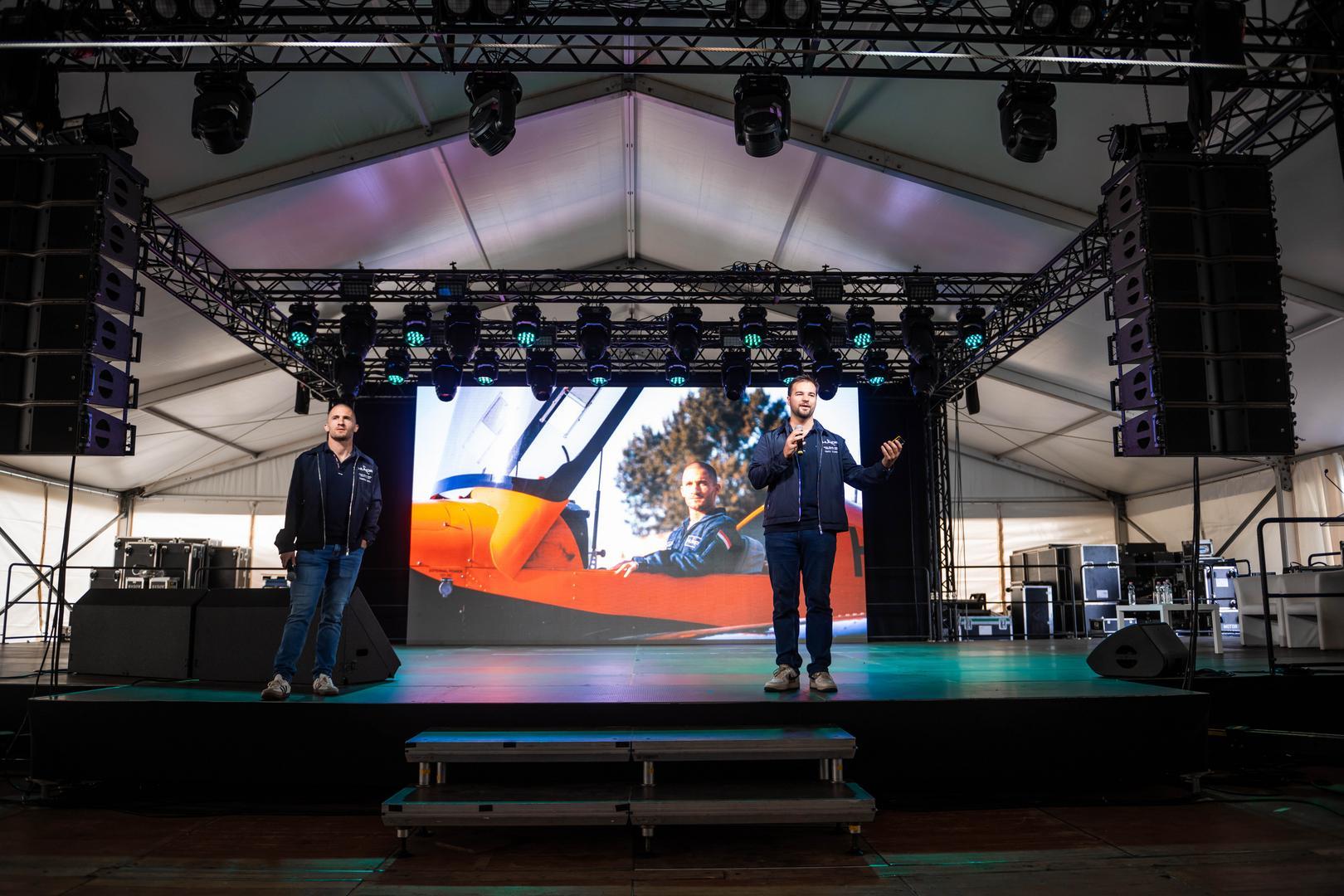
Opening the conference, Tibor Kapu and Gyula Cserényi gave some interesting information concerning the Hungarian astronaut project based on their own experience and work to promote scientific knowledge. In addition to their theoretical preparations, the candidates of the HUNOR Program also had to go through many physical and psychological tests. Flight training was essential: initially, they were subjected to high G-force pressure using Saab JAS 39 Gripen fighter jets. Afterwards, they went through small-plane training, learning various aerobatics, meant to develop their ability to make decisions quickly and efficiently under extreme conditions. Survival training was accomplished with the help of the Hungarian Defence Forces. The candidates learnt land and water survival skills, how to build shelters, start fires without the use of matches, purify water, and even conduct exercises on helicopter rescue operations. In his recollections, Gyula Cserényi notes that the latter was so scary for him that nobody wanted to be the first to jump from the helicopter. As the three other candidates thought similarly, they decided to choose the order alphabetically. Standing near the point of the helicopter jump and staring at a branch of the River Tisza, Gyula wondered what he was doing there.
The other presentation given at the event was made by Tibor Kapu who talked about the AX-4 mission. He talked about the crew, the SpaceX Dragon, the Falcon 9 rocket, life in space, and experiments carried out in space. The main aim of the mission was to conduct 25 Hungarian experiments that included experiments on physics, biology, and growing plants. A very spectacular experiment conducted involved observing the behaviour of water in microgravity. From the cupola, one could see both day and night simultaneously, and he showed the students how Hungary and Ludovika looked from space.
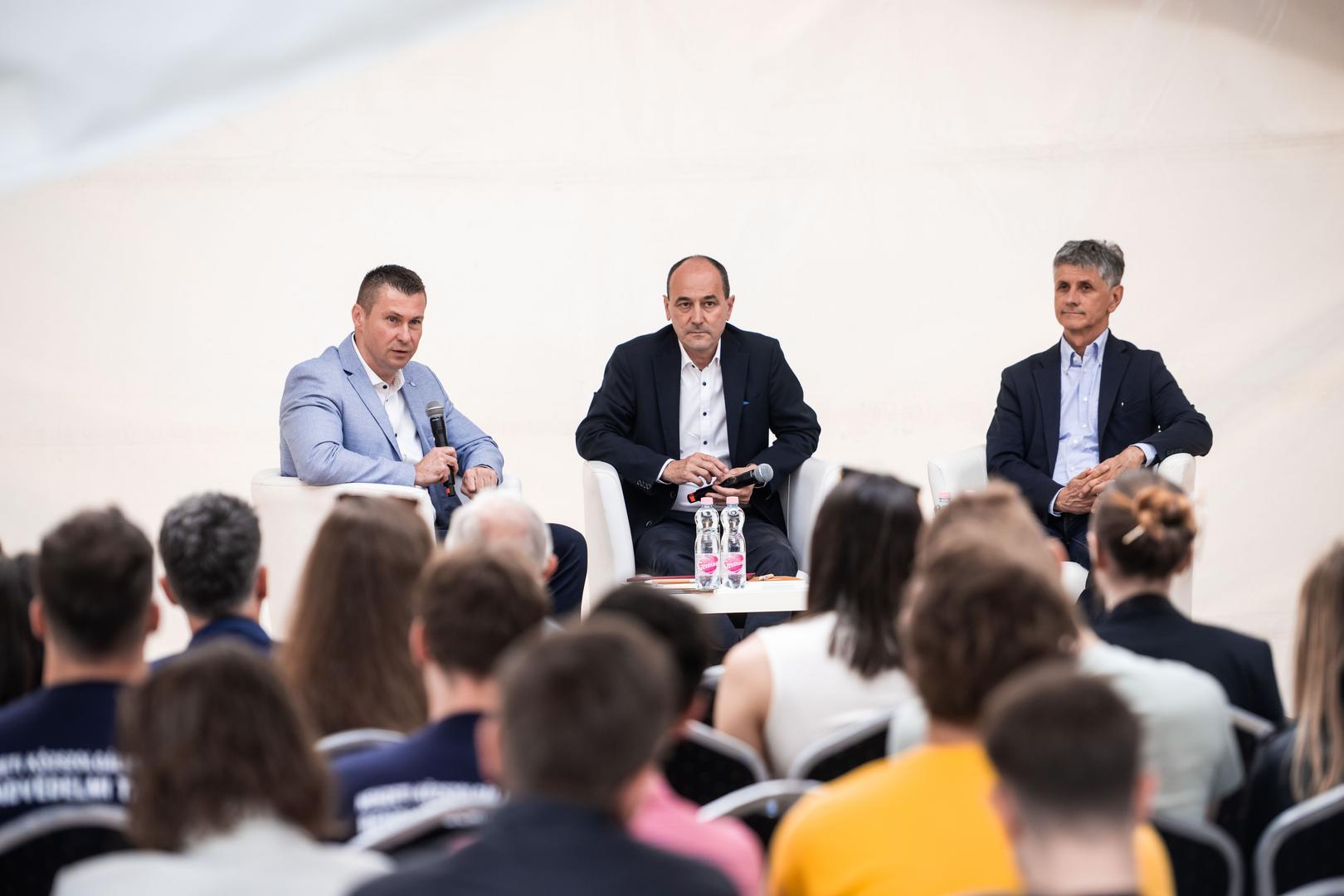
In a roundtable talk moderated by Tamás Cs. Király, podcaster at Ultrahang, István Resperger, colonel, university professor and head of the Security Research Center at Hungarian University of Agriculture and Life Sciences and Konstantin Hidegkuti, international relations expert, discussed the present status of the war between Russia and Ukraine. In his introduction, Resperger focused on the changed geopolitical context. He elaborated on the tension in the Persian Gulf (Strait of Hormuz), progress in Venezuela, as well as the increase in the number of resources directed toward military arming. According to Resperger, the Russians are engaged in a hybrid war, while the frontline is still marked by slow but consistent “strategic advance” near Pokrovsk, Toretsk, and Chasiv Yar. Resperger stressed the necessity of superiority in technology and numbers, as well as modern drone warfare, stating that “every second person gets killed by drones.”
In addition, he mentioned the shortage of people and ammunition in Ukraine, and the progressive degradation of defensive lines. Resperger claims that the Iranian war is also affecting the current situation. On the other hand, Hidegkuti considered the geopolitical consequences. According to him, American dominance continues to persist despite the existence of so-called "brake states" in Europe that would affect future political developments. The use of unmanned aircraft was another topic of discussion for Hidegkuti. Every new weaponry, he argued, would always have its counter-measure. Therefore, there will never be any universal solution to anti-drone technology. Both speakers highlighted the astronomical cost of the prolonged war, as well as the possibility of a "frozen conflict" or a settlement that entails neutrality, border disputes, and postponing NATO membership concerns.
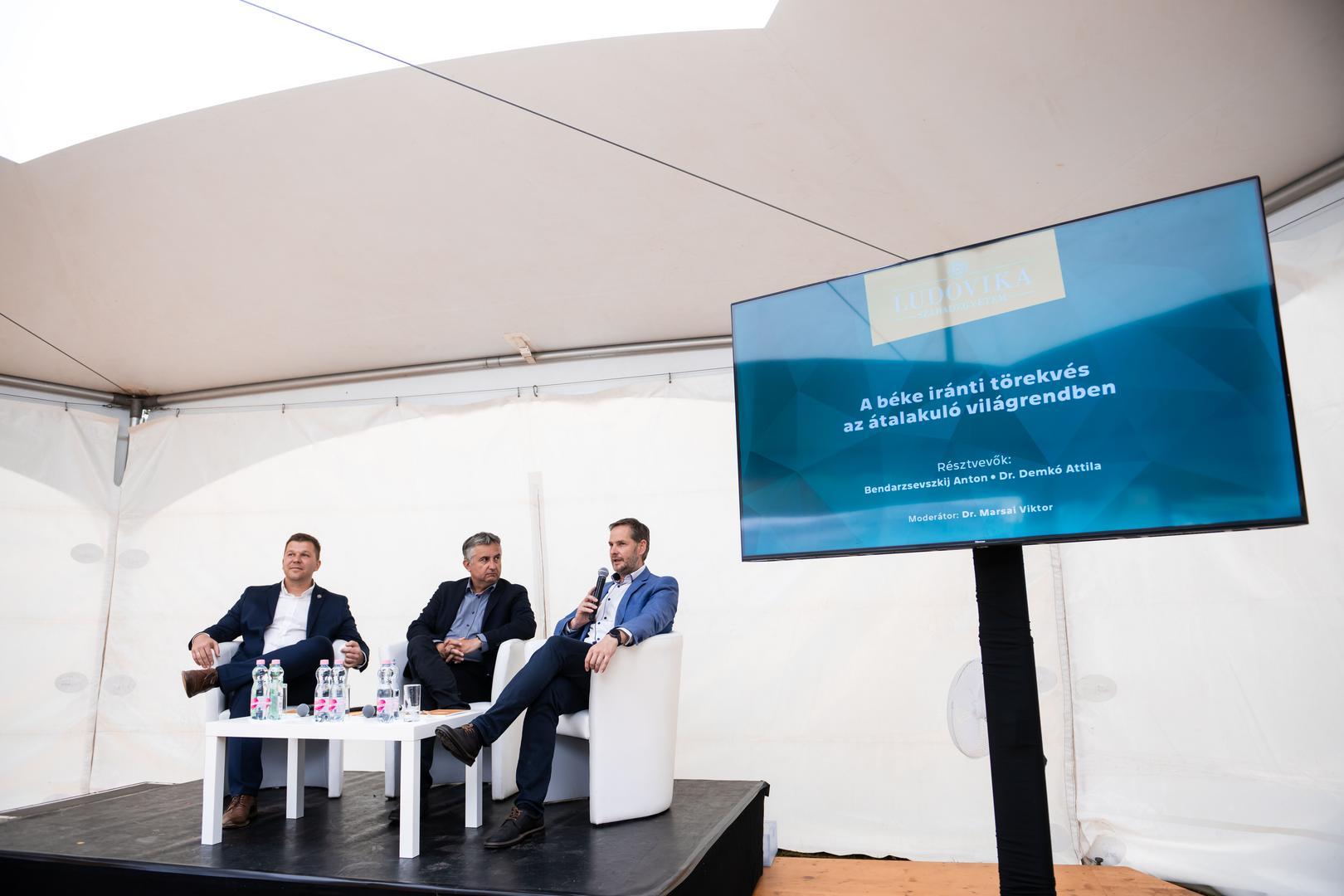
Discussion of the topic of peace was undertaken by Attila Demkó, head of the Strategic Futures Research Program at the John Lukacs Institute at Ludovika University of Public Service, and Anton Bendarzsevszkij, director of the Oeconomus Economic Research Foundation. Moderated by Viktor Marsai, Associate Professor at the Faculty of Public Governance and International Studies of Ludovika University of Public Service, and Director of the Migration Research Institute. The discussion touched upon such aspects as great power rivalry, a multipolar world, and problems related to conducting diplomacy amid such conditions. Both speakers presented a rather pessimistic vision concerning prospects for peace in the near future. In the period marked by drastic changes taking place in the global world, growing number of local wars seems likely to take place. While there is no doubt that the leading position is still held by the United States, cracks in its hegemony become evident. As China, India, and Russia begin challenging American domination, efforts are being made to undermine U.S. influence.
As noted by Demkó, the unipolar world ceased existing many years ago, which means that the real question now concerns not whether other wars will happen but whether great powers, particularly the United States and its rivals, can avoid fighting each other. According to Bendarzsevszkij, the post-Soviet region is characterized by economic factors and dynamics. In particular, Russia would be ready to make compromise in favor of Ukraine only if there is a significant weakening of its political and economic system. As for Iran, Bendarzsevszkij stated that the U.S. aims to resolve the conflict since President Trump understood that the desired conditions did not arise, and he wanted to bring this question to an end without losing respect. The two analysts mentioned that in the new millennium, the term "peace" refers not only to the absence of armed confrontation but also to such important aspects as economic stability, technological rivalry, and balance between civilizations.
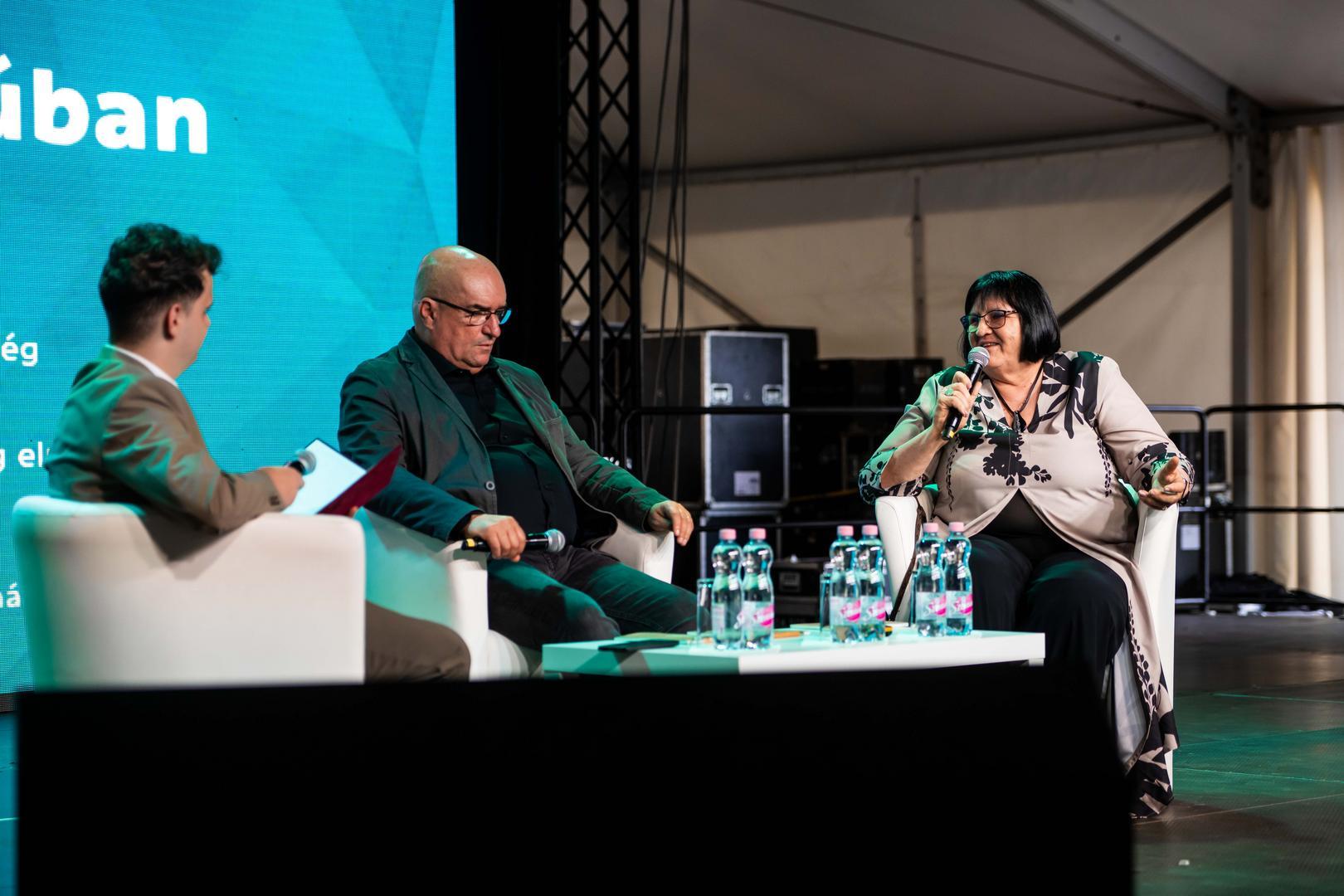
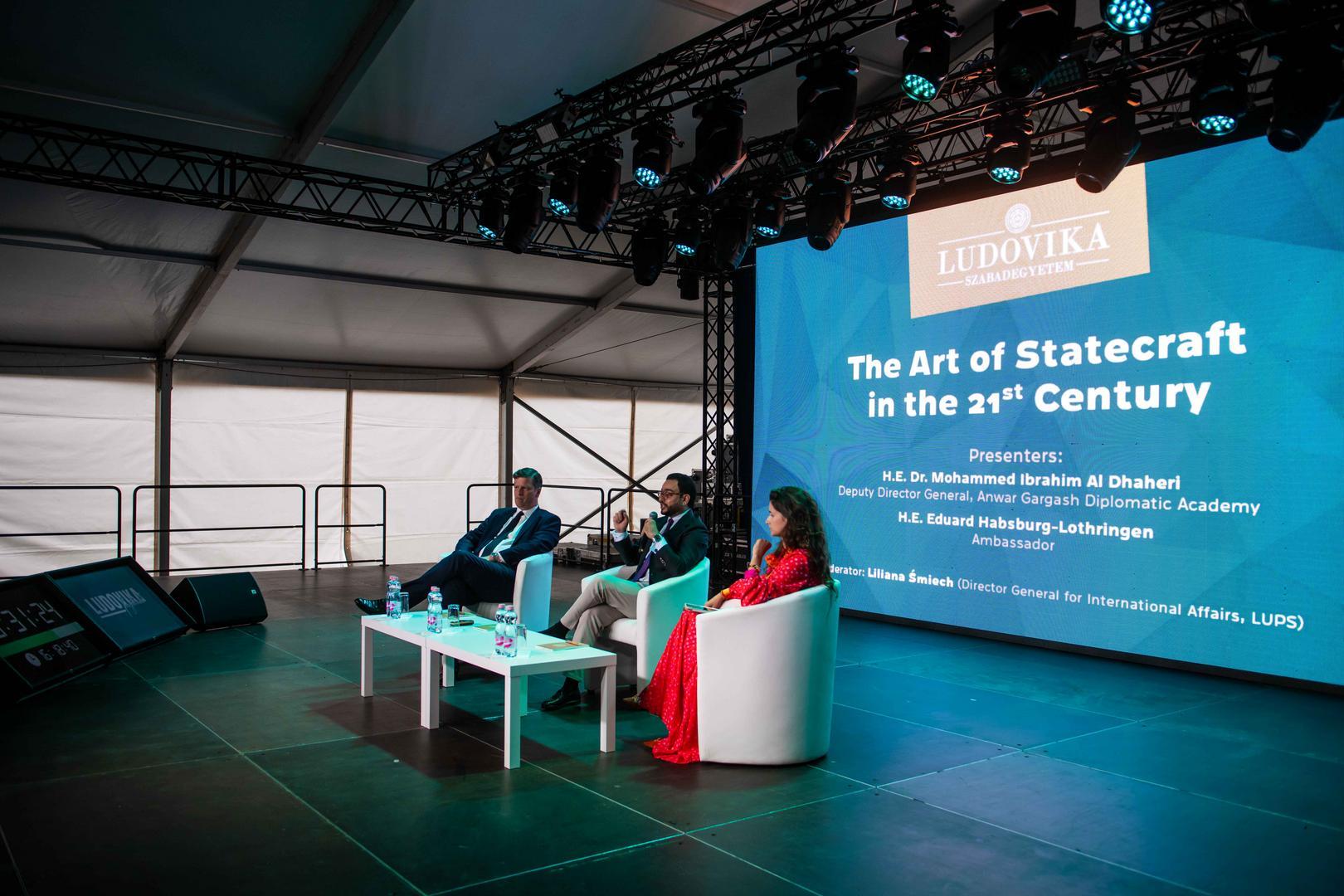
One of the key issues of the panel "The Art of State Leadership in the 21st Century" was related to the essence of effective governance in the contemporary unpredictable world. According to, Mohammed Ibrahim Al Dhaheri, Deputy General Director of Anwar Gargash Diplomatic Academy, states need to adopt short-term, medium-term, and long-term strategies along with being flexible in their decision-making. Indeed, it is impossible for any nation to predict all crises, which is why it is necessary to combine planning and flexibility. Eduard Habsburg-Lothringen mentioned that according to his experience in the Vatican, there are three qualities that are important for leading a country: competencies, calmness, and virtue. Diplomacy in the Vatican values profound knowledge, accurate data, and reasonable decision making. According to him, good political figures are characterized by high intellect and internal harmony because they are able to make reasonable decisions due to balanced lives. As far as the future of diplomacy is concerned, all attendees recognized the role of diplomats despite the modern development in social networks and virtual interaction. Diplomats can be seen as intermediaries who connect different countries and organizations and who play a vital role in communicating their messages. Physical presence, comprehension of the whole situation, and trustful relations allow diplomats to diversify oversimplified media messages.
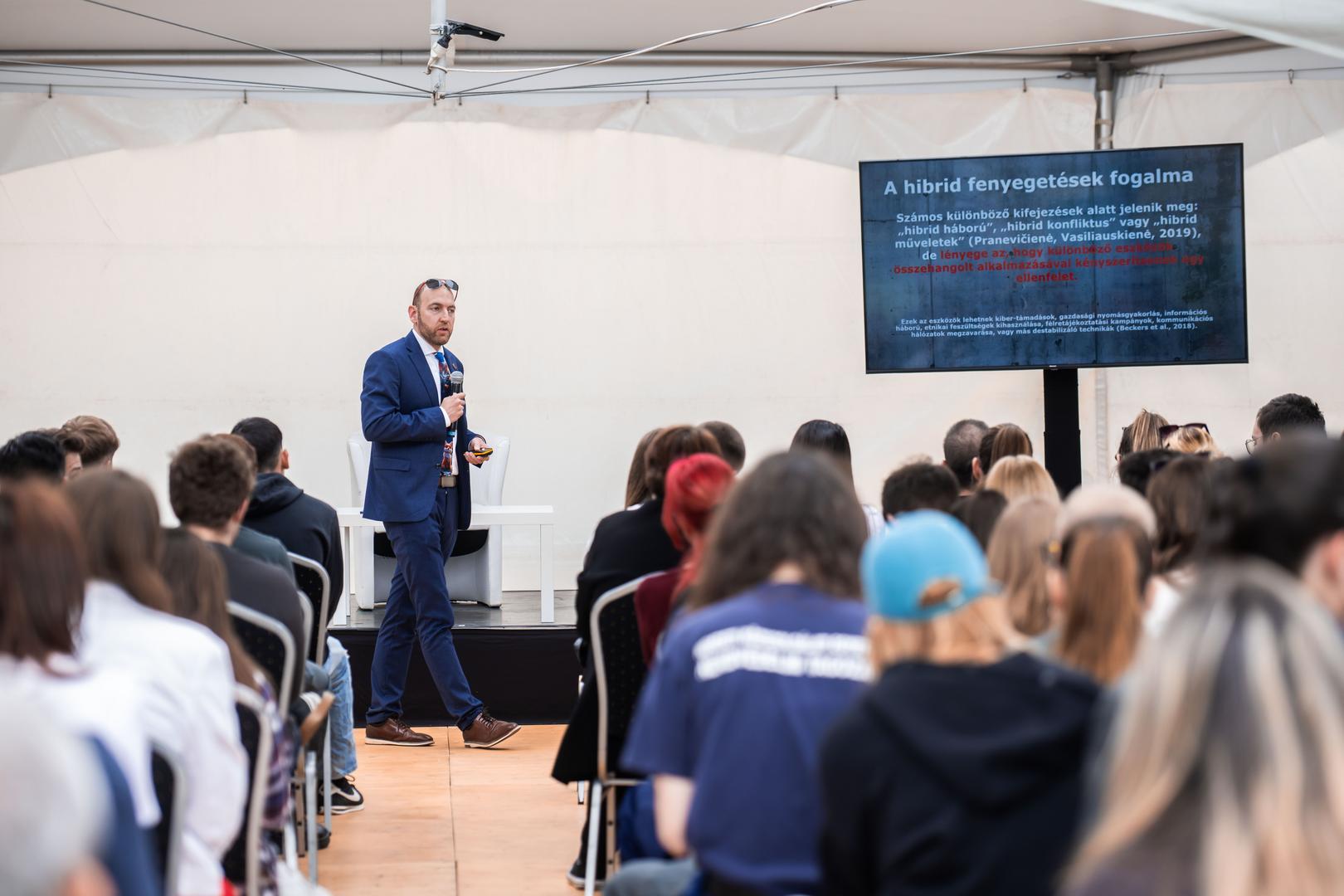
József, Dániel Rémai, Police Major, Head of the Counter-Terrorism Department at the Faculty of Law Enforcement, in his speech highlighted the fact that contemporary security goes far beyond simply being free of armed conflict; instead, it should be regarded as a multidimensional state which is under constant threat of hybrid attack. The concept of hybrid warfare assumes the confusion of lines between war and peace. Aggressors in the gray zone make use of diplomacy, economic sanctions, cyber attacks, and misinformation instead of an openly offensive military campaign to enforce their decisions. Ambiguity can be viewed as another crucial feature of hybrid attacks, because one cannot tell whether some malfunctioning of the key infrastructures is due to inexperienced hackers or foreign intelligence agencies. Not only energy network and governmental computers, but also all kinds of systems that, once failing, could result in social turmoil, can become targets. Therefore, the countermeasures for hybrid attacks are not supposed to involve exclusively military and police forces but also include personal awareness, national crisis management, and cooperation within allied unions such as NATO and EU. It is important to increase resilience because hybrid attacks are meant to disrupt social unity.
As part of a discussion on energy and geopolitics, Sławomir Śmiech Vice-Rector for Science of the Krakow University of Economics and Gagan Deep Sharma, University Professor at the Institute of Management Sciences of Guru Gobind Singh Indraprastha University, and Blanka Benkő-Kovács, advisor, Directorate General for International Affairs, addressed some of the issues faced by energy markets at the moment. The participants said that the impact of war, sanctions, and disruptions of supplies had recently been shaking the sector, and all of that occurred alongside the implementation of green transitions and reconfigurations of geopolitics. While oil and gas would not become outdated, their significance was undergoing transformation. Europe aims at minimizing its reliance on fossil resources, but it is nonetheless dependent on them. Moreover, renewable sources of energy and electrification bring Europe dependence on rare earth minerals and batteries imported from geopolitically problematic regions. As emphasized, it is important for Europe to balance independence and competitiveness, as the former leads to high energy prices, which make European industries less competitive. In such a situation, nuclear energy is likely to be essential for stable and low emission energy production.
The panel “Cyber Experts on the Frontline: How Are Teams Prepared for Complex Cyberattacks?” addressed cybersecurity readiness. Speakers at this panel were András Tóth, Lieutenant Colonel, Anna Bánáti, and Erika Kucsera, Colonels. First of all, one point made in this panel was that there was hardly any point in dividing civilian and military cyberspace into two separate categories, since military operations were highly dependent on civilian services like electricity systems, logistics, IT service providers, and infrastructure. Furthermore, it was stated that the main objective of cyber exercises was to identify vulnerabilities. In order to achieve this goal, not only should participants have technical knowledge, but also be able to make decisions, exchange information, escalate problems, communicate, and learn how organizations could improve their cybersecurity practices. Finally, stress was also an important element, as participants had to feel the pressure of having to make decisions under circumstances when systems failed, information disappeared, and attacks came from various angles.
The former students Réka Hornyák, Johanna Seres, and Mátyás Kovács talked about their experiences during the university years with the moderator Anna Nagy, representative of the Student Union of the Faculty of Public Governance and International Studies. Orientation camps, student events, living in dormitory, and the communities within the colleges promoted friendship and professional connections for them. Exam finals, thesis writing, and hard subjects were some of the major difficulties they encountered; yet, they all agreed that determination and social assistance made them go through. Another important issue brought up by the speakers was the variety of courses offered, international environment, and personal growth in communication, managing time, self-reliance and adaptation.
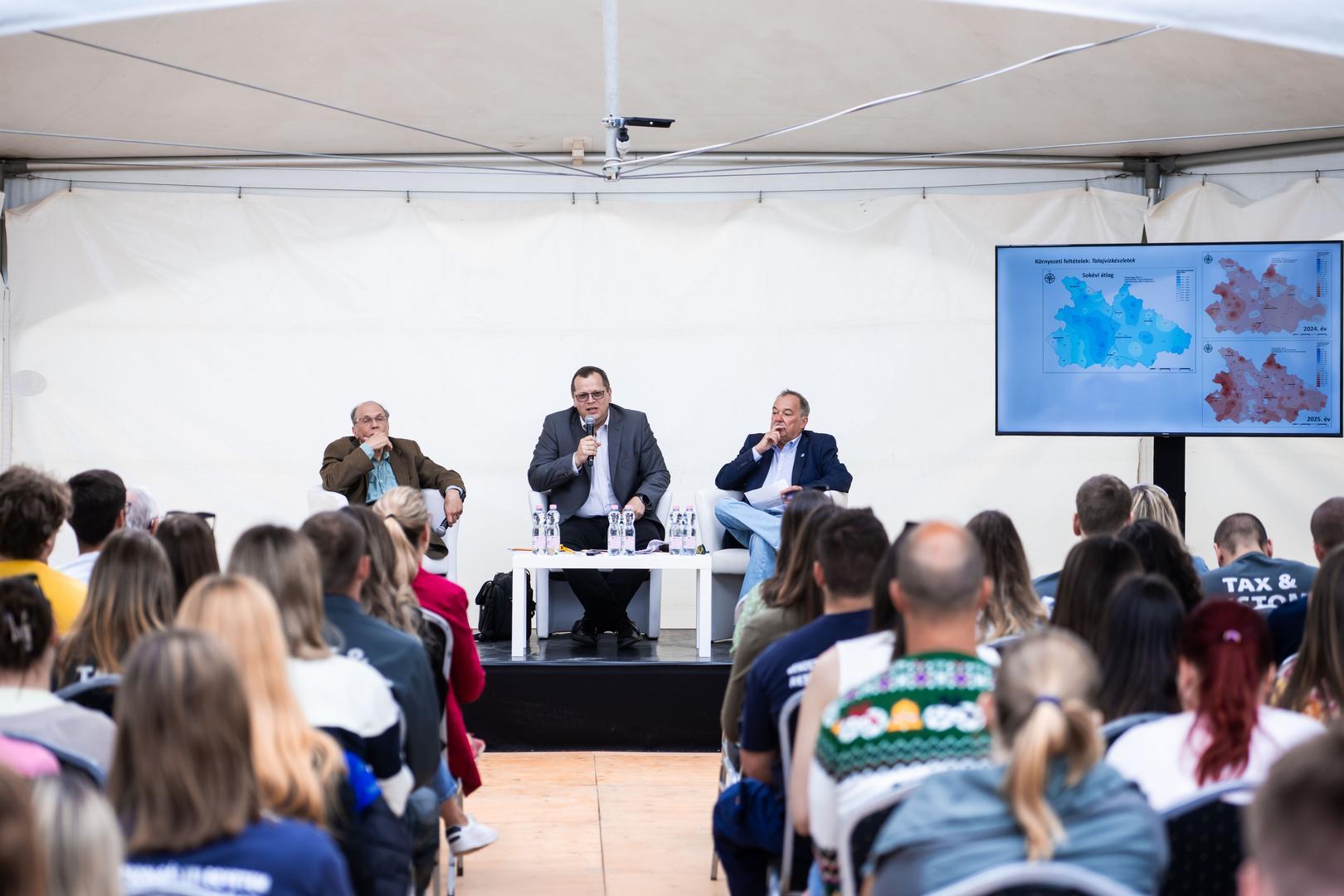
Péter Kozák, The director of the Lower Tisza District Water Directorate and associate professor at the Faculty of Water Sciences of Ludovika University of Public Service and Gábor Mezősi, professor from the Department of Physical and Environmental Geography at University of Szeged. presented the most urgent problems related to the water management in the Carpathian Basin. In the discussion moderated by Tamás Pálvölgyi, Vice Dean for International and Strategic Affairs at the Faculty of Water Sciences of Ludovika University of Public Service, shocking statistics were revealed. Namely, the temperature rise in the area of the Lower Tisza is already 2°C on average, while only 240 mm of rain fell near Csongrád last year. The specialists stated that conventional water management should be replaced by the “Water into the Landscape” paradigm, which involves keeping water within the landscape rather than fast-draining it. The competition between agriculture and industry for water, as well as climate change, may result in significant risks of drought for sensitive areas. They agreed that merely advancing technology is not enough; there needs to be a shift in societal values regarding the use of water resources because wasteful usage is unacceptable in times when the Carpathian Basin is becoming increasingly dry.
In their articles, authors and journalists János Bán and Endre Sal alongside Marianna Csehi, CEO of Highlights of Hungary, addressed how role models turn into legends and why it is necessary to comprehend legendary figures in history and today as individuals. With reference to famous personalities like Mór Jókai, Matthias Corvinus, Francis II Rákóczi, and Tibor Benedek, they highlighted that dedication, self-sacrifice, faith, and sometimes even solitude characterize outstanding accomplishments. Furthermore, they emphasized the significance of storytelling, arguing that stories about people bring historical figures much closer to youth than plain facts in textbooks.
The topic discussed at the roundtable “Under All Circumstances: Safe Water Utility Services” was the provision of water and wastewater services. The attendees at the discussion included Csaba Ferenc Haranghy, CEO of Nemzeti Vízművek Zrt., and Viktor Kurdi, President of MAVÍZ; and the moderator was Zsolt Cimer, Dean of the Faculty of Water Sciences. Even though safe drinking water and sewage system operations are taken for granted in Hungary, there are billions of people all over the world who lack access to safe drinking water and sanitation facilities. One of the key problems addressed was long-term under-funding. Water rates in Hungary have been very low for years, and they fail to consider the real value of water. Although bottled water is very costly, even tap water costs less than one forint per liter.
“No kid is guilty of the wars initiated by grownups,” was one of the statements made during the “School in War” lecture organized by Bence Mezei, first-year geography and history teacher-training student at the Nemeskürty István Teacher Training Faculty of the Ludovika University of Public Service. Other participants in the discussion were László Brenzovics, President of the Cultural Association of Hungarians in Transcarpathia, and Ildikó Orosz, President of the Transcarpathian Hungarian Pedagogical Association. These three spoke about the drawbacks of distance learning, difficulties faced in real-life classrooms, the need for shelter and infrastructural facilities, and the mental burden put on the kids and families due to the situation. Air raid warnings and thoughts about conscription play an important role in shaping up people’s decisions and lives. Schools are more than just academic institutes; schools are safe havens for children even in times of war.
During the lecture "Artificial Intelligence in Hard and Soft Military Operations," Tibor János Szabó, Retired Colonel, Expert for cyber and defence digitalization at 4iG, stated that appropriate regulation is crucial for preventing the situation where artificial intelligence will exceed human control. In his conversation with Veronika Saly, Head of the Cybersecurity and Technological Challenges Research Cell of the National Security College for Advanced Studies, he mentioned that AI should be used to facilitate decision-making processes without replacing human accountability. The themes discussed were fast technological progress in the field of large language models, weapons, drones, and hybrid warfare using cyber operations and disinformation. The speakers agreed that preparation within the military and society is equally important since wide AI application necessitates education, responsible usage, and public control. Finally, they pointed out that adaptation is inevitable, but AI cannot substitute for human thought, which can only speed up processes and perhaps solve global problems like climate change.
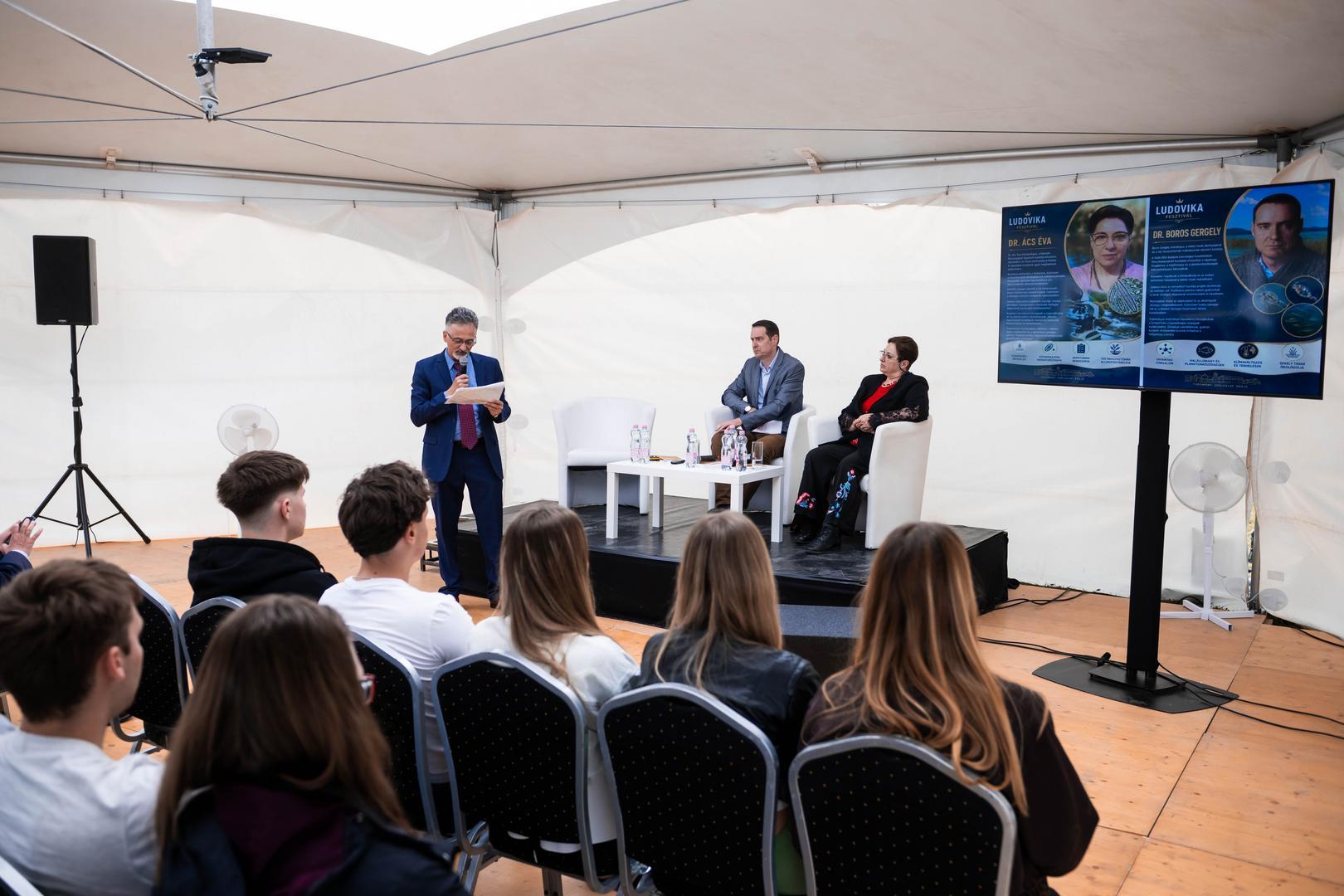
Professional consultation about the quality and quantity issues regarding Lake Balaton was held between Gergely Boros, Senior Research fellow at the HUN-REN Balaton Limnological Research Institute, and Éva Ács, Research Professor at the Faculty of Water Sciences of Ludovika University of Public Service. The discussion, moderated by István Grigorszky, Head of the Department of Hydrobiology at the Institute of Biology and Ecology, Faculty of Science and Technology, University of Debrecen, concerned the present and future environmental risks of the lake. Boros noted that although nutrient loadings from outside have been significantly reduced, phosphorus pollution coming from internal sources and residing in the bottom sediments still poses a great threat to the lake.
Warm temperatures and quiet days stimulate the activity of internal nutrient cycles. Boros mentioned several invasive species affecting the ecology of the lake, such as quagga mussels. Ács stressed the importance of monitoring, specifically that of the indicator status of the algal flora associated with surfaces. The flora responds quickly to changing conditions and may serve as an early warning signal about the condition of local water quality and even the effect of climate change. She also mentioned the expansion of cyanobacteria, which might affect recreational and water use opportunities. The moderator, István Grigorszky, focused on the impact of water-level control on ecosystem functioning. The audience recognized that keeping water levels high and controlling their variability could affect the shores and reed beds. There was a consensus that successful management of Lake Balaton would require ongoing monitoring of biological and chemical processes together with adaptive water resource management practices.
Text: Mónika Bárdos, Éva Harangozó, Orsolya Jancsó, Zsófia Sallai, Tibor Sarnyai
Photo: Dénes Szilágyi