Munzer Alshahhaf
Munzer Alshahhaf
Syria,
Scholarship holder of the Scholarship Programme for Christian Young People
Environmental Engineering, 3rd year
Faculty of Water Sciences
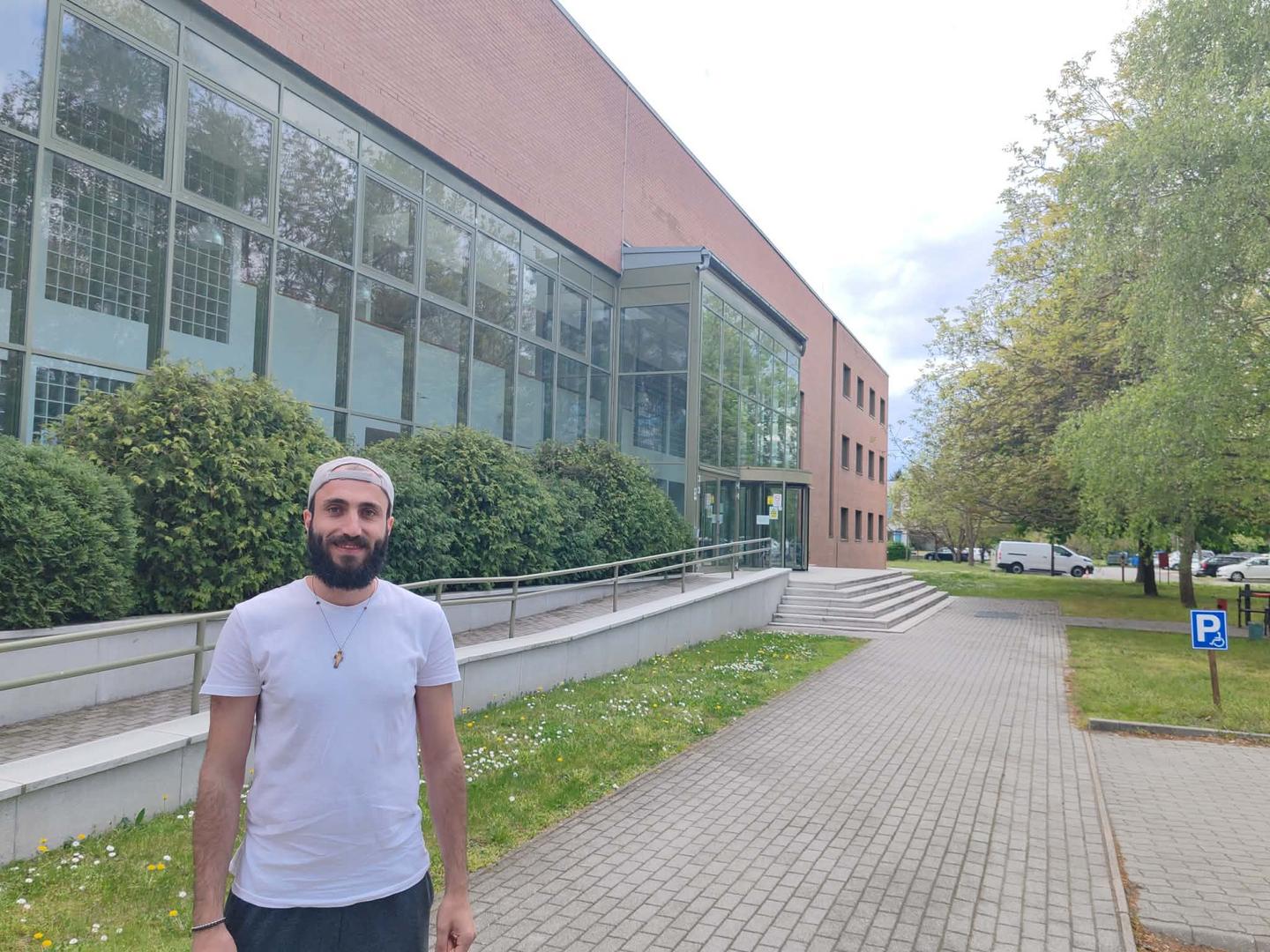
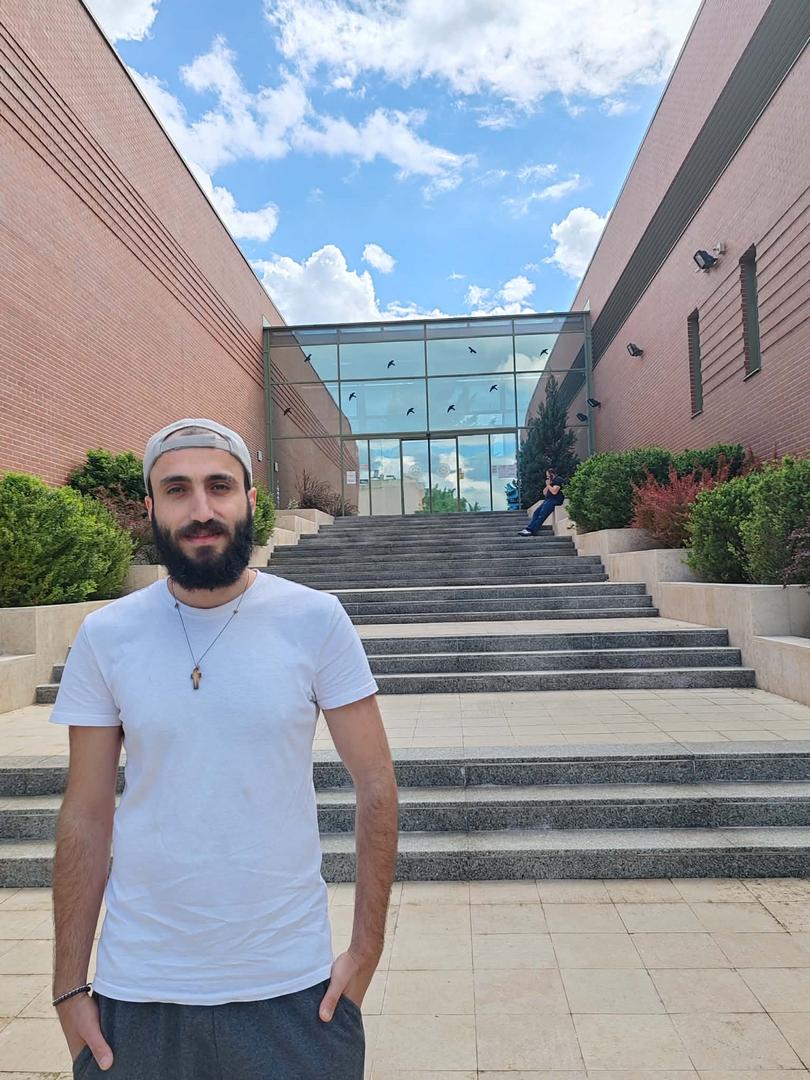
How do you feel here, in Hungary, as a scholarship holder of the Scholarship Programme for Christian Young People?
I feel both grateful and honored to be a recipient of the Scholarship Programme for Christian Young People in Hungary. This opportunity has allowed me to study in a European academic environment while supporting my academic and personal development. Living here has strengthened my independence and adaptability, and interacting with people from diverse cultural backgrounds has significantly broadened my perspective.
• Why did you choose this university?
I chose this university due to its strong academic reputation in my field and the high quality of its research programs. It offers excellent facilities and valuable opportunities for practical experience, both of which are essential for my future career. Furthermore, its international environment and the opportunity to study in Hungary made it a particularly attractive choice.
• What were your first impressions when you arrived in Hungary? How have these changed over time?
Upon my arrival in Hungary, everything felt new and somewhat challenging, particularly due to the language barrier and cultural differences. Nevertheless, I was impressed by the level of organization and the calm atmosphere. Over time, I have become more comfortable with everyday life, successfully adapted to the culture, and built meaningful social connections. Today, Hungary feels like a second home to me.
• What has your experience been like so far with your studies in Hungary?
My academic experience has been highly positive and enriching. The educational system emphasizes independent thinking and research, which has strengthened my analytical and problem-solving skills. I have also had the opportunity to participate in practical projects that have made learning more engaging and relevant. Although adapting to a different teaching style was initially challenging, it became increasingly manageable over time.
• What opportunities do you have at (or outside) the university to practice your faith?
In Hungary, there are several opportunities to practice one’s faith both within and outside the university environment. Various religious communities, places of worship, and student groups provide opportunities to connect with others who share similar beliefs. While the university primarily focuses on academic activities, the wider community offers sufficient space for personal religious practice.
• Do you make use of these opportunities or actively seek them out?
Yes, I make a conscious effort to take advantage of these opportunities whenever possible. Practicing my faith is important to me, so I remain engaged through attending services, connecting with others, or practicing privately, while maintaining a balance with my academic responsibilities.
• How and where do you plan to use the knowledge you have gained here, in the future?
I intend to apply the knowledge and skills I have acquired to build a meaningful career in my field. My goal is to address real-world challenges, particularly in environmental research and water quality. I aspire to contribute to initiatives focused on sustainable resource management and environmental improvement.
In the long term, I aim to be involved in research and development, leveraging my academic background and practical experience to make a positive impact on communities and contribute to scientific advancement.
• Your three favorite foods and places in Hungary
Foods:
Lángos, halászlé, and csirkepörkölt with nokedli
Places:
Budapest, for its remarkable architecture and vibrant atmosphere
Pécs Basilica, for its historical and cultural significance
Baja is a peaceful city where I pursue my studies.