Water equity & glacier-dependent communities in Chilean-Argentine Patagonia
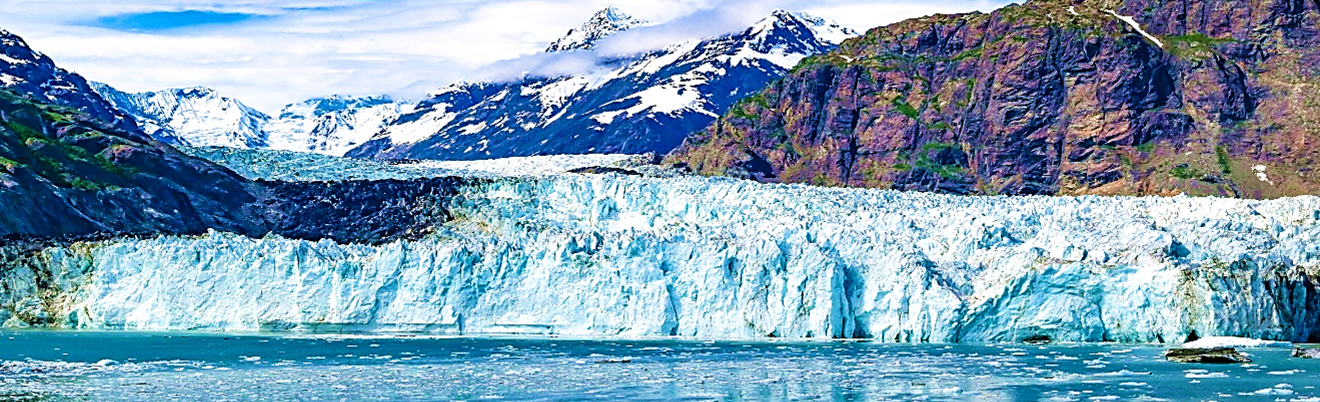
Glaciers are essential components of regional hydrological systems and provide freshwater resources for many communities worldwide. In Chilean–Argentine Patagonia, the Southern Patagonian Ice Field represents one of the largest freshwater reserves in the Southern Hemisphere outside Antarctica. This article examines how glacier retreat linked to climate change may affect water security and equitable access to water in glacier-dependent regions. Drawing on recent literature (such as reports by IPCC, UNESCO and WGMS), it highlights the implications of glacier loss for water governance and cross-border cooperation in Patagonia.
Patagonia hosts one of the largest glacier systems outside the polar regions. The Southern Patagonian Ice Field covers approximately 12,000 km² along the Andes between Chile and Argentina. These glaciers feed river systems that drain both westward into the Pacific Ocean fjords and eastward into Atlantic drainage basins such as the Santa Cruz River.
Beyond their environmental importance, these glaciers support regional livelihoods and economic activities. Meltwater contributes to river flows that sustain ecosystems, tourism, livestock production and local water supply. Communities in cities such as Coyhaique, Puerto Natales and El Calafate depend indirectly on glacier-fed hydrological systems for environmental stability and water availability.
Climate change is accelerating glacier retreat worldwide. Recent studies estimate that global glaciers lost approximately 270 gigatonnes of ice per year between 2000 and 2020. This process initially increases river discharge due to intensified melting, a phenomenon often described as “peak water”. However, once glacier mass declines significantly, river flows may decrease because the natural ice reserves that regulate seasonal water availability are reduced.
For Patagonia, long-term glacier retreat could therefore alter the stability of river systems that currently benefit from meltwater during dry periods. These changes may gradually affect water availability for ecosystems, local communities and economic activities dependent on glacier-fed rivers.
Water equity refers to the fair distribution of access to water among different social groups and territories. In glacier-dependent regions, climate-driven changes in water availability may disproportionately affect communities with limited adaptive capacity. In Patagonia, local economies based on livestock production, tourism and small-scale agriculture depend on the stability of glacier-fed hydrological systems. A reduction in meltwater could alter water availability during dry seasons and increase competition among different water uses. From a water justice perspective, this raises key governance questions regarding priority access to water resources and the distribution of climate-related risks.
Because Patagonian glaciers extend across the Andes between Chile and Argentina, their long-term management requires coordinated approaches to water governance. Scientific monitoring of glacier dynamics, data sharing and climate adaptation planning are essential for addressing future water risks. International initiatives led by organizations such as UNESCO, the IPCC and the World Glacier Monitoring Service emphasize the importance of integrating cryosphere science into water governance strategies. Strengthening cross-border cooperation will be essential to ensure that glacier retreat does not undermine water security or territorial equity in the region.
The glaciers of Chilean–Argentine Patagonia constitute critical natural infrastructure for regional water systems. Their retreat due to climate change poses emerging challenges for water security and equitable access to water for communities dependent on glacier-fed rivers. Addressing these challenges requires improved monitoring, stronger transboundary cooperation and governance frameworks capable of balancing environmental sustainability with social equity.
Text: William Rebolledo