Gendered Burdens of Water Insecurity in Sub-Saharan Africa
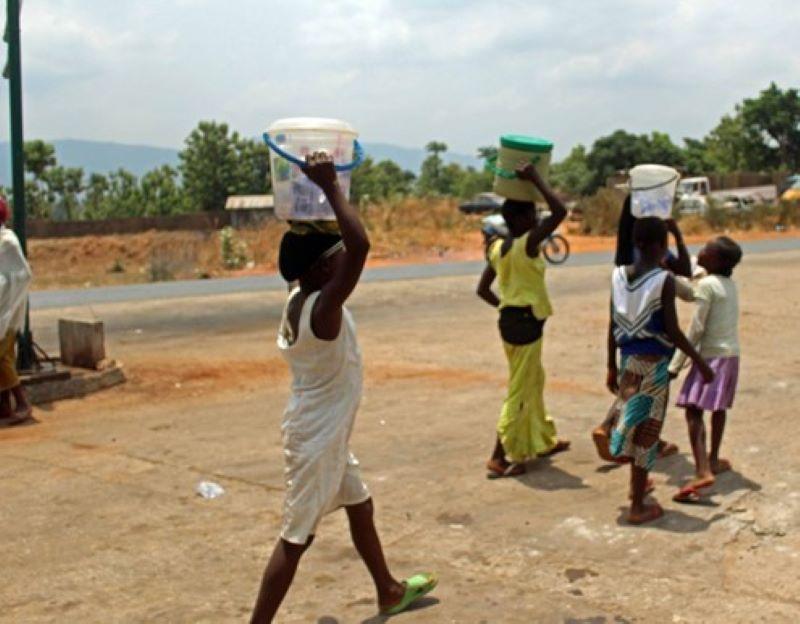
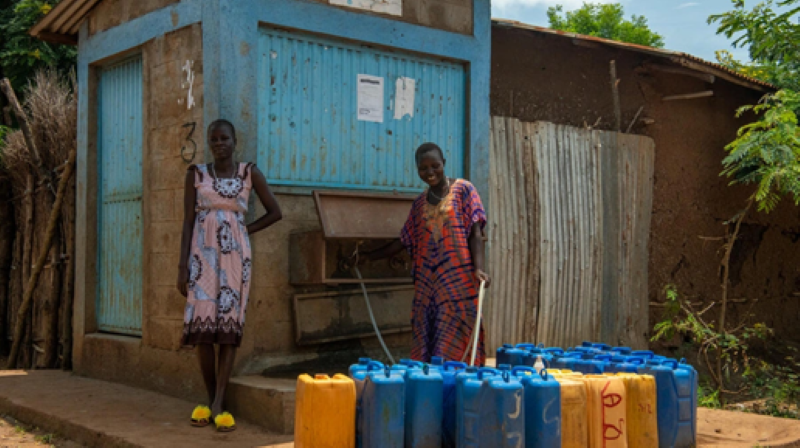
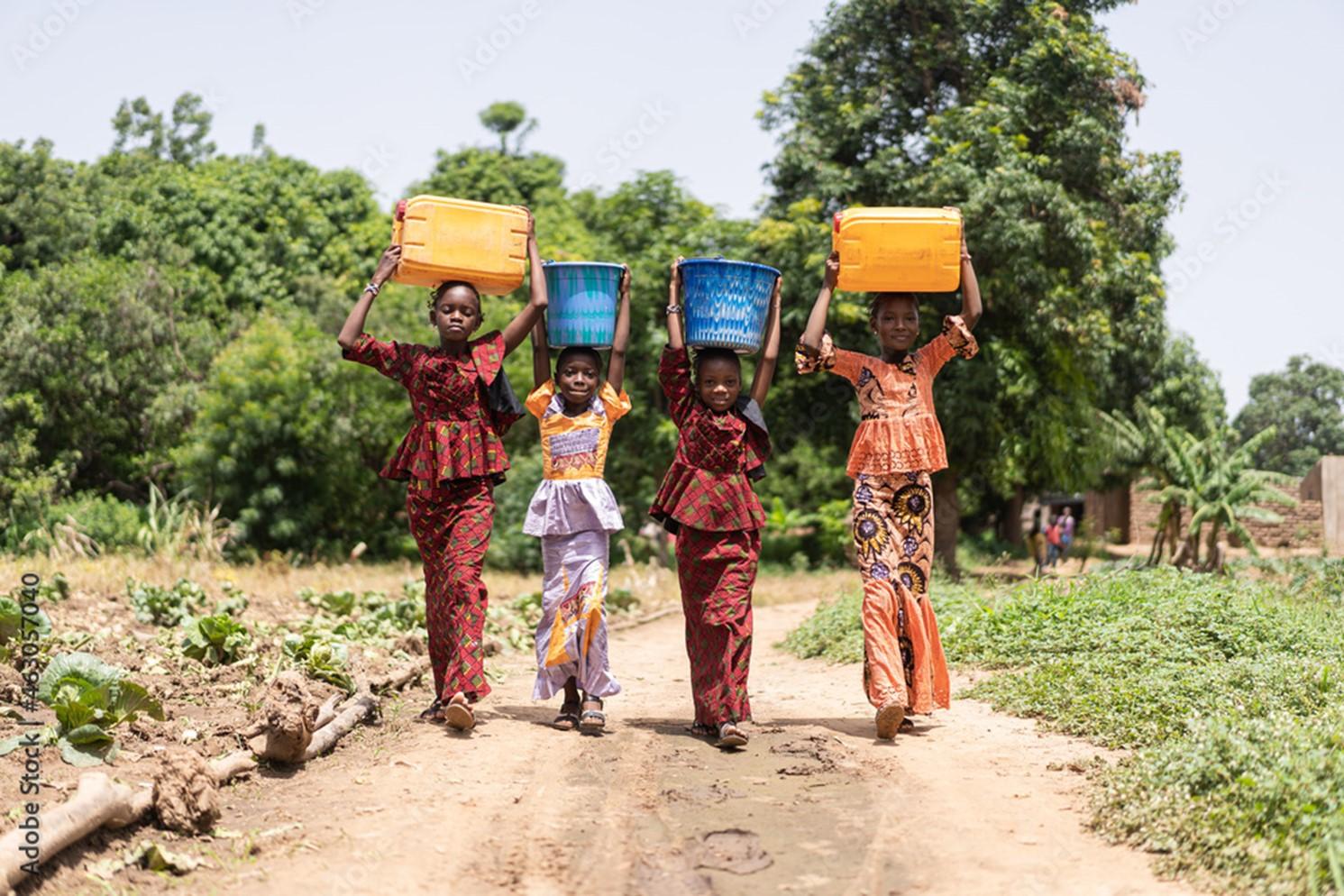
While national statistics on water often report overall water coverage, they rarely capture the disproportionate burden placed on women and girls who remain primarily responsible for water collection and household water management. Women and girls are responsible for water collection in roughly 70% of households without an on-premises water supply. This often involves long walking distances, extended queues at communal water points, and daily exposure to physical and safety risks (WHO/UNICEF JMP, 2025). Access to water therefore, goes beyond an infrastructure challenge; it is also a matter of gender equity.
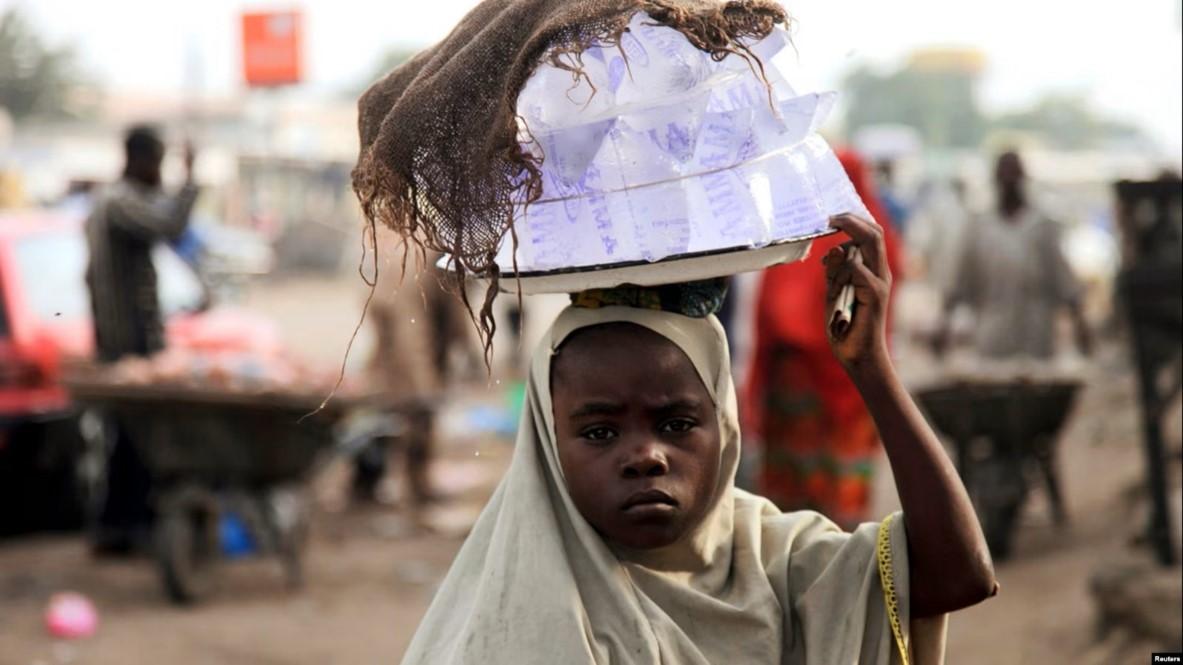
Across West African cities, sachet water, commonly known as “pure water”, has become a major source of drinking water, compensating for failures in municipal water supply. An often-overlooked dimension of this system is that women dominate the retail distribution chain. Street hawkers selling sachet water in markets, transport hubs, and residential areas are predominantly women and girls who rely on the trade for informal income (UNEP, 2022; World Bank, 2024).
While this provides livelihoods, it also reflects structural inequalities. Women typically occupy the lowest-value segment of the water supply chain, earning small amounts while working without social protections or formal regulation.
In IDP camps in humanitarian contexts such as the Lake Chad Basin, where millions have been displaced by conflict and climate pressures. Emergency water supply systems operate at limited hours, often concentrated in the early morning. Women and girls are primarily tasked with domestic chores, so in practice, this can force girls to miss school in order to queue for water (UNHCR, 2022; UNICEF, 2023). This shows how water insecurity could impact girls' education.
Recent global monitoring shows that millions of schoolchildren lack basic water and sanitation services at school, including facilities necessary for menstrual hygiene (WHO & UNICEF, 2024). A study conducted in Kenya revealed that 95% of menstruating girls missed between one and three days of school, 70% experienced a negative effect on their academic performance, and over half reported falling behind in their studies due to menstruation (Mucherah and Thomas, 2017). A lack of water can also hinder proper handwashing after changing menstrual products, increasing the risk of serious infections such as hepatitis B and thrush. (World Bank, 2022).
The burden of water collection also produces what development researchers describe as “time poverty”. Across sub-Saharan Africa, women and girls spend hundreds of millions of hours collecting water, time that could otherwise be used for education or paid employment, thereby limiting economic activities and exacerbating inequalities. (UNICEF, 2023).
Across West Africa, millions still lack basic sanitation services, forcing many households to practice open defecation (UNICEF, 2023). For women and girls this creates additional risks. The absence of safe sanitation facilities often requires seeking privacy in isolated areas, sometimes before sunrise or after dark. Studies have linked these conditions to increased vulnerability to harassment and gender-based violence (UN Women, 2020).
Water collection itself can also expose women to danger. Long journeys to remote water sources, often undertaken in poorly lit areas, have been associated with increased risks of harassment or assault. There is also a significant physical burden, as carrying heavy containers of water over long distances can contribute to chronic musculoskeletal strain and long-term health impacts, particularly for women and adolescent girls (WHO, 2022).
Addressing water inequality requires policies that explicitly recognize the gendered dimensions of water access. Global frameworks already acknowledge this connection. SDG 6 (Clean Water and Sanitation) calls for universal and equitable access to safe water, while SDG 5 (Gender Equality) highlights the need to reduce unpaid care burdens that disproportionately affect women.
Key policy responses include expanding household piped water infrastructure, improving sanitation facilities in schools, ensuring safe and accessible community water points, and strengthening women’s participation in local water governance.
Water insecurity is experienced unevenly. When infrastructure fails, women and girls absorb the consequences through longer working hours, safety risks, lost educational opportunities, and additional health burdens.
Improving water systems is therefore not only a public health priority. It is also a critical pathway toward greater gender equality and social inclusion.
Text: Emmanuel Chinonyerem Okpala