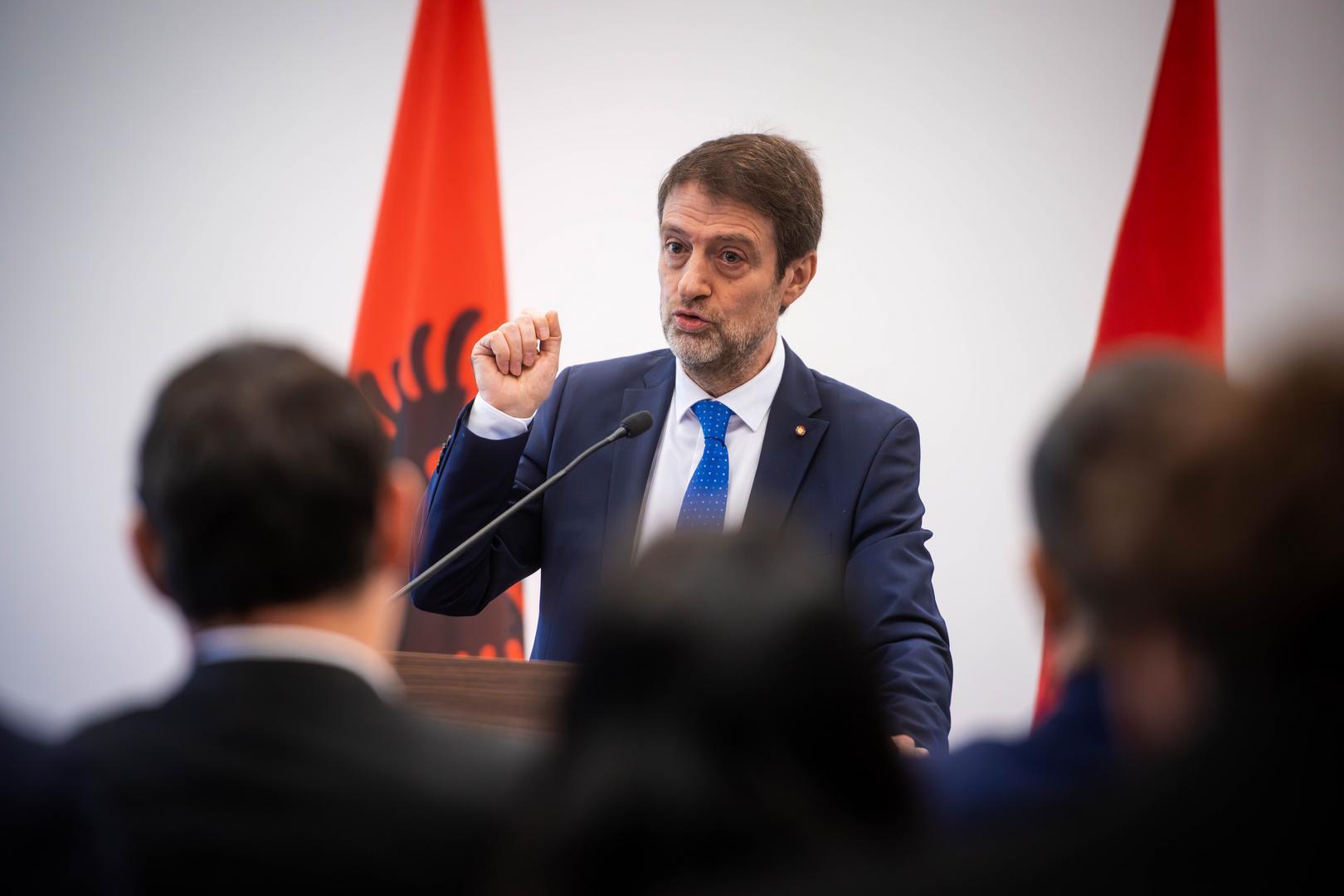
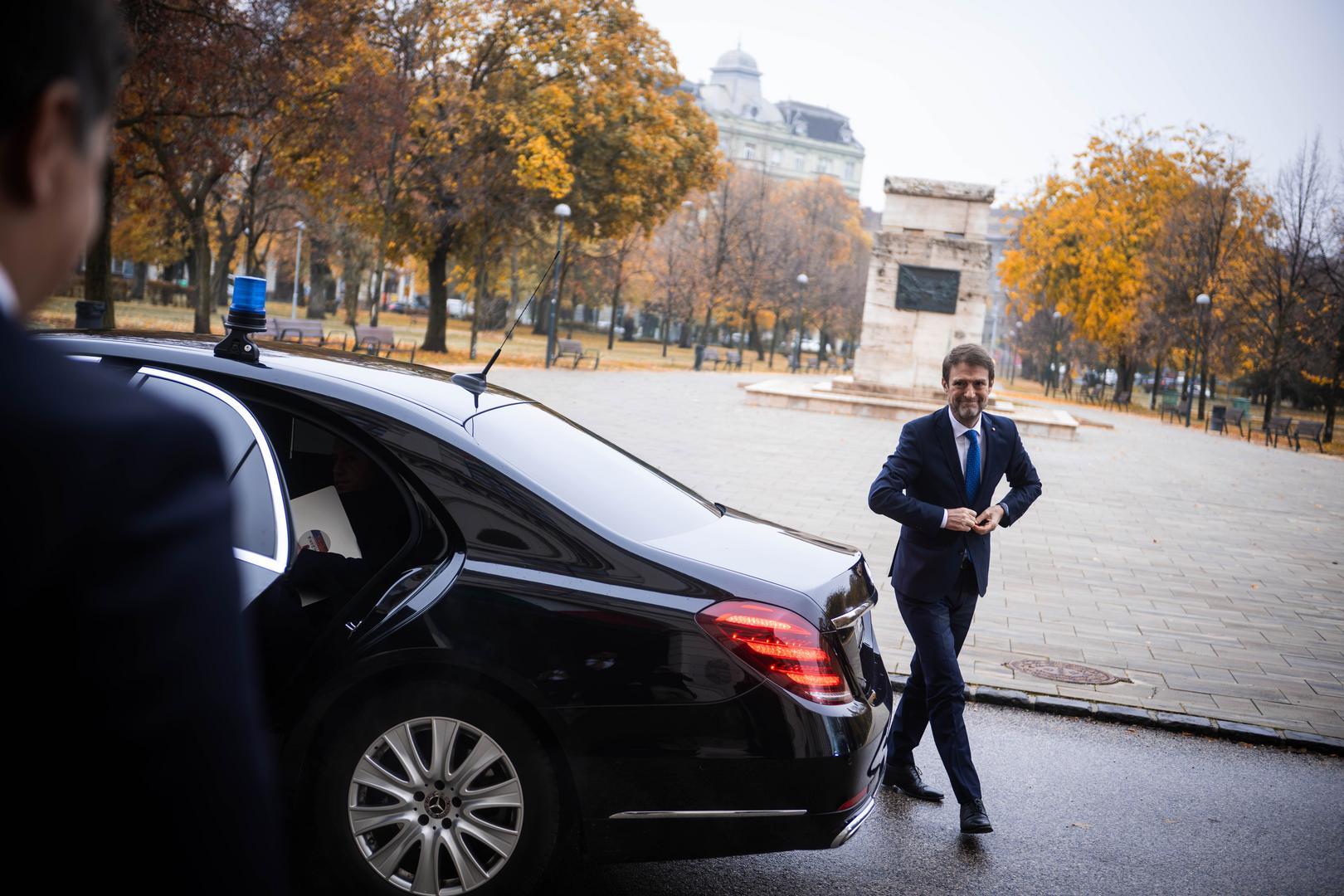
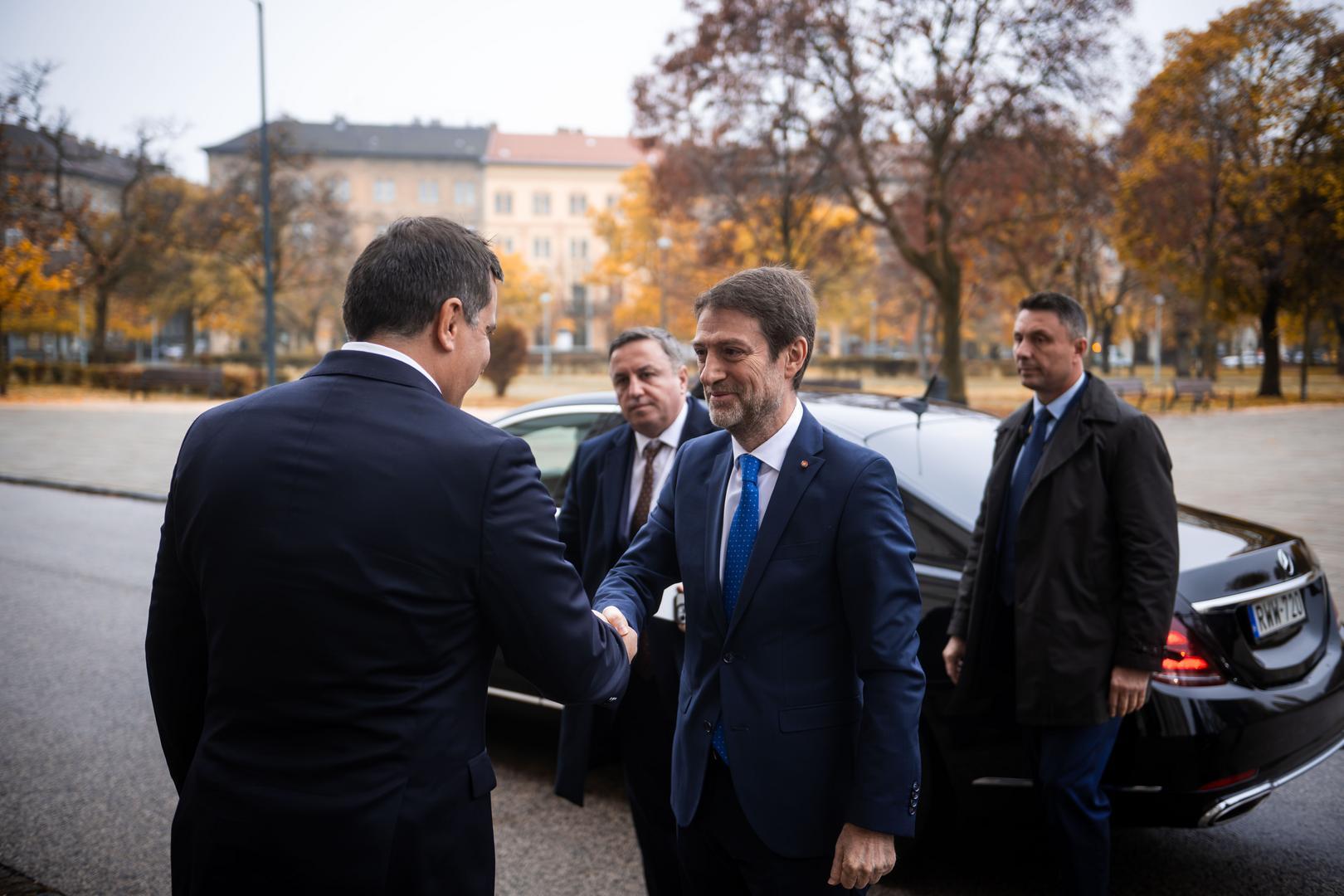
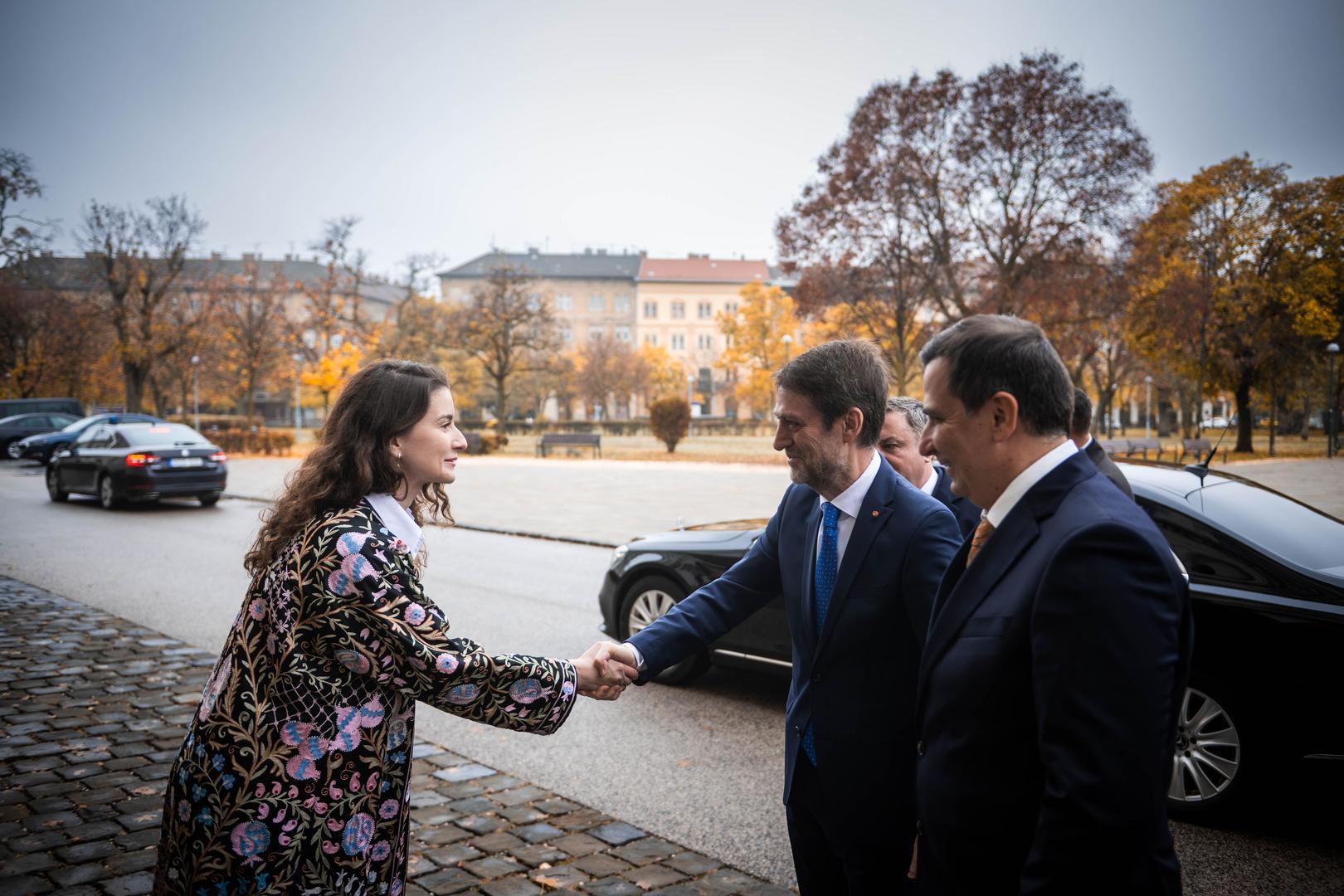
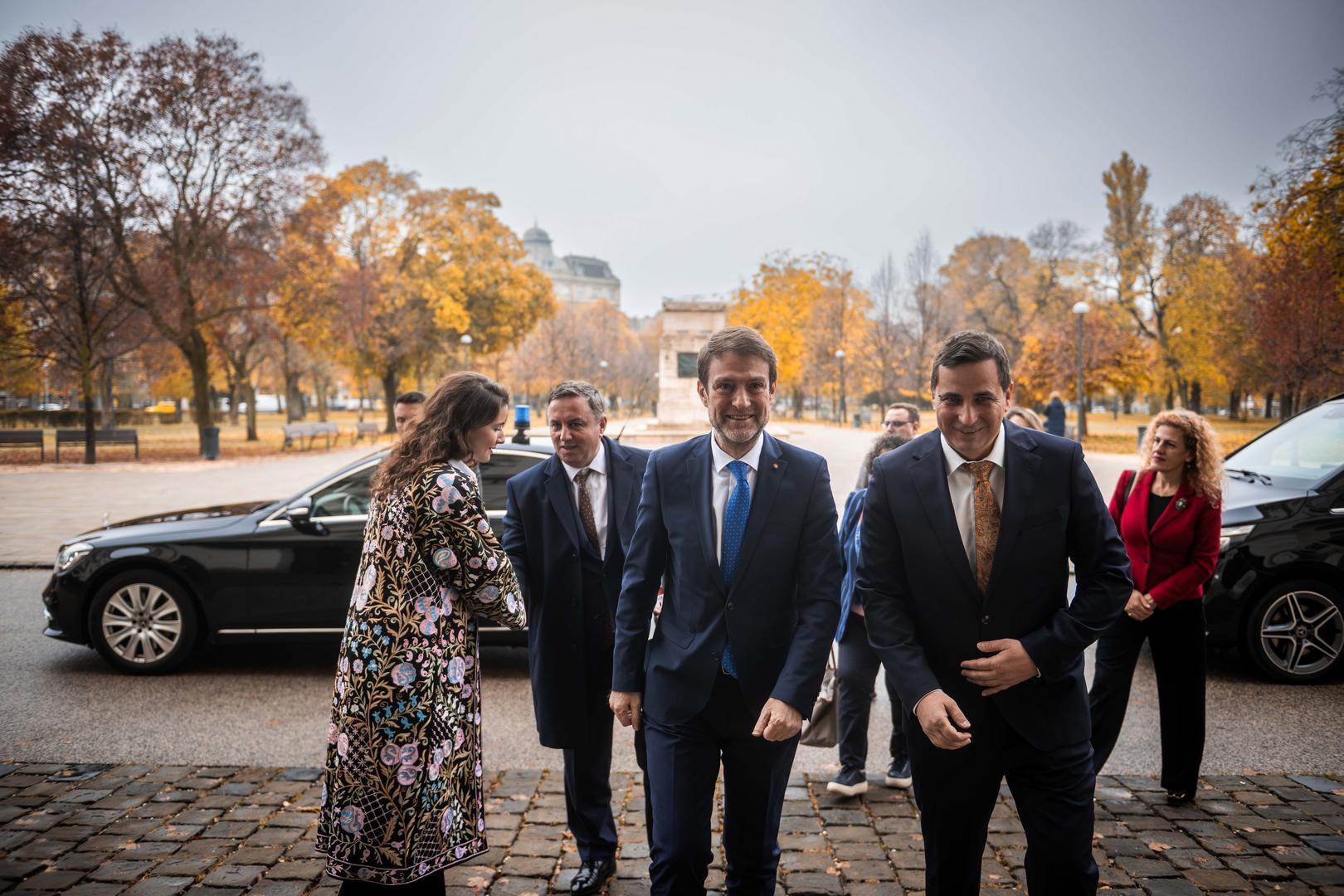
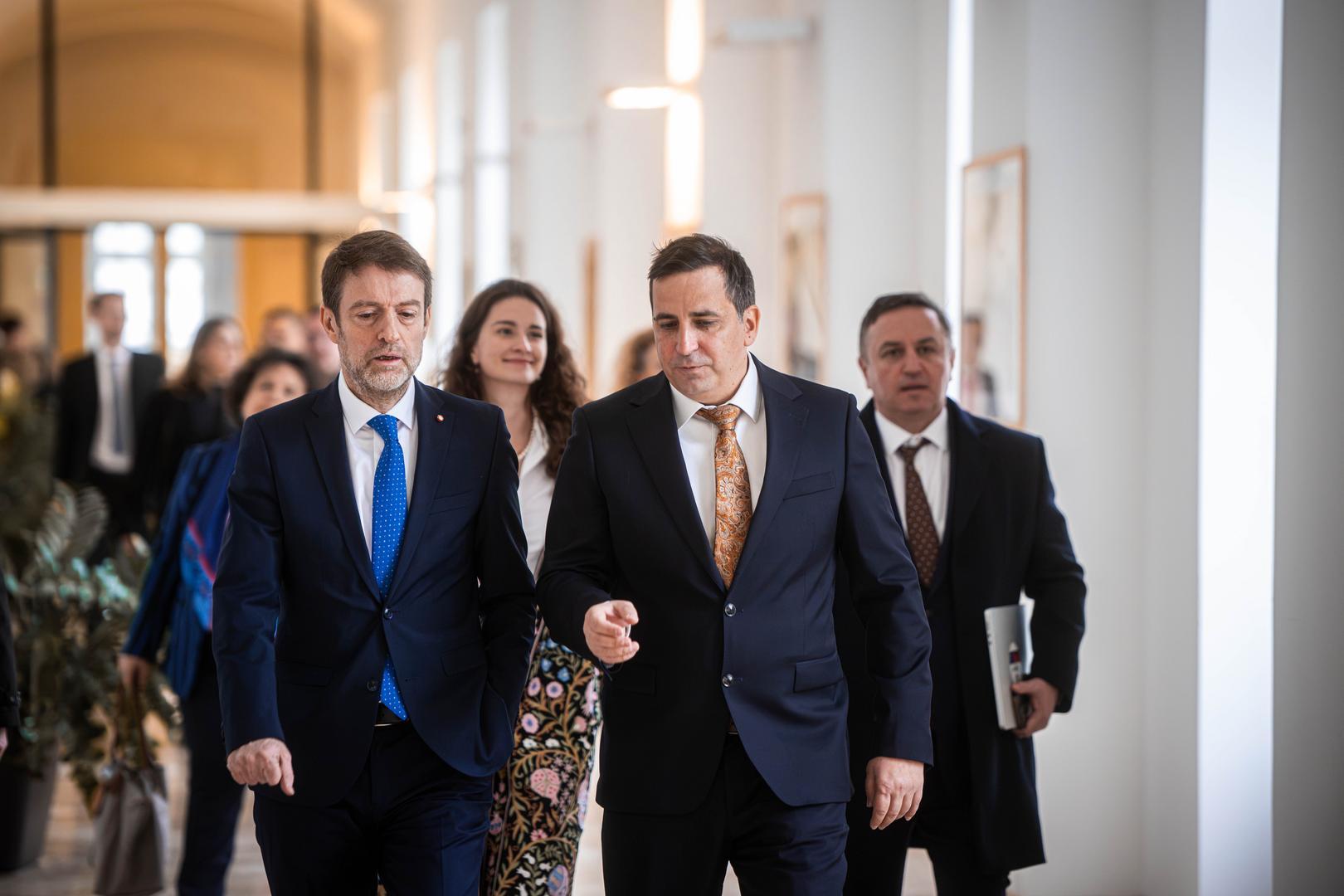
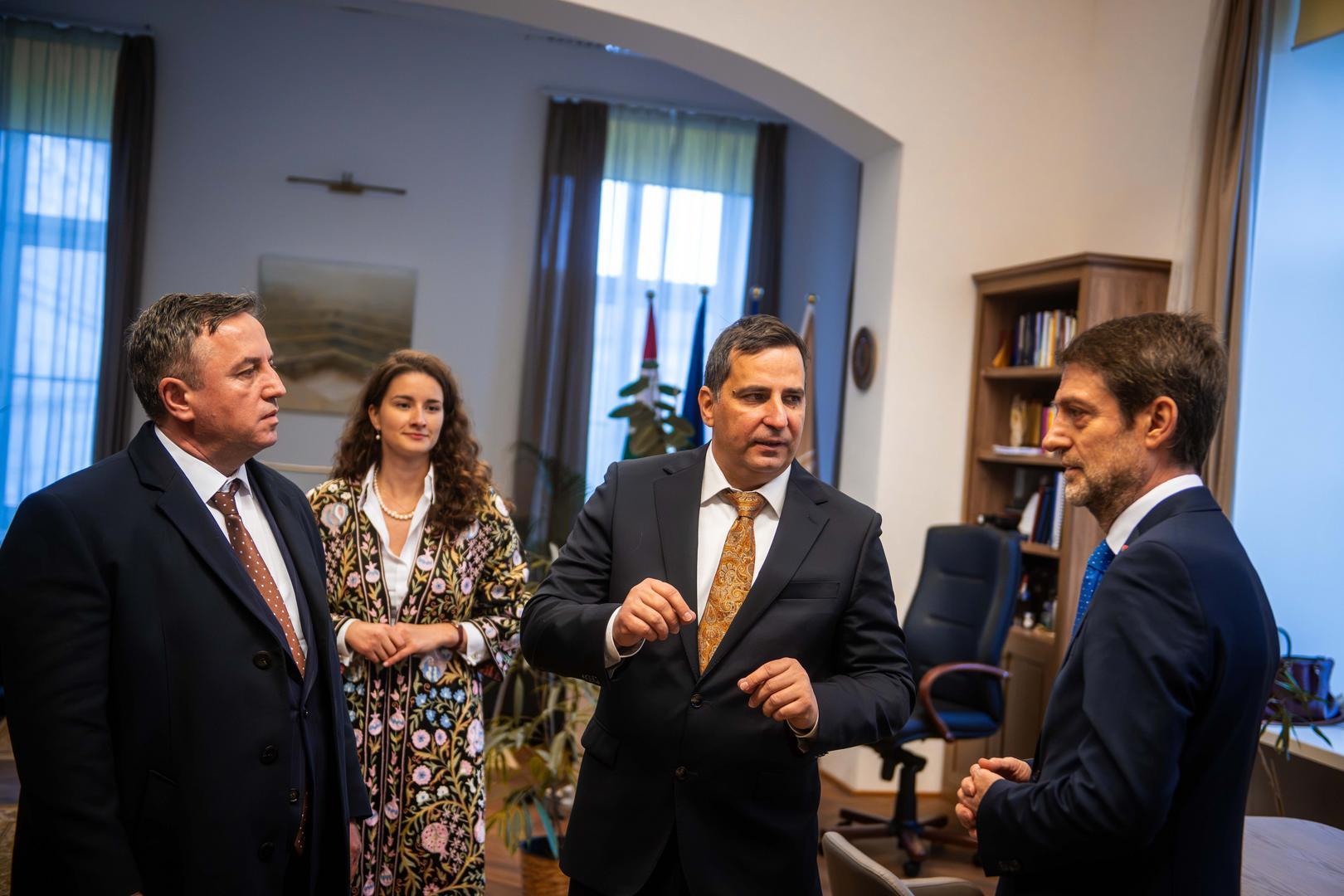
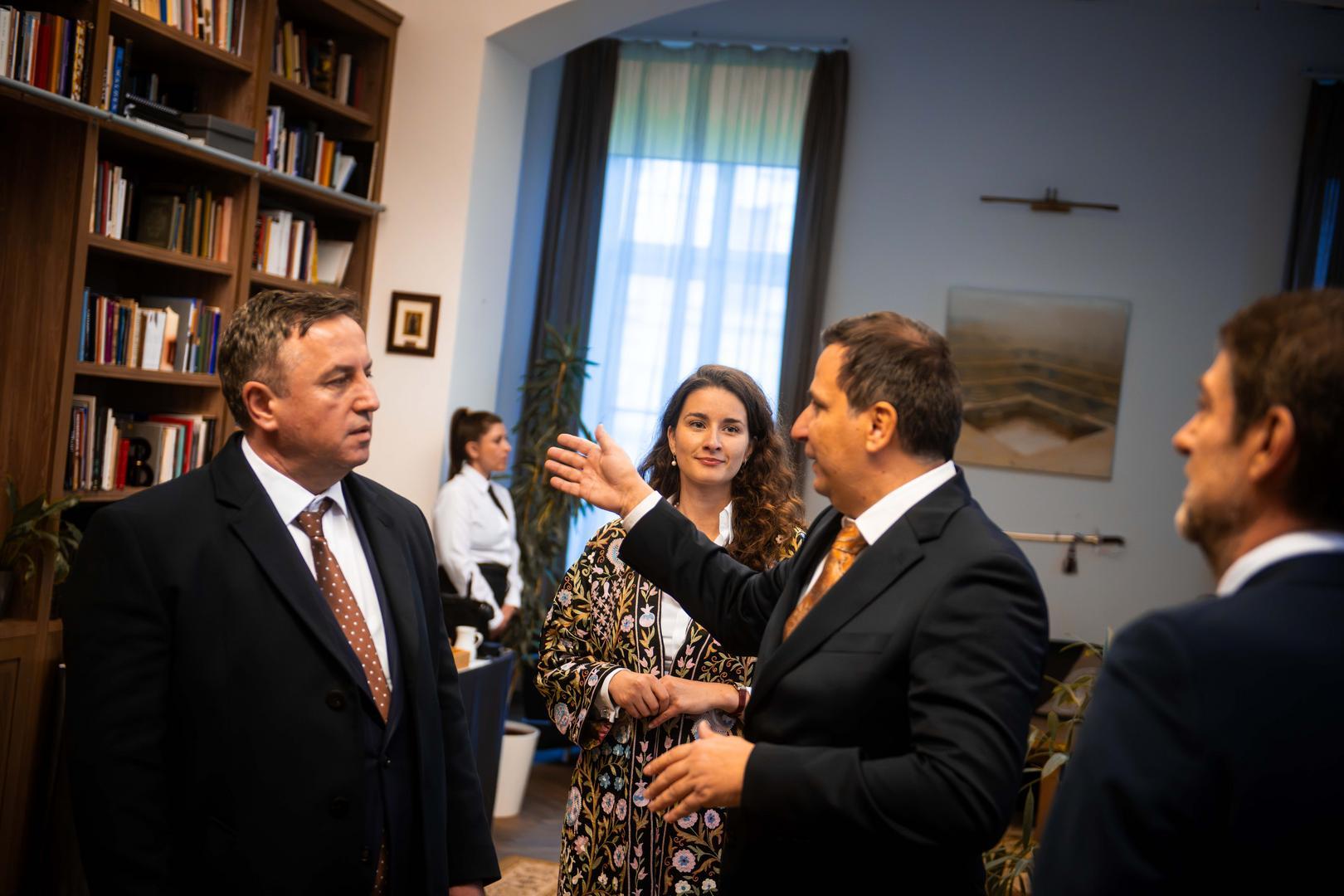
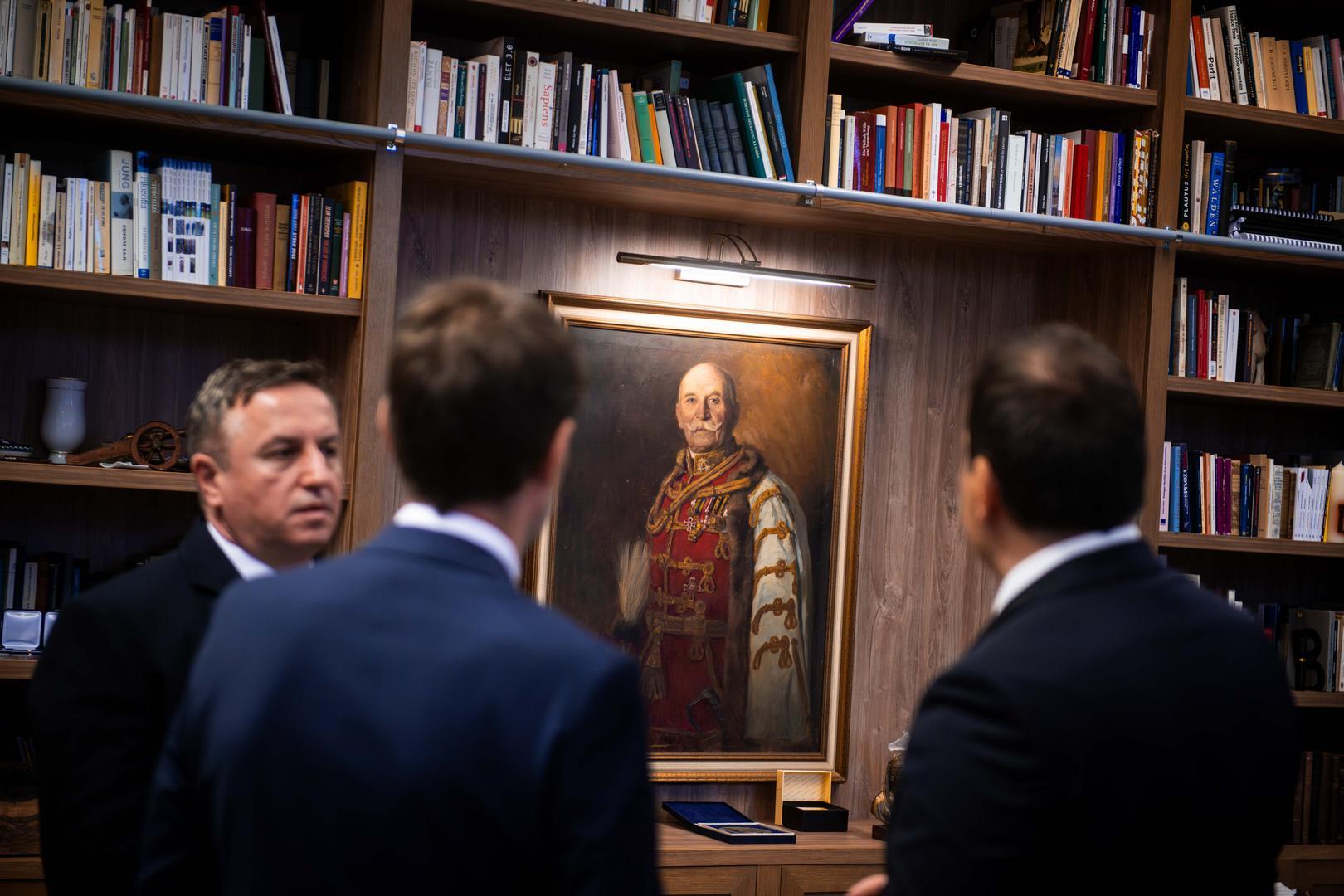
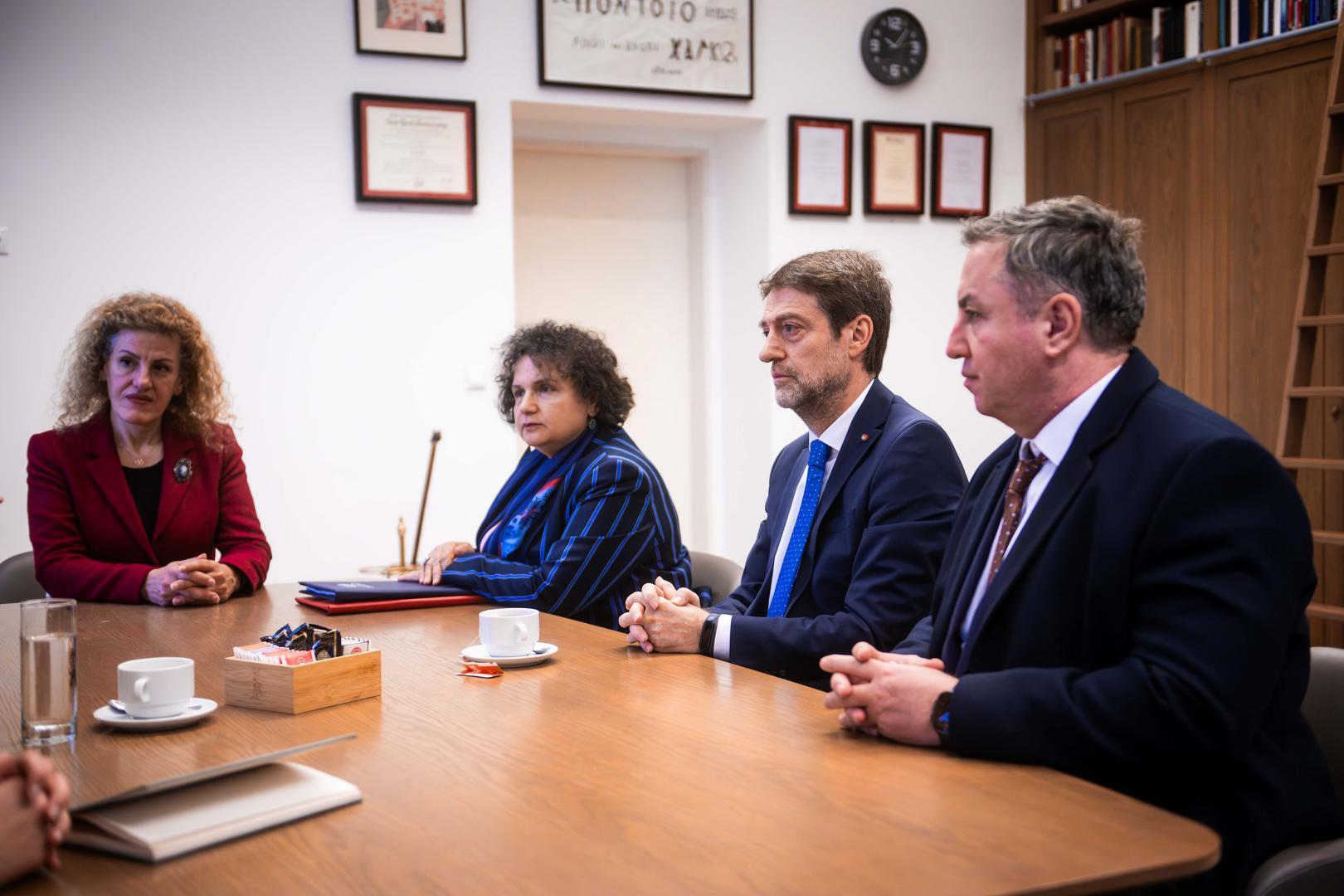
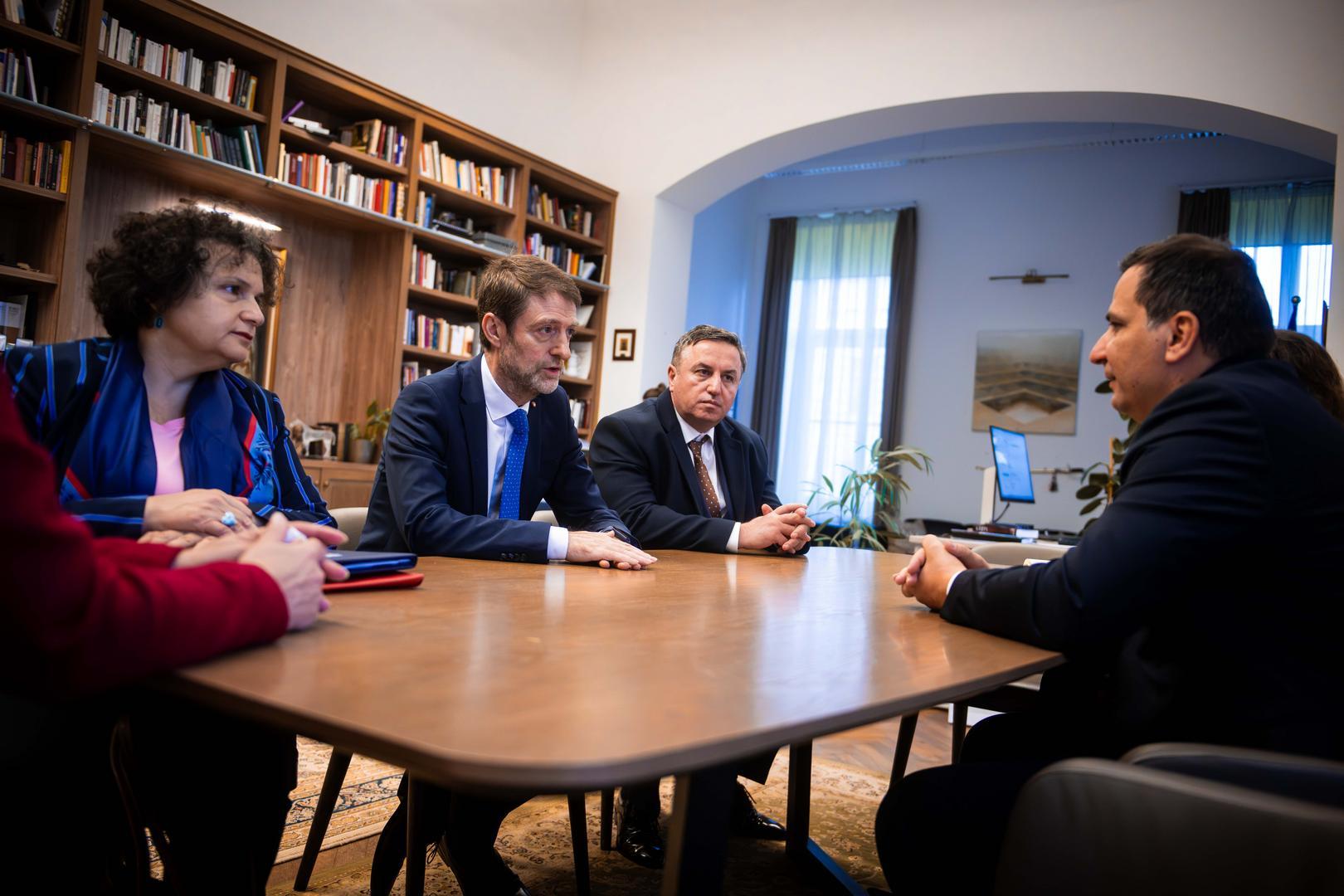
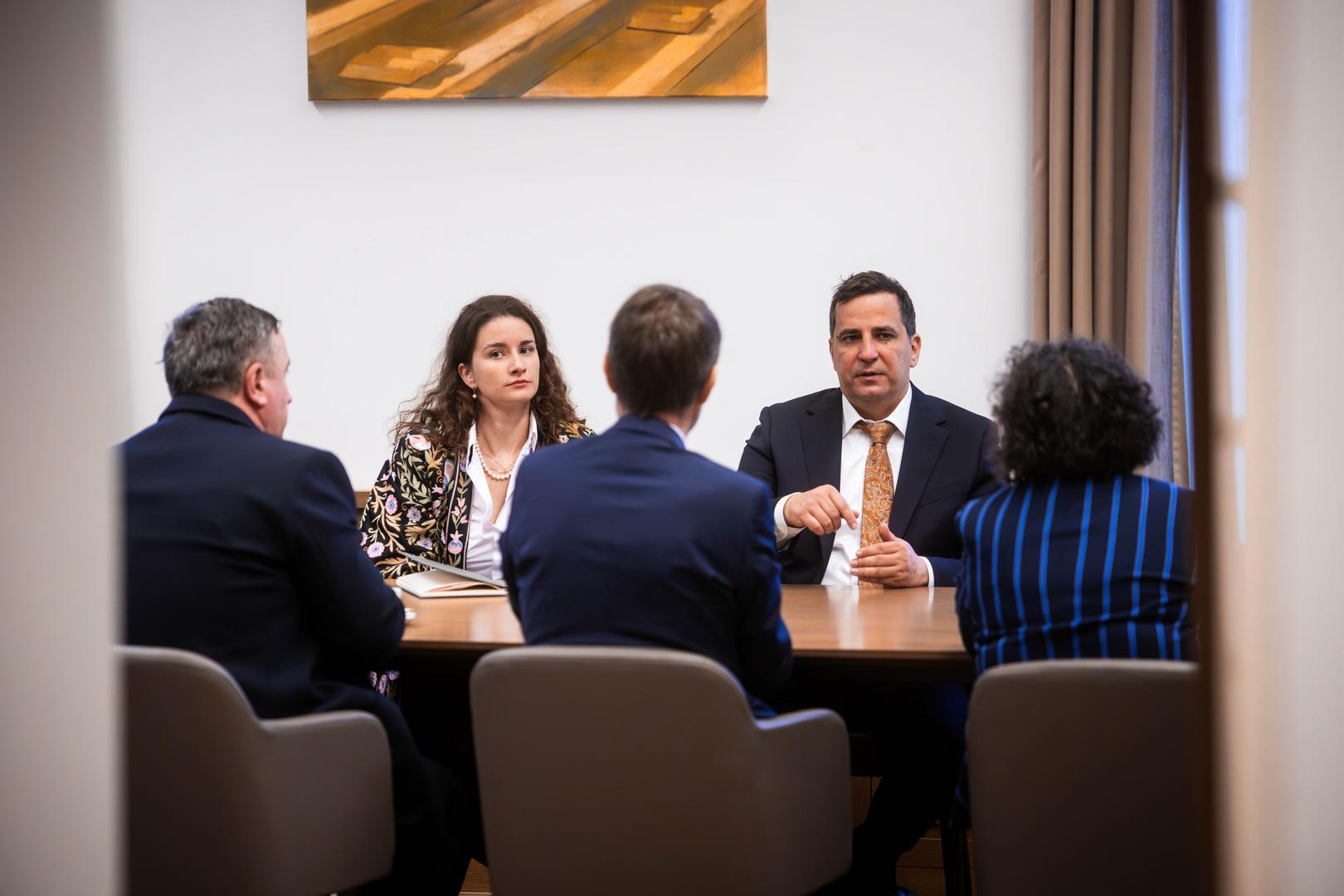
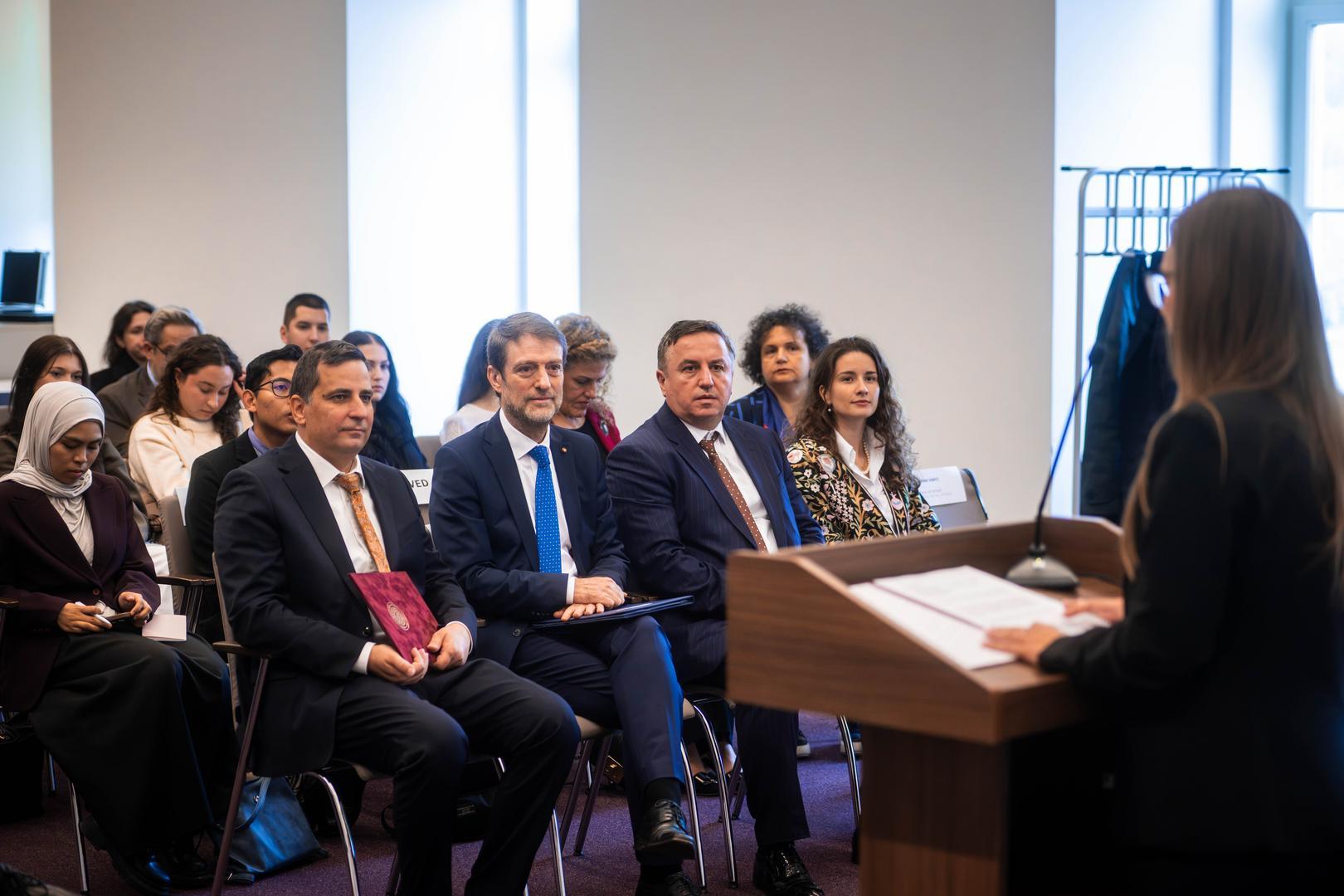
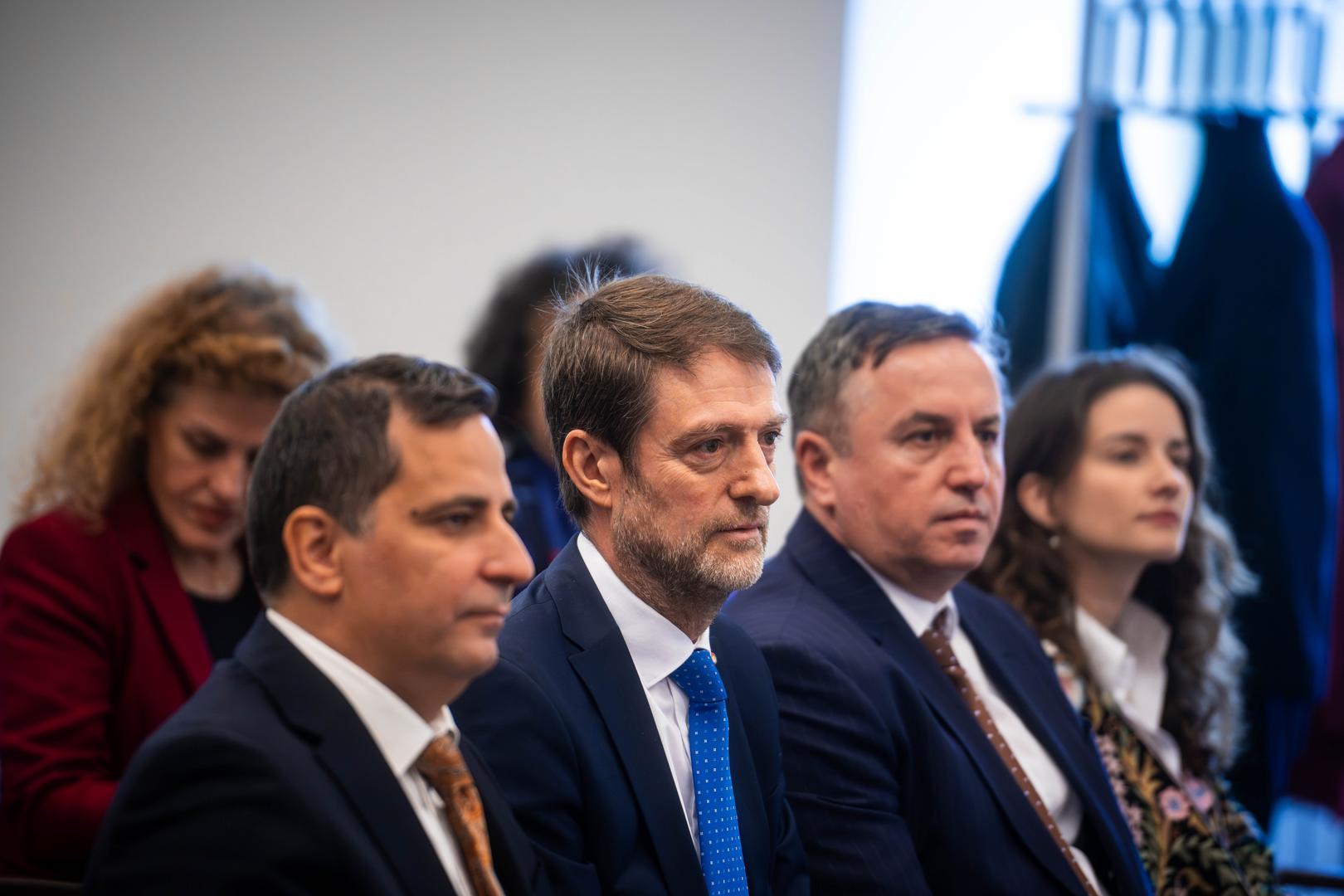
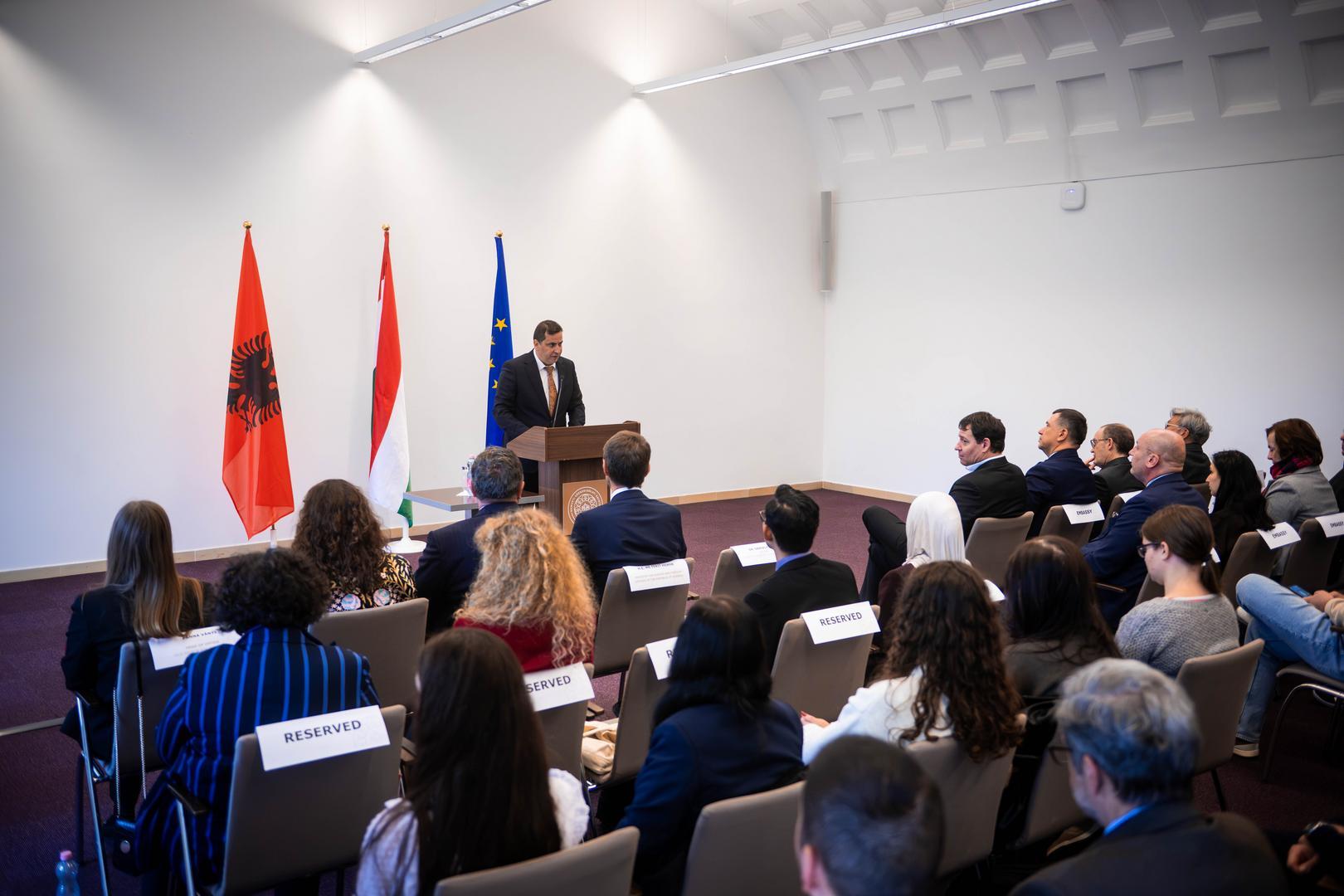
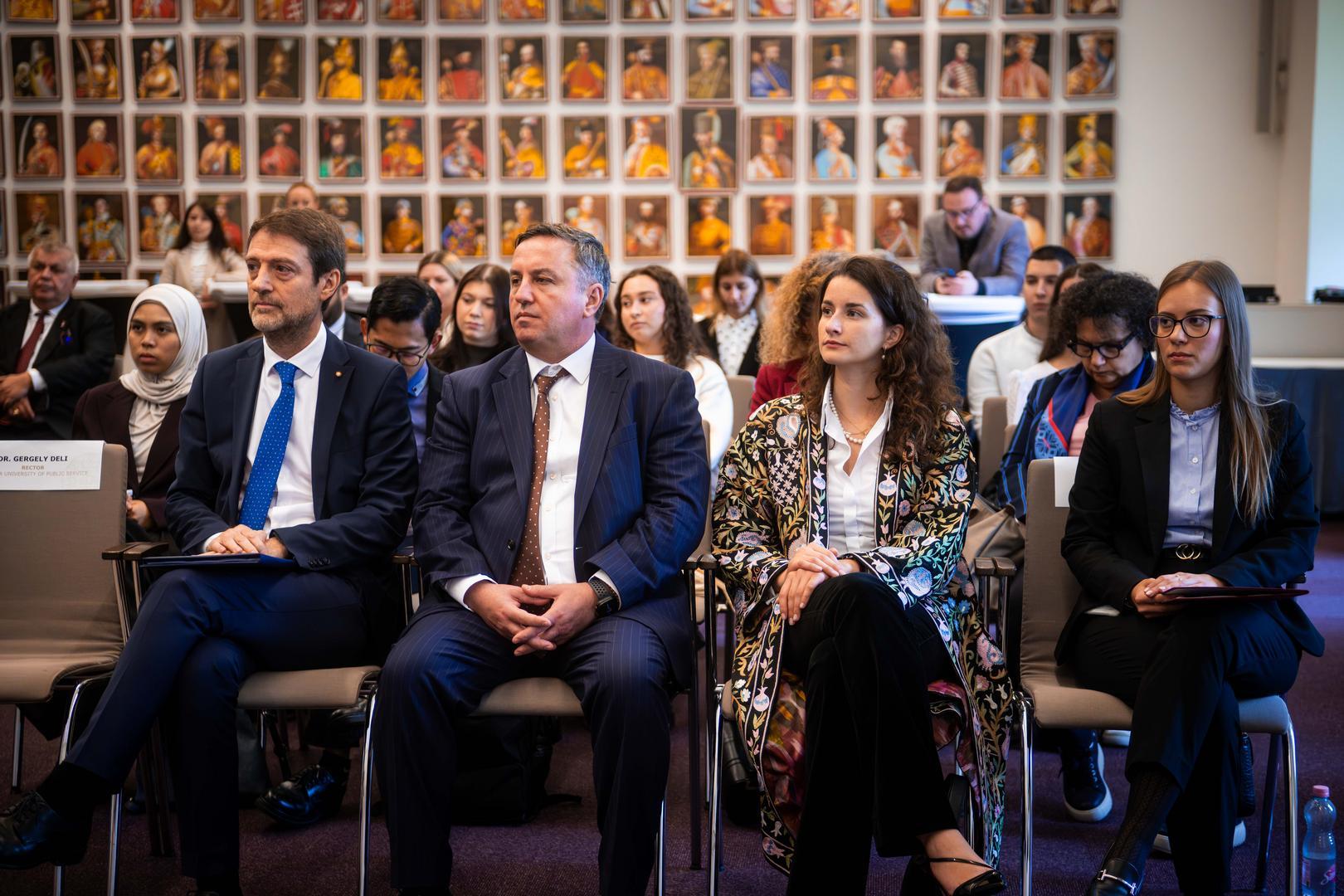
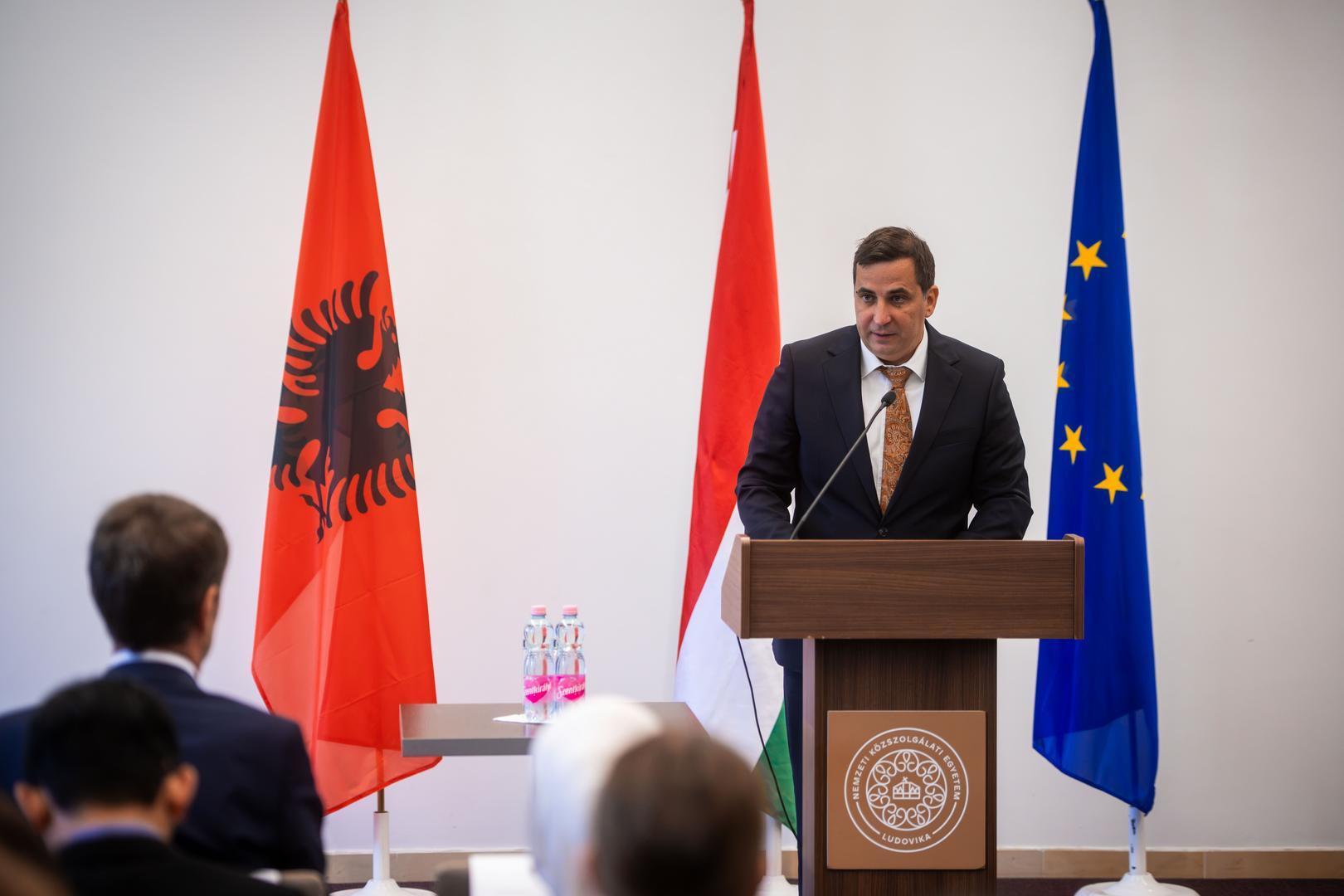
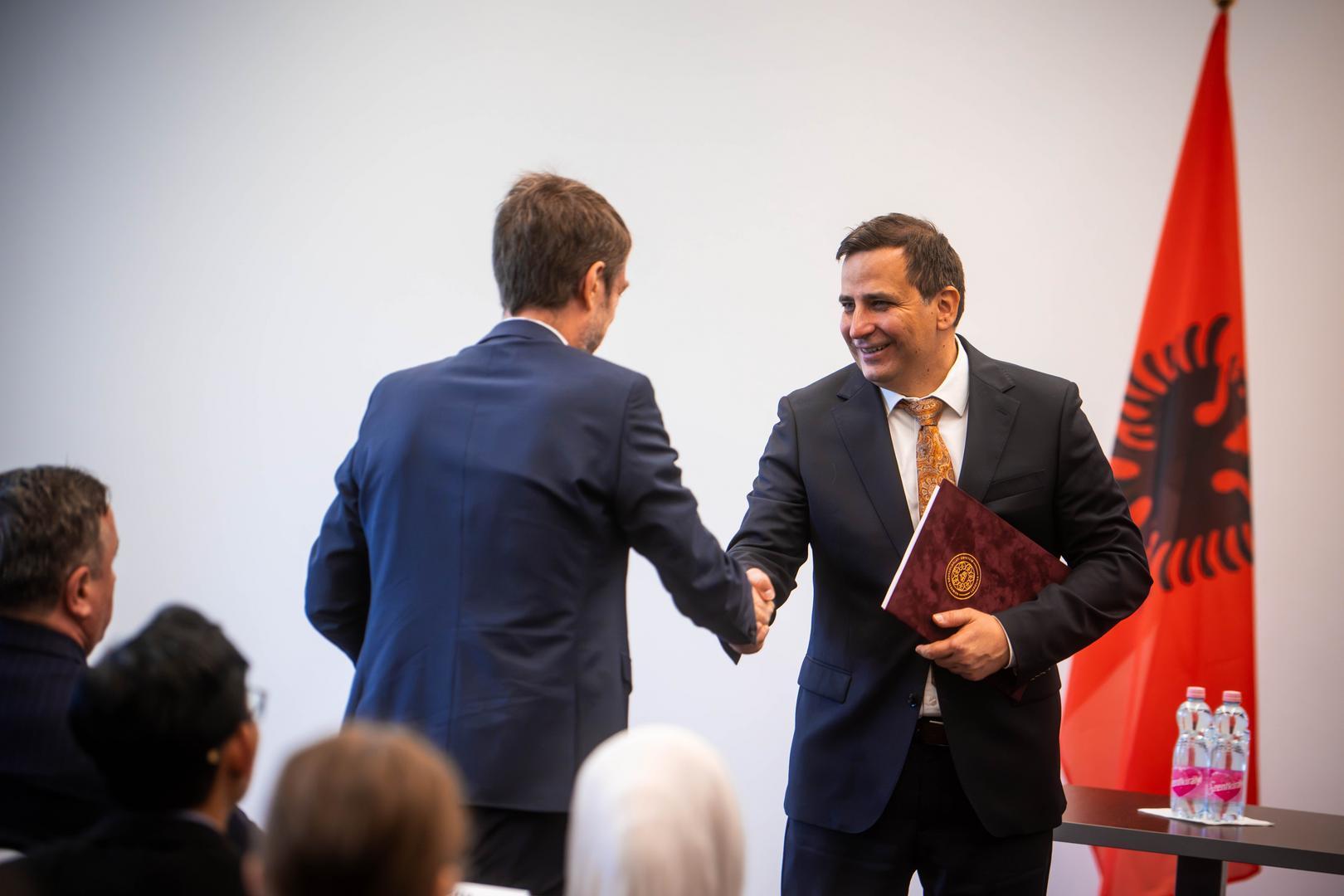
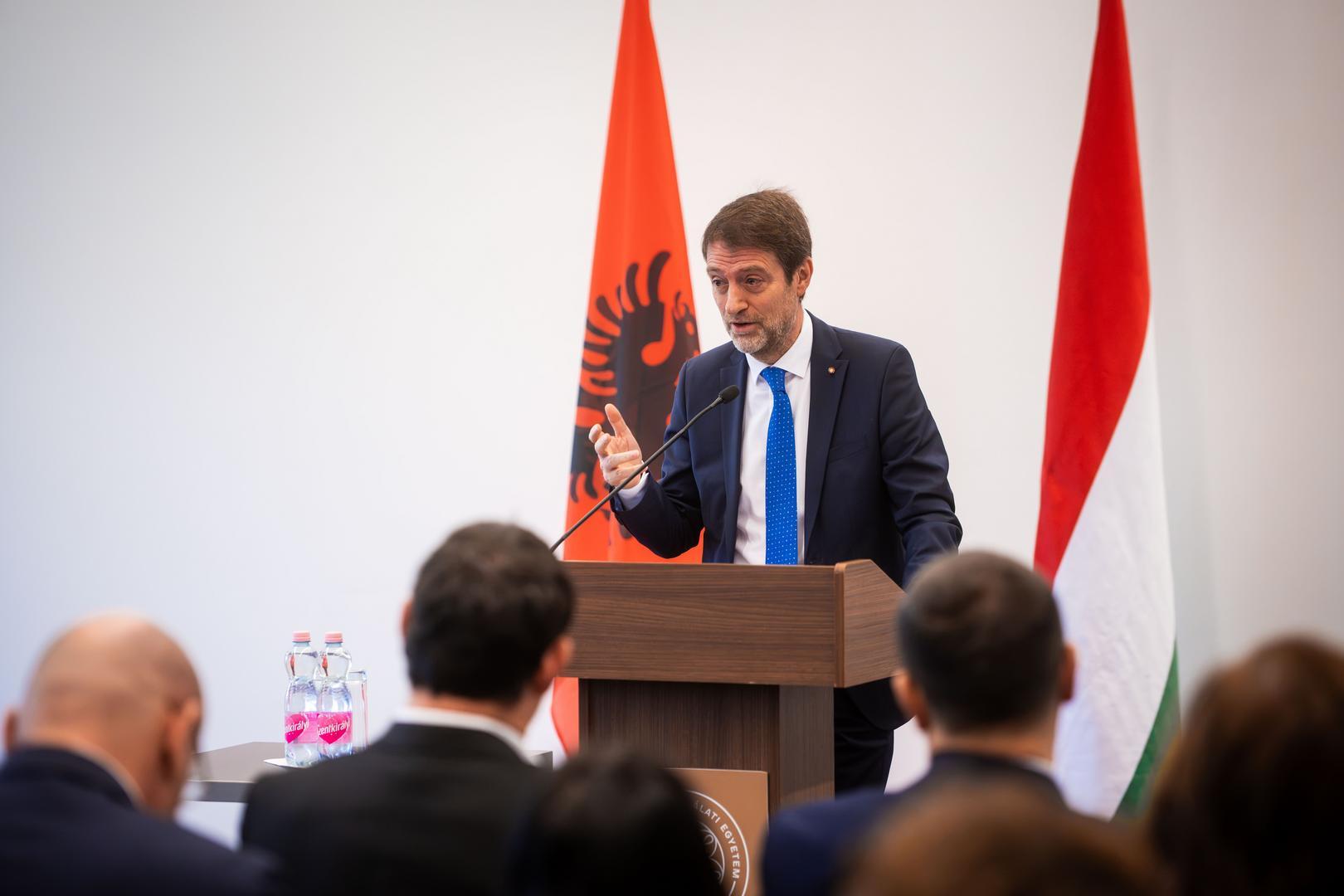
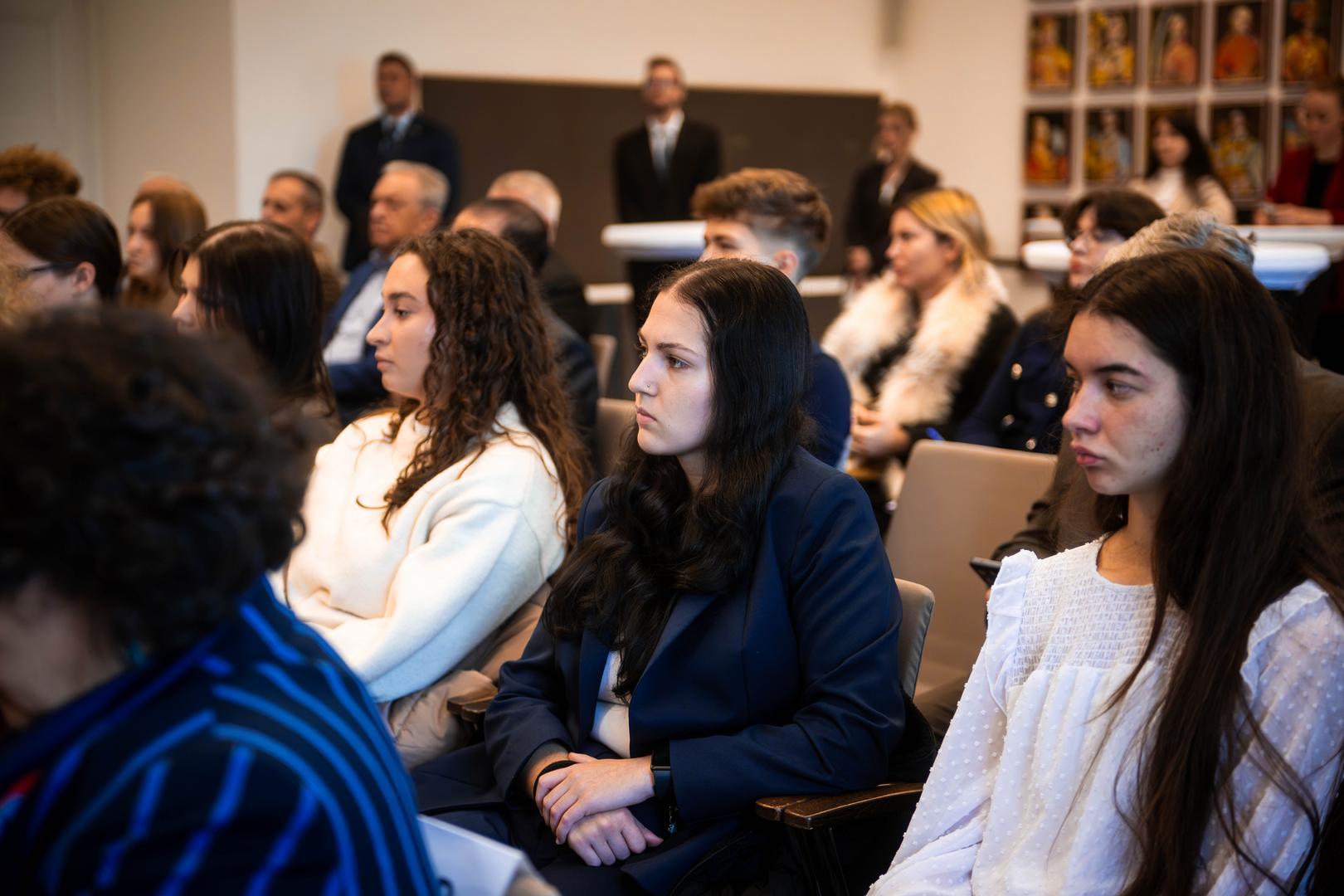
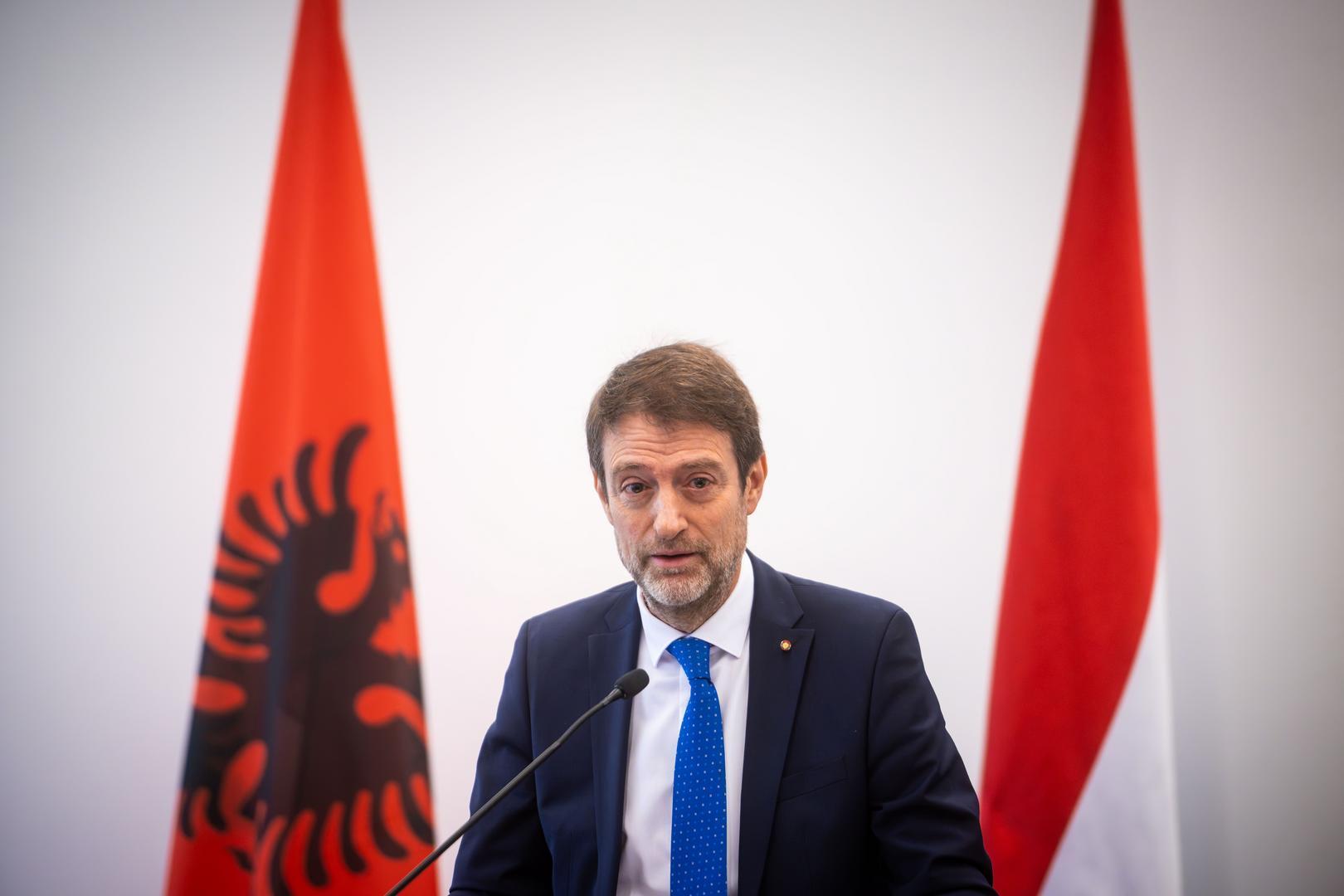
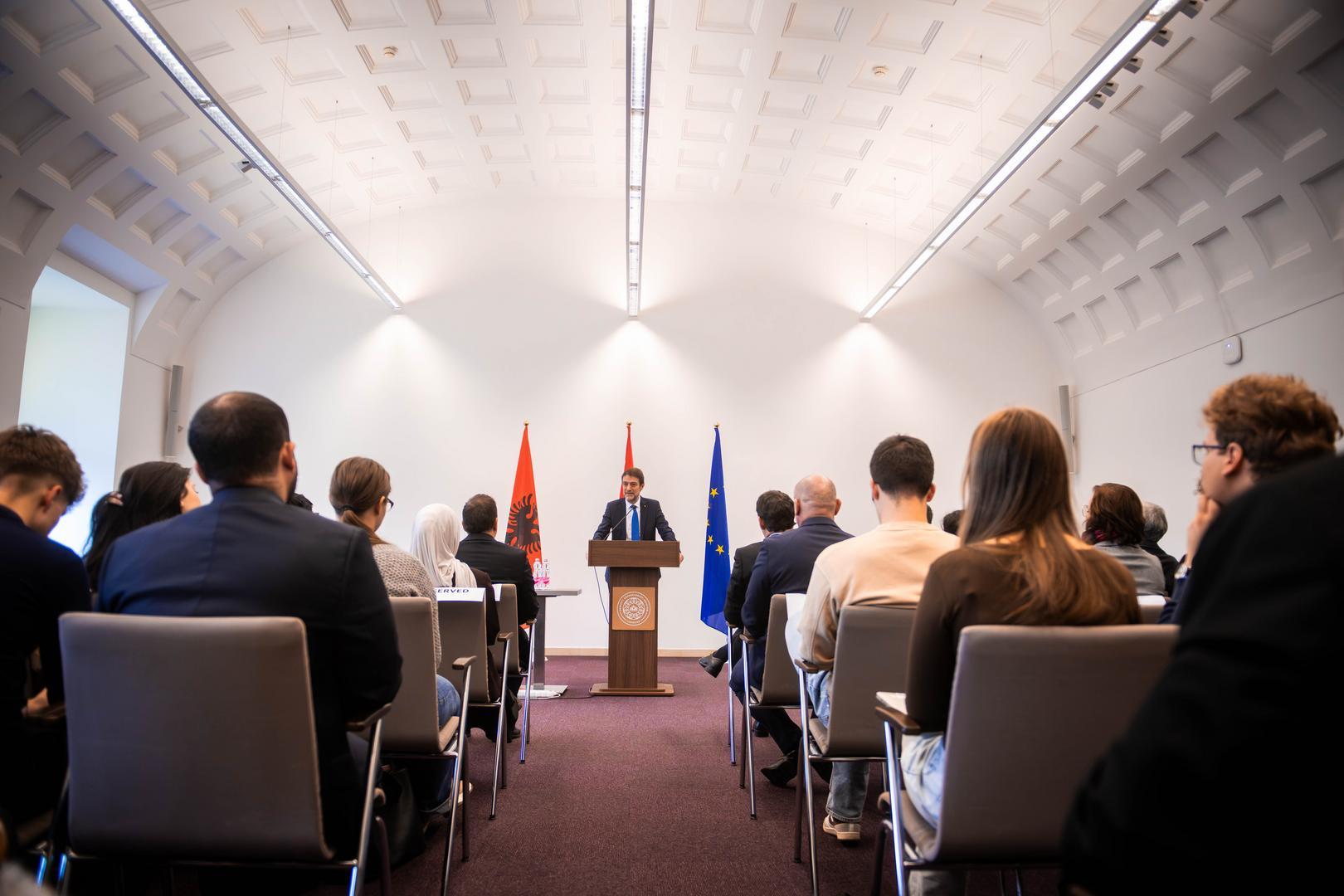
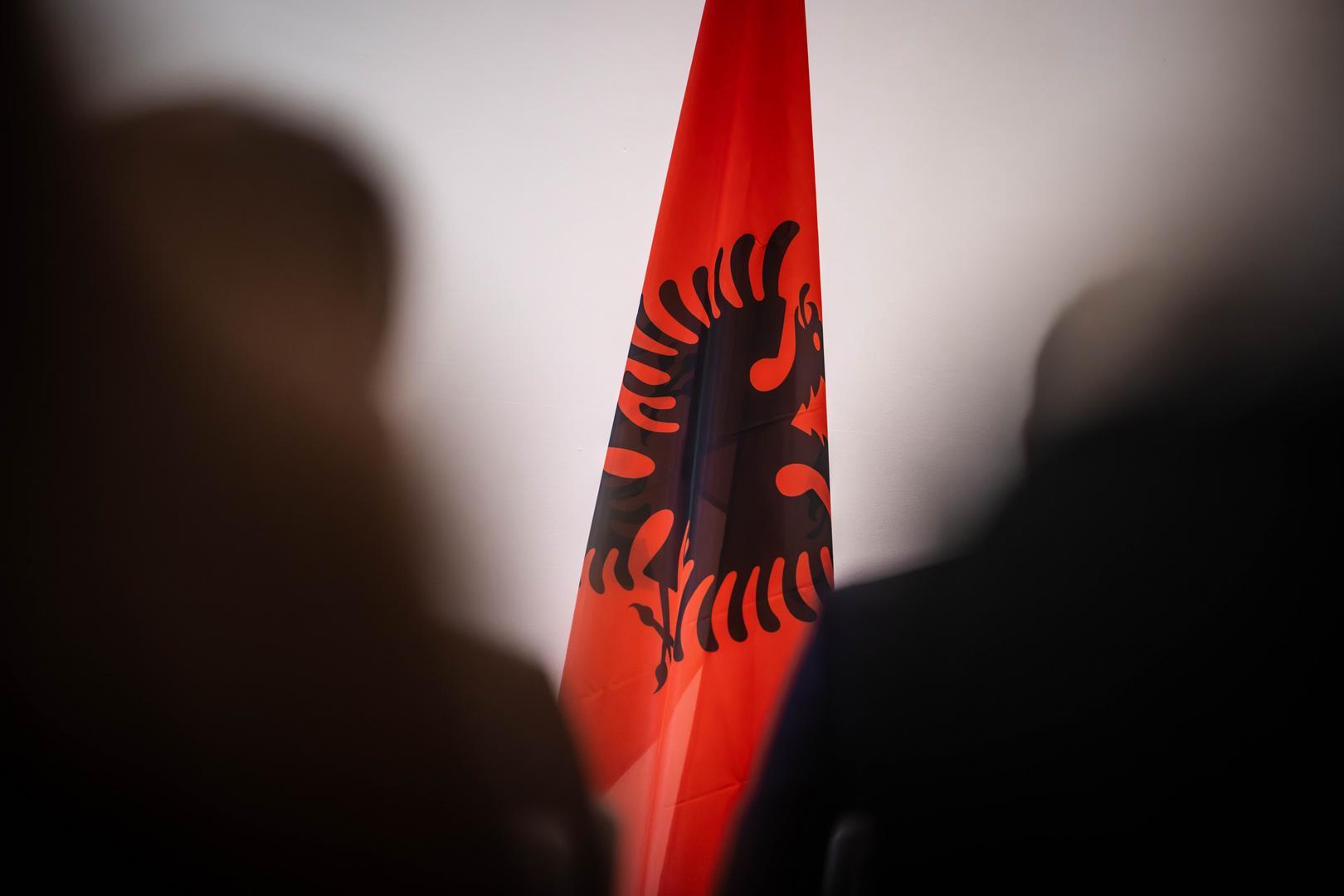
Ferit Hoxha, Minister of Foreign Affairs of the Republic of Albania, gave a lecture organized by the International Office of the Ludovika University of Public Service (LUPS) on November 12 in the Zrínyi Hall of the university.
In his welcoming remarks, Gergely Deli, Rector of LUPS, emphasized that in education preparing for the challenges of today, alongside professional knowledge and practical skills, understanding the changes taking place in the world is also indispensable. He highlighted that it is important to supplement theoretical knowledge with practical insights; therefore, it is particularly valuable when students can directly experience the insights of public figures, diplomacy, and decision-making. "The most important mission of the university is to train highly qualified professionals and responsible leaders for public service," the Rector emphasized, adding that the five faculties of LUPS respond to the current needs of public service and society through their educational and research activities.
Gergely Deli pointed out that alongside the traditional tools of diplomacy, scientific cooperation, education, and the sharing of new knowledge also play a decisive role in building relations between countries; thus, universities are important intermediaries of international dialogue and contribute to the development of long-term professional and scientific cooperation between partner countries. In this connection, he also mentioned the Ludovika Scholars Program of LUPS. He also touched upon the fact that expanding international partnerships contributes to strengthening not only institutional ties, but also the economic, political, and social relations of the countries involved. The Rector also recalled historical parallels from the past of the Hungarian and Albanian peoples: as an example, he mentioned the figure of John Hunyadi, who is one of the important connecting points of the shared historical memory of the two nations. Gergely Deli also addressed the significance of European integration efforts and the importance of stability in the Western Balkans, expressing his hope that the further development of relations between the two countries can contribute to strengthening the region's cooperation and European perspective.
In his lecture, Ferit Hoxha recalled: it is a particular honor for him to speak at Ludovika, as the name of the institution has been intertwined with the ideal of serving the state for more than two centuries. As he phrased it: "Serving the state requires knowledge, discipline, and responsibility." The Minister of Foreign Affairs explained how foreign policy can contribute to improving people's daily lives. In his view, alongside traditional diplomatic tasks—such as cultivating relations and international representation—supporting businesses, exploring new markets, and expanding export opportunities are also becoming increasingly important. He believes that the success of economic diplomacy can be measured years later in the investments they generate, the markets that open up, and developing institutions. He sees that economic diplomacy must achieve results in several areas, such as strengthening economic resilience and establishing the credibility of institutions.
Regarding Hungarian-Albanian relations, the Minister highlighted that Hungarian investments are already present in several strategic sectors in the country, yet he sees significant room for development in the field of trade. According to the Minister, the volume of Hungarian investments in Albania reaches EUR 520 million. Among the potential areas for future cooperation, he named energy and the digital economy as well. In addition, he praised Hungary's long-standing support. He explained that over the past two years, his country has opened all 33 chapters of European Union accession negotiations, and the most important task for the upcoming period is their closure. He stated: Albania's goal is to achieve the technical closure of the negotiation chapters by July 2027 and, if possible, become a member of the European Union as early as the following year, but no later than the end of the decade, by 2030.
Addressing the students, the Minister spoke about how those preparing for a career in diplomacy and public administration must thoroughly understand the workings of the economy alongside geopolitical processes. As he put it, in a reliable state, the rules must apply the same way today and tomorrow, and contracts must be respected. Answering a question, the Minister of Foreign Affairs emphasized the significance of air connections between Hungary and Albania: according to his account, flight occupancy is extremely high, and planes operate practically at full capacity. He added that he sees significant potential in the further development of air links as well.
Text: Éva Harangozó
Photo: Dénes Szilágyi