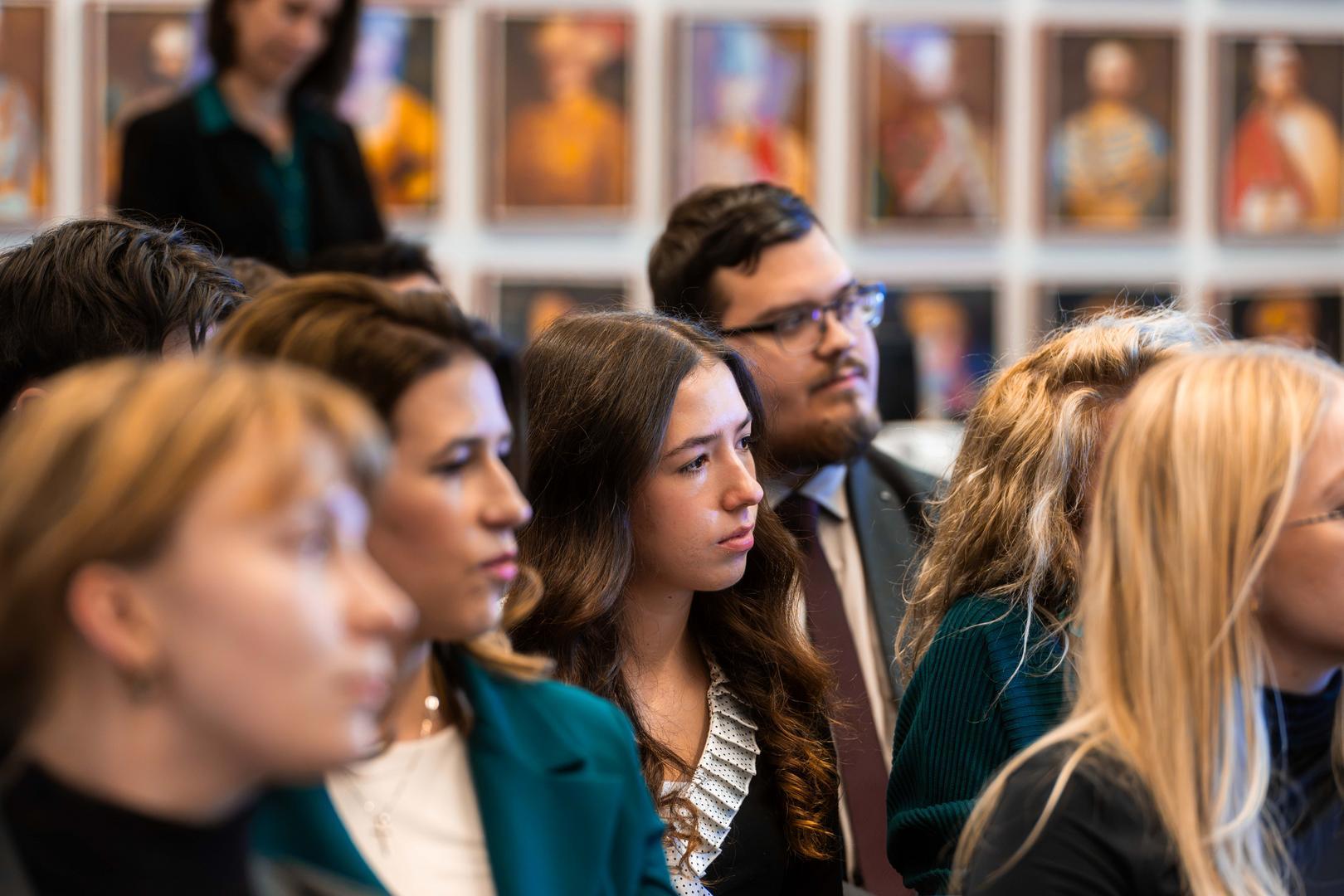
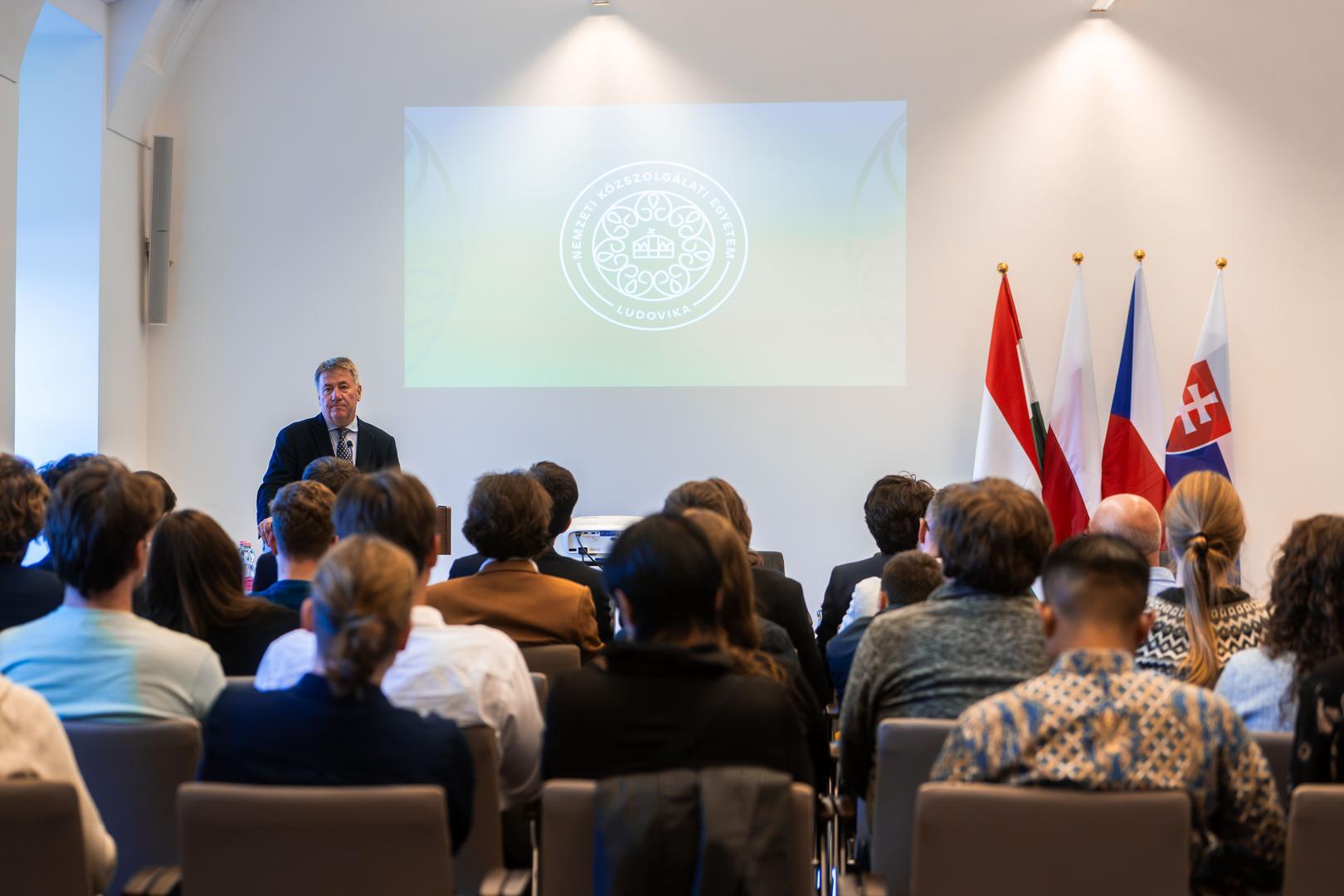
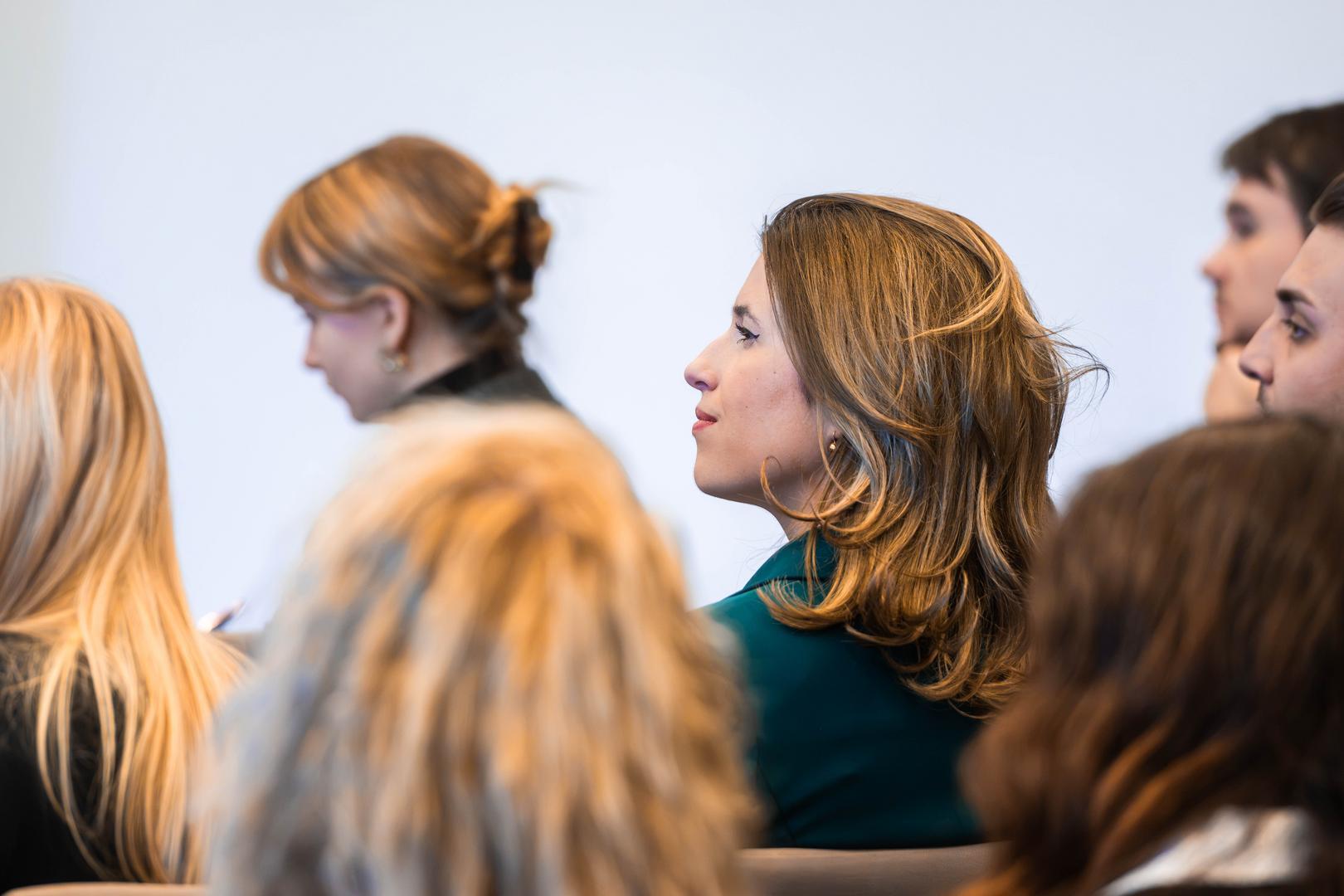
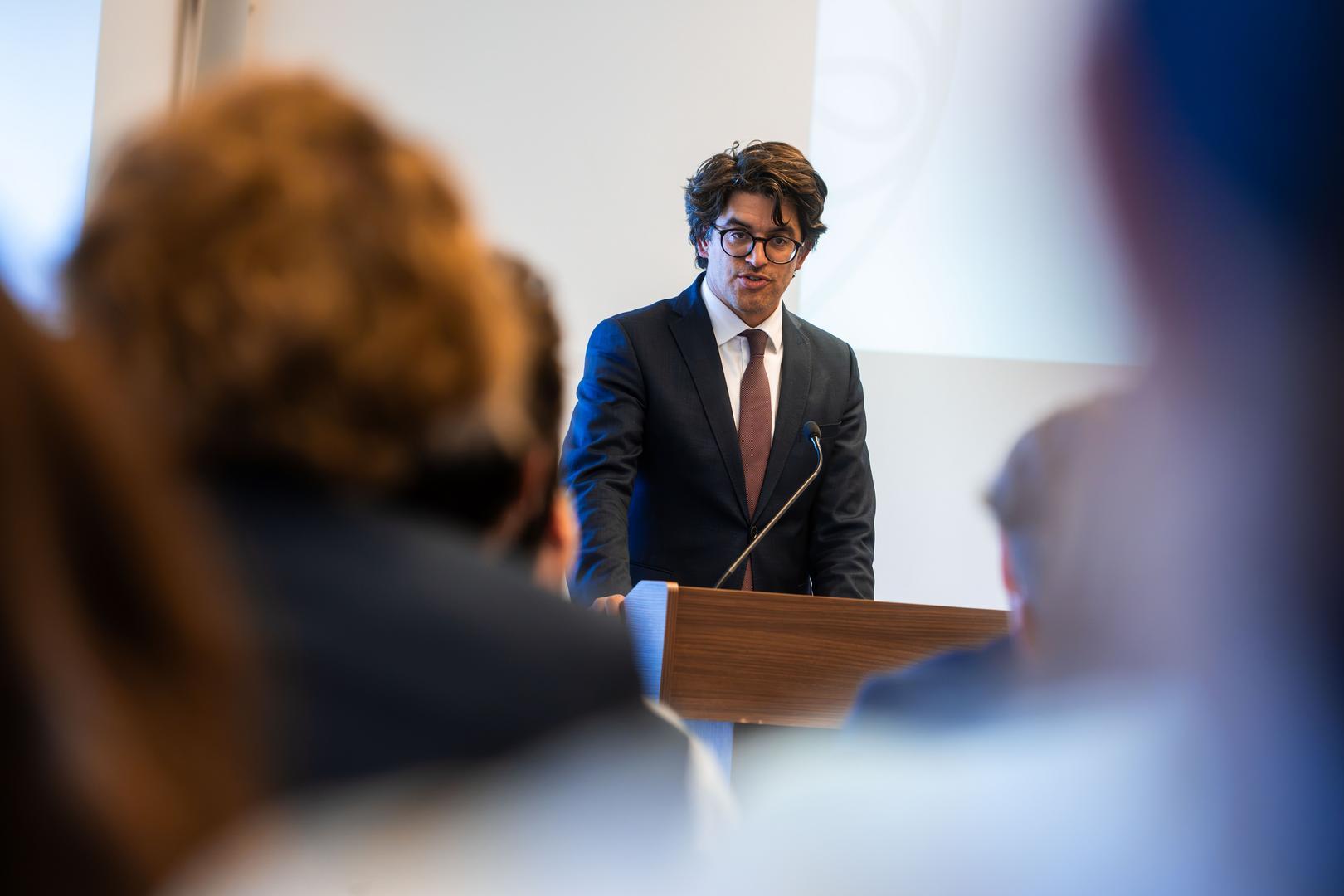
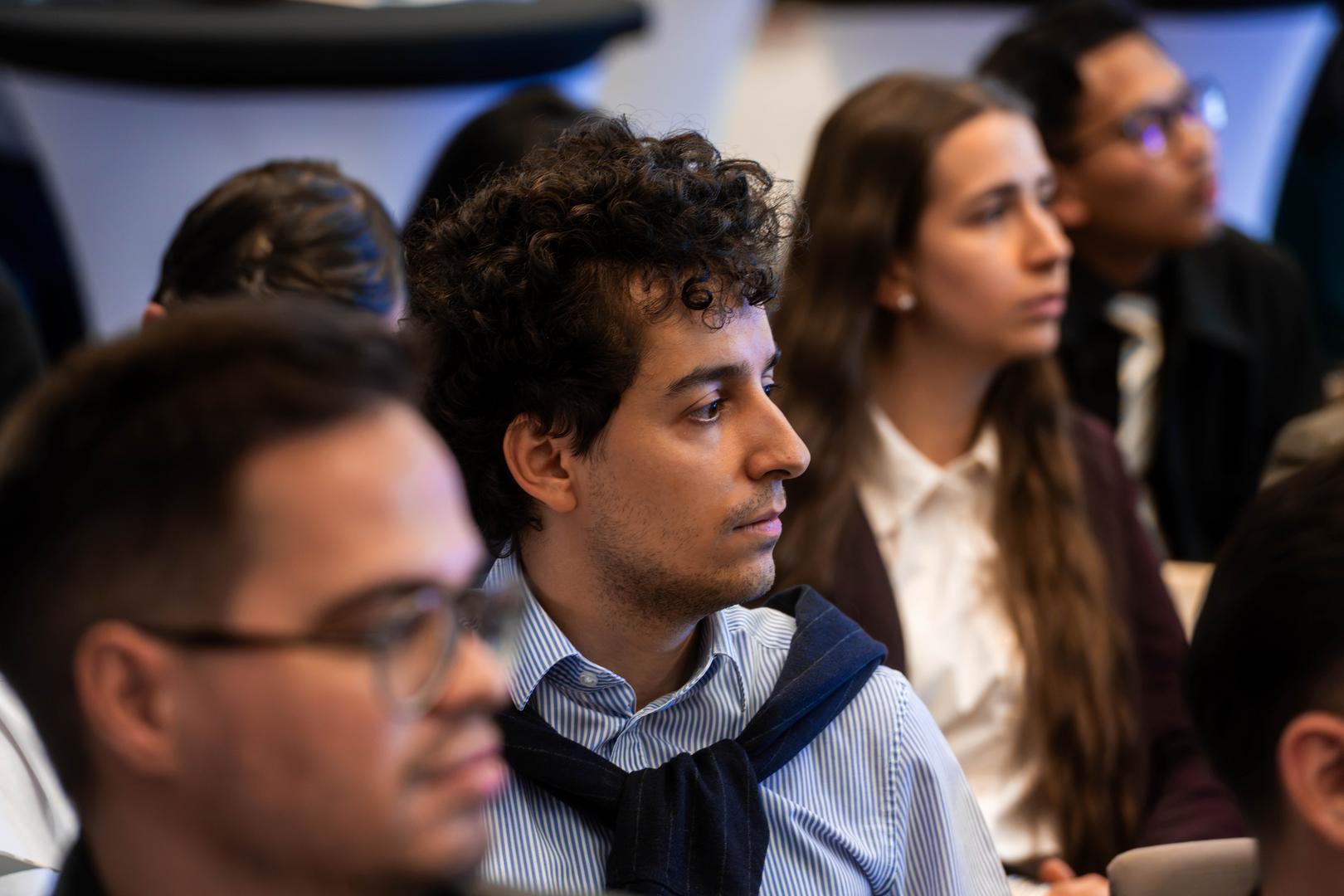
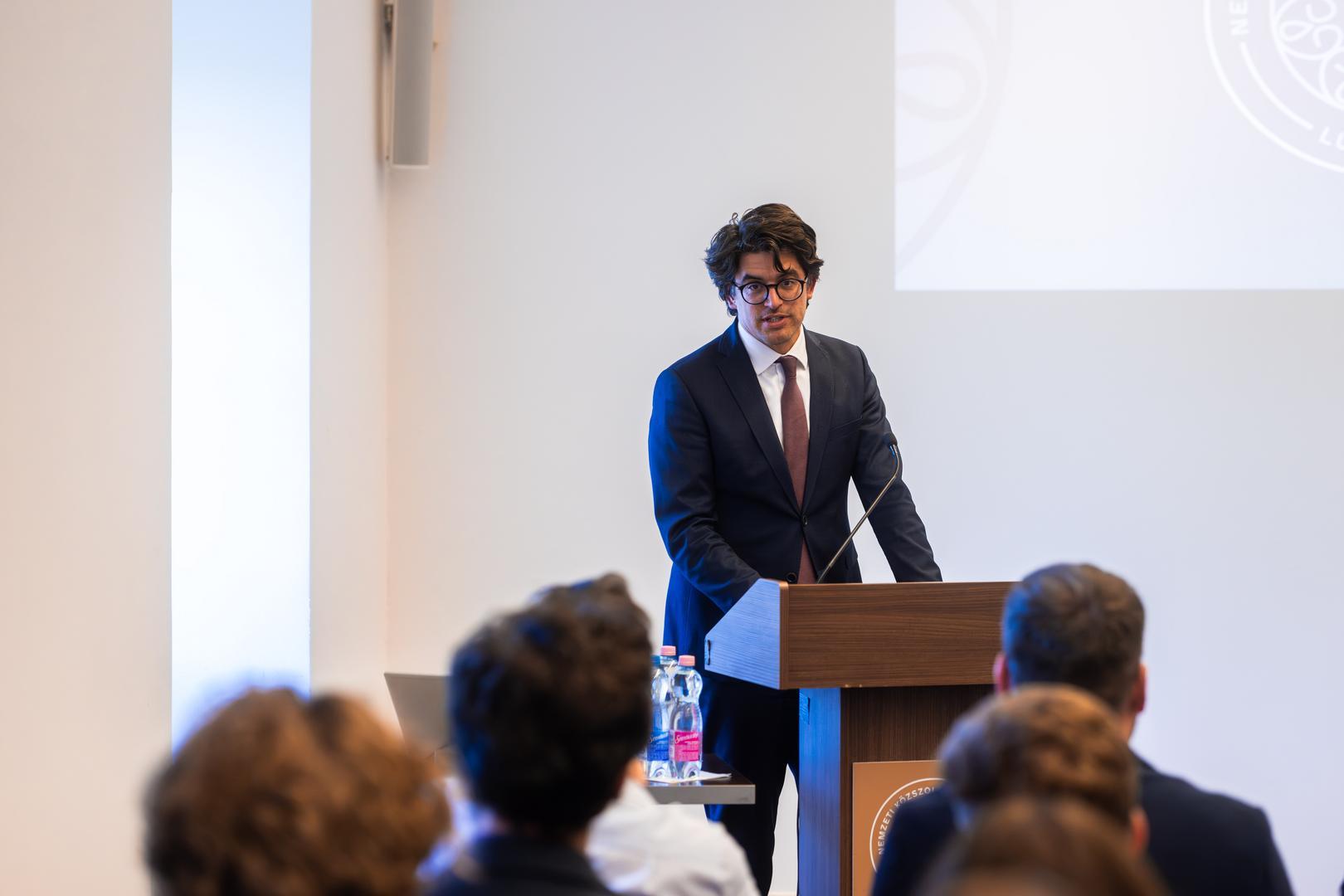
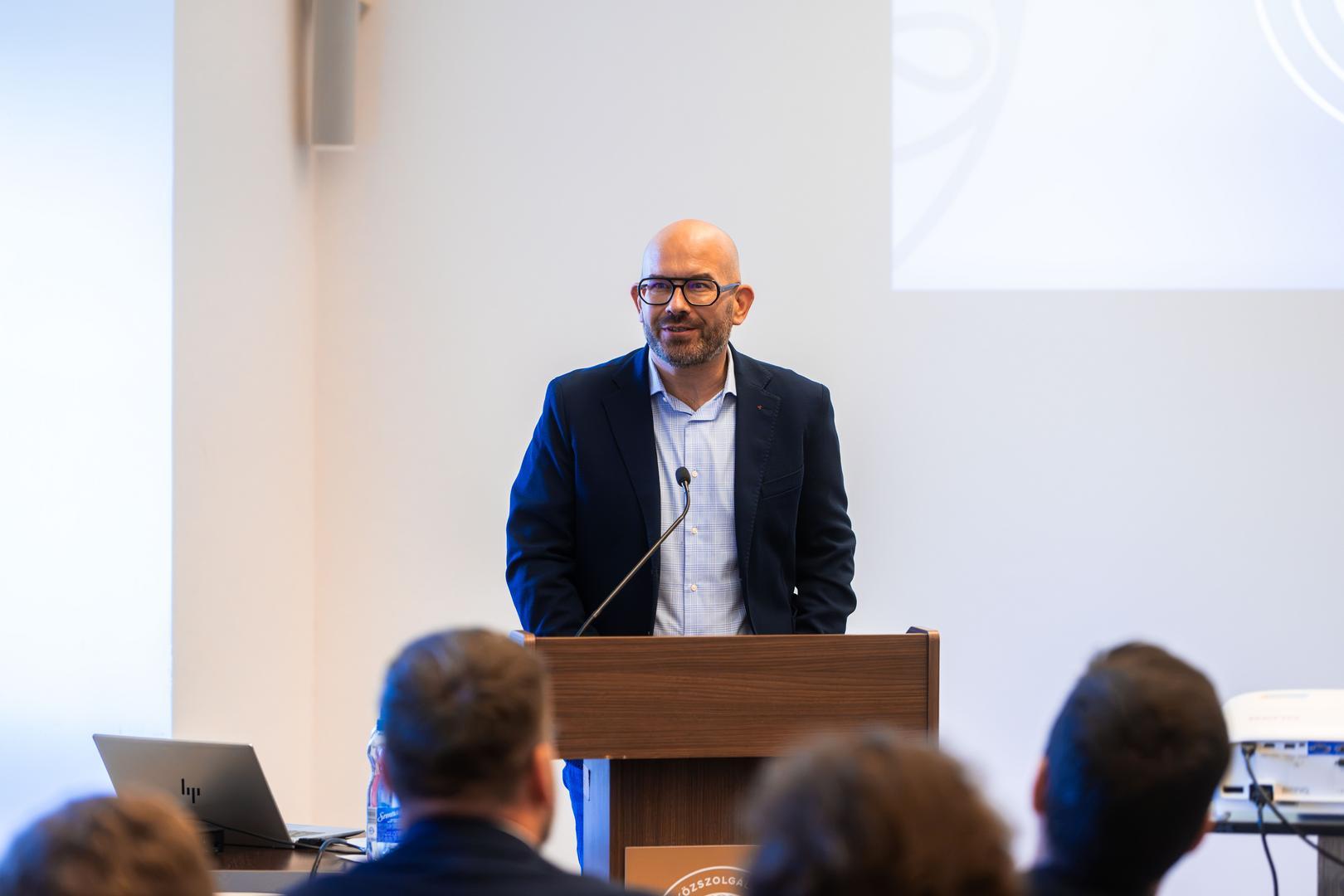
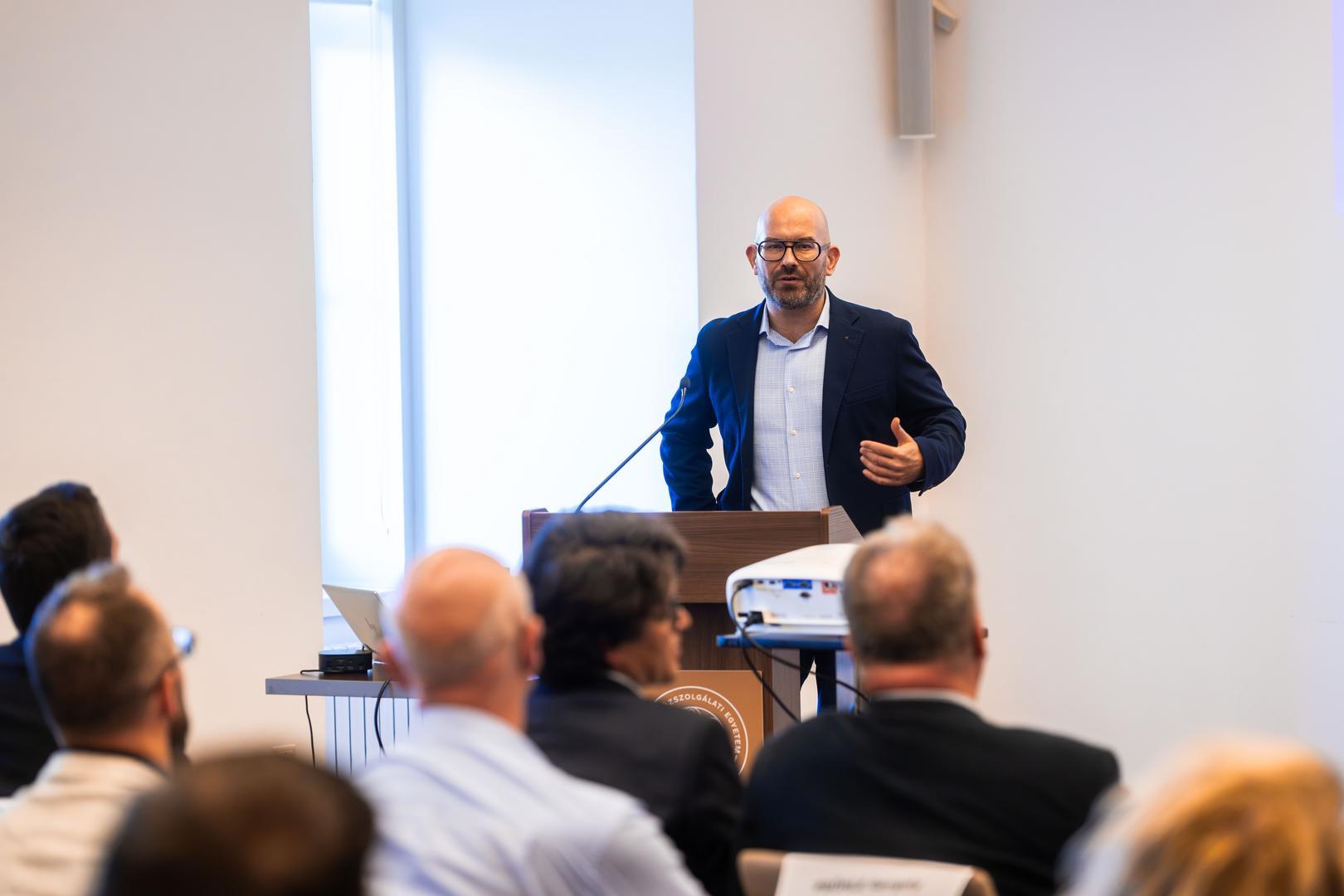
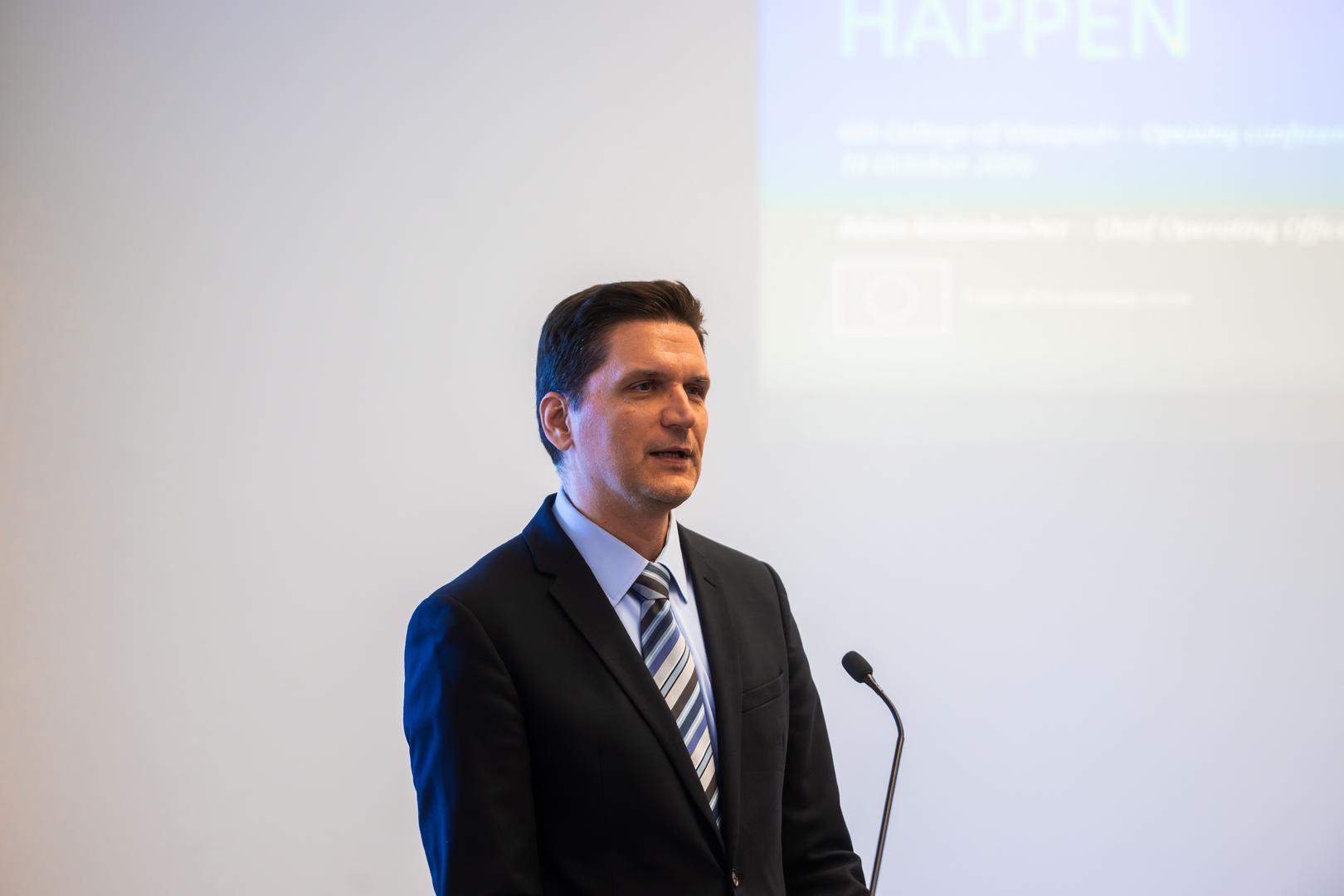
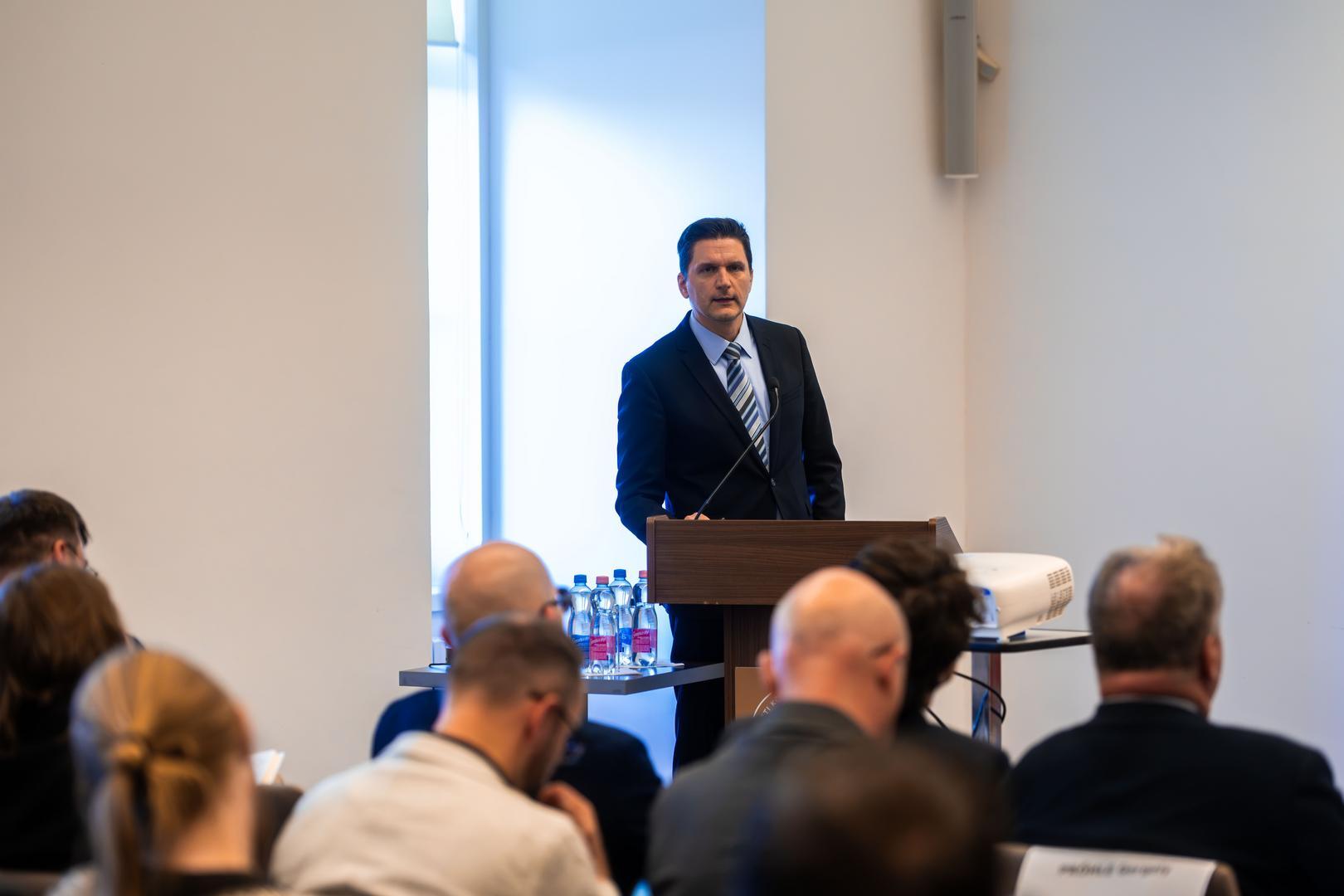
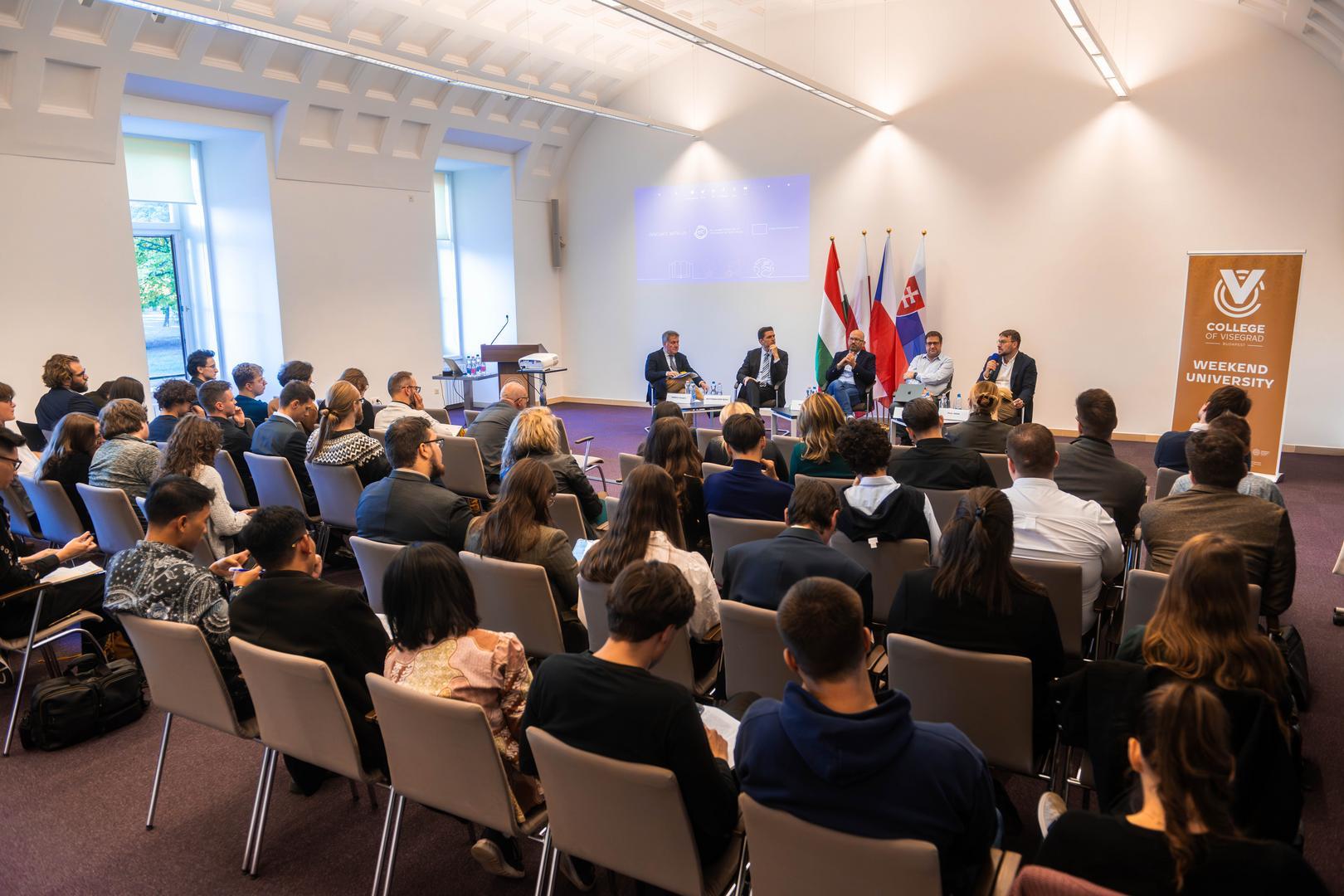
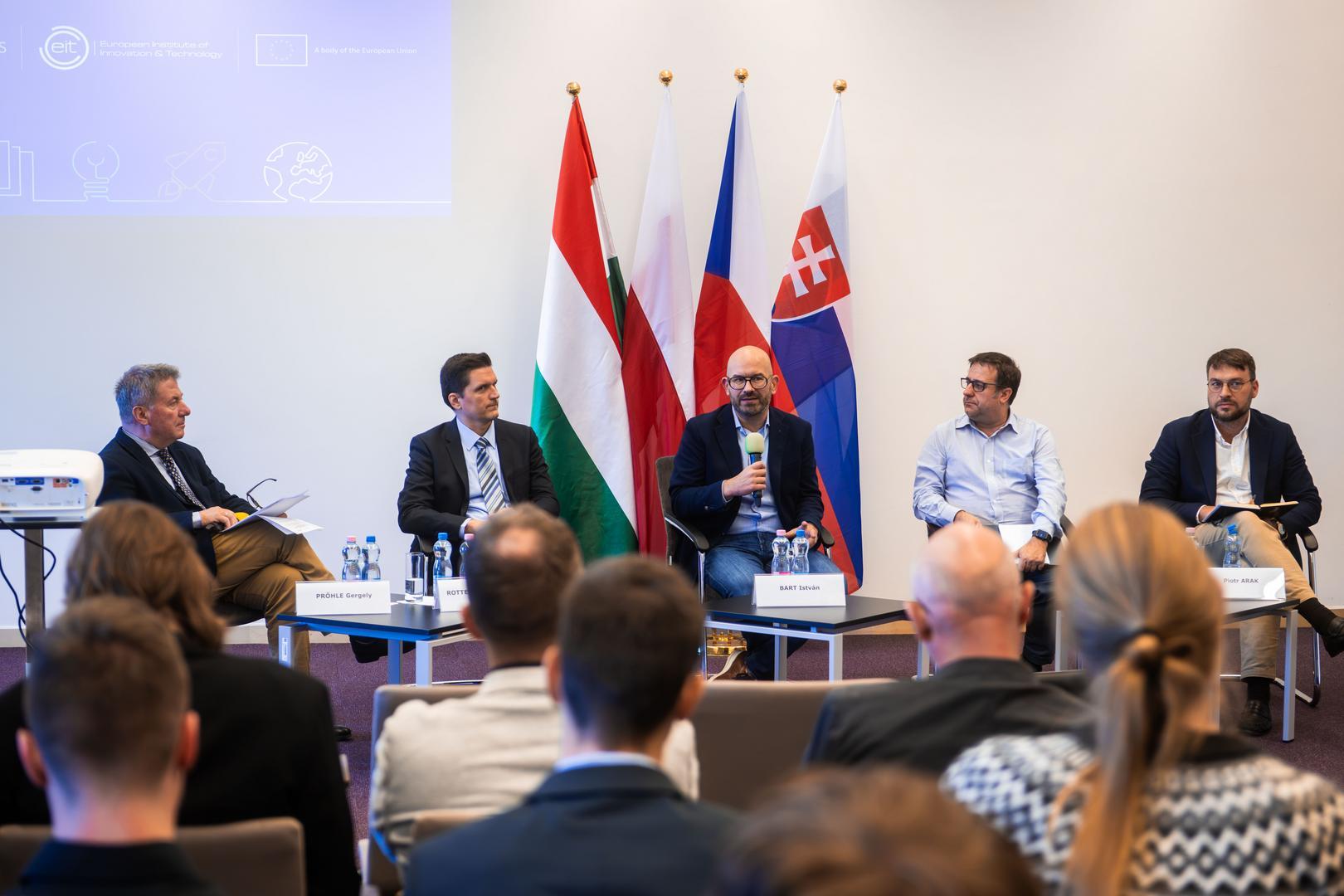
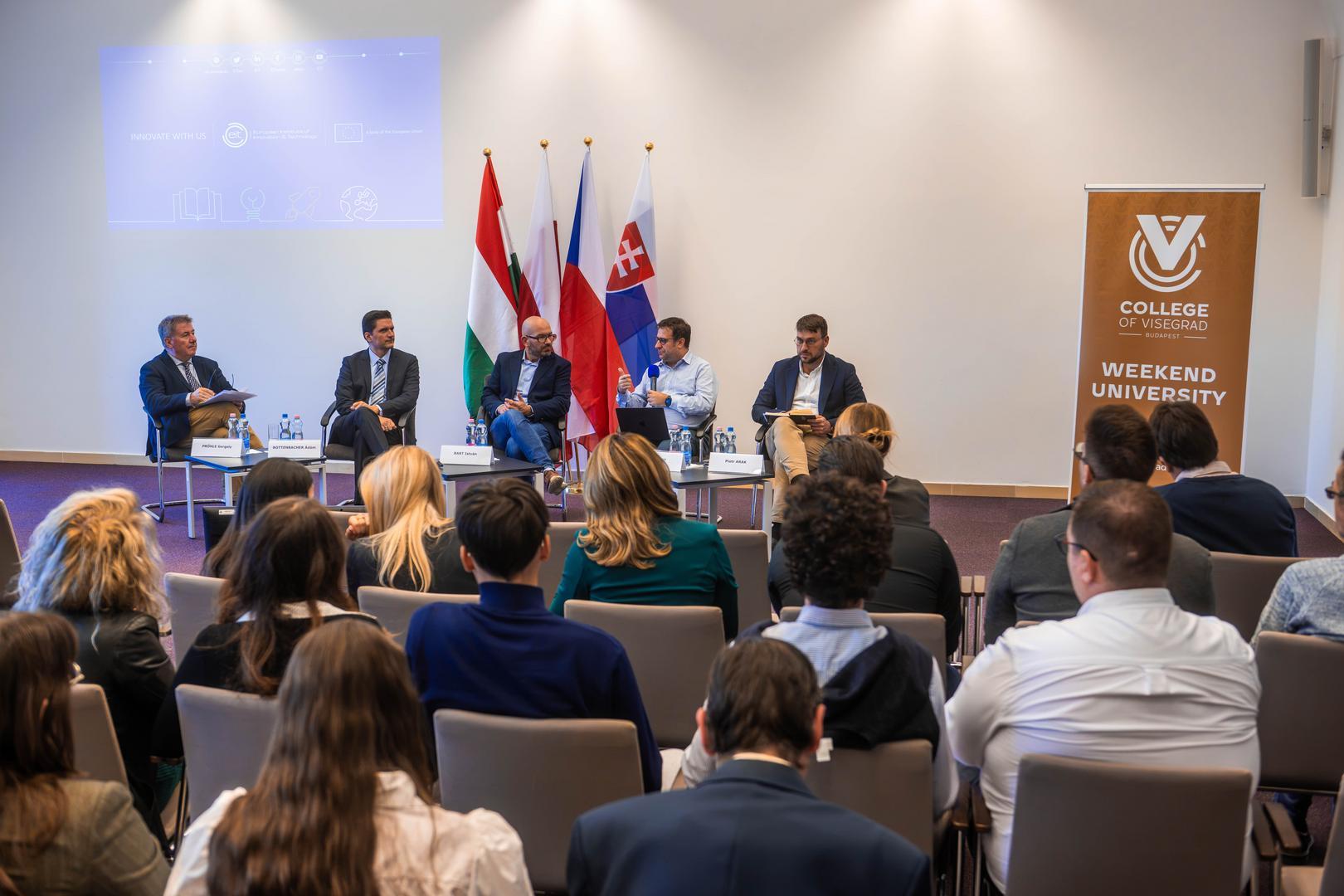
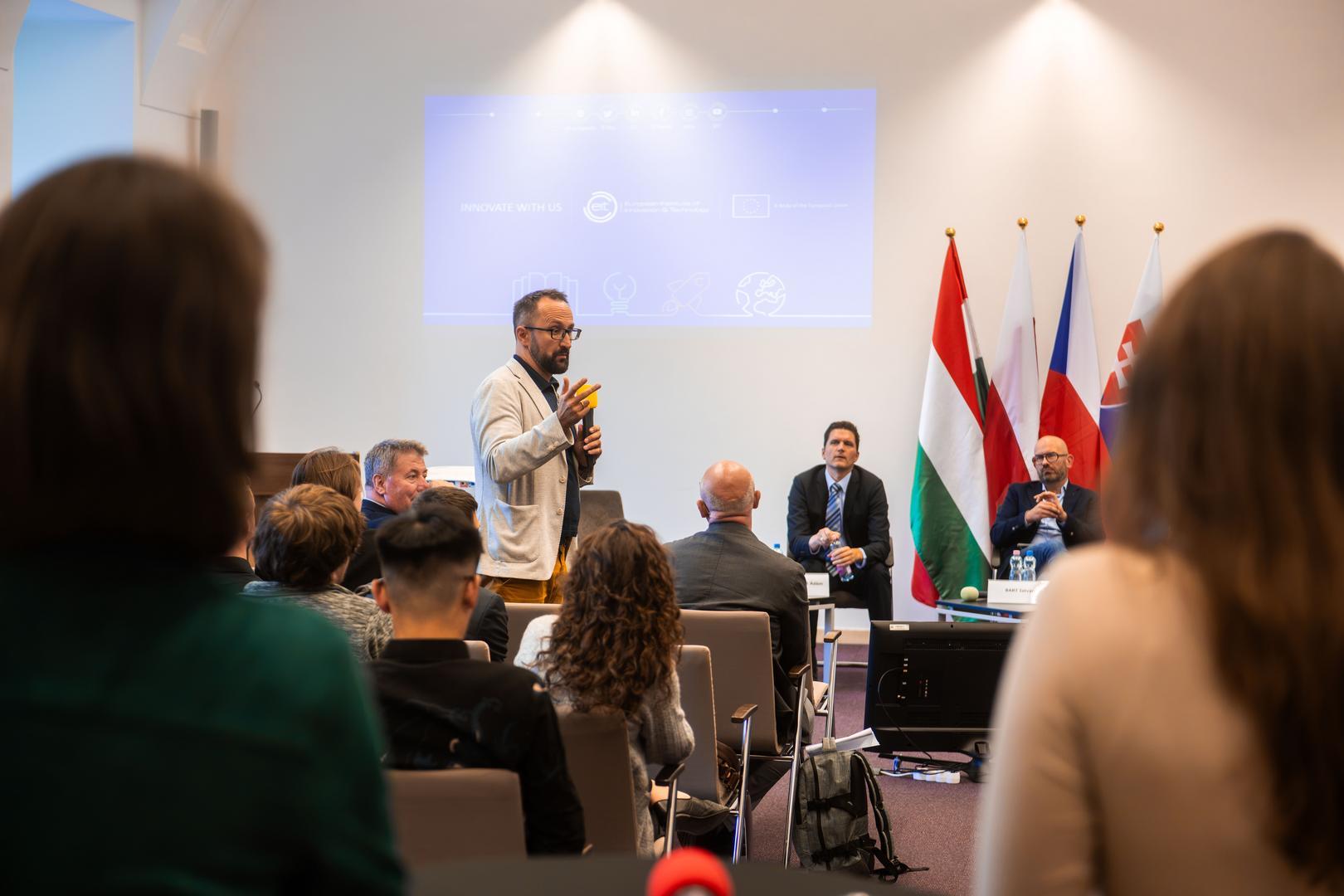
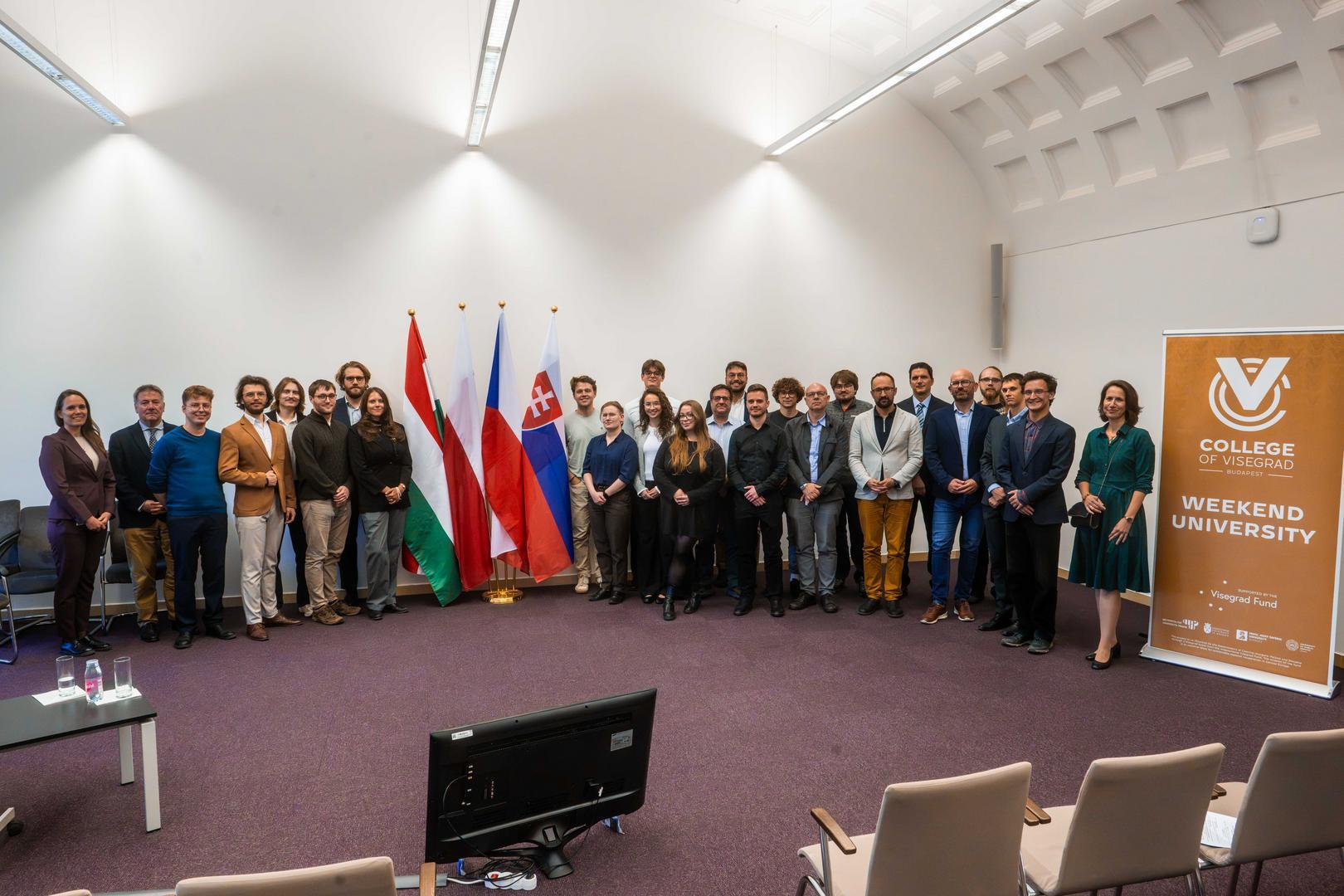
The John Lukacs Institute (JLI) of the Eötvös József Research Centre (EJRC) at the Ludovika University of Public Service (LUPS) organized a conference titled Sustainable Competitiveness, Competitive Sustainability – Challenges for the V4 Countries within the framework of the College of Visegrad+ Program on October 16, in the Zrínyi Room of the university.
The John Lukacs Institute of LUPS launched the College of Visegrad+ Program (CoV+) in 2024, the goal of which is the training of future Central European decision-makers, the expansion of their network of contacts, and the strengthening of the Central European ethos. Realized in cooperation with Metropolitan University Prague, Jagiellonian University in Kraków, and Pavol Jozef Šafárik University in Košice, the 4–5 day programs organized every six months bring together university students, young researchers, and educators from the Visegrád countries to jointly discuss current issues and challenges of V4 cooperation. The organizers highlighted that sustainability and competitiveness have become one of the most important strategic challenges for the European Union and the countries of the Visegrád Four. The transition to a low-carbon economy requires significant structural changes, large-scale investments in green infrastructure, and breaking away from fossil fuels. Renowned experts expressed their opinions at the event on how to strike a balance between environmental regulations and preserving economic competitiveness, ensuring affordable energy, and protecting jobs.
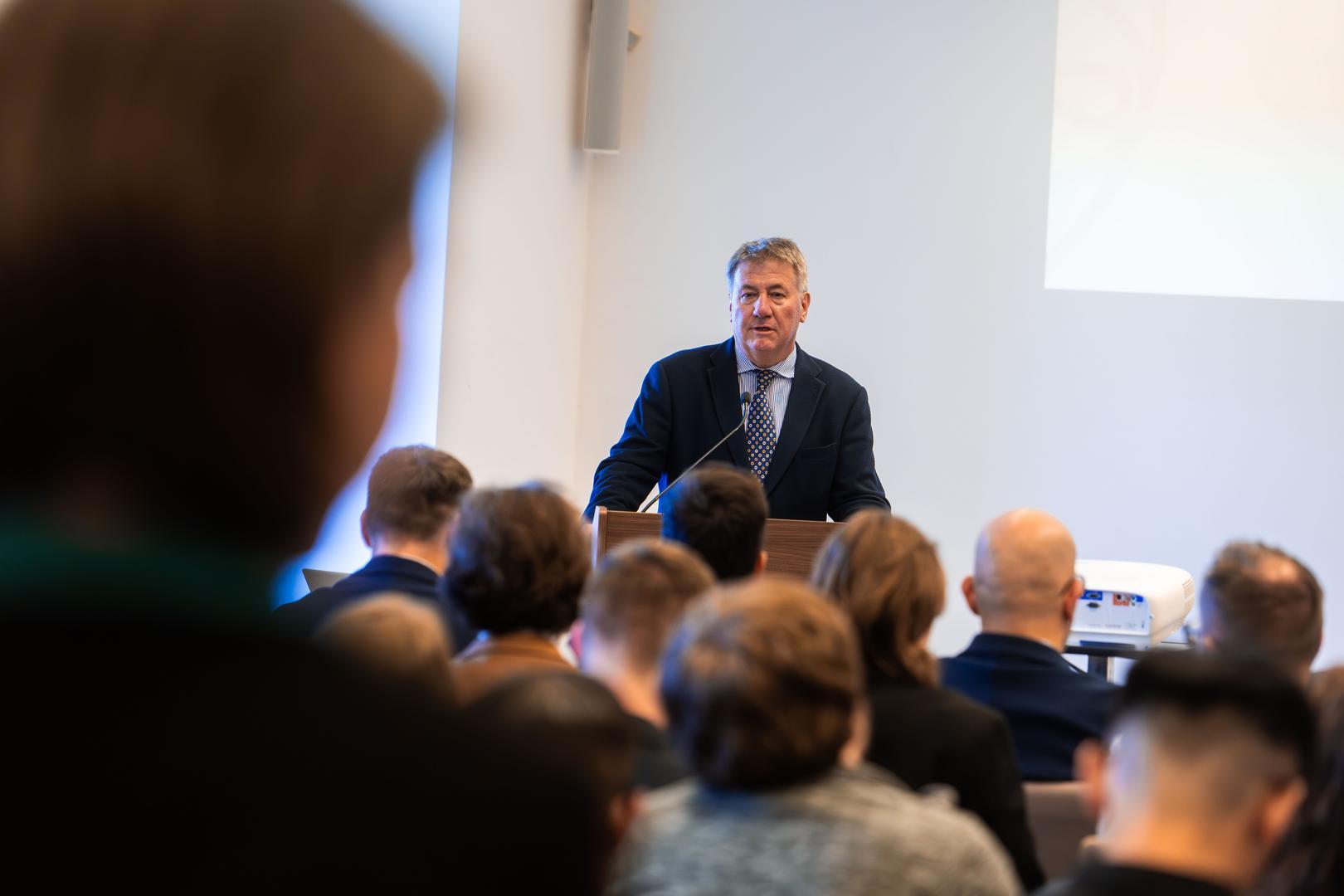
At the opening of the event, Gergely Prőhle, Program Director of JLI, emphasized that they are organizing the conference of the College of Visegrad Program for the 6th time now, which serves to strengthen Central European cooperation and build professional relationships among participants. As he explained, in the wake of political changes, the necessity of cooperation has become even more important from a political perspective, and the new Hungarian government also considers its development as a priority goal. According to Gergely Prőhle, Visegrád cooperation cannot be limited to shared historical and cultural roots, because – as he put it – "the necessity of modern cooperation is even more important today." Accordingly, the event strives to promote dialogue among Central European countries with topics adapted to contemporary challenges.
In his welcoming speech, György Velkey, Parliamentary State Secretary of the Ministry of Foreign Affairs, emphasized that with its new foreign policy approach, Hungary intends to take an active and reliable role again in European decision-making. On the occasion of the 35th anniversary of Visegrád cooperation, he highlighted that the V4 countries can act together in the areas of competitiveness, energy security, transport, and agriculture, among others. "Central Europe is strong when its countries jointly represent their interests," György Velkey highlighted, adding that sustainability and competitiveness are shared tasks in whose implementation education and the professional relationships of young generations also play a decisive role.
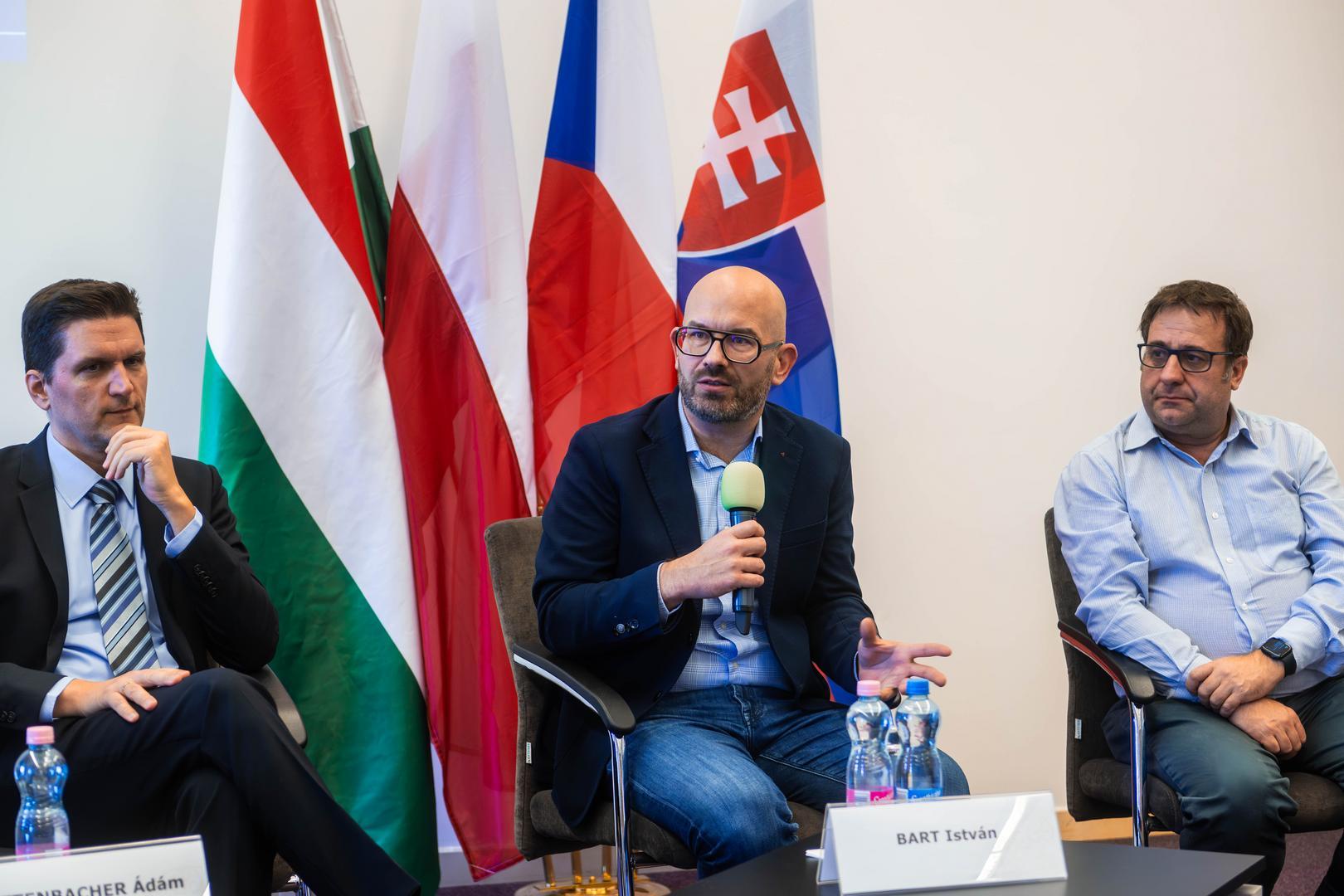
In his presentation titled Sustainability and/or Competitiveness, István Bart, Deputy State Secretary responsible for Electrification and Decarbonization at the Ministry of Economy and Energy, pointed out that due to the challenges of the energy crisis, climate change, and energy security, sustainability has now become a basic necessity. He highlighted that with the development of green technologies, renewable energy is becoming a cheaper alternative in an increasing number of countries, mentioning Pakistan and Vietnam as examples, where economic benefits also incentivize the transition. He added that the most important question today is no longer simply choosing between green and cheap energy, but how to modernize as quickly as possible while Europe must also take into account economic and investment conditions affecting competitiveness.
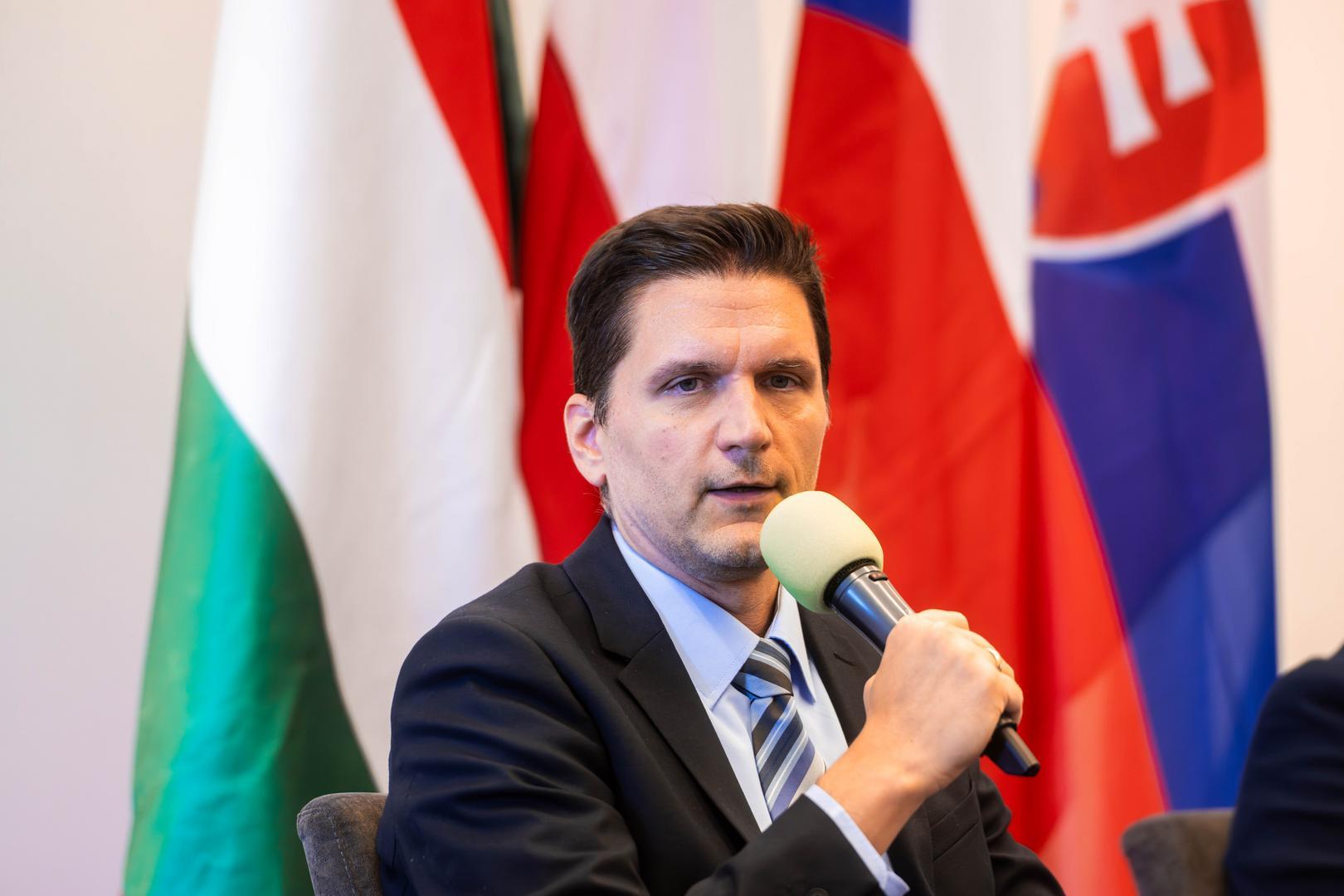
Ádám Rottenbacher, Chief Operating Officer of the European Institute of Innovation and Technology (EIT), spoke about EIT's role in addressing global challenges and supporting Europe's competitiveness. The speaker highlighted that one of Europe's greatest challenges is the market commercialization of research results, the financing of startups, and the shortage of skilled labor. He emphasized that EIT helps new technologies reach the market by connecting universities, research institutes, and companies, as well as supporting education, innovation, and business development: the organization works together with more than two thousand partners, and its long-term goal is for its networks over time to become sustainable even without public funding, while contributing to economic growth and job creation. According to the expert, Europe must be capable of developing its own innovative technologies and exploiting the economic value inherent in them, because in his view this creates economic growth and employment, as well as Europe's long-term competitiveness.
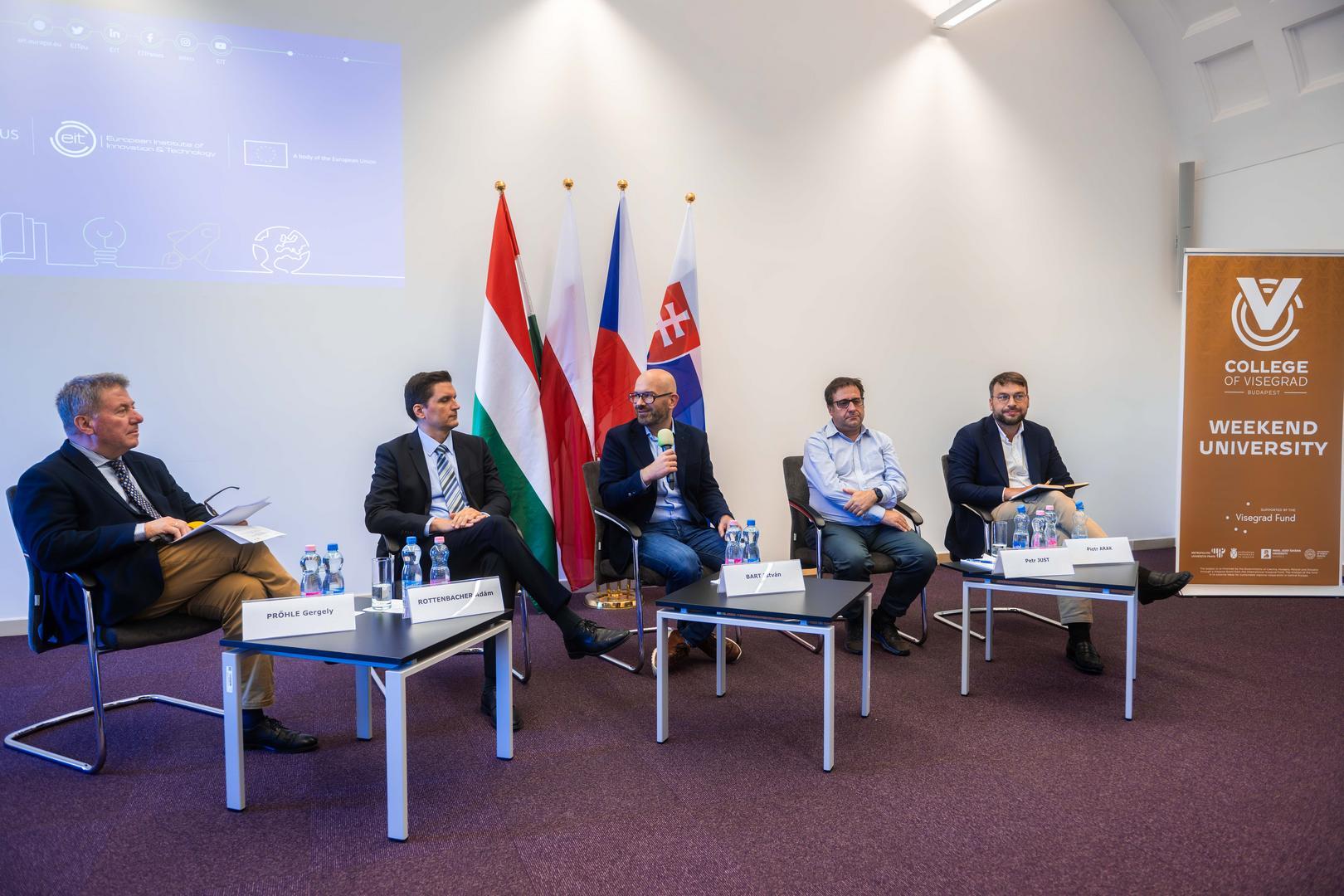
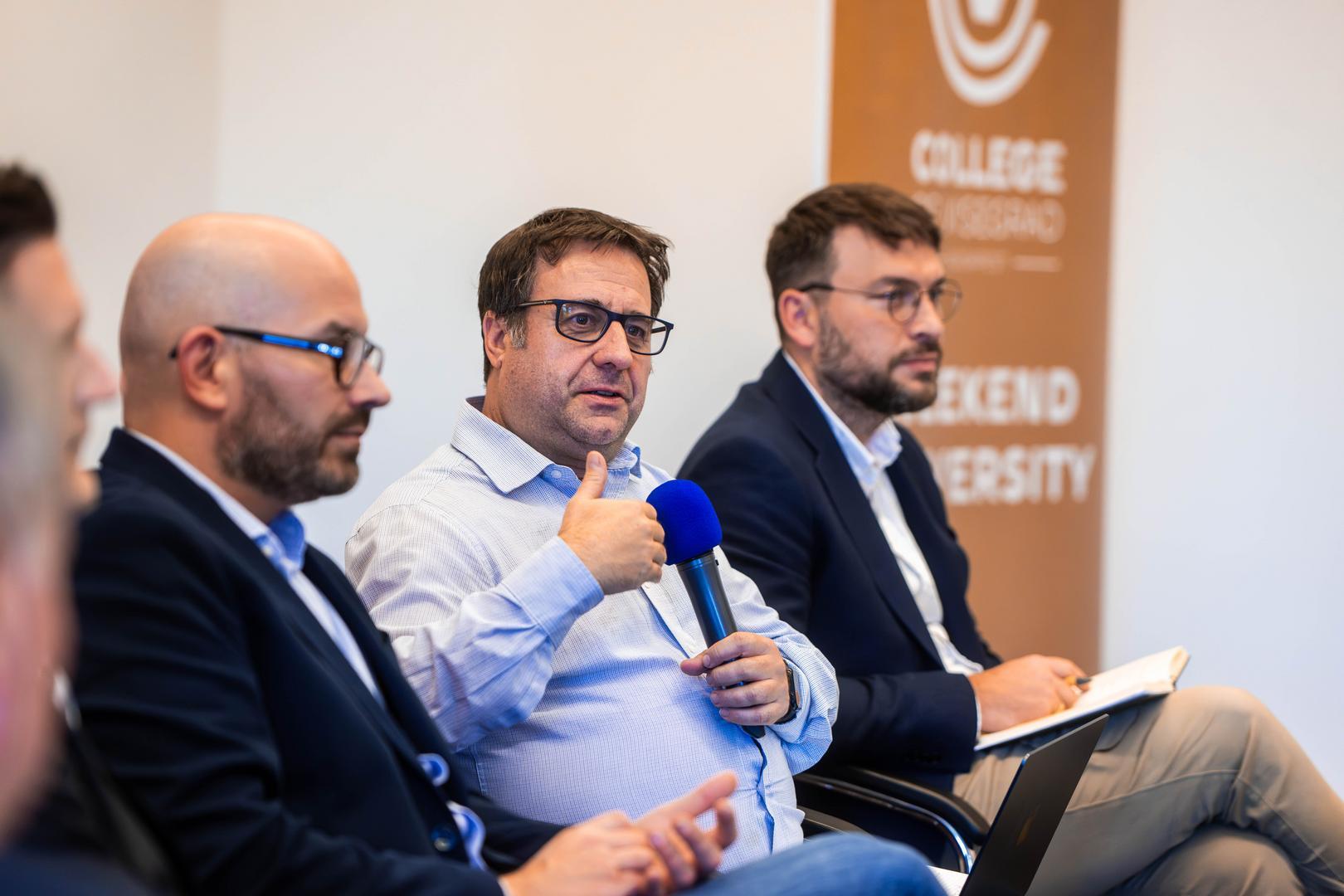
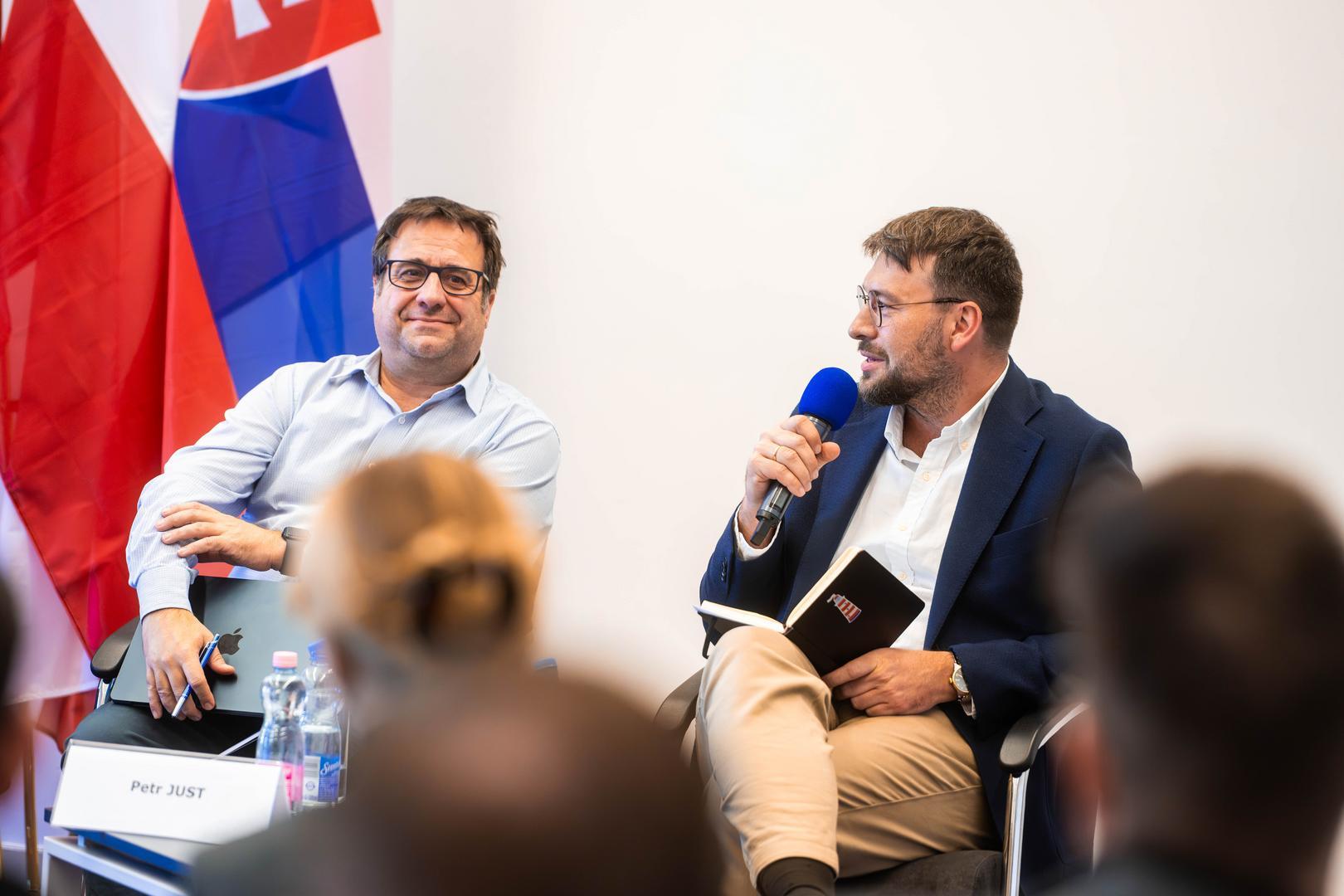
Following the presentations, a panel discussion took place on the topics of Sustainability and Politics: Is European Policy Driven by Values or Interests? Realpolitik and/or Idealpolitik in the V4 Countries. The discussion was moderated by Gergely Prőhle, and István Bart and Ádám Rottenbacher were joined by Petr Just, Vice-Rector of Metropolitan University Prague and Head of the Department of Political Science and Anglophone Studies, and Piotr Arak, Chief Economist at VeloBank, Adjunct Professor at the Faculty of Economic Sciences of the University of Warsaw, and Co-Founder of the Polish Economic Institute. Participants discussed Central European opportunities for harmonizing sustainability and competitiveness. In the Czech Republic, for example, the issue of sustainability has caught in the crossfire of political debates, and little progress is expected under the current governmental direction. Regarding the situation in Poland, it was stated that many link the green transition to rising energy costs and threatening industry and agriculture, while the spread of renewable energy sources is increasingly driven by market demand and cheaper energy production. Participants emphasized that technological development alone is not sufficient to achieve climate protection goals: informing the public, education, and the involvement of local communities are also required.
This year's event of LUPS College of Visegrad+ was co-financed by the International Visegrad Fund. The Visegrad Grant of the International Visegrad Fund is jointly provided by the governments of the Czech Republic, Hungary, Poland, and Slovakia. The mission of the Fund is to support ideas that advance sustainable Central European regional cooperation. For further information, please visit the Fund's website.
Text: Éva Harangozó
Photo: Dénes Szilágyi