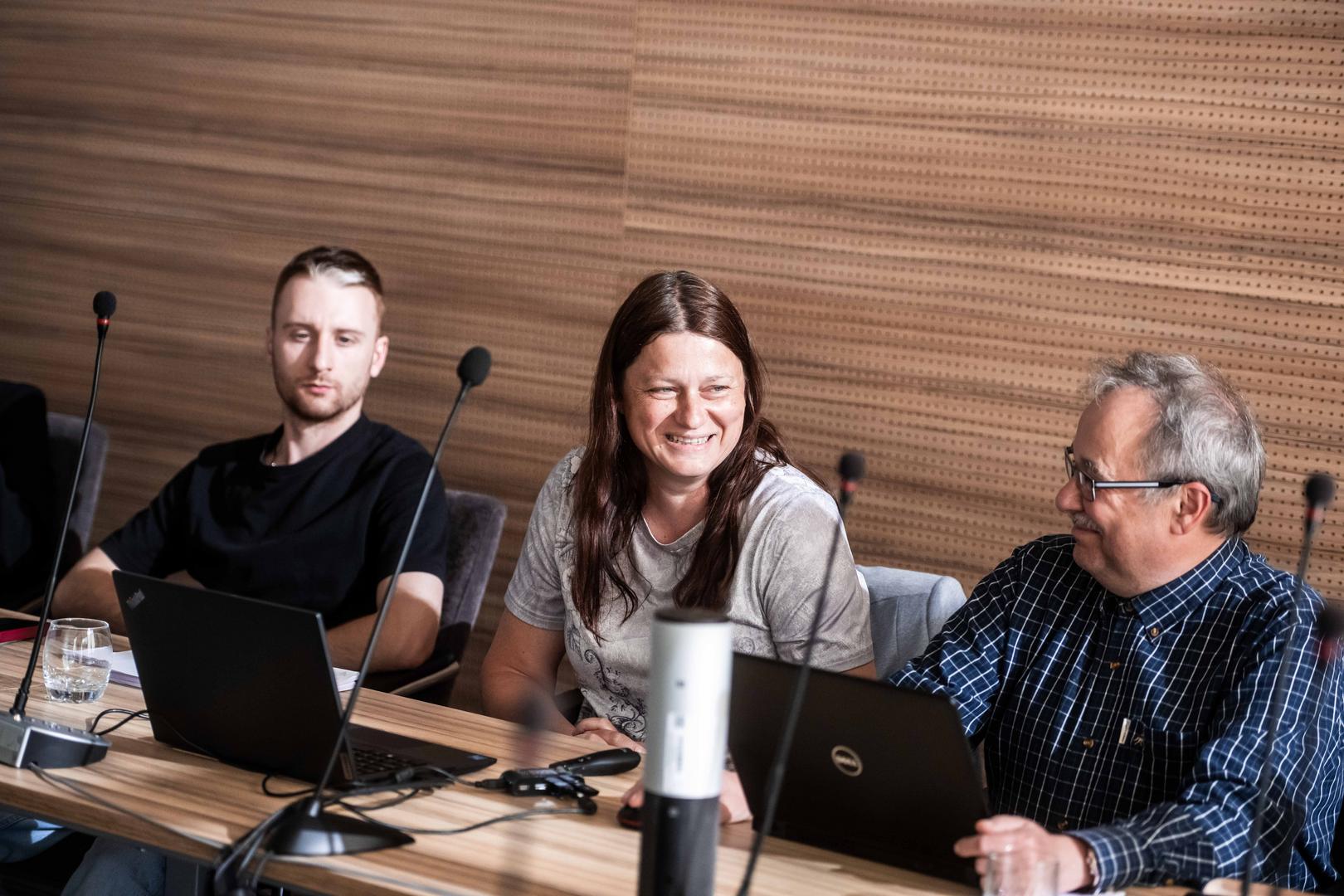
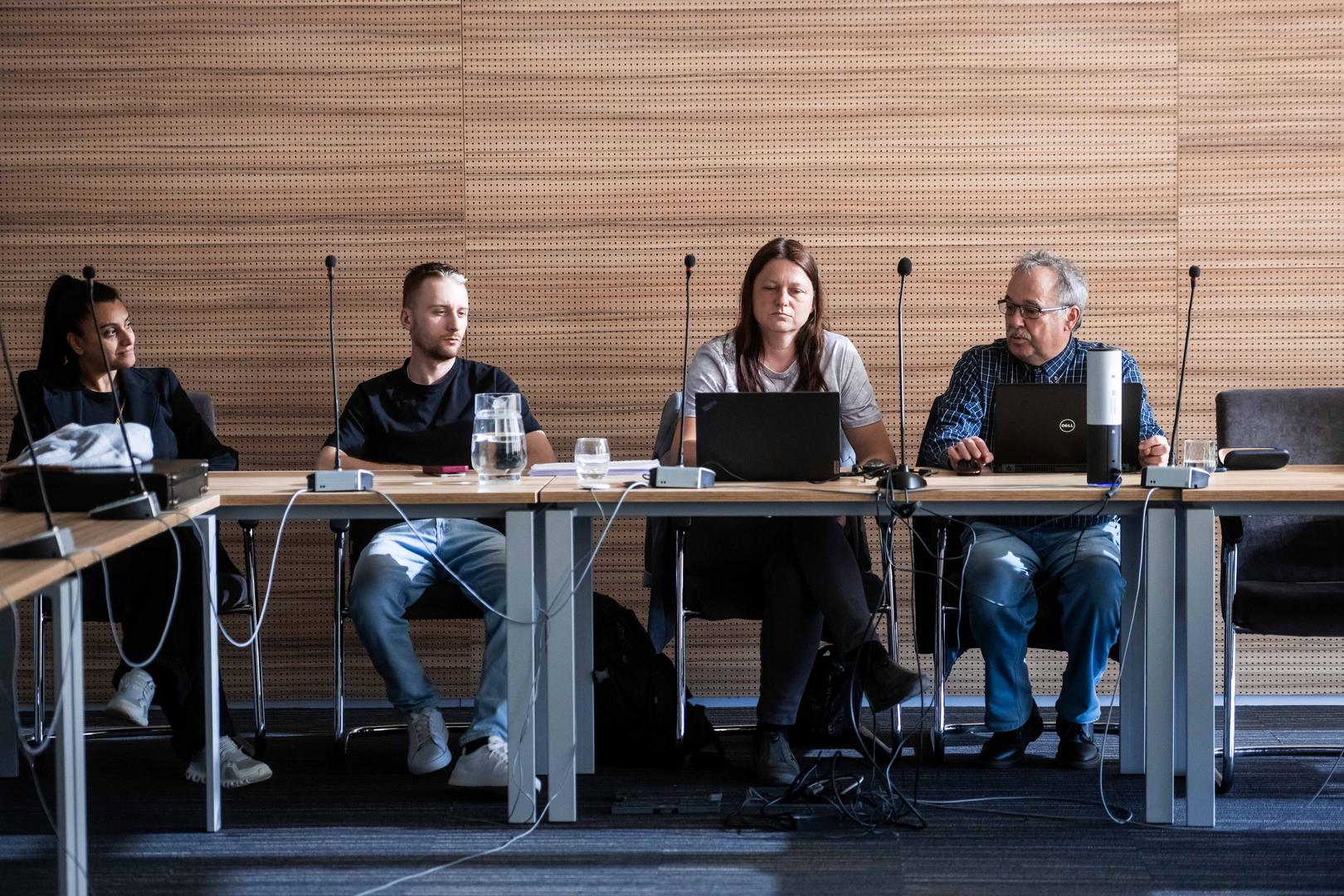
Within the framework of the Ludovika Scholars Program, the Ludovika University of Public Service Faculty of Water Sciences hosted a thought-provoking event organized by the UNESCO Chair in Water Conflict Management – Student’s Science Club.
The event featured Prof. Svjetlana Lolić (University of Banja Luka, Faculty of Sciences and Mathematics, Departments of Biology and Environmental Protection), who delivered a comprehensive lecture addressing the impacts of climate change on water resources in Bosnia and Herzegovina. Her presentation explored how global warming is reshaping the hydrological cycle, increasing the frequency and intensity of extreme weather events such as the devastating floods of 2014 and 2024, as well as severe droughts causing significant economic losses.
In addition, Prof. Lolić presented her lecture titled “Monitoring Surface Water Quality in a Changing Climate: From Parameters to Practice,” highlighting the growing importance of water quality monitoring in climate adaptation. Through concrete examples, she introduced local water management challenges, emerging risks, and emphasized the role of data-driven and economically informed decision-making in supporting effective policy responses. She also stressed the need for adaptive management systems capable of “expecting the unexpected” and for identifying high-risk regions to better prepare for climate extremes, now considered a “new reality.”
During her visit, Prof. Lolić toured the campus and laboratory facilities and met with colleagues from the Department of Aquatic Environmental Sciences to explore potential avenues for future institutional cooperation.
The event also included a lecture by Tamás Pálvölgyi, Vice-Dean for Strategy and International Affairs at the Faculty of Water Sciences. His presentation, “Water and Climate Change: Rhetorics or Reality?”, examined global trends and the complex interconnections between climate change and water systems. Drawing on current research, he emphasized the urgency of moving beyond a “steady-state” perspective and addressing planetary limits. Through a series of thought-provoking questions—touching on responsibility, institutional roles, and sustainable lifestyles—he initiated a lively and engaging discussion among participants.
The event not only contributed to academic discourse on water and climate challenges but also reinforced the Ludovika Scholars Program’s mission to promote international knowledge exchange, interdisciplinary dialogue, and long-term collaboration in addressing shared environmental issues.