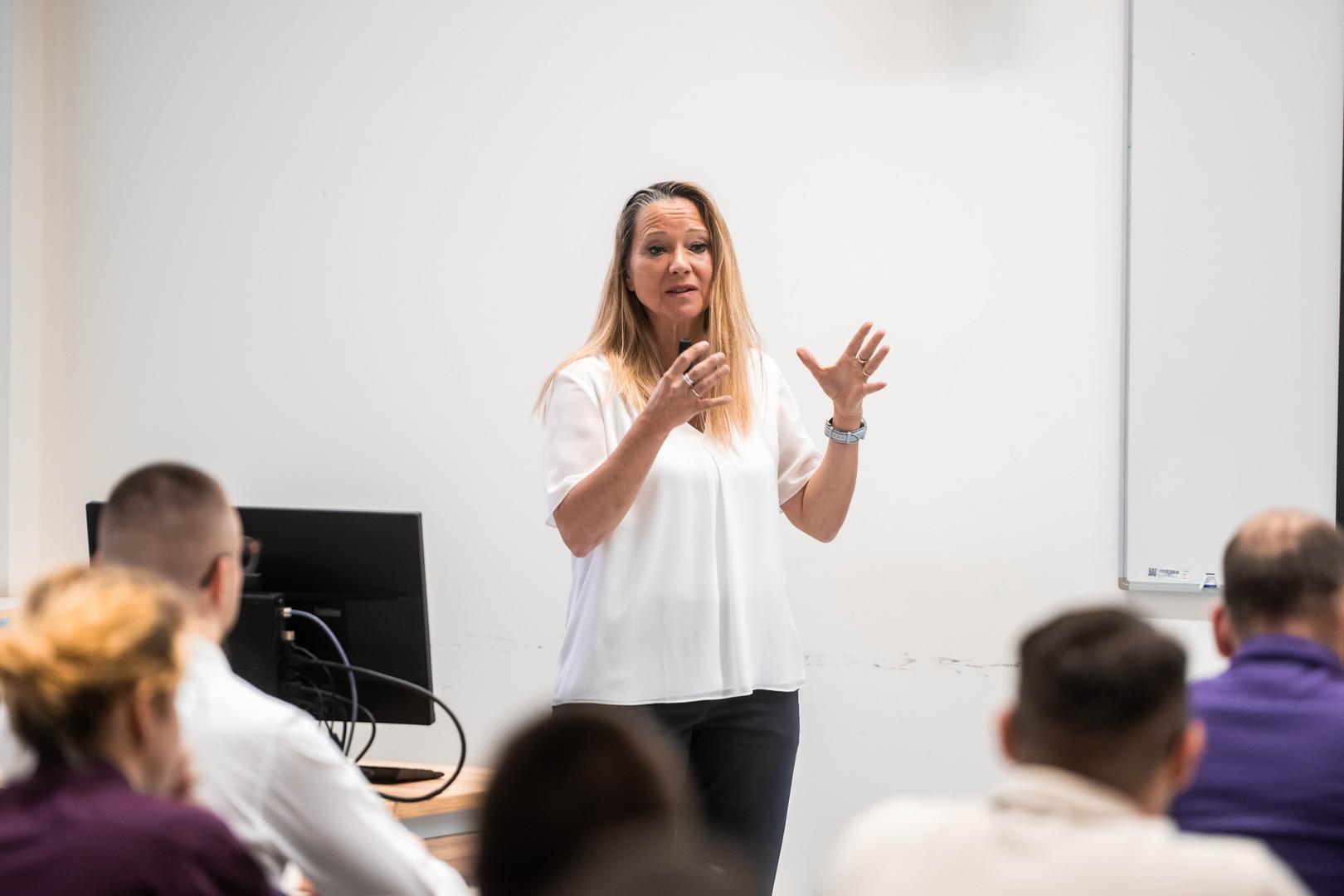
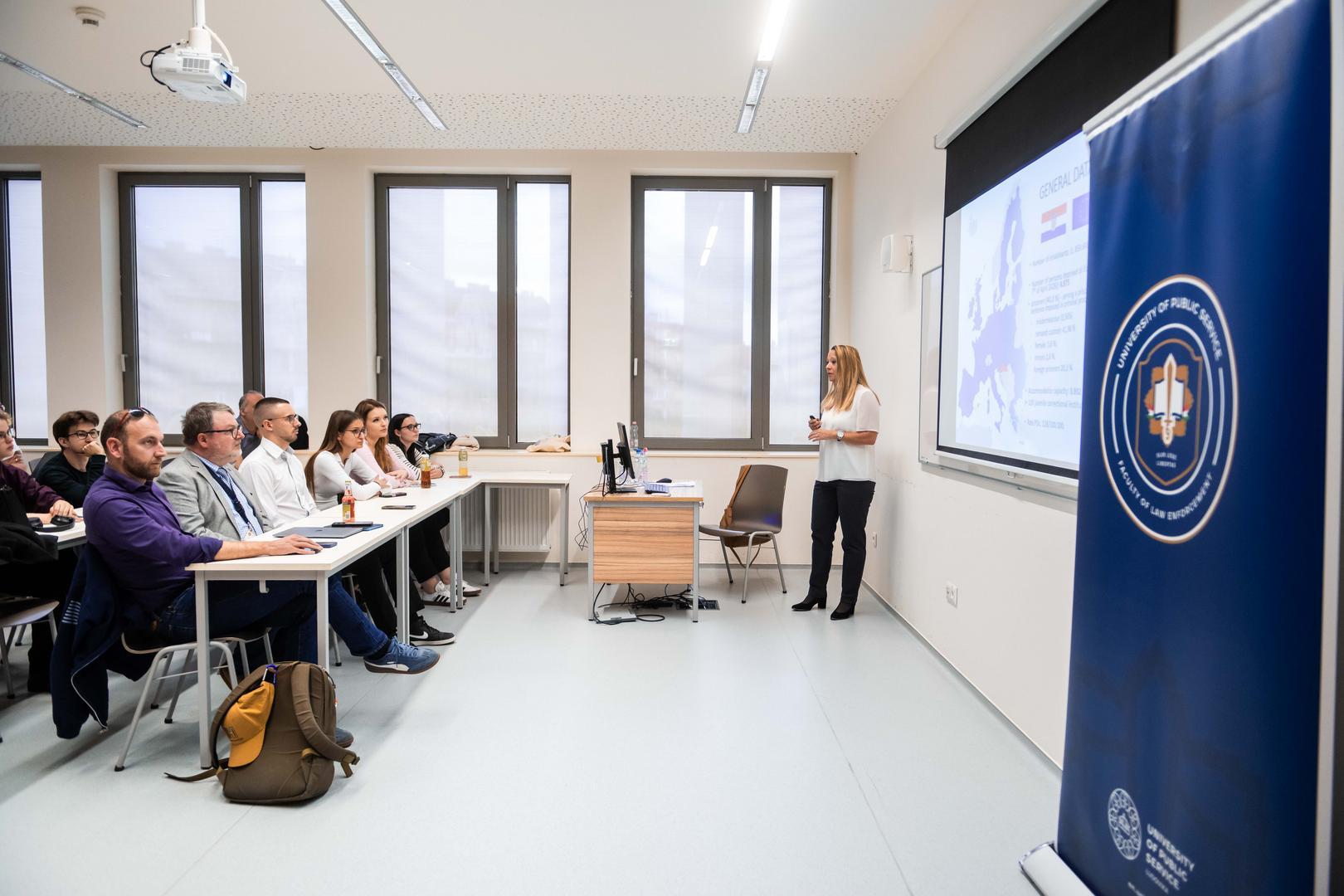
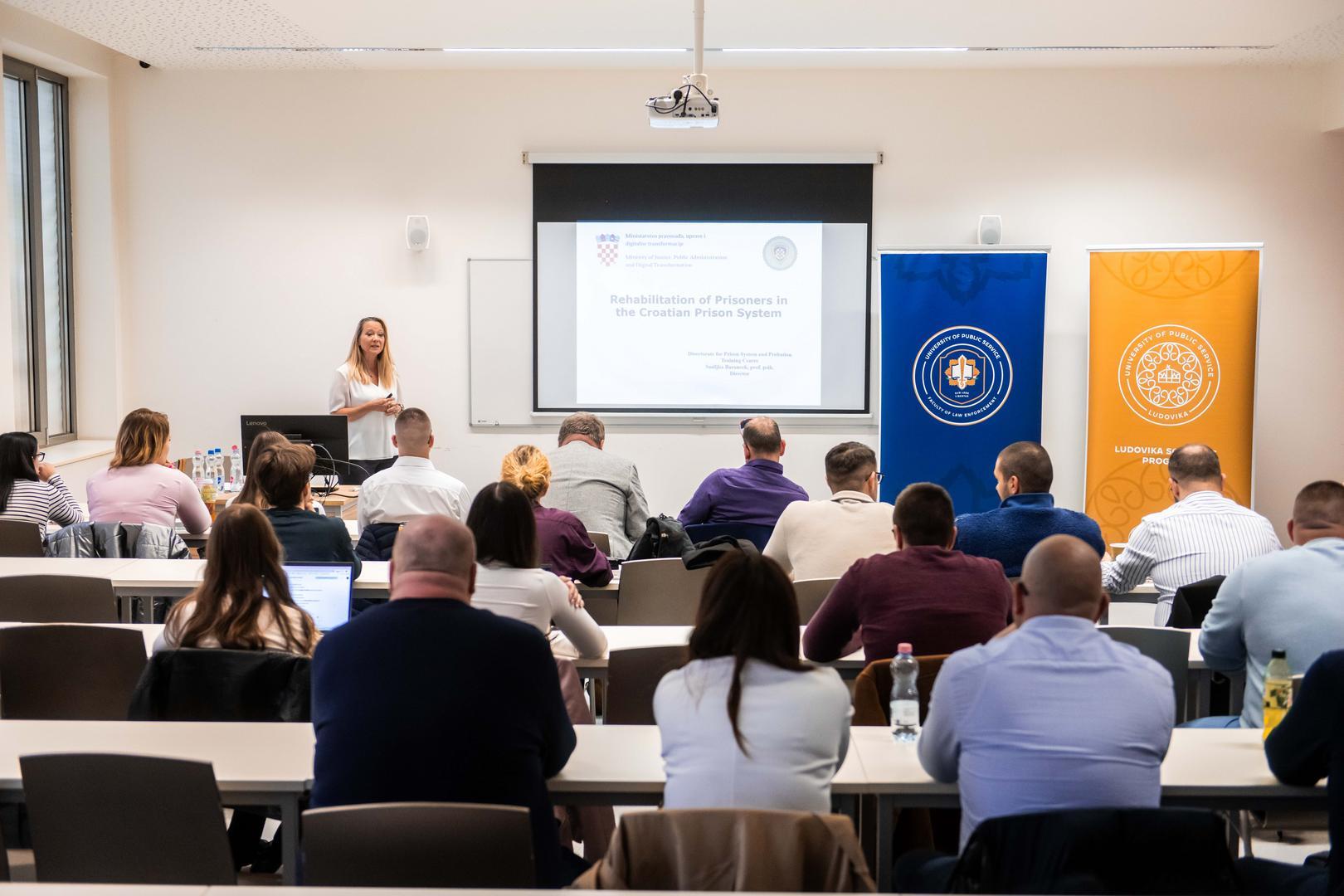
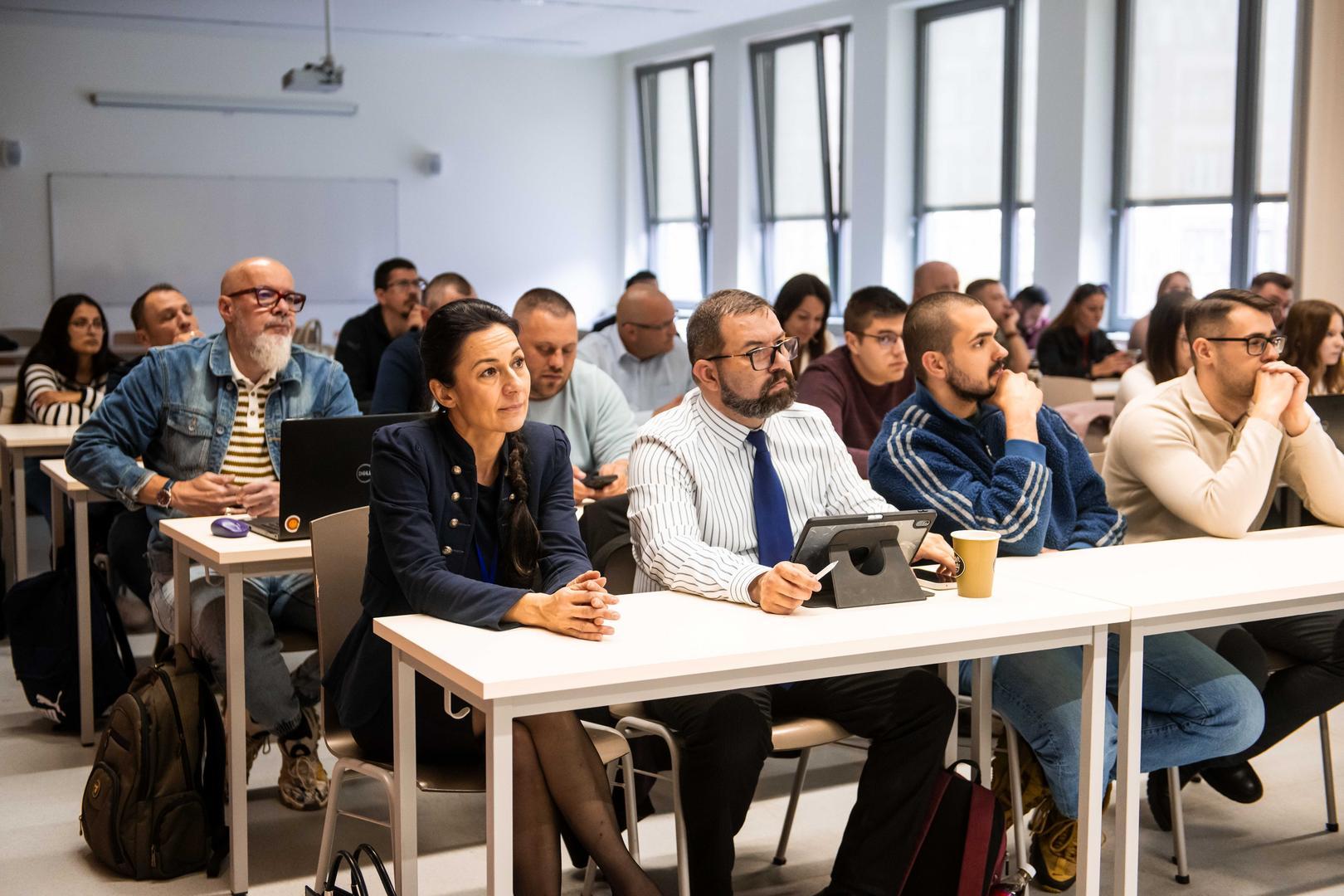

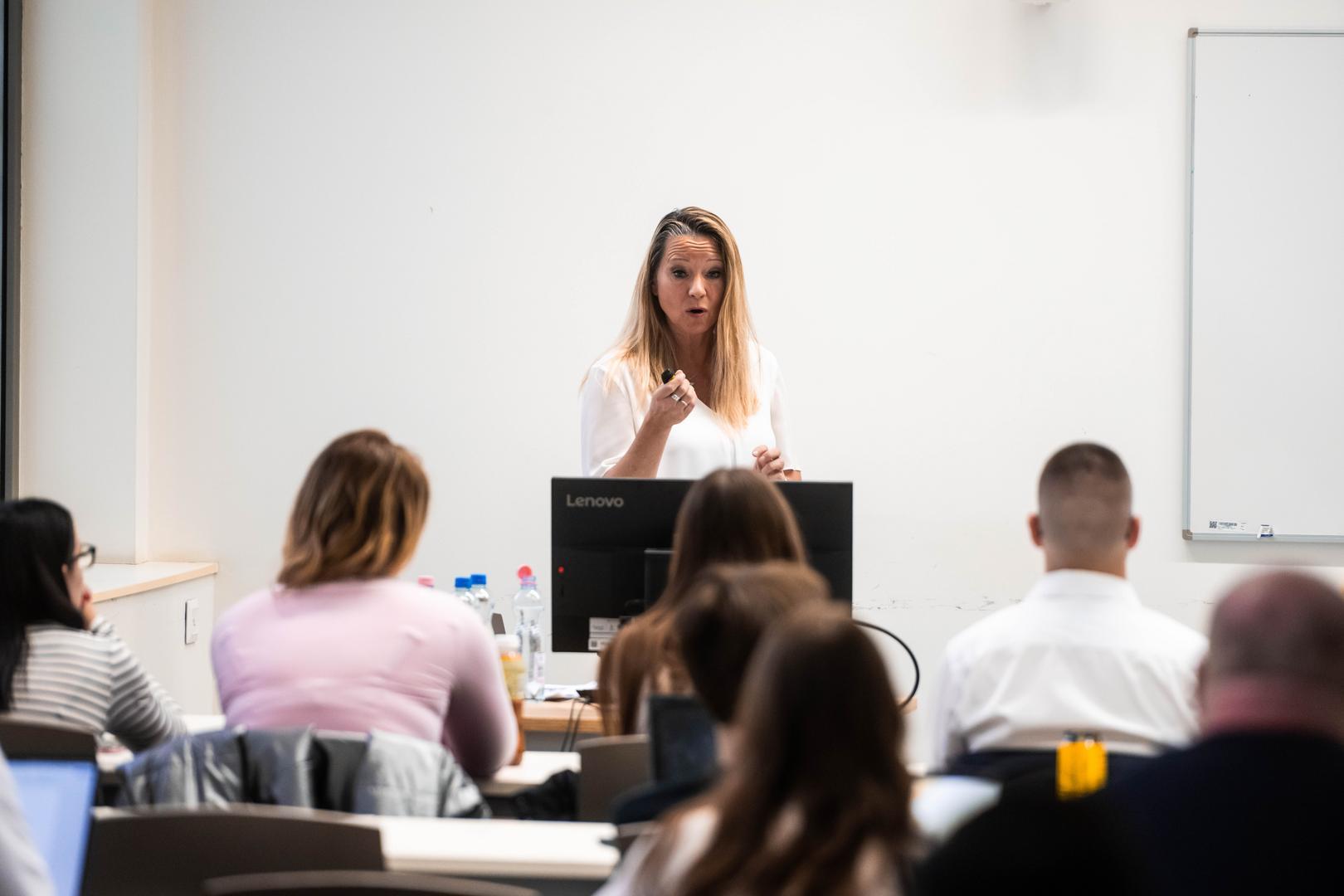
Smiljka Barancek, the Director of the Prison Staff Training Centre at the Croatian Ministry of Justice, Public Administration and Digital Transformation, presented a public lecture titled Rehabilitation of Inmates in the Croatian Prison System on April 21 at the Educational Centre of the University of Public Service, as part of the Ludovika Scholars Program.
The presentation offered a comprehensive overview of the Croatian penitentiary system, detailing its institutional framework, security classifications, and operational features, with a particular focus on inmate rehabilitation and social reintegration. The lecture underscored that the aim of imprisonment extends beyond mere isolation; it is about preparing inmates for life post-release, while upholding human dignity and facilitating successful reintegration into society.
Currently, Croatia has nearly 5,000 inmates serving sentences, although the official prison capacity is just under 4,000 places. The system comprises seven penitentiaries, which include one prison hospital, fourteen prisons, two juvenile correctional facilities, along with a medical diagnostic centre and a training facility. The speaker also pointed out challenges such as staff shortages in tourist areas and the need to modernize historic prison buildings located in city centres.
The Croatian prison system categorizes institutions into open, semi-open, and closed types. Regardless of the security level, inmates are provided with access to education, employment opportunities, and rehabilitation programs. Open prisons are primarily designed for individuals convicted of non-intentional crimes, yet the overarching focus across the system remains on preparing inmates for their reintegration into society.
Each inmate engages in a personalized rehabilitation program tailored to a thorough evaluation of their individual history, family circumstances, and educational requirements. These programs can encompass literacy education, primary and secondary schooling, vocational training, and even higher education funded by the inmates themselves. Work is highly encouraged, as it fosters discipline, accountability, and essential life skills.
Specialized treatment programs are offered for inmates facing challenges such as addiction, violent behaviour, mental health concerns, or offenses related to traffic violations. The importance of maintaining family connections is also emphasized, with child-friendly visiting areas and digital communication facilitating the preservation of family ties.
The lecture highlighted that in the Croatian prison system, rehabilitation is not merely an ancillary goal but a fundamental principle, focused on decreasing recidivism and fostering long-term social reintegration.
Text: Tibor Sarnyai
Photo: Dénes Szilágyi