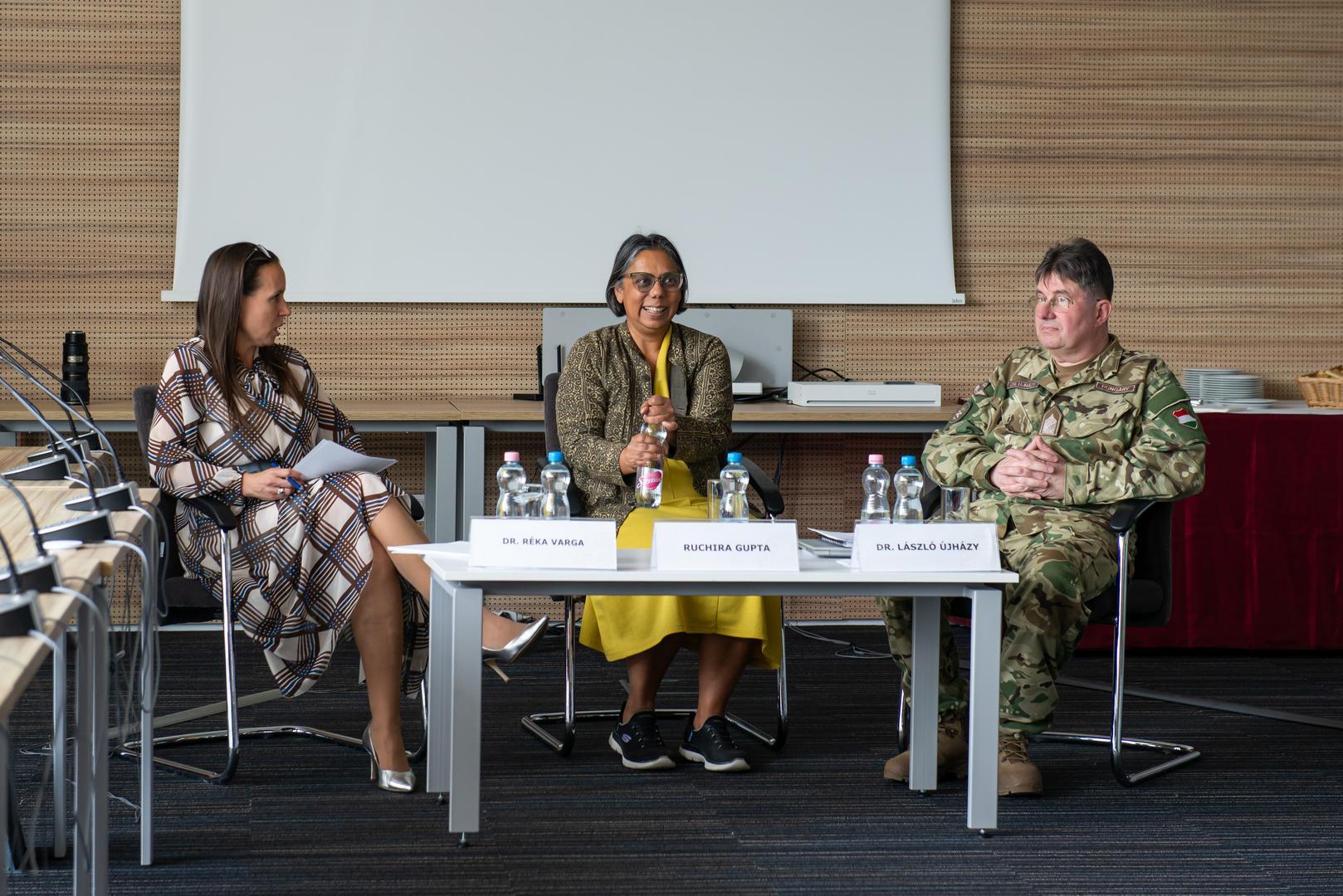


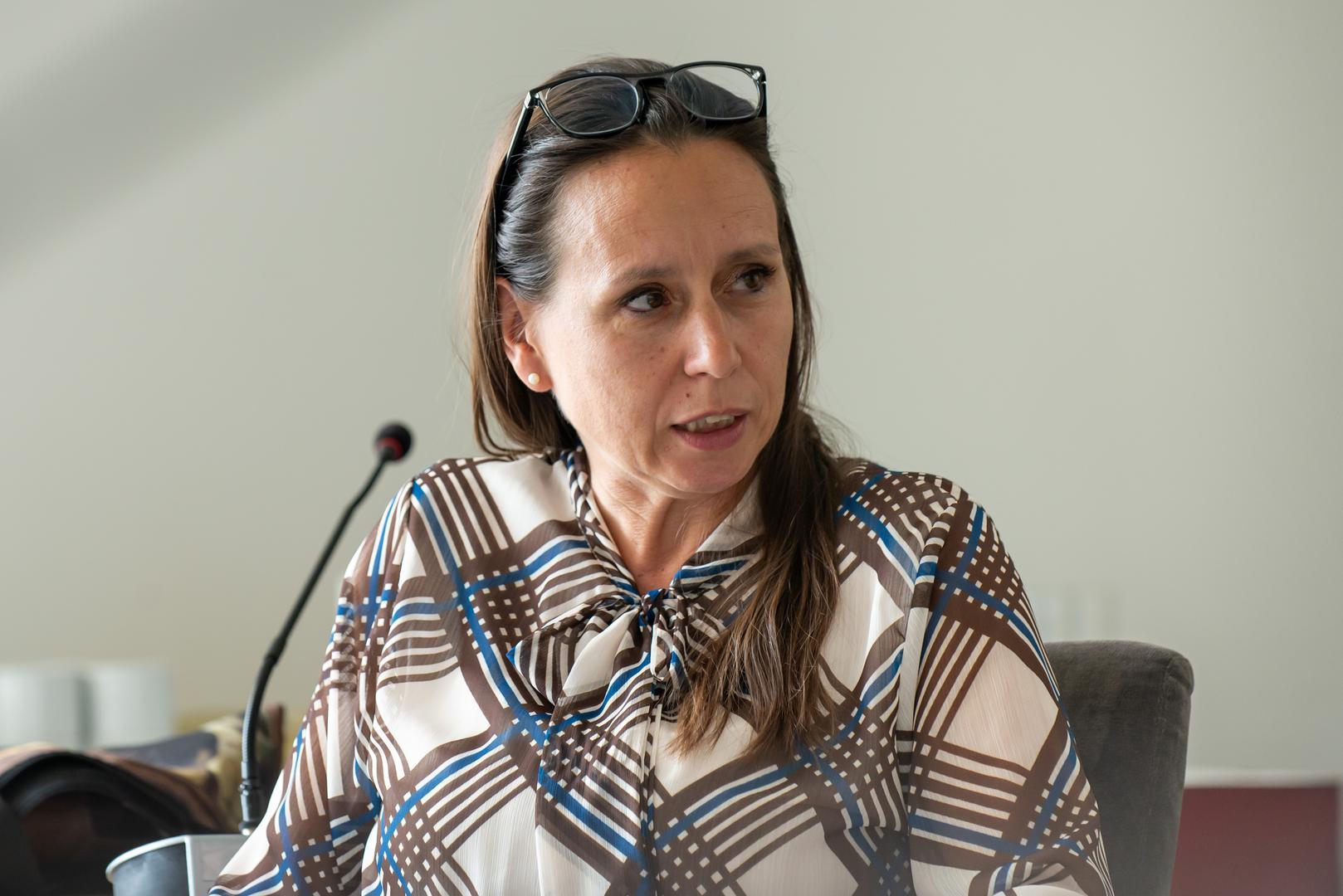
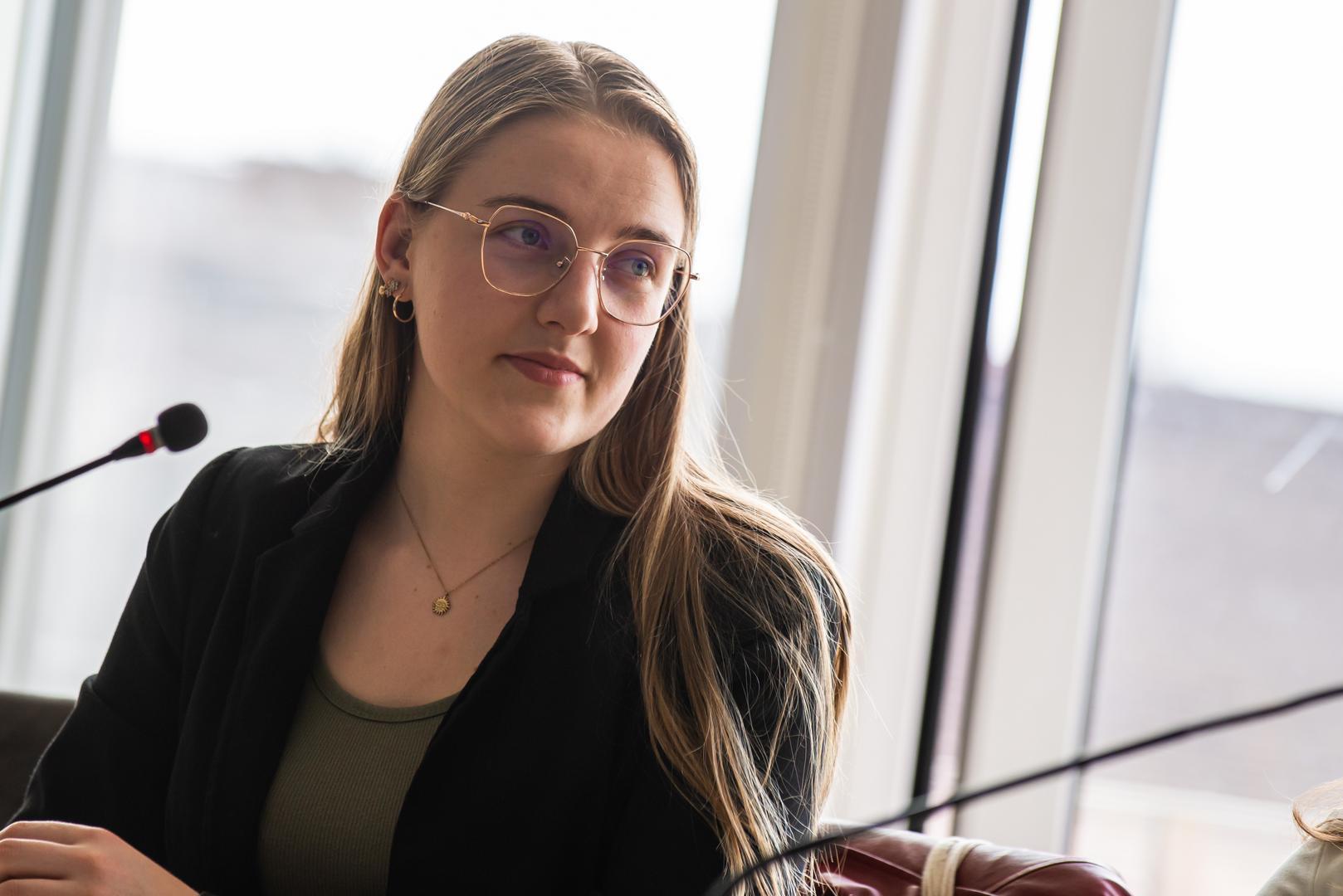
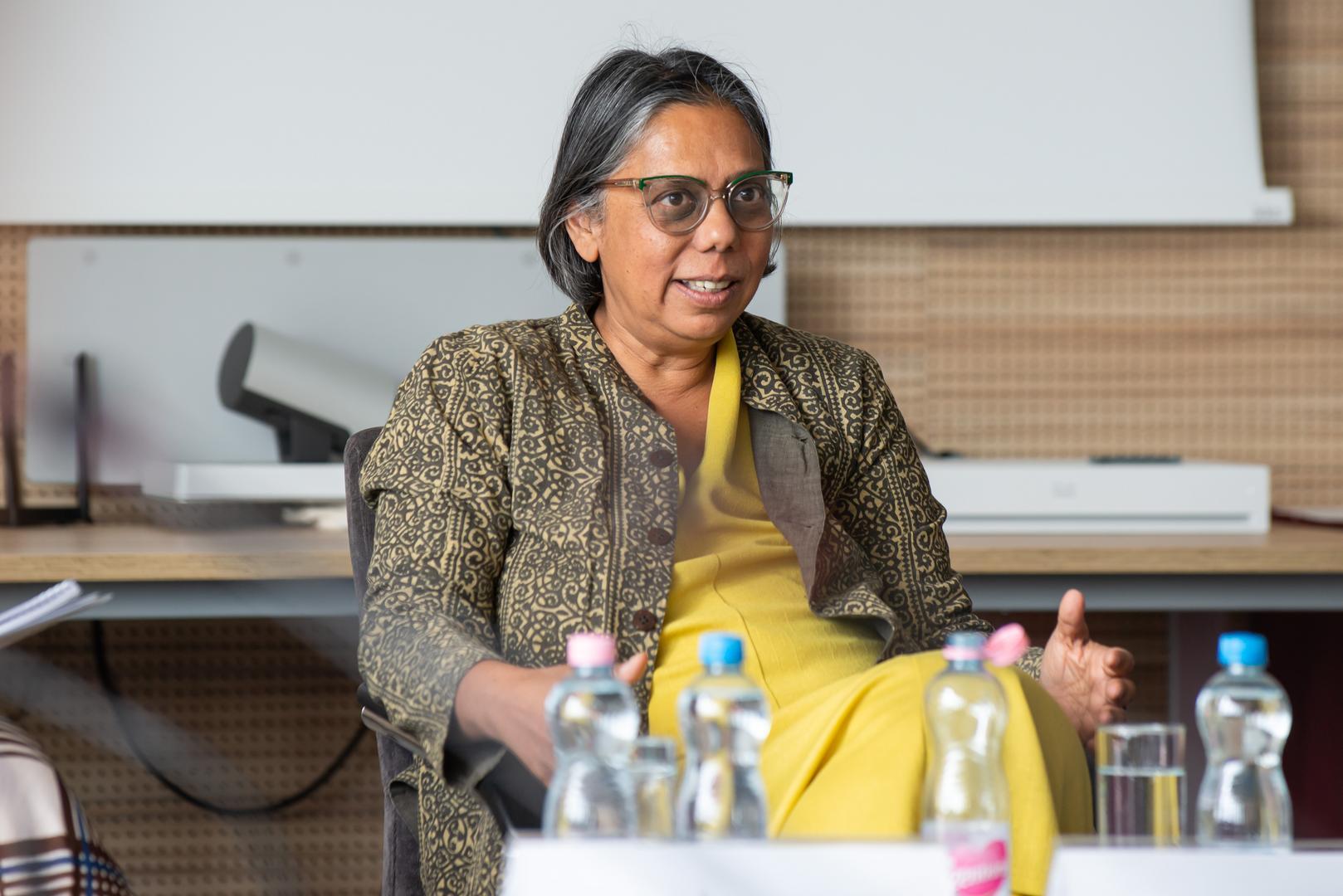
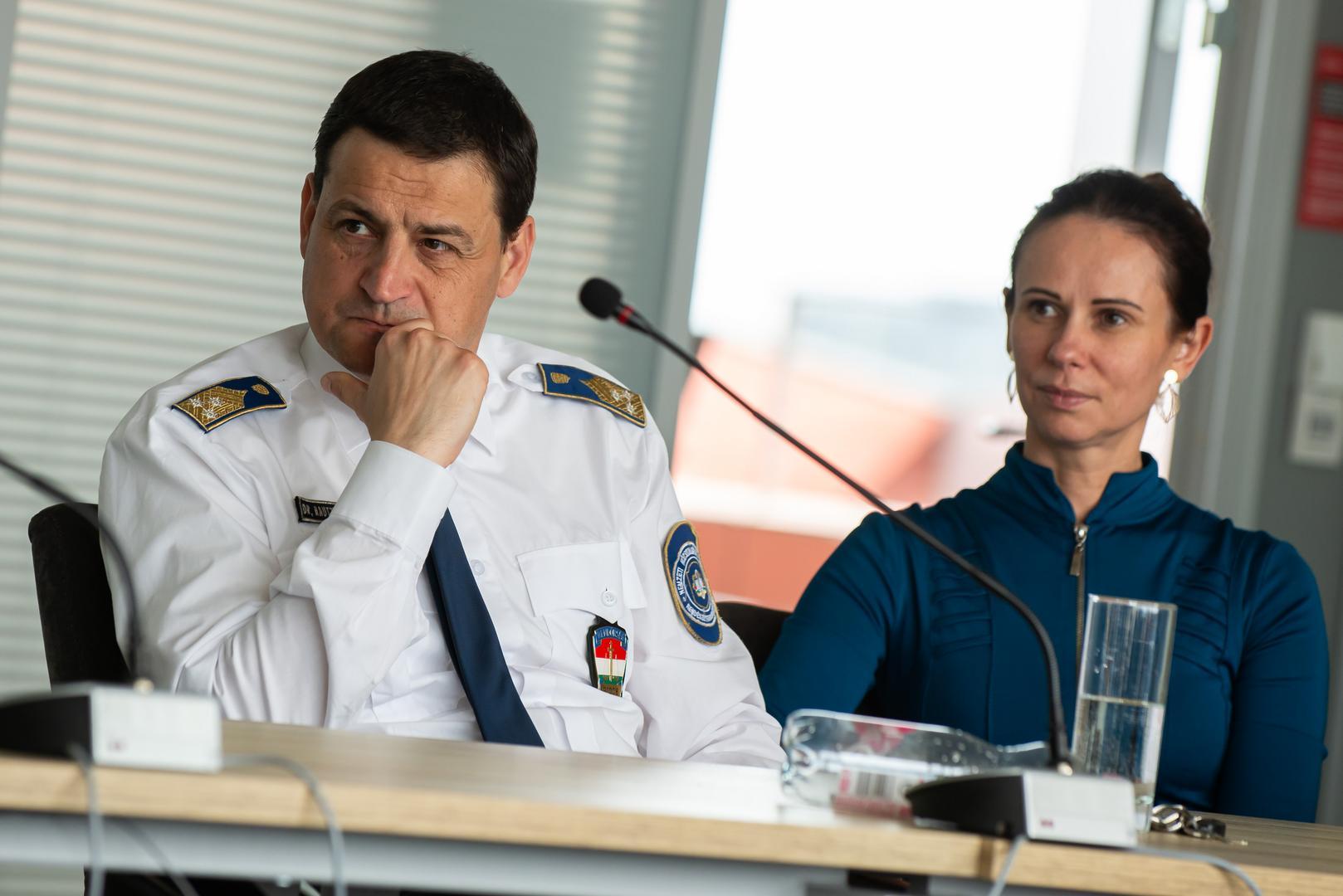
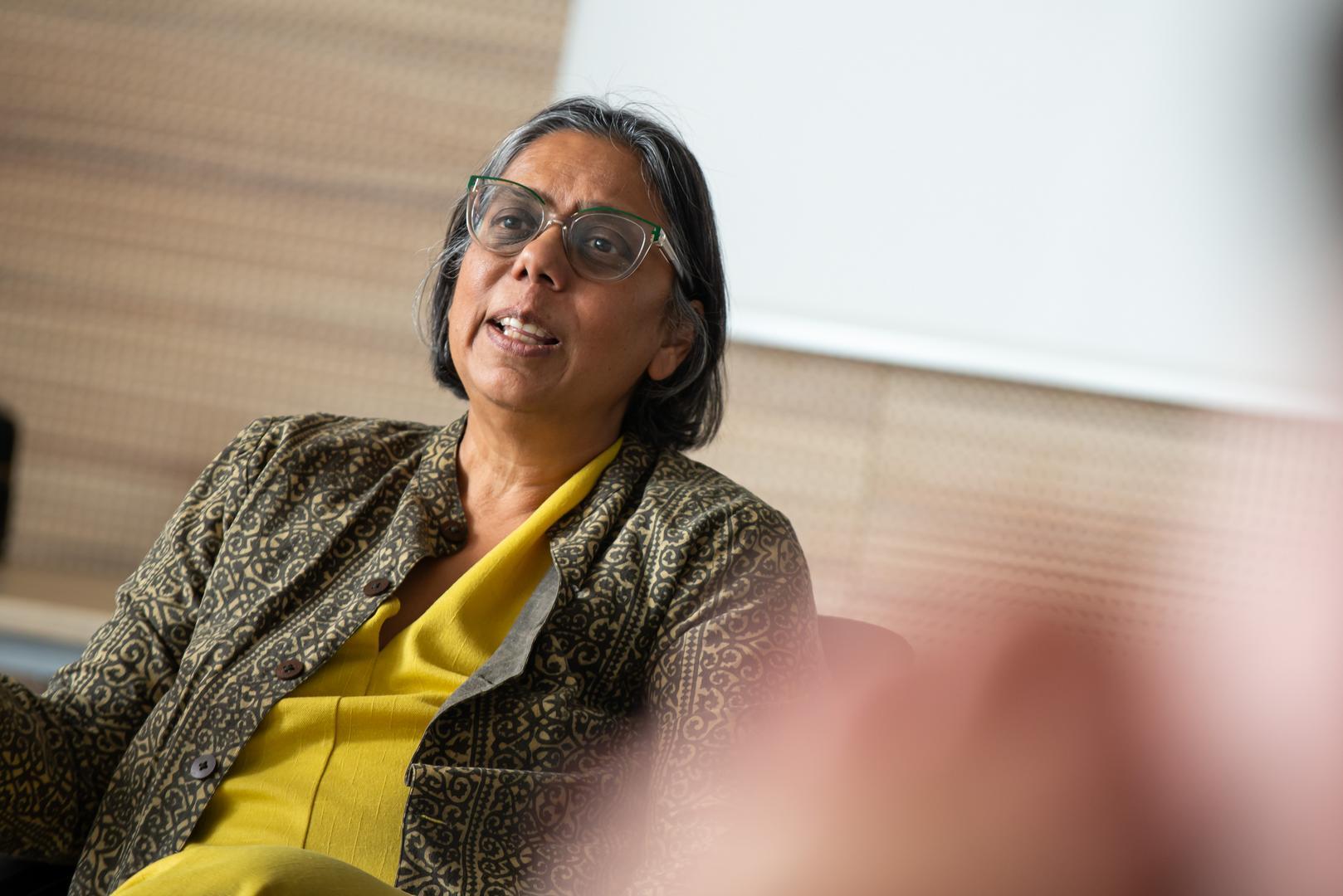
On April 15. 2026 Ludovika University of Public Service hosted a thought-provoking professional workshop that stepped far beyond conventional security discussions. The event brought together Ruchira Gupta, Emmy Award-winning journalist, author, and women’s rights activist, and Colonel László Ujházy, Head of Department at the Faculty of Military Science and Officer Training, for a powerful dialogue on conflict-related sexual violence, human trafficking, and the possibilities for prevention from both civilian and military perspectives.
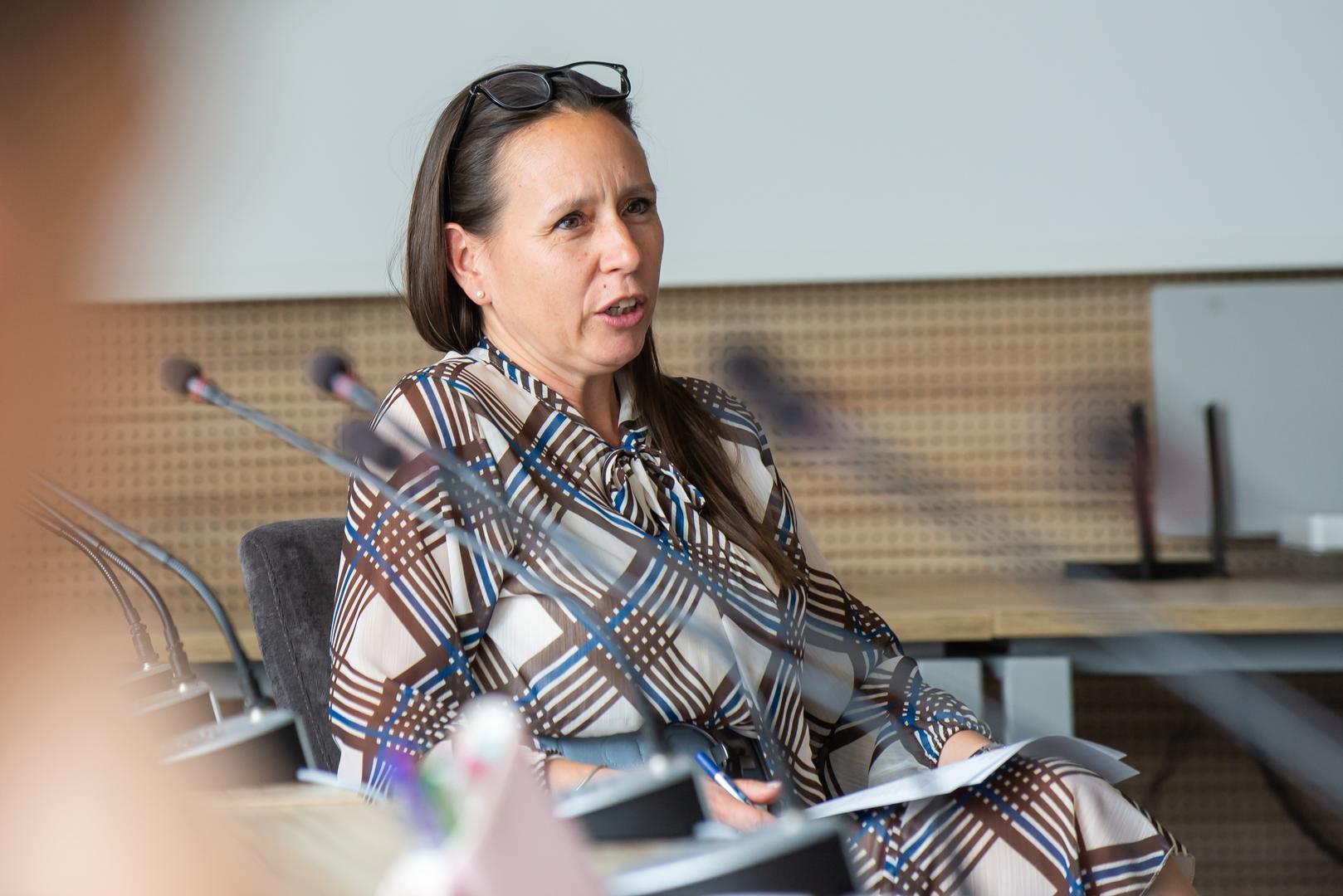
In her opening remarks, Dr. Réka Varga, Dean of the Faculty of Public Governance and International Studies, emphasized that addressing sexual violence in armed conflicts is a key component of the university’s academic mission. This commitment is precisely why Ruchira Gupta was invited. Her groundbreaking documentary "Selling of Innocents", which exposed trafficking routes from Nepal to India, drew global attention to the issue. Beyond journalism, her advocacy has contributed to shaping international frameworks, including the development of U.S. anti-trafficking legislation and the UN Protocol to Prevent, Suppress and Punish Trafficking in Persons.
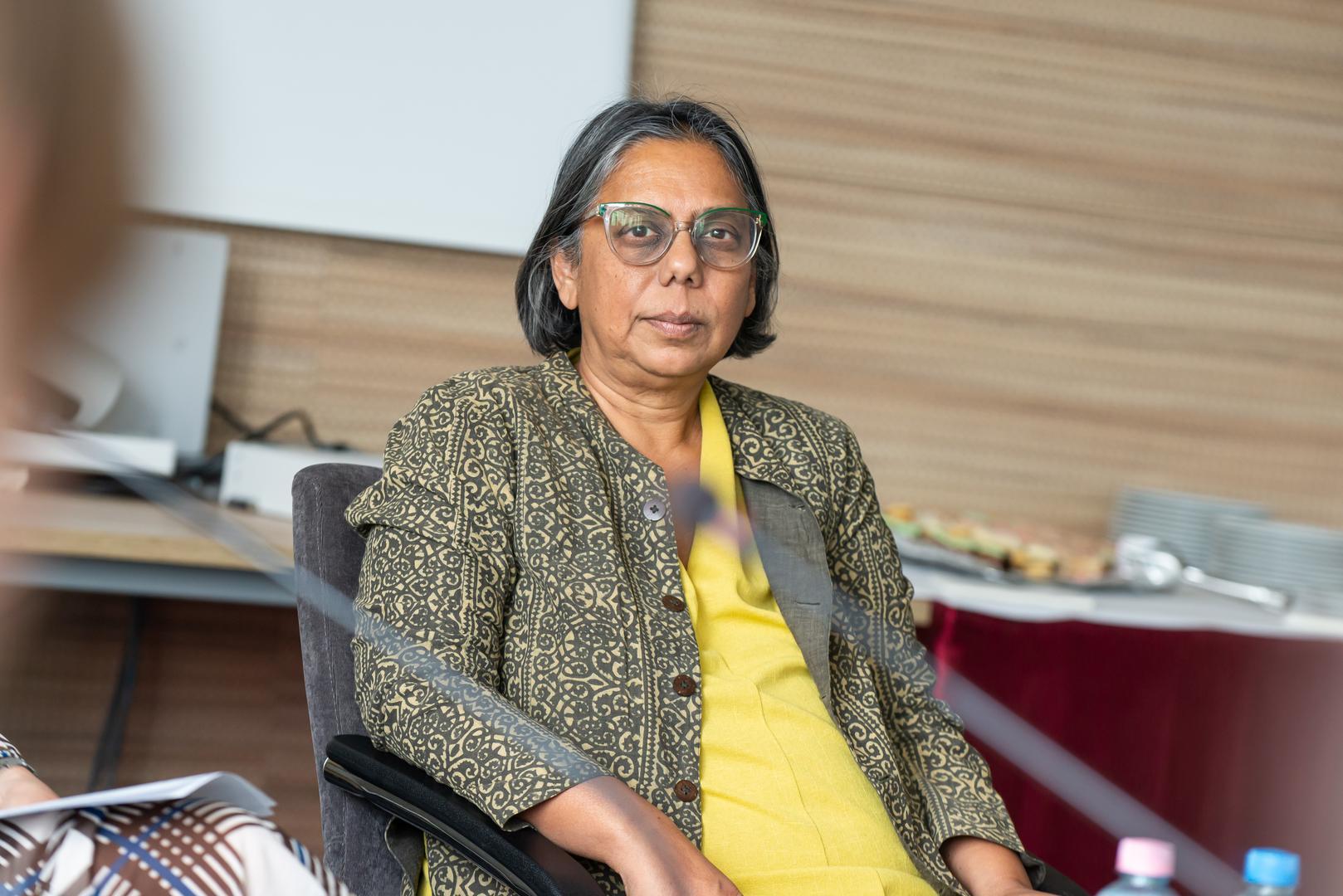
Ruchira Gupta’s presentation painted a stark global picture. With more than 140 armed conflicts currently ongoing worldwide, women and children face escalating vulnerability. War does not only destroy cities, it dismantles systems. Infrastructure collapses, essential services disappear, and shortages of food, healthcare, and security become the norm. In these fractured environments, the most fragile social groups bear the heaviest burden.
She identified three critical and interconnected challenges: the breakdown of essential services, the use of sexual violence as a weapon of war, and the surge of human trafficking during conflicts. War, she argued, creates not only physical devastation but also legal and social vacuums, fertile ground for organized crime. Increasingly, trafficking networks exploit digital spaces, making the phenomenon harder to detect and combat.
Drawing on her field experience in UN missions across Kosovo, the Democratic Republic of Congo, Afghanistan, and beyond, Gupta highlighted an uncomfortable truth: exploitation is not limited to warring parties. Even peacekeeping environments have seen cases where vulnerable individuals are drawn into exploitative relationships in exchange for minimal support. In response, the United Nations has gradually strengthened its internal regulations, evolving from ethical guidelines toward a strict zero-tolerance policy.
Colonel Ujházy approached the issue from a military lens, adding layers of institutional and operational complexity. He reminded the audience that while the UN is widely associated with peacekeeping today, its founding principles were deeply rooted in the protection of human rights. Peacekeeping itself evolved later and has since become a highly complex mission set.
Modern peace operations demand far more than tactical expertise. Soldiers must navigate cultural sensitivities, ethical dilemmas, and high-pressure environments where discipline and emotional intelligence are just as critical as military capability. Over the past two decades, training programs have increasingly integrated these dimensions, partly in response to past scandals and the growing recognition that such crimes erode both individual lives and institutional credibility.
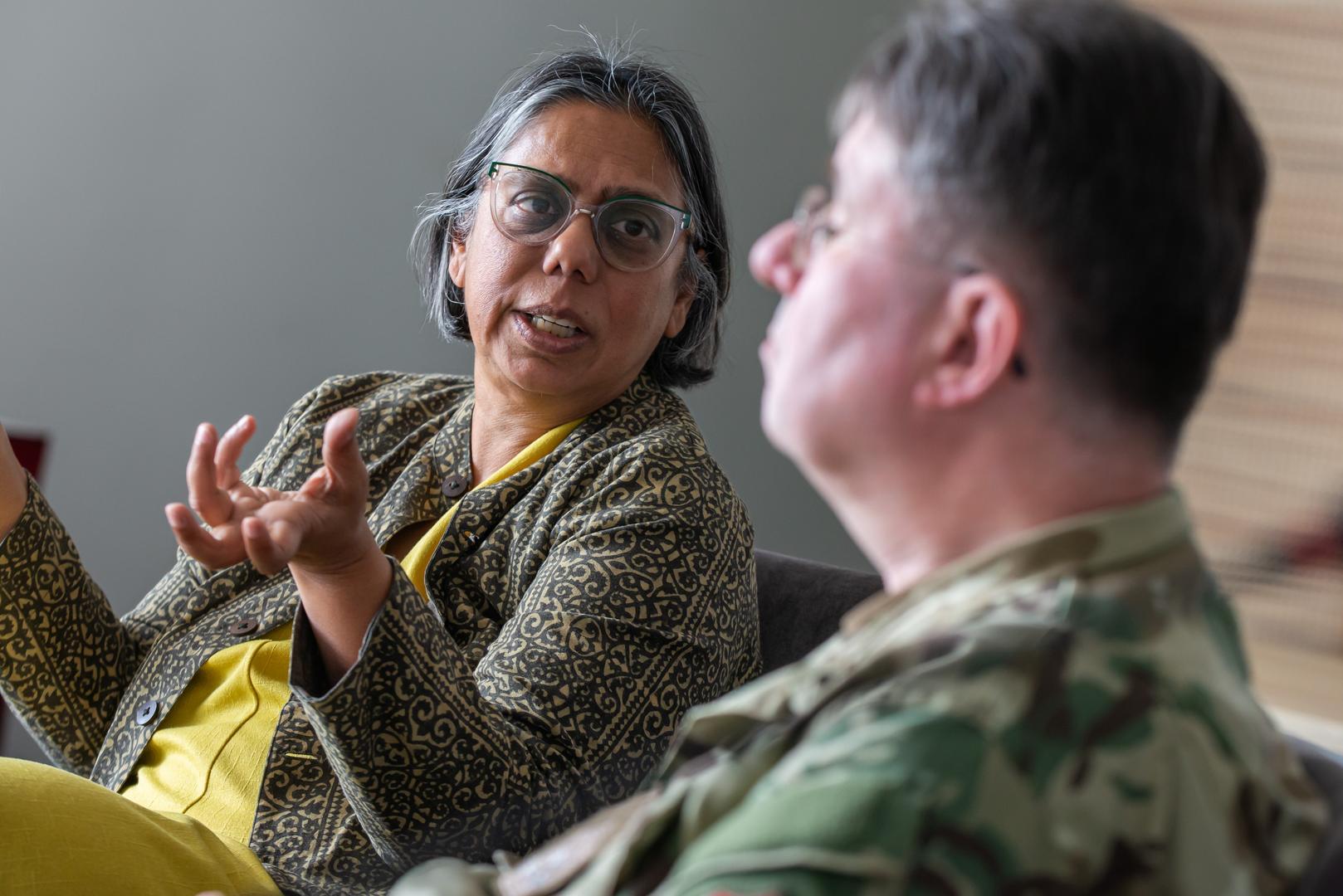
Despite their different perspectives, both speakers converged on a central point: the culture of silence must be broken. Gupta stressed that victims will only come forward if genuine legal, social, and institutional protections are in place. Ujházy added that leadership plays a decisive role. Commanders must understand the psychological realities of their personnel, including stress, trauma, and moral resilience, to prevent misconduct and maintain integrity within missions.
In her closing remarks, Dean Varga captured the spirit of the event. Conversations like these do not conclude a topic; they ignite it. They create space for deeper reflection, continued dialogue, and ultimately, meaningful change.
The workshop served as a reminder that the consequences of conflict extend far beyond the battlefield, and that addressing them requires courage, cooperation, and an unwavering commitment to human dignity.
Text: Orsolya Jancsó
Photo: Márk Benjámin Mészáros