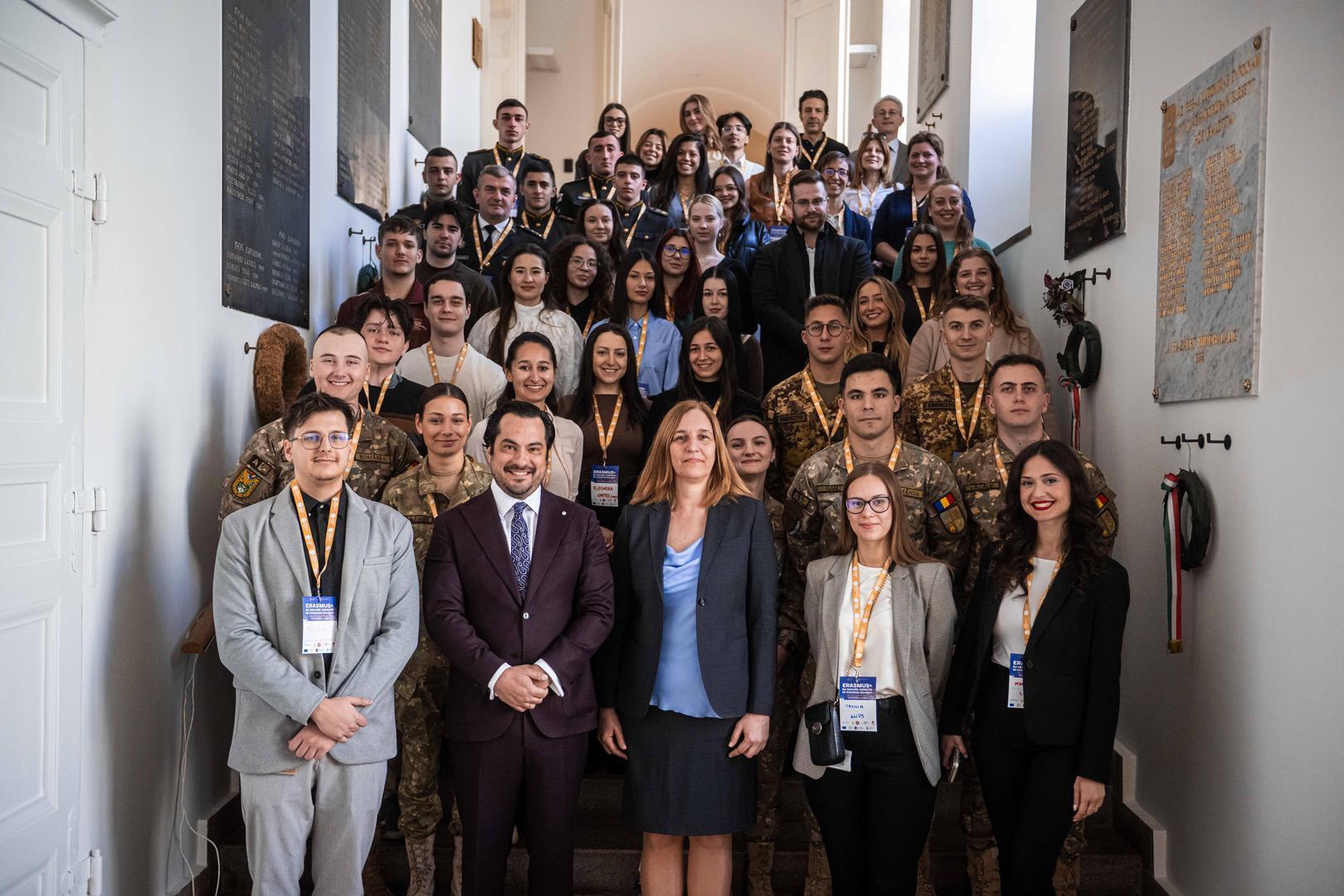
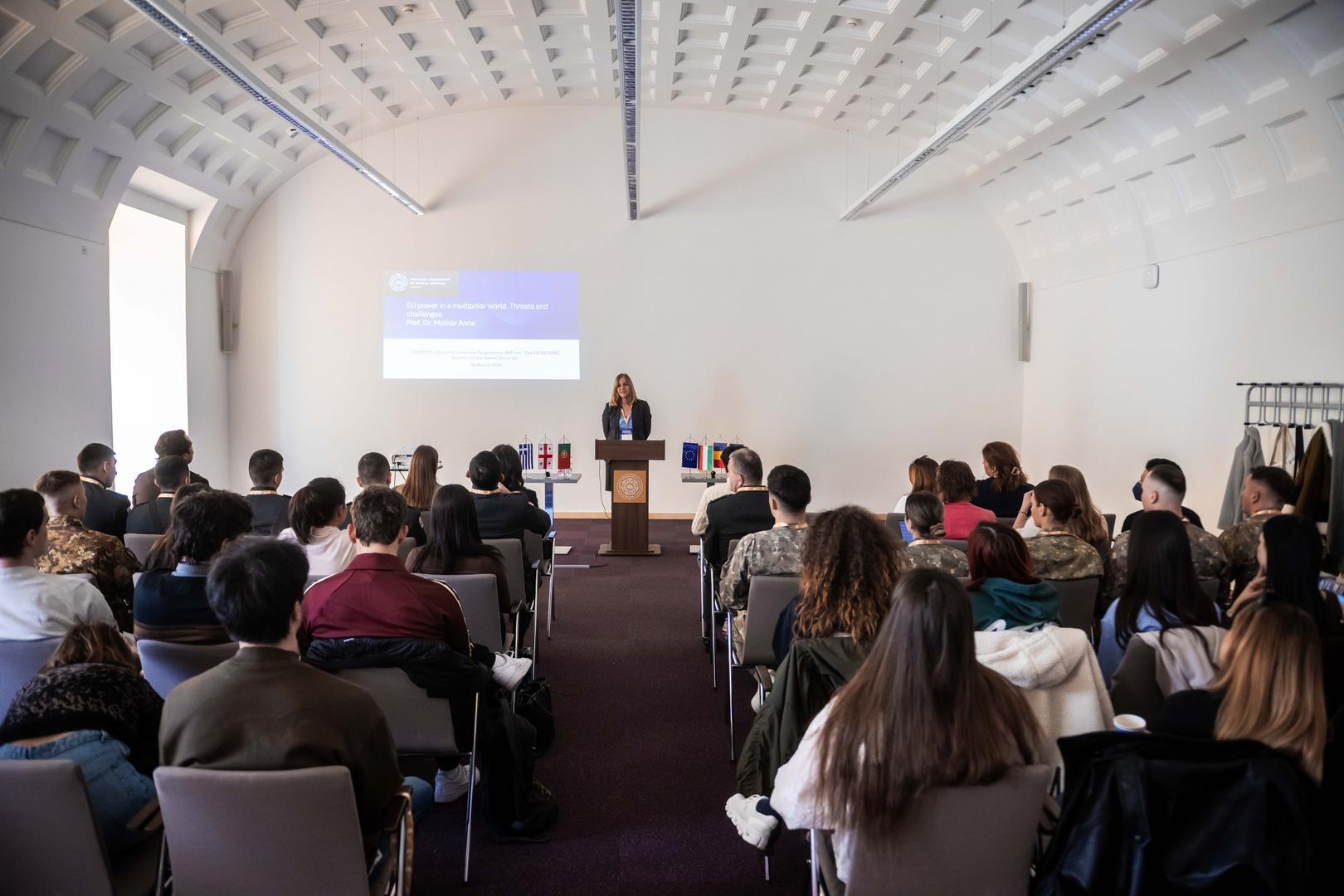
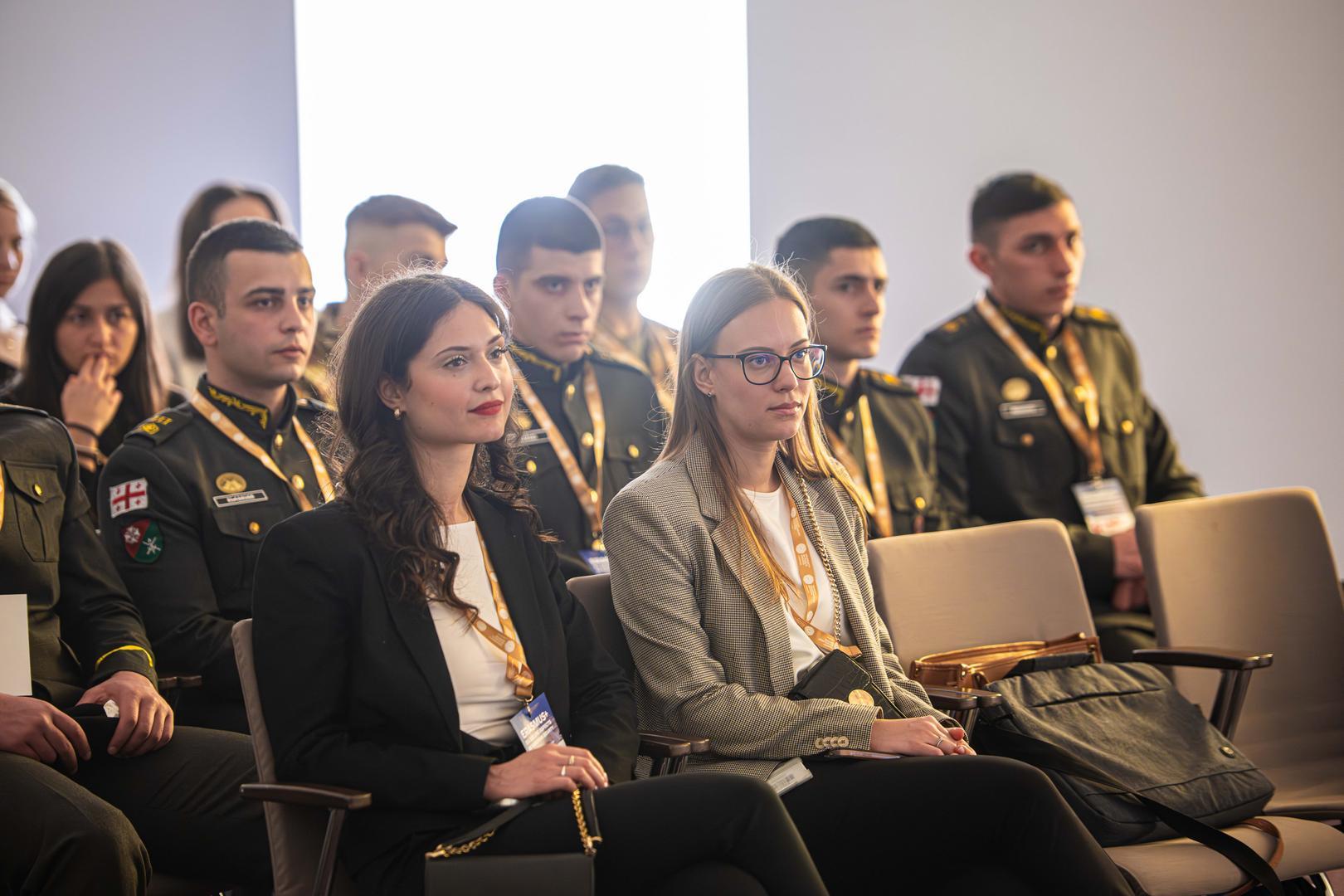
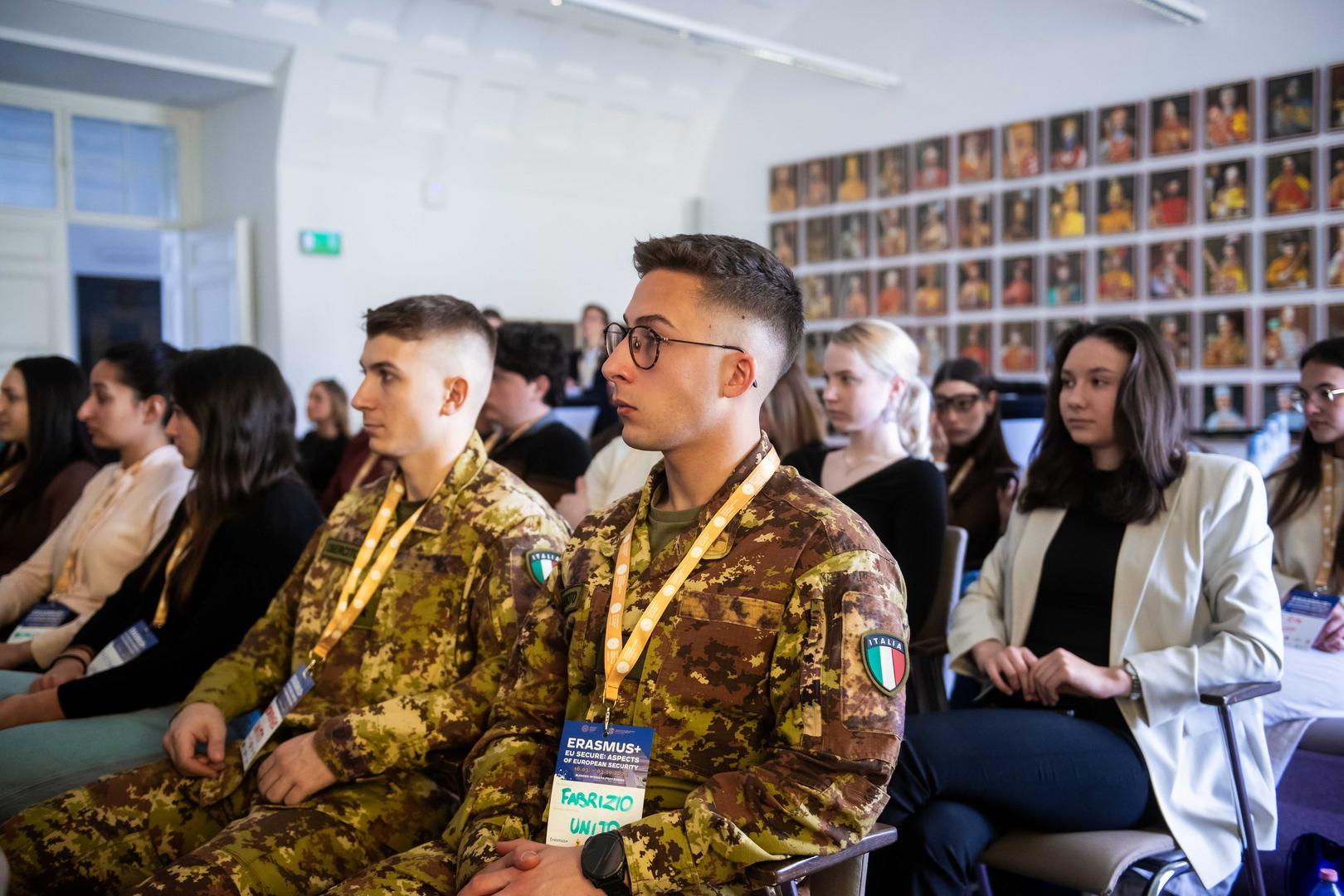
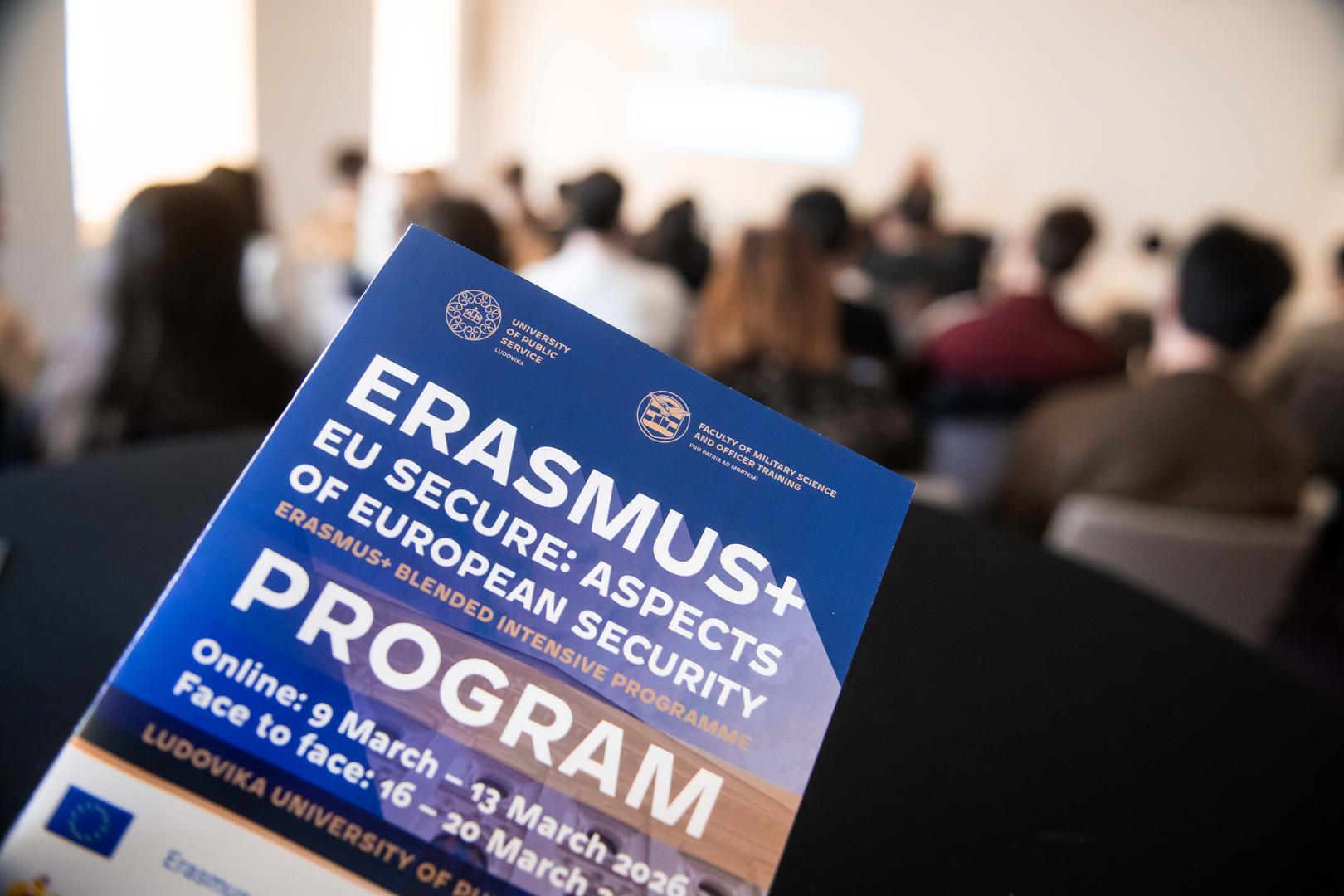
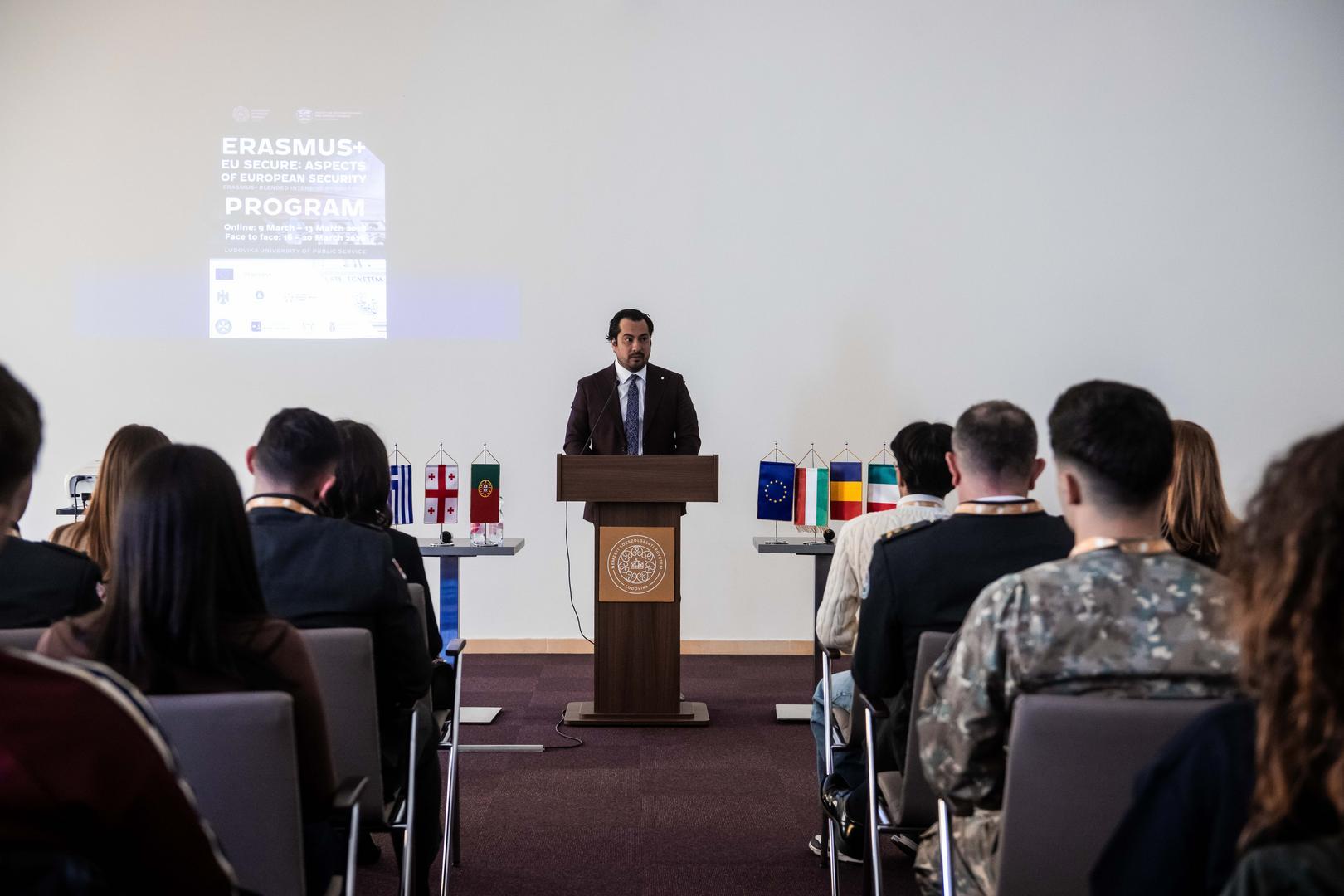
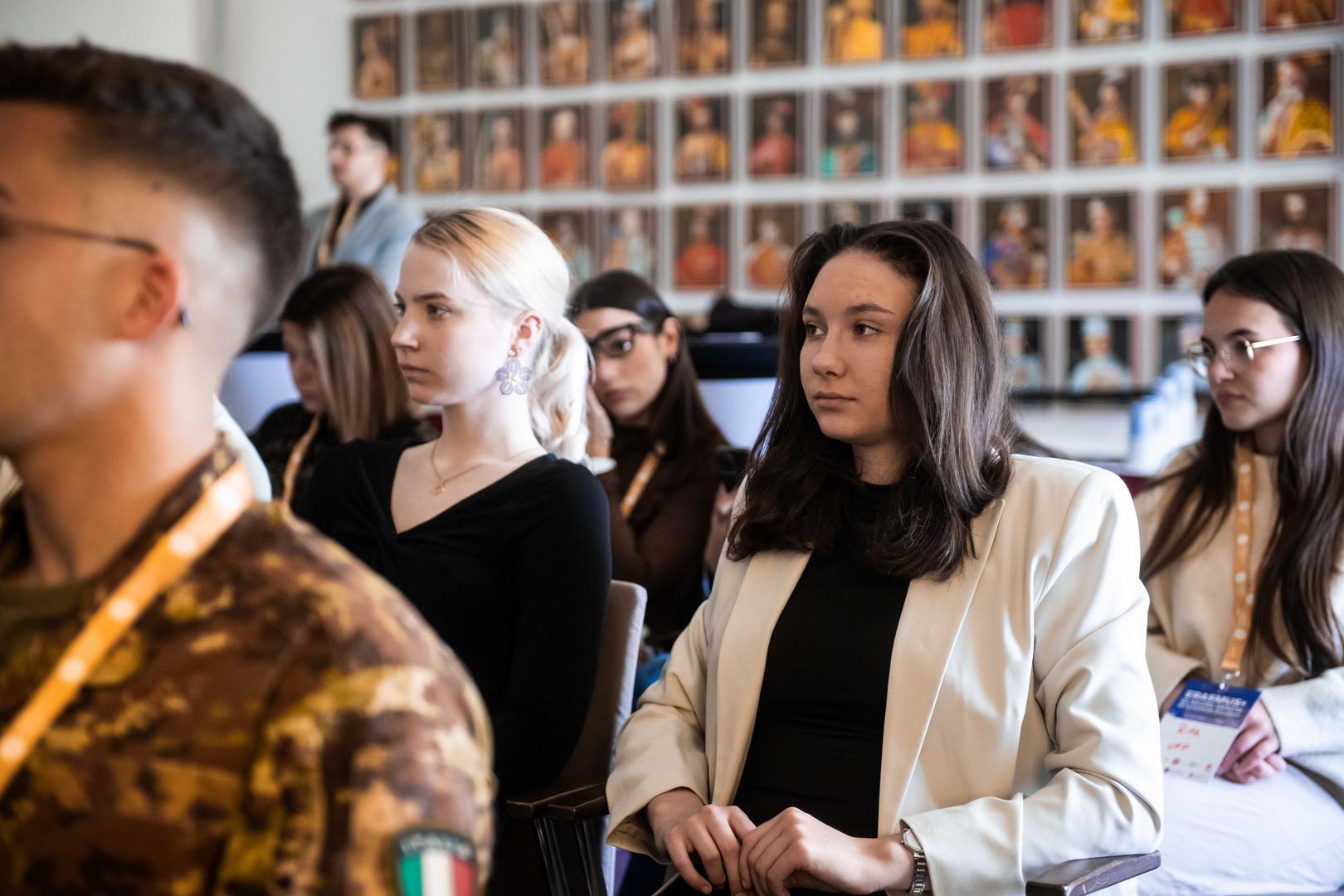
With the participation of seven countries, the Erasmus+ Blended Intensive Programme (BIP) “THE EU SECURE: Aspects of European Security” was launched at the Ludovika University of Public Service (LUPS) – as announced at the opening event in Budapest.
At the event held on the Ludovika Campus, Pier Paolo Pigozzi, Vice-Rector for International Affairs of the University of Public Service, welcomed the participants, emphasizing that the programme reflects the strength of international academic cooperation “beyond academic curiosity and commitment to learning.”
The Vice-Rector recalled that the EU SECURE programme is being hosted by the university for the second time this year. Participants of last year’s event reported a 93 percent satisfaction rate, highlighting both the professional relevance of the initiative and the enthusiastic engagement of the students.
Pier Paolo Pigozzi underlined that the Blended Intensive Programme is one of the most innovative components of Erasmus+. Its format, which combines virtual learning with short, intensive physical mobility, offers a flexible yet effective opportunity for gaining international experience. The programmes support student learning and inter-university cooperation by creating opportunities for professional networks among researchers and lecturers. This makes it particularly significant that, this year, representatives of an institution from outside the European Union have also joined the programme through International Credit Mobility.
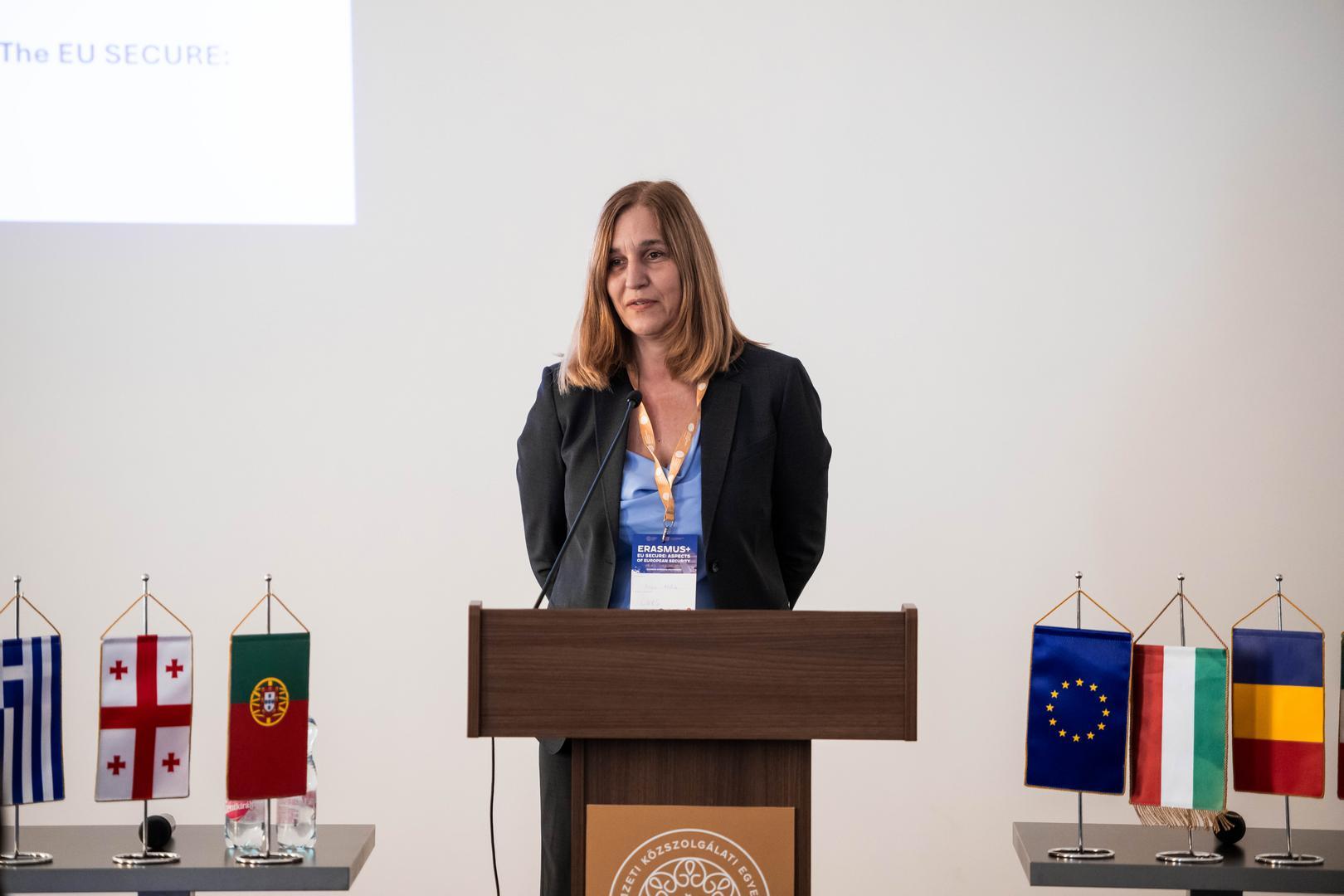
At the opening, Anna Molnár, Head of the Department of International Security Studies at LUPS and the organizer of the programme, emphasized that the initiative aims to provide students with a more comprehensive understanding of the multifaceted challenges of European security. In today’s era of rapid geopolitical changes and technological development, the notion of security is becoming increasingly complex. “From cybersecurity and energy independence to migration, climate change and hybrid warfare, a wide range of factors shape Europe’s security environment,” she said. The European Union plays a key role in developing strategies that protect both its citizens and European values.
According to Anna Molnár, the uniqueness of the programme lies in its combination of theoretical knowledge with interactive learning methods. Over the coming days, participants will attend lectures by leading international experts and explore the various dimensions of European security through workshops, case studies and simulation exercises.
The structure of the programme follows the logic of blended learning: before the in-person week, students familiarized themselves with the core theoretical topics through online materials and MOOC modules, while in Budapest they deepen their knowledge through lectures, seminars and group assignments. Topics include the European Union as a security actor, resilience and sustainability, cybersecurity, counterterrorism, and cross-border health threats. In addition to the professional programme, the organizers also offer cultural events, allowing participants to discover the historical and cultural environment of Budapest.
In his speech, Pier Paolo Pigozzi encouraged students to take advantage of every opportunity offered by the programme. As he noted, such international encounters “are not only about exchanging knowledge but also about building connections,” which often lead to long-term professional collaborations or even friendships.
Anna Molnár, Head of the Faculty of Military Science and Officer Training's Department of International Security Studies, expressed a similar view: the programme is an opportunity for participants “to build bridges between disciplines, countries, and theory and practice,” as well as to establish professional and personal connections that may remain significant in the future.
The importance of personal connections also appeared in Anna Molnár’s opening lecture. Her presentation, which examined the role of the European Union in a multipolar world, repeatedly emphasized that the EU began as an economic cooperation, and that tighter and tighter relationships have led to the development of joint security and defence cooperation. “The project of peace is increasingly becoming a project of defence,” she stressed. Today, citizens of the Union often support the EU more strongly than their own national leaders, even though Henry Kissinger’s famous question still holds true—who should he call if he wants to speak to Europe? It remains the case that both at EU and national levels, for example, a U.S. president may need to negotiate with several different people.
The EU SECURE Blended Intensive Programme continued at the University of Public Service until 20 March, with further lectures, workshops and group assignments.
Text: Orsolya Jancsó
Photos: Dénes Szilágyi