End-of-Semester Event at the Student’s Science Club
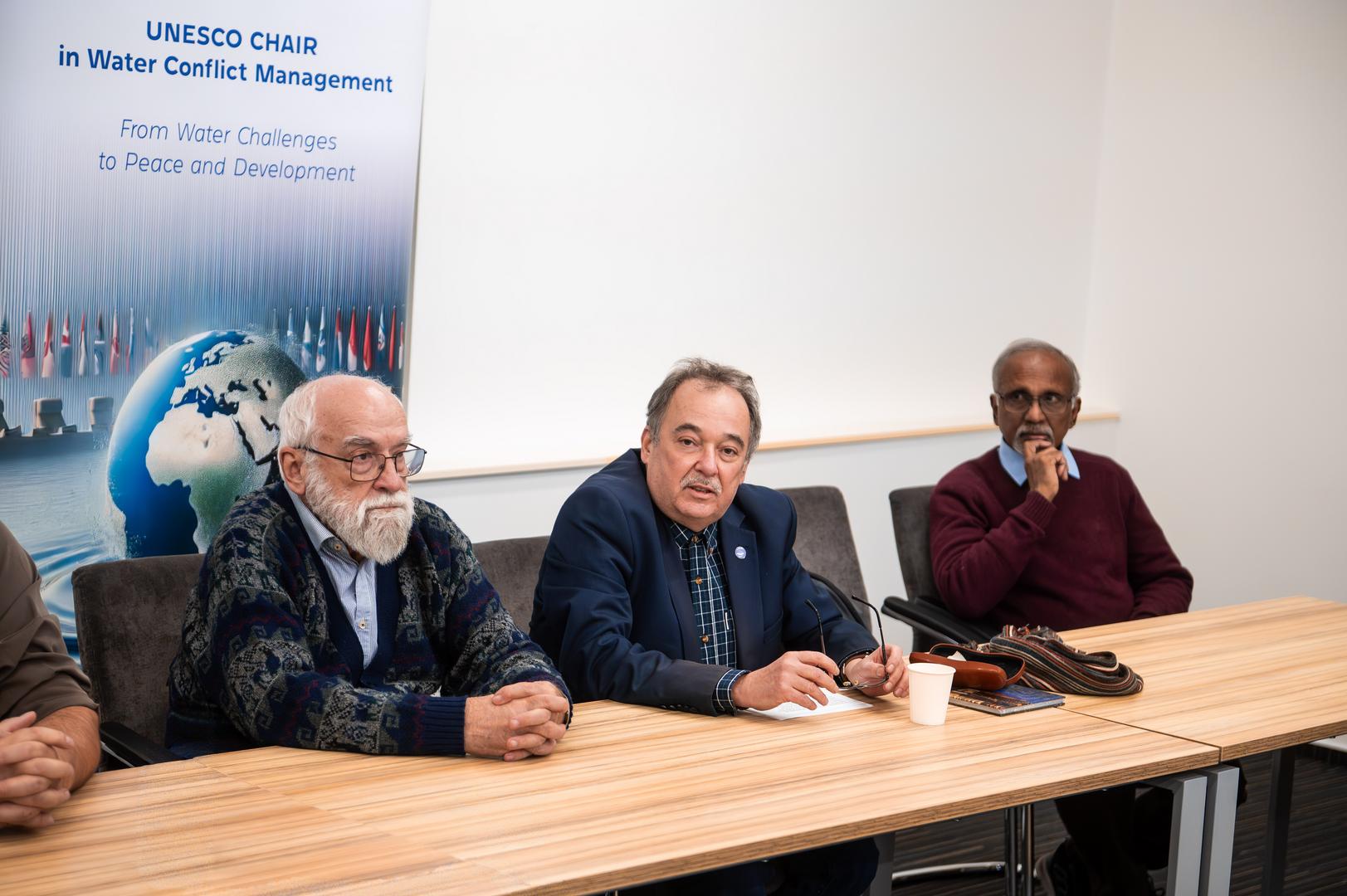
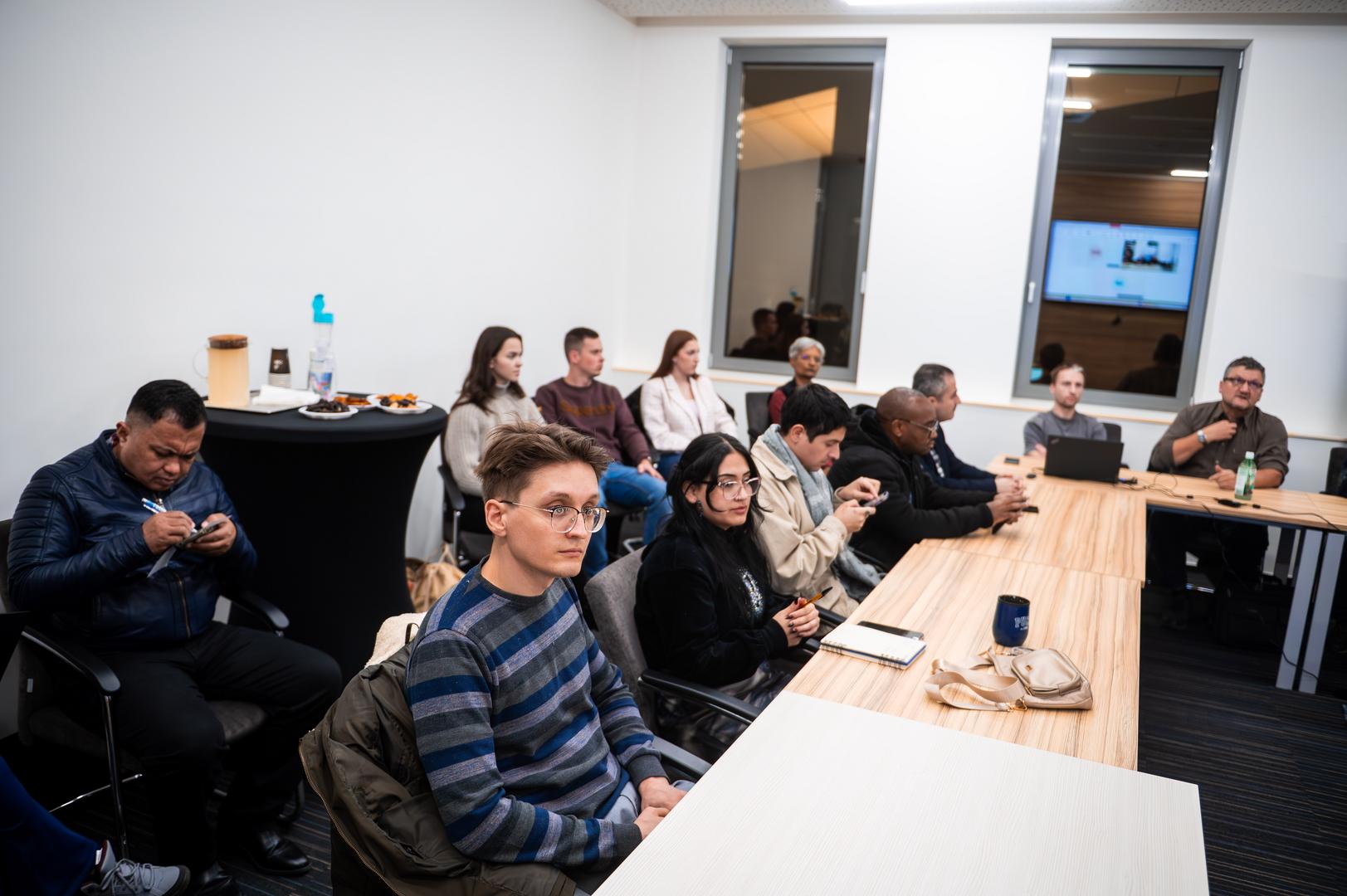
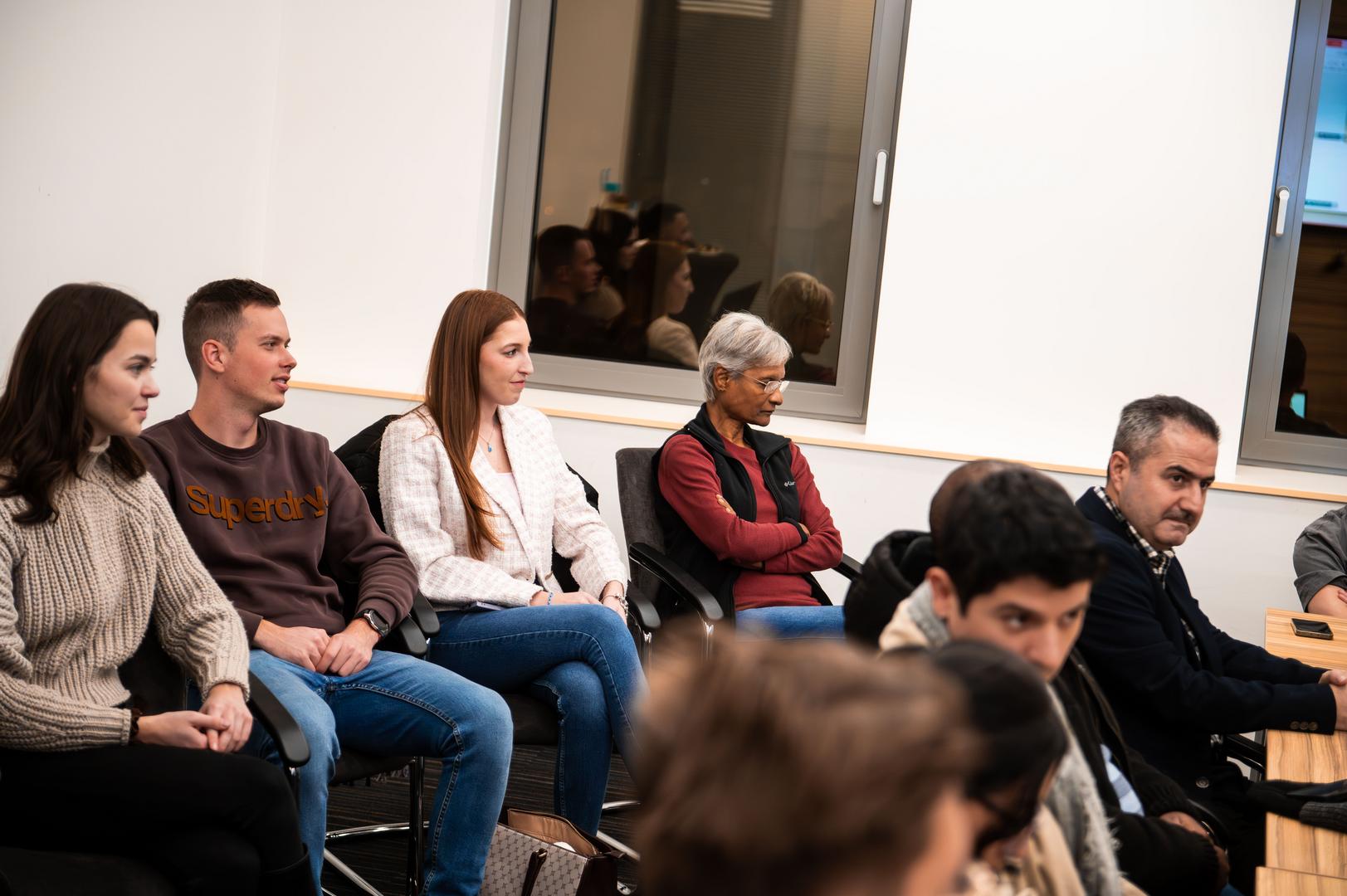
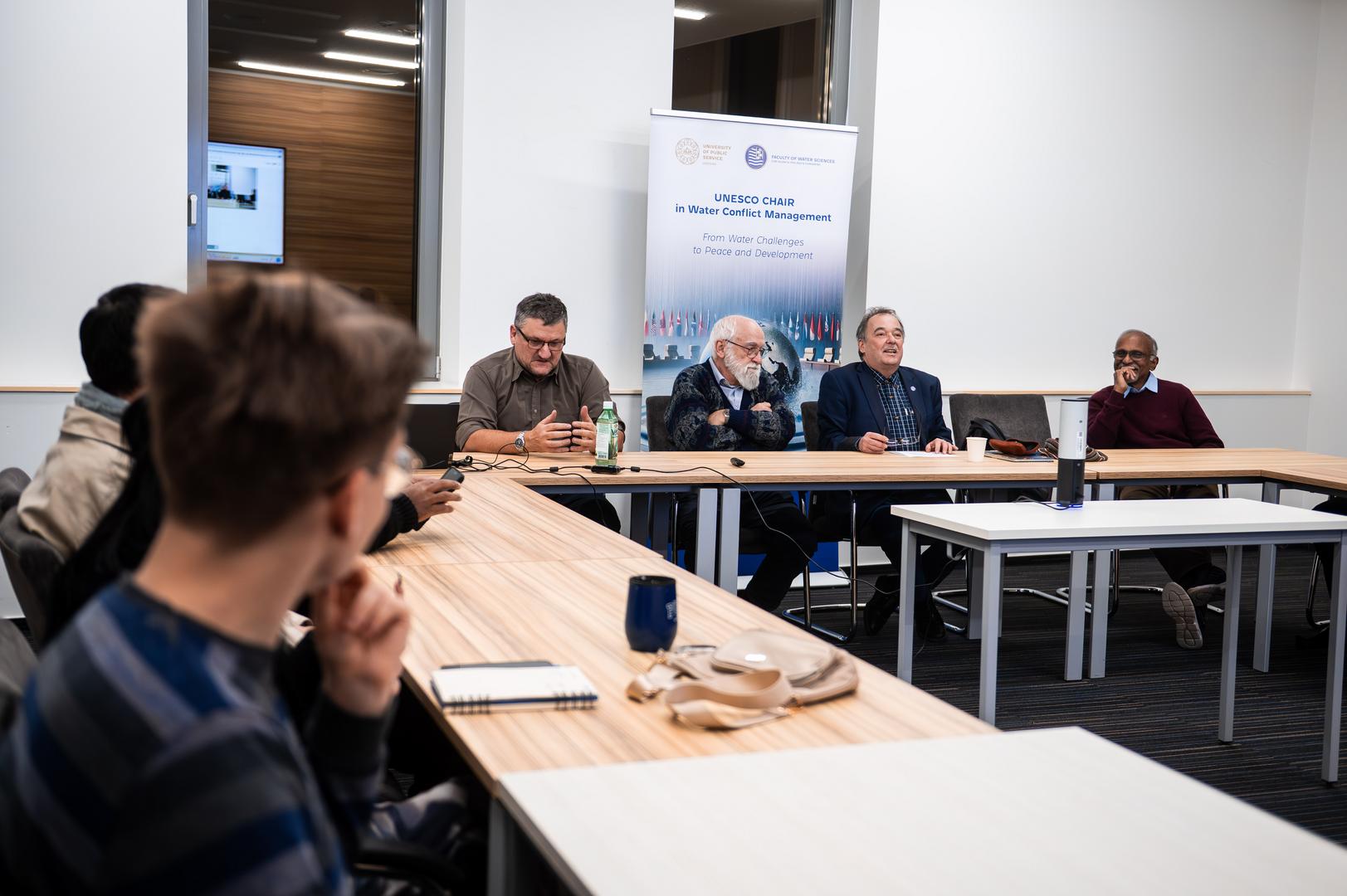
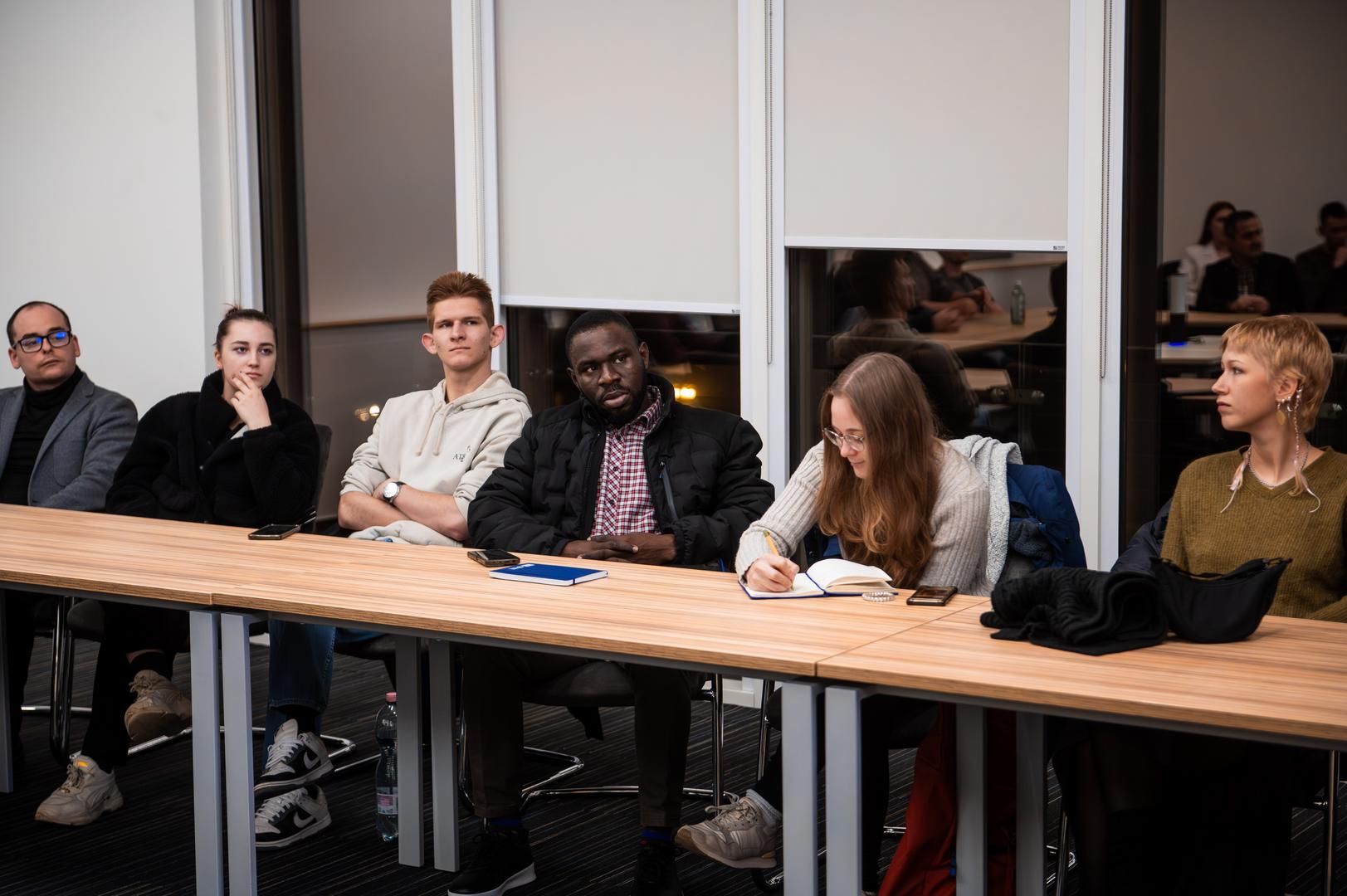
On 1 December 2025, the Student’s Science Club held its traditional end-of-semester event, which also served as the closing session of the fall lecture series entitled “How can ancient, tradition-based knowledge be used in integrated water management?” The event attracted significant interest, as the semester featured numerous inspiring lectures and discussions on integrating ancient, traditional water management knowledge into modern systems, along with its social, cultural, and environmental dimensions.
The closing event began at 5:00 p.m., when Dr. Tamás Pálvölgyi welcomed the participants and reviewed the programs of the past semester. He emphasized that the club plays an important role in fostering students’ scientific curiosity and encouraging future water professionals to approach complex environmental challenges with critical thinking. In his remarks, he highlighted that aligning traditional knowledge with modern water management tools is one of the keys to a sustainable future.
At 5:10 p.m., Prof. K.D.W. Nandalal delivered the opening keynote lecture, presenting examples from South Asian integrated water management systems to illustrate how traditional knowledge can effectively complement contemporary engineering solutions. He pointed out that the centuries-old experience of local communities may be crucial in addressing the water crises intensified by climate change.
This was followed at 5:20 p.m. by the lecture of Prof. János Bogárdi, who brought examples from Iran to show how traditional water knowledge has been incorporated into modern water policy decision-making. He emphasized that water management is not only an engineering issue but also a social and cultural one; therefore, one of the main obstacles to integrating such knowledge often lies in institutional or communication gaps.
At 5:30 p.m., Dr. István Zsuffa delivered his lecture, presenting Hungarian and Central European examples. He explained that many elements of traditional floodplain management, local water retention solutions, and community water use systems remain applicable today—particularly in regions struggling with droughts and extreme hydrological conditions.
As the final part of the event, an informal discussion took place between 5:40 and 7:00 p.m., during which students and lecturers exchanged ideas in a relaxed setting. The conversation raised numerous interesting questions about how traditional water management methods could be adapted to today’s technological, social, and environmental context. Participants placed special emphasis on recognizing that knowledge transfer is a two-way process: connecting expert and community knowledge is essential for developing sustainable water management solutions.
At the end of the event, we bid a heartfelt farewell to Prof. K.D.W. Nandalal, who had spent the past three months as a visiting lecturer at the Department of Water and Environmental Policy within the framework of the Ludovika Fellowship Program. His presence and professional contribution greatly enriched the work of the department and had an inspiring impact on the students.
The organizers warmly welcomed all attendees and regarded the event as a successful example of community learning and scientific dialogue. The closing session provided a fitting conclusion to the fall semester and offered fresh inspiration for participants’ future research and professional development.