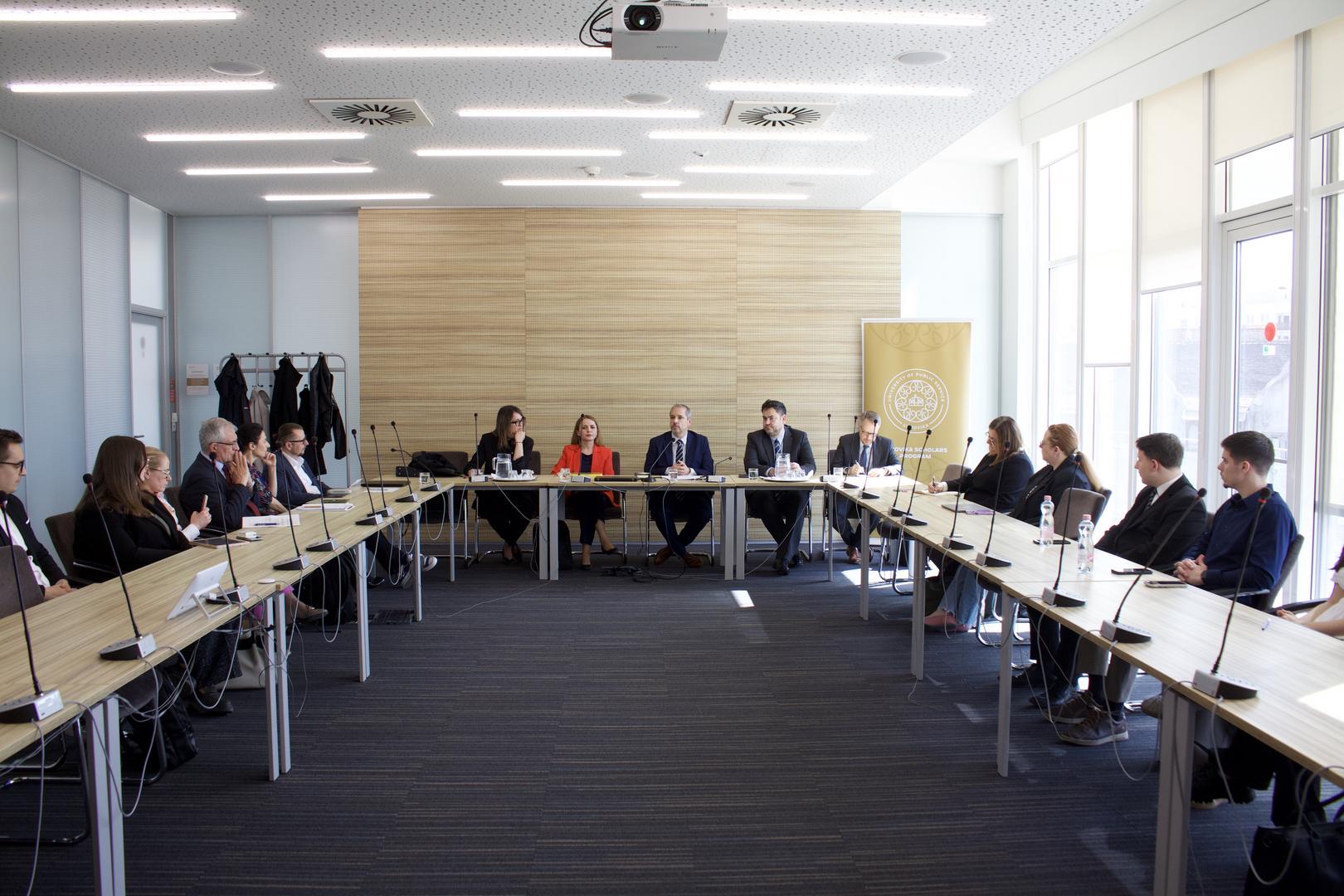
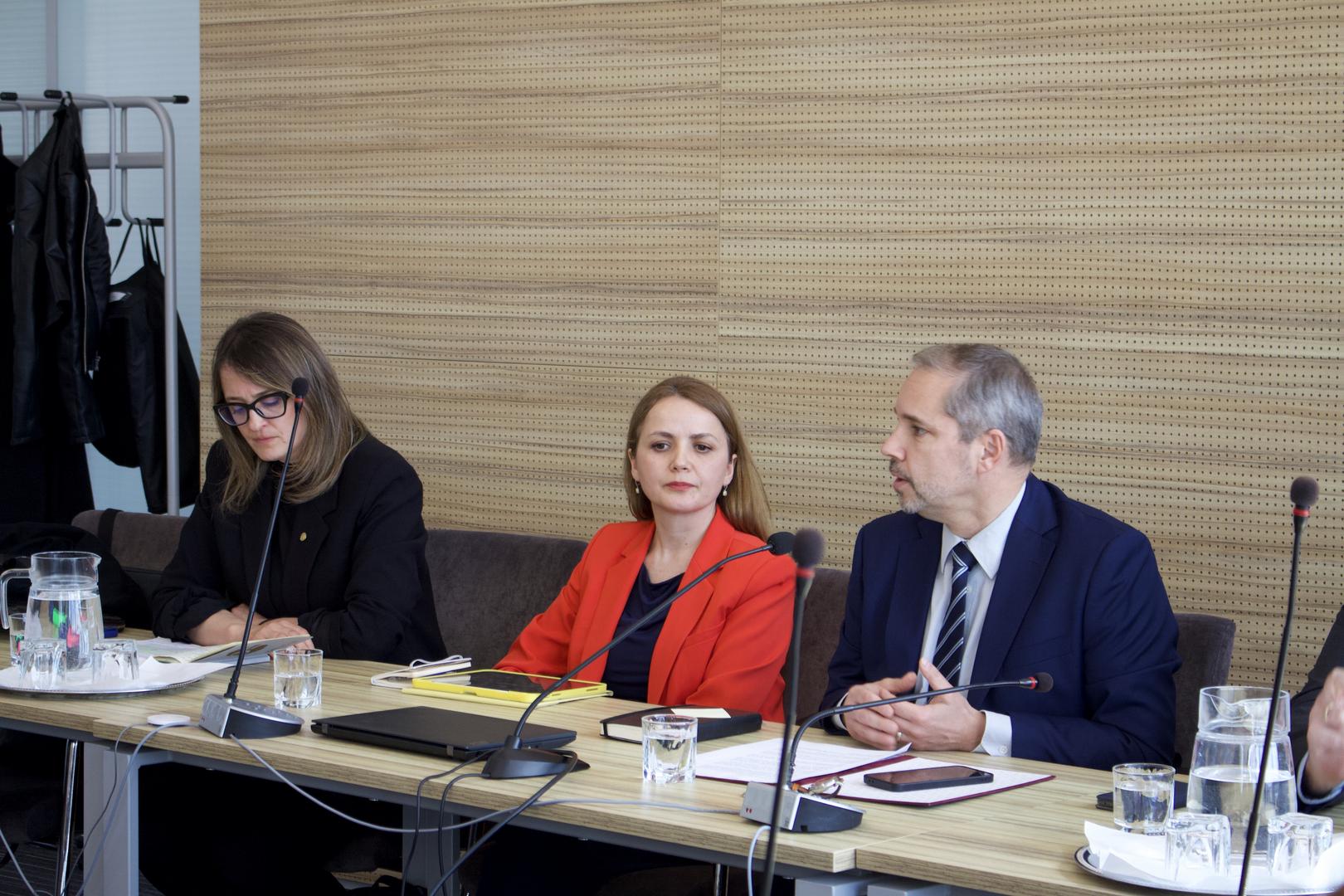
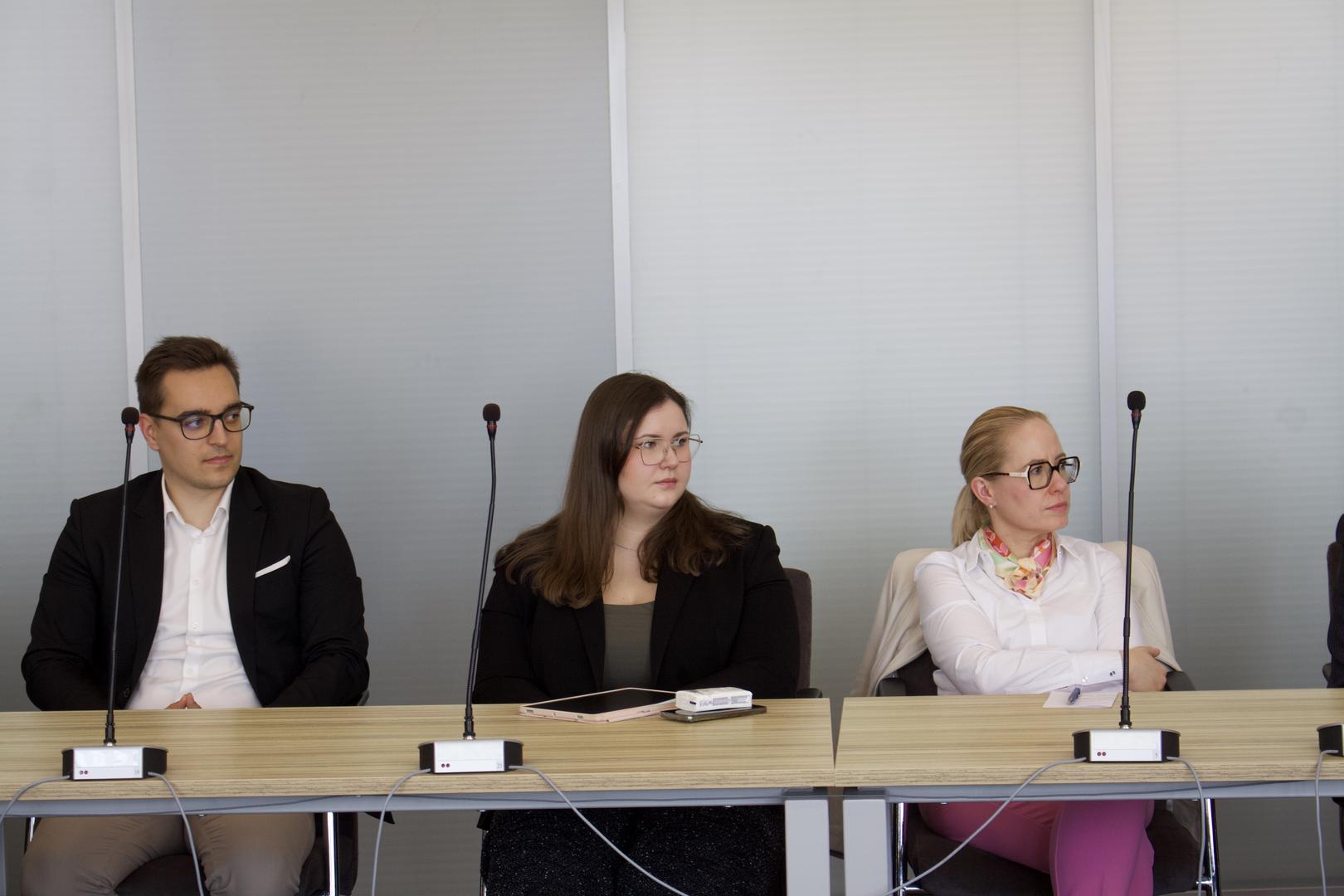
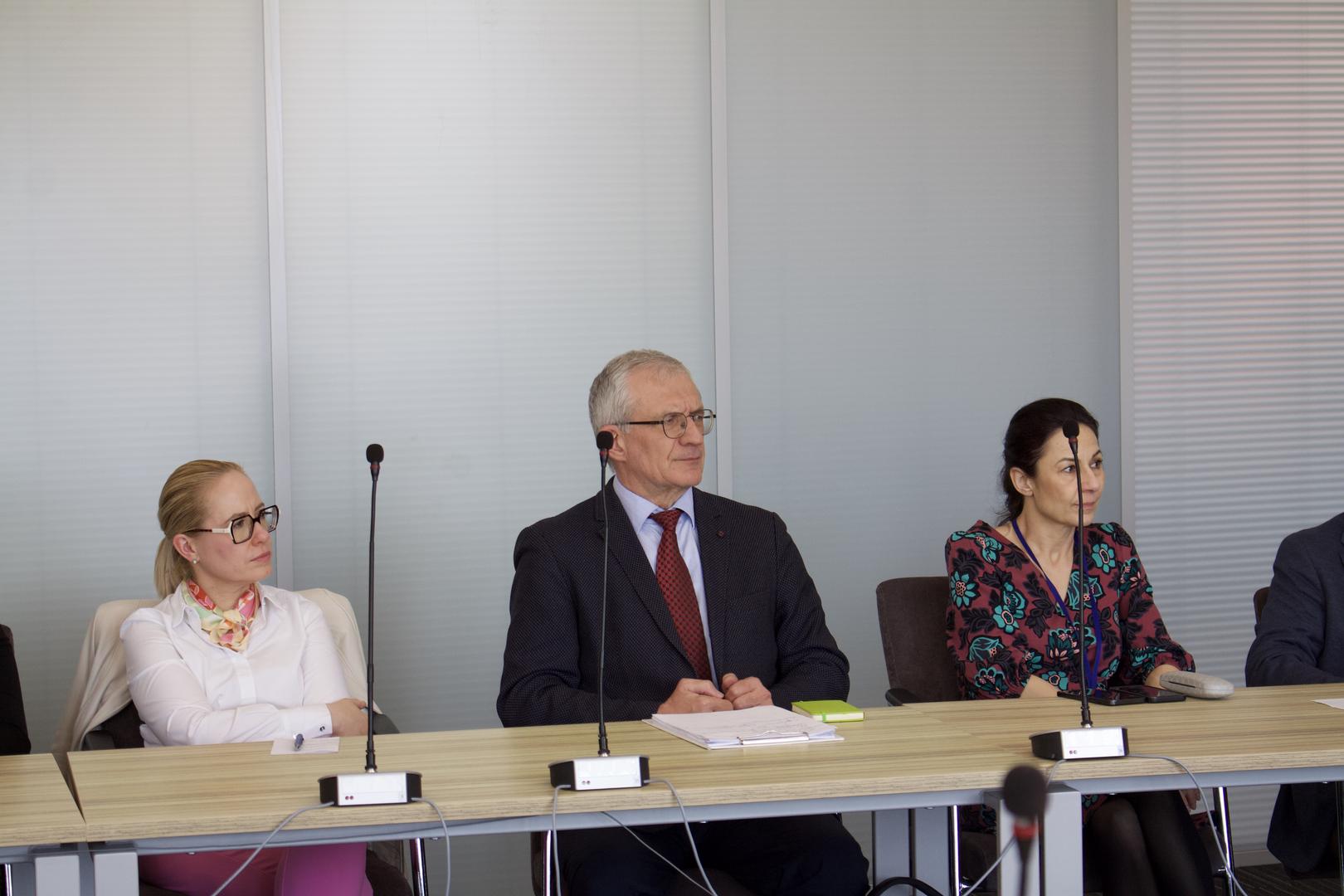
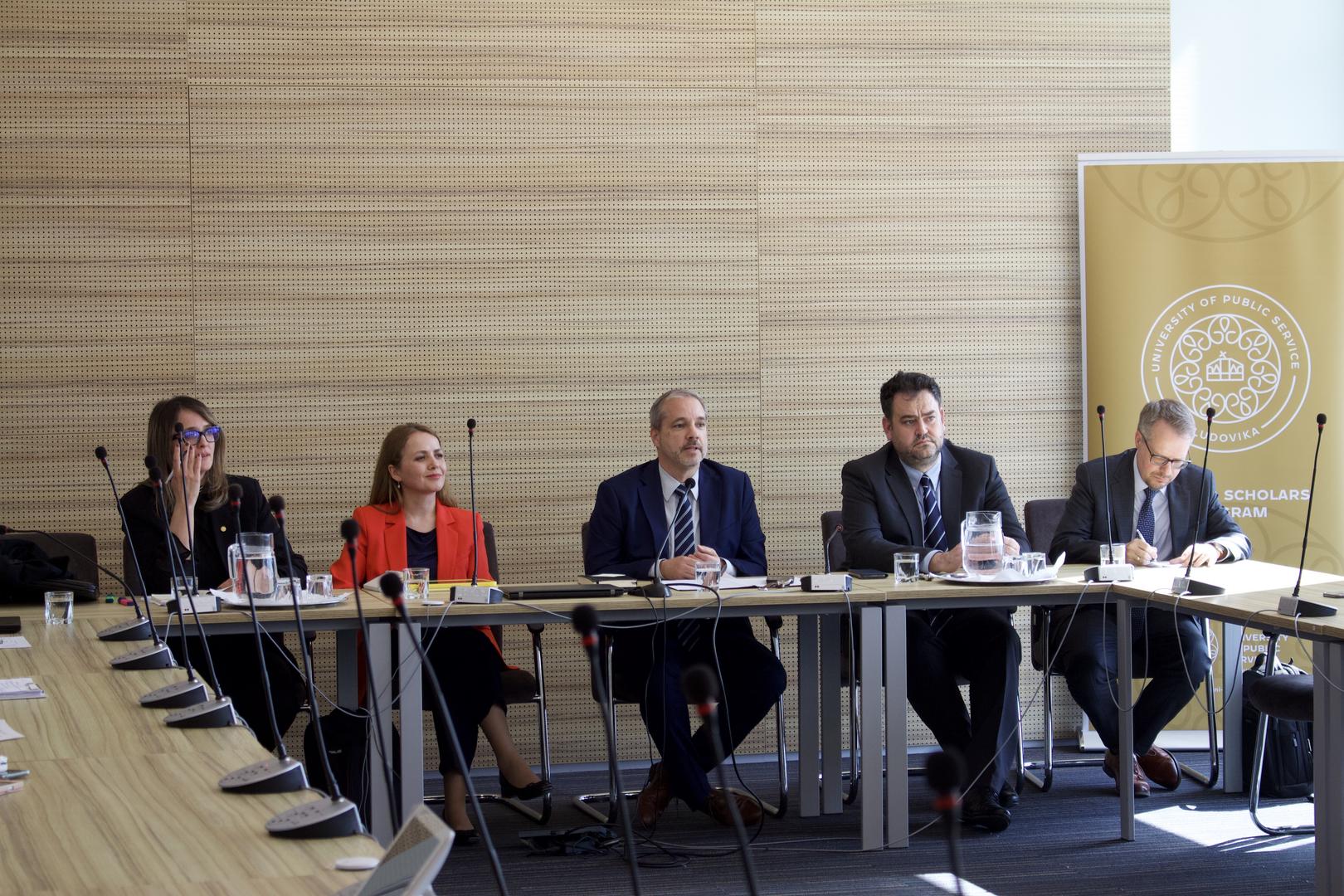
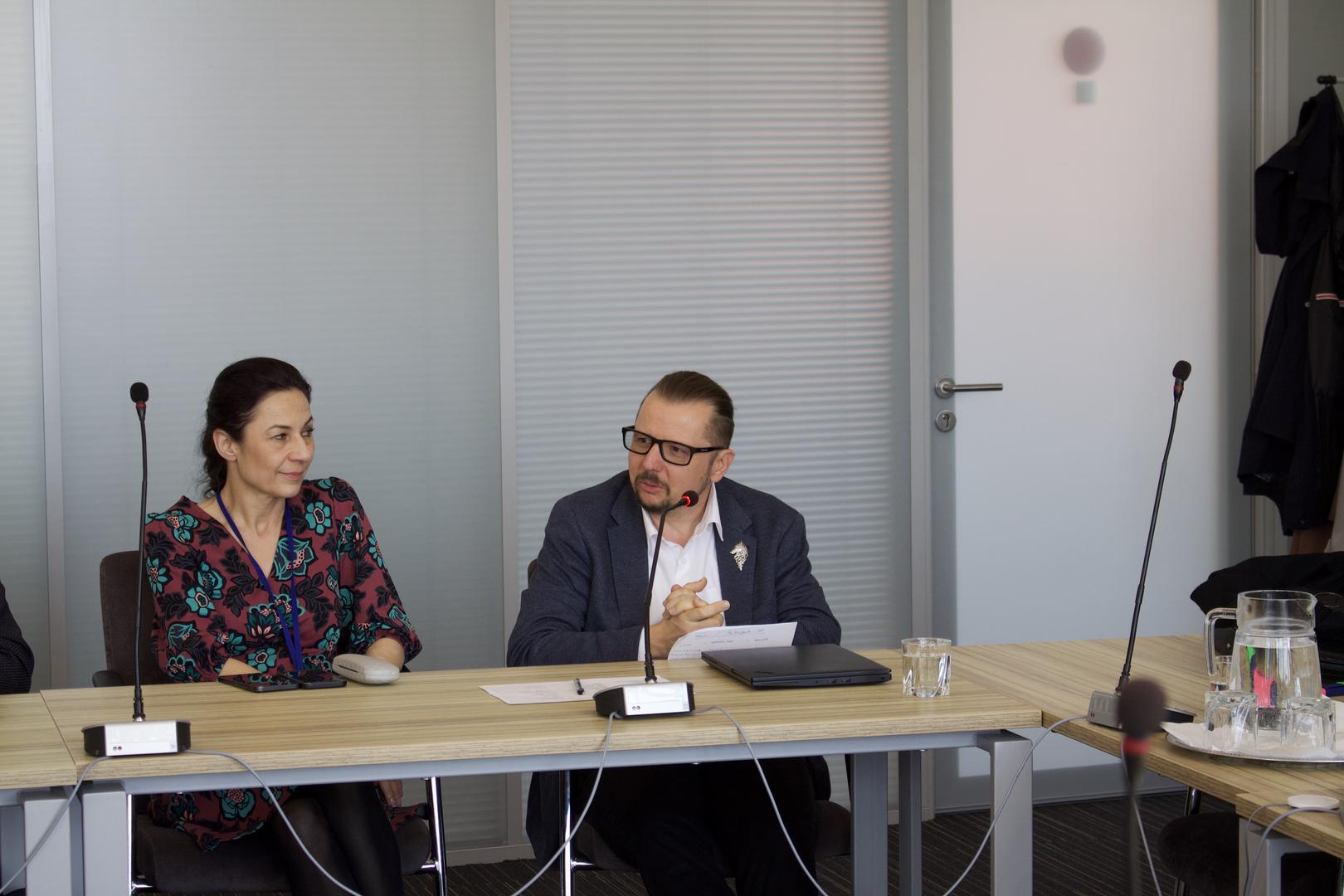
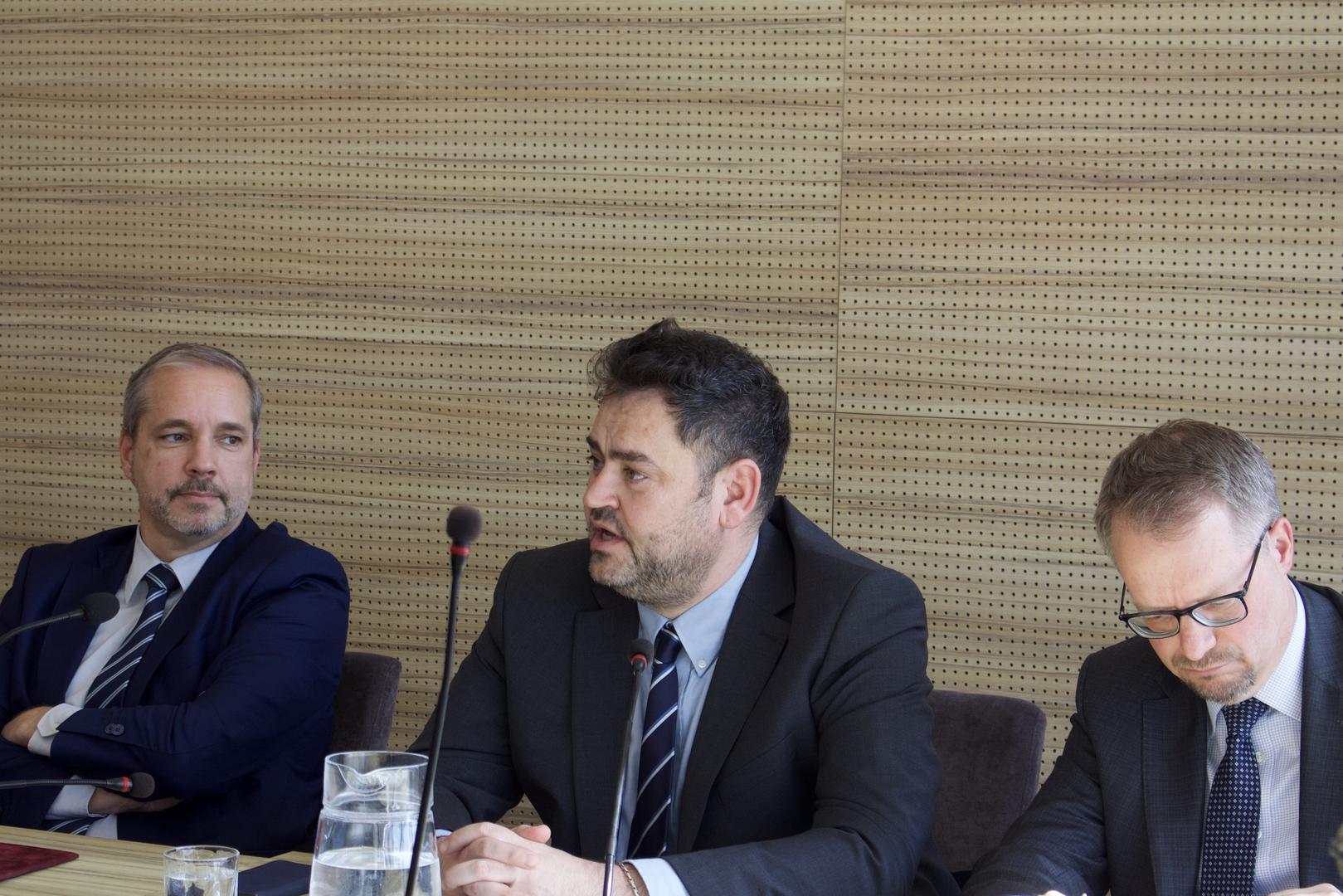
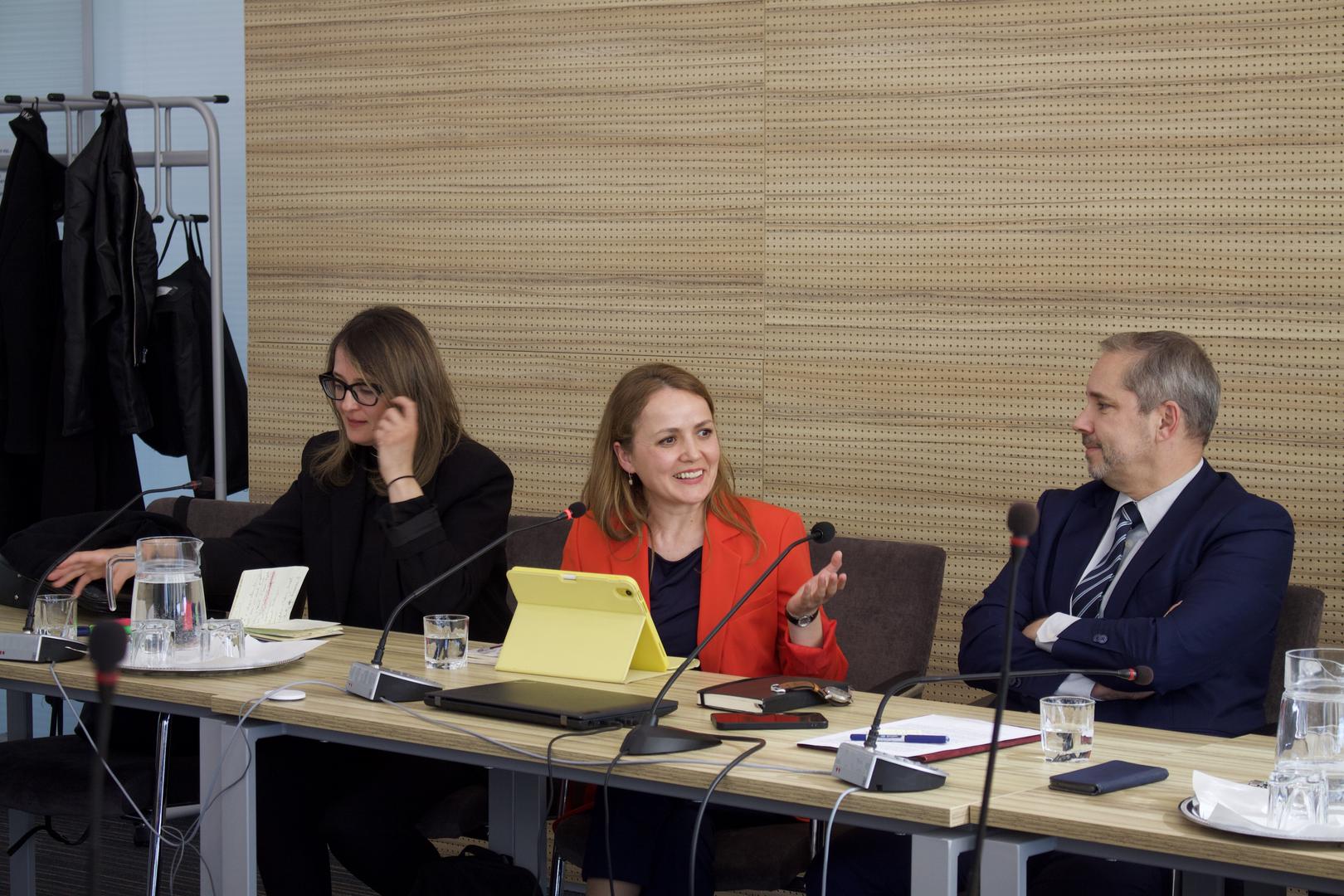
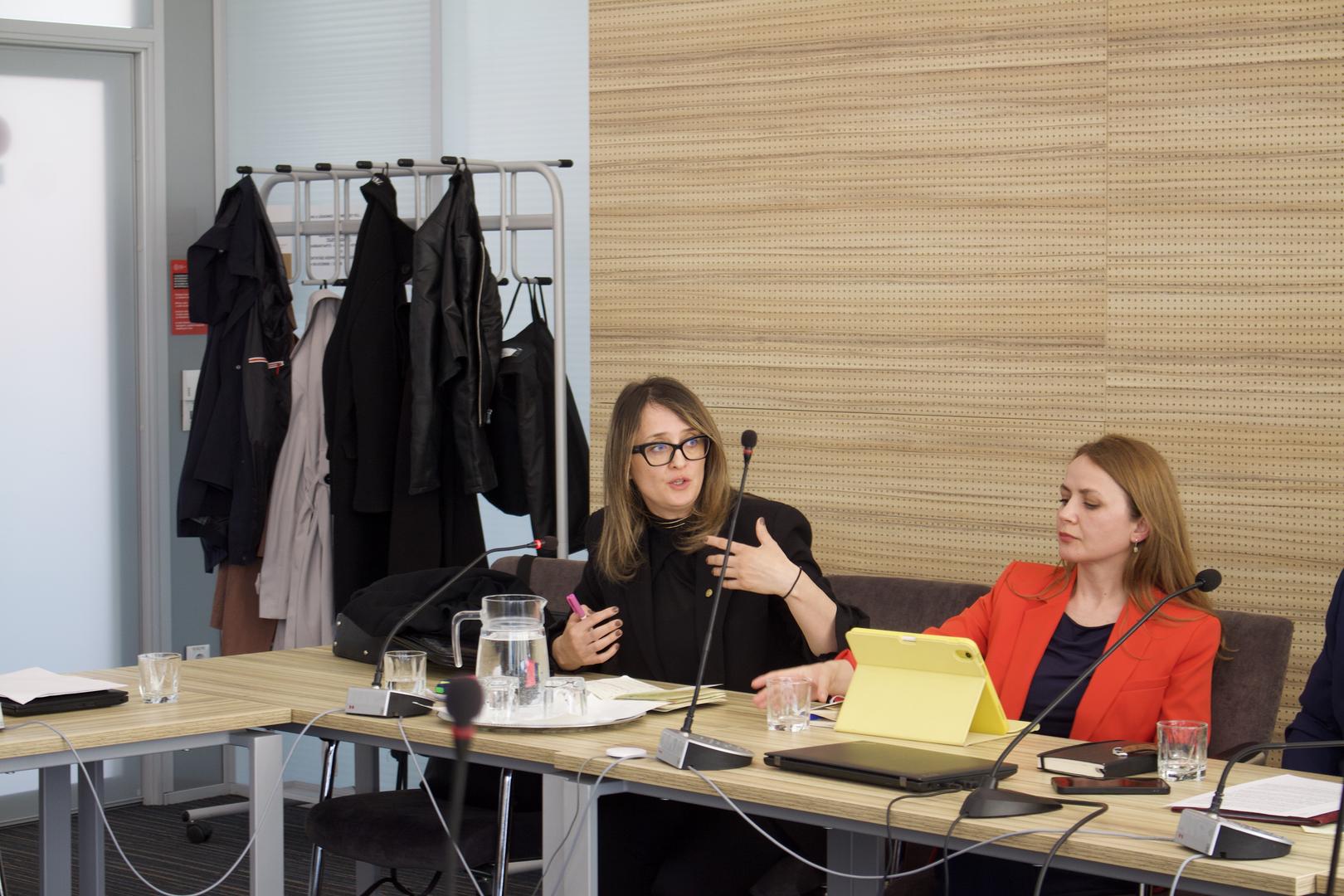
On April 22, 2026, the Ludovika University of Public Service hosted a dynamic and thought-provoking workshop titled “EU Accession of the Western Balkans: Intersecting Political, Institutional and Geopolitical Dynamics in a Changing Europe.” Bringing together academics, policy experts, and practitioners, the event offered a timely deep dive into one of Europe’s most complex and strategically significant regions. The panel discussion within the framework of the Ludovika Scholars Program of the University featured distinguished academia from the region, including associate professor Danijela Vuković-Ćalasan from the University of Montenegro and Noela Mahmutaj, lecturer and researcher at the University of Tirana, whose research perspectives added important regional depth to the conversation. Their insights were complemented by the policy experience of director Gellért Horváth (MFAT) and chief advisor László Sinka (MEU), offering practitioner’s perspective on EU enlargement and strategic policy considerations, while the discussion was guided by professor of practice, Csaba Zalai, ensuring a well-structured and engaging exchange.
But this was not just another discussion about enlargement. The central question running through the afternoon was far more fundamental: has the nature of EU accession itself changed? What quickly became clear is that EU enlargement today cannot be understood through a single lens. It is not just about institutional reforms or geopolitical competition. It is equally about identity, internal cohesion, and long-term strategic choices. Furthermore, it was also underlined that the EU must actively work to regain the credibility of the enlargement process, as this credibility is essential for sustaining reform momentum in the Western Balkans.
The panel discussions emphasized a major shift: the Western Balkans has re-emerged as a geopolitical arena, shaped by external global actors such as China, Russia, and Türkiye. Their presence introduces new dynamics of influence, competition, and strategic balancing. Yet, focusing solely on geopolitics risks oversimplifying the region. As several speakers highlighted, internal societal and political factors remain equally decisive in shaping the trajectory of EU accession.
One of the most defining features of the Western Balkans is its deep ethnocultural diversity. Multi-ethnic societies, layered identities, and historical legacies are not just background conditions; they are central to governance, political stability, and reform processes. In practice, this diversity creates a dual reality. On the one hand, it represents a rich cultural and social asset, aligning well with the EU’s values of pluralism and inclusion. On the other, it often translates into institutional complexity, fragmented political landscapes, and recurring tensions, which can slow down reforms and complicate decision-making. In the context of EU accession, managing these issues requires a delicate balance between protecting minority identities and ensuring functional, cohesive state institutions.
A key takeaway from the discussions was the importance of consistent external support, particularly from EU member states. In this regard, Hungary’s position stands out. Support for the European integration of the Western Balkans has been a long-standing and central pillar of Hungarian foreign policy. This is not a recent development, but a sustained strategic commitment grounded in the understanding that the stability of the region directly contributes to the stability of Europe as a whole.
Hungary has consistently advocated for accelerating the enlargement process, emphasizing that it should remain a credible and merit-based pathway. Beyond political support, this commitment is also reflected in practical cooperation, ranging from knowledge transfer in public administration to educational and institutional partnerships.
For students and young professionals, this highlights an important point: enlargement policy is not just shaped in Brussels. It is actively influenced by member states and regional actors alike. Looking ahead, one of the most pressing challenges for the Western Balkans is how to advance on the path toward European integration in an increasingly complex and competitive environment. While each country follows its own trajectory, the discussions highlighted several shared priorities that are likely to shape the region’s near future. First and foremost, the reinvigoration of reforms remains essential. Strengthening the rule of law, improving governance capacity, and ensuring institutional transparency are not only formal requirements of accession, but also fundamental conditions for building resilient and trustworthy state structures. At the same time, countries in the region must become more strategically aware of external influences, developing the capacity to engage with global actors without creating long-term vulnerabilities or dependencies.
For the participants, the message of the workshop was both clear and motivating: the Western Balkans is not a peripheral topic, it is central to Europe’s future. It is a region where questions of identity, governance, and geopolitics intersect in real time. Understanding these dynamics means understanding how Europe itself is evolving. And for the enlargement process to remain meaningful, the EU must restore and reinforce its credibility as a reliable partner capable of delivering on its commitments. The discussions at Ludovika made one thing evident: EU enlargement is no longer just about joining a union, it is about navigating complexity at every level: political, societal, and geopolitical. This is where a University can step in with all the knowledge and bridge-building it can mobilize.
Text: FPGIS International Division
Photos: András Szabó