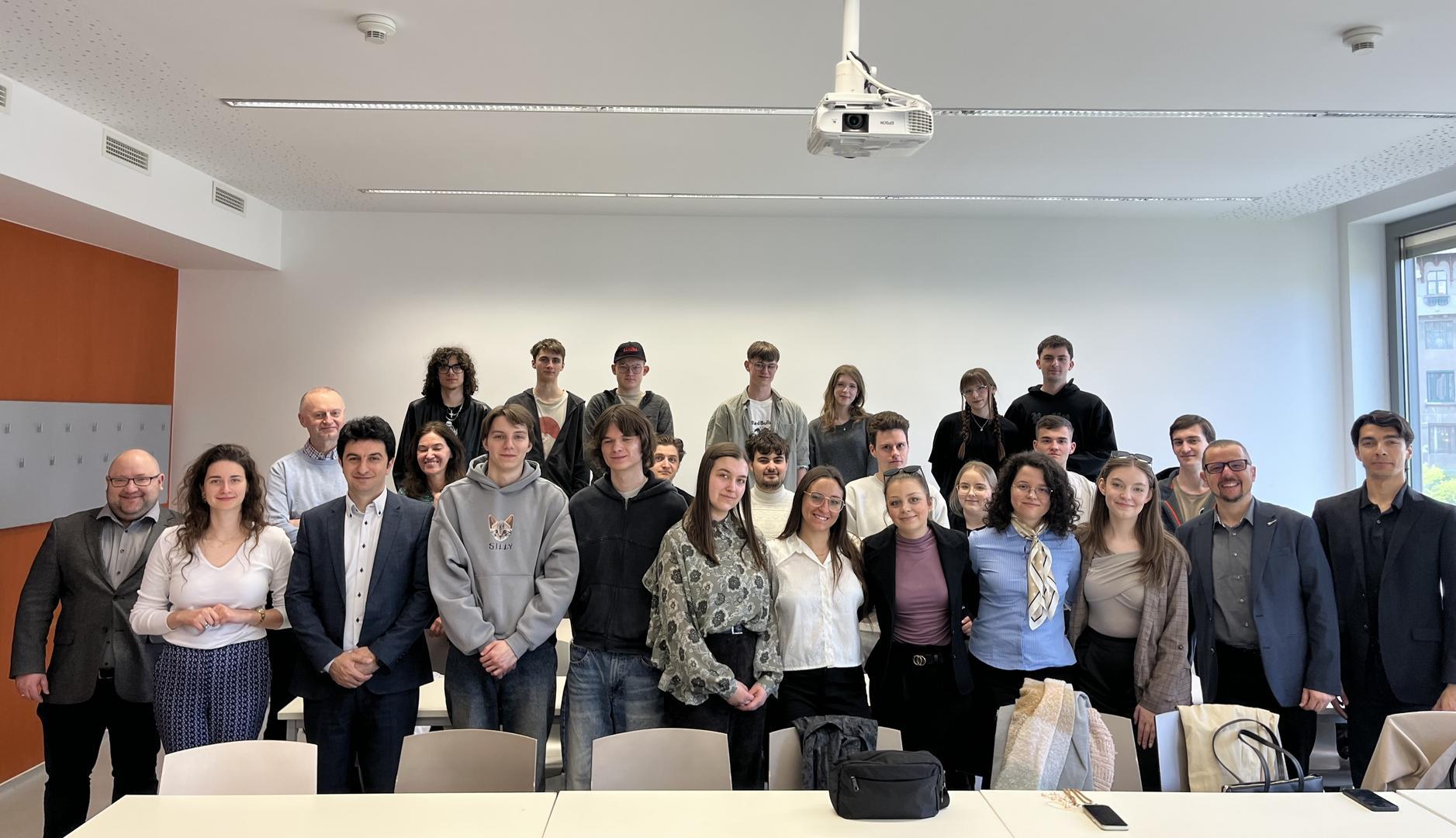
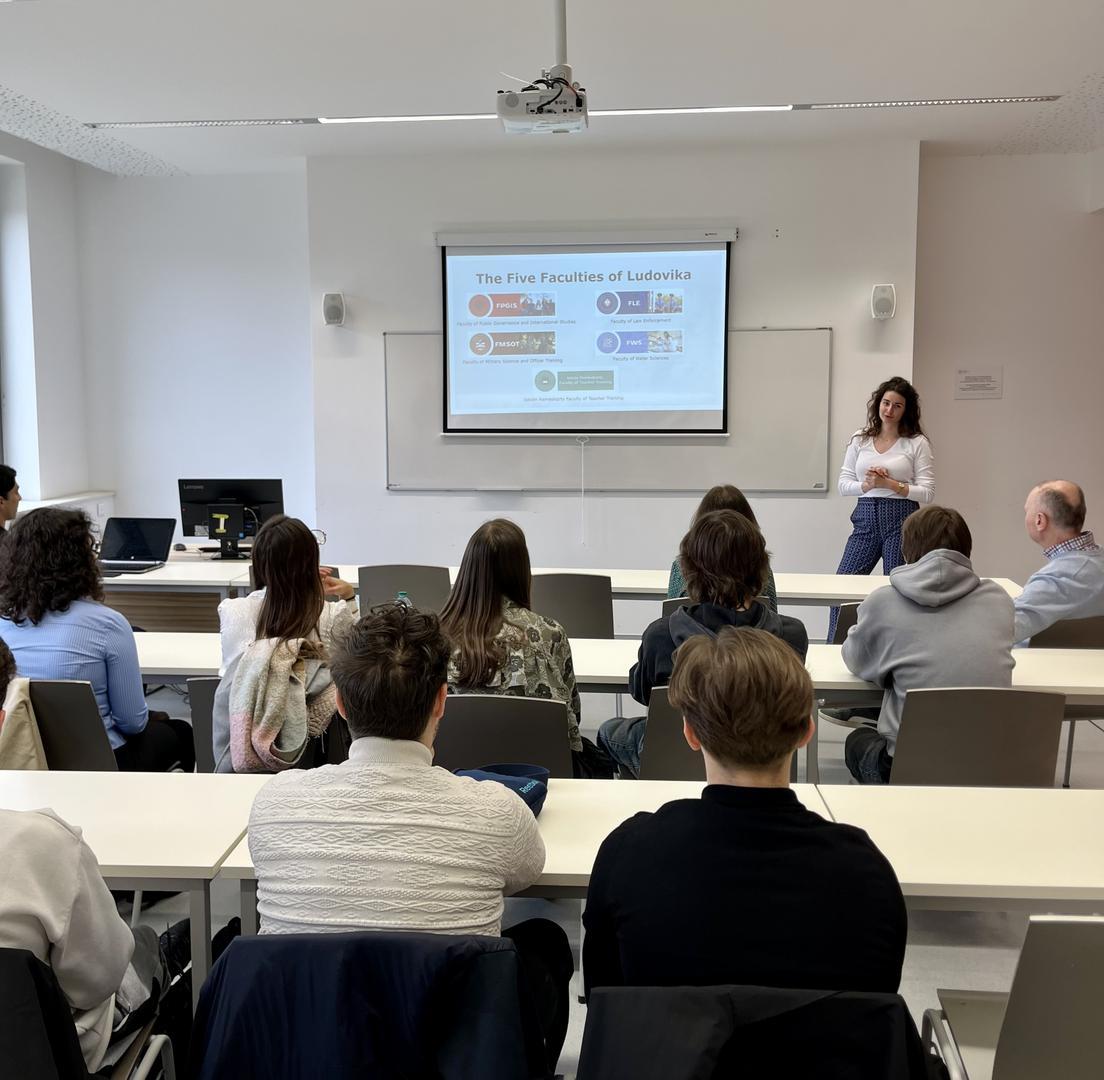
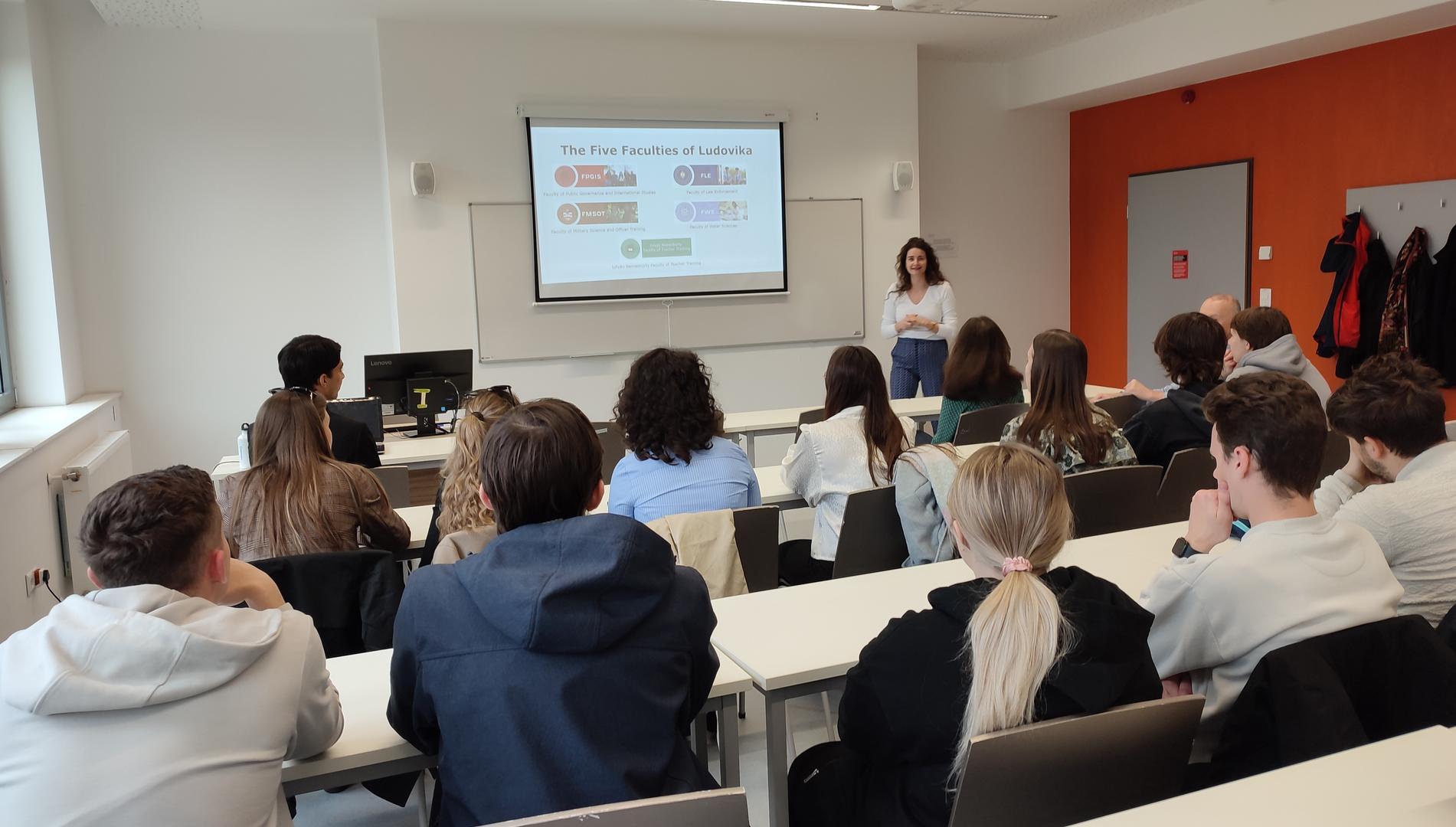
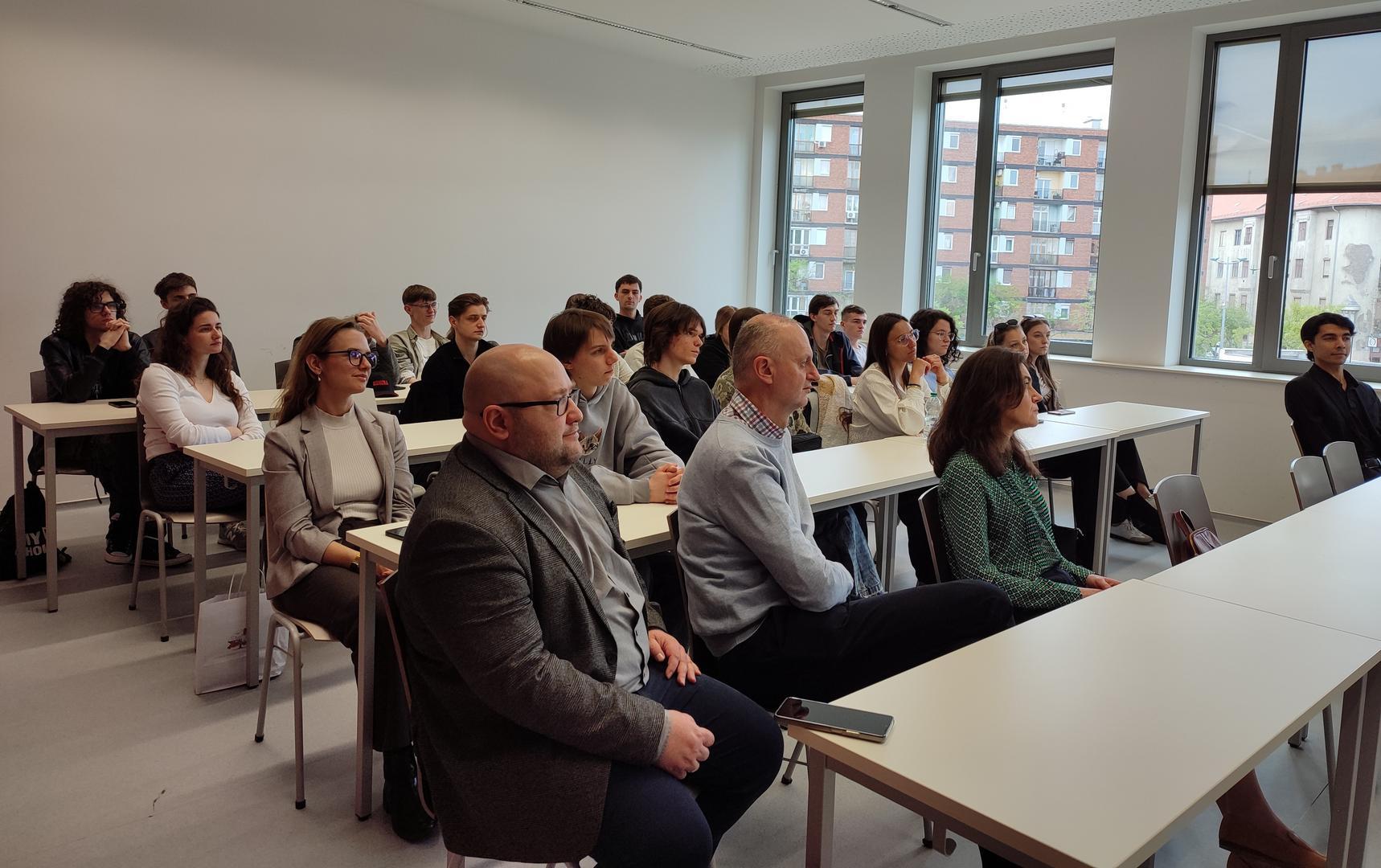
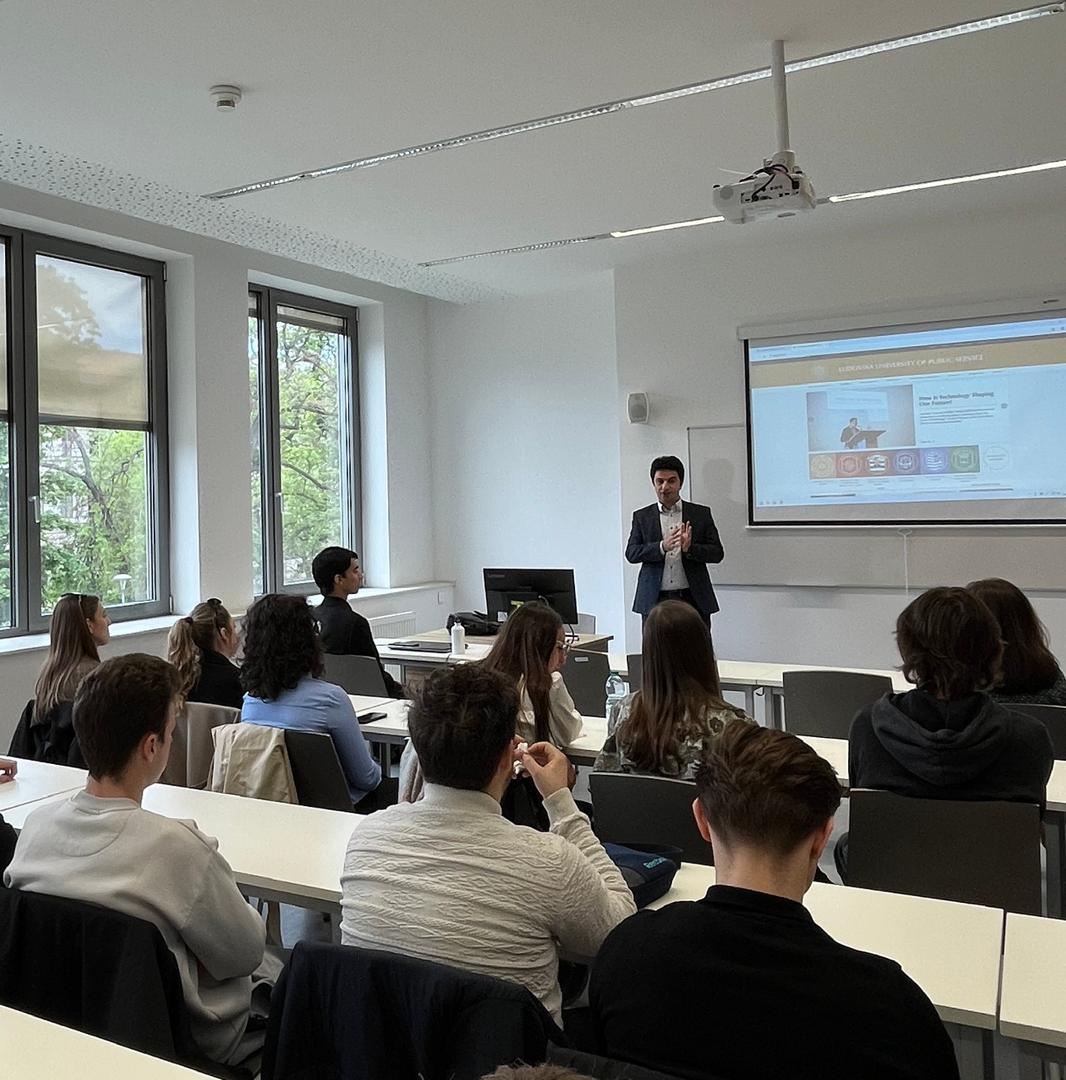
Ludovika came alive with international energy this April as students and lecturers from Jan Kochanowski University in Kielce, Poland arrived for a day of academic exchange and fresh perspectives. Led by Professor Arkadiusz Adamczyk, the delegation explored not just the university’s academic offer, but a broader ecosystem of ideas, partnerships, and international collaboration that defines Ludovika’s approach to education today.
The program opened with welcoming remarks from Liliana Śmiech, Director General for International Affairs, who set the tone with a clear message: universities today are no longer quiet islands of knowledge. They are active players in a deeply interconnected world. As global challenges grow more complex, partnerships between institutions, regions, and disciplines are not just valuable, they are essential. Ludovika, she noted, aims to be a key hub in this Central European knowledge network.
Next, Vice-Dean Péter Zachar introduced the Faculty of Public Governance and International Studies, offering a behind-the-scenes look at its diverse academic portfolio and extensive international partnerships. His message was crisp and forward-looking: training future professionals in public service and international affairs requires more than textbook knowledge. It demands an interdisciplinary mindset where law, politics, economics, and global awareness intersect. He also highlighted the strong and growing ties between Hungary and Poland in higher education, including ongoing collaborations and an upcoming Erasmus+ Blended Intensive Program.
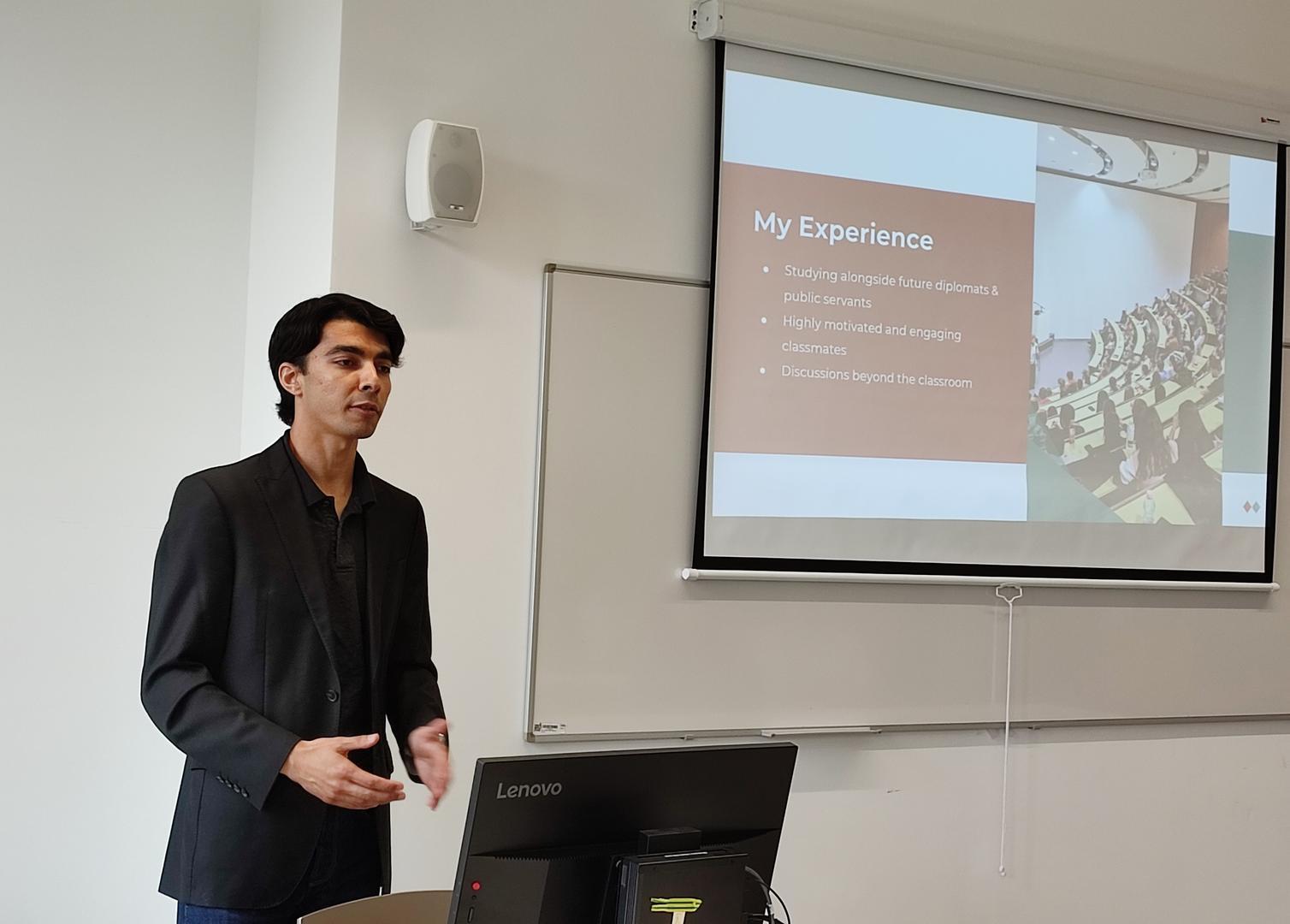
Shifting from strategy to lived experience, Nauman Ahmed brought the human side of Ludovika to life. His presentation painted a vivid picture of student life, where lectures are just one part of the journey. The real magic, he suggested, happens in the intersections: between cultures, ideas, and people. In an international student community, learning extends beyond classrooms into conversations, shared experiences, and the everyday rhythm of campus life.
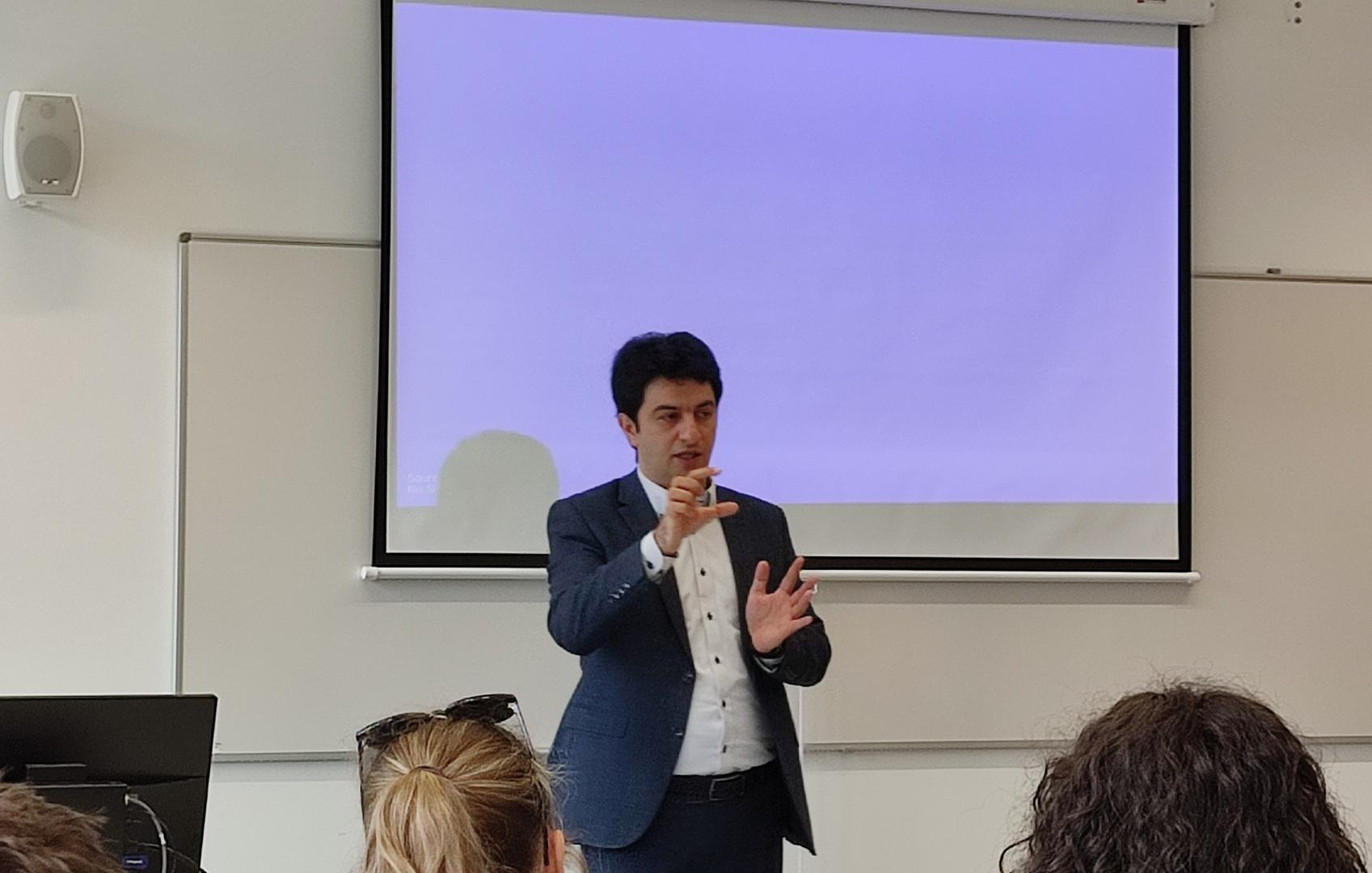
The academic spotlight then turned to geopolitics, as Dr. Vasif Huseynov, Director of Western Studies at the AIR Center in Baku, delivered a guest lecture on the evolving relationship between the Visegrád countries and Azerbaijan. His talk, hosted by the Ludovika Center for Turkic Studies, unpacked the growing strategic importance of connections between Central Europe and the South Caucasus. From energy security to political cooperation, the message was clear: today’s geopolitics is less about rigid blocs and more about flexible, overlapping networks.
After a morning rich in ideas, participants stepped out into the physical heart of Ludovika for a guided campus tour. Walking through its historic spaces, the delegation experienced firsthand the blend of tradition and modernity that defines the university. The program concluded with a shared lunch, where formal discussions gave way to informal conversations, and new connections began to take shape. Among the topics on the table were the details of a future cooperation agreement between the two institutions.
The visit was more than a study trip. It was a meeting point of perspectives, a spark for future collaboration, and a reminder that meaningful academic exchange happens not only through lectures, but through dialogue, curiosity, and shared moments.
Text and photos: FPGIS, International Office