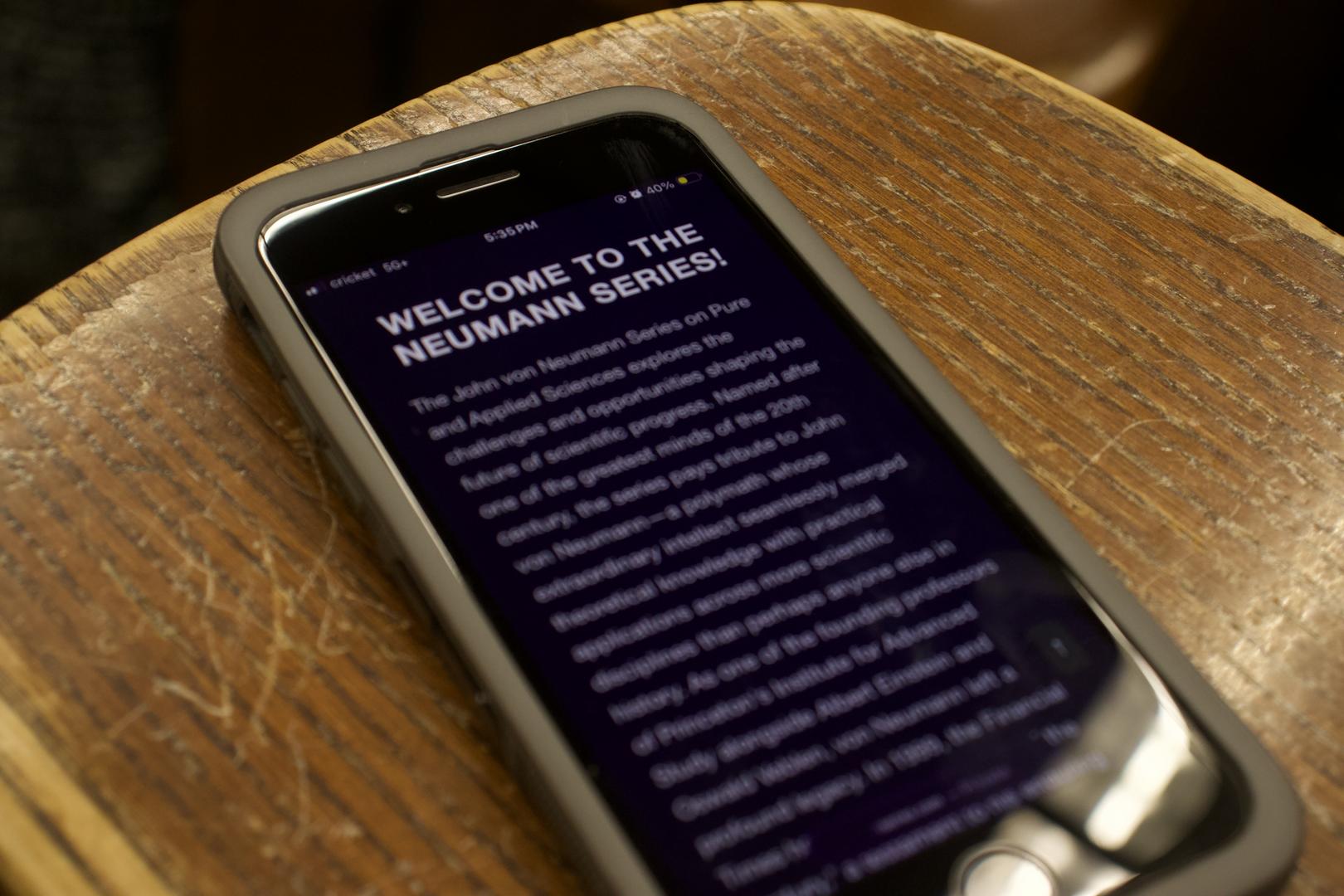
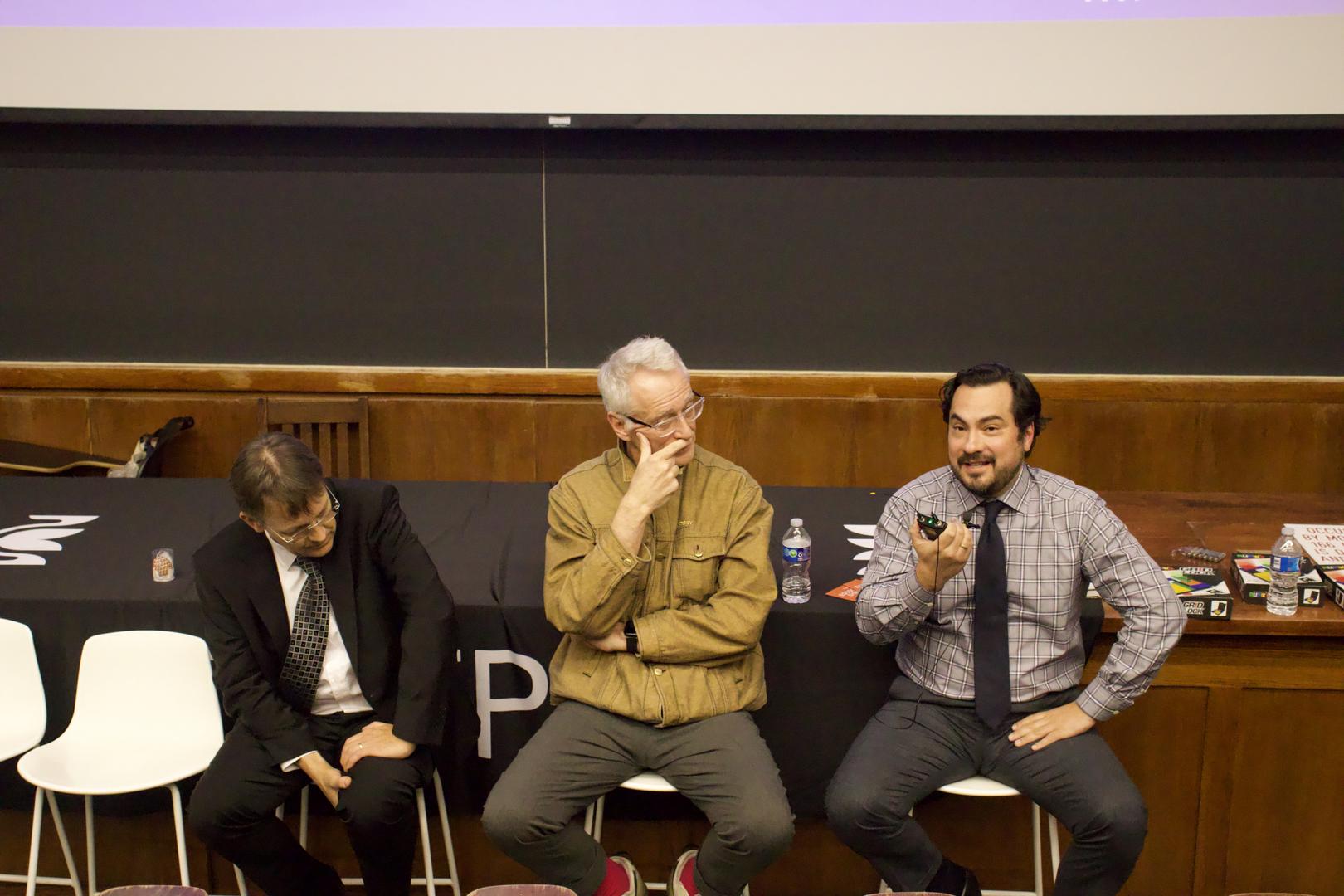
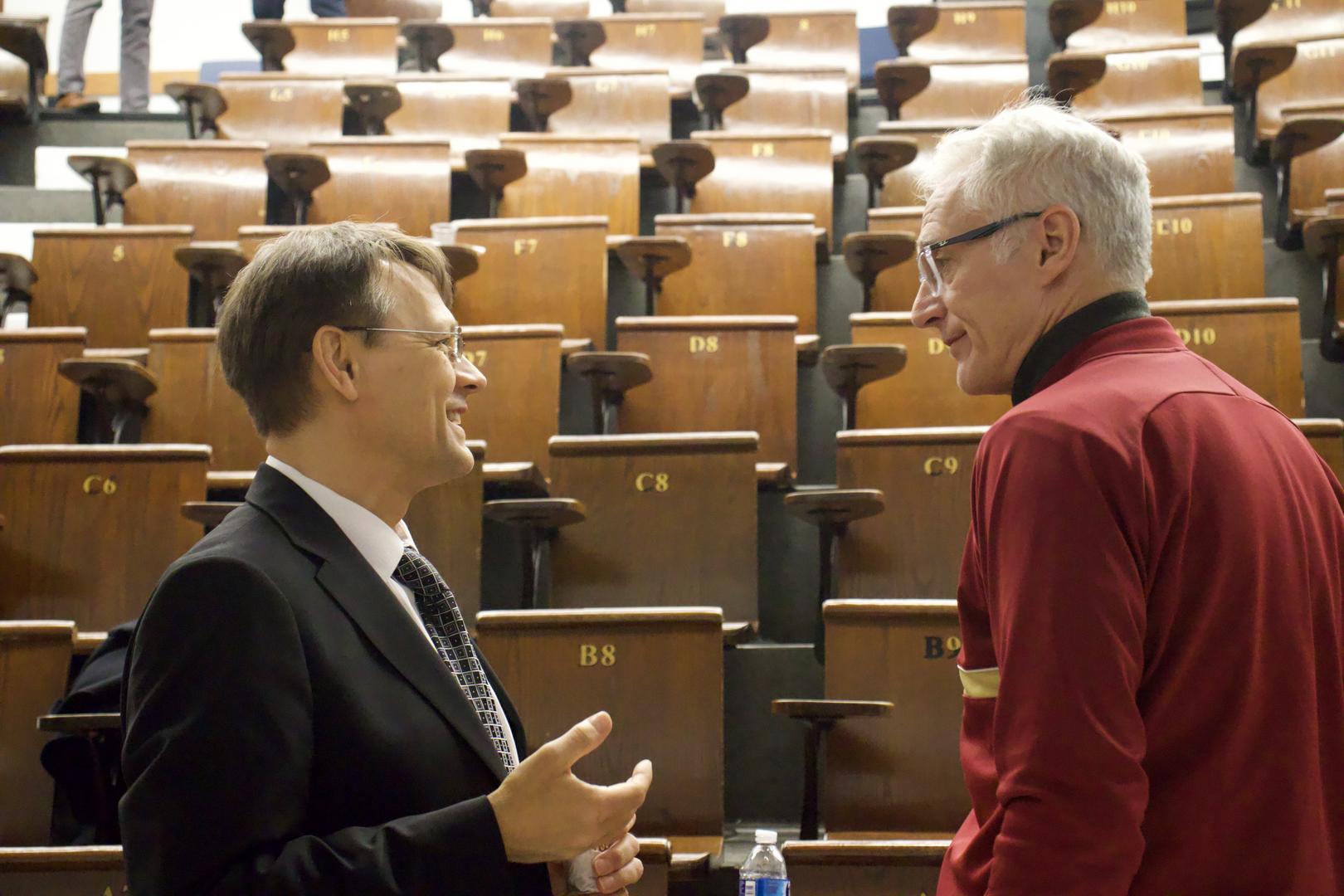
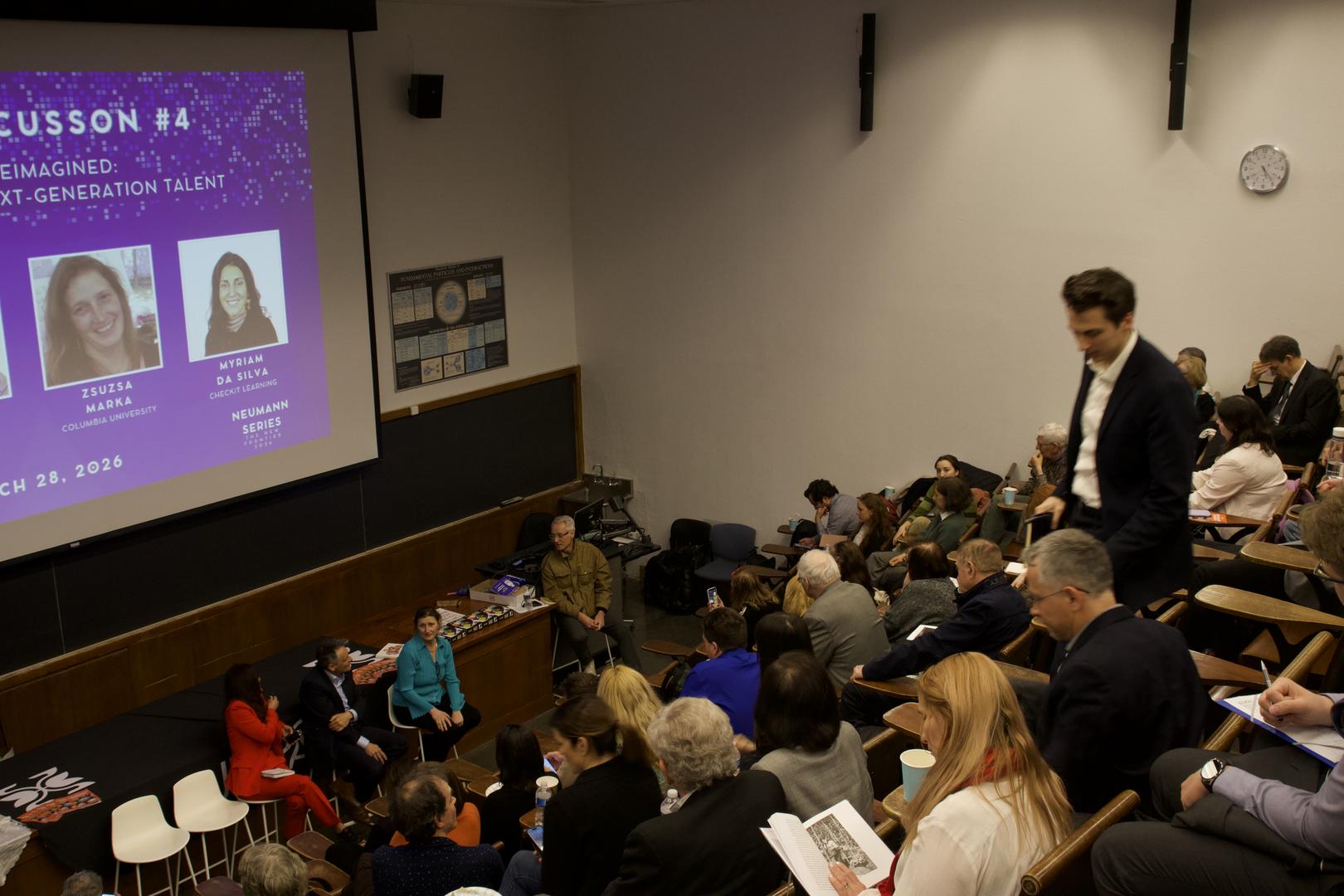
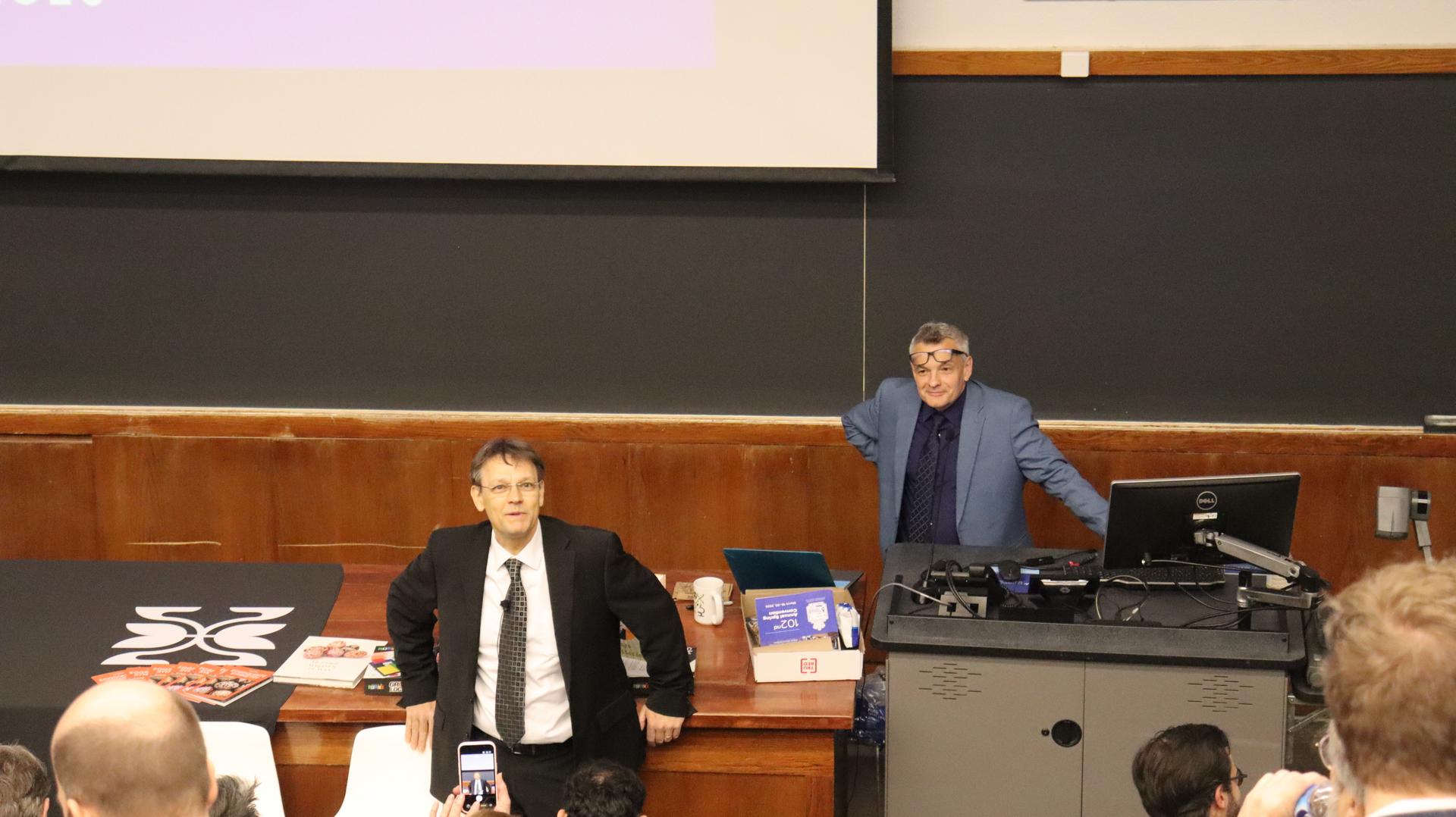
As artificial intelligence continues to reshape the foundations of science, education and professional life, the question of how we respond to these changes is becoming increasingly pressing. This was the central focus of The Neumann Series IV – The New Frontier: Human Ingenuity in an AI-Driven World, held on 28–29 March 2026 at Columbia University in New York.
Ludovika University of Public Service (LUPS) was represented at the conference by Vice-Rector for International Affairs Pier Paolo Pigozzi, who participated in the panel discussion on Conceptualizing The Future of Research and Higher Education: AI, Strategy and Institutional Design. The conference brought together an international community of scholars, researchers and students to reflect on the intellectual legacy of John von Neumann and its relevance in a period of rapid technological development.
Rather than approaching artificial intelligence as a purely technical issue, the multidisciplinary discussions focused on its wider implications for knowledge production, education and human creativity. Many contributions highlighted the difficulty of ensuring that institutional, ethical and educational frameworks can keep pace with ongoing technological change.
Organised within the framework of the John von Neumann Series, the event forms part of a broader initiative aimed at connecting disciplines and institutions around shared questions related to science and technology. By bringing together established scholars and early-career researchers, the series creates space for ongoing exchange on the societal impact of emerging technologies, with particular attention to artificial intelligence.
A distinctive feature of the conference was the active involvement of students in the discussions, reflecting the organisers’ intention to engage younger generations in shaping future scientific and academic thinking. This contributed to an open and interactive environment, where perspectives from different fields and levels of experience could meet.
In his contribution, Vice-Rector Pigozzi addressed the impact of artificial intelligence on legal education and practice, noting both its potential in areas such as legal research and the ongoing debates surrounding its role in decision-making. He also drew attention to the importance of maintaining critical thinking and human oversight, while highlighting how AI can support cooperation across disciplines.
The discussions at the conference approached artificial intelligence not only as a challenge, but also as a development that requires renewed attention to longstanding social questions that are central to education, research and institutional practices. As the Neumann Series continues to expand, it provides an opportunity to revisit these questions in an international and interdisciplinary setting.
Through its participation, LUPS engaged with this ongoing dialogue, contributing to discussions that are likely to influence the future direction of higher education and research. The conference also provided an opportunity to connect with a broad network of international partners and to gain first-hand insight into how leading institutions are approaching the challenges associated with artificial intelligence. As the Neumann Series continues to expand, it offers a valuable forum for maintaining these connections and for following the evolving academic and institutional responses to technological change
Text: International Office
Photos: https://neumannseries.com/gallery-thenewfrontier.html