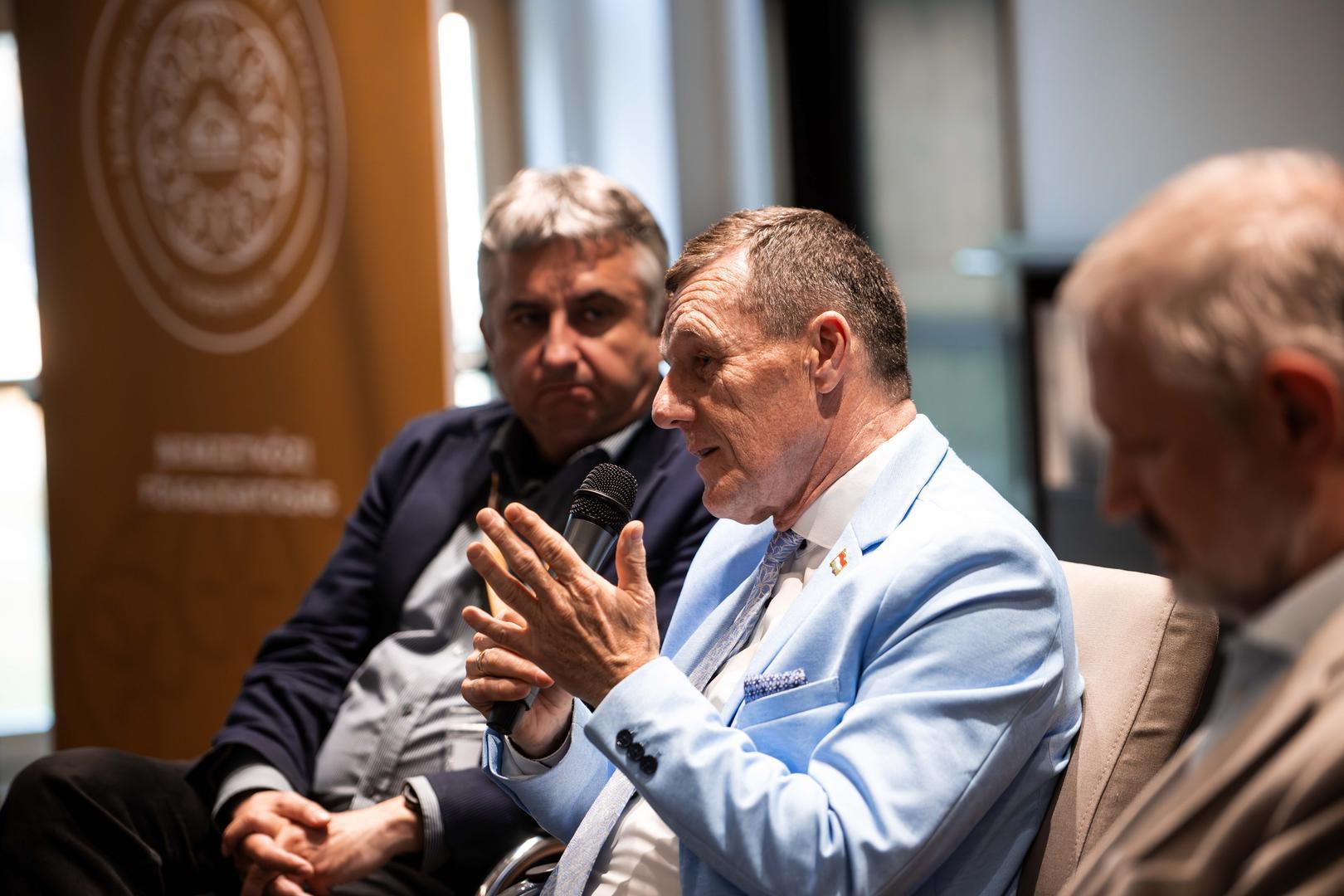
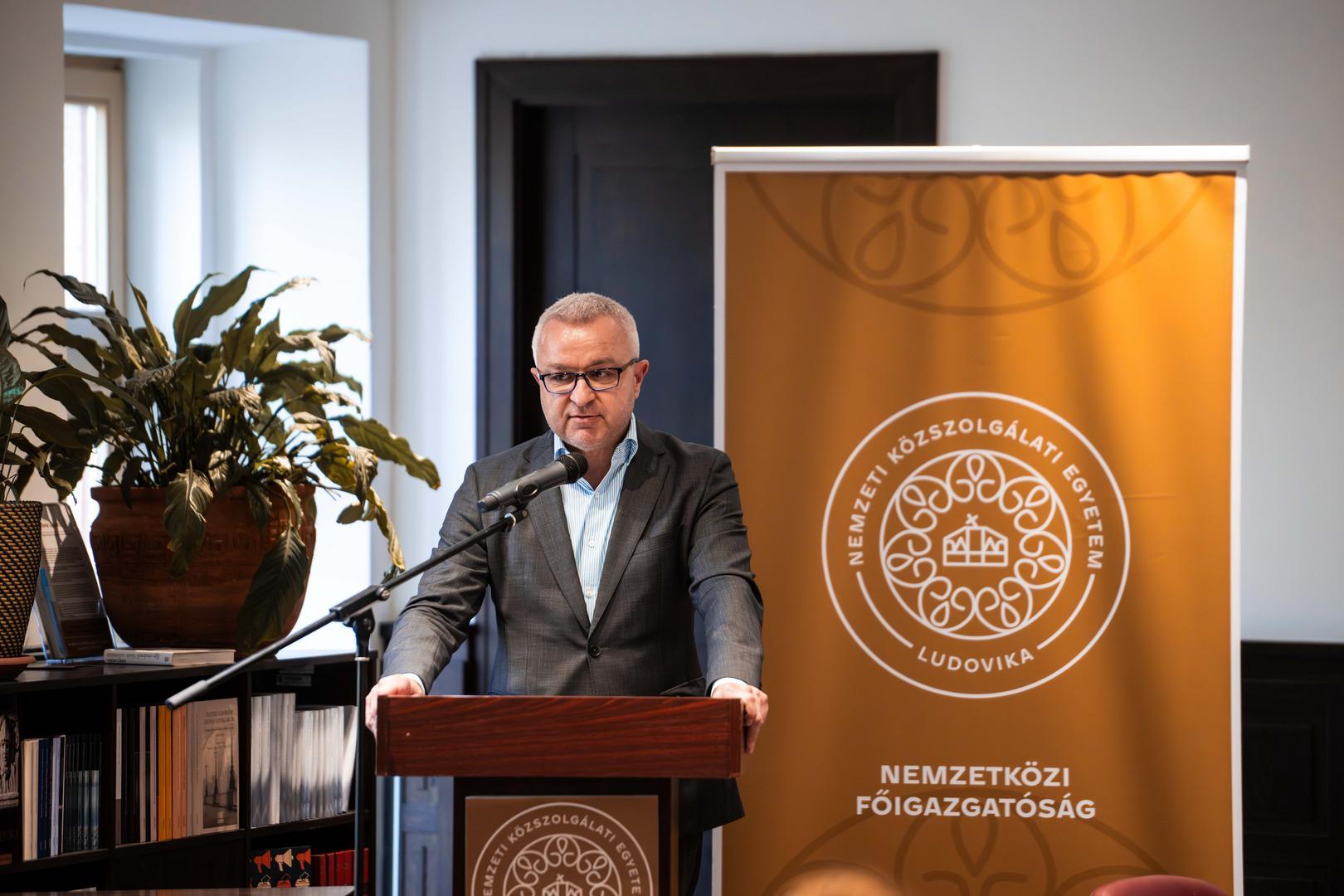
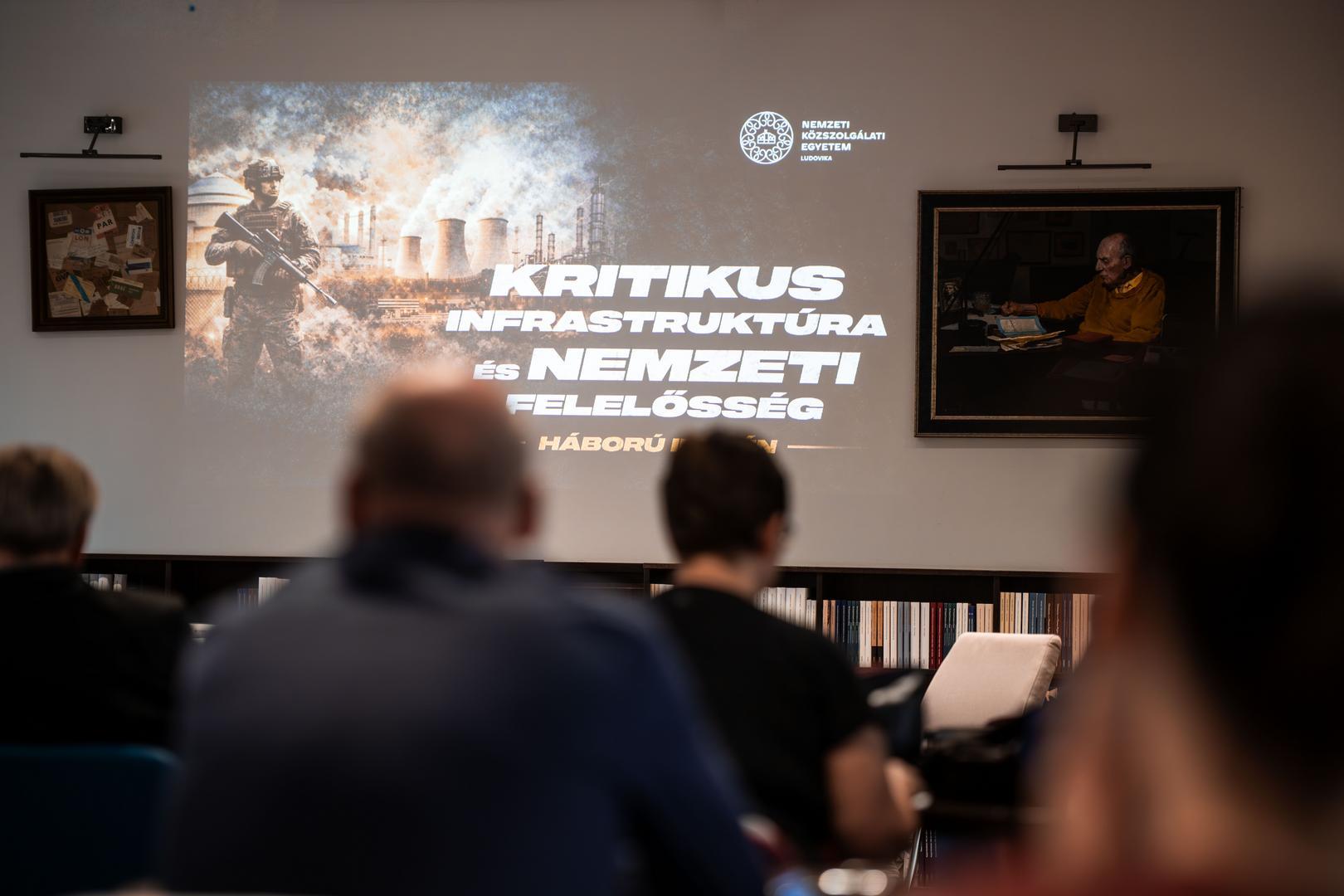
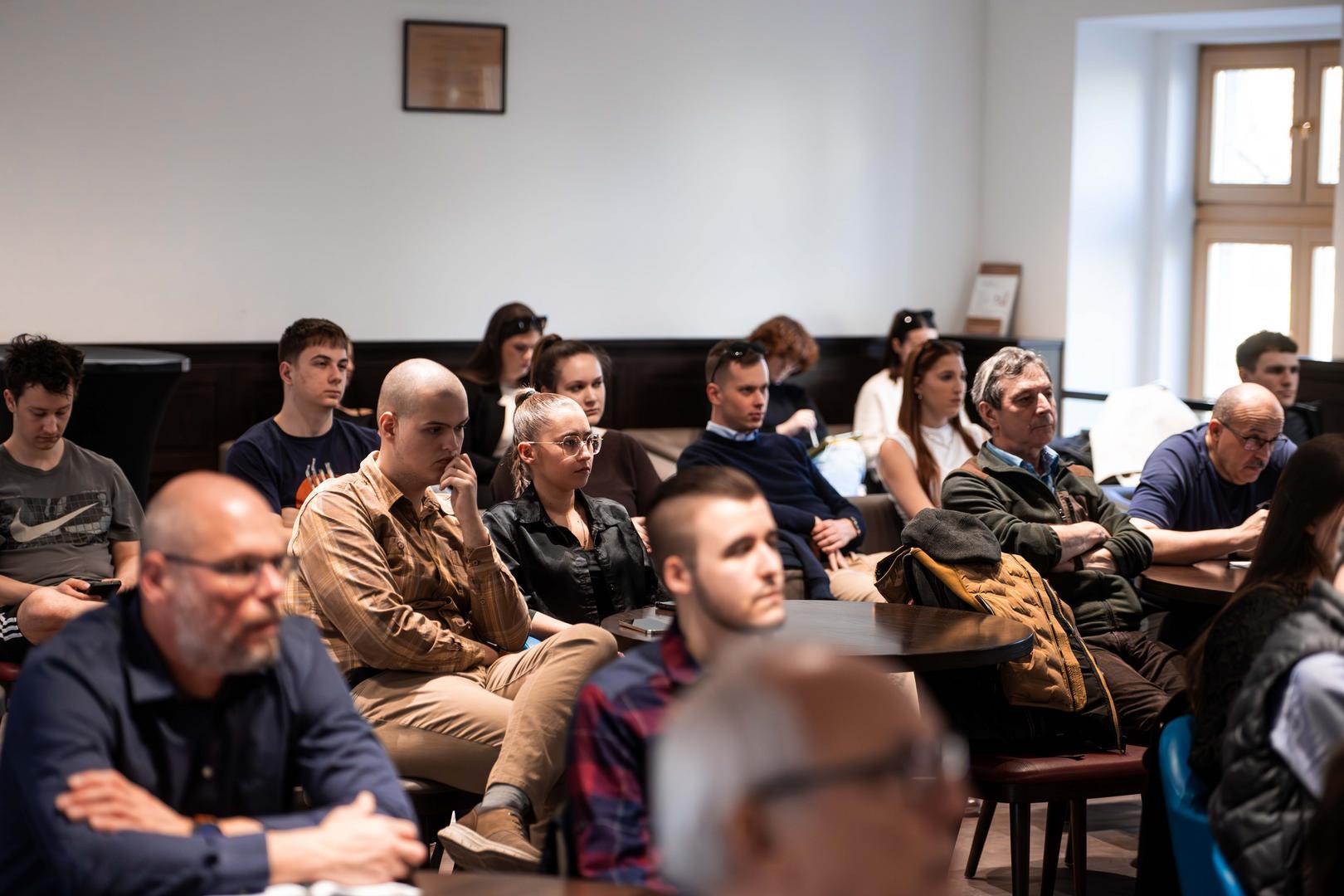
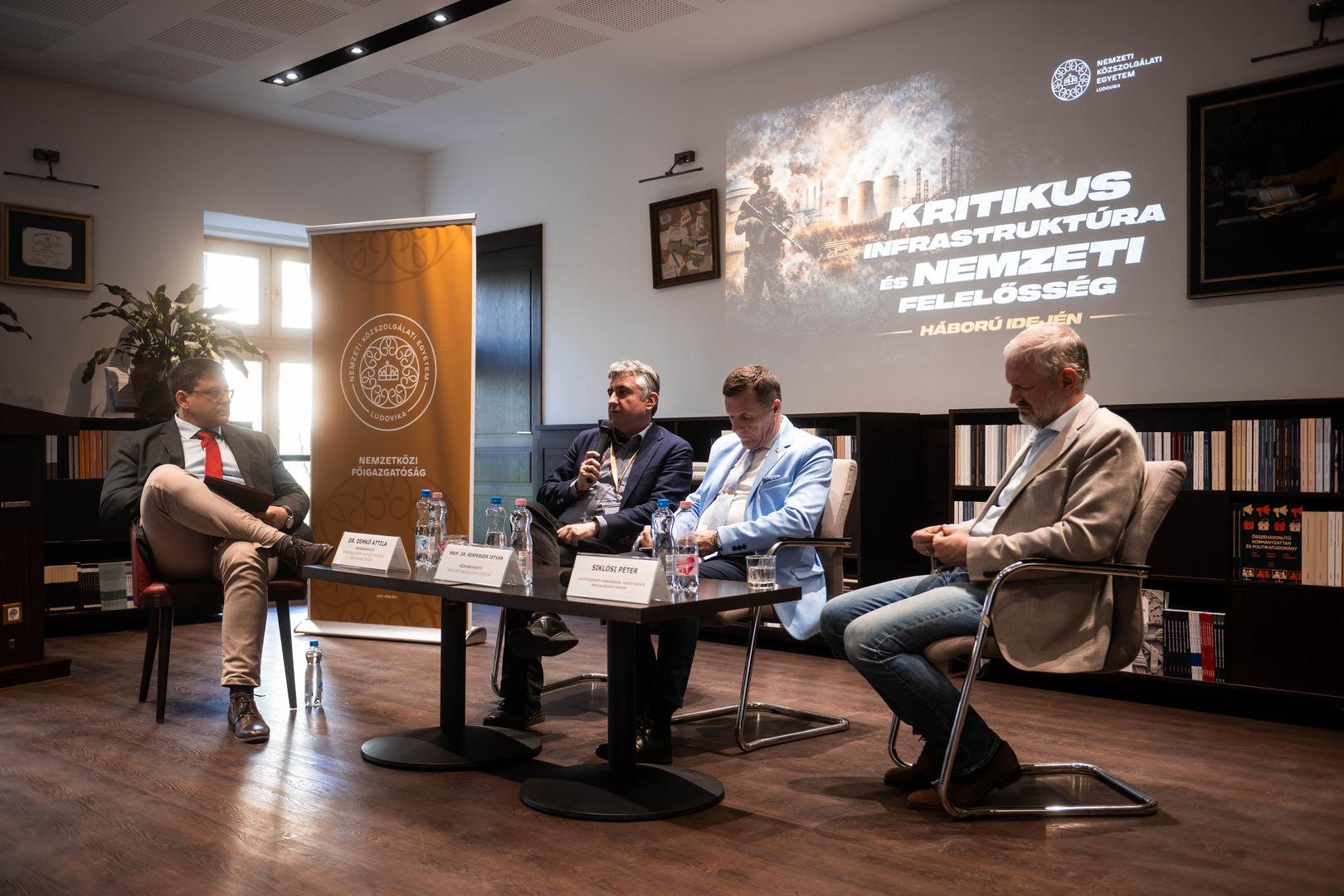
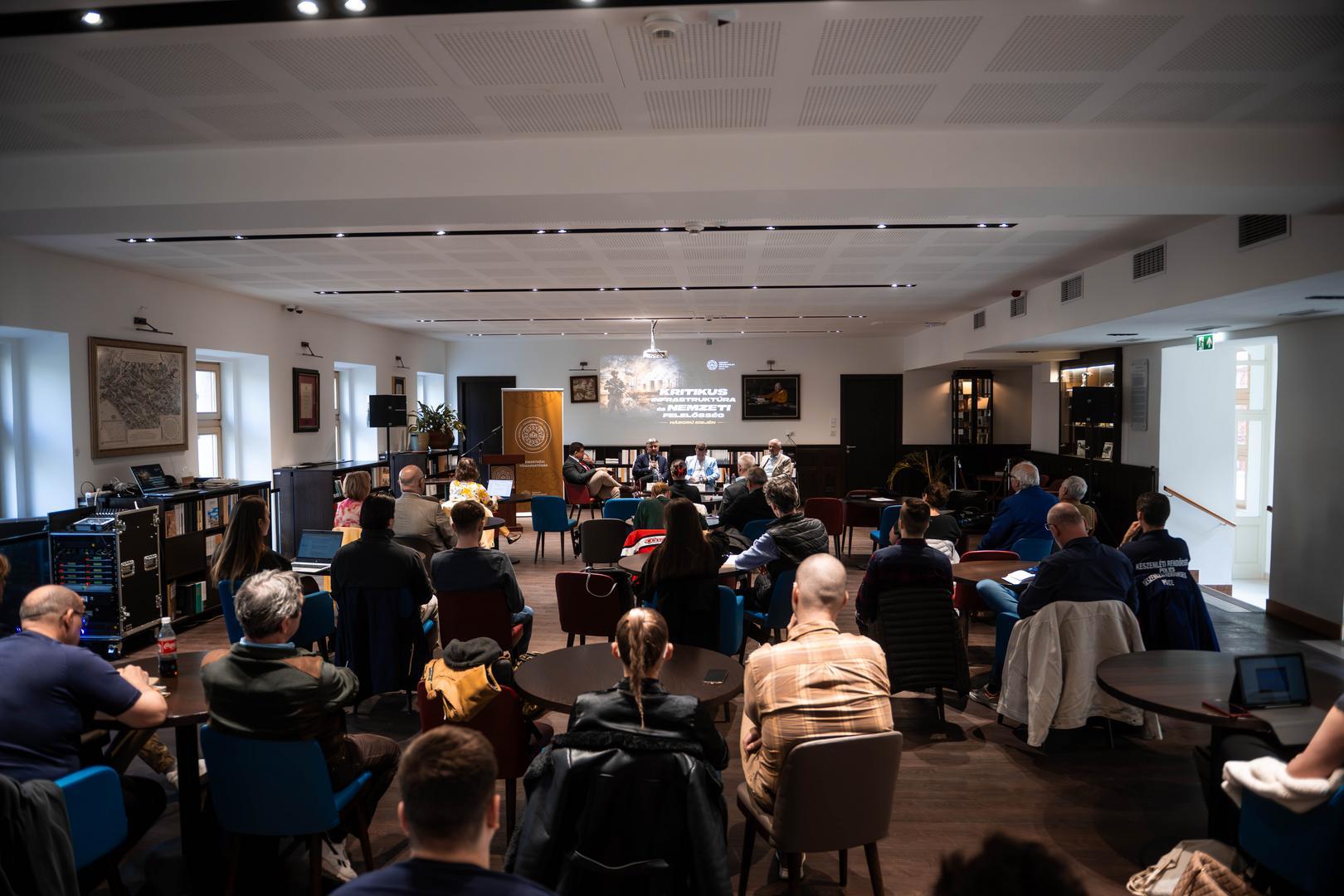
A panel discussion on the protection of critical infrastructure, the transformation of the European security environment, Hungary’s preparedness, and the development of Hungarian–Ukrainian relations was held on 18 March at the Ludovika University of Public Service.
The event titled “Critical Infrastructure and National Responsibility in Times of War” was organized by the Directorate General for International Affairs of Ludovika University of Public Service. The event was opened by László Vasa, Chief Advisor of the Directorate General for International Affairs, who emphasized how relevant the protection of critical infrastructure is in times of war, as armed conflicts today also include “continuous background manipulations and various efforts.”
In his view, for a long time many believed that traditional armed conflicts had become part of the past in Europe, but this period has come to an end, and wars have also taken on new forms. Alongside classical military operations, hybrid tools are playing an increasingly important role, the aim of which is not necessarily direct military victory, but the weakening of state functionality and undermining the sense of security in society. In this context, the protection of energy networks, transport systems, and information and communication infrastructures has become a matter of national security. According to László Vasa, the war in Ukraine is an example of this. Today, the issue of defense has become one of the pillars of national sovereignty and strategic autonomy.
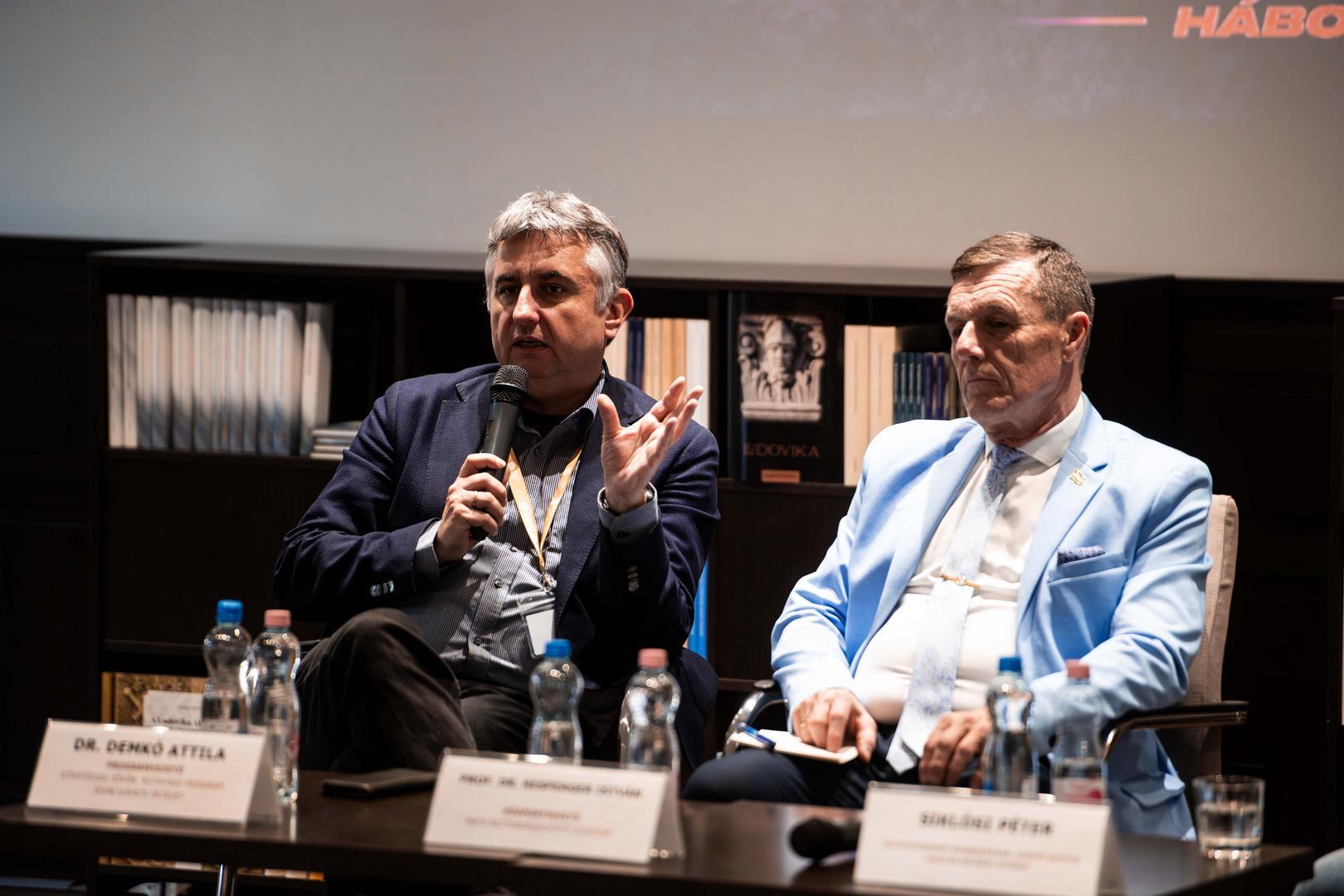
In the first part of the panel discussion, participants evaluated the global security environment. Attila Demkó, Head of the Strategic Futures Program at the John Lukács Institute, stated that currently many armed conflicts are taking place in parallel in the world, but not all of them receive equal attention in the international public sphere. In addition to Ukraine, he mentioned Afghanistan, Sudan, Ethiopia, Nigeria, and the Sahel region as areas where serious crises are ongoing. Among the current hotspots, the relationship between China and the United States, especially the issue of Taiwan and the South China Sea, carries the greatest risk. In his opinion, neither the Iranian nor the Ukrainian war is likely to lead easily to a world war, however, the Chinese–American competition is concentrated in the “most explosive” region. According to press reports, China currently has around 500 nuclear warheads, which may increase to one thousand by 2030, although this is still not at the level of the United States.
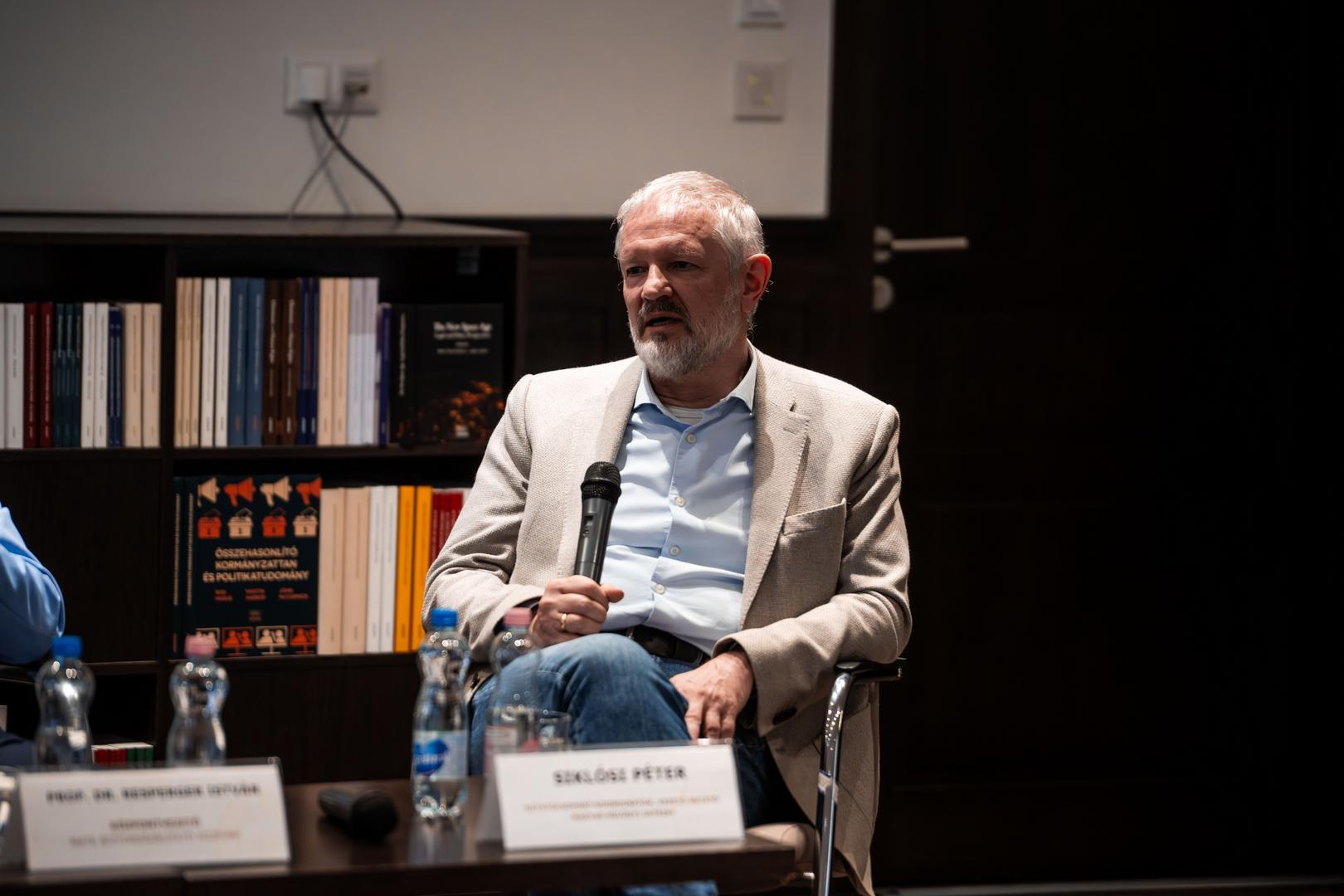
Péter Siklósi, Senior Analyst at the Hungarian Institute of International Affairs, spoke in line with this, saying that the current period must be placed in a historical perspective. Although the present era is unstable and full of threats, there have also been shocking wars in recent history, including the Yugoslav wars, the Gulf wars, and the Iraq conflict. In his view, the world is currently experiencing a transforming, transitional period, in which greater turbulence naturally brings a more frequent appearance of armed conflicts.
According to the analyst, in the case of China, the possibility of escalation of great power competition does indeed exist, however, due to the deterrent power of nuclear weapons, decision-makers assess situations differently than in the pre-nuclear era. As he said, the United States is explicitly preparing for a competition with China “conducted by peaceful means,” even if its long-term stability is questionable.
Colonel István Resperger, university professor and director of the Security Research Center, approached the situation from the logic of the Cold War. The major power dividing lines are still clearly visible today, and without interpreting the roles of the United States, Russia, China, and India, current security policy processes cannot be understood. He does not expect a world war, because “there are much more serious leaders in leading parts of the world,” however, the development of drone technology has added a new dimension to threats.
Regarding Europe’s preparedness, Attila Demkó stated that in the decades following the Cold War, the continent was on a “strategic holiday,” partly due to its own decisions and partly due to American encouragement. He recalled that several European countries dismantled their heavy weaponry and defense industrial capabilities, because for a long time the prevailing view was that a high-intensity war in Europe was not expected. For example, in Hungary at that time, heavy equipment was transported by train from Kalocsa, which had been purchased at fairs in the Czech Republic. The traders sold them to African countries at huge profits.
He emphasized that Europe has fallen behind not only in capabilities but is also not fully prepared mentally for the changed situation. There is still much to be done in protection against hybrid threats, strengthening social awareness, and the physical protection of critical infrastructure. Therefore, developments are needed in energy storage, oil industry and electricity systems, and based on Ukrainian experiences, even simple physical protection solutions can be of great importance.
István Resperger emphasized that Europe’s military capabilities overall fall short of what is necessary. He noted that Russian ammunition production currently far exceeds NATO’s production capacities related to supporting Ukraine, as last year NATO produced only two million rounds compared to Russia’s seven million. Furthermore, in conventional forces, one soldier is supported by three reservists, which is currently ensured by Israel, Austria, and Switzerland. He believes that several states of the continent are still searching for the right answers. Poland, for example, has already admitted that although it is preparing, the situation unfolding is not exactly what it had prepared for. At the same time, he does not consider it likely that Russia would take steps leading to direct world war escalation.
According to Péter Siklósi, Europe indeed went on a “strategic leave” for a long time, however, the performance of the Russian armed forces in the war in Ukraine has fallen far short of what many had previously assumed. He added that in modern warfare, defense supported by drones, reconnaissance systems, and precision tools has again become stronger, which in his opinion reduces the chances of a traditional, rapid Russian attack.
The third panel focused on Hungary’s preparedness. Attila Demkó stated that the development of national self-reliance is a fundamental interest even alongside participation in alliance systems. In his view, Hungary must think within the European Union and NATO, but it also needs a Plan B, because history is unpredictable. He described the Defence and Armed Forces Development Program as an important step in this context and considered the strengthening of domestic production capacities, such as ammunition production, to be significant.
According to István Resperger, a conscious development has started in Hungary, which includes the arrangement of the legal and defense administration framework, the development of the armed forces, and the strengthening of the host nation support system. He also emphasized the importance of national capabilities alongside preparation for allied assistance.
Péter Siklósi recalled that in Hungarian security and defense policy, the dual pillar of national self-reliance and alliance systems had long been present at a theoretical level, but this seemed to fade in the 2000s. In the 2010s, Hungary recognized the changing security environment relatively early compared to several states in the region and made timely decisions to increase the defense budget and conclude military development contracts. This is why the anecdote told by István Resperger could occur, according to which when the German Chief of Staff went to Rheinmetall to spend 100 billion euros, he was told that once Hungarian, Romanian, and Lithuanian tanks are completed, the Germans would come next. At the same time, Péter Siklósi warned that despite years of preparation, there are new developments that require quick responses. For example, the experiences of drone warfare should be integrated more rapidly.
In the closing part of the discussion, Hungarian–Ukrainian relations were addressed, and all experts agreed that they are in a very poor state. Attila Demkó said that the situation of the Hungarian minority in Transcarpathia was more favourable for a long time after 1991 than that of several other Hungarian communities beyond the borders, however, relations gradually deteriorated after the Orange Revolution in 2004 and especially after 2014. Ukrainian nation-building increasingly ignored minority perspectives, which resulted in a cooling of bilateral relations.
According to Péter Siklósi, trust between Hungary and Ukraine has essentially disappeared today, and it is unlikely to be restored in the short term. Especially since, apart from military action, Ukraine behaves towards Hungary in much the same way as Russia does towards Ukraine. Attila Demkó formulated this by saying that Ukrainians are similar to Russians in many respects, for example, they have the attitude typical of large countries that it is natural for smaller countries (in this case Hungary) to do what the “big brother” instructs.
István Resperger approached the issue from a military and intelligence perspective. He said that the war situation itself worsens relations between neighboring states, and he believes that restoring trust will be a longer process. He assessed the situation of the Hungarian minority most pessimistically, stating that if Ukraine loses the war, the Hungarian minority will become the scapegoat.
Overall, the participants agreed that the protection of critical infrastructure, strengthening societal resilience, and enhancing national preparedness will be among the key security policy tasks in the coming years, and that Ukraine will not become a NATO member for several reasons. NATO can only very limitedly manage internal conflicts, and therefore it is in Hungary’s interest to keep Ukraine outside the alliance, and on the other hand, the United States will not go to war with a nuclear power like Russia, which possesses approximately 5,500 nuclear warheads.
Text: Orsi Jancsó
Photo: Dénes Szilágyi