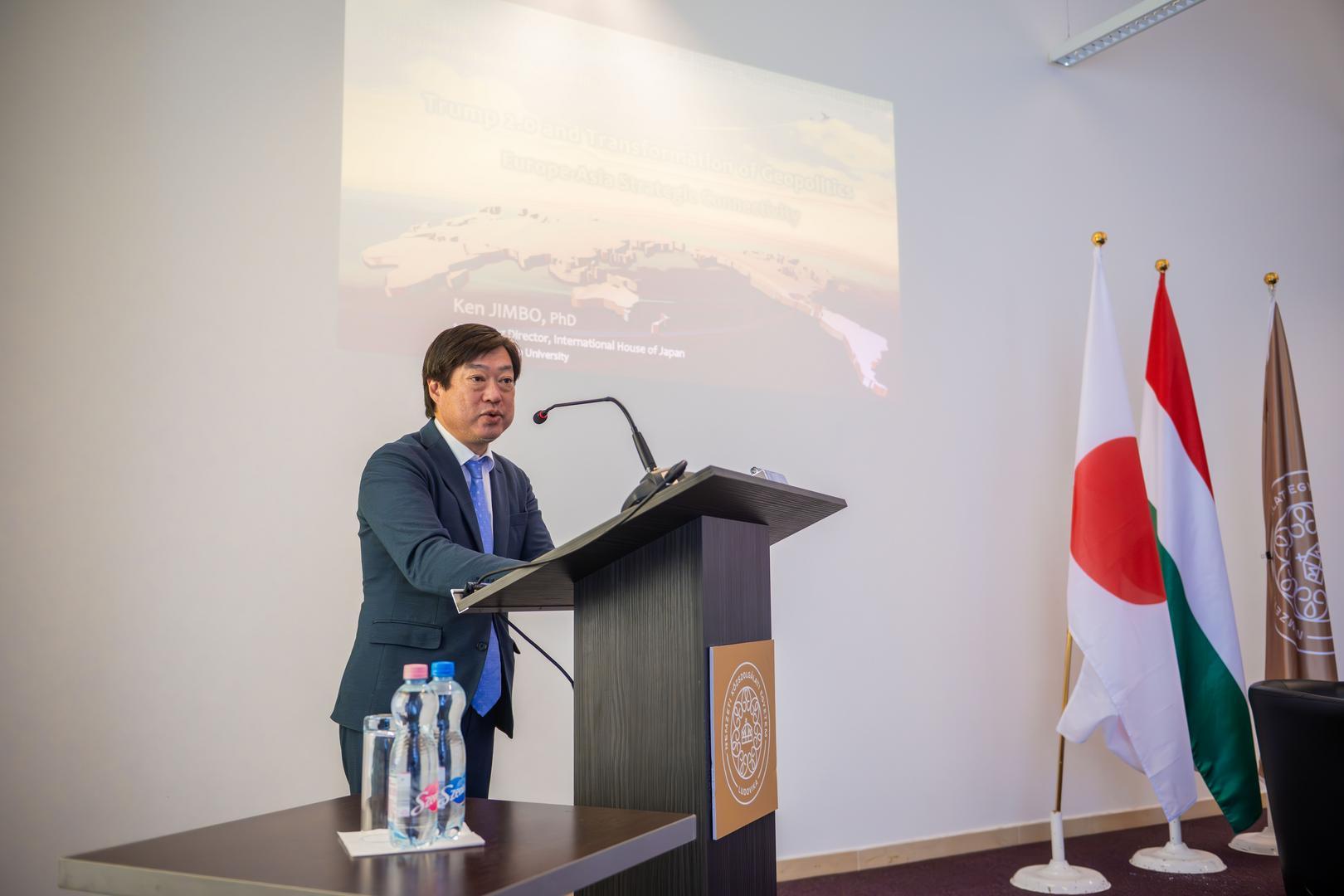
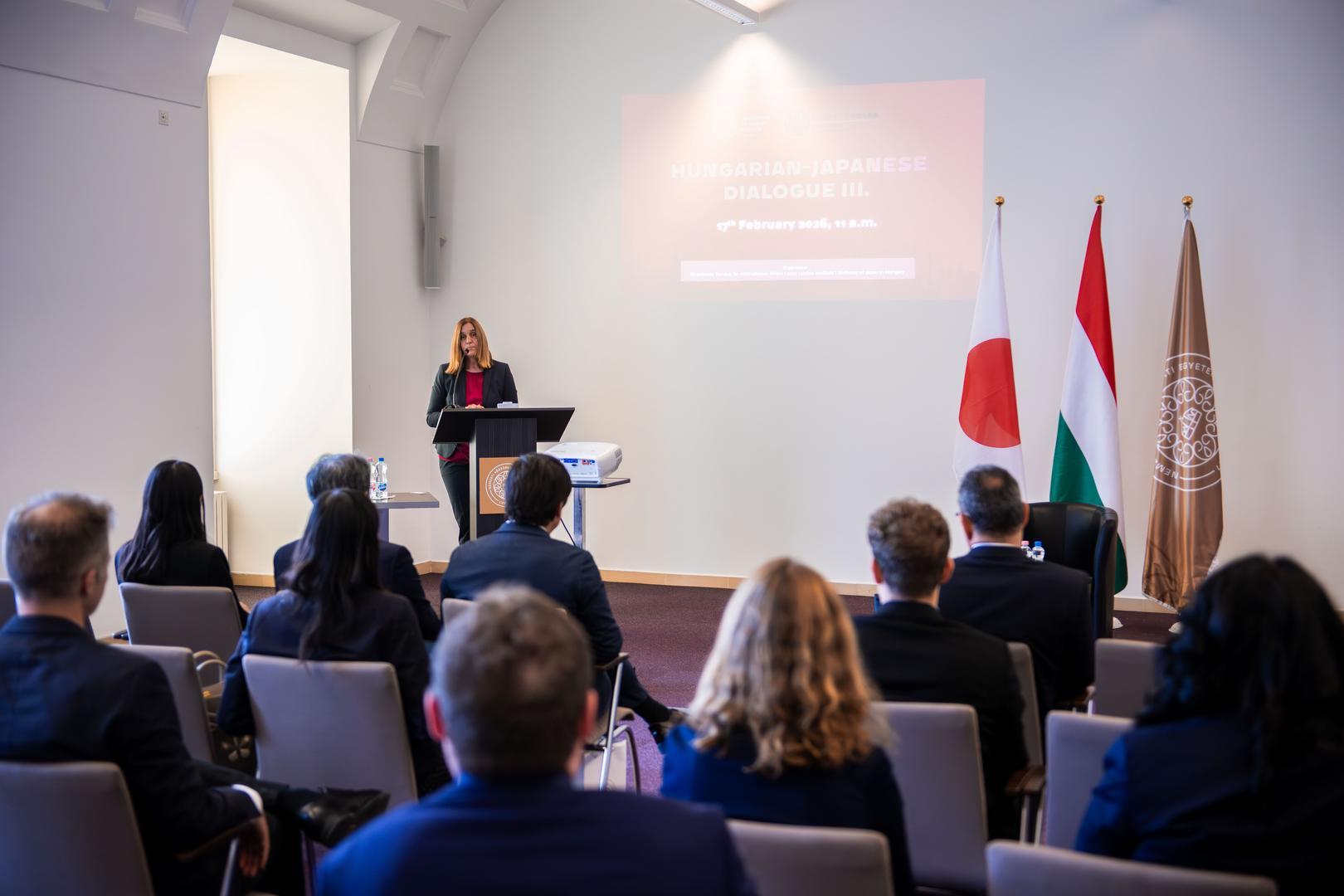
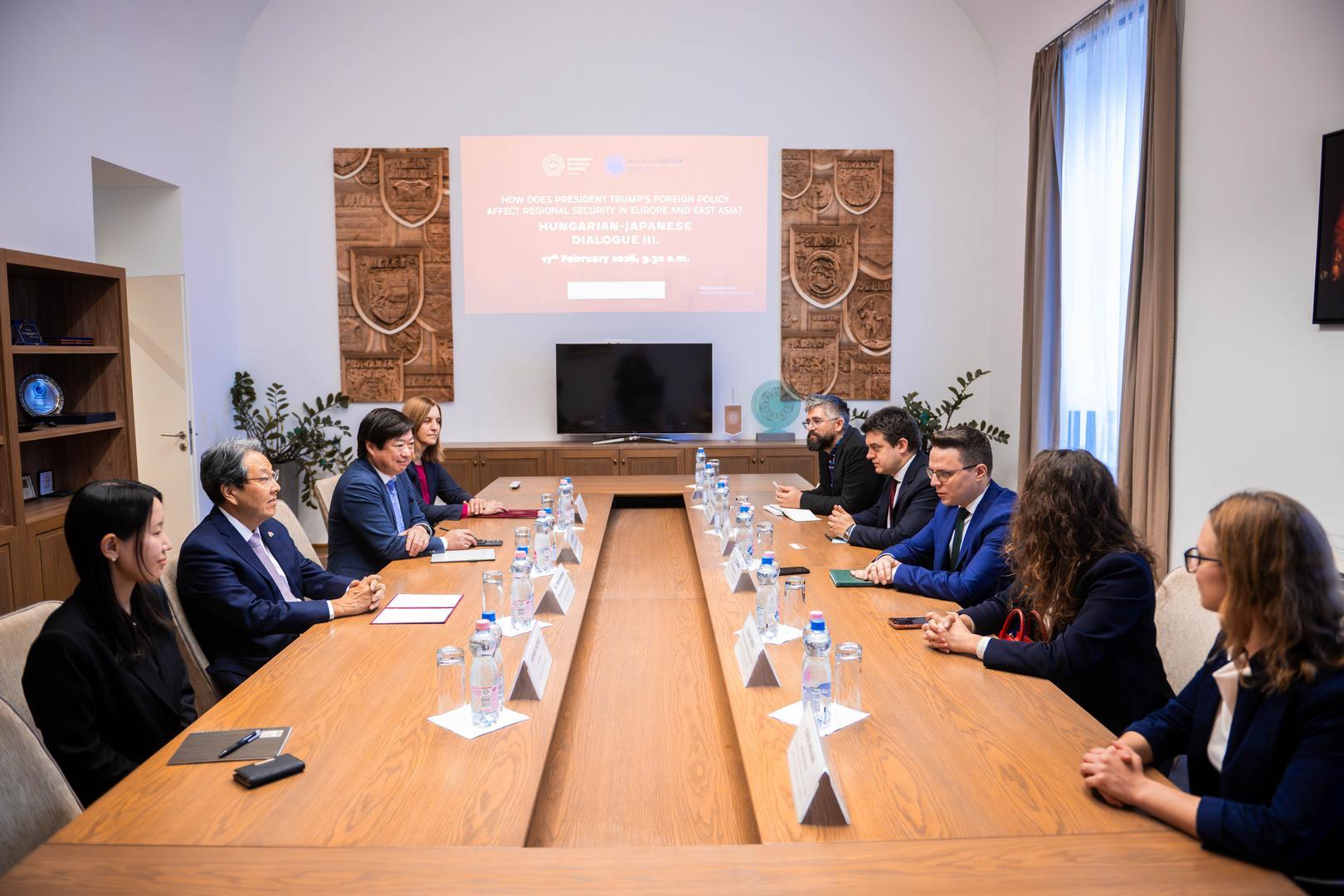
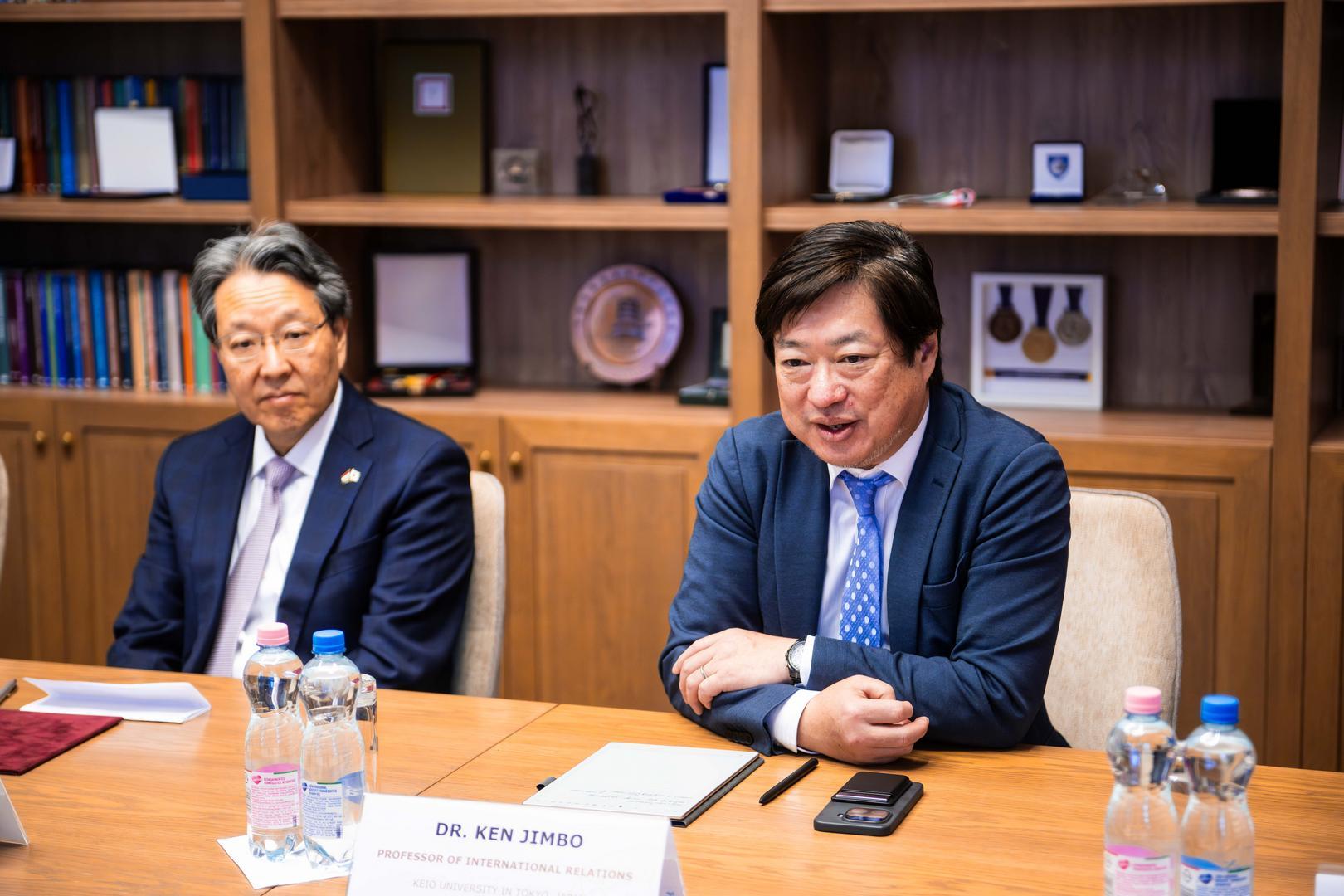
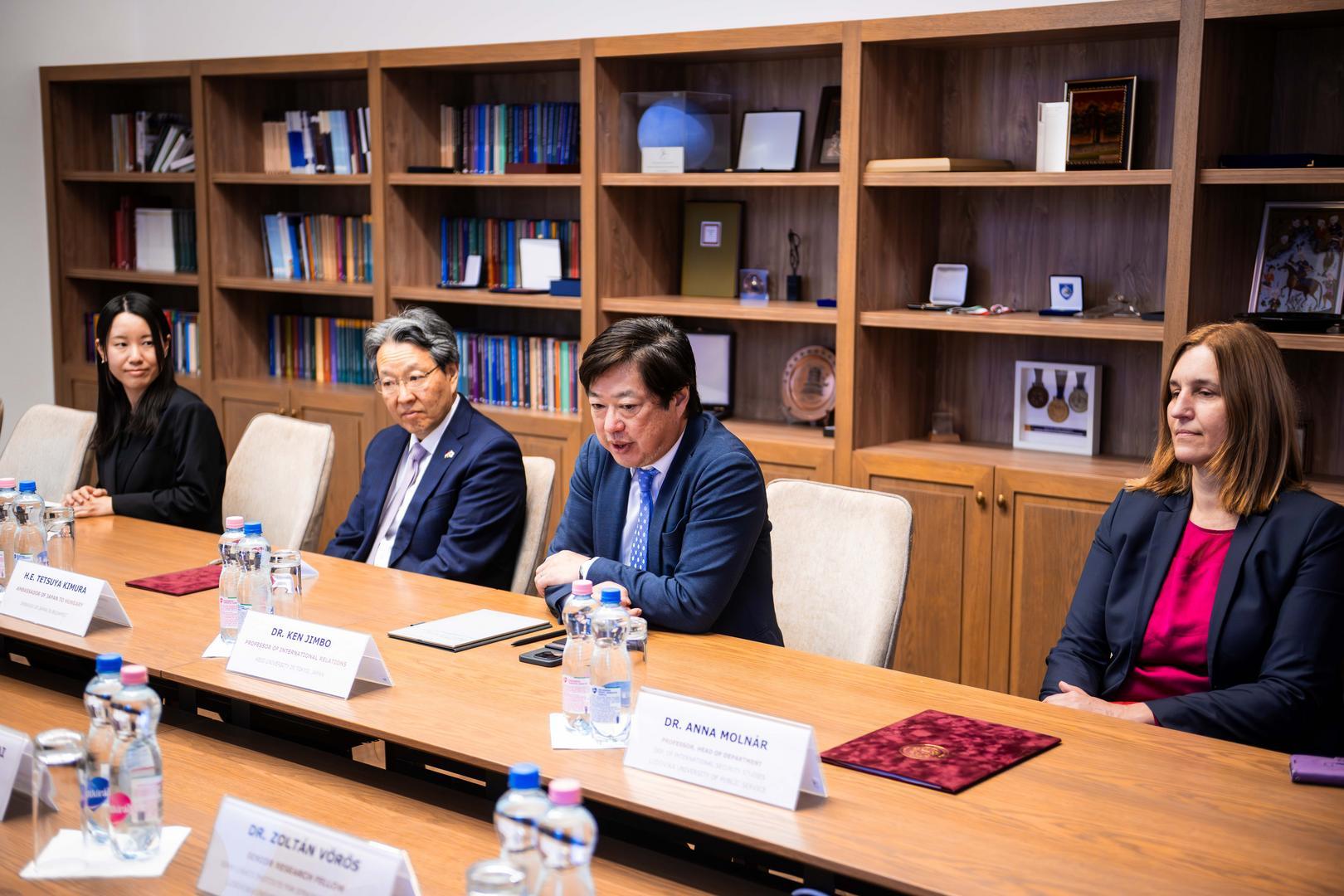
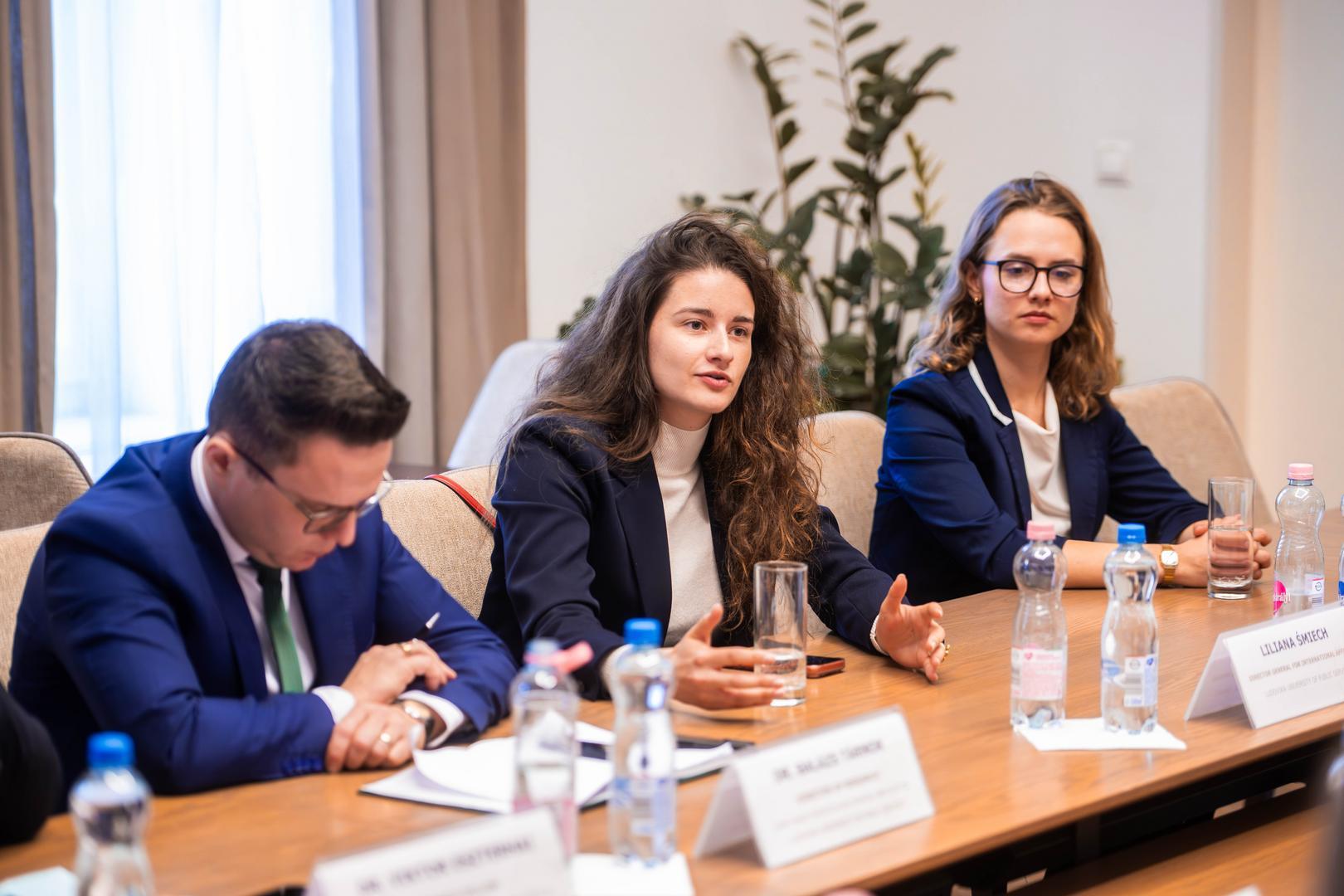
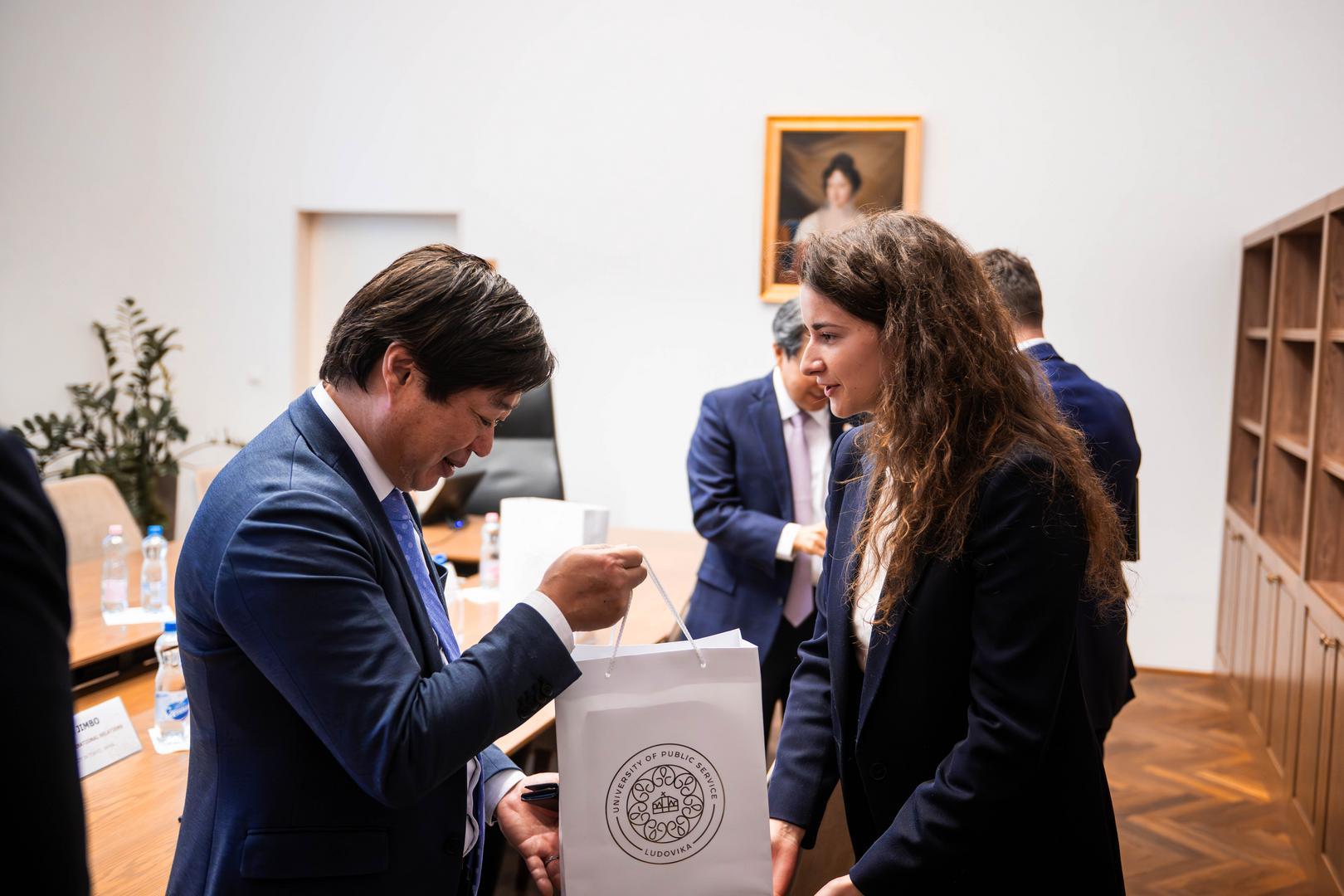
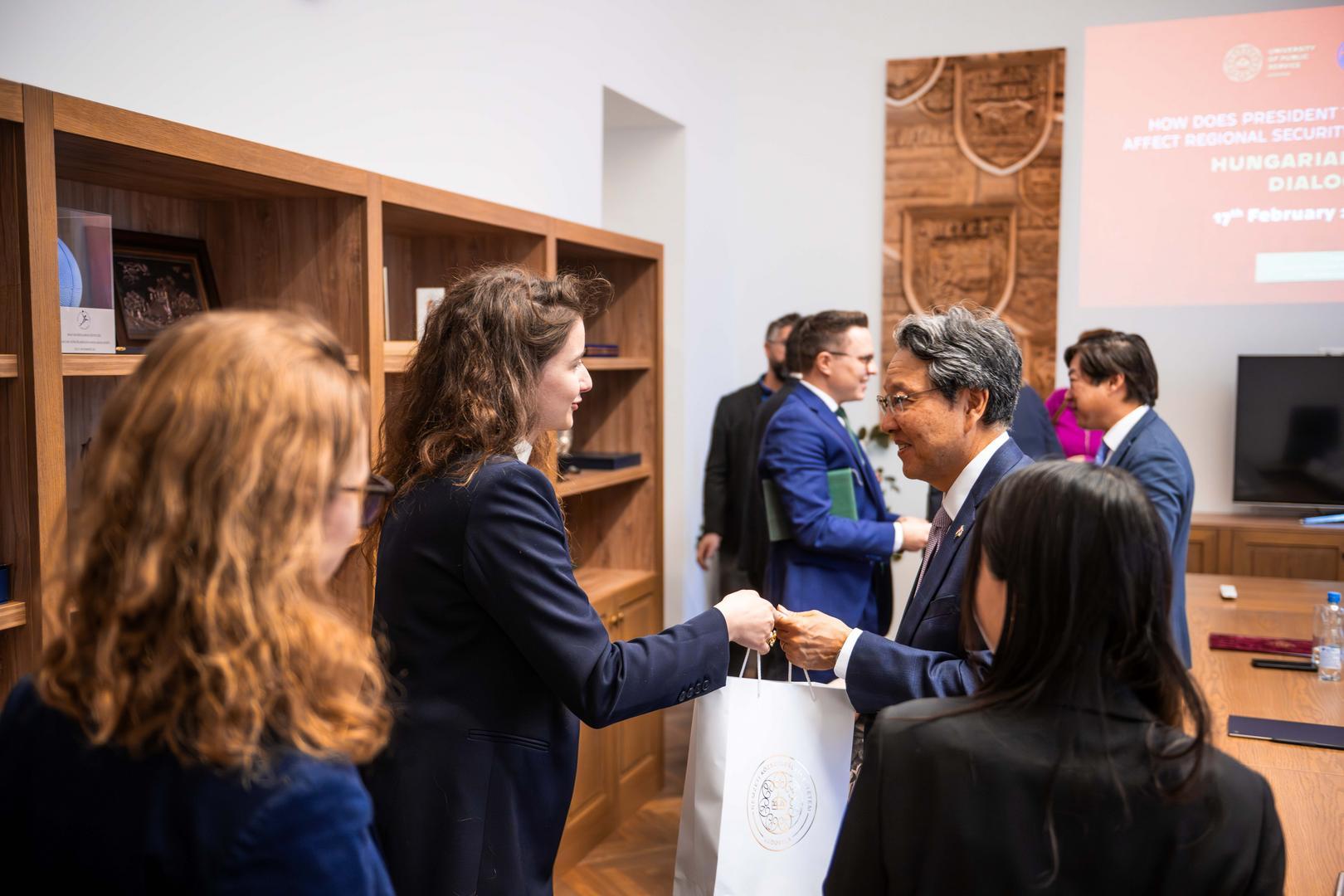
The Hungarian Japanese Dialogue program, organized for the third time by the Directorate General for International Affairs of the Ludovika University of Public Service (LUPS), began with a roundtable discussion, followed by a lecture by Professor Ken Jimbo from Keio University.
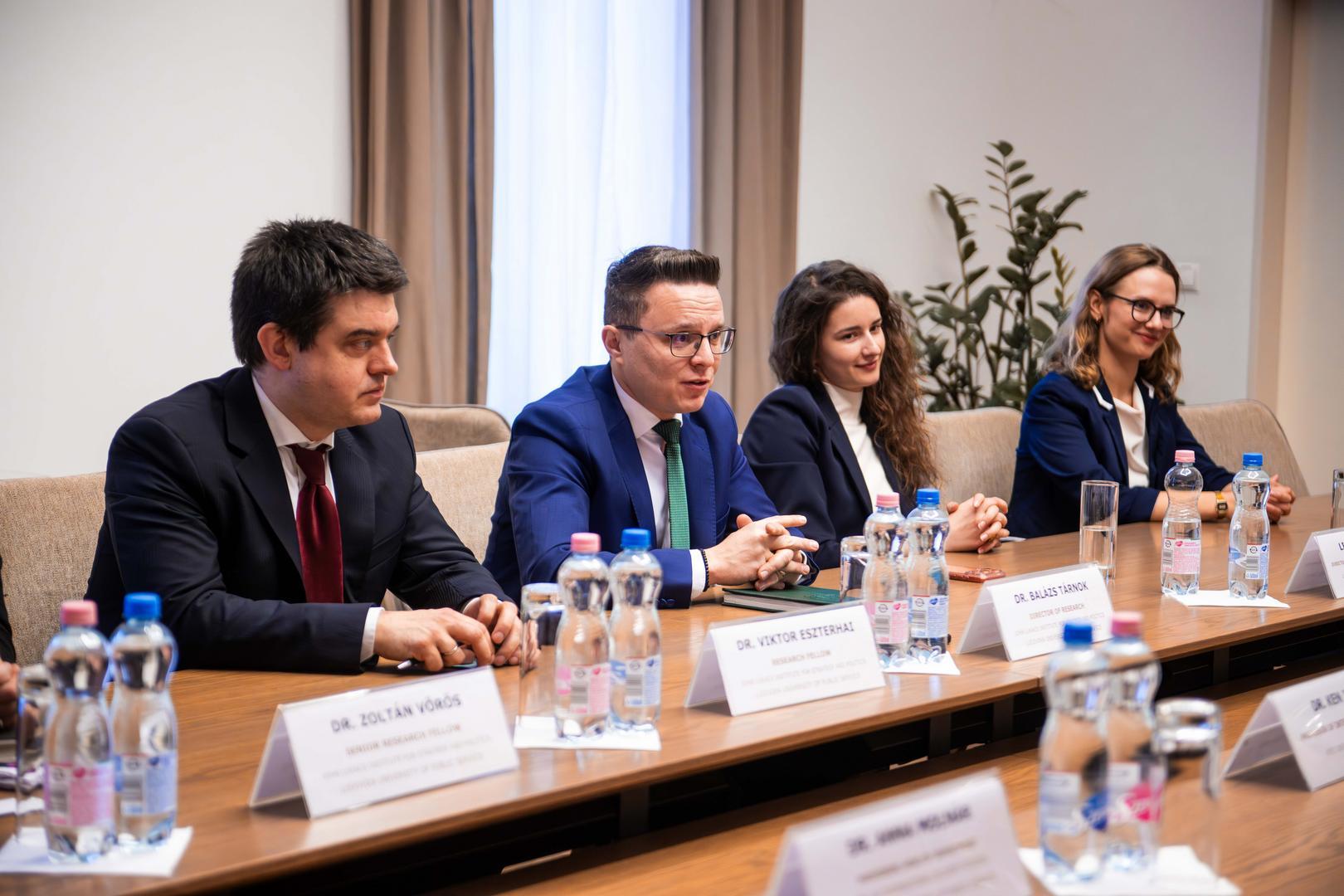
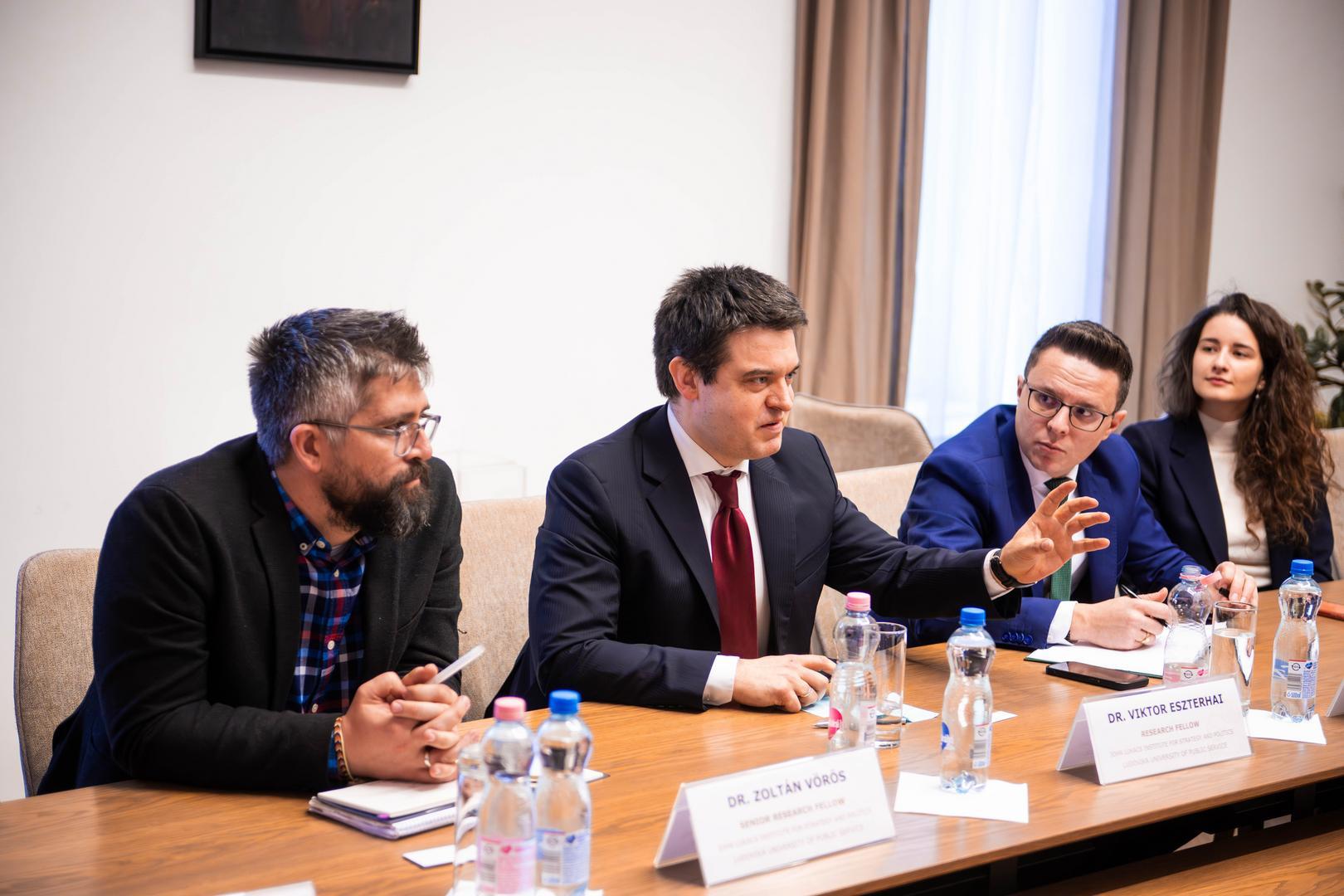
During the roundtable discussion on February 17, Professor Ken Jimbo, Executive Director of the International House of Japan, exchanged views with Liliana Śmiech, LUPS’ Director General for International Affairs; Balázs Tárnok, Research Director at the John Lukacs Institute of the Eötvös József Research Centre; Viktor Eszterhai, Research Fellow at the Institute; and Zoltán Vörös, Senior Research Fellow at the Institute. Topics included the rules-based yet evolving unipolar world order, which had been comfortable for Japan and Europe for decades, as well as security issues, which today may be the most important priority for the Old Continent. Participants also reviewed various aspects of East Asian geopolitics, highlighting the role of the United States.
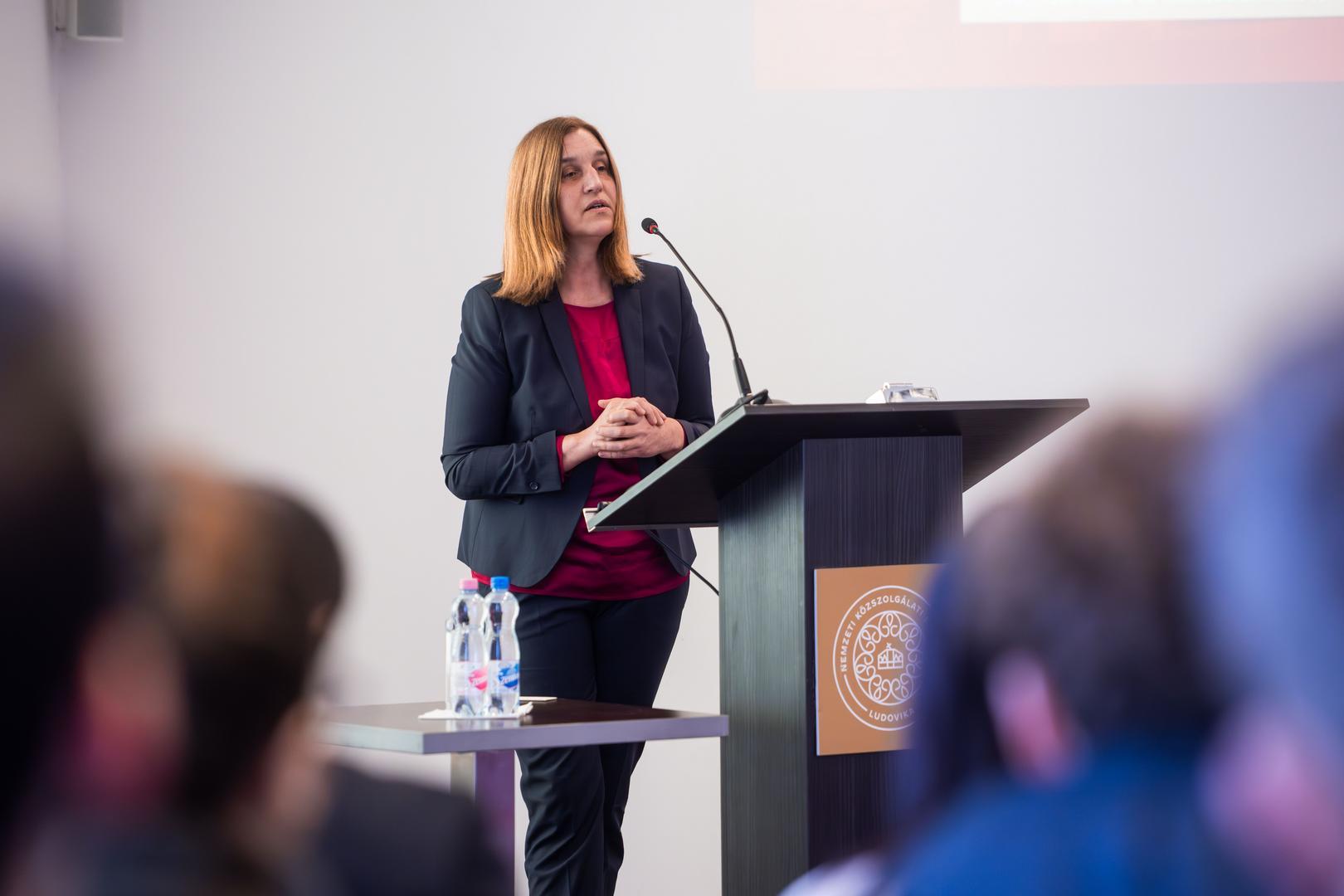
The roundtable discussion open to students was opened by Anna Molnár. The Head of the Department of International Security Studies at the Faculty of Military Science and Officer Training, she noted that significant changes are taking place in the international system, as great power competition and realpolitik have returned, nationalism is strengthening, and new powers are emerging that challenge the liberal, multilateral world order. Japan is the EU’s closest strategic partner in the Indo-Pacific region. Euro-Atlantic and Indo-Pacific security are increasingly interconnected, providing a promising basis for cooperation for Hungary as well. Shared democratic values, commitment to multilateralism, and adherence to a rules-based international order offer opportunities for joint initiatives.
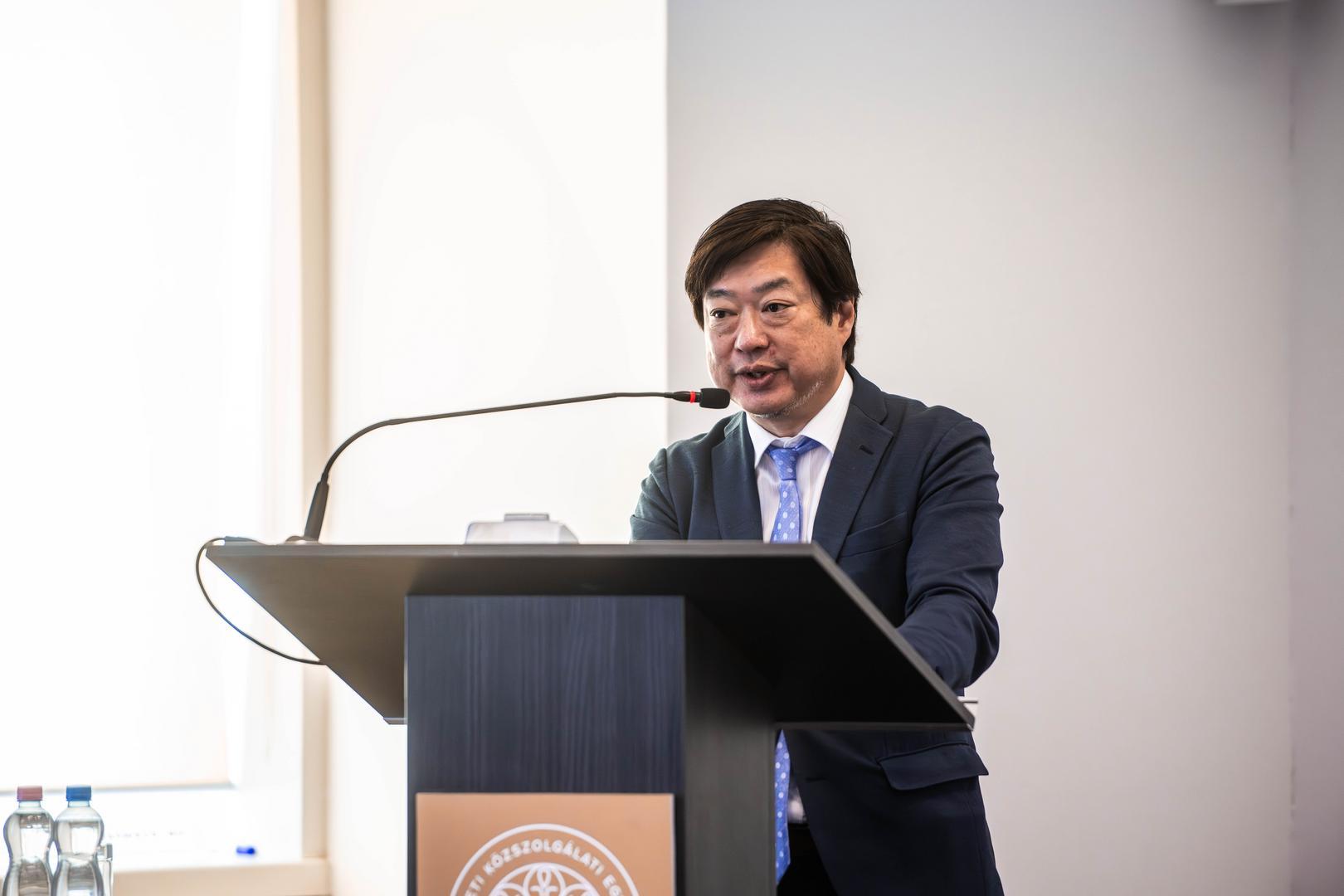
Following this, Professor Ken Jimbo delivered a lecture. Twenty-five years ago, it was assumed that economic integration would sooner or later lead to political liberalization and integration into a rules-based international order. This expectation, he noted, has not been fulfilled. Russia’s actions in Georgia and Ukraine, China’s rapid military and economic rise, and the persistence of authoritarian regimes have challenged the notion that economic growth automatically leads to democracy. Since the late 1990s, GDP growth and the number of liberal democracies have diverged.
In China, state-led capitalism and strong governmental intervention have allowed sustainable growth. This model offers an alternative to the classic liberal economic approach and poses a significant challenge for Western countries. The return of geopolitics has led to changes in economic policy. Technology export restrictions, stricter investment controls, and competition over semiconductors and critical minerals all demonstrate that the economy is no longer just a market but a strategic space. For Japan, excessive dependence on critical raw materials such as rare earth elements from China poses a major risk. Diversification and reorganization of supply chains have therefore become part of strategic autonomy. The same debate is taking place in Europe.
In the Indo-Pacific region, the balance of power is changing rapidly. China’s defense budget has multiplied over the past two decades, now significantly exceeding Japan’s, fundamentally altering the regional security environment, the speaker noted.
Meanwhile, Washington is increasingly signaling that allies must take on a larger share of common defense responsibilities and cannot expect unconditional support. This encourages both Japan and European countries to increase their own contributions and strive for greater strategic autonomy without giving up the importance of the alliance system. European and Asian security are now closely linked. The outcome of the war in Ukraine affects strategic thinking in the Indo-Pacific region, just as a crisis over Taiwan would have global consequences. Sovereignty and interdependence are simultaneously defining factors. Economic security, access to critical raw materials, maintenance of rules-based multilateralism, and the renewal of alliance systems are common interests. Middle powers including Japan and European states have the responsibility to actively shape this new era. In the shadow of geopolitics, strategic autonomy and alliance cooperation are not mutually exclusive but complementary goals, concluded Professor Ken Jimbo.
Text: Lilla Kovács
Photography: Dénes Szilágyi