The Law Enforcement Security and Psychology CEEPUS international network, established in 2023 under the leadership of Ludovika University of Public Service, has reached another milestone. The third Coordination Meeting took place from 2 to 4 February 2026. The agenda focused on evaluating the results achieved so far by the cooperation of the 11 partner institutions and defining future directions.
The meeting was opened by Johanna Farkas, the network coordinator, who welcomed the participants and emphasized the importance of such in-person meetings in international cooperation. She highlighted that the network’s success is largely due to the participants’ commitment to education and cross-border collaboration.
Major General Gábor Kovács, Dean of the Faculty of Law Enforcement, welcomed the guests and expressed his satisfaction with the high number of international participants. As President of the European Association of Police Colleges (AEPC), he thanked the partners for their support. He also reported that, on the occasion of the 30th anniversary of the AEPC’s establishment, a large-scale international conference will be organized this autumn at LUPS.
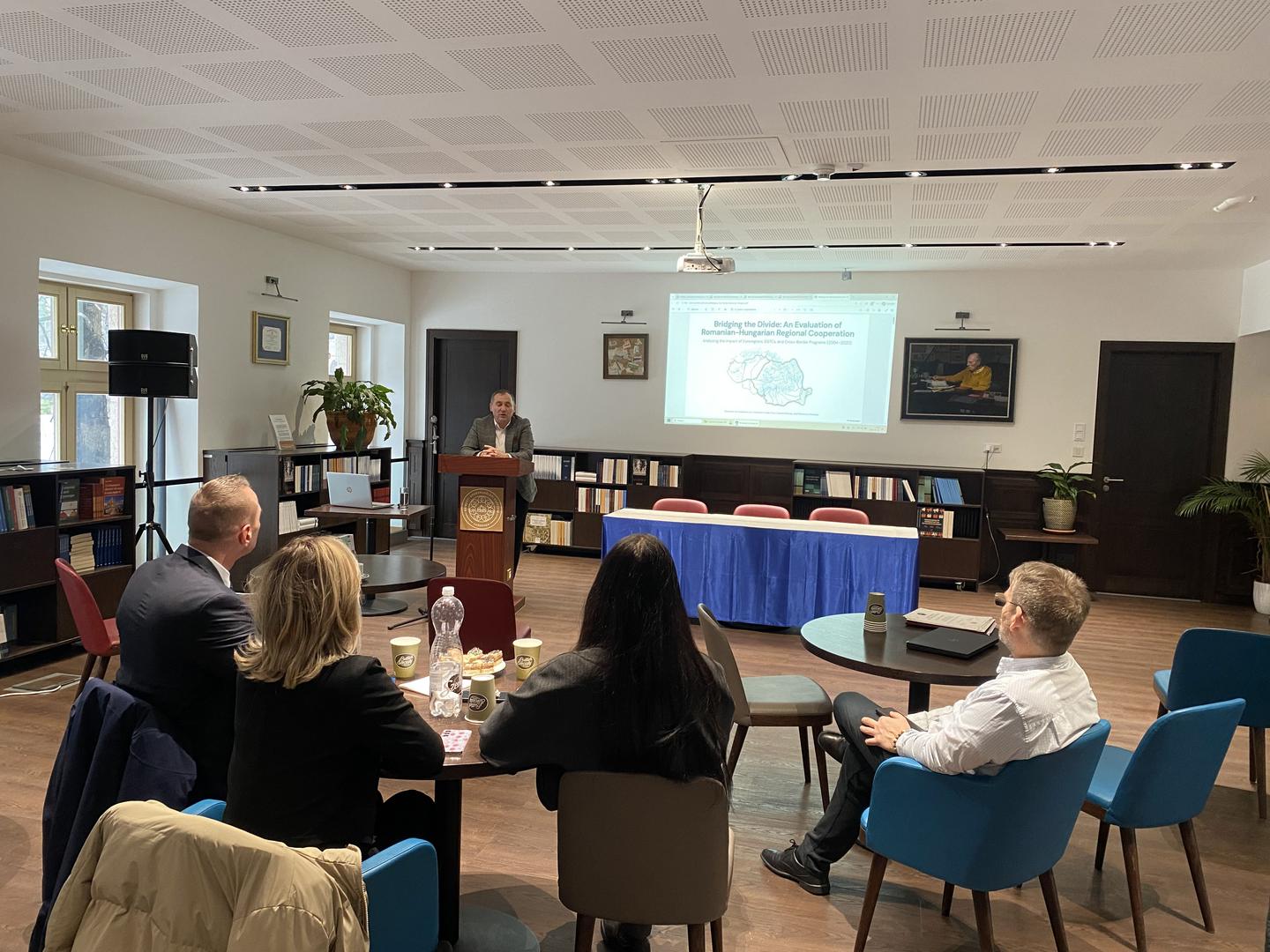
Imre Dobák, institutional coordinator of the LEPSY CEEPUS Network, spoke about the importance of the network. As he stated, the significance of international relations today is undeniable, particularly in the fields of law enforcement, security, and psychology, where challenges are often cross-border in nature. However, he emphasized that relationships alone are not sufficient; they become real value and resources only when living, committed individuals fill them with content, shared goals, and mutual trust. The LEPSY network has filled precisely this gap in the Central European region by providing a genuine and functioning framework for the mobility of teachers and students, deeper institutional cooperation, and joint thinking. He highlighted the network’s tangible achievements to date: conferences organized with more than two hundred participants from over ten countries, the launch of a successful summer university, and the initiation of joint scientific events and research projects.
Pier Paolo Pigozzi, Vice-Rector for International Affairs at LUPS, spoke about the university’s internationalization efforts. He emphasized that the university is celebrating its fifteenth anniversary this year. As he noted, over the past fifteen years the university has undergone significant development and can now confidently state that it is a recognized and active member of the international higher education community. It cooperates with more than 250 partner institutions worldwide, participates in the Erasmus+ programme, and is involved in numerous other European and non-European mobility initiatives. In addition, it operates its own institutional-level scholarship and fellowship programs: the Ludovika Fellowship, the Ludovika Scholars Program, and soon the Ludovika Grants Program, which specifically supports research cooperation and network building. Alongside their joint discussions, participants set further goals aimed at increasing mobility numbers and launching joint research projects.
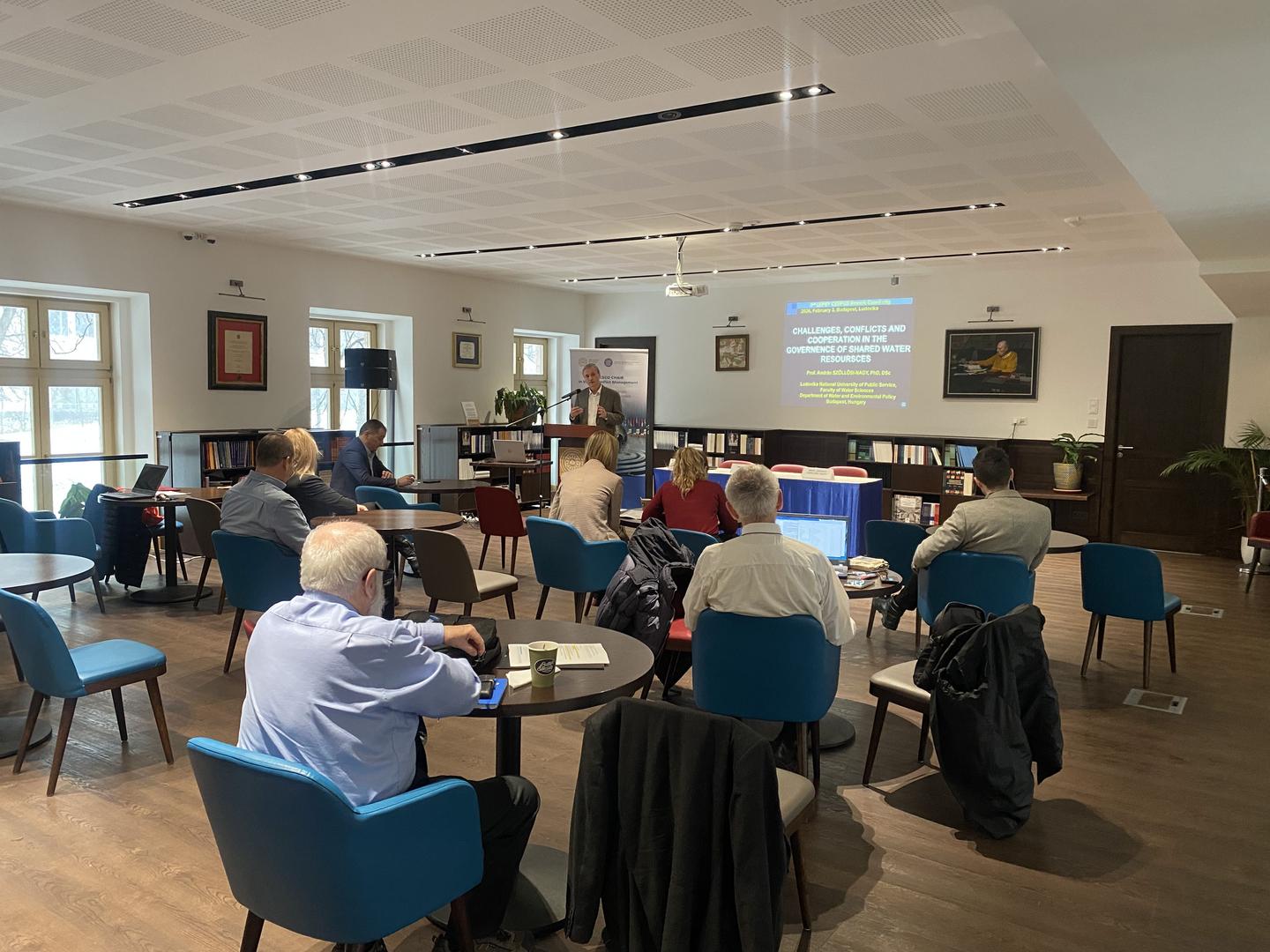
An important element of the professional program was the expert consultation organized and moderated by the UNESCO Chair in Water Conflict Management, which brought together leading representatives of higher education institutions from Central and Southeastern Europe. The discussion provided an opportunity to address strategic issues at the intersection of water diplomacy and security policy and contributed to the UNESCO Chair’s active bridging role between these fields, further strengthening Ludovika’s international embeddedness and policy relevance.
The coordination meeting also provided an opportunity for participants to discuss in detail potential cooperation related to the activities of the Border Policing Innovation Program (HIP). The discussions focused on HIP’s practice-oriented, science-based activities aimed at the independent testing and certification of border policing tools, as well as research supporting decision-making. It was proposed that member institutions of the LEPSY CEEPUS network could also become involved in HIP’s work from educational, research, and methodological perspectives. Participants emphasized that international knowledge and an interdisciplinary approach could make a meaningful contribution to HIP’s innovation goals and the long-term development of border security. The consultations confirmed that HIP can provide an excellent professional framework for launching future joint research, pilot projects, and knowledge-sharing initiatives, as well as for preparing concrete future collaborations and joint projects.
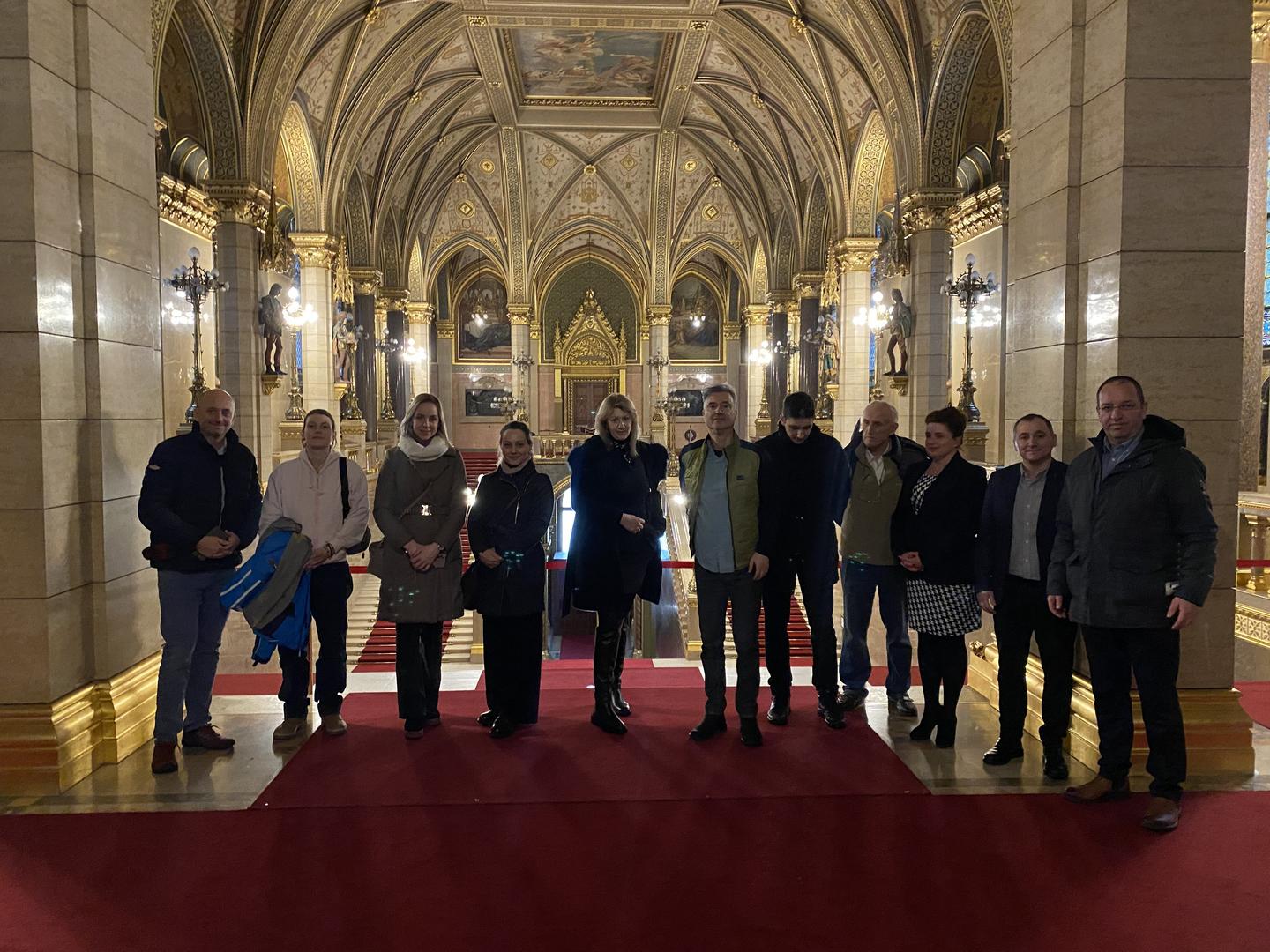
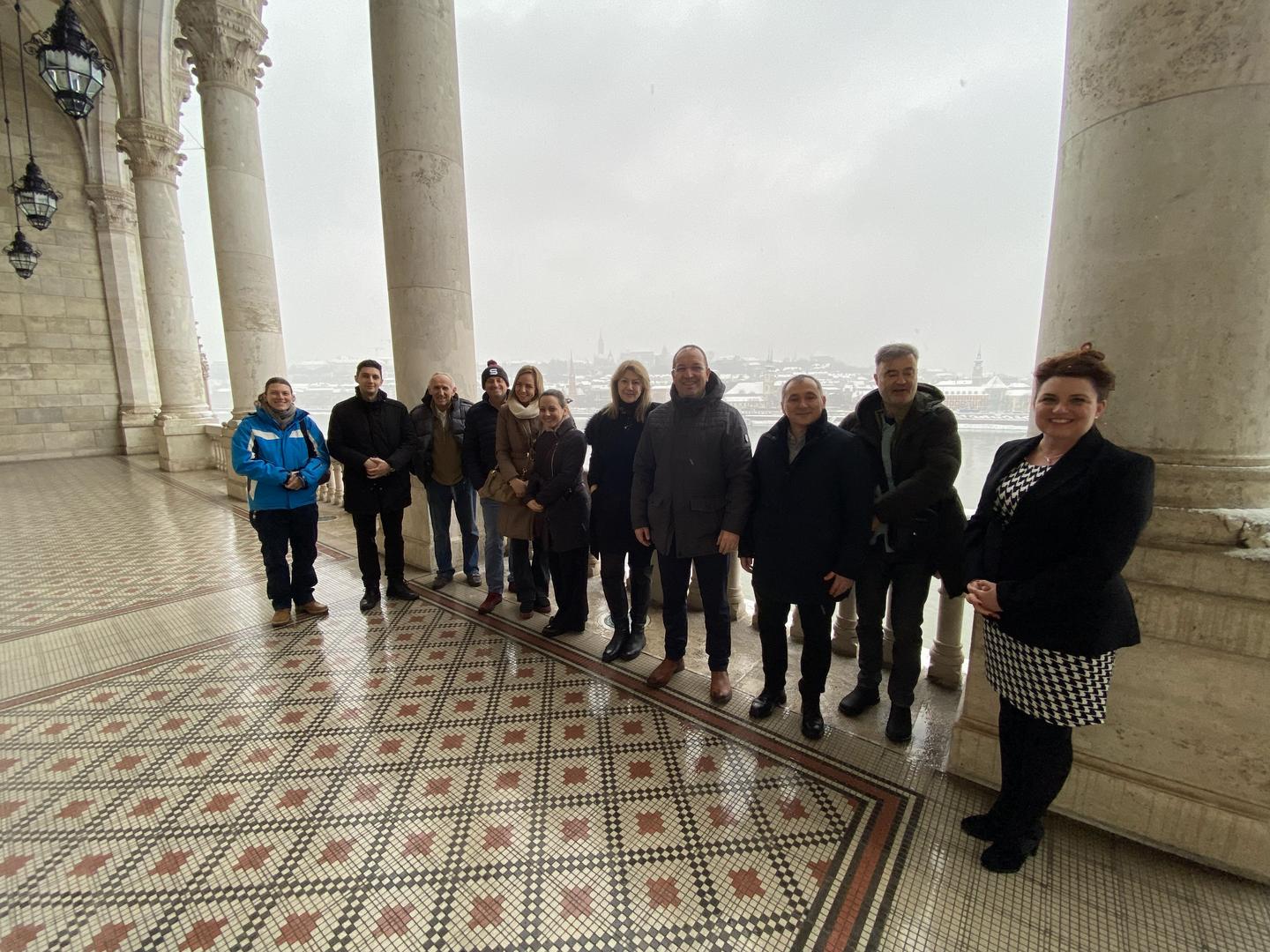
In addition to the official program, participants also had the opportunity for informal meetings, during which lecturers and students could consult personally with partners, further strengthening professional and institutional relations. The guests also visited the Parliament Building, which provided a special occasion to gain insight into Hungary’s historical and institutional heritage.
The third Coordination Meeting confirmed that the LEPSY CEEPUS network has become one of the leading cooperation platforms in Central European higher education in the fields of law enforcement, security, and psychology. Participants agreed to further strengthen joint educational, research, and mobility activities in the future, thereby contributing to the development of professional and scientific cooperation in the region.