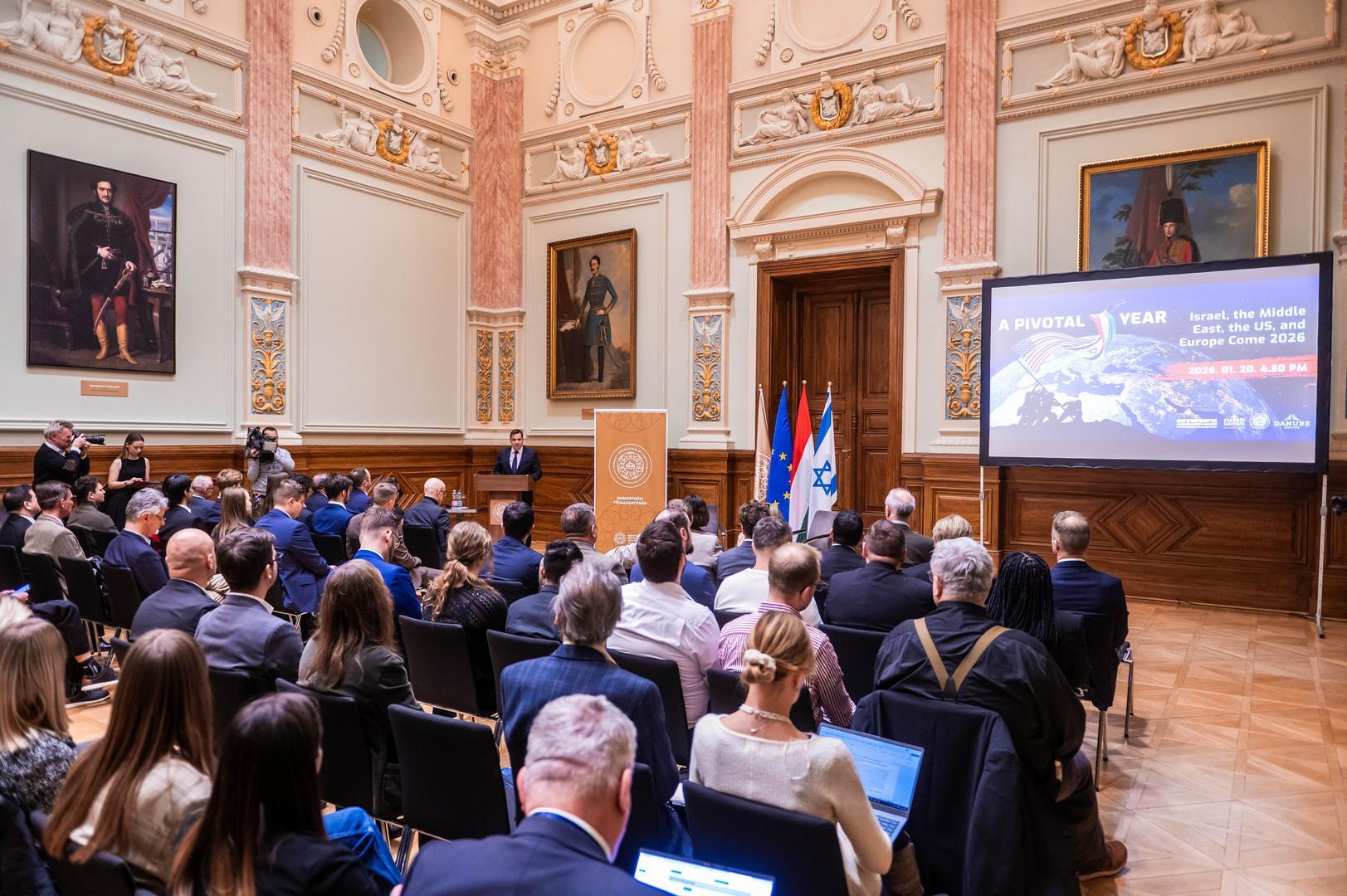
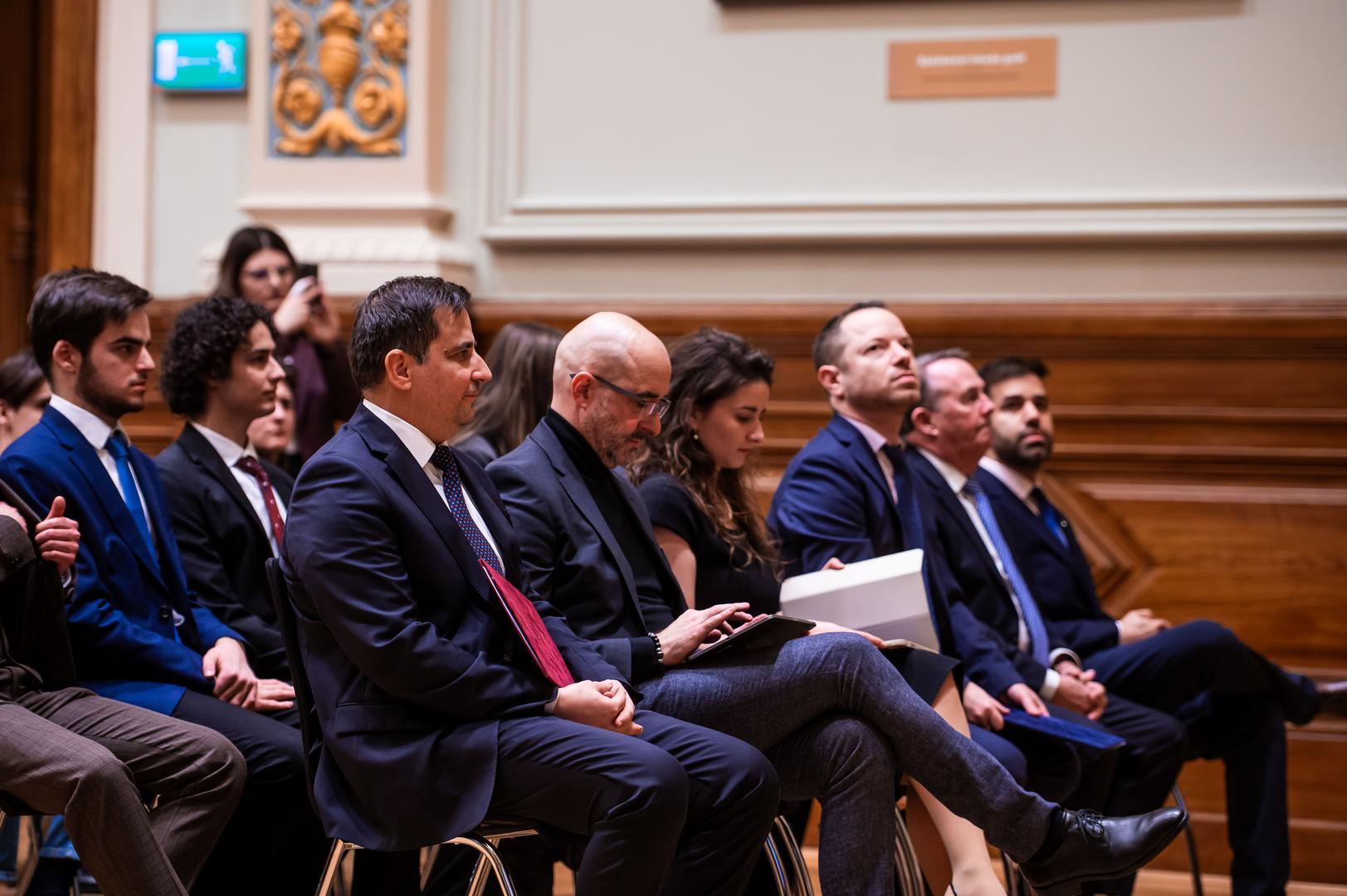
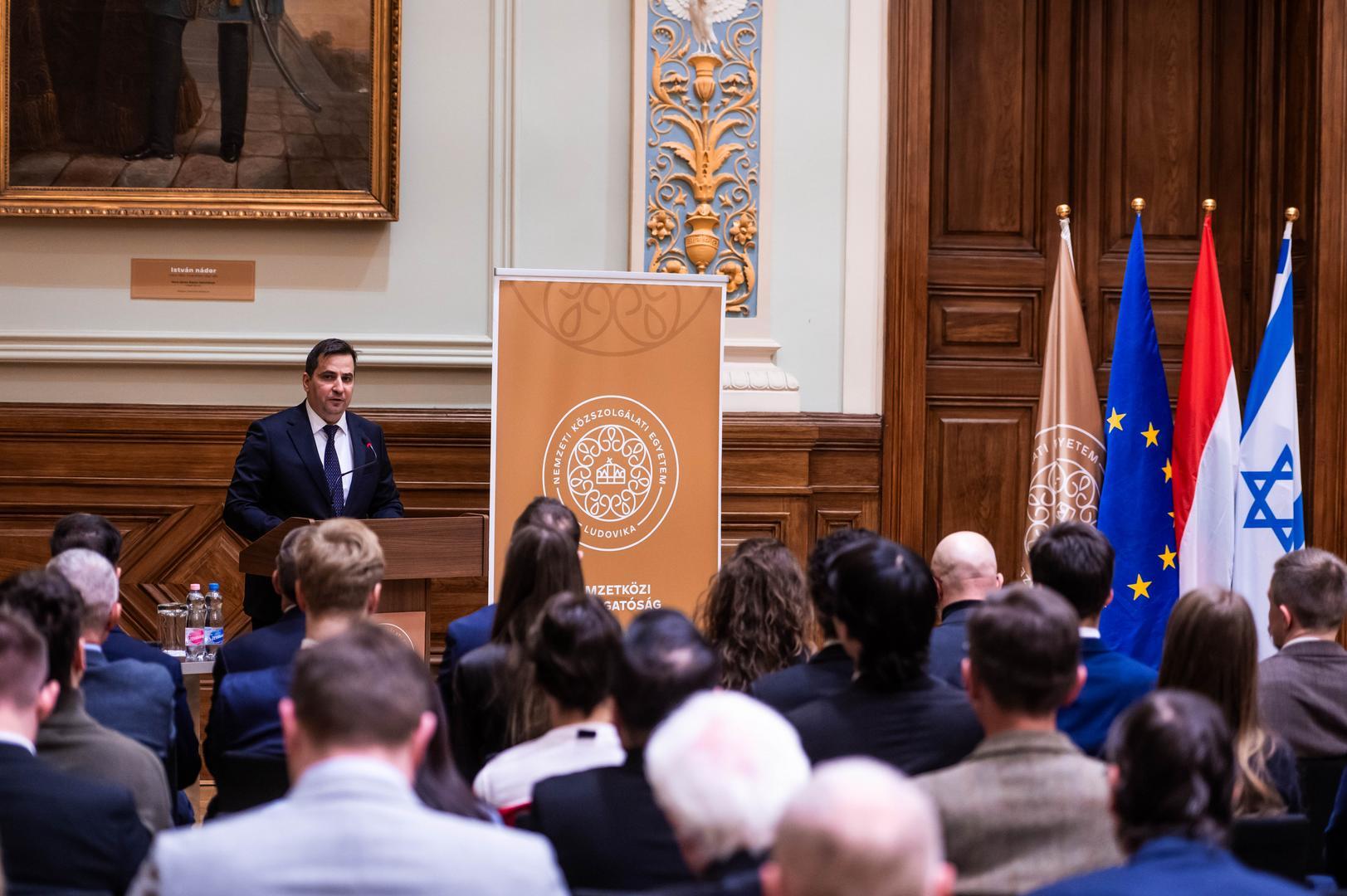
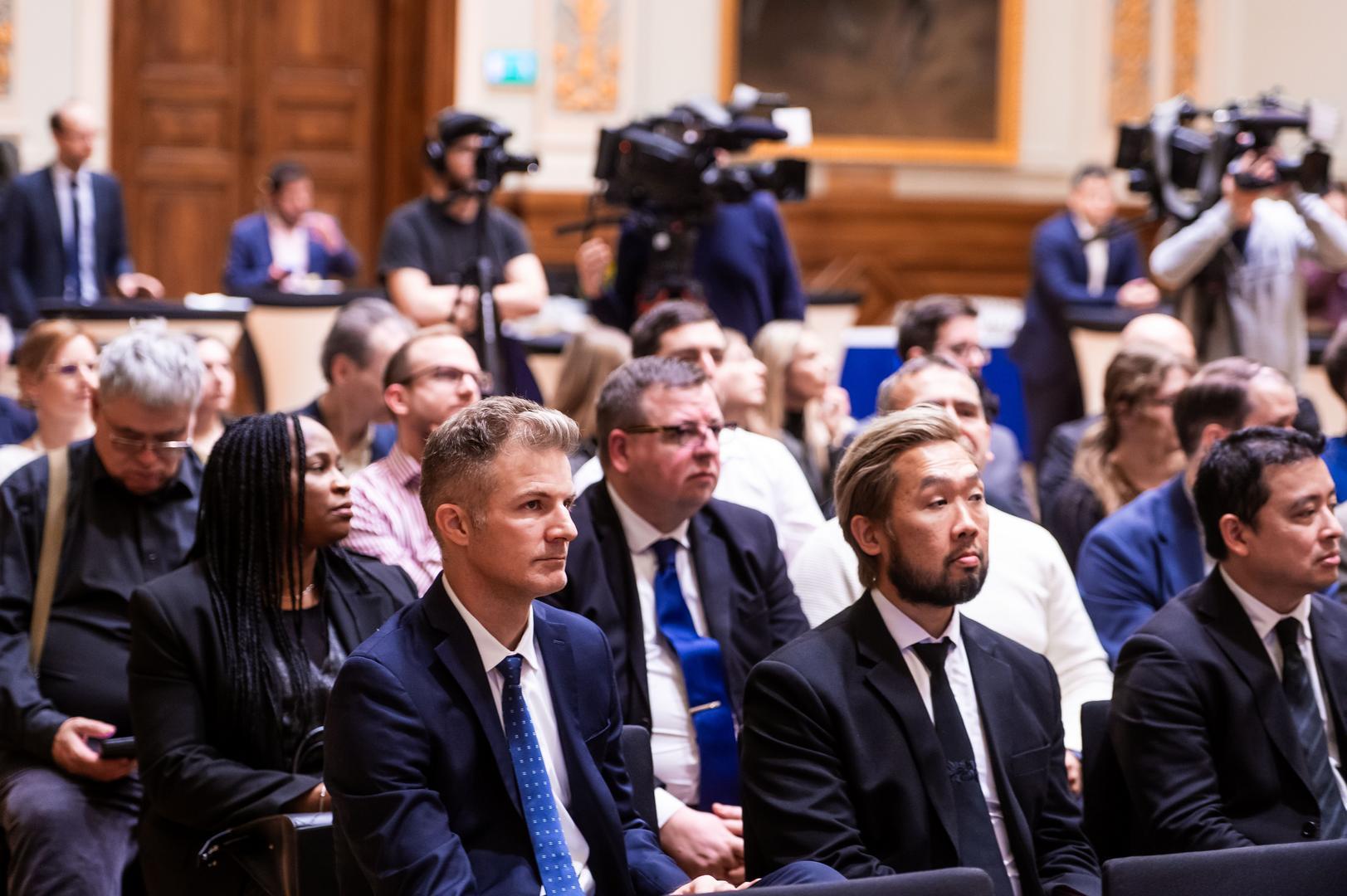
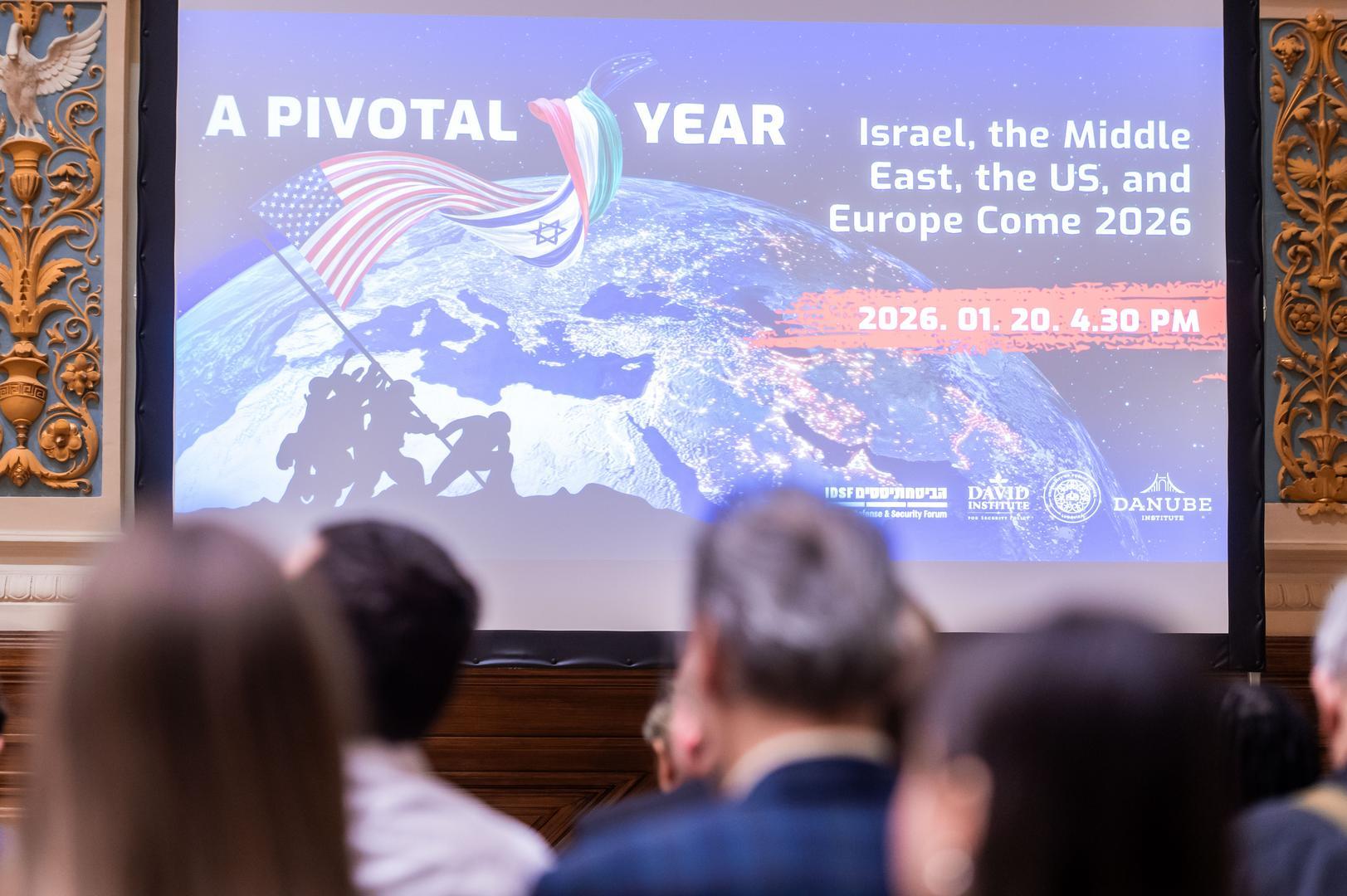
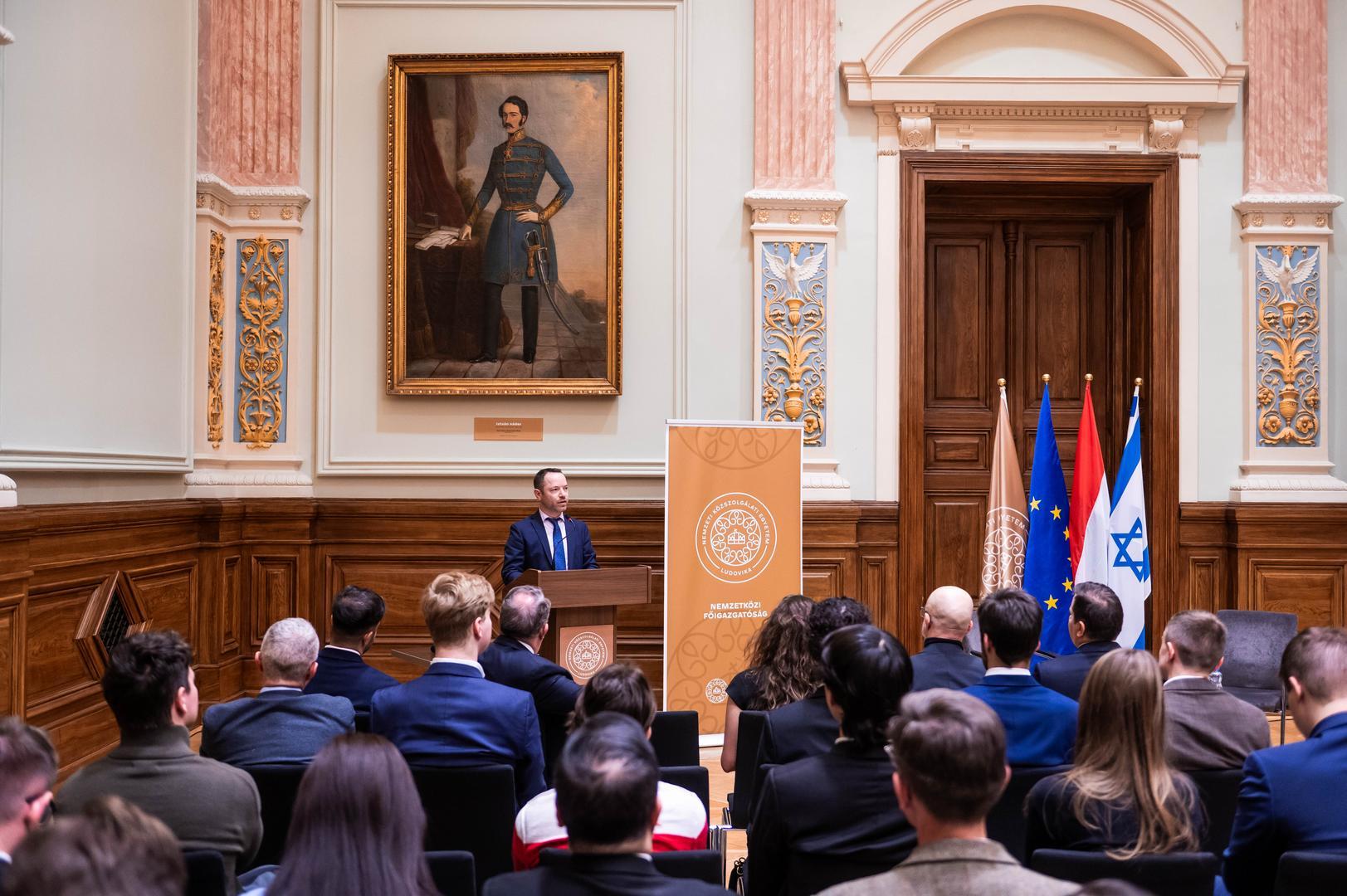
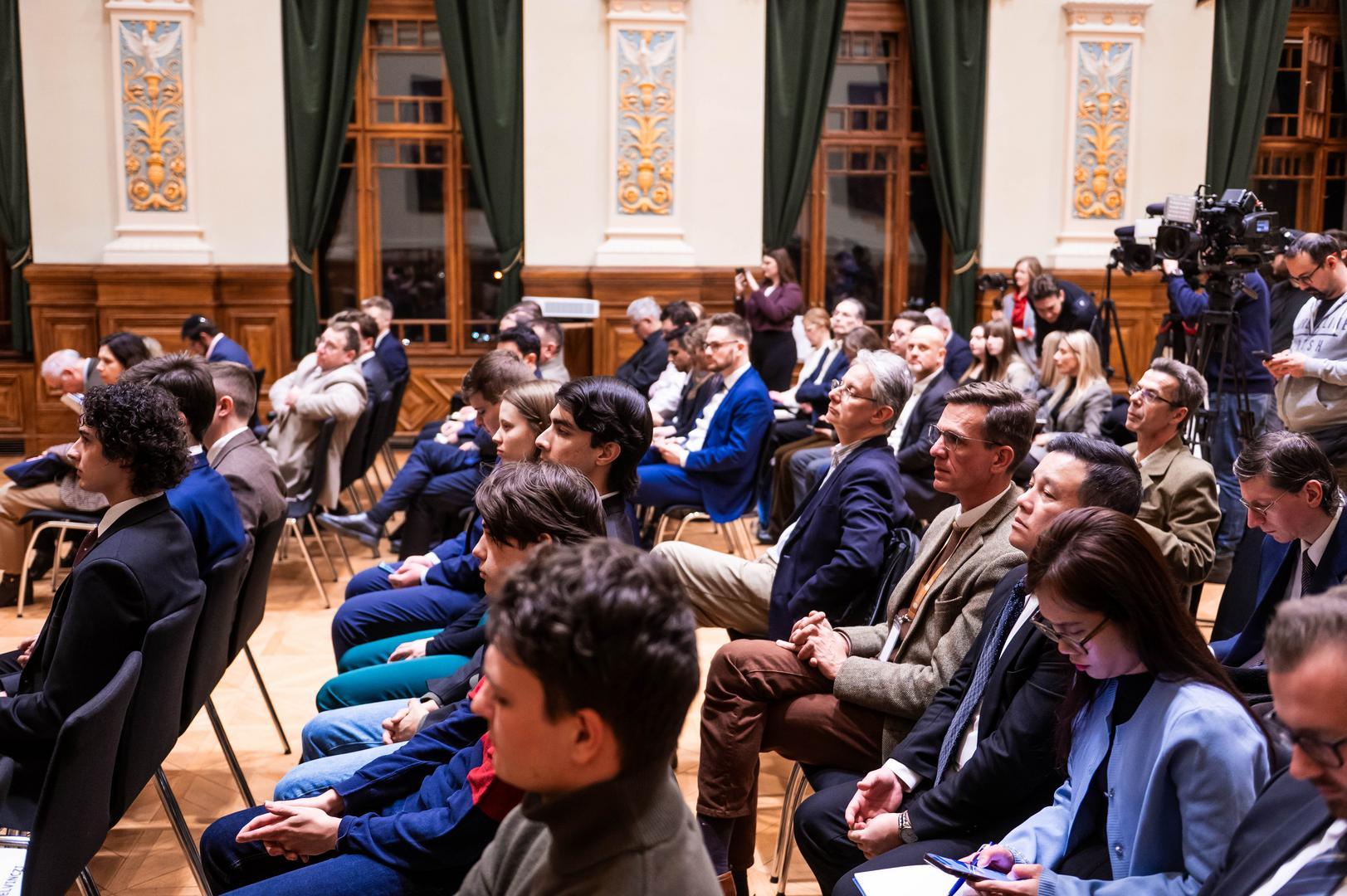
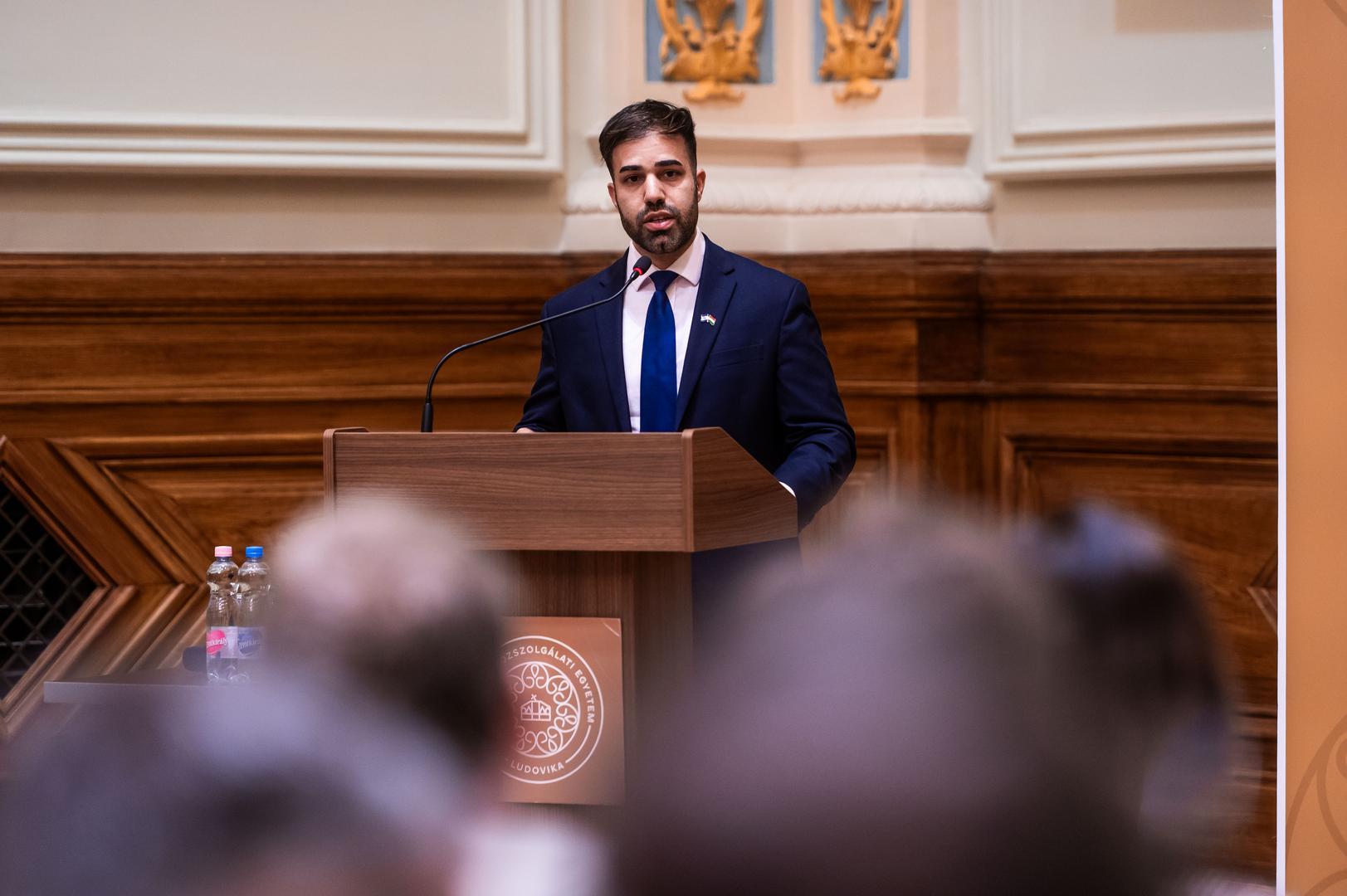
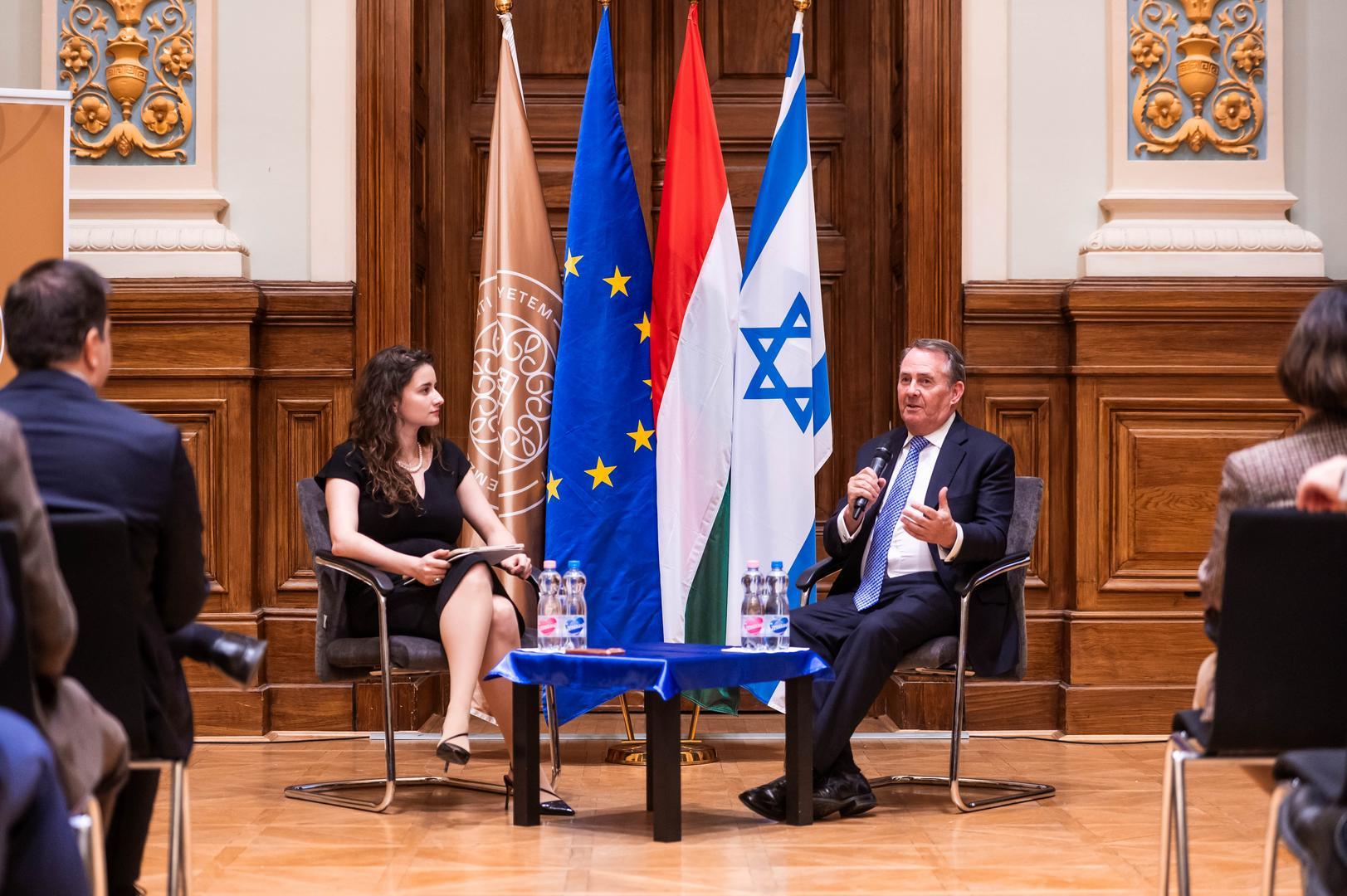
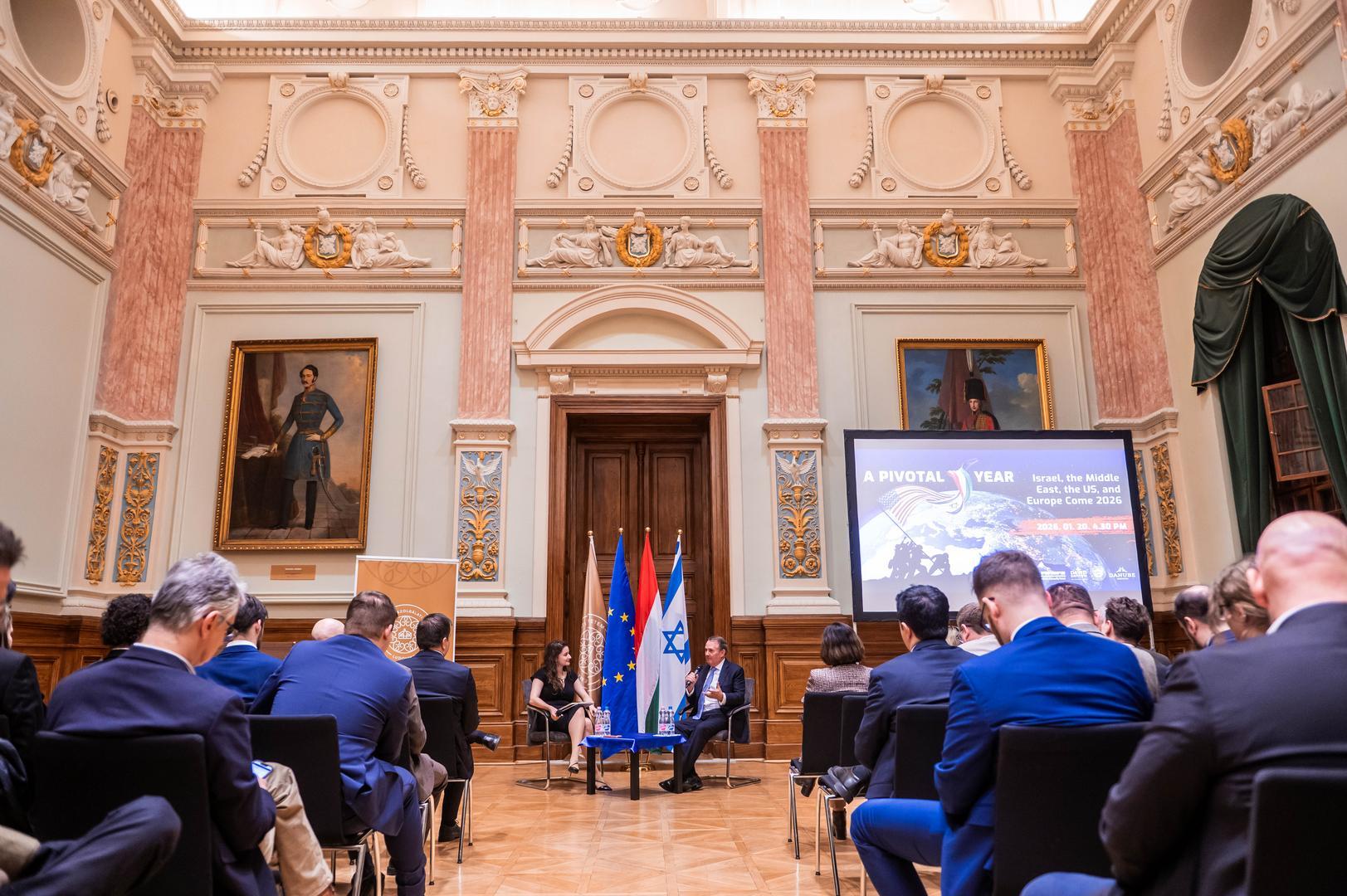
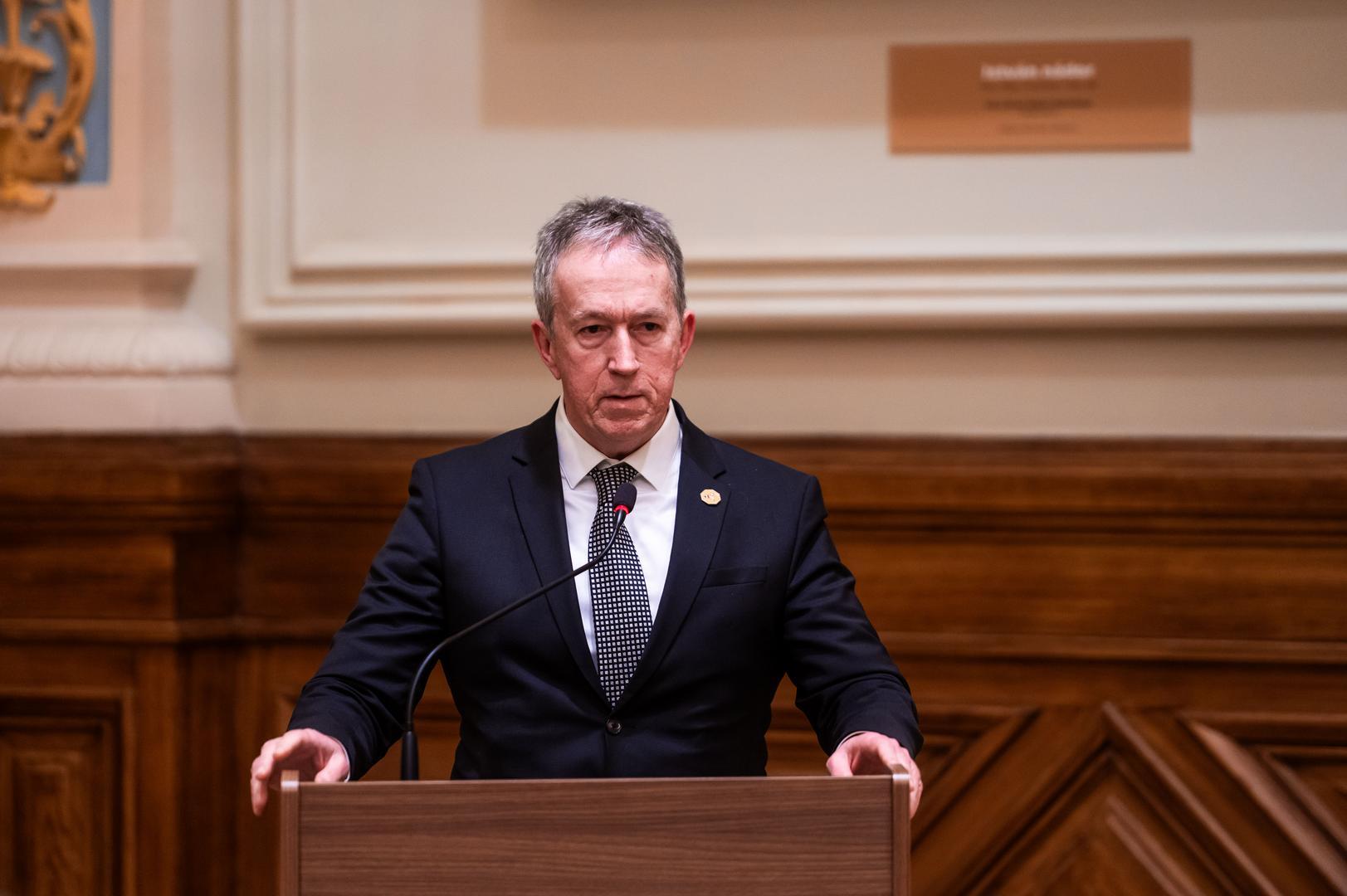
Decisive Year: Israel, the Middle East, the United States, and Europe on the Threshold of 2026 – under this title, a conference was organized on January 20 in the Széchenyi Ceremonial Hall by the International Directorate of Ludovika University of Public Service (LUPS), the conservative think tank Danube Institute, and the Israeli security policy research institute The David Institute for Security Policy.
At the beginning of the event, Gergely Deli, Rector of LUPS, welcomed the attendees. “The Middle East is currently experiencing a period of accelerated and interconnected changes. What we are witnessing today is not a single conflict, but a network of overlapping crises that increasingly influence one another,” the Rector stated. In Syria, a military stalemate is shaping the region’s dynamics; Lebanon is suffering from prolonged political paralysis and economic collapse, intensifying security risks. In Yemen, a conflict often regarded as peripheral continues to affect maritime security, while in Iran widespread protests have undermined predictability, Gergely Deli listed the regional risks. He added that in parallel with regional realignments, the role of the United States is also being recalibrated, and developments in the Middle East directly affect Hungary in terms of energy security, migration routes, critical infrastructure, and broader economic stability, the Rector emphasized.
Moran Birman, Deputy Ambassador of Israel, also addressed the audience. “In the middle of the decade, we are trying to understand a Middle East that has fundamentally transformed,” she began her remarks. Three topics will certainly be discussed at the conference, she added. The first – and perhaps the most critical – challenge is understanding the collapse of the Iranian system. The regime is unable to provide basic security, water supply, or economic stability, leading to a crisis of legitimacy. The question is what comes next. The second topic, the Deputy Ambassador continued, is the post-uprising era of Assad. We are just over a year past the fall of the Assad regime in Damascus. Can the ceasefires in Gaza and Lebanon lead to a regional order based on armed peace, or are they merely tactical pauses before the next major escalation? And the third topic: the paradoxes of the year 2026. The United States is thinking about its foreign relations differently than before, while Europe is also developing a new Middle East strategy. “Since the organization of the conference began, we have witnessed events that few would have predicted: the arrest of President Maduro by the United States in Venezuela, Iranian uprisings. We have therefore moved beyond the era of predictable conflicts and entered the era of unpredictable transitions. At the conference, we will examine what this year may bring,” Moran Birman explained.
Following this, Or Yissachar, Executive Director of the David Institute for Security Policy, also welcomed the guests. Quoting the English writer and philosopher Edmund Burke, he emphasized the special responsibility of the academic world and intellectuals in shaping public discourse. Drawing on Burke, a distinction must be made, it was said, between “public opinion” and “published opinion,” since people often echo narratives articulated by intellectuals. Over the past two years, Israel has demonstrated its resilience in managing conflicts on the ground; however, due to internal movements in Iran, the Middle Eastern security order could be fundamentally reshaped. Or Yissachar considers it possible that cooperation between Israel and the Arab world will strengthen, leading to the development of regional interconnectedness (energy, networks, trade corridors). Europe may also benefit from this. As for Hungary and Israel, both have experienced pressure from radical forces while functioning as “buffer zones” and “gatekeepers,” and therefore bear special responsibility in defending the West – both in the physical and the information space. “The task of intellectuals is not drifting, but providing direction; we face a choice as to whether we will be shepherds or a herd,” the Executive Director concluded.
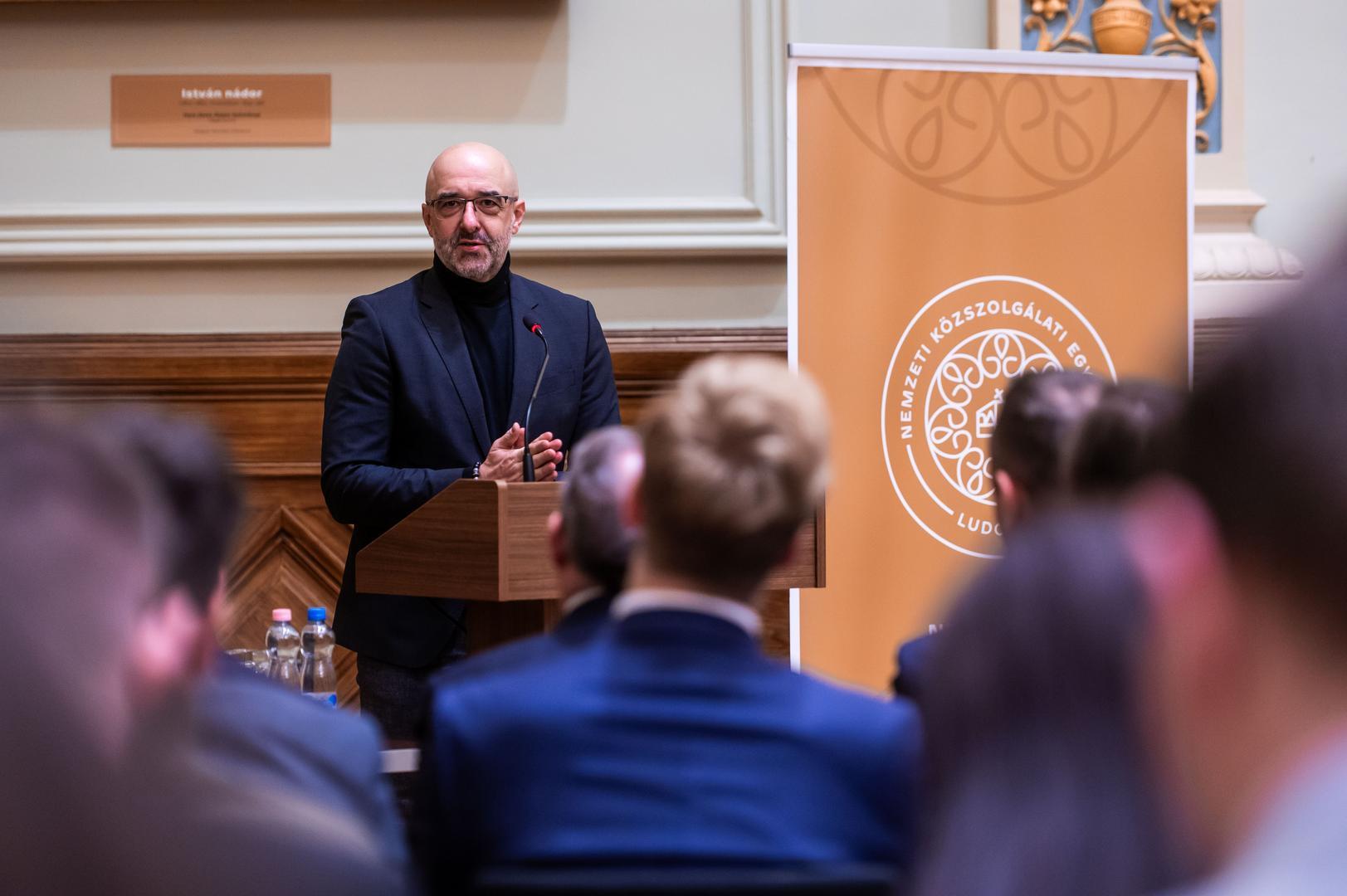
Next, Zoltán Kovács, State Secretary for Government Communications of Hungary, delivered a lecture. Hungary’s more than 50-year-long support for Israel is not a tactic or coincidence, but is based on principled conviction and a shared historical background, he argued. Referring to American political scientist Francis Fukuyama’s prediction about the end of history, Zoltán Kovács emphasized that recent global shifts in power relations show precisely that history continues and that the international order is transforming. History has no predetermined course: outcomes depend on human decisions. Since 2010, the Hungarian government has sought to strengthen sovereignty by prioritizing national interests and historical experience. Israel likewise serves as a model with regard to preserving and asserting sovereignty. Referring to the ideas of English historian and philosopher Robin G. Collingwood, the State Secretary emphasized that past experience can provide guidance for decisions made in the present.
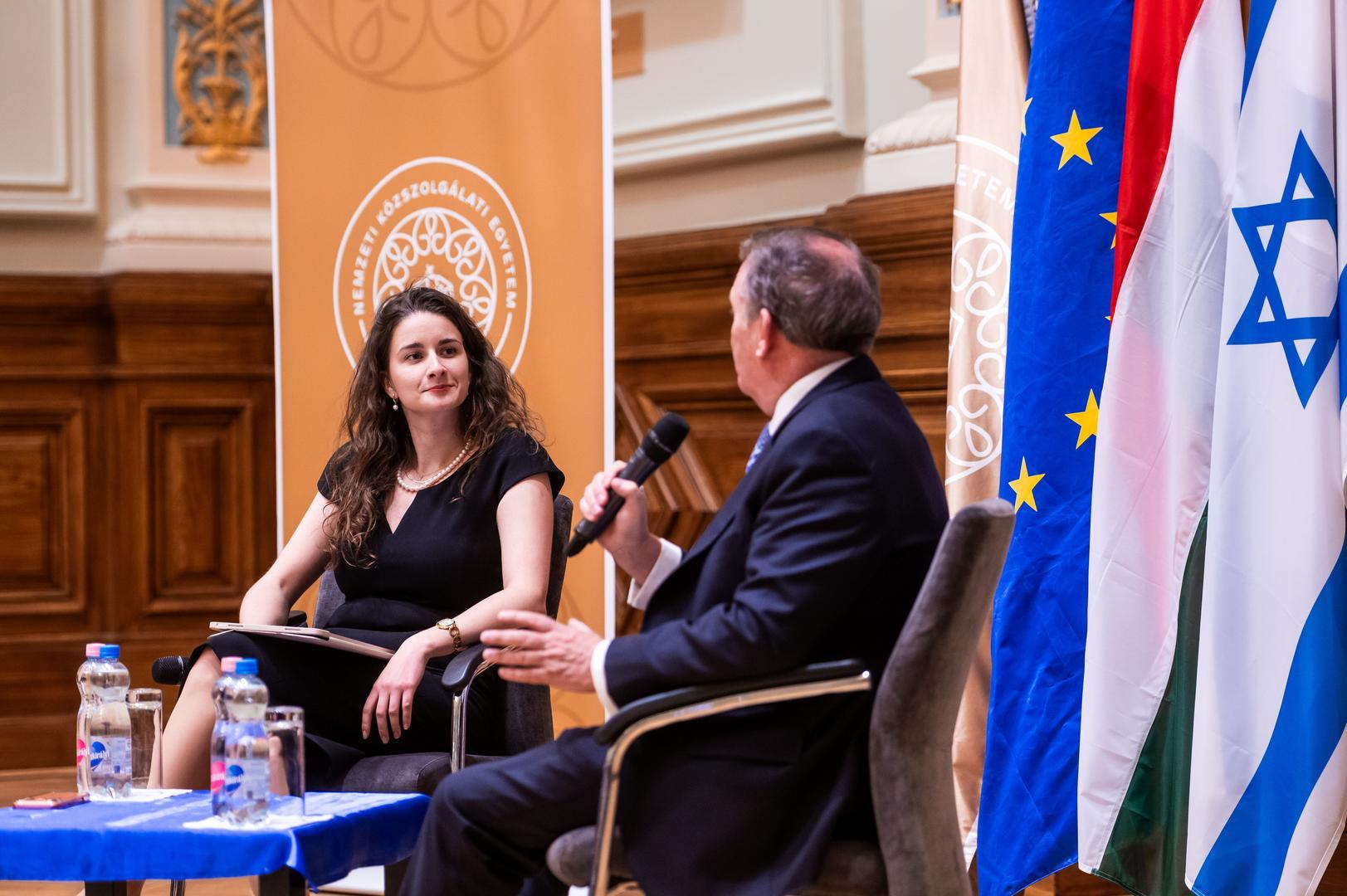
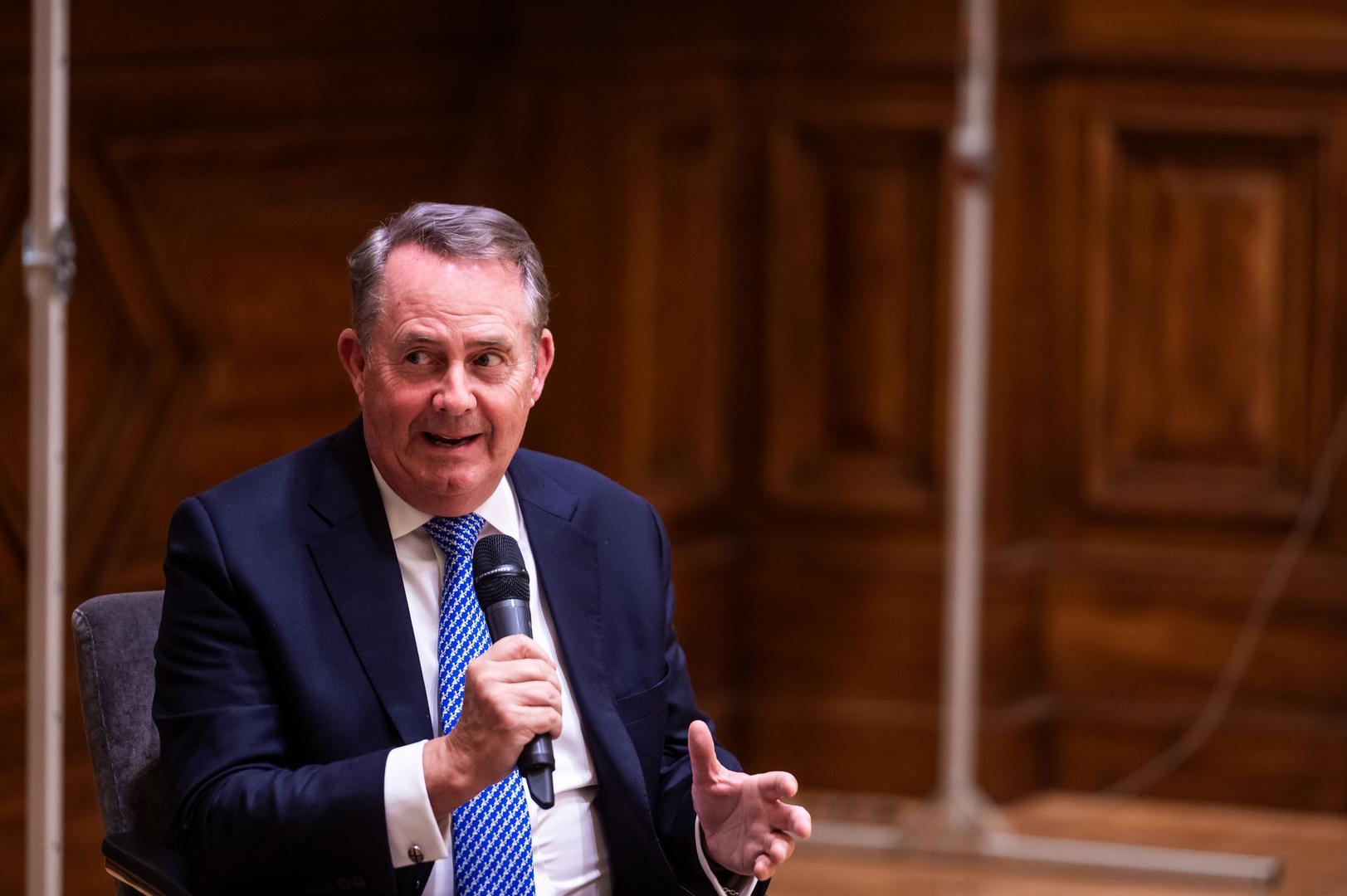
This was followed by a discussion in which Liliana Śmiech, Director General for International Affairs at LUPS, questioned Sir Liam Fox, former UK Secretary of State for International Trade and Chair of the UK Abraham Accords Group. In the first block, the guest shared his views on the situation in the Middle East. He considers the Abraham Accords one of the most positive developments of recent times, but also sees a risk in what he believes is an overly “top-down” process. In his view, if a “bottom-up” legitimacy does not emerge that brings tangible benefits to the region within a decade, the long-term sustainability of the agreements may become questionable. According to him, lasting stability requires sharing economic opportunities, primarily with young people; the Abraham Accords Prosperity Group works toward such goals. One of the West’s bad habits is short-term, election-cycle-driven policymaking: the Middle East, he argued, should be approached on at least a 10–20-year time horizon. The region, Sir Liam Fox noted, cannot be reduced to the Israel–Palestine issue; from Morocco to Turkey there are numerous interests and issues, and a single problem can derail the future of the entire region.
Finally, Dezső Tamás, Chair of the Board of Trustees of the Batthyány Lajos Foundation, bid farewell to the participants.The conference continued the following day at the Danube Institute.
Further thoughts by Sir Liam Fox can be read in the article on ludovika.hu.
Text: Lilla Kovács
Photo: Dénes Szilágyi