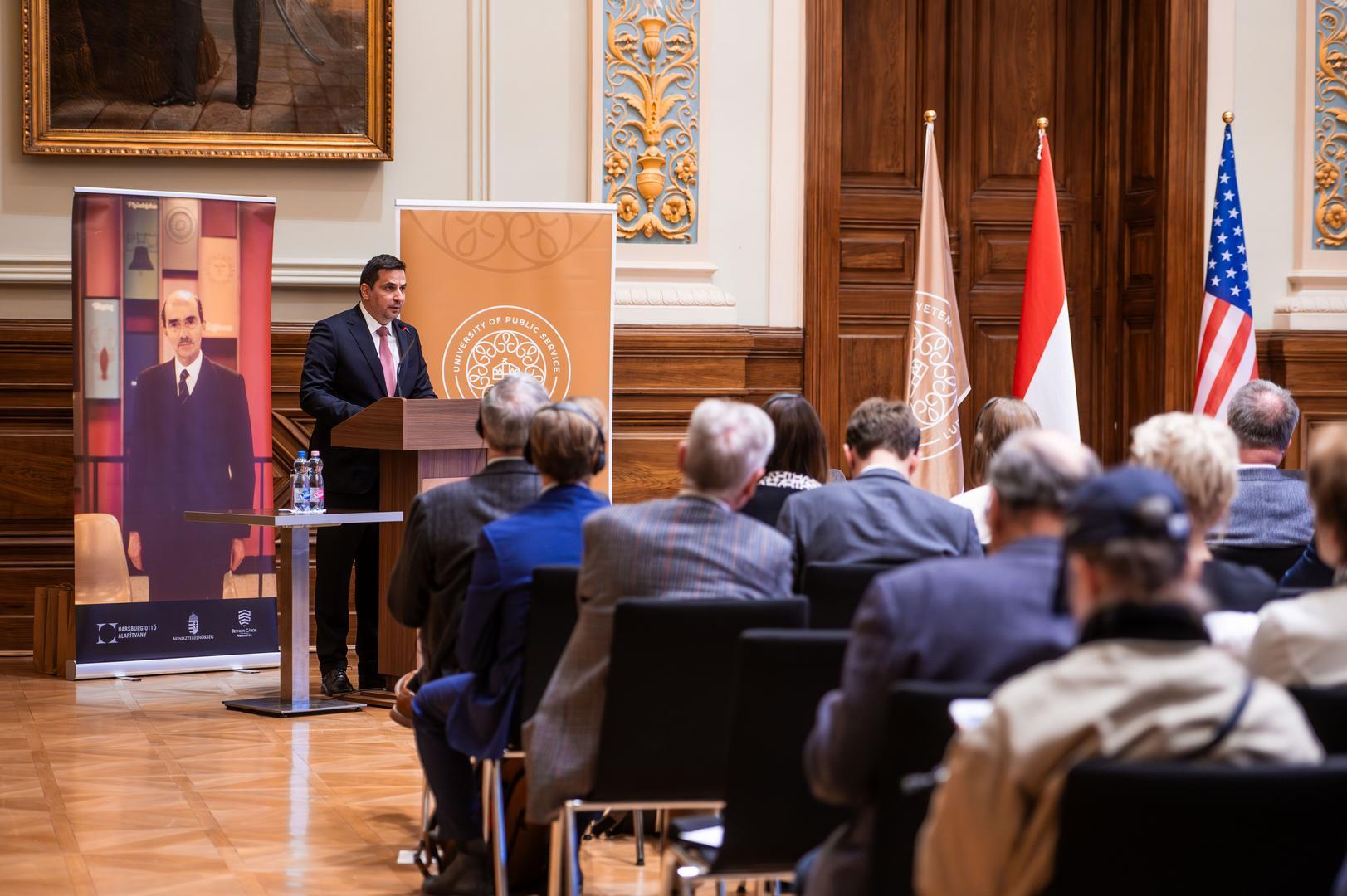
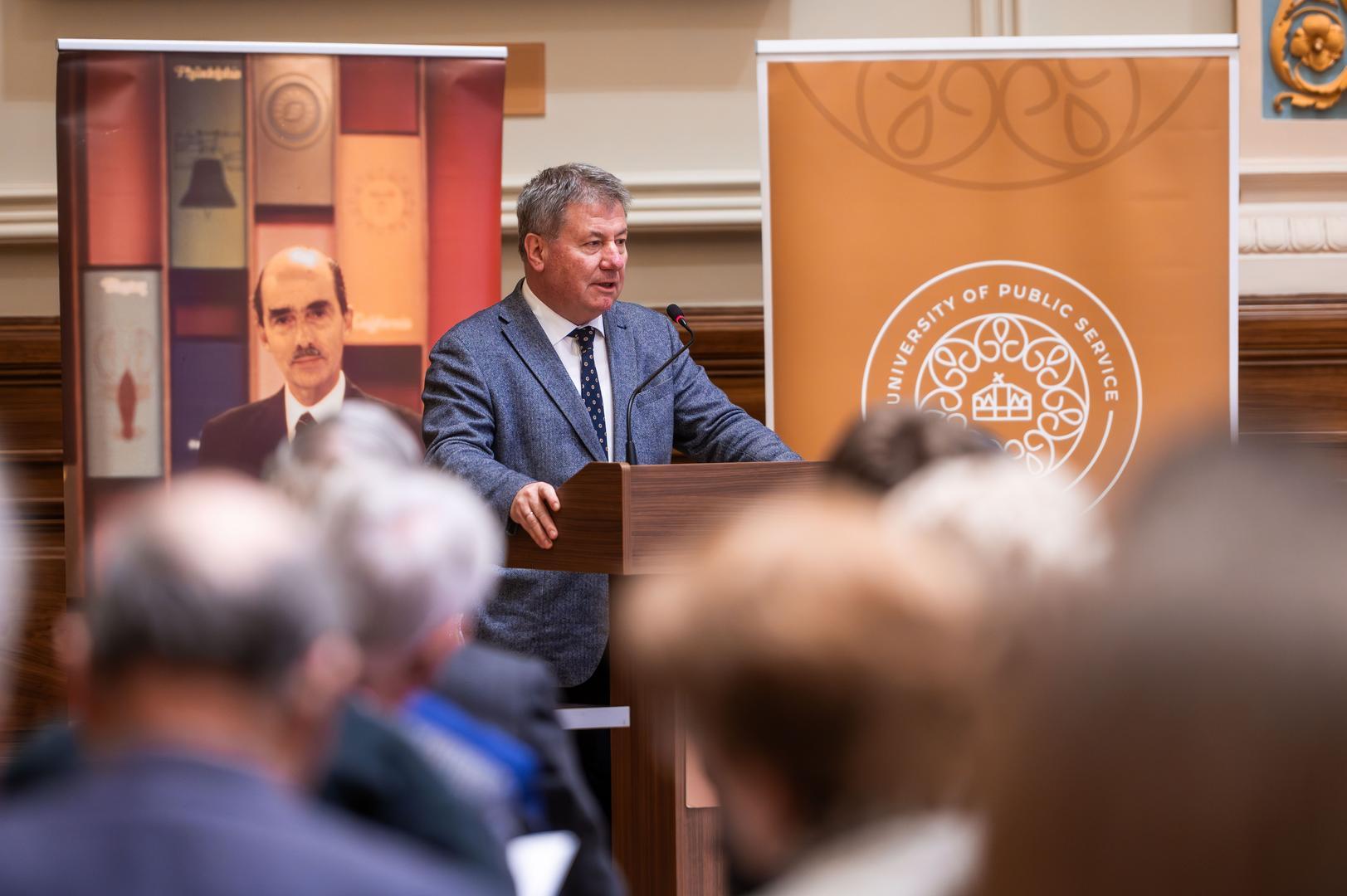
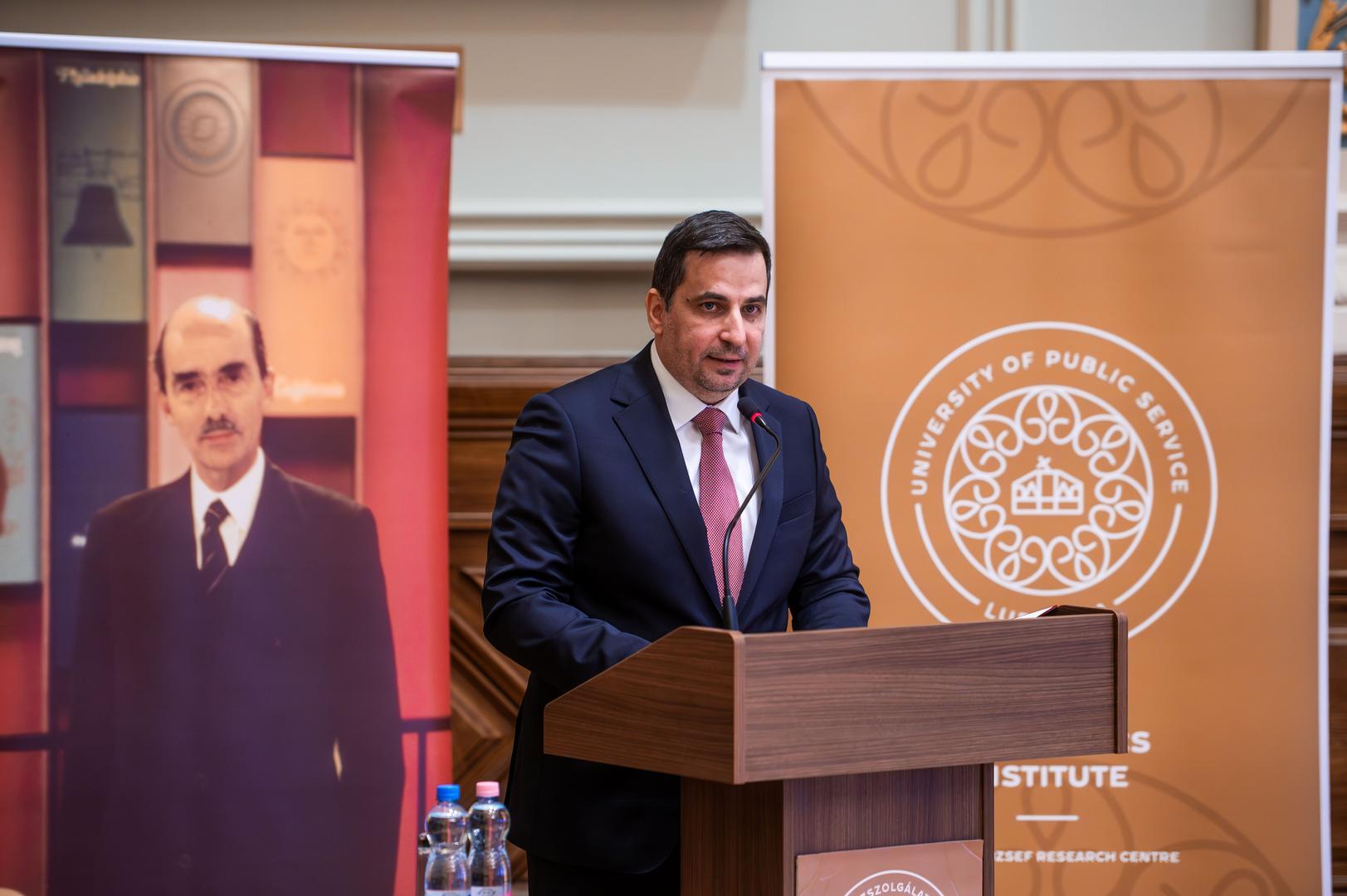
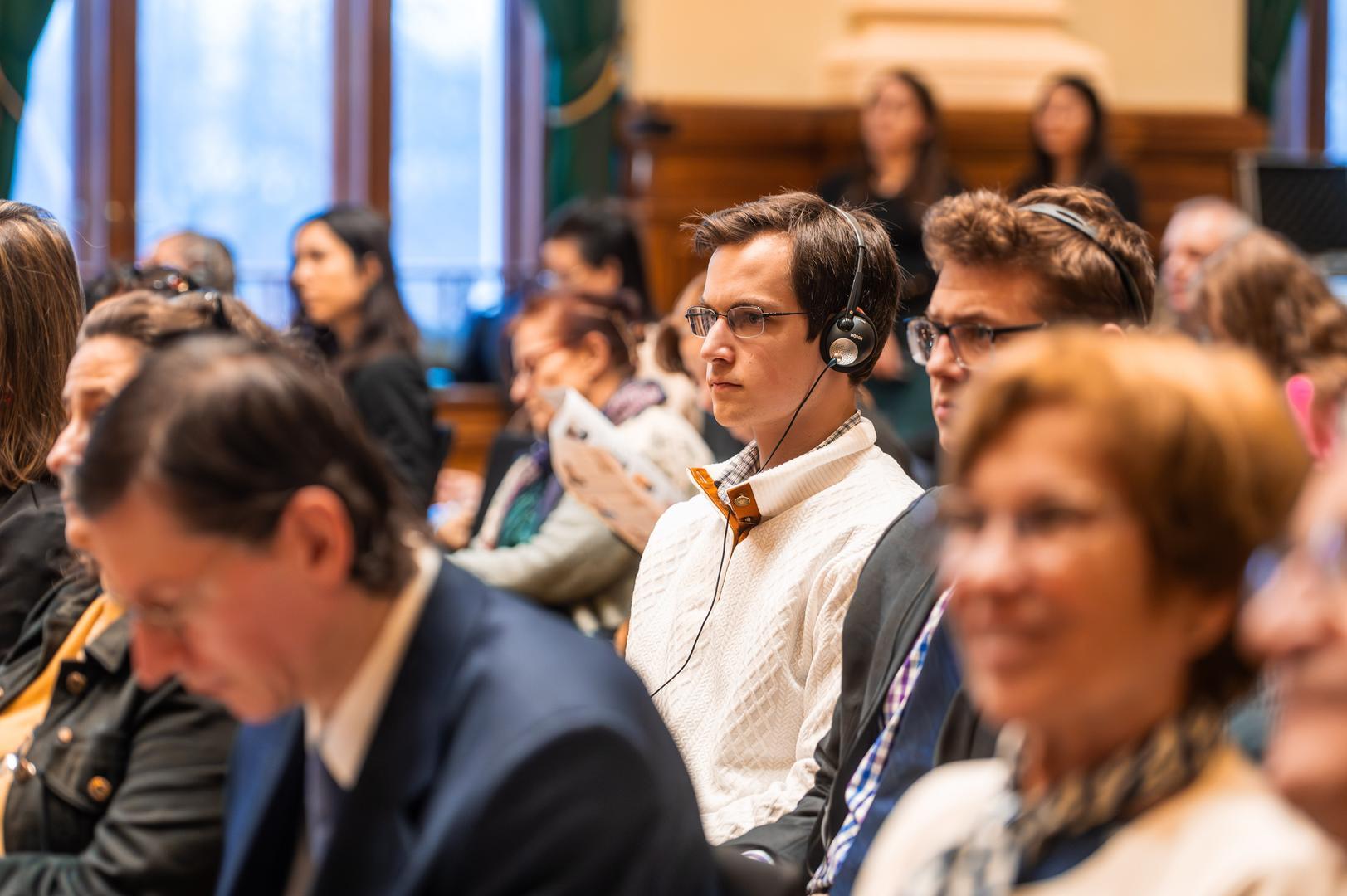
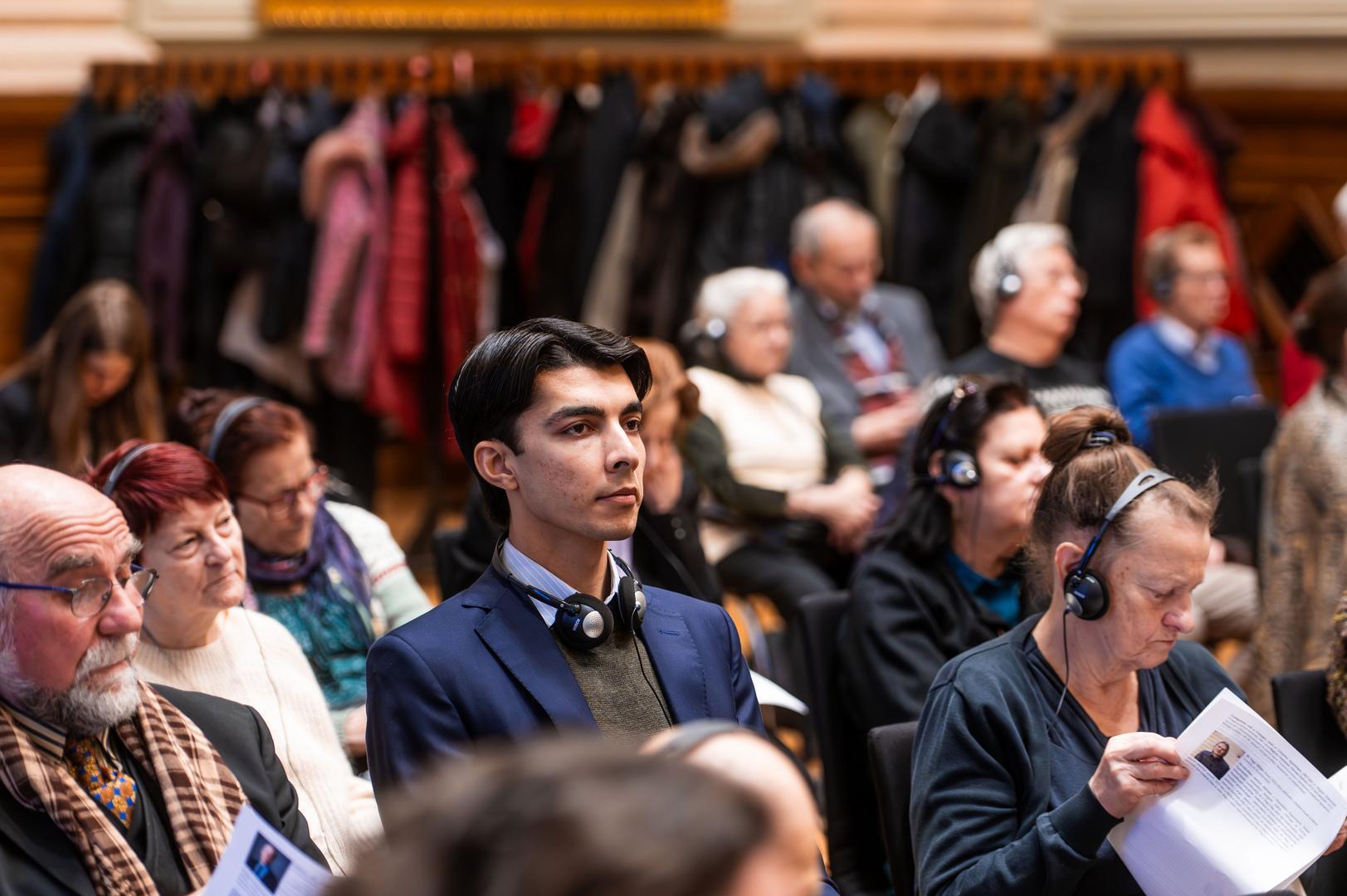
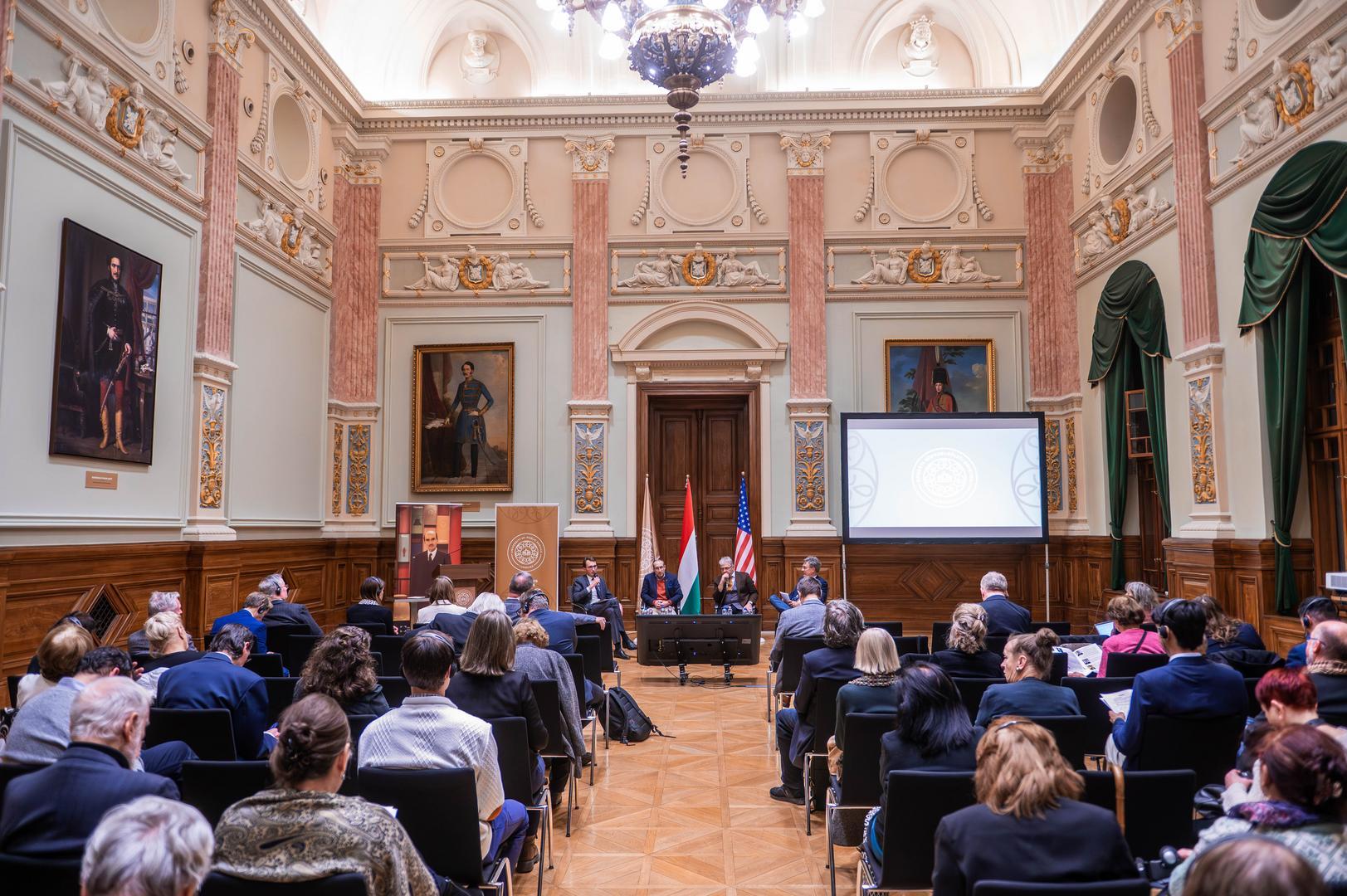
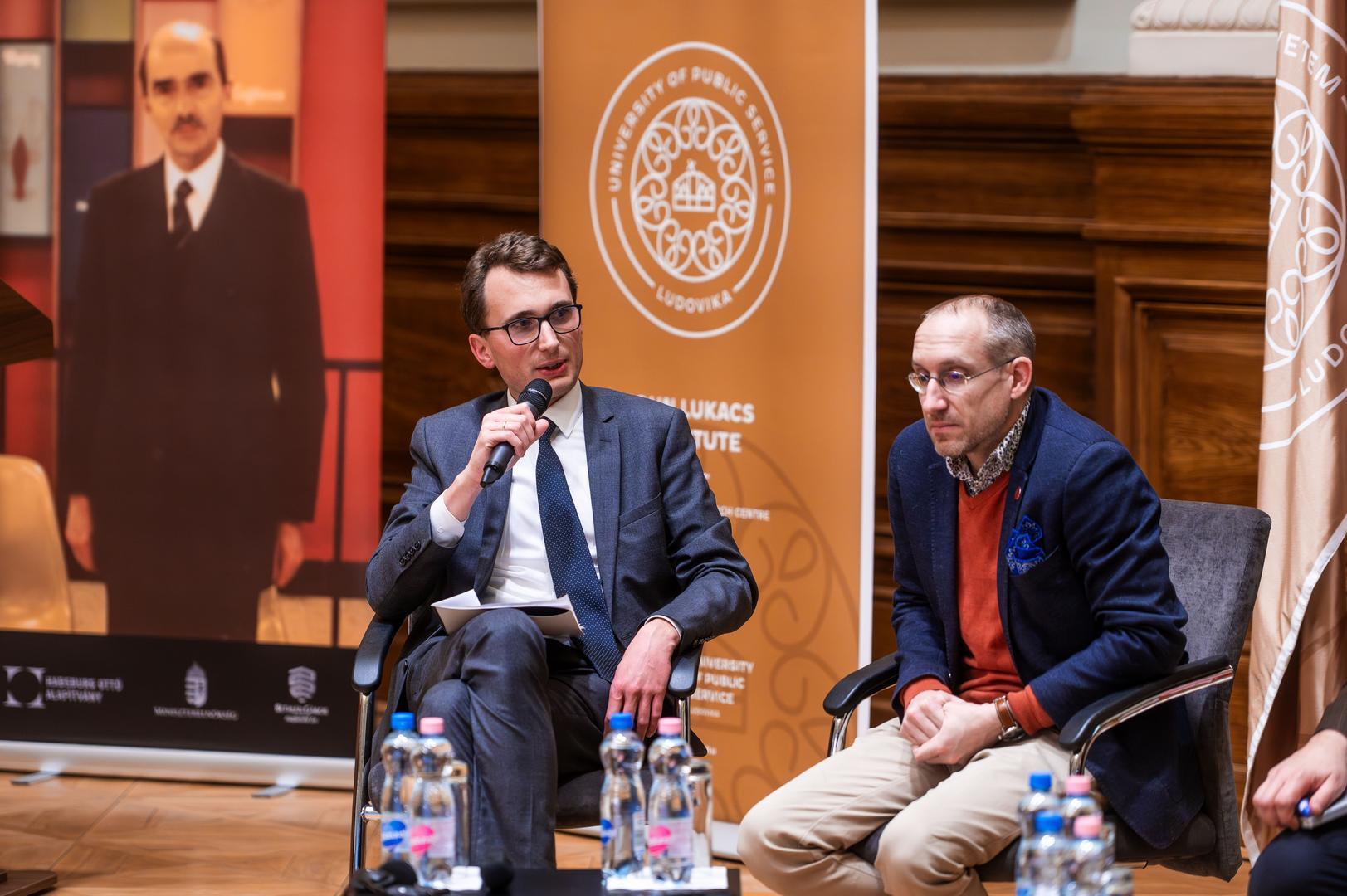
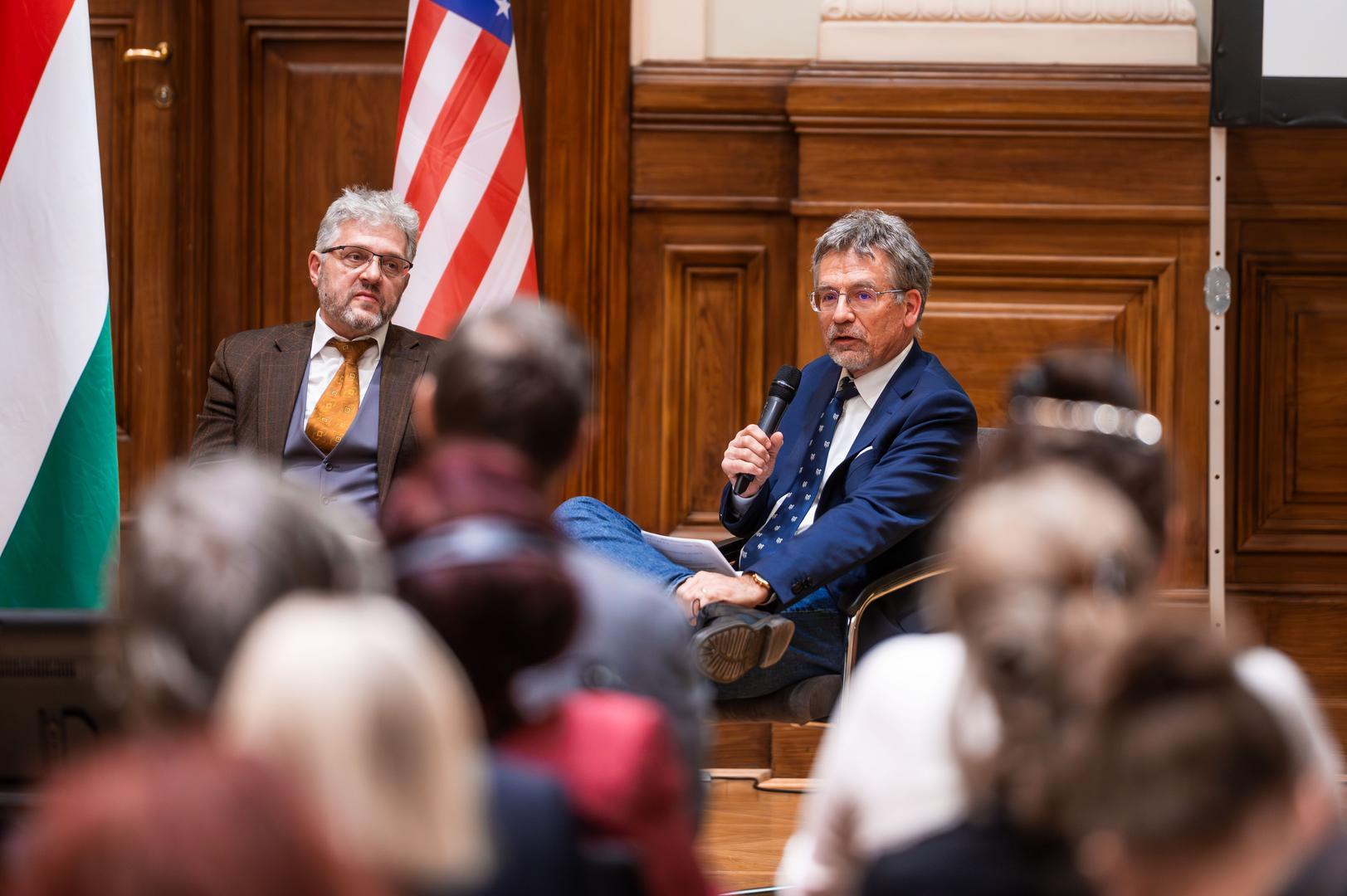
A conference titled “Hungary Is My Homeland, America Is My Home” was held on January 26 on the occasion of the 102nd anniversary of the birth of John Lukacs, organized by the John Lukacs Institute of Ludovika University of Public Service (LUPS) and the Otto von Habsburg Foundation in the university’s Széchenyi Ceremonial Hall.
The thematic focus of the event was provided by the upcoming 250th anniversary of the signing of the Declaration of Independence of the United States. In this context, the organizers intend to devote particular attention to those historical figures and intellectual impulses that significantly shaped the history, political culture, society, the arts, and various areas of public life in the United States. According to the organizers, in this framework the person and oeuvre of John Lukacs occupy a prominent place, as he created a distinctive bridge between the two continents: as a historian with Hungarian roots who came to full fruition in America, his life’s work simultaneously embodies the historico-philosophical sensitivity inherent in European historical thinking and the deeply rooted essayistic tradition of Anglo-Saxon historiography. According to the overview, perhaps the most striking characteristic of Lukacs’s oeuvre is a particular experience of foreignness that made him part of both communities while also, in a certain sense, an outsider to them. This unique perspective enabled him to observe and interpret historical processes with exceptional sensitivity. In light of this, the conference examined how the historian’s life’s work enriched European and American historical thinking and what lessons it may offer to contemporary thinkers.
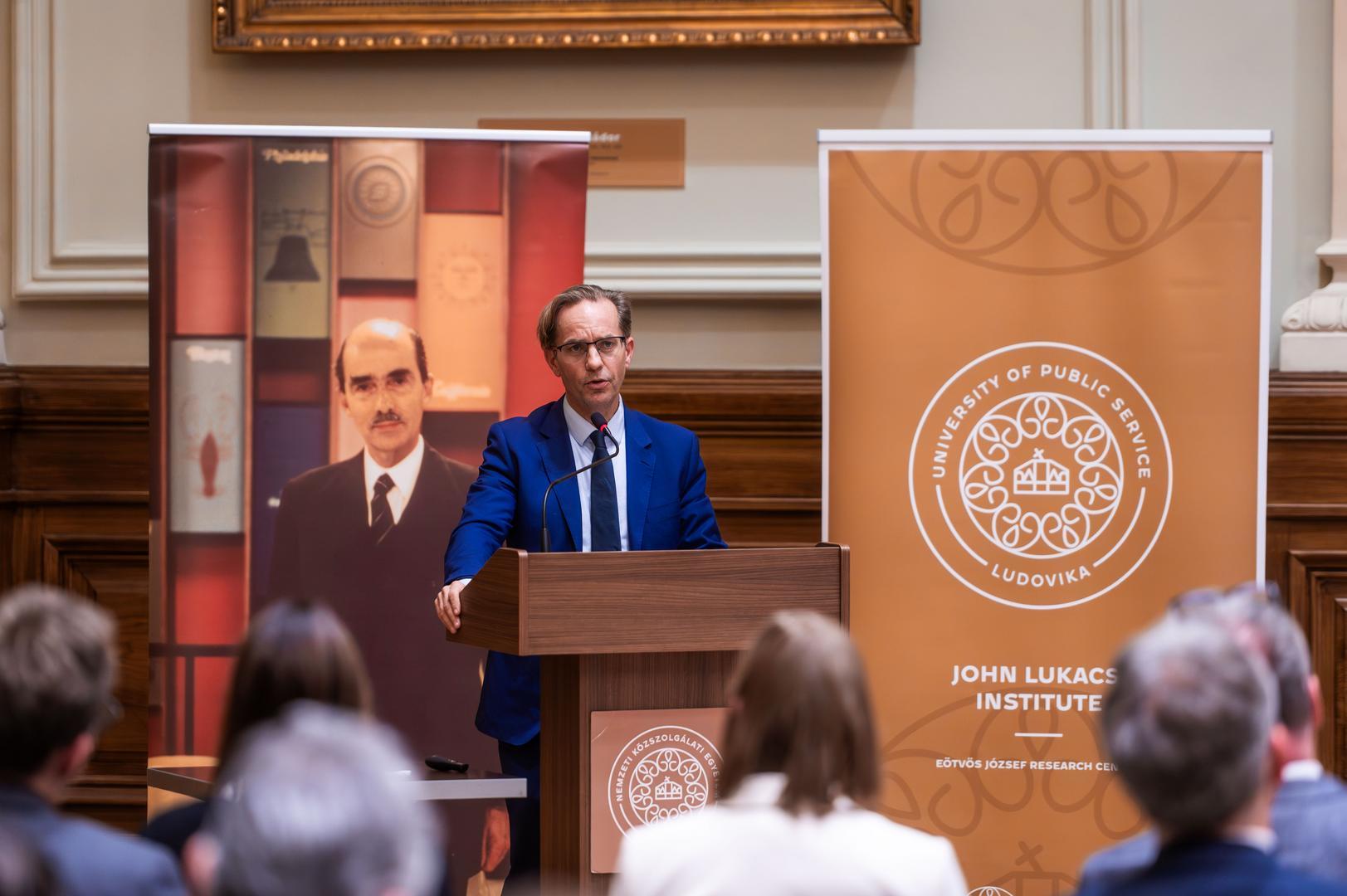
In his welcoming remarks, Gergely Deli, Rector of Ludovika University of Public Service, emphasized that the present conference created yet another opportunity to jointly review the intellectual legacy of the world-renowned historian, as well as the significance of his Hungarian and American identity. He stressed that Lukacs’s work and way of thinking are of particular importance for LUPS, which consciously cultivates John Lukacs’s intellectual heritage. Among other initiatives, in December 2021 the John Lukacs Lounge was opened in the university’s Side Building, where some of the historian’s personal belongings, books, and manuscripts are on display. This was followed in 2022 by a conference titled John Lukacs and American Conservatism, and in January 2024 his centenary was commemorated at a conference entitled Spirit and Character. In parallel, the John Lukacs Institute was established at the university, one of whose primary goals is the preservation and transmission of Lukacs’s intellectual legacy. Gergely Deli recalled that John Lukacs left Hungary with his family in 1944 at a young age, yet throughout his life he remained Hungarian in his identity. This is also expressed by the idea that became the motto of this year’s event. He emphasized that Lukacs’s approach to historiography introduced new emphases into 20th-century historiography: he placed the role of the individual, personality, and mentality at the center of historical analysis, creating a bridge between European and American modes of thought, and his historical writing remains a source of guidance today.
Gergely Prőhle, Program Director of the John Lukacs Institute and Director of the Otto von Habsburg Foundation, also welcomed the audience. He recalled that in 2013 he spent several days in Washington in the company of John Lukacs and his wife and highlighted the historian’s direct and approachable nature. He also spoke about the special moment when, in 2021, crates that had long been sealed in the university’s basement were finally opened, revealing John Lukacs’s personal belongings: the wine glass, the cigar box, and the small keepsakes all contributed to bringing visitors closer to the historian’s personality. These objects are not only mementos but also represent a task: the interpretation and transmission of the legacy. The director emphasized that, as the first pillar of the program series connected to the 250th anniversary, John Lukacs’s life’s work fittingly opens the dialogue examining the American contributions of thinkers of Hungarian origin.
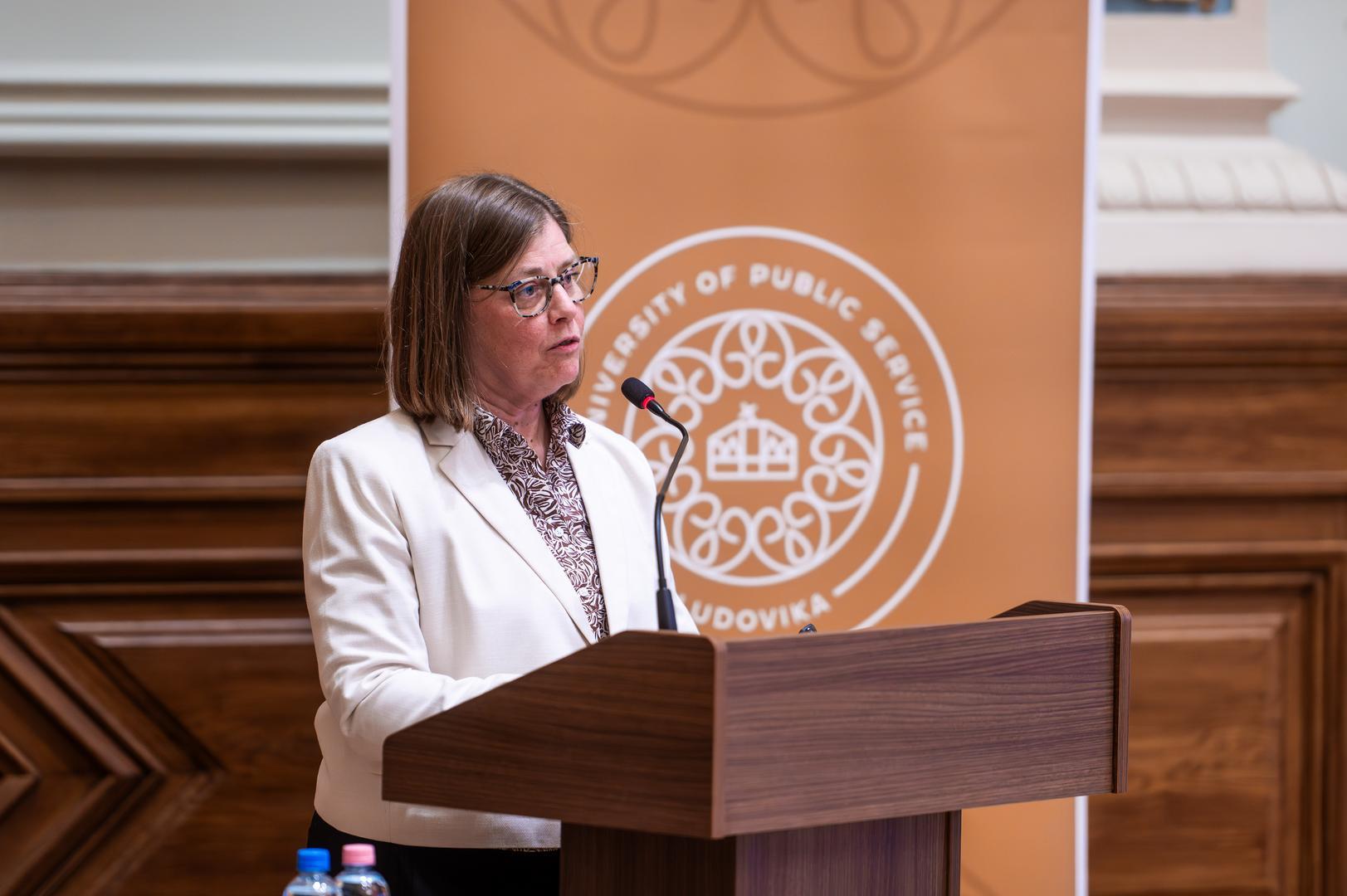
In her lecture, Rachel Bohlmann, Acting Head of the Special Collections of the Hesburgh Library at the University of Notre Dame, shared details about John Lukacs’s archival legacy and explained its significance for American history. The thematic scope of the collection is exceptionally broad, encompassing 20th-century European and American history, the Second World War, world politics, American domestic politics, the Cold War, and communism. The legacy includes newspaper articles, magazines, photographs, and correspondence, as well as essays on Hungary, such as the 1957 piece Hungary and Western Decline, a 1986 New Yorker profile of Gyula Kuti, a 1991 New York Times article on the Hungarian Catholic Church and the Jewish community, and his 2006 lecture in Budapest on George Kennan and Eastern Europe.
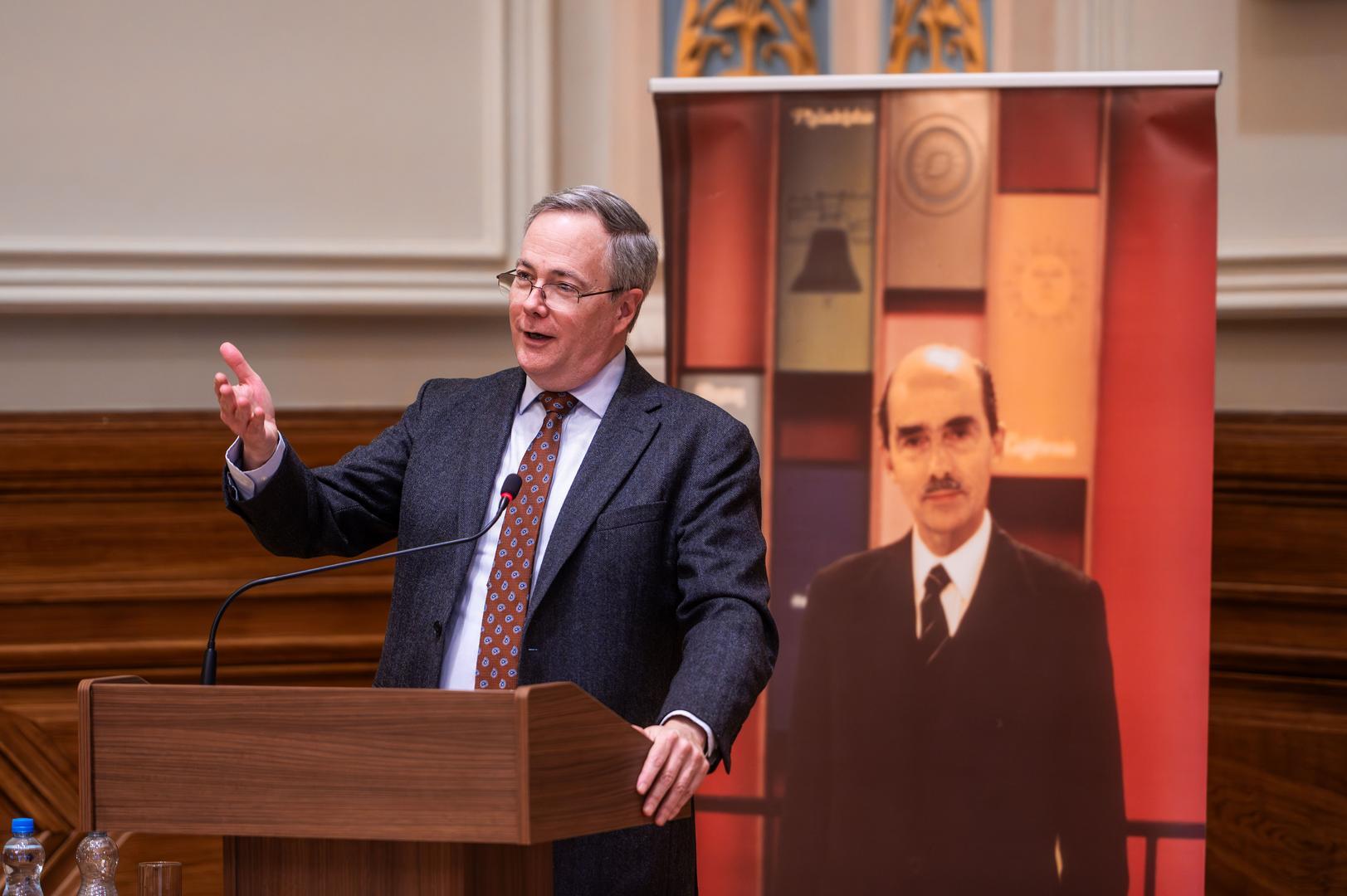
In the section titled “Lukacs’s Europe,” Richard M. Gamble, Professor at Hillsdale College, examined, on the basis of the historian’s lesser-known writings, how and when Lukacs’s European consciousness developed. As he put it, the question appears paradoxical at first glance, since Lukacs was born in Budapest in 1924, spoke several European languages, traveled extensively, and maintained close ties with Europe’s intellectual world. Despite this, Lukacs himself asserted that his European self-awareness did not take shape in Europe, but rather after his departure from the continent. Lukacs wrote about Europe “as a map,” in geographical, political, economic, cultural, and religious terms simultaneously. The scholar added that one key sentence from the legacy preserved at the University of Notre Dame clearly reveals Lukacs’s self-understanding: “I was first Hungarian by birth, language, and upbringing. I discovered that I was European only after I had become an American citizen.”
In his lecture on John Lukacs’s intellectual legacy, Michael Severance, former Director of the Acton Institute’s Rome International Office, spoke about the crisis of the West, the essence of which he defined as the separation of freedom from moral order. In his view, this leads simultaneously to the loss of shared truth, political and religious fragmentation, and the decline of creativity. Based on his experience, the ideal of ordered liberty has weakened both in the United States and in Europe, an ideal that had remained relatively stable until the end of the 20th century. At the same time, genuine progress requires virtue, character, and conscious decision-making. Drawing on Lukacs’s experience of communism, Severance emphasized that it is not the state that shapes the soul; rather, the soul must first be put in order.
Following the lectures, a roundtable discussion titled “The Living Reality of History: America’s Democratic Heritage and Its Present” was held, with the participation of Máté Botos, Head of Institute at Pázmány Péter Catholic University (PPCU), Ferenc Hörcher, Head of the Institute for Political and State Theory at Ludovika University of Public Service, and Gergely Szilvay, journalist at Mandiner, moderated by Bence Kocsev, staff member of the Otto von Habsburg Foundation. The discussion focused on John Lukacs’s understanding of democracy, American–European relations, and the European roots of American conservatism. Topics included America’s rise to global power and the continuity and stability of the American Constitution (amendments rather than rewritings). According to the experts, there exists a shared cultural fabric between Europe and America—that is, a common tradition—but one that is not without tensions. They added that American conservatism is fundamentally rooted in liberal (Lockean) thought, which creates friction with the more historical form of European conservatism.
The final roundtable discussion of the event, titled “The Centuries of Budapest,” featured Péter Muszatics, author of the volume Budapest Now, Attila Pók, former Deputy Director of the Institute of History at the Hungarian Academy of Sciences’ Research Centre for the Humanities, and Miklós M. Nagy, Director of Helikon Publishing House, moderated by Gergely Prőhle. The question arose: Why is John Lukacs interesting today? According to the participants, Lukacs was not only a historian but also an outstanding literary writer who consciously chose his words with moral responsibility. His writings are enduring both aesthetically and morally. Lukacs’s political unclassifiability was also discussed: although he is often labeled conservative or reactionary, he could not be clearly categorized. Liberal and conservative sensibilities were simultaneously present in his thinking. His volume Budapest 1900 was compared with Péter Muszatics’s Budapest Now, touching on Budapest’s distinctiveness in contrast to the countryside, as well as the particular position of the Hungarian bourgeoisie.
Text: Éva Harangozó
Photo: Dénes Szilágyi