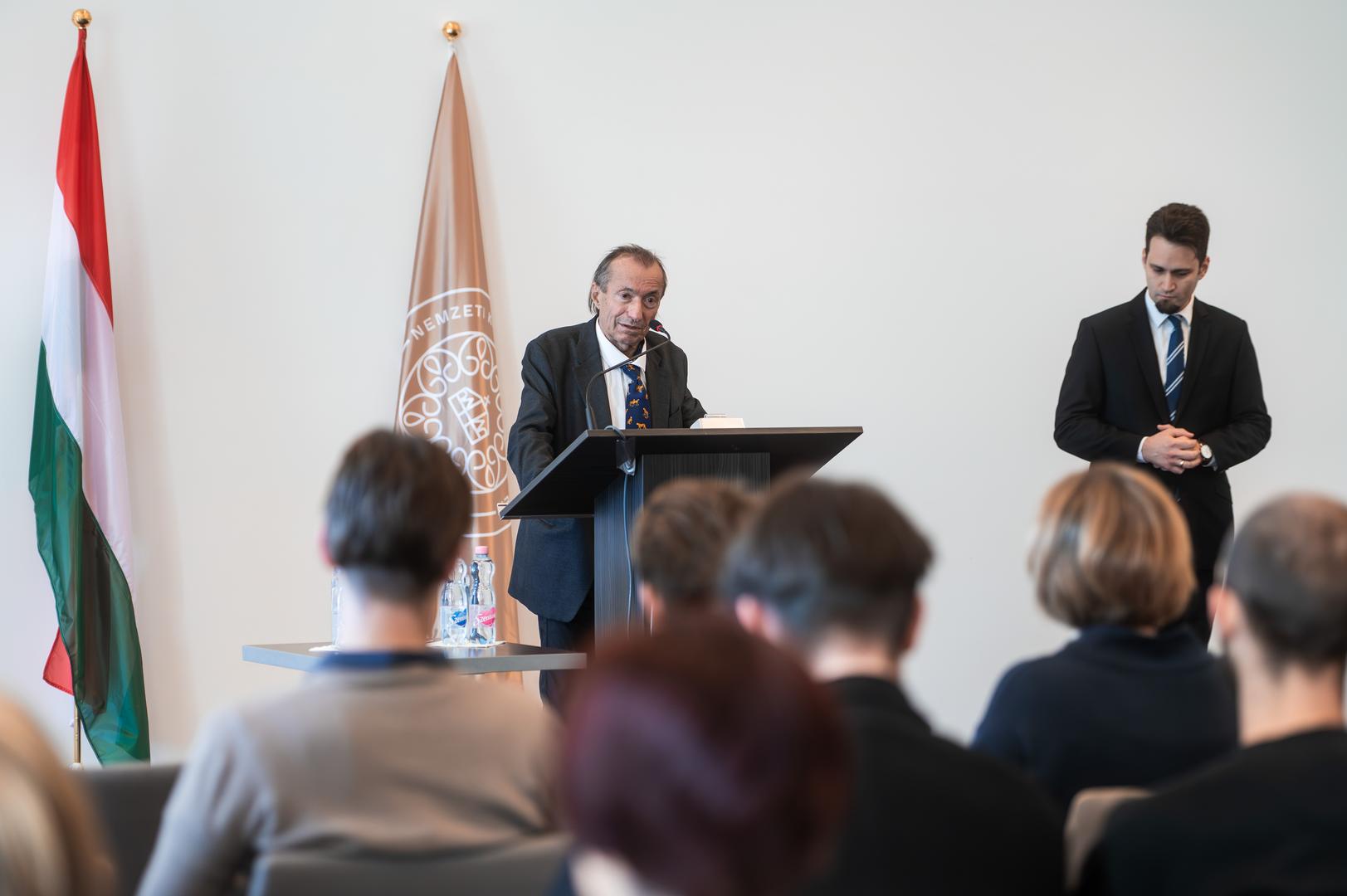
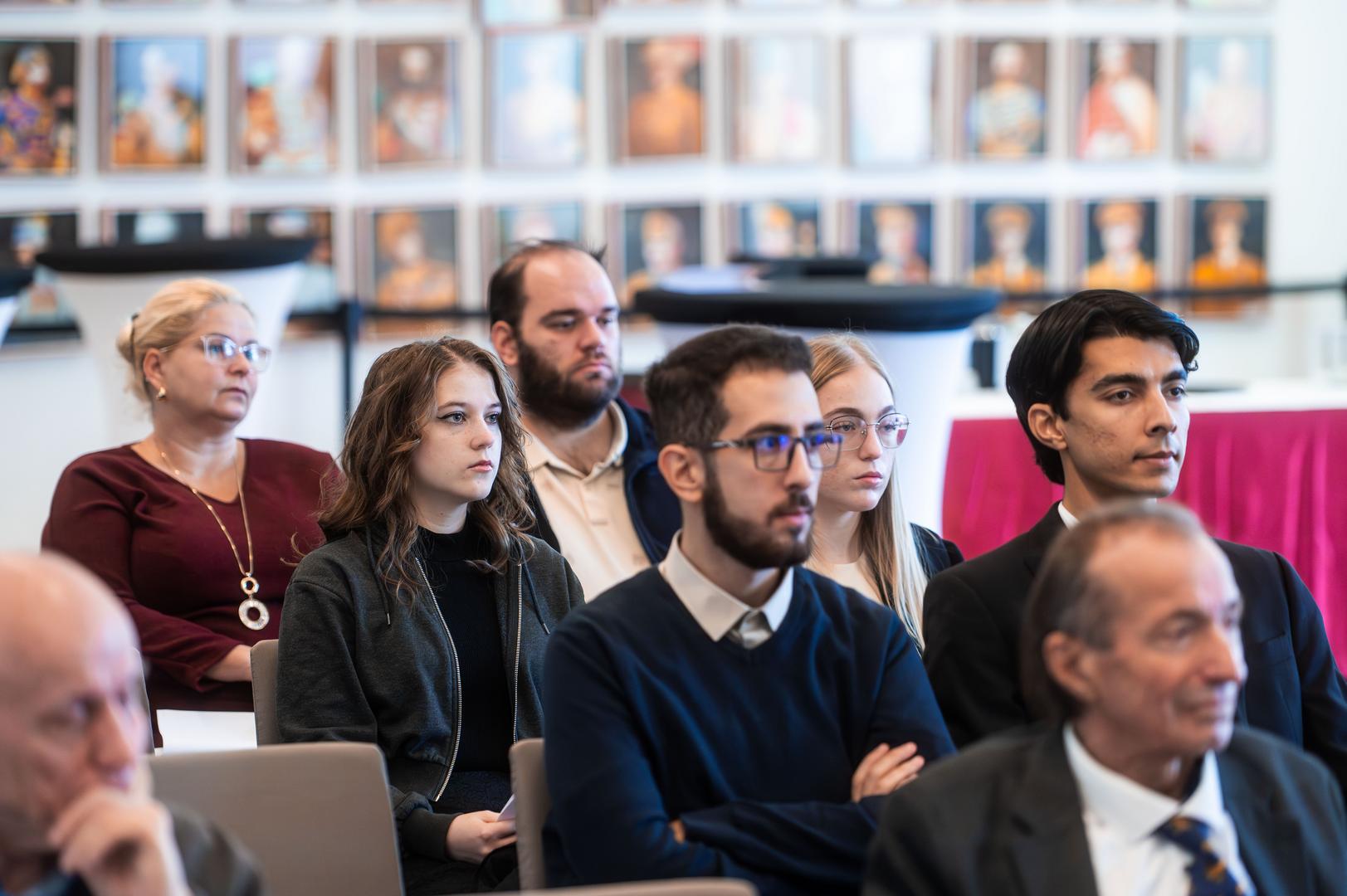
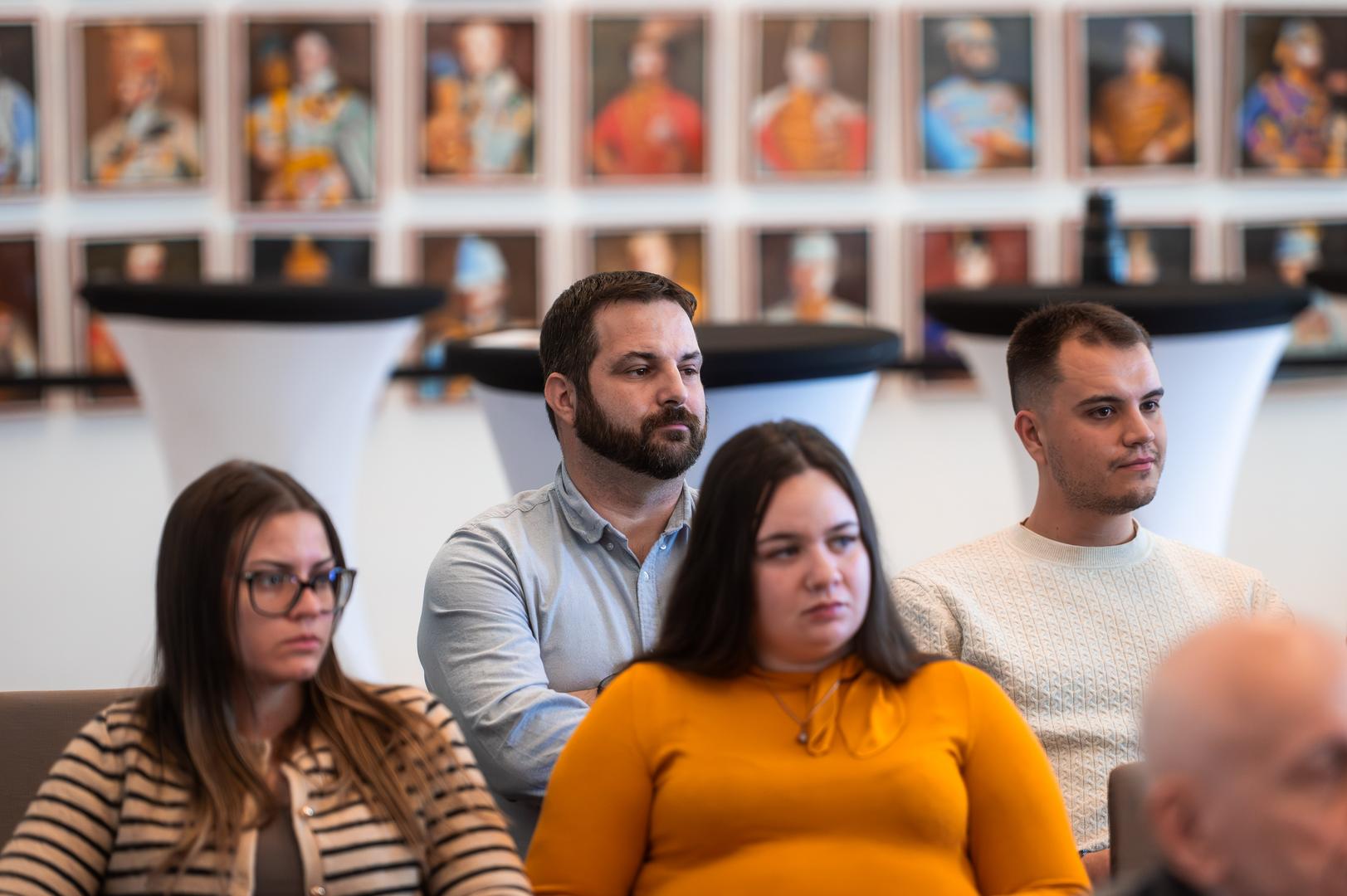
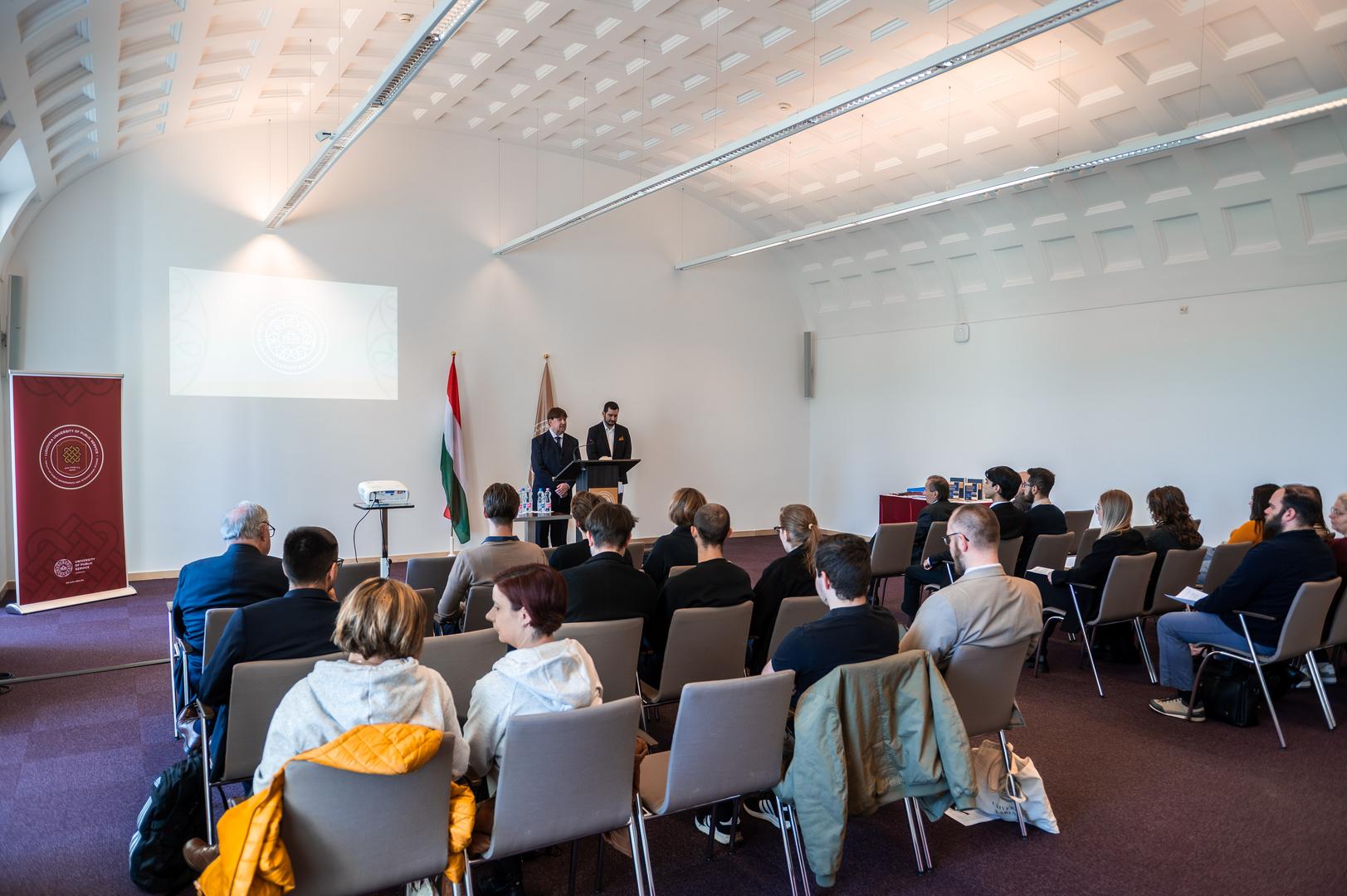
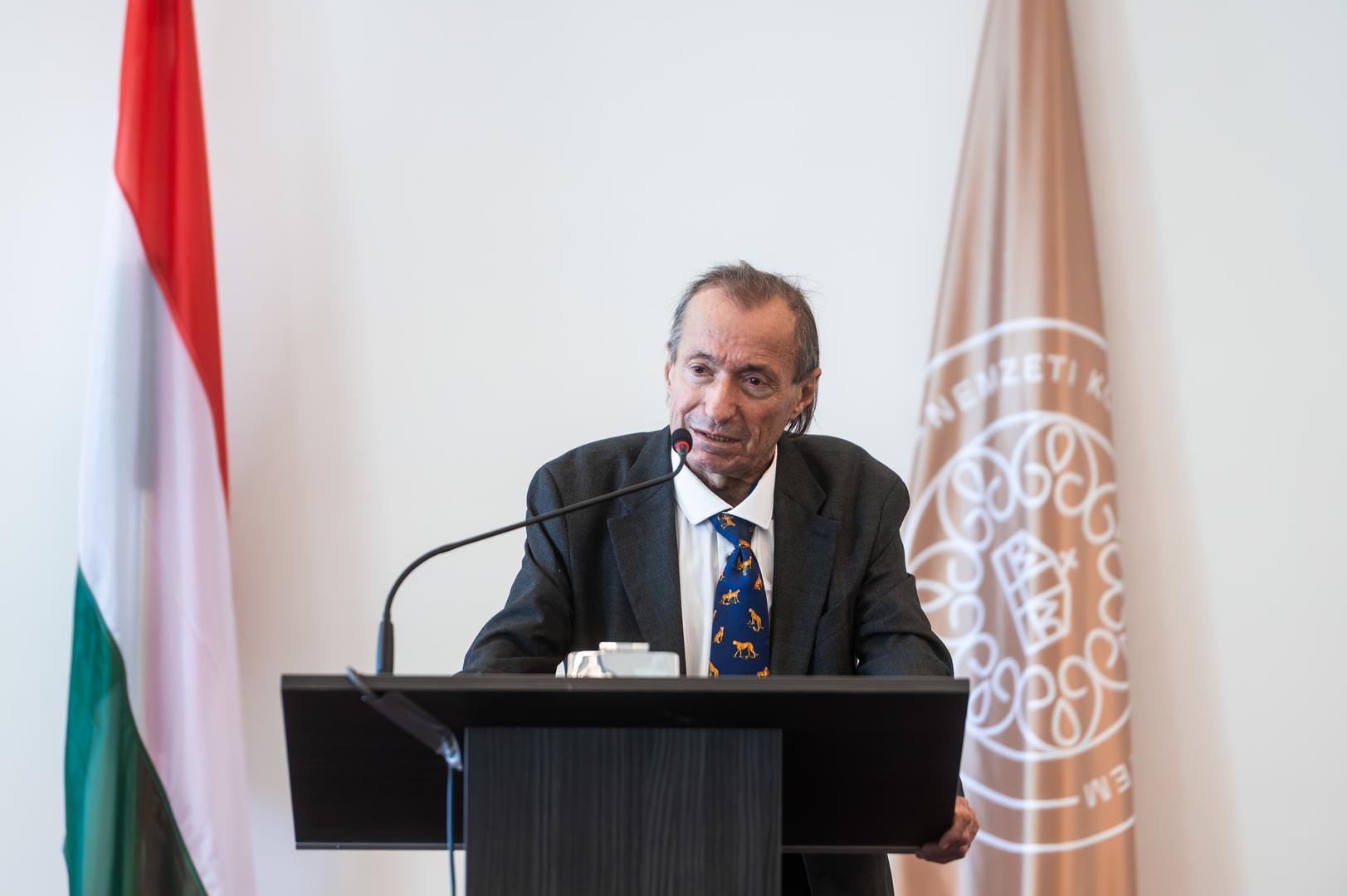
The Department of State and Legal History of the Ludovika University of Public Service organized a conference on December 28, titled “Europe 1944–1945 – Between Occupation and Surrender” with renowned domestic and international guests.
The organizers of the scientific meeting, Professor Attila Horváth and Attila Barna, wanted to provide a scientific stage for what happened in Europe 80 years ago with a symposium commemorating historical events stretching back to the common past. With an exploratory past, they looked at the German National Socialist occupation and its consequences, the emergence and development of the Soviet-type system that arrived with the Red Army, and the early years of the development of the state socialist model.
The speakers came from Austria, Germany, Croatia, Poland and Slovakia to exchange ideas with Hungarian colleagues. The conference audience was greeted by Professor Károly Szerencsés, Head of Department, who started the series of contributions with his opening lecture. The goal was already formulated in advance, that by analyzing the common past and national differences, and outlining the historical fragments and sub-areas that come together like mosaics. A diverse tableau would be drawn about the period at the end of World War II, the losses during the occupation, and the martyrs of the national resistance movements, the state regimes that devastated everyday civilian life, and the victims of the Holocaust.
The lectures looked back on those years that we consider to be the end of the war, and everywhere a new era - difficult to describe with the word liberation - but at the same time the beginning of a new occupation. The state power of the occupiers, their legal system imposed on the occupied territories, and their cunningly constructed administrative tool system came to life, which sought to extend its will to the territories that had lost their sovereignty through coercion and the arrogance of the conqueror.
We thank the large audience and the presence of our international guests, the research results that can be continued thanks to the faculty support, the interesting lectures that are expected to appear in a volume, and the mutually inspiring discussions.