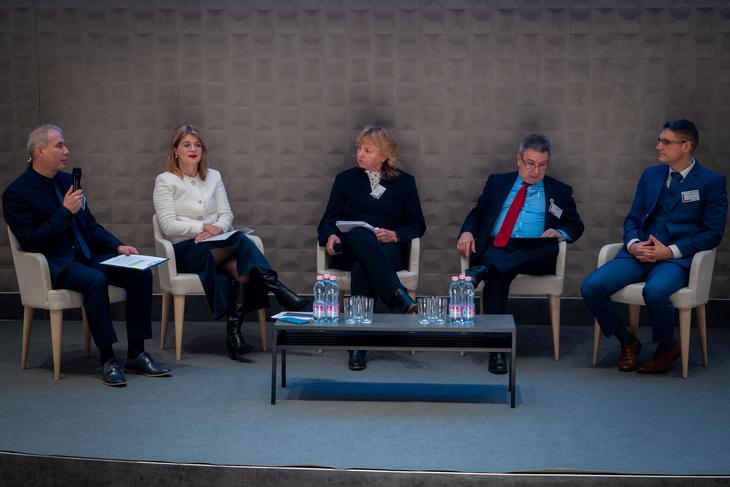
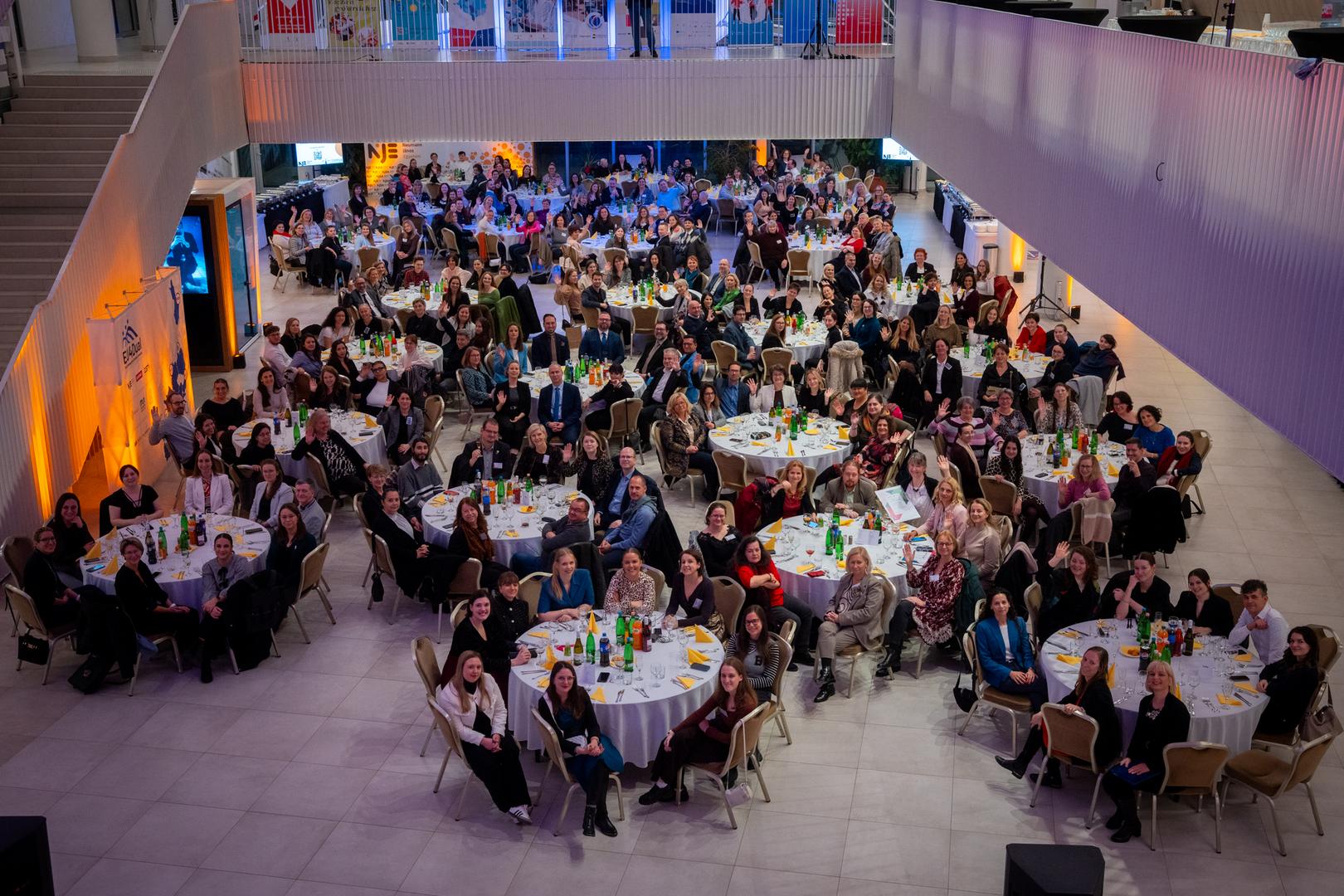
Over 220 participants from 46 institutions attended the event in Kecskemét to discuss the latest trends, developments, and challenges in internationalization. Attendees could choose from more than 20 program elements—including roundtable discussions, sessions, networking events, and workshops—and nearly 40 speakers shared their insights over the course of three days.
The central theme of the 2025 International Coordinators’ Meeting in Kecskemét was change. As Prof. Dr. Sc. Sanja Sever Mališ, a guest lecturer from the University of Zagreb, highlighted, higher education is becoming borderless through international mobility and digital learning, and universities must adapt to new paradigms and “global standards.”
Richárd Bodrogi, Director General of the Tempus Public Foundation, emphasized that the foundation’s work focuses on internationalization. Participation rates are increasing across all three flagship programs: the Pannonia Scholarship program reached 8,115 outbound participants in a single year; the Stipendium Hungaricum program has become a true success story, with nearly 11,000 international students studying in Hungary thanks to the scholarship; and preparations for the new phase of the Erasmus+ program have already begun. In addition, the Hungarian chairmanship of the CEEPUS program was successfully concluded.
At the meeting, participants were introduced to the new supplementary scholarship program, Campus Universe, which offers excellent opportunities for both higher education staff and students and provides significant funding for applicants.
Monitoring international trends and participating in major international education fairs are essential for internationalization. Several program elements focused on Hungary’s participation in the NAFSA, EAIE, and CEEDUCON fairs. In the session dedicated to international alumni, speakers summarized challenges, possible solutions, and good practices identified over the past year and a half through joint events and workshops.
Beyond current international and professional issues, participants learned about upcoming initiatives: starting in 2026, the Higher Education Coordinators’ Workshop will launch, with applications opening soon. The program also featured workshops on communication and change management. Trainer Nóra Bíró and psychologist Péter Bence Bíró focused on how real change can begin in mindset—both individually and professionally. For international coordinators, openness, adaptability, and cross-border collaboration are particularly important. Invited speakers demonstrated, through practical examples, how conscious communication can not only follow but also shape change.
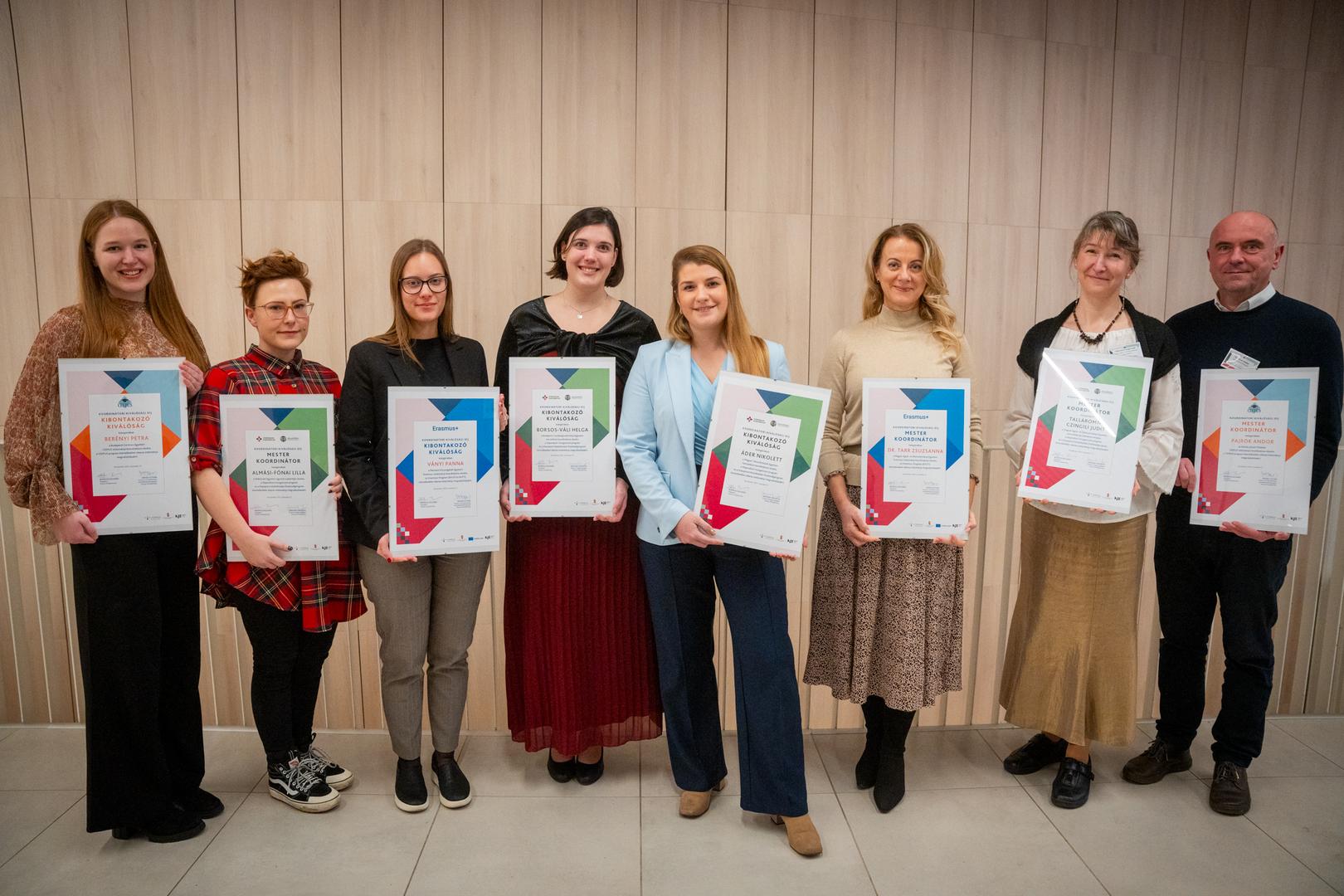
The second day of the meeting concluded with a gala dinner, where the Coordinators’ Awards were presented in two categories:
Emerging Excellence Category
-
Erasmus+ program: Panna Ványi (Ludovika – University of Public Service)
-
Stipendium Hungaricum program and Diaspora Higher Education Scholarship Program: Nikolett Áder (Hungarian University of Dance), Helga Borsos-Váli (Budapest Business School)
-
CEEPUS: Petra Berényi (Corvinus University of Budapest)
Master Coordinator Category
-
Erasmus+ program: Dr. Zsuzsanna Tarr (Hungarian University of Agriculture and Life Sciences); Dr. Bíbor Klekner (Budapest University of Technology and Economics)
-
Stipendium Hungaricum program and Diaspora Higher Education Scholarship Program: Lilla Almási-Fónai (University of Debrecen); Judit Talláromné Czingili (Hungarian University of Agriculture and Life Sciences)
-
CEEPUS: Dr. Andor Pajrok (Eötvös József College)
Congratulations to all award recipients!
Text: Tempus Közalapítvány
Photo: Roland Szamler