
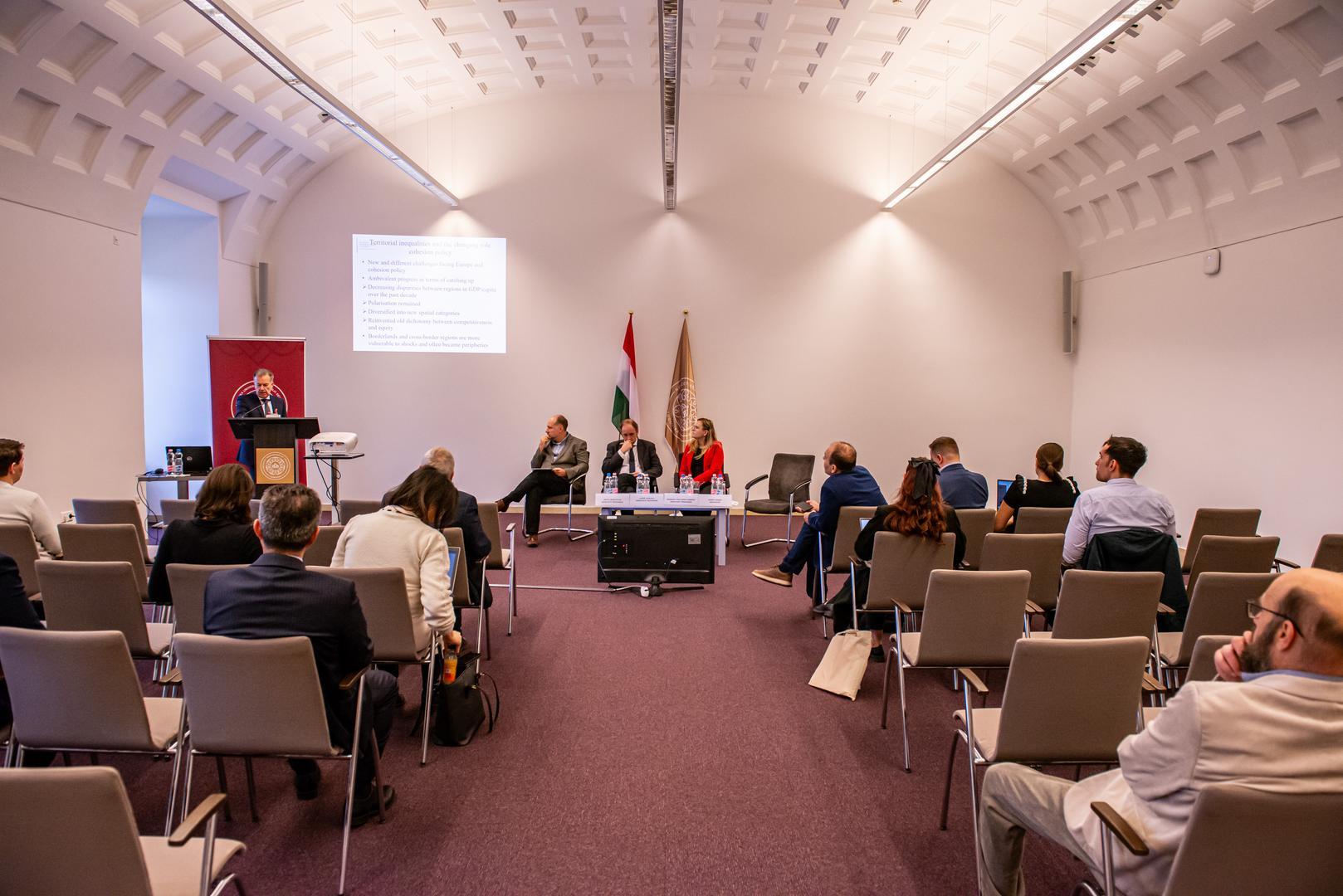
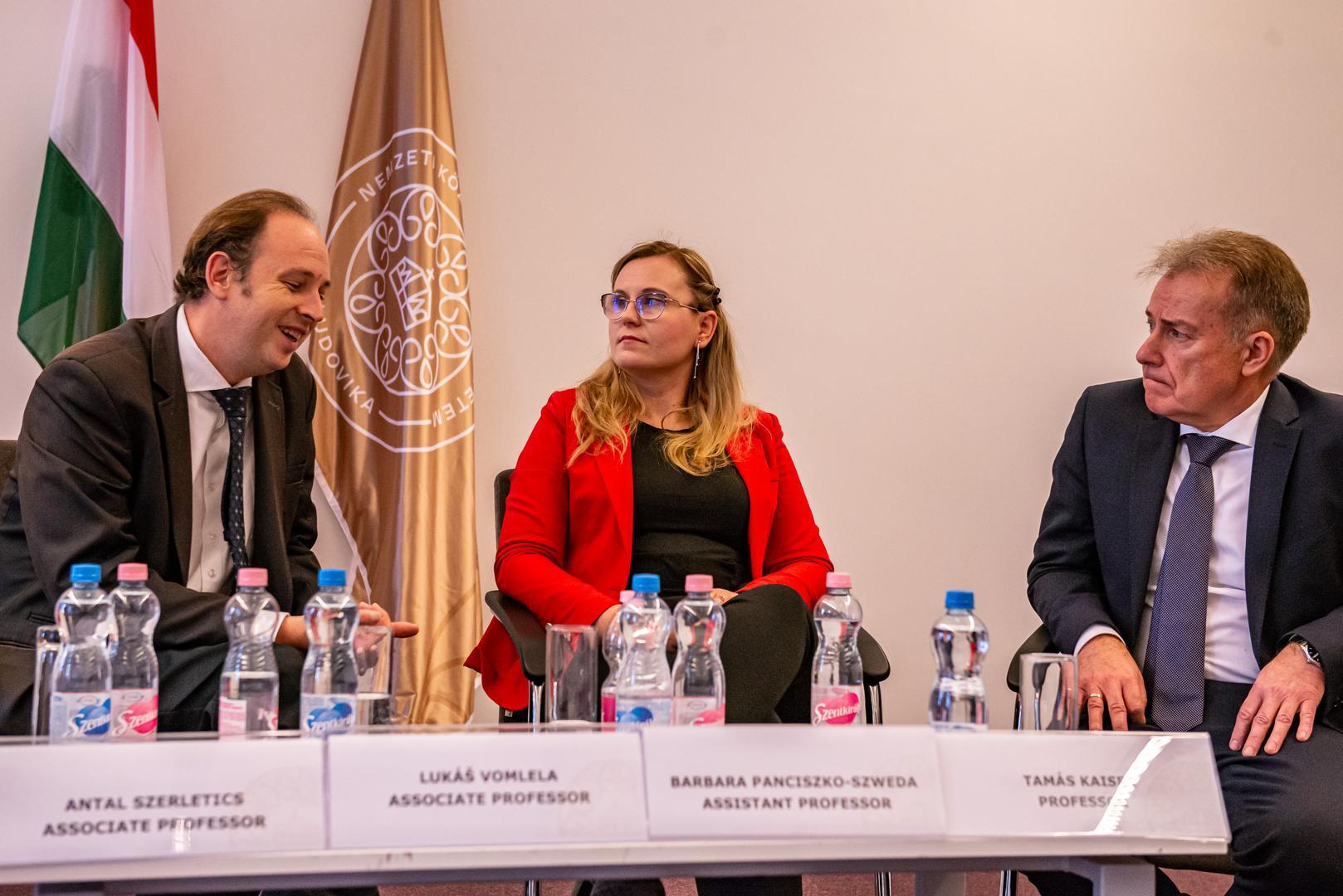
The Ludovika University of Public Service' (LUPS) Department of Governance and Public Policy organized the conference Rethinking Cross-Border Governance: New Perspectives and Operational Challenges on November 20 in the university’s Zrínyi Hall.
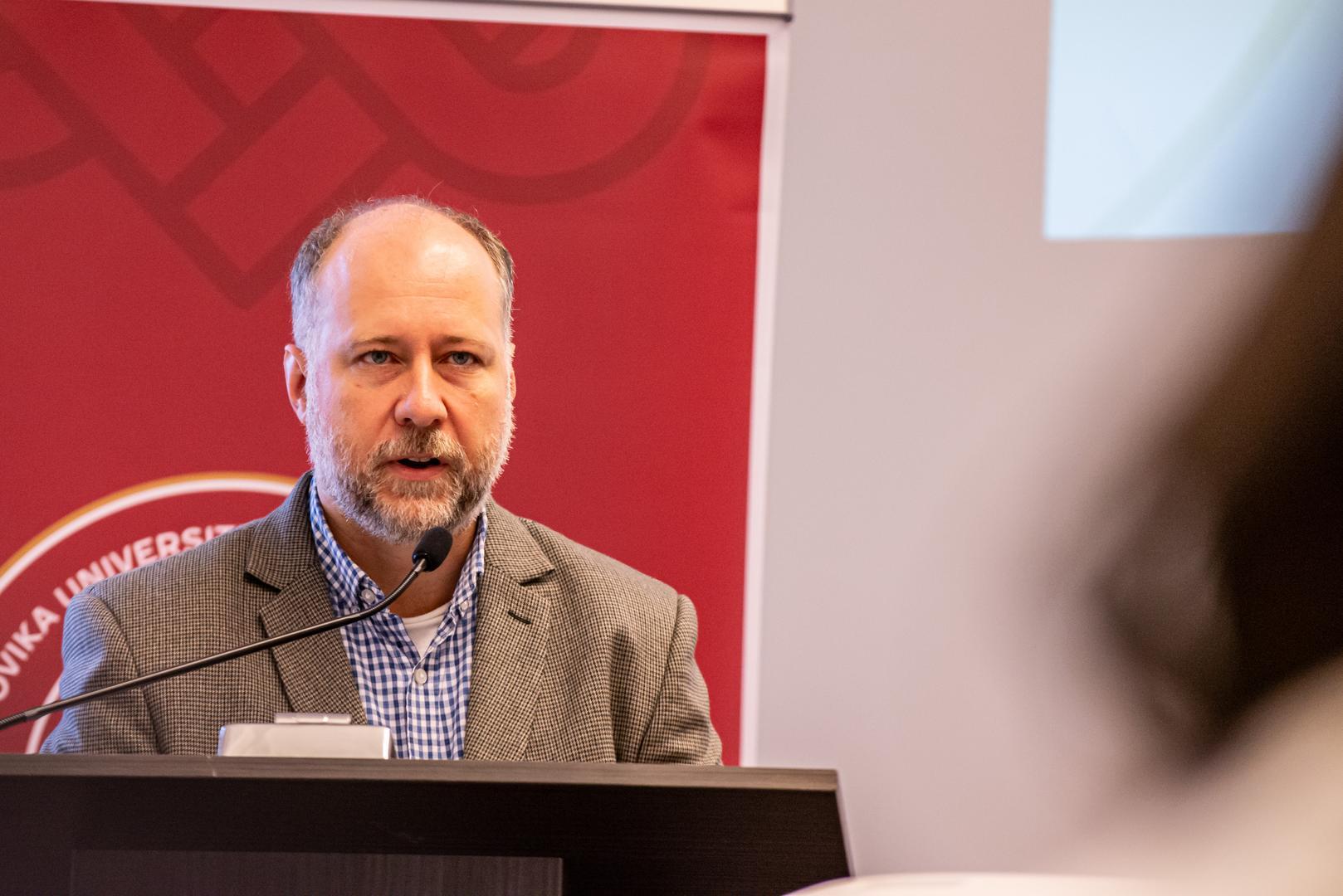
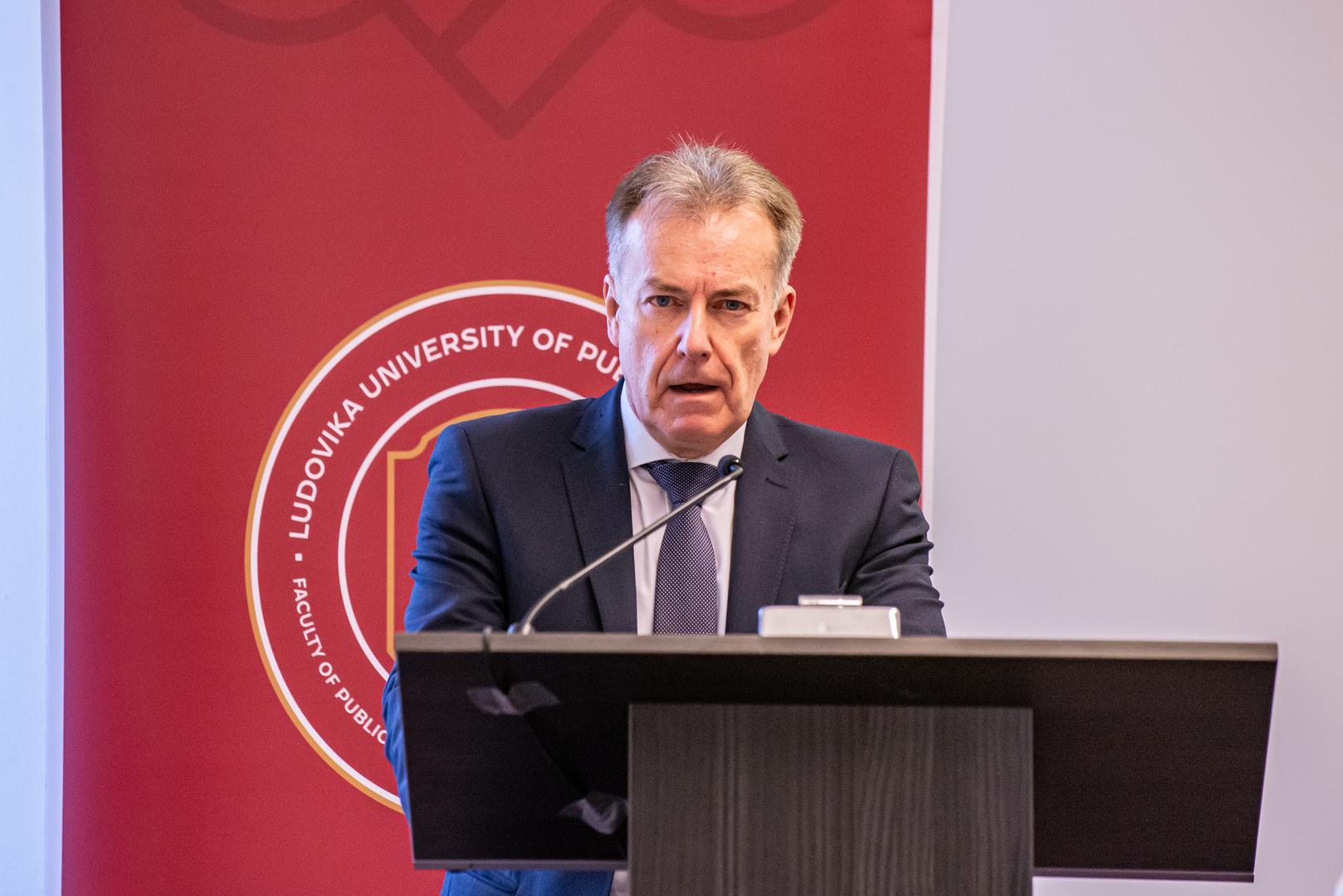
Péter Krisztián Zachar, the international vice-dean of FPGIS, emphasized in his opening speech that Europe is undergoing profound transformations, and borders have once again become central elements of political thinking. He explained that the previous so-called “border-breaking” processes (such as the expansion of the Schengen Area) have been followed in recent years by crises – migration, terrorism, Brexit, pandemic, war – which have led to stricter border controls and new border management practices. According to Péter Krisztián Zachar, this situation is paradoxical: strengthening borders may increase security, but at the same time it intensifies fragmentation and limits openness. “Borders today are no longer merely territorial demarcations, but flexible social constructs where identity, cooperation, competition, and security intersect,” said the vice-dean. He highlighted that international scientific events like this strengthen knowledge transfer, increase the visibility of the university, and provide a foundation for new educational and research collaborations. As he put it: “In an uncertain European environment, academic dialogue is a stabilizing force that helps us view borders not just as separating lines, but as spaces for cooperation and shared responsibility.”
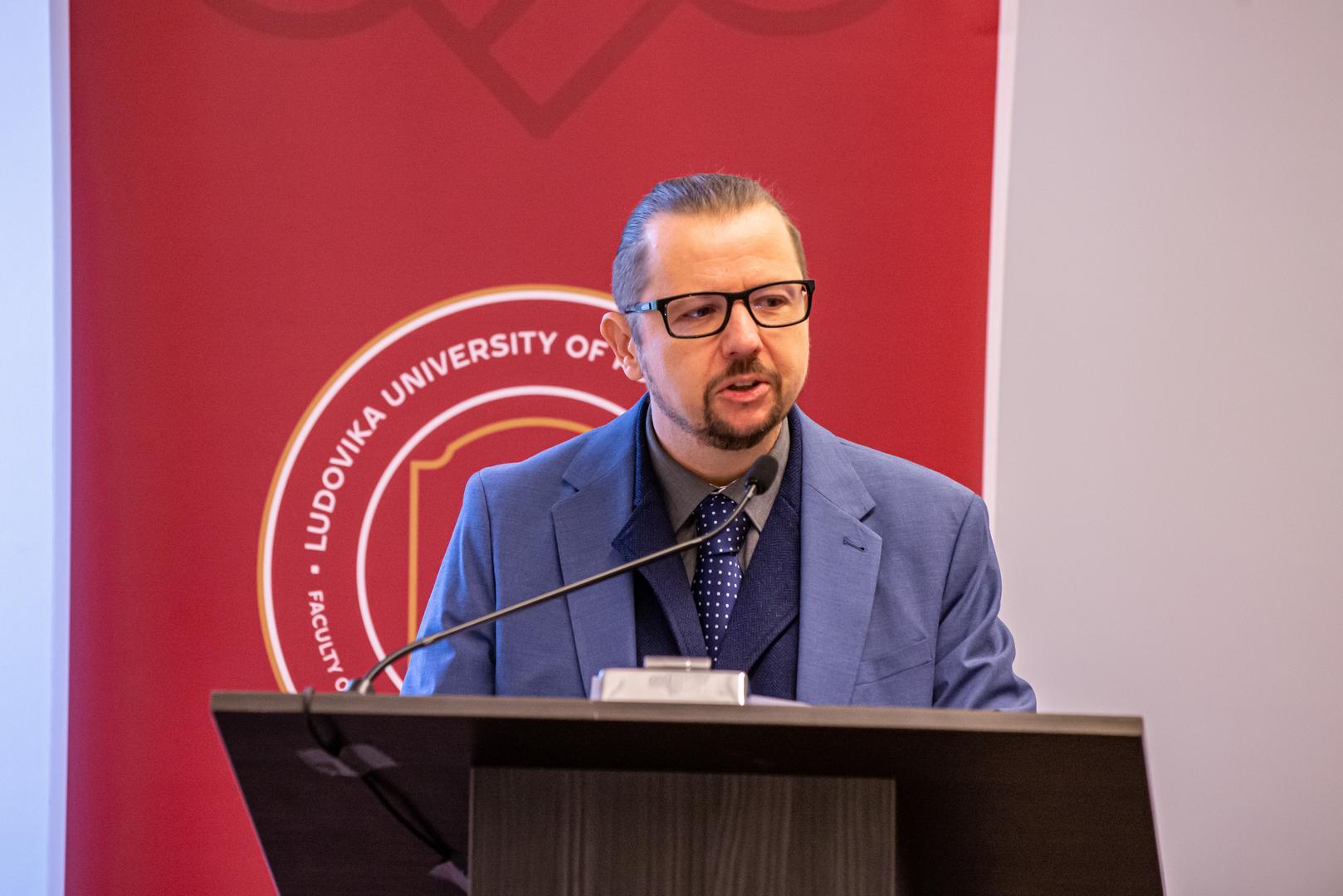
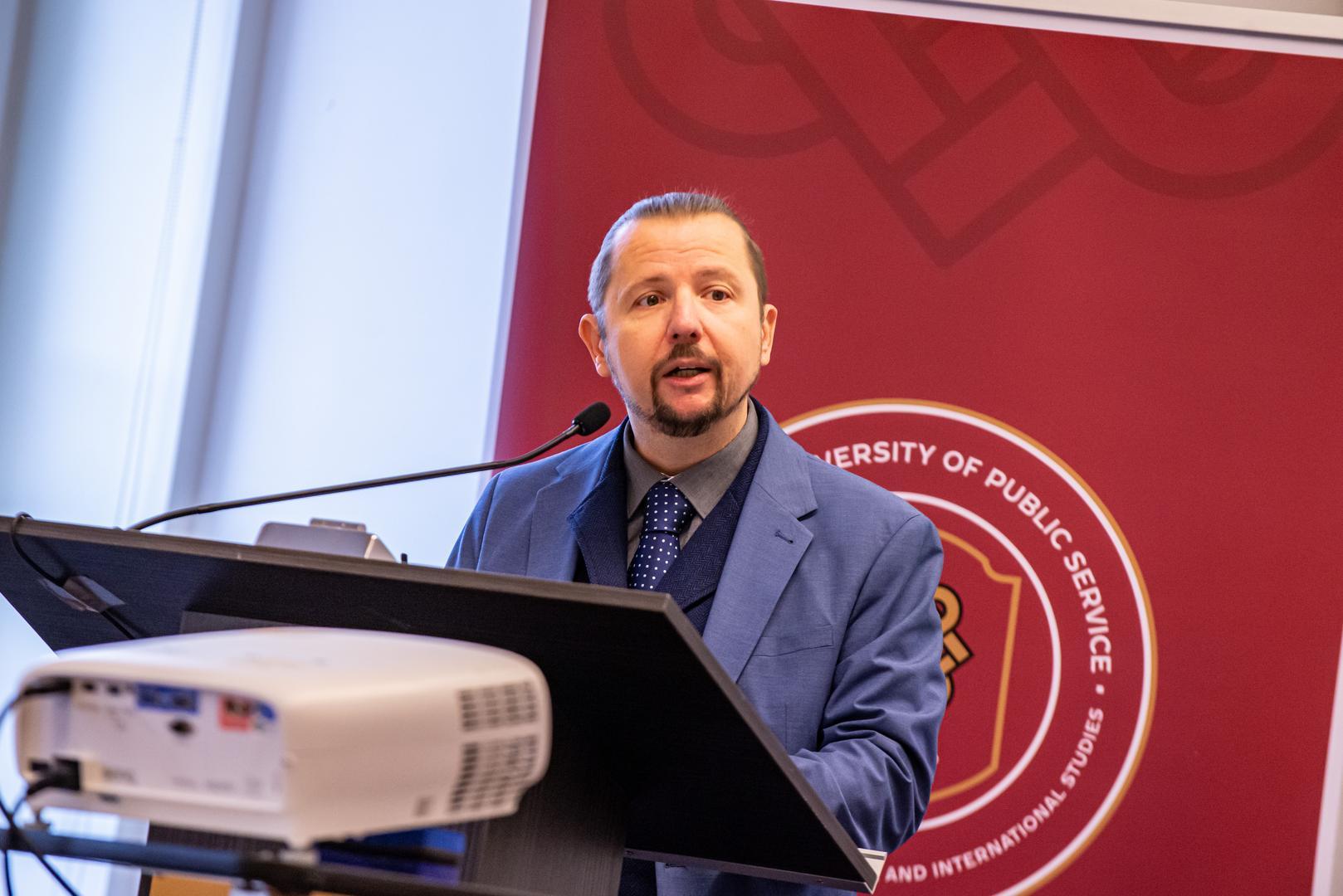
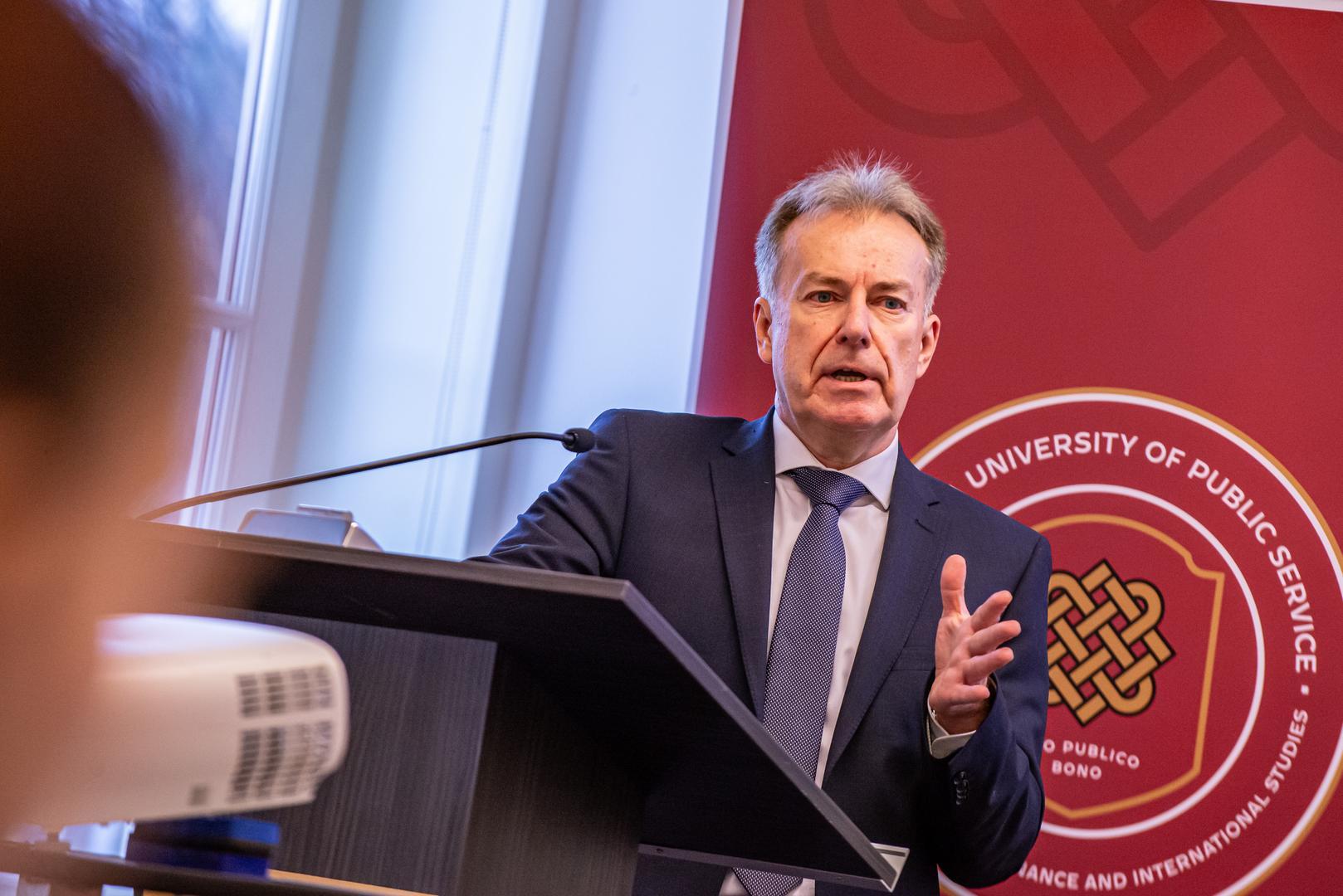
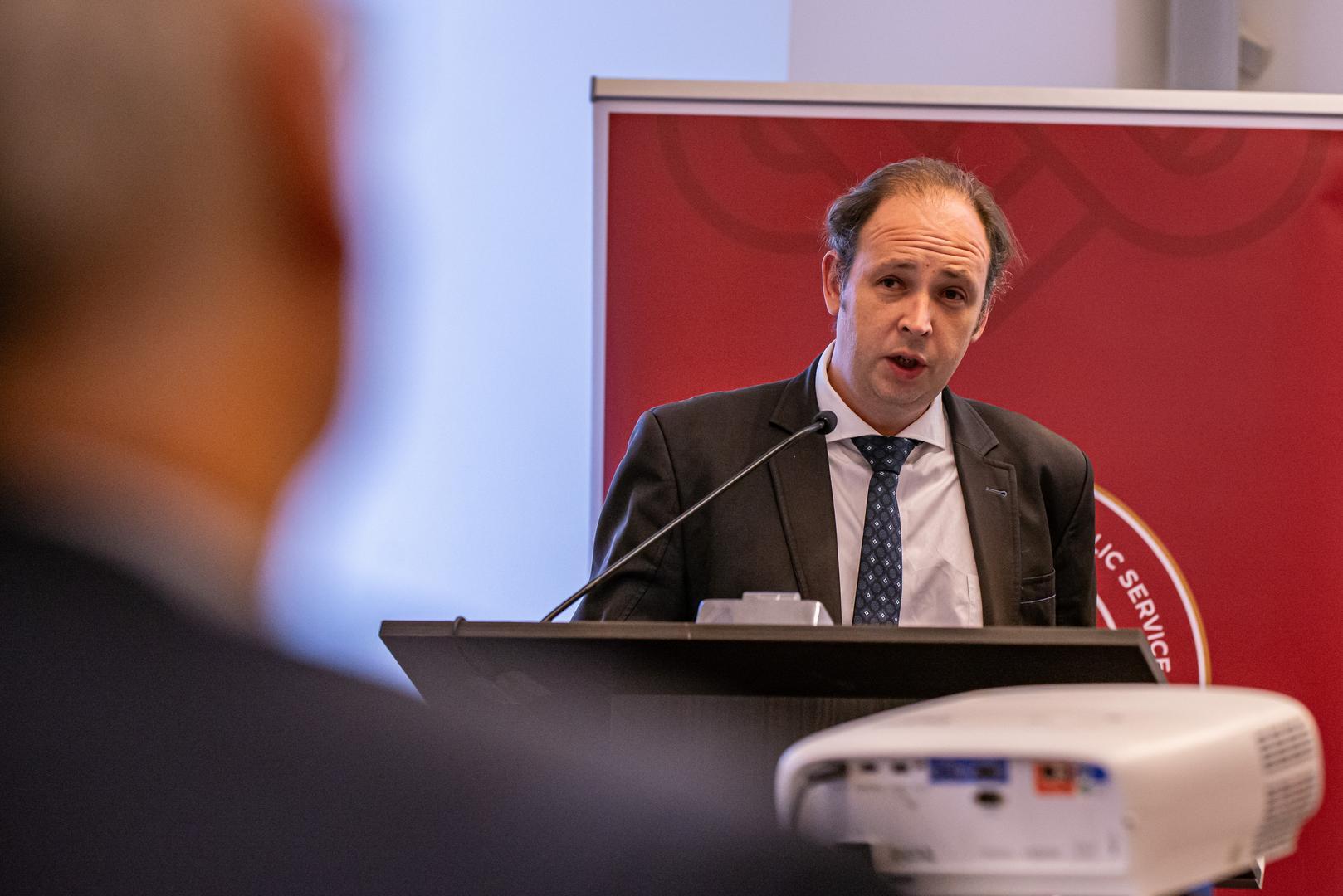
Tamás Kaiser, university professor and head of the LUPS FPGIS Department of Governance and Public Policy, in his opening lecture titled Cross-Border Governance and Functional Areas: Perspectives and Limits in Post-2027 Cohesion Policy, first drew attention to territorial inequalities, which remain significant in Europe and are emerging in new forms. He stated that although the European Union’s cohesion policy has reduced GDP gaps between developed and lagging regions, growing polarization, declining areas, and regions trapped in development bottlenecks can still be observed. He emphasized that border regions are particularly vulnerable, for instance due to infrastructural deficiencies and emigration. The department head addressed the concept of so-called border functional areas, explaining that regions should be understood not only based on geographic borders but on actual socio-economic connections, flows, and interactions. According to him, a functional approach can help reduce the vulnerability of border regions and address challenges such as migration, climate change, or economic transformation. Tamás Kaiser mentioned several overarching frameworks that define the interpretation and management of functional areas: setting priorities based on reliable statistical and local data, identifying relevant public policies such as tourism, environmental protection, transportation, healthcare, emergency services, economic cooperation, digital services, designing flexible financing frameworks, and integrating border functional areas in a way that does not necessarily require new institutions or regulations, but makes existing structures operate more efficiently. He stressed an activity-sensitive approach: the design of functional areas must always adapt to local needs, data, experiences, and context.
Lukáš Vomlela, assistant professor at the Silesian University in Opava, Faculty of Public Policy, presented the characteristics of Silesian identity and language in the Czech Republic and Poland. The expert emphasized that Silesian identity is not a weak regional category, but in many places a strong, historically deeply rooted identity that mobilizes communities. Its stabilizing factors include historical continuity and memory, linguistic–dialectical distinctiveness (which still exists, for example, in Upper Silesia), and religious communities. He highlighted that in the 20th century, after the two world wars, and especially after 1989, this regional identity has been strengthening again, particularly in Poland.
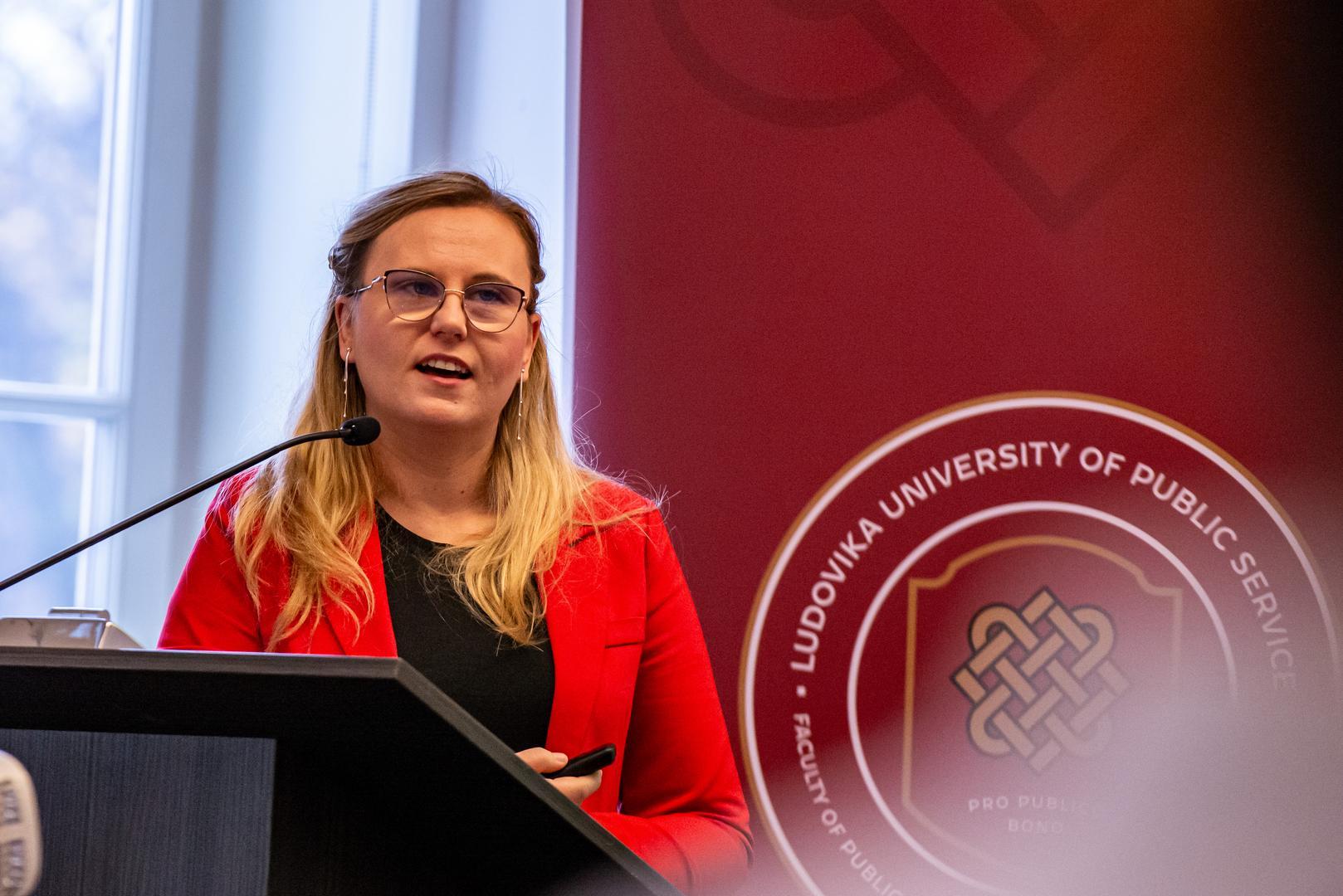
Barbara Panciszko-Szweda, assistant professor at Poland’s Kazimierz Wielki University, highlighted the challenges of the Polish borderlands in her presentation. She noted that the concept of “rural” can be defined in many ways (administratively, population density, economy, structure, location). Based on her research, she explained that there are ten rural border regions in Poland (including along the German, Czech, Slovak, Lithuanian, Ukrainian, Belarusian borders and near Kaliningrad), mostly with populations of 1,000–2,300. Most of these small settlements are also among Poland’s most depopulated communities. She emphasized that these smallest rural communities are largely poor, aging, and highly peripheral. Although their geographic location could theoretically make them important actors in EU cross-border integration, in practice their participation in cross-border cooperation is minimal. She stated: “For most communities, survival and managing internal problems are currently the priorities, not international relations.”
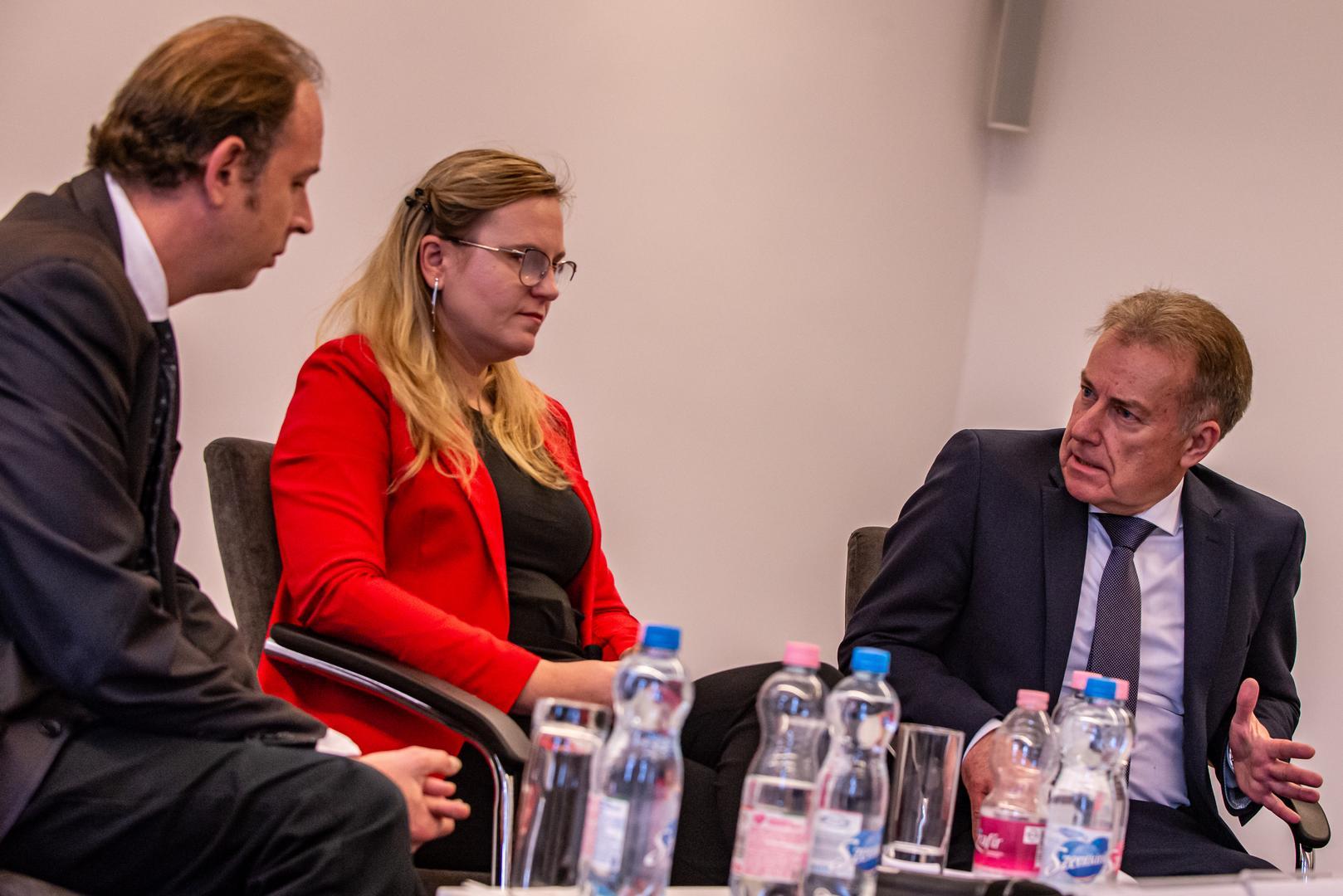
After the presentations, the speakers discussed questions about how different countries designate settlements based on different criteria, creating great diversity worldwide. They also discussed the challenges of green infrastructure and social participation, especially in Central and Eastern Europe. They added that in developing border regions, collecting data is particularly important, not only official statistics but also local, municipal-level information, which is necessary for understanding projects and requires expertise, financial and legal capacities, and well-organized project teams. The discussion also addressed economic disparities in the Czech and Polish border regions: some regions are less developed, often struggling with industrial decline or mine closures, which also affect political preferences and election outcomes.
In the next section of the conference, Mitja Durnik, university professor at the University of Ljubljana, Faculty of Public Administration, presented the policy background of managing natural hazards in Slovenia, mainly wildfires and floods. He explained that in Slovenia, summer heat, dry karst areas, and water shortages make wildfires increasingly frequent, while almost every year 1–2 serious floods isolate settlements from the outside world. How do natural hazards enter the political agenda? The expert outlined two theoretical approaches: he referred to John Kingdon’s so-called Multiple Streams Framework and to discursive policy analysis. According to Mitja Durnik, for natural hazards, evidence-based policy alone is not enough: “softer” methods (discourse analysis, examining narratives) are also needed because society interprets crises in emotional and symbolic ways.
Colonel János Pulics, senior lecturer at the LUPS Faculty of Law Enforcement (FLE) Department of Border Policing, presented the significance, history, and contemporary challenges of the Schengen Agreement. He first defined the Schengen Area as the European zone allowing free movement without internal border checks, one of the EU’s most important achievements. “The biggest problems are migration and border security,” said the lecturer. He recalled that in 2015, the EU was unprepared for the arrival of a massive number of asylum seekers and that member states responded differently to migration (for example, the Netherlands would support labor market integration of migrants, while other countries were more restrictive). He added that preserving and further developing Schengen is crucial, and the challenge of the future is finding a balance between security and freedom. At the event’s conclusion, Tamás Kaiser emphasized that the lessons of the past and present experiences highlight the complexity of border areas and the task of breaking down this complexity into smaller, manageable parts, which form the basis for effective cooperation.
The TKP2021-NKTA-51 project was implemented with the support of the National Research, Development and Innovation Fund of the Ministry of Culture and Innovation, financed through the TKP2021-NKTA grant program.
Text: Éva Harangozó
Photo: Márk Benjámin Mészáros